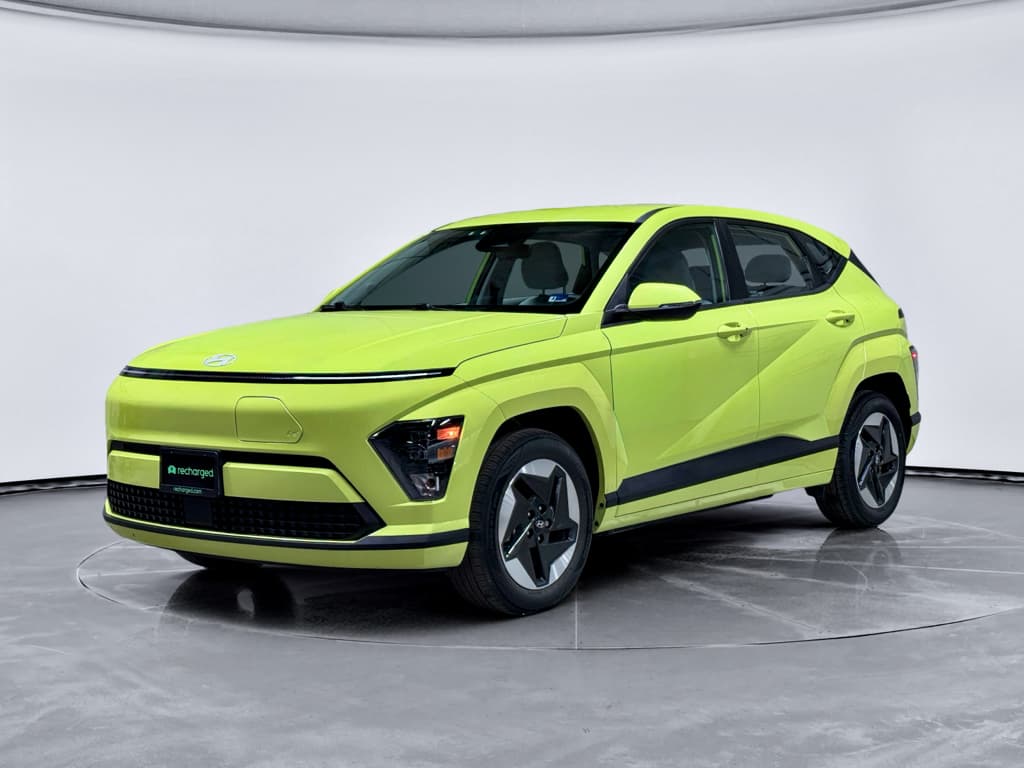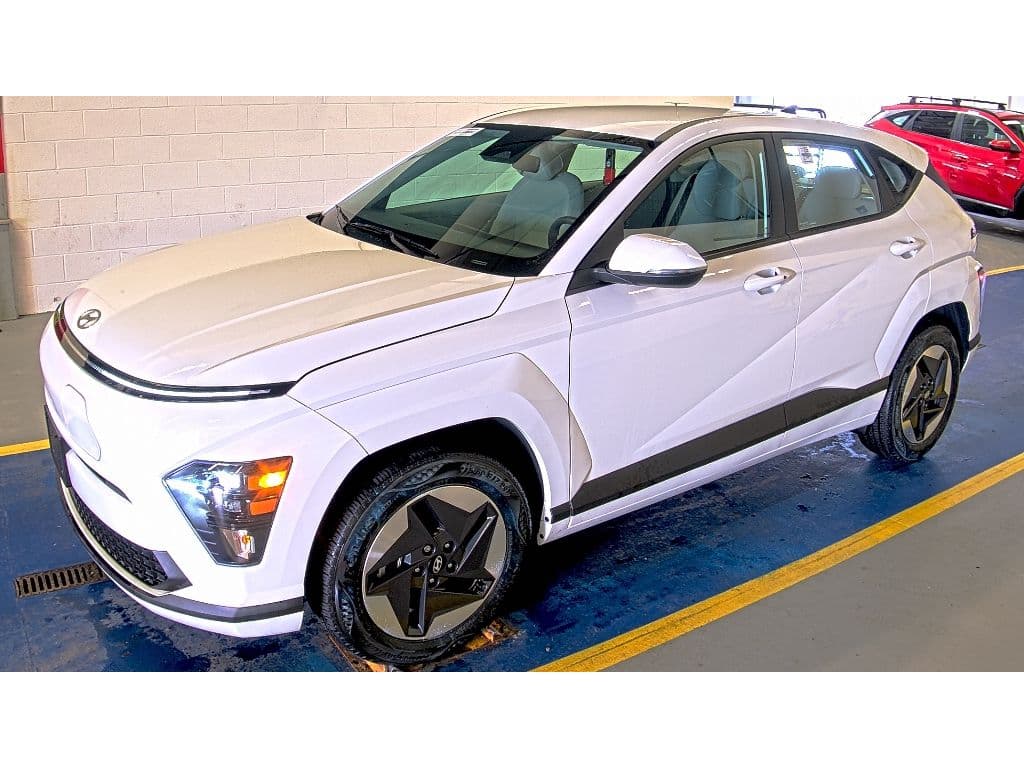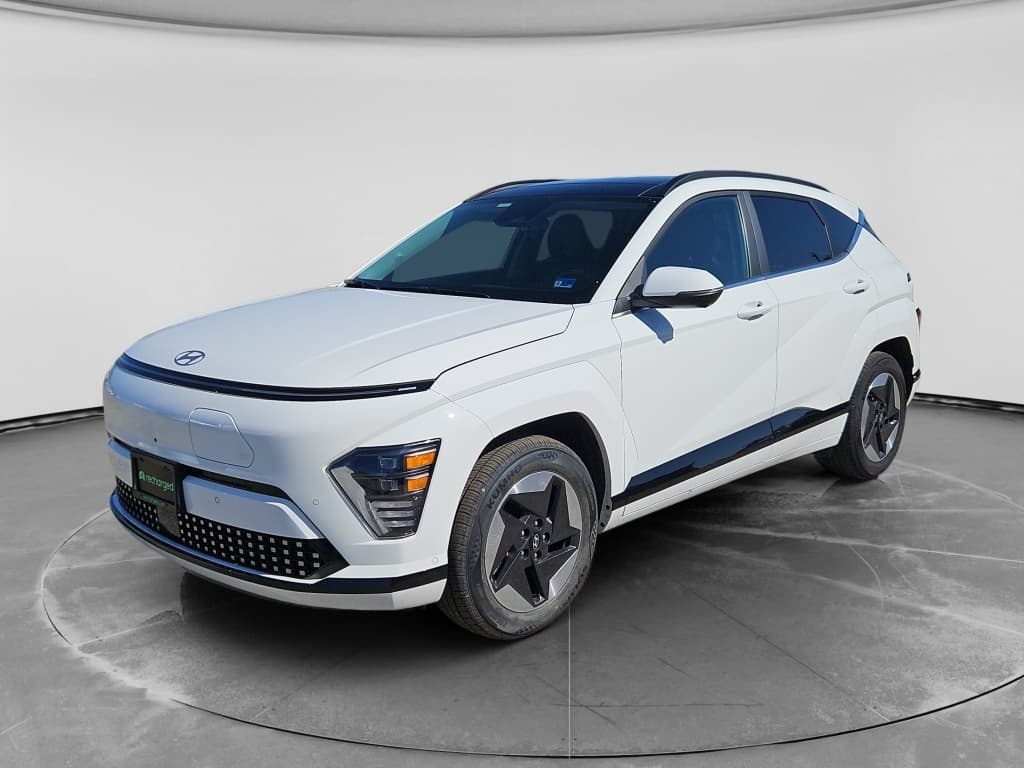
If you’re shopping for an affordable electric SUV, the 2021 Hyundai Kona Electric probably sits near the top of your list. It offers strong range for its size and a long warranty, but many shoppers understandably want to know: what are the real‑world 2021 Hyundai Kona Electric problems you should watch for, especially on a used example?
Quick take
Overview: How reliable is the 2021 Kona Electric?
The 2021 Hyundai Kona Electric sits in an interesting spot. It benefited from lessons learned on the 2019–2020 models, especially around high‑voltage battery safety, yet it still shares the same basic powertrain and platform. Many owners report trouble‑free driving well past 50,000 miles, with only routine tire rotations and 12‑volt battery replacements, while others have dealt with coolant warnings, charging door failures, and long dealer wait times for EV‑qualified technicians.
- Real‑world range is strong for the class (often 230–280 miles in mixed driving when new).
- Powertrain reliability is generally good: motor and reduction gear issues are rare.
- Hyundai’s long EV powertrain and battery warranties help soften the risk.
- The biggest headaches tend to be coolant system faults, charge‑port hardware issues, and uneven support at some dealerships.
Model‑year context matters
Major known issues and recalls
Before you get into day‑to‑day annoyances, it’s worth understanding the bigger‑ticket issues and recall history that surround the Kona Electric line. Even if a specific recall started with earlier years, it can still influence how a 2021 has been serviced or updated.
Big‑picture issues owners should know about
Not every 2021 Kona Electric will see these problems, but they’re the ones to ask about when buying used.
Battery fire recalls (earlier years)
Hyundai issued a global recall for certain 2019–2020 Kona Electric models due to lithium‑ion battery fire risk, ultimately opting to replace packs in many cars and update the battery management software.
By 2021, most North American cars either had updated packs or revised software, but you should still confirm recall status and whether a replacement pack was installed on the car you’re considering.
Coolant & thermal system warnings
Some 2021 Kona EV owners report coolant warning lights, leaks, or issues with the battery thermal management system. These can range from a simple reservoir top‑off to hose or pump replacement.
Left unchecked, thermal issues can trigger reduced power or no‑start conditions, so they’re worth taking seriously.
Charge‑port & charge‑door faults
Another recurring theme is problems with the charging port door or latch and the charge‑port electronics. Owners mention doors that won’t lock or sensors that falsely think the door is open, preventing charging.
Electronics & warning lights
Like many modern EVs, the Kona Electric can occasionally throw check EV system or other warning messages that may require dealer diagnostics. Software updates have resolved many glitches, but intermittent faults still crop up for some owners.
Always run a recall check
Battery health, range and degradation
Battery anxiety is top of mind for any used‑EV shopper, especially on a model that’s already been through high‑profile recalls in earlier years. The good news: in day‑to‑day use, the 64 kWh pack in the 2021 Kona Electric generally ages well when it’s been charged mostly at home and not abused with constant DC fast charging.
Battery & range snapshot for 2021 Kona Electric
Most 2021 owners report only modest capacity loss over the first 3–5 years, often retaining more than 90% of original range, if the car has been treated reasonably. That said, there are a few battery‑related concerns worth noting:
- Kona EVs that lived on DC fast chargers or in extreme heat may show more noticeable degradation.
- Some owners report range throttling in cold weather, with winter drops of 25–30% not unusual, this is common across many EVs, not just Hyundai.
- After major battery recalls, many cars received replacement packs. A 2021 with a newer pack installed in 2022 or 2023 can actually be a hidden value if the work was done properly.
- A few owners mention conservative charging limits (for example, software limiting charge to 90%) after some updates; this is usually by design for battery longevity or safety.
How to assess a Kona EV’s battery before you buy
Coolant leaks and thermal management problems
One of the most talked‑about real‑world 2021 Hyundai Kona Electric problems isn’t catastrophic battery failure, it’s coolant and thermal system quirks. Owners on forums and review sites describe warning lights, sudden derating, or dealership visits traced to the EV’s liquid‑cooled battery and power electronics system.
Common symptoms
- Yellow or red coolant warning light on the dash
- Messages to "Check EV System" or "Service EV System"
- Reduced power or refusal to start in rare cases
- Visible coolant under the car or a low reservoir
Typical root causes
- Coolant hose leaks or loose clamps
- Faulty coolant level sensor
- Issues with the battery chiller or pump
- Air pockets after service work
Most of these are addressable under warranty, but the bigger risk is downtime if your local dealer doesn’t have EV‑trained techs or the right parts in stock.
Don’t ignore coolant warnings
Charging port door and charging issues
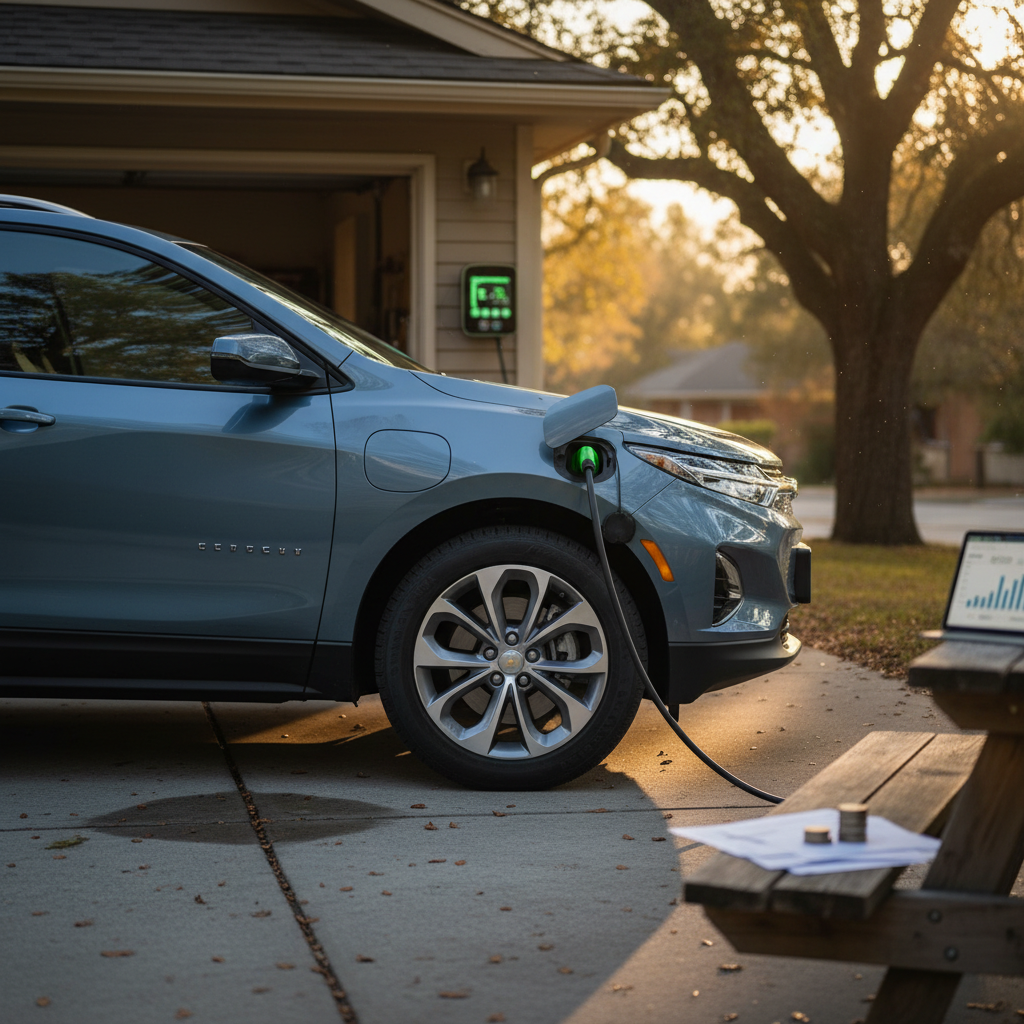
The Kona Electric’s front‑mounted charge port is convenient in tight parking lots, but it’s also exposed to weather, salt and road grime. A number of 2019–2021 owners report issues with the charge‑port door, latch and sensor, plus occasional communication hiccups with public chargers.
- Door thinks it’s open when closed, triggering warnings or preventing charging.
- Charge‑port ring light flickers or fails, making it harder to see status at night.
- Certain DC fast chargers stop early or refuse to initiate a session, while others work fine.
- AC charging suddenly stops after a few minutes due to a sensitive ground‑fault or temperature sensor.
How to test charging on a used Kona EV
Brakes, tires and ride‑noise complaints
Mechanical hardware on the 2021 Kona Electric, brakes, suspension, steering, hasn’t generated the same kind of headlines as its battery recalls, but there are a few patterns that come up in owner feedback.
Everyday drivability complaints
Not deal‑breakers for most shoppers, but worth knowing about.
Tire wear & grip
Several owners describe the factory all‑season tires as mediocre in grip and longevity. Torque from the electric motor can accelerate wear, especially on the front axle.
Upgrading tires can dramatically improve ride and noise levels.
Highway wind noise
The Kona is a subcompact crossover, and the EV version inherits some wind and road noise at highway speeds. On rough pavement or in heavy crosswinds, the cabin can feel louder than newer dedicated EV platforms.
Brake feel quirks
Because the Kona Electric relies heavily on regenerative braking, the transition between regen and friction brakes can feel grabby or inconsistent to some drivers, especially at low speeds.
Simple test drive checks
Interior comfort and build quality
Inside, the 2021 Kona Electric looks modern enough, with a digital cluster and a clear center display, but some owners criticize the heavy use of hard plastics and the subcompact packaging. These aren’t “problems” in the mechanical sense, but they do affect how happy you’ll be living with the car every day.
- Seats that feel firm or unsupportive on long trips, especially for taller drivers.
- Limited cargo space compared with larger compact SUVs; mobility devices or strollers can be a tight fit.
- Liftgate that needs a firm slam to latch properly.
- Some squeaks, rattles and trim creaks as mileage climbs, especially in cold weather.
The flip side: many owners love it
Ownership costs and depreciation for 2021 Kona EVs
Hyundai’s EV warranty is one of the bright spots for a used 2021 Kona Electric buyer. In the U.S., you typically get 10‑year/100,000‑mile coverage on the battery and powertrain (from the original in‑service date) for the first owner, and strong coverage even for many subsequent owners depending on state and program. That helps offset one of the Kona EV’s biggest real‑world “problems”: depreciation.
Where the Kona EV saves you money
- Low routine maintenance: no oil changes, fewer moving parts.
- Brake wear is typically light thanks to strong regenerative braking.
- Electricity is usually cheaper per mile than gasoline, especially if you can charge overnight at home.
- Extended battery warranty reduces the risk of a five‑figure repair bill.
Where costs can bite
- Steep early depreciation compared with some rivals and newer Hyundai EVs, especially if the car was bought new at COVID‑era pricing.
- Higher insurance rates in some regions compared with similar‑value gas cars.
- Out‑of‑warranty fixes for coolant leaks, charge‑port assemblies, or electronic control units can add up if dealer support is weak.
Resale reality check
What to check on a used 2021 Hyundai Kona Electric
If you’re considering a 2021 Kona Electric from a dealer lot or private party, you want to separate the strong examples from the problem children. Here’s a structured way to do it.
Pre‑purchase checklist for a 2021 Kona Electric
1. Verify recall and service history
Pull a full service record and VIN recall report. Confirm whether any high‑voltage battery recall work was done, and look for notes about coolant, charging hardware, or software updates.
2. Inspect for coolant and leak issues
Check the coolant reservoir level (cold), look under the car for dried residue or wet spots, and ask directly whether the car has ever shown a coolant or "check EV system" warning.
3. Test AC and DC charging
Plug into a Level 2 source for at least 10–15 minutes and, if possible, a DC fast charger. Confirm solid charging, no error messages, and a stable connector fit. Watch for premature session stops.
4. Examine tires, brakes and alignment
Uneven tire wear, steering pull, or vibrations at speed can signal alignment issues or worn components. They’re fixable, but you may be able to negotiate price or insist on reconditioning.
5. Evaluate interior condition and electronics
Cycle through the infotainment system, driver‑assist features and climate controls. Look for glitchy screens, random reboots, or inoperative buttons that could hint at deeper electrical issues.
6. Ask about battery health and usage
If available, review a battery‑health report. Ask where the car was driven (very hot vs. mild climate) and how often it used DC fast charging. A predominantly home‑charged car in a temperate region is ideal.
How Recharged evaluates and sells used Kona Electrics
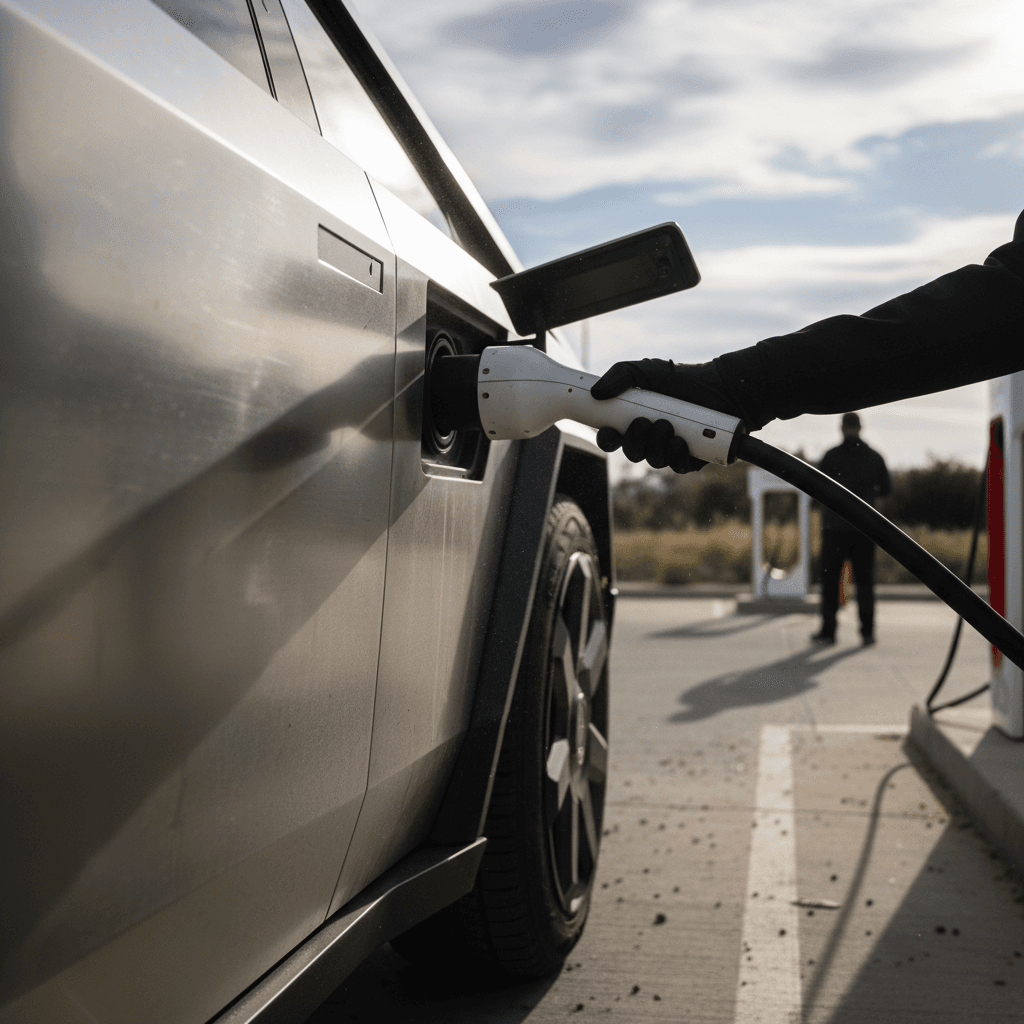
Because used EVs live or die on battery health and service history, Recharged builds those questions into the way we buy and sell 2021 Kona Electrics. Our goal is to take the guesswork out of issues you’ve been reading about in owner forums.
- Every Kona Electric we list includes a Recharged Score Report with third‑party battery‑health data, charge‑cycle insights and fault‑code scans.
- Our EV‑specialist partners inspect coolant lines, charge‑port hardware and high‑voltage cabling as part of reconditioning, not just the tires and brakes.
- We factor past recalls, battery replacements and software updates into transparent fair‑market pricing, so you can see how the car’s history influences value.
- If you have a vehicle to sell or trade, Recharged can provide an instant offer or consignment option and apply that value toward a Kona EV, often with nationwide delivery from our digital storefront.
Why this matters for 2021 Kona buyers
FAQ: 2021 Hyundai Kona Electric problems
Frequently asked questions about 2021 Kona Electric issues
Bottom line: Should you buy a 2021 Kona Electric?
For many shoppers, the 2021 Hyundai Kona Electric hits a sweet spot: long range for its size, simple daily driving, and used prices that reflect heavy early depreciation. Its main drawbacks, occasional coolant issues, charge‑port quirks, subcompact interior space and some dealership growing pains with EV service, are real, but not universal.
If you value efficiency and price over a plush interior, and you choose a car with clean recall history, solid battery health and a thorough EV inspection, a 2021 Kona Electric can be a smart, budget‑friendly EV. Working with an EV‑focused marketplace like Recharged helps you shortcut that homework: you see the battery score, understand the service history, and get support from people who read EV service bulletins for fun, so you don’t have to.