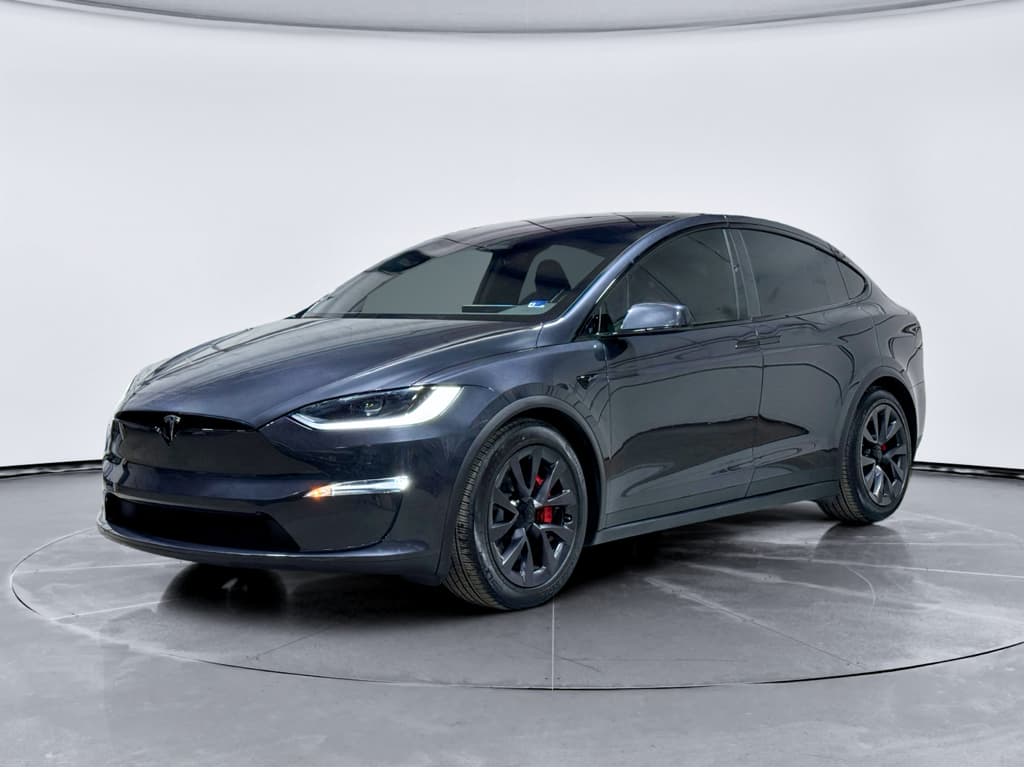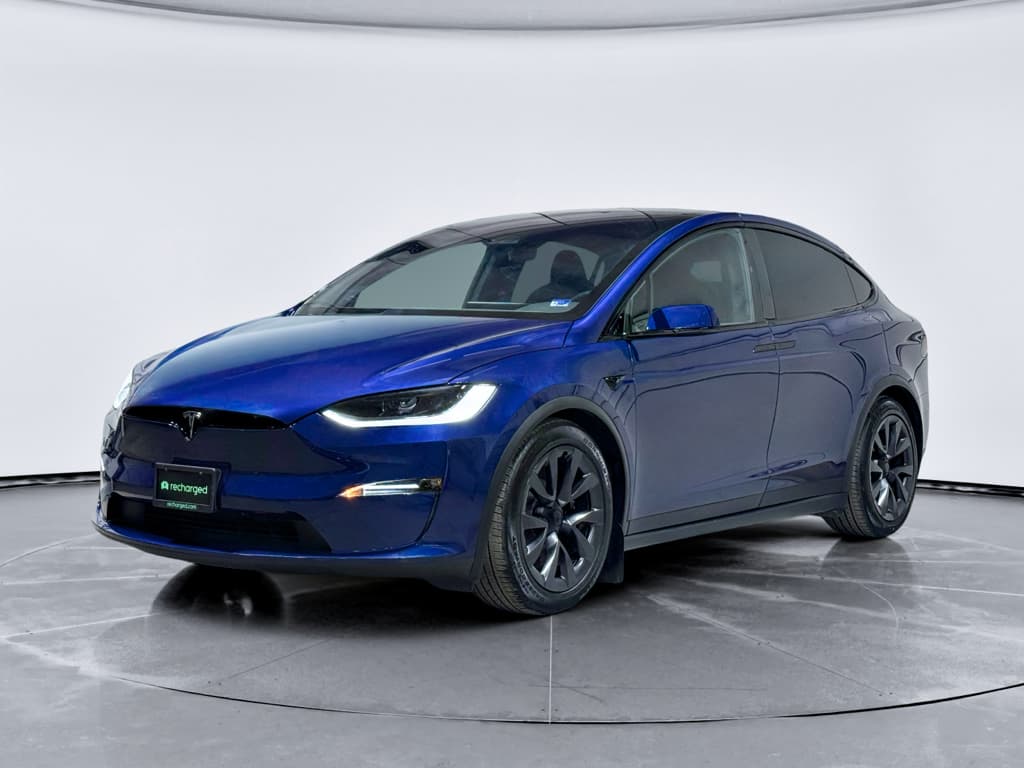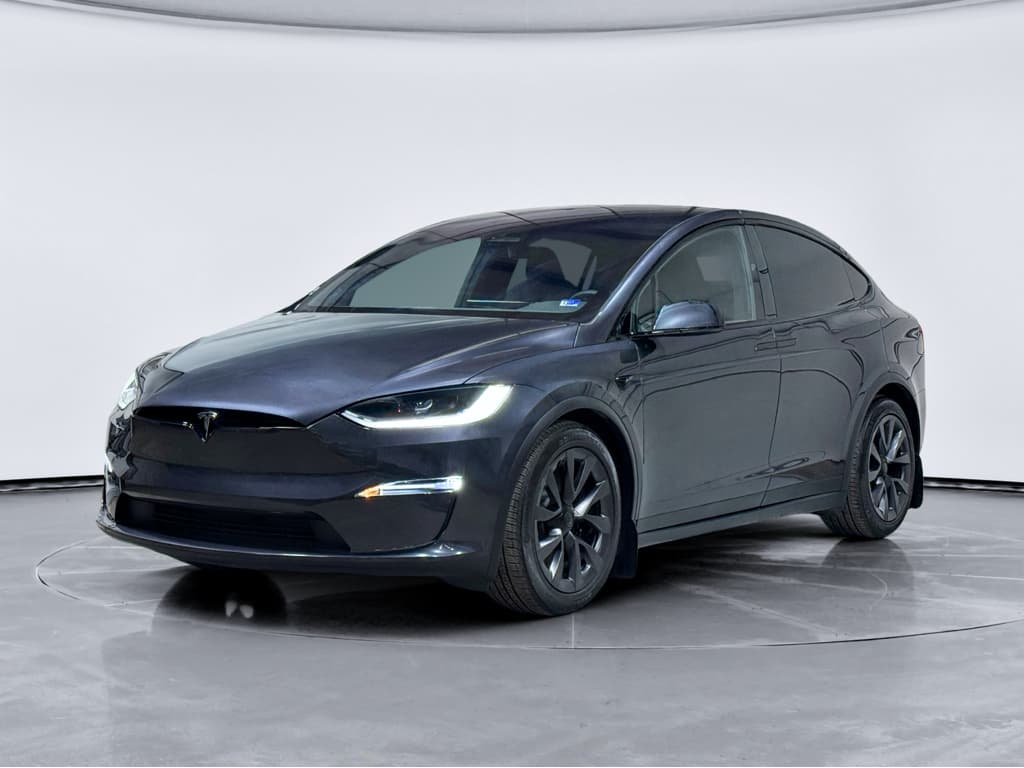
Yes, a Tesla Model X can absolutely tow a trailer, and when you use it within its limits, it can be a remarkably capable electric tow vehicle. The key is understanding how much it can tow, how towing affects range, and how to plan your trips so you’re not white‑knuckling it between chargers with a camper hooked up behind you.
Quick answer
Can a Tesla Model X really tow a trailer?
If you’re coming from gas SUVs and pickups, the idea of an electric family hauler pulling a camper can feel like science fiction. But the Tesla Model X was engineered with towing in mind: dual motors, strong torque from a standstill, a long wheelbase, and an available factory tow package with integrated software support.
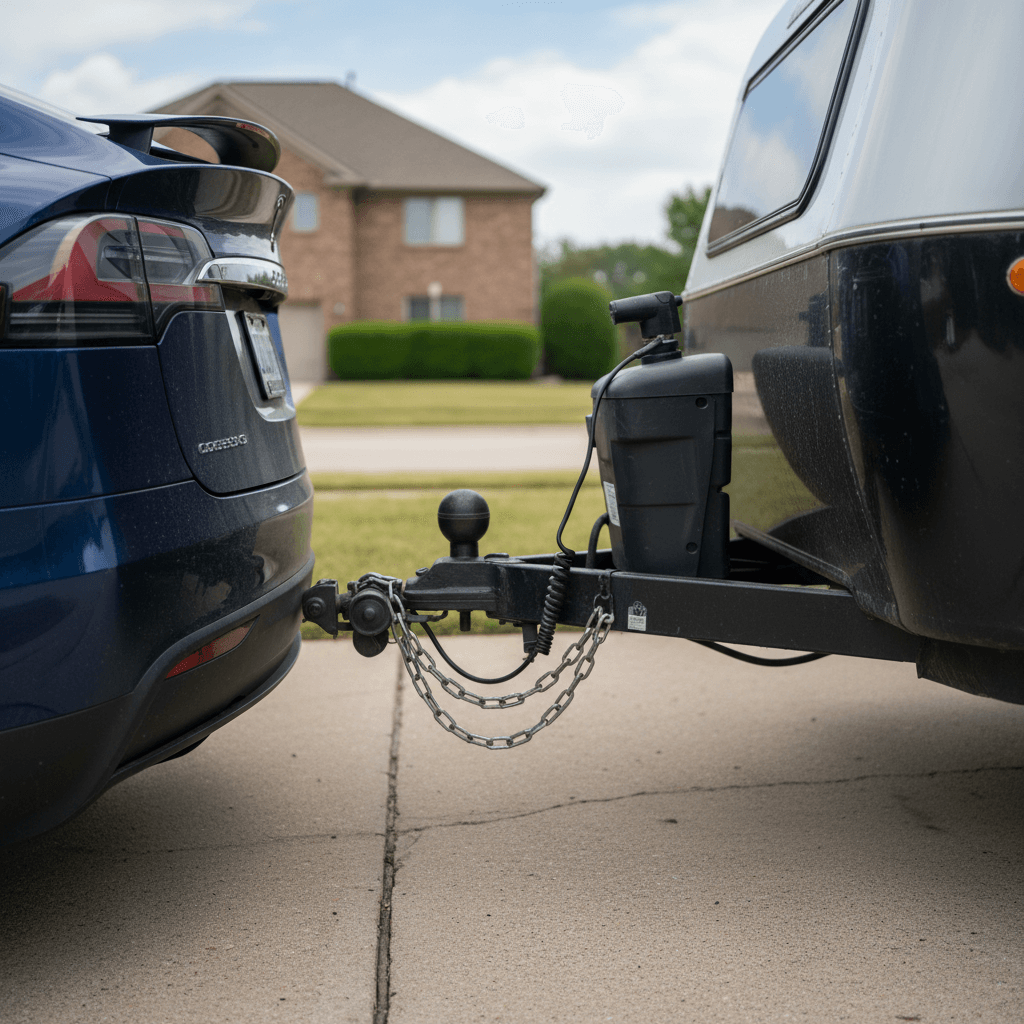
- Factory‑equipped Model X SUVs include a Class III–style hitch receiver and trailer wiring.
- Towing mode adjusts stability control and torque delivery for better control.
- The low center of gravity from the battery pack helps with stability in crosswinds.
Watch the badges
Tesla Model X towing at a glance
About these numbers
Tesla Model X towing capacity by version
Tesla has evolved the Model X lineup over the years, but towing capacity has stayed in a fairly tight band. Think of it like this: earlier small‑battery models typically tow a bit less; most long‑range, dual‑motor versions land at the higher 5,000‑lb mark.
Typical Tesla Model X towing ratings
Approximate maximum trailer ratings for common Model X variants with the factory tow package. Always check your exact VIN’s documentation.
| Model X version | Battery / trim (typical) | Drive | Approx. max trailer | Tongue weight |
|---|---|---|---|---|
| Early 60D / 70D | Smaller‑battery dual‑motor | AWD | ~3,500 lbs | ~350 lbs |
| 75D / 90D / 100D | Mid/large‑battery dual‑motor | AWD | Up to 5,000 lbs | Up to 500 lbs |
| Long Range / Long Range Plus | Recent large‑battery | AWD | Up to 5,000 lbs | Up to 500 lbs |
| Performance / Plaid era | High‑performance variants | AWD | Up to 5,000 lbs (when equipped) | Up to 500 lbs |
Use this as a starting point and confirm your specific vehicle’s rating before hitching up.
Never exceed your GVWR or GCWR
- Check the driver’s door jamb for GVWR and GAWR (axle ratings).
- Look in the owner’s manual or digital manual for GCWR and tow rating.
- Remember: passengers + cargo + hitch weight + trailer all count toward limits.
How towing affects range in a Model X
Towing is where electric and gas vehicles share the same reality: drag is drag, and weight is weight. With a Model X, you’ll usually feel the impact in your usable range rather than in engine noise or downshifts.
Real‑world Model X towing range expectations
These are ballpark figures to help you plan, not guarantees.
Light, low trailer
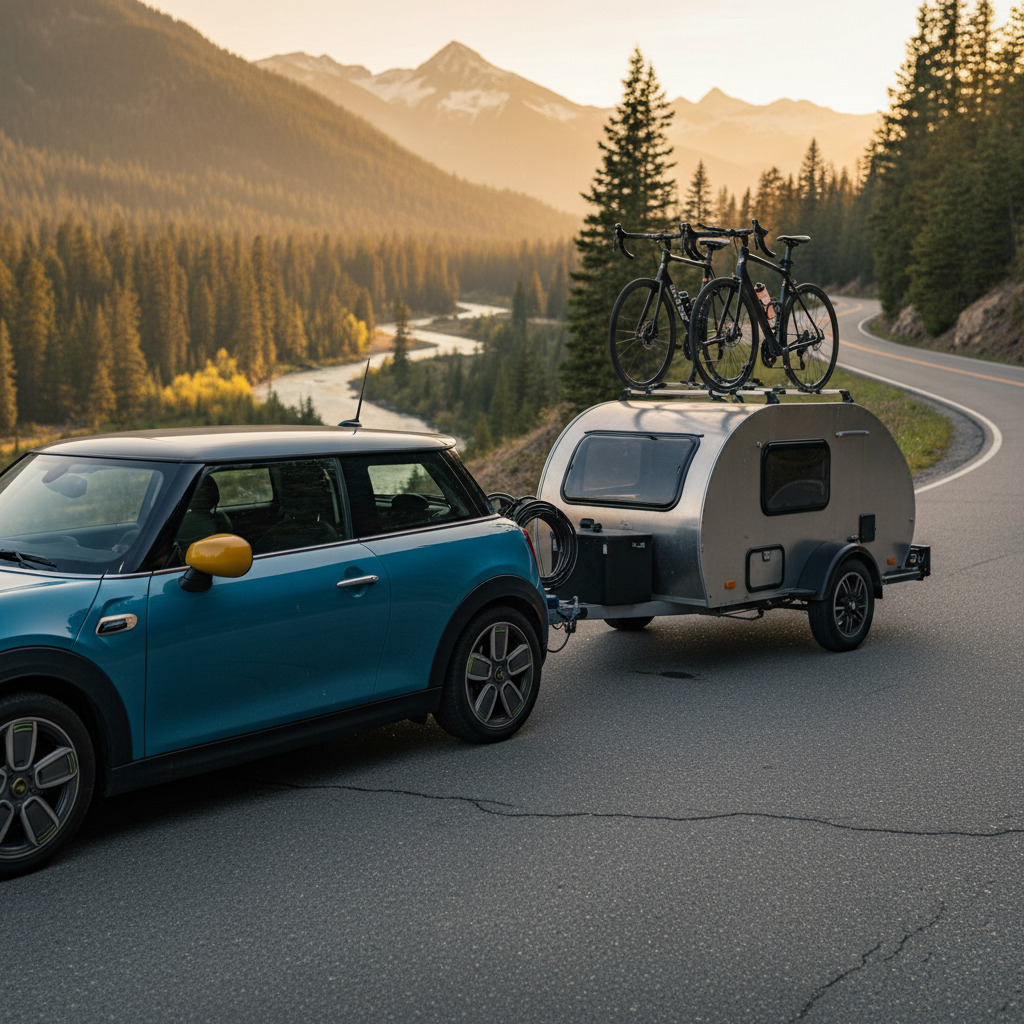
Example: small utility trailer, light cargo, or tiny teardrop camper.
- Range impact: roughly 20–30% more energy use.
- Best on slower back‑roads (50–60 mph).
Medium travel trailer
Example: 3,000–4,000 lb single‑axle camper.
- Range impact: often 30–50% more energy use.
- Wind profile matters more than weight.
Tall, boxy trailer
Example: big cargo box or tall bunkhouse camper.
- Range impact: can exceed 50% extra energy use.
- Higher speeds magnify drag dramatically.
Plan for conservative range
Factors that hurt range most
- Speed: Aerodynamic drag climbs quickly above 60 mph.
- Tall front wall: A square‑nose camper is like pushing a billboard.
- Headwinds: A 20 mph headwind can feel like you sped up 20 mph.
- Cold weather: Cabin heat plus cold batteries = higher consumption.
Ways to stretch your range
- Target 55–60 mph where possible.
- Keep tires (car and trailer) at proper pressures.
- Use camping mode and efficient climate settings at stops.
- Plan fast‑charge stops every 80–120 miles instead of 200+.
What kinds of trailers can a Model X tow?
Once you know your rating and you’ve made peace with the range hit, the next question is, “What can I actually put behind this thing?” The answer: quite a lot, as long as you choose thoughtfully.
Common trailer types for a Tesla Model X
Staying within 3,500–5,000 lbs opens up more options than you might think.
Utility & cargo trailers
Great for weekend projects or gear runs.
- Small open utility trailers with yard waste or lumber.
- Low enclosed cargo trailers for bikes or tools.
- Usually the least aerodynamic penalty if kept low.
Small campers & teardrops
The sweet spot for EV towing.
- Teardrop or lightweight travel trailers under ~3,500 lbs.
- Pop‑up campers and A‑frame fold‑downs.
- Look for "aero" or "EV‑friendly" designs.
Toy haulers & sport trailers
Perfect for hobbies and toys.
- Motorcycle and snowmobile trailers.
- Small boat trailers (watch launch ramp traction).
- Kayak and bike racks on lightweight platforms.
Weigh it, don’t guess
Hitch packages, wiring, and hardware you need
Tesla’s factory tow package is the gold standard: it gives you a rated receiver, wiring, and integrated software. On a used Model X, though, you may be looking at cars with or without that package, and that changes your path to towing.
Model X towing hardware checklist
1. Confirm factory tow package
In the vehicle’s settings, look for <strong>Trailer Mode</strong>, and check for a 2‑inch receiver behind the rear cover. No Trailer Mode? You may not have the full Tesla-rated package.
2. Inspect receiver & fasteners
Make sure the hitch receiver and hardware are free of rust, cracks, or sketchy weld‑on aftermarket mounts. Tesla‑approved hardware should bolt into reinforced mounting points.
3. Verify trailer wiring
Most trailers expect a <strong>7‑pin RV‑style connector</strong>. Some Model X setups use adapters from a 13‑pin or 4‑pin setup, double‑check compatibility and that all lights work before you tow.
4. Check brake controller needs
Larger campers may require <strong>electric trailer brakes</strong>. That means adding a compatible brake controller and ensuring it’s properly wired and adjusted.
5. Use proper hitch accessories
Choose a ball mount with the correct drop or rise to keep your trailer level, and match the <strong>ball size and rating</strong> to your trailer’s coupler and weight.
6. Carry a torque wrench
Re‑torque hitch bolts and wheel lugs as specified, especially after your first few towing trips. EVs deliver instant torque; hardware needs to stay snug.
Buying a used Model X for towing?
Driving techniques for safe EV towing
The Model X makes towing feel effortless, sometimes a little too effortless. Instant torque and quiet operation can trick you into forgetting there’s a few thousand pounds following you. Good towing technique keeps you, your family, and your battery happy.
- Use Trailer Mode. This adjusts stability control and disables some driver‑assist features that aren’t designed for towing.
- Leave a bigger following gap. Even with strong regenerative braking, a loaded trailer increases stopping distance.
- Accelerate smoothly. Electric torque can stress trailer couplers and cargo if you launch too hard.
- Take wider turns. That long trailer pivot means the inside wheel tracks tighter than you expect.
- Watch your mirrors and cameras. A trailer can block rear visibility. Use side mirrors and, when available, camera views to stay aware.
- Respect downhill grades. Regenerative braking helps, but you still need to keep speeds in check and downshift equivalents in mind. Don’t count on regen alone for long, steep descents.
Autopilot isn’t designed for towing
Planning a trip while towing with a Model X
Towing with an EV is less about “Can it move the load?” and more about “Can I keep it charged without stress?” The good news is that a Model X gives you excellent tools for trip planning, you just need to adapt them for trailer duty.
Smart trip‑planning steps for Model X towing
Mix Tesla’s built‑in tools with a few old‑school habits.
1. Shorten your legs
When towing, plan shorter hops between fast chargers than you would when driving unladen.
- Think 80–120 miles per leg.
- Aim to arrive with 15–25% battery as a buffer.
- Pick chargers that are easy to pull in and out with a trailer.
2. Scout your charging stops
Before you commit to a route, zoom into charger locations on the map or in apps.
- Look for pull‑through stalls or edge spots.
- Check photos and recent check‑ins for clearance.
- Be prepared to briefly unhook the trailer if needed.
3. Favor efficient routes
Sometimes a slightly slower, flatter route beats a short, steep one.
- Minimize big elevation changes.
- Avoid long stretches with no charging backups.
- Allow extra time for lower towing speeds.
4. Build in more time
An EV towing trip is more “scenic tour” than “cannonball run.”
- Charging stops may be longer and more frequent.
- Kids and pets may actually appreciate the breaks.
- Treat the journey as part of the vacation.
Use towing as a stress test, before the big trip
Towing with a used Model X: what to check
If you’re looking at a used Tesla Model X specifically because you want something that can haul the family and tow a camper, you’re already thinking like a practical EV owner. But not every used Model X is equal for trailer duty.
Pre‑purchase checks for a towing‑friendly used Model X
Confirm tow package from the start
Ask the seller for photos of the <strong>receiver, wiring plug, and Trailer Mode screen</strong>. If you’re browsing on Recharged, review the listing details and photos carefully.
Review battery health
Towing isn’t inherently damaging, but you’ll rely more heavily on the pack. A <strong>Recharged Score battery health report</strong> helps you understand usable range today, not just what it was on paper when new.
Look for signs of heavy towing
Check for <strong>sagging suspension, uneven tire wear, hitch rust, or scuffed bumper covers</strong>. None are automatic deal‑breakers, but they tell a story about past use.
Test drive with weight if possible
Even a loaded cargo trailer or weighted utility trailer can reveal <strong>how the suspension and brakes feel under load</strong>. Listen for clunks or vibrations when accelerating and braking.
Verify software and settings
Make sure the car’s software is current and that <strong>Trailer Mode and stability systems</strong> work as expected during your test drive.
How Recharged can help
Pros and cons of towing with a Tesla Model X
Why the Model X makes a great tow vehicle
- Instant torque: Effortless launches, even on grades.
- Low center of gravity: Battery placement helps stability.
- Quiet powertrain: Easier to hear trailer noises or problems.
- Integrated electronics: Trailer Mode and smart traction systems.
- Cab comfort: Big glass, quiet cabin, and strong climate control for long days.
Where the Model X asks for trade‑offs
- Reduced range: Plan on shorter legs and more stops.
- Charging logistics: Maneuvering a trailer at some stations can be awkward.
- Weight limits: Heavy, tall fifth‑wheel‑style RVs are off the table.
- Learning curve: You’ll spend more time up front on route planning.
Think use case, not just numbers
Frequently asked questions about towing with a Model X
Model X towing FAQ
Should you tow with a Tesla Model X?
If your idea of adventure is a sensible, well‑packed camper, a couple of bikes, and the family dog, a Tesla Model X can be a very capable tow vehicle. It will pull confidently, keep the cabin calm, and reward careful planning with an easygoing, almost serene towing experience.
The trade‑offs are real: you’ll stop more often, drive a bit slower, and think harder about routes and charger access. But for many owners, that’s a small price to pay for electric smoothness, instant torque, and lower day‑to‑day running costs when you’re not towing.
If you’re shopping for a Model X with towing in mind, a used example with the factory tow package and a healthy battery can be a smart, budget‑friendly way to get there. Every Recharged vehicle includes a Recharged Score battery health report and expert EV guidance, so you can choose a Model X that fits both your everyday life and your weekend trailer dreams.