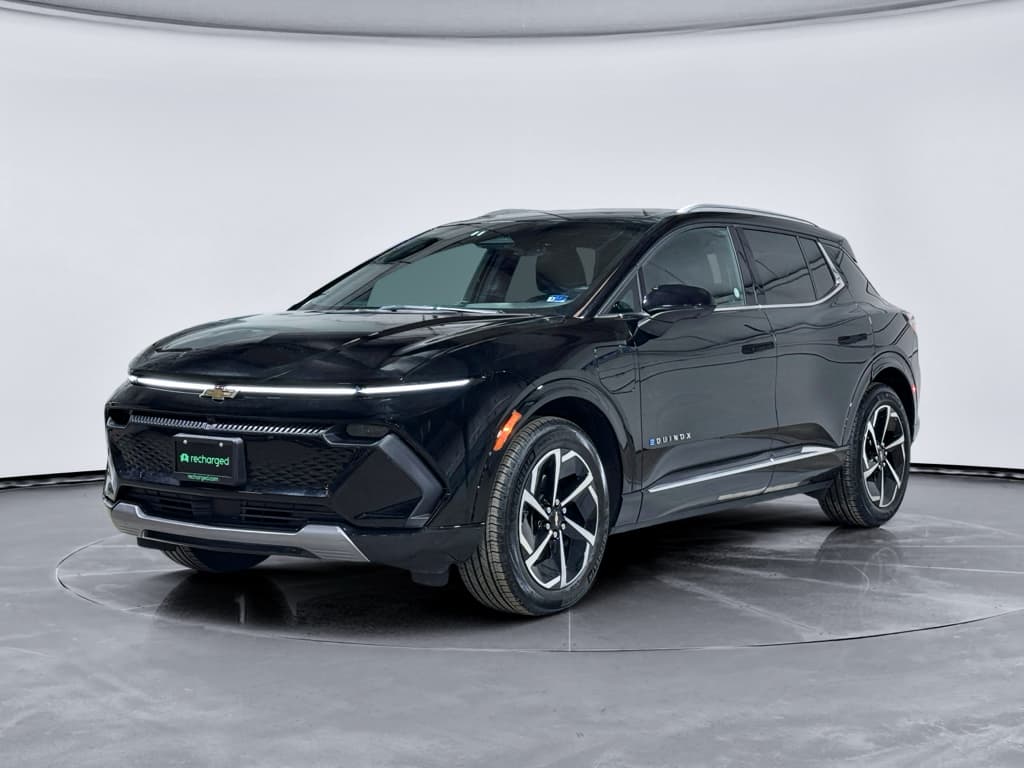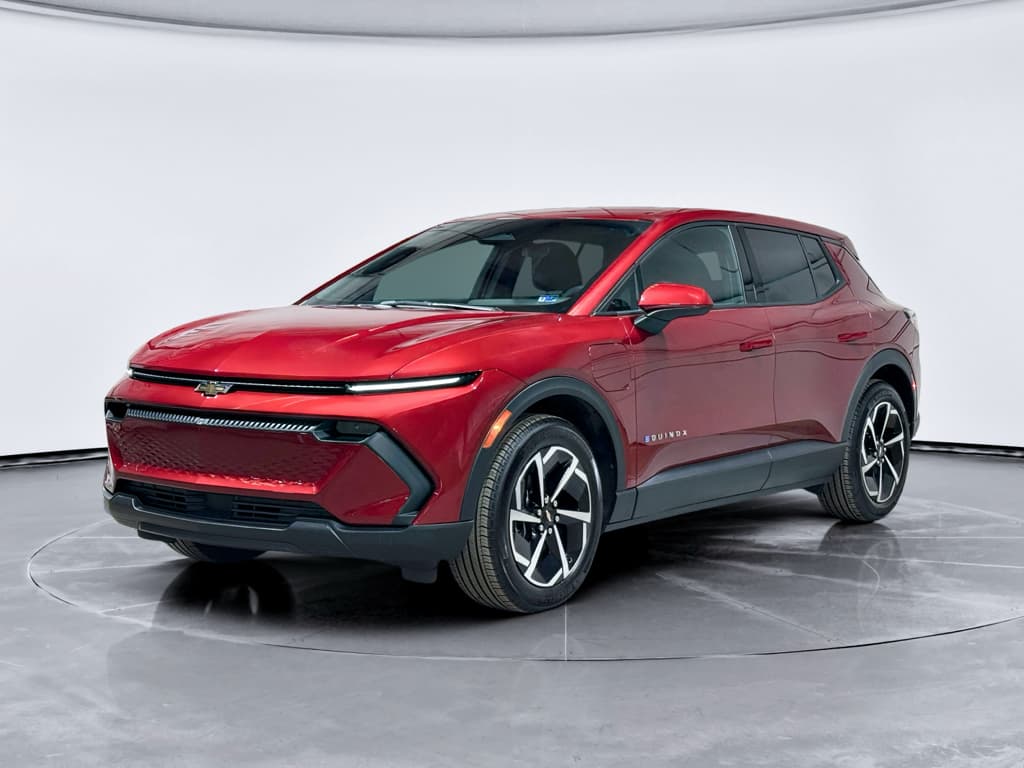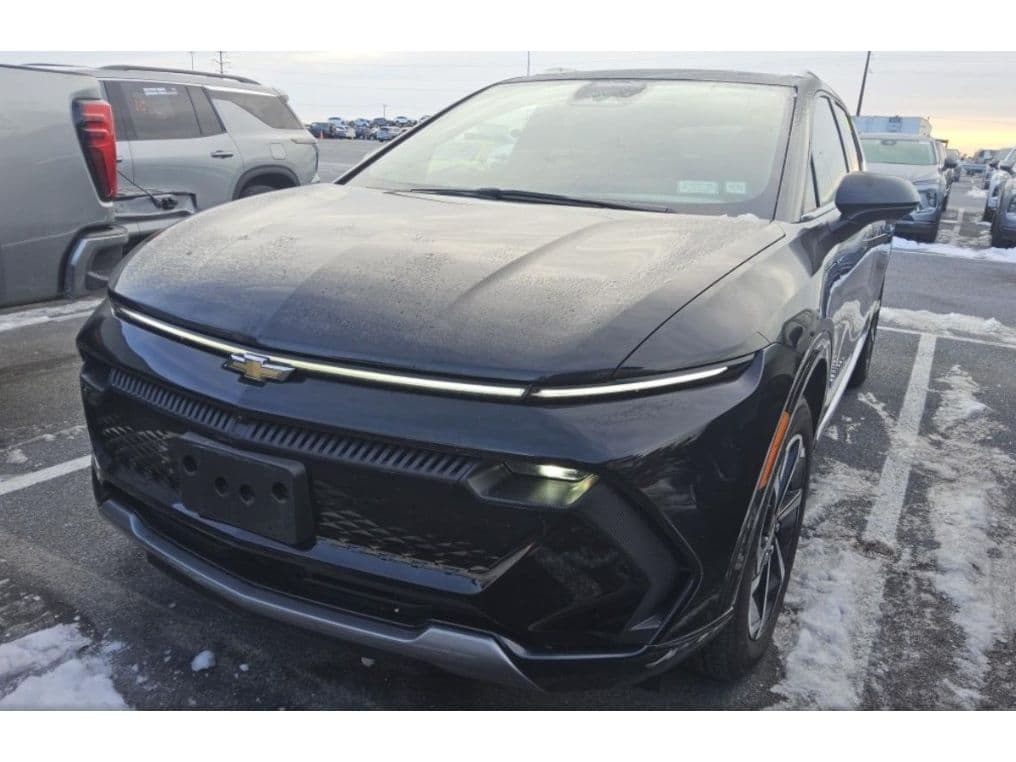
If you’re looking at a Chevrolet Equinox EV, you’re probably wondering the same thing as every careful shopper: how much does it cost to own a Chevrolet Equinox EV per year, not just the sticker price. Let’s walk through electricity, insurance, maintenance, taxes, and depreciation so you can build a realistic annual budget, whether you’re buying new or used.
Quick answer
The 5 key factors that drive Equinox EV ownership costs
- Electricity and charging – your rate per kWh, home vs public fast charging, and yearly miles driven.
- Insurance – Equinox EV is among the cheaper EVs to insure, but rates still vary by state and driver profile.
- Maintenance and repairs – EVs skip oil changes, but tires, brakes, and coolant still matter.
- Taxes, fees, and registration – some states add EV surcharges, others offer incentives that offset costs.
- Depreciation – especially important if you’re buying new; it’s also where buying used can save you the most.
Set your own baseline
What does it cost to charge a Chevrolet Equinox EV per year?
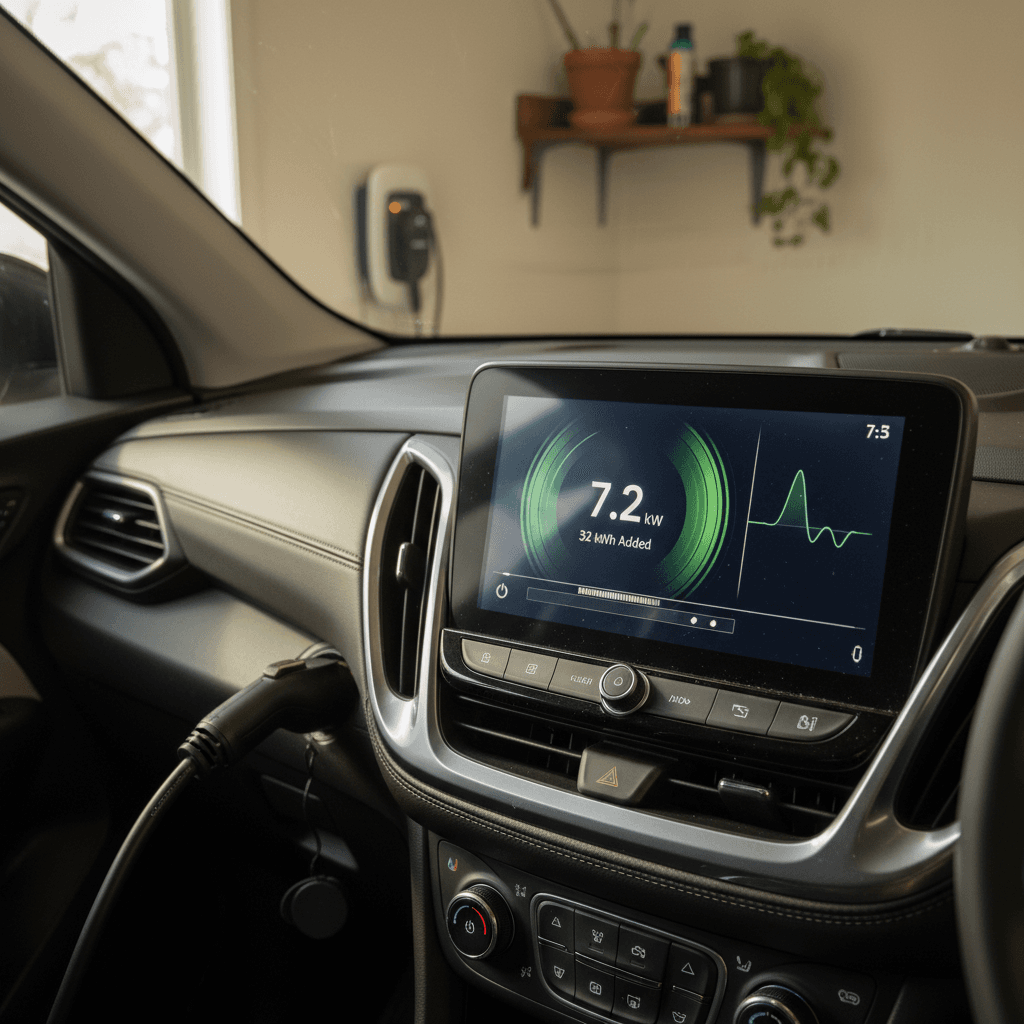
Charging is the headline advantage of the Equinox EV. Its efficiency is roughly 31–35 kWh per 100 miles depending on front‑wheel drive vs all‑wheel drive and driving conditions, which works out to about 3.0–3.5 miles per kWh for many real‑world owners. Combine that with today’s U.S. residential electricity prices, and you can estimate your yearly fuel cost pretty easily.
Chevrolet Equinox EV energy use and electricity costs
Step 1: Estimate your energy use
To keep things simple, let’s use 33 kWh per 100 miles (roughly 3.0 mi/kWh) as a reasonable average for a mix of city and highway driving in an Equinox EV. If you drive 12,000 miles per year:
- 12,000 miles ÷ 100 = 120 “hundreds of miles”
- 120 × 33 kWh = 3,960 kWh per year drawn from the wall (including some charging losses).
Step 2: Apply your electricity rate
Recent U.S. residential electricity prices are hovering in the mid‑teens per kWh, with an average in the $0.16–$0.18 per kWh range nationally. Some regions are much cheaper, others (especially coastal states) are higher.
Annual Equinox EV charging cost examples (12,000 miles)
Approximate yearly electricity cost at different residential rates using 33 kWh/100 miles.
| Rate (¢/kWh) | Effective $/kWh | Annual kWh | Estimated annual cost |
|---|---|---|---|
| $0.12 | $0.12 | 3,960 | $475 |
| $0.17 | $0.17 | 3,960 | $673 |
| $0.22 | $0.22 | 3,960 | $871 |
Your actual cost will depend on your driving efficiency, climate, and how often you use public fast charging.
Public fast charging costs more
How much cheaper is that than gas?
A comparable compact gas SUV might average 28 mpg. At $3.50 per gallon, driving 12,000 miles per year costs roughly $1,500 in fuel. An Equinox EV using $0.17/kWh home charging comes in around $670 per year in electricity, less than half the fuel bill, and in some markets it’s closer to one‑third. That difference alone can easily cover your yearly maintenance and then some.
Chevrolet Equinox EV insurance costs
Insurance is where many shoppers get surprised with EVs, but the Equinox EV is actually a bright spot. Analyses published in 2024–2025 found the Equinox EV to be among the cheapest new EVs to insure compared with other electric, hybrid, and gas models. In practice, it tends to price more like a regular compact crossover than a high‑end tech toy.
Typical annual Equinox EV insurance ranges
Actual premiums depend heavily on your state, driving record, and coverage choices.
Low‑cost scenario
$1,100–$1,400 per year
- Older driver with clean record
- Lower‑cost state or rural area
- Higher deductibles, good credit
Typical scenario
$1,500–$1,900 per year
- Middle‑aged driver, minor tickets at most
- Standard coverage limits
- Average‑cost metro area
High‑risk scenario
$2,200+ per year
- Younger driver or recent at‑fault accidents
- Dense urban area with higher rates
- Lower credit score or prior lapses
Insurance shopping tips for EVs
Maintenance and repair costs for the Equinox EV
Compared with a gas Equinox, the Equinox EV has far fewer moving parts: no oil changes, spark plugs, timing belts, or exhaust system. Over a typical year, most owners will spend more on tires than anything else, especially if they drive aggressively or choose the sportier RS trims.
Typical annual Equinox EV maintenance
- Tires: $150–$300 per year on average (rotation, plus eventual replacement every 25k–40k miles).
- Brake service: Minimal; regenerative braking dramatically extends pad life.
- Cabin air filter, wiper blades, fluids: $50–$100 per year spread over multi‑year intervals.
- Misc. service checks: Occasional dealer or independent shop visits for software updates and inspections, often bundled with warranty visits.
Where unexpected costs can show up
- Out‑of‑warranty repairs: Electronics or charging‑system issues can be pricey if not covered.
- Tire damage: EV torque + heavy curb hits = more frequent replacements on some roads.
- Out‑of‑network dealer pricing: Some dealerships still treat EVs as exotic; labor rates and parts markups can vary.
Over a full year, many Equinox EV owners fall into the $200–$350 maintenance range unless something unusual happens.
Used EV advantage: known maintenance history
Ready to find your next EV?
Browse VehiclesTaxes, fees, and registration
State and local fees vary wildly, but it’s important not to ignore them when you’re budgeting for yearly Equinox EV costs. Some states add fixed EV surcharges to make up for lost gas‑tax revenue; others keep fees neutral or even provide breaks for zero‑emission vehicles.
Typical yearly government costs to budget for
Representative ranges for many U.S. drivers; check your DMV for exact numbers.
Registration & title
$100–$300 per year
Standard registration based on vehicle value or weight, plus small admin fees.
EV road‑use fee
$0–$250 per year
Some states add a flat EV fee to replace gas‑tax revenue. Others don’t, yet.
Property or excise tax
$0–$500 per year
Common in states that tax vehicles based on value; highest in early years of ownership.
Watch incentive timing
Depreciation: the silent cost (and why used can be smarter)
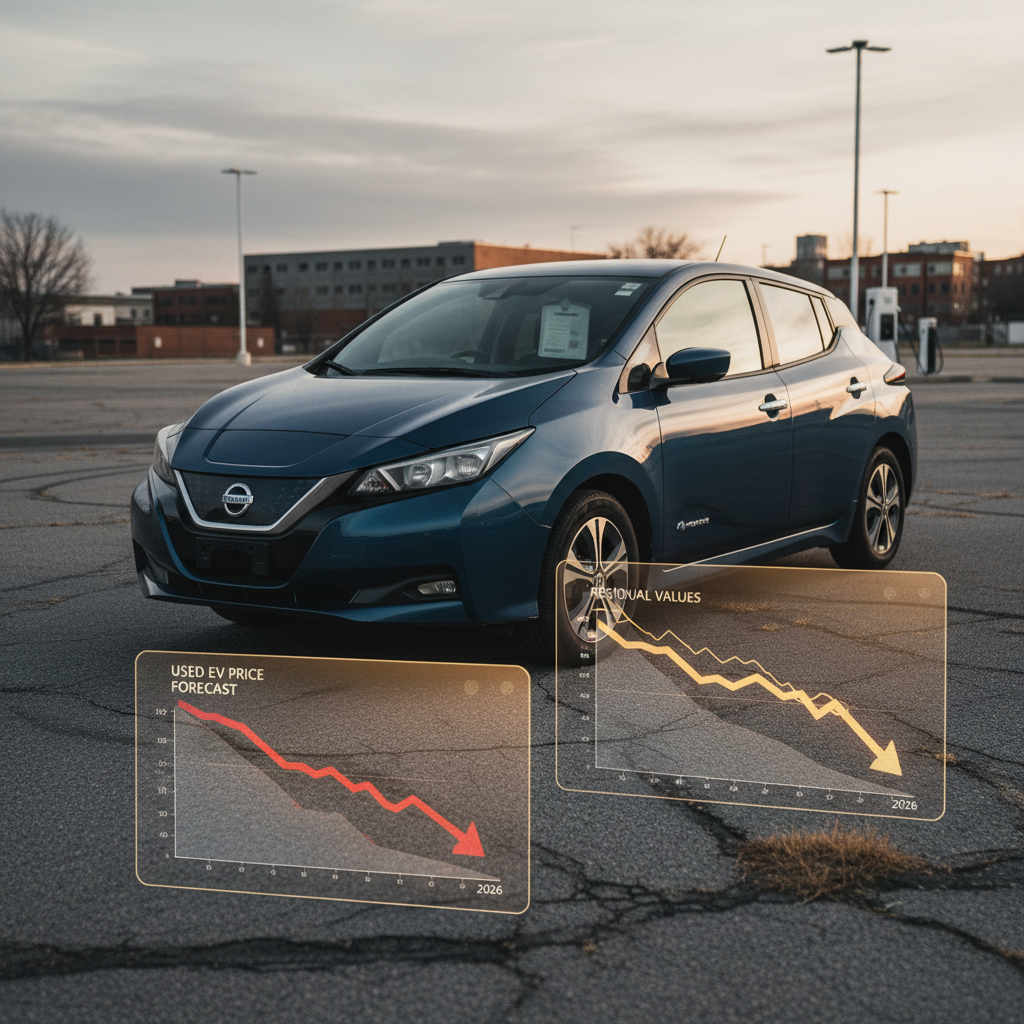
Depreciation, how much value your Equinox EV loses each year, is often the largest single cost of ownership. New EVs in particular have seen faster and lumpier depreciation than gas cars, thanks to quickly improving technology, shifting incentives, and periodic price cuts from both legacy automakers and Tesla.
Illustrative Equinox EV depreciation over time
A simple example to show how yearly depreciation affects ownership cost. Numbers are hypothetical but directionally realistic for a mainstream EV.
| Year | Estimated value (new example) | Annual depreciation | Cumulative depreciation |
|---|---|---|---|
| Purchase (Year 0) | $44,000 | , | , |
| End of Year 1 | $36,000 | $8,000 | $8,000 |
| End of Year 3 | $29,000 | ≈$2,300/year (yrs 2–3) | ≈$15,000 |
| End of Year 5 | $23,000 | ≈$3,000/year (yrs 4–5) | ≈$21,000 |
Actual resale values will depend on mileage, battery health, incentives at time of purchase, and the broader EV market.
Spread over five years, that $21,000 in lost value averages out to about $4,200 per year in depreciation alone for a new, well‑equipped Equinox EV. Buy the same vehicle lightly used once early depreciation has already happened, and your annual depreciation can shrink dramatically.
Three example annual budgets for Equinox EV owners
Let’s put everything together. Below are three simplified, illustrative annual budgets for Equinox EV ownership, excluding loan or lease payments. These are not quotes, but ballpark figures to help you sanity‑check your own numbers.
Example annual Chevrolet Equinox EV ownership budgets (excluding financing)
Assumes 12,000 miles per year. Depreciation is based on a mix of new and used purchase cases.
| Cost item | Frugal commuter (used FWD) | Typical owner (mix of home & public) | High‑cost urban (new AWD) |
|---|---|---|---|
| Electricity / charging | $400 | $700 | $1,050 |
| Insurance | $1,300 | $1,700 | $2,300 |
| Maintenance & tires | $200 | $300 | $400 |
| Registration, taxes & fees | $180 | $350 | $700 |
| Depreciation | $1,500 | $2,800 | $4,800 |
| Total per year | $3,580 | $5,850 | $9,250 |
Use this as a framework, then plug in your actual insurance quotes, electricity rate, and registration fees.
New vs used is the biggest swing factor
Practical ways to lower your Equinox EV ownership costs
6 ways to cut your Chevrolet Equinox EV cost per year
1. Charge as much as possible at home (off‑peak)
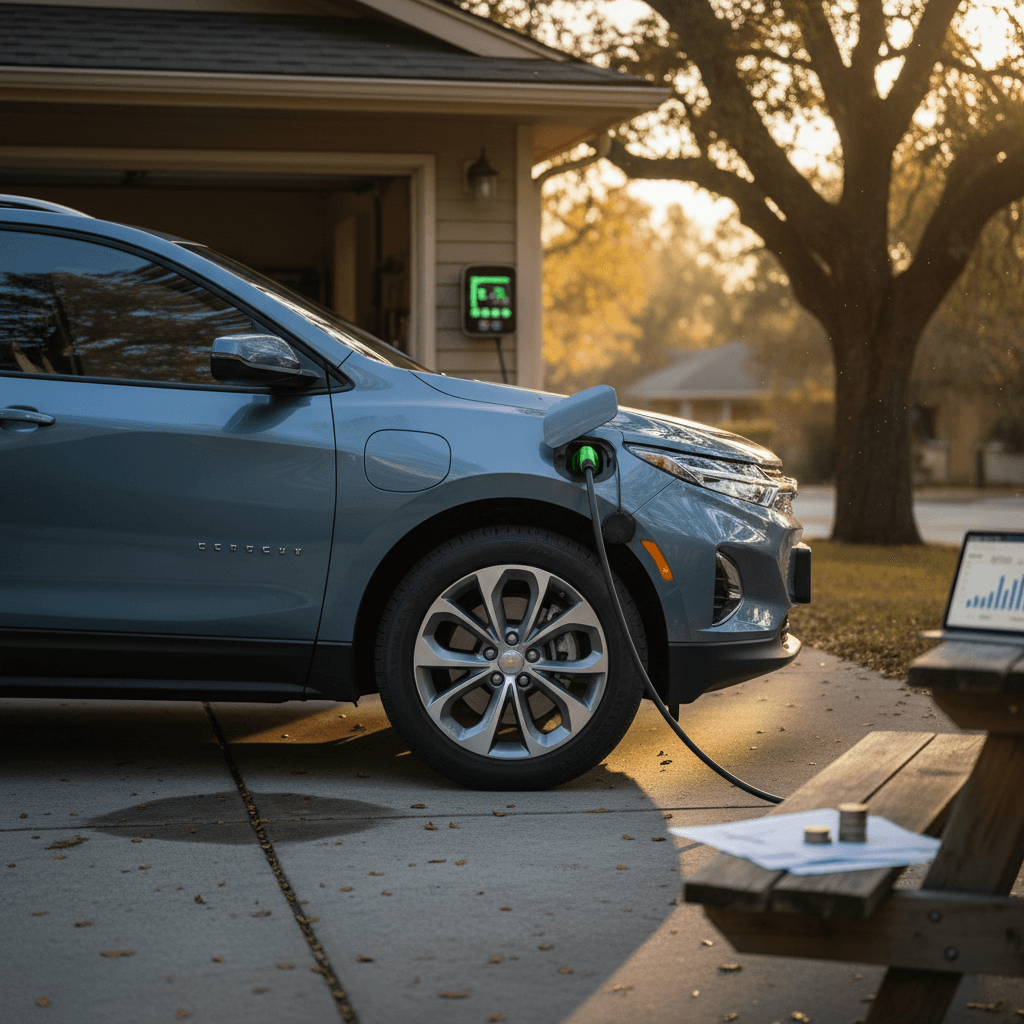
Home charging at night is usually the cheapest electricity you’ll find. If your utility offers time‑of‑use rates or specific EV plans, enrolling can shave <strong>20–40%</strong> off your charging cost per kWh.
2. Watch your highway speeds
Going from 65 mph to 80 mph can easily add 20–30% to your energy use in a bluff‑faced SUV. Slowing down slightly on the highway often saves you more money per year than any aftermarket efficiency gadget.
3. Shop insurance aggressively
Get quotes from at least three insurers and compare EV‑specific discounts. Bundling home and auto, raising deductibles, or using a telematics “safe driver” program may reduce your yearly premium by several hundred dollars.
4. Rotate and properly inflate tires
EVs are heavier and hard on tires. Keeping pressures at spec and rotating on schedule will extend tire life and improve efficiency, cutting both maintenance and electricity spending over a full year.
5. Take advantage of credits and rebates
Even if the new‑EV federal credit doesn’t apply to you, used‑EV incentives, state rebates, or utility‑funded charger rebates can lower your effective purchase price and thus your depreciation.
6. Consider buying gently used through an EV‑focused marketplace
A one‑ or two‑year‑old Equinox EV from a specialist like Recharged, where every car comes with a <strong>Recharged Score battery health report</strong>, lets you skip the steepest early depreciation while still getting a modern, warrantied EV.
When buying a used Equinox EV makes the most sense
If your goal is to minimize annual Equinox EV ownership cost rather than to be first on the block with a brand‑new build, there’s a strong case for targeting the used market once these SUVs have a couple of years and 20,000–40,000 miles under their belt.
Advantages of buying used
- Lower depreciation: The steepest value drop has already happened, so your yearly depreciation is smaller and more predictable.
- Known reliability pattern: Any early production issues are more likely to be known and addressed under warranty.
- Better price transparency: Real‑world transaction prices (not just MSRP) are visible in the used market.
What to look for in a used Equinox EV
- Battery health data: Ask for a quantified battery‑health report, not just a “looks fine” from the seller.
- Charging history: Heavy DC‑fast‑charging use isn’t a dealbreaker, but it’s a data point.
- Warranty status: Confirm remaining battery and powertrain coverage.
Recharged bakes all of this into our Recharged Score Report so you can compare used Equinox EVs side‑by‑side with confidence.
Chevrolet Equinox EV ownership cost FAQ
Frequently asked questions about Equinox EV annual costs
Bottom line: What you should budget for an Equinox EV
When you zoom out, how much it costs to own a Chevrolet Equinox EV per year depends far more on your purchase decision (new vs used, trim level, financing) and your local insurance and electricity markets than on anything unique to the Equinox EV itself. The fundamentals are encouraging: electricity usually costs half or less what you’d spend on gas, routine maintenance is modest, and insurance is competitive for an EV. If you pair those advantages with smart choices, favoring home charging, keeping speeds reasonable, and seriously considering a well‑vetted used Equinox EV, you can enjoy a fully electric compact SUV with predictable, relatively low yearly running costs compared with many gas alternatives.
If you’re ready to see how the numbers look on a real vehicle, browse used Chevrolet Equinox EV listings on Recharged. You’ll get transparent pricing, a Recharged Score battery‑health report, financing options, and guidance from EV specialists who can help you translate sticker price into realistic annual ownership costs.