The 2021 Ford Mustang Mach-E turned a lot of heads as Ford’s first real shot at a modern electric crossover. But if you search for 2021 Ford Mustang Mach-E problems, you’ll also find a long list of recalls, software fixes, and early-production gremlins. If you’re shopping used today, you need to know which issues were growing pains and which still matter for long-term ownership.
Quick take
Overview: Why the 2021 Mach-E Gets So Much Attention
The first model year of any all-new EV is going to have some drama. The 2021 Mach-E arrived with bold styling, new battery packs, new motors, and a cabin almost entirely run by software. That’s a lot of moving parts, even if many of them are virtual. Owners have loved the driving experience and range, but surveys and recall data show the 2021 model year is less reliable than average compared with other vehicles in its class.
2021 Mustang Mach-E Problem Snapshot
The good news is that most of these problems have specific technical service bulletins (TSBs) or recall campaigns with defined fixes. The bad news is that not every used Mach-E on a dealer lot, or in a private driveway, has had all those fixes applied. That’s where doing your homework, or buying through a platform that does it for you, really matters.
Big-Picture Reliability: How Bad Is It?
Owner surveys and reliability trackers have consistently flagged the 2021 Mach-E for trouble in its electrical systems, in-car electronics, and software. Think less about blown engines, those don’t exist in an EV, and more about glitches that sideline the car or make it feel unfinished:
- Frequent warning lights for powertrain or driver-assistance systems that later resolve after a software update or reboot
- Infotainment system (SYNC 4A) freezing, rebooting, or taking a long time to wake up
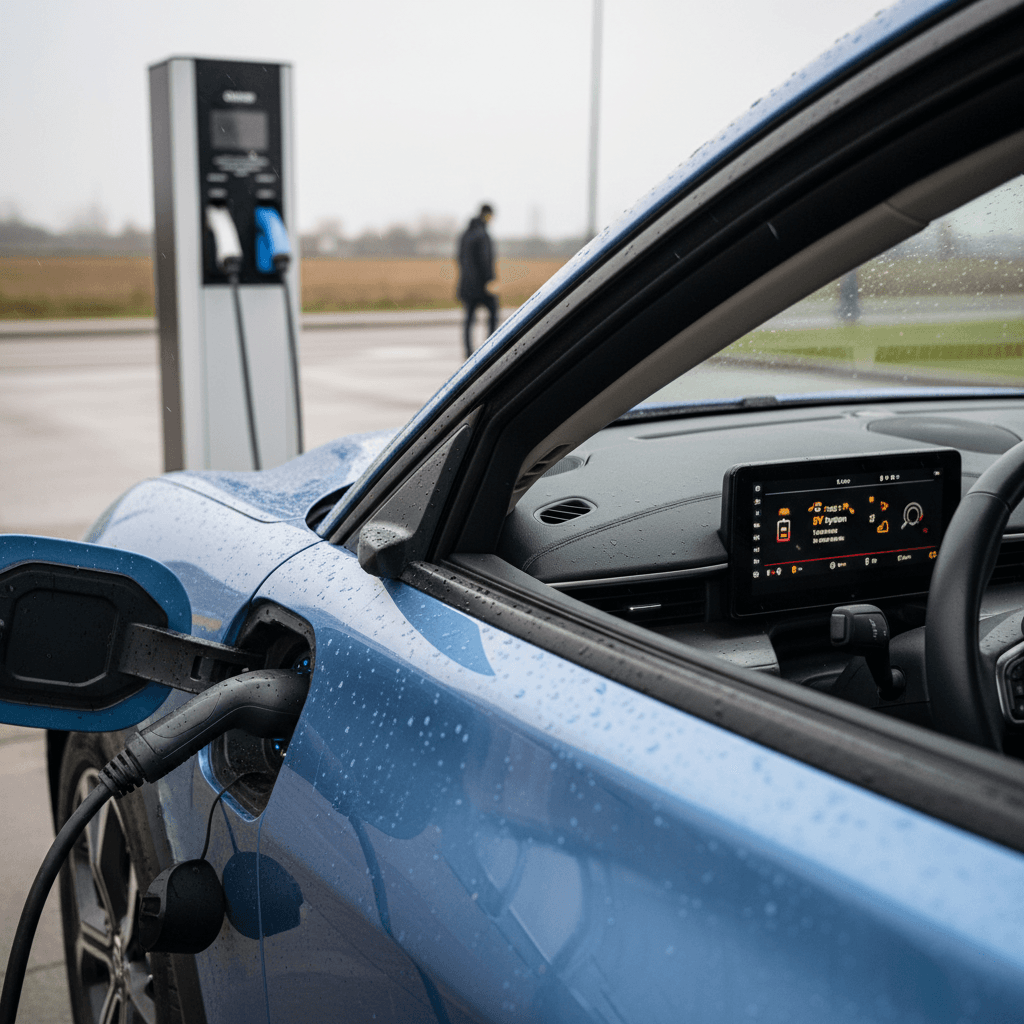
- Bugs around charging sessions starting, stopping, or failing to authenticate at public stations
- Isolated hardware issues like loose subframe bolts or early build-quality defects
Early-build effect
High-Voltage Battery Contactor Overheating
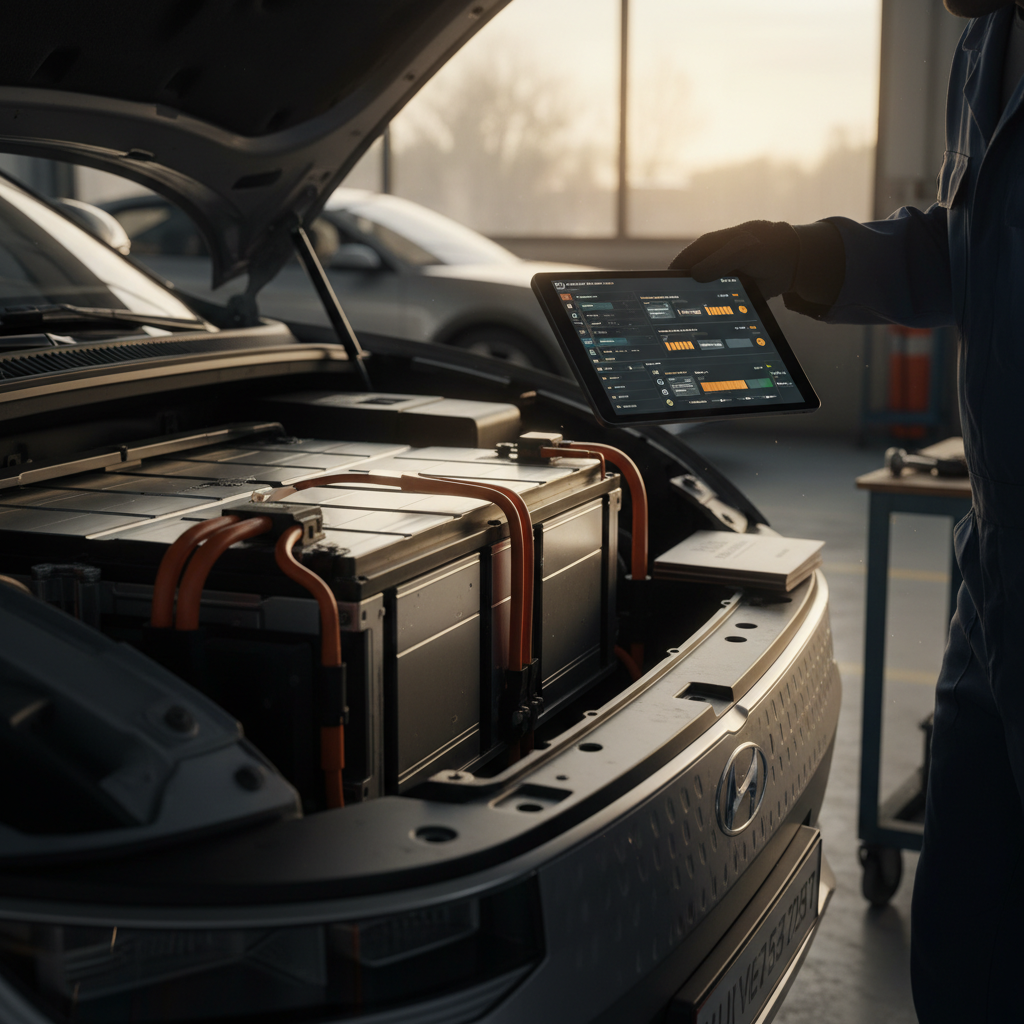
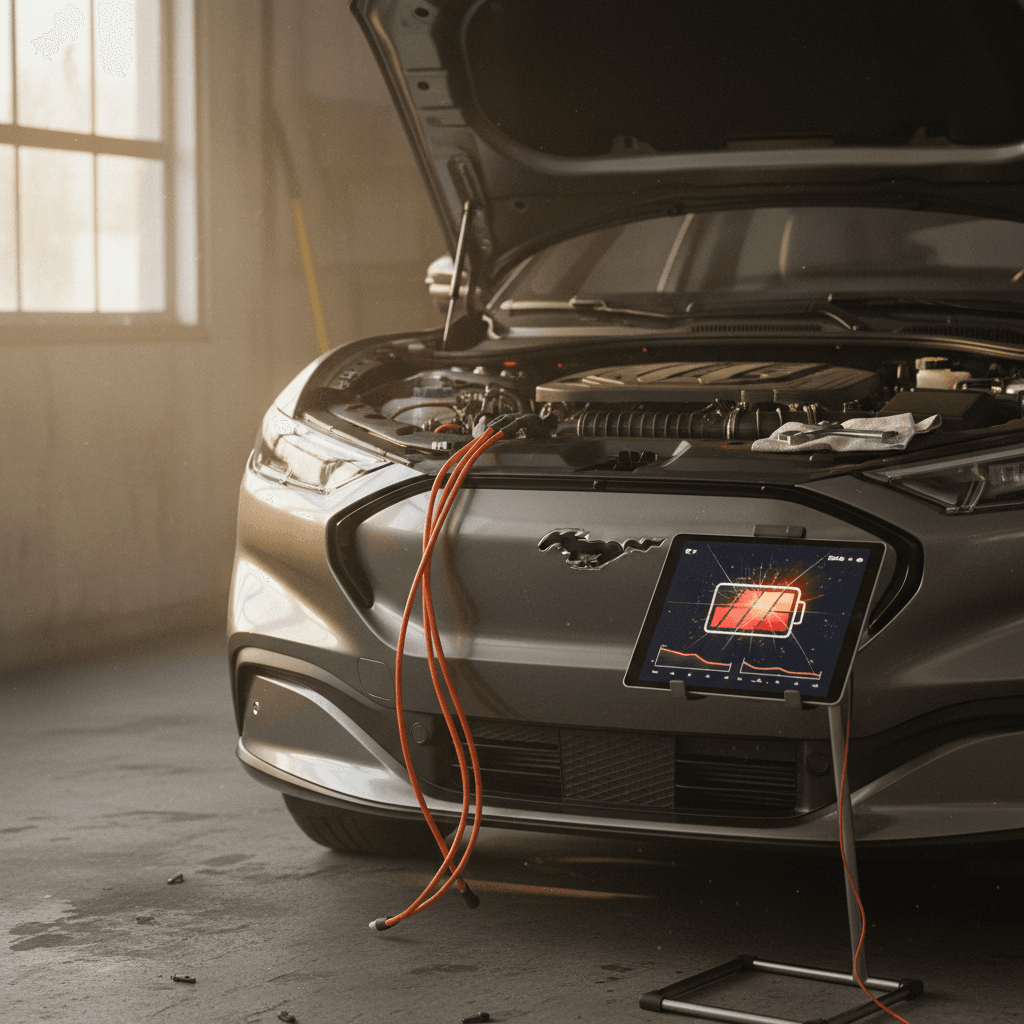
The highest-profile mechanical issue for the 2021 Mach-E is an overheating high-voltage battery contactor in some extended-range and GT models. The contactor is a heavy-duty electronic switch that connects the main battery pack to the rest of the car. If it overheats, it can deform and fail.
What the High-Voltage Contactor Issue Looks Like
How it happens, what you feel, and how Ford is fixing it
When it happens
This issue is most likely after repeated DC fast-charging sessions and aggressive acceleration runs on certain extended-range and GT 2021–2022 Mach-E models.
What you experience
Owners report:
- "Wrench" warning light
- Messages like “Stop Safely Now”
- Sudden loss of drive power or the car refusing to start after a key cycle
The official fix
Ford’s recall campaign replaces the High Voltage Battery Junction Box with an upgraded design on affected vehicles and previously added software to monitor and protect the contactor.
In short, this is not a slow-burn, live-with-it kind of problem. If the contactor fails while you’re driving, you can lose motive power, although power steering, braking, and lights stay active so you can steer to a stop. On a test drive, you’re unlikely to trigger this scenario, which is why confirming recall completion is more important than trying to “feel it out.”
Used-buyer tip
12-Volt Battery and Door Latch Trapping Issues
The 12‑volt battery in an EV powers all the low-voltage systems: computers, locks, lights, and the screens you stare at every day. Several 2021–2025 Mach-E models, including the 2021, were swept into a major recall because of the way the software handled a low 12‑volt state of charge and the electronic door latches.
What can go wrong
- If the 12‑volt battery drops below a certain threshold, the electronic door latches may stay locked after a front passenger exits and closes the door.
- That can leave rear-seat passengers, especially children, trapped if they don’t know how to access the mechanical override.
- In some cases, owners have also reported blank central screens or sluggish wake-up behavior when the low-voltage system isn’t happy.
What Ford is doing about it
- A recall campaign reprograms the Powertrain Control Module and a secondary diagnostic module so door latches fail in a safer way when 12‑volt charge is low.
- Dealers apply this fix as a software update, and it’s usually a quick service visit once the bulletin is active for your VIN.
- There’s also stop‑sale guidance for dealers until affected vehicles are updated, but that doesn’t automatically cover private sellers.
Why this matters for families
Software Glitches, Infotainment Freezes, and Camera Problems
If the high-voltage contactor and 12‑volt behavior are the big mechanical stories, the day-to-day annoyance for many 2021 Mach-E owners has been software instability. This shows up in a few familiar ways:
- SYNC 4A screen freezing or going black, then rebooting on its own
- Delayed or frozen rearview camera images when you shift into reverse
- Random driver-assistance warnings that clear after a restart
- Slow boot times on cold mornings before you can adjust climate or navigation
Rear camera recall
Software issues are a double-edged sword. They’re frustrating when you’re living with them, but they’re also the kind of problem that can genuinely be fixed over time. A 2021 Mach-E that’s been kept up-to-date on software, both over-the-air and at the dealer, will typically behave much better than an identical car still running its original 2021 code.
Other Notable 2021 Mustang Mach-E Problems
Other Issues Owners Have Reported
From build-quality hiccups to hardware that needed a second look
Loose subframe bolts
Early on, Ford identified some Mach-E vehicles with subframe bolts that weren’t torqued correctly. This can affect crash performance and stability, so affected vehicles received inspection and re-torque (or replacement) under recall.
Powertrain warning lights
Some owners saw illuminated wrench lights and powertrain fault codes (for example, stored in the battery energy control module). TSBs gave dealers guidance for diagnosing and correcting these early calibration issues.
Cold-weather quirks
Like many EVs, the 2021 Mach-E can see reduced range and slower fast‑charging in cold temperatures. This isn’t a defect, but poor calibration or outdated software can make it feel worse than it needs to be.
None of these problems automatically disqualify a used 2021 Mach-E. What matters is whether the specific car in front of you has had the relevant recall work, updated software, and a clean bill of health on its high-voltage and suspension systems.
What This Means If You’re Buying a Used 2021 Mach-E
Buying a used 2021 Mach-E can still be a smart move if you approach it with eyes open. The platform is fundamentally strong: quick, quiet, and fun to drive, with competitive range. But compared with later model years, the 2021 brings more recall history and software baggage you’ll want to sort through before you fall for a paint color.
Why a 2021 Mach-E is appealing
- Lower purchase price than newer model years
- Plenty of real-world feedback about problems and fixes
- Most major issues now have well-documented remedies
- Over-the-air updates mean the car can keep improving
Where you need to be picky
- Incomplete recall history or spotty maintenance records
- Repeated high-voltage or powertrain warnings in the past
- Persistent software glitches despite updates
- Signs of DC fast-charging abuse on extended-range models without the contactor hardware fix
How Recharged reduces the guesswork
Ready to find your next EV?
Browse VehiclesInspection Checklist for a Used 2021 Mach-E
Used 2021 Mach-E Buyer’s Checklist
1. Run the VIN for open recalls
Use the NHTSA site or a Ford service advisor to check the VIN for any <strong>open recalls</strong>, especially high-voltage battery contactor, rear camera, and door-latch/12‑volt campaigns.
2. Confirm recall completion on paper
Ask for service receipts or a printout from a Ford dealer showing <strong>completed recall numbers</strong>. Don’t rely on, “Yeah, they said it was all done.”
3. Check battery health, not just range
Look for a documented <strong>high-voltage battery health report</strong> or capacity test. At Recharged, this is part of the Recharged Score so you know how much usable capacity remains.
4. Test cold and hot starts
Start the car after it’s been sitting, ideally overnight, and again after a drive. Watch for <strong>slow wake-ups, blank screens, or warning lights</strong> on either start.
5. Exercise all doors and locks
With the vehicle on and off, test every exterior and interior handle. Make sure <strong>rear doors open smoothly from the inside</strong> and there’s no odd resistance or failure to unlatch.
6. Take a mixed driving test
Do a thorough test drive that includes highway speeds, moderate acceleration, and a few stop‑and‑go cycles. You want to catch <strong>any power-loss messages, shuddering, or strange noises</strong> from the drivetrain or suspension.
7. Plug it in
If possible, plug the car into Level 2 charging during your inspection. Watch for <strong>charging errors, repeated start/stop cycles, or strange sounds</strong> from the charging components.
8. Ask about software update history
A seller who can show <strong>recent OTA or dealer updates</strong> is usually a better bet than one who hasn’t touched the car’s software since 2021.
How Recalls and Software Updates Are Handled
If you’ve mostly driven gas cars, the idea that a software glitch can be a safety recall, and then be fixed with a download, may feel strange. For the 2021 Mach-E, that’s everyday life. Here’s how it usually works:
Recalls vs. Over-the-Air Updates on the 2021 Mach-E
Many 2021 Mach-E fixes start as OTA updates and later get wrapped into formal recalls if there’s a safety angle.
| Issue type | Typical repair path | What you should verify as a buyer |
|---|---|---|
| Safety-critical (door latches, rear camera, high-voltage contactor) | Formal NHTSA recall; remedy may be software, hardware, or both | That the recall campaign shows as completed in Ford’s system for that VIN |
| Comfort & convenience (minor infotainment bugs) | Over-the-air software updates, sometimes optional | That the car is on a current software version and behaves normally on your test drive |
| Calibration/driveability (powertrain warnings, reduced power) | TSBs with updated software or parts; usually done at dealer | That any past fault codes were properly resolved, not just cleared |
| Build quality (loose subframe bolts, trim issues) | Dealer inspection and hardware correction | That any relevant campaign for the build date has been closed out |
Ask which type of update a specific fix required so you know whether a dealer visit was necessary.
Don’t forget the app
FAQ: 2021 Ford Mustang Mach-E Problems
Frequently Asked Questions About 2021 Mach-E Problems
Bottom Line: Should You Avoid the 2021 Mach-E?
You don’t have to write off the 2021 Ford Mustang Mach-E, but you also shouldn’t treat it like any old used crossover. This first model year combines a terrific driving experience with a longer list of recalls and software campaigns than many rivals. If you chase the cheapest example on the market with no records, you’re rolling the dice. If you focus on a car with completed high-voltage and door-latch recalls, current software, and documented battery health, you can land a fast, stylish EV at a meaningful discount.
That’s exactly the gap Recharged was built to fill. Our EV specialists and Recharged Score Report surface the issues that matter, battery condition, recall history, pricing fairness, so you can decide whether a 2021 Mach-E fits your life, not just your budget. Go in informed, and this high-profile early EV can still be a smart, enjoyable way to go electric.