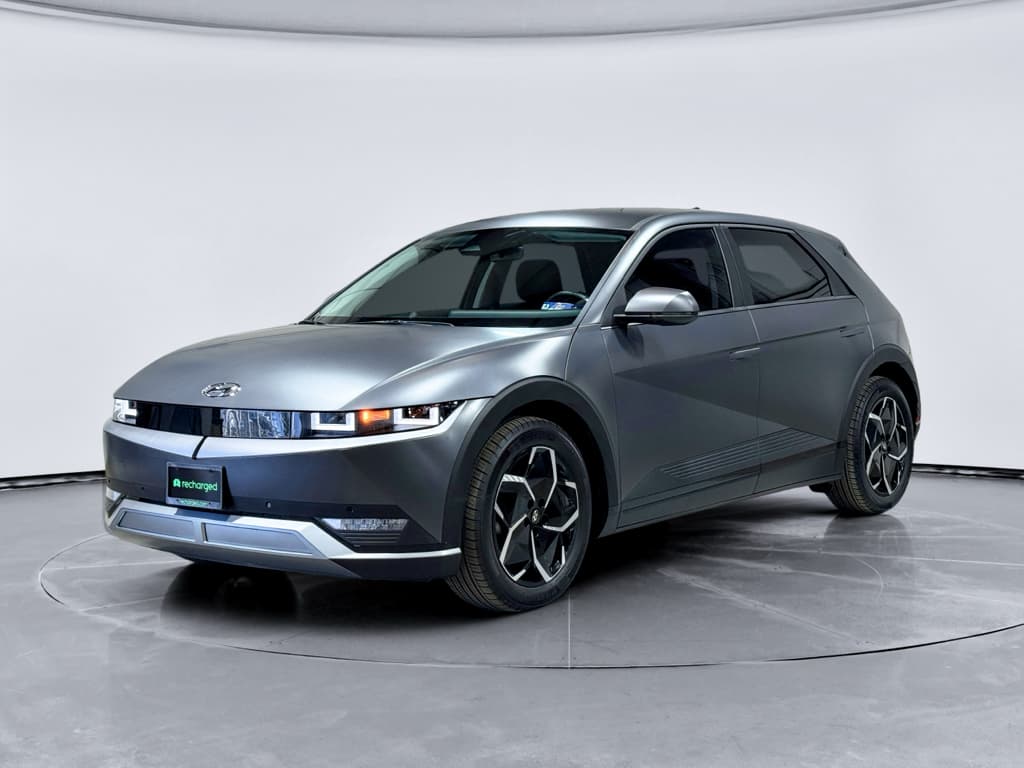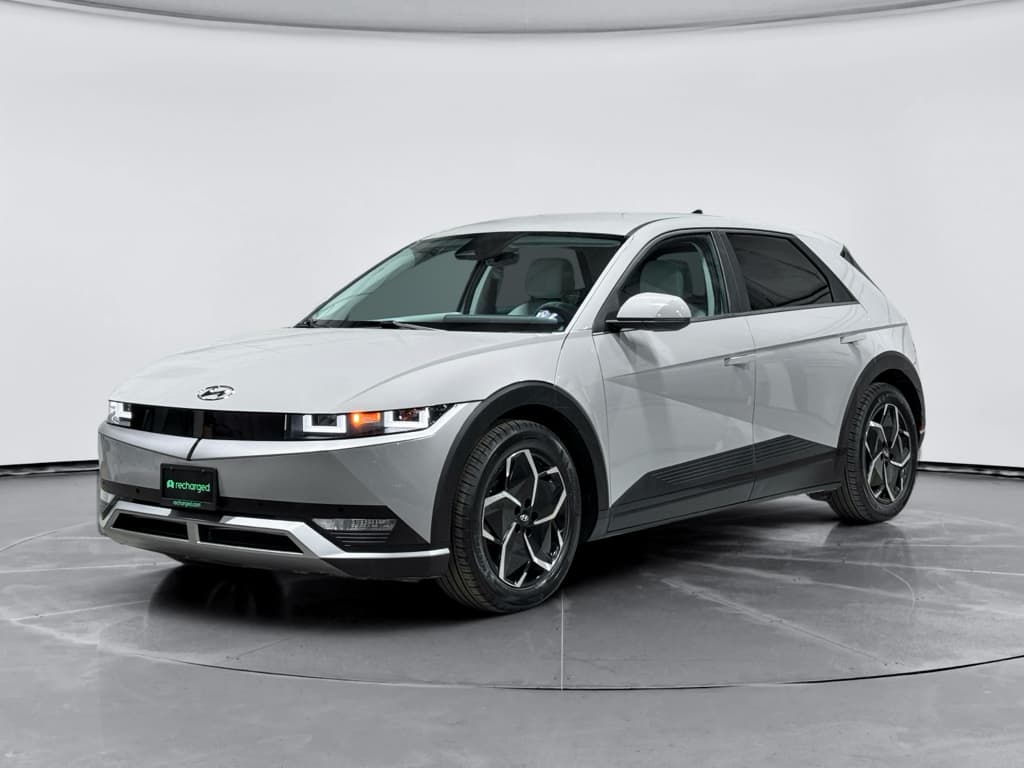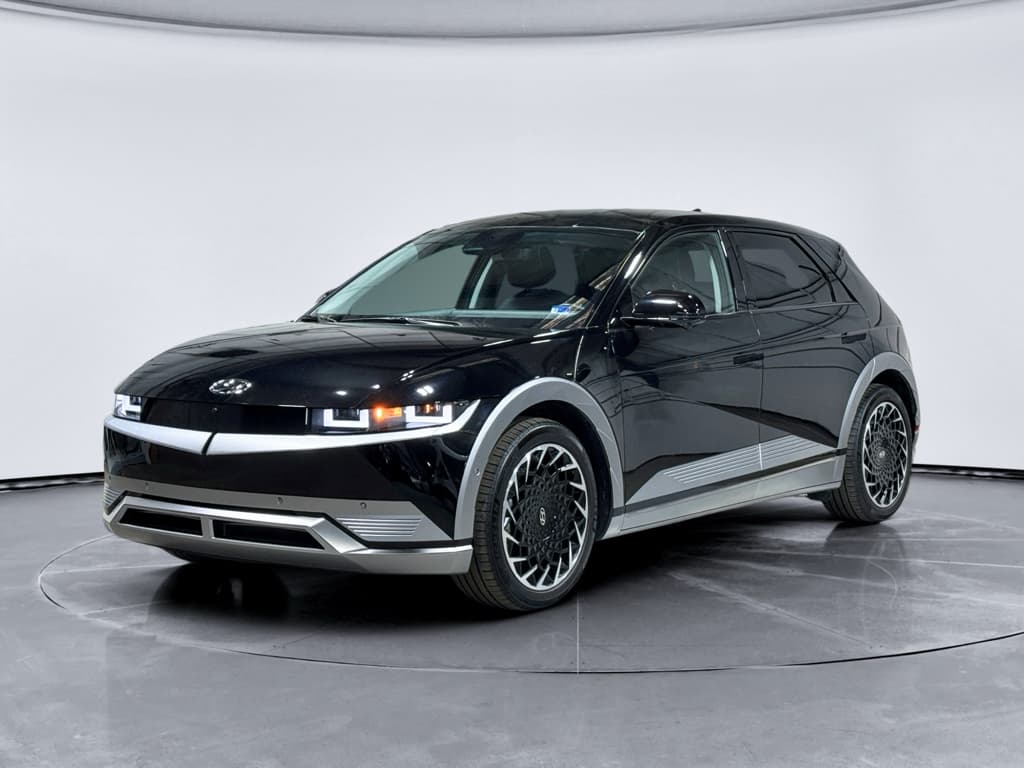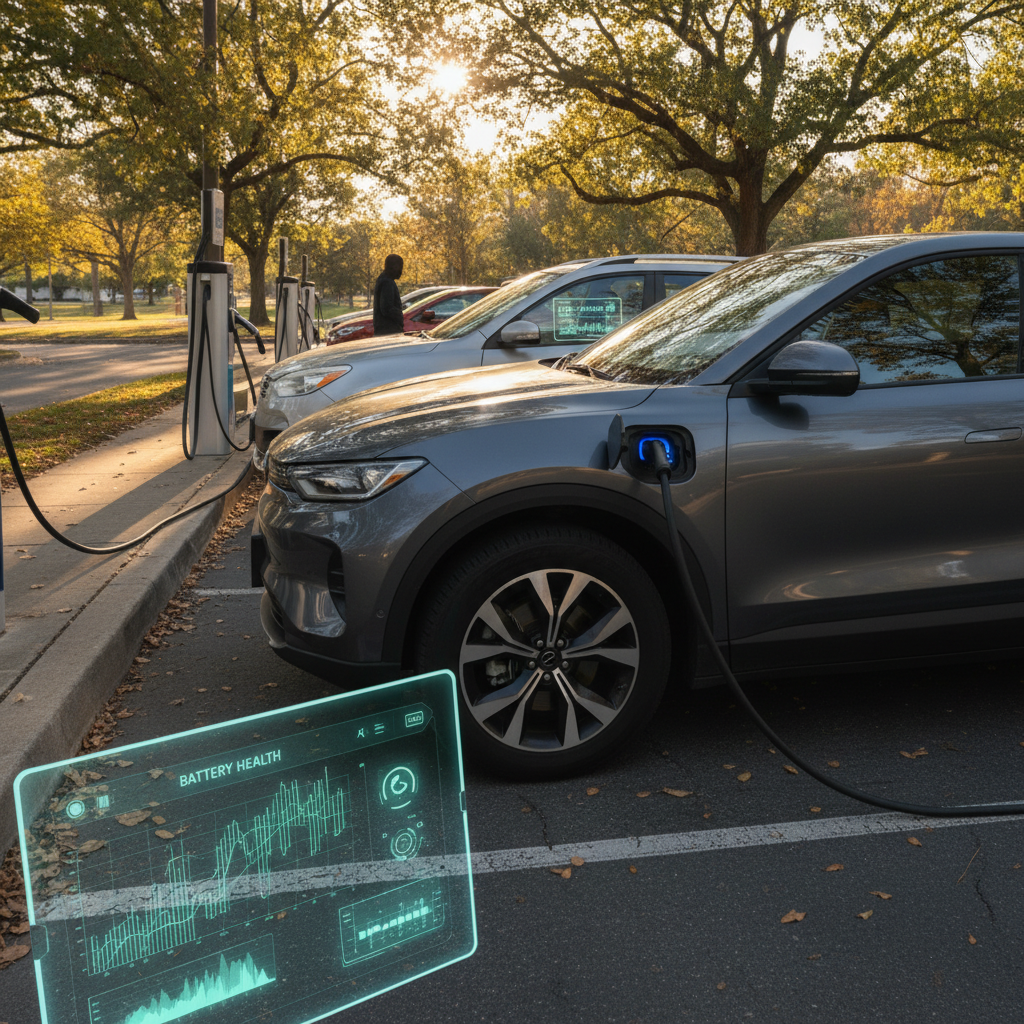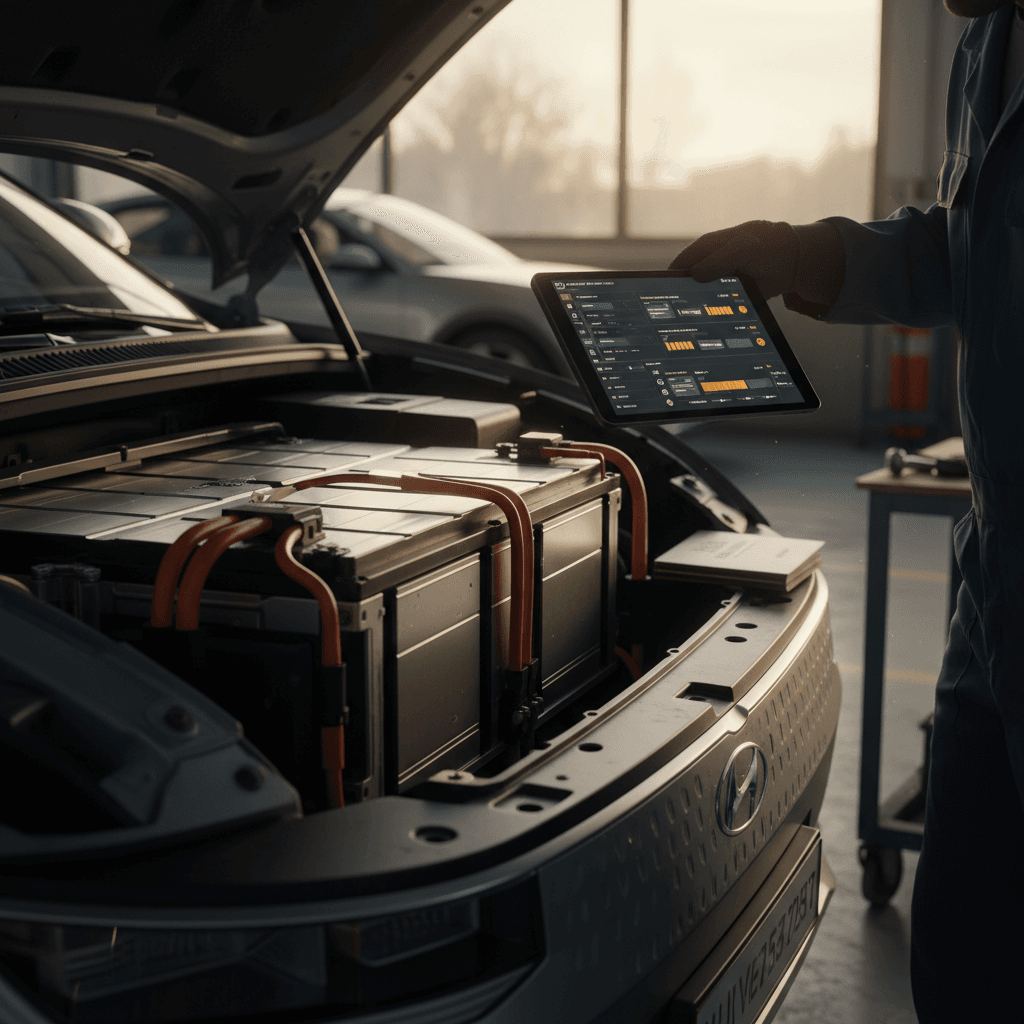
If you’re looking at a Hyundai IONIQ 5, especially on the used market, the battery warranty isn’t just fine print. It’s the safety net under the single most expensive component in the car. Understanding the Hyundai IONIQ 5 battery warranty, what it covers, and what it doesn’t tells you how much risk you’re really taking on, and how long you can count on Hyundai to stand behind the pack.
Short answer
Hyundai IONIQ 5 battery warranty at a glance
Core IONIQ 5 U.S. warranty numbers
Hyundai built its EV pitch around long‑term peace of mind, and the IONIQ 5 is no exception. In the U.S., most trims come with a 10‑year/100,000‑mile high‑voltage battery warranty, sitting on top of the regular 5‑year/60,000‑mile New Vehicle Limited Warranty. Some states and markets tweak the details, but that 10‑year/100k EV‑battery promise is the headline for most buyers.
IONIQ 5 U.S. warranty cheat sheet
Key warranty buckets that affect how your IONIQ 5 is protected, new or used. Exact terms can vary by model year, state (especially California‑emissions states), and whether the vehicle is leased or in commercial use.
| Component | Typical U.S. Coverage* | What it Mainly Covers |
|---|---|---|
| High‑voltage battery pack | 10 years / 100,000 miles | Defects in materials/workmanship and excessive capacity loss below Hyundai’s defined threshold. |
| EV system components (e.g., inverter, onboard charger, motor) | Often 10 years / 100,000 miles | Failures of major electric drive components not due to abuse or accidents. |
| Powertrain (non‑EV specific) | 10 years / 100,000 miles (original owner) | Engine‑equivalent components like reduction gear, drive units. |
| New Vehicle Limited (bumper‑to‑bumper) | 5 years / 60,000 miles | Most non‑wear items: electronics, interior hardware, many sensors. |
| Anti‑perforation (corrosion) | 7 years / unlimited miles | Rust‑through of body panels from the inside out. |
| Complimentary maintenance | 3 years / 36,000 miles | Factory‑scheduled maintenance visits on new vehicles. |
Always confirm coverage in the latest Hyundai warranty handbook for your specific model year and state.
About the asterisk
What the IONIQ 5 battery warranty actually covers
Let’s split the IONIQ 5 battery warranty into two big buckets: defects and degradation. The warranty isn’t a promise that your range will stay brand‑new forever, that’s not how lithium‑ion chemistry works. It’s Hyundai saying: “If something’s wrong with the pack itself or it fades far quicker than it reasonably should, we’ll step in.”
- Defects in materials or workmanship: Manufacturing defects inside the battery pack, modules, or high‑voltage circuitry. This is the classic “something broke that shouldn’t have.”
- Premature, excessive capacity loss: If the battery’s usable capacity falls below Hyundai’s specified percentage of original (often around 70% state of health) within the warranty period, Hyundai may repair or replace it.
- Associated high‑voltage components: In many markets, the EV battery warranty is bundled with coverage for components like the Battery Management System (BMS), onboard charger, inverter, and sometimes the Integrated Charging Control Unit (ICCU), all under an “EV system” warranty bucket.
How Hyundai fixes a warrantable battery issue
- Diagnostic first: The dealer runs factory diagnostics, looks at error codes, and pulls battery health data.
- Repair if possible: For some faults, they may replace modules, wiring, or electronics inside the pack.
- Pack replacement if needed: If the diagnosis points to a systemic defect or severe degradation, Hyundai can authorize a full pack replacement.
You’re not guaranteed a brand‑new, bigger‑battery upgrade; replacement packs are usually like‑for‑like or service‑level equivalents.
What you’ll typically pay
- $0 for covered repairs: When a repair is authorized under warranty, parts and labor are usually covered.
- Diagnostics if not covered: If Hyundai deems the issue out of warranty (abuse, collision, no defect found), you may be billed diagnostic and labor time.
- Loaners or rentals: Policies vary by dealer and region, battery repairs can take days, so clarify transportation options before authorizing work.
Good news for used buyers
What isn’t covered: common surprises
Battery warranties don’t cover everything that feels unfair. They’re written by lawyers, not dreamers. With the IONIQ 5, there are a few predictable ways to fall outside the safety net.
Things your IONIQ 5 battery warranty won’t save you from
These scenarios are exactly the ones Hyundai’s fine print is designed to exclude.
Collision & physical damage
Unauthorized modifications
Neglect & misuse
- Normal, gradual range loss over many years that doesn’t cross Hyundai’s capacity threshold.
- Wear items and 12‑volt accessories (the little 12V battery, tires, wipers, brake pads, etc.).
- Cosmetic issues related to the battery housing unless they create a functional or safety defect.
- Losses due to towing misuse, track use, or repeated operation outside the recommended temperature limits.
Read the exclusions section
Battery degradation: how much loss is “warrantable”?
All lithium‑ion packs lose capacity over time, and Hyundai is upfront that the IONIQ 5’s battery is no exception. The key question is how much loss triggers warranty action. Hyundai usually defines a minimum acceptable capacity, commonly around 70% of original usable capacity, below which it considers the pack to have degraded abnormally within the warranty window.
A realistic scenario
Say your 2023 IONIQ 5 started life with a usable pack of roughly 74 kWh. After 7 years and 90,000 miles, telematics or dealer diagnostics show around 76–78% remaining capacity. Your highway range has dipped noticeably, but you’re still above Hyundai’s threshold. In that case, it’s annoying but normal, and unlikely to be covered.
A potential warranty case
Different story if, after 5 years and 60,000 miles, diagnostics put your usable capacity in the mid‑60% range with no history of abuse or major incidents. That kind of drop is exactly what degradation coverage is meant to catch, and a dealer can open a case with Hyundai for repair or replacement.
The specific percentage and test procedure are spelled out in Hyundai’s warranty documents; expect the dealership to rely on their own tools, not third‑party apps.
Track your range early
New vs used IONIQ 5: how the battery warranty transfers
Hyundai’s long‑term EV battery coverage is one reason the IONIQ 5 is so popular in the used market. But the question every shopper eventually asks is: do I still get the 10‑year/100,000‑mile protection if I’m not the first owner? In the U.S., the answer is usually yes, Hyundai structures its EV battery warranty to be transferable in most cases, though you should always double‑check the fine print for your specific year.
Battery warranty: new vs used IONIQ 5 (typical U.S. pattern)
How much EV battery coverage you’ll usually have left, depending on age and mileage at purchase.
| Scenario | Vehicle Age / Miles at Purchase | Typical Remaining EV Battery Coverage |
|---|---|---|
| You buy new from a Hyundai dealer | 0 years / 50 miles | Up to 10 years or 100,000 miles from in‑service date. |
| You buy a 3‑year‑old used IONIQ 5 (private party) | 3 years / 36,000 miles | Roughly 7 years or 64,000 miles of EV battery coverage remaining. |
| You buy a 6‑year‑old used IONIQ 5 from a marketplace | 6 years / 80,000 miles | Roughly 4 years or 20,000 miles left, assuming standard warranty and no special state rules. |
| You buy a high‑mileage example | 4 years / 102,000 miles | EV battery warranty likely expired by mileage, even if years remain. |
These are examples, not promises, always confirm remaining coverage by VIN with a Hyundai dealer or Hyundai USA.
CPO vs regular used
How the battery warranty compares to other coverage
One reason the IONIQ 5 looks so appealing on paper is that the EV battery warranty outlasts almost everything else on the car. By year eight or nine, your bumper‑to‑bumper coverage is long gone, but the pack and major EV hardware may still be under Hyundai’s umbrella.
Where the battery warranty fits in the bigger picture
Think of your IONIQ 5’s coverage as overlapping circles rather than one monolithic promise.
New Vehicle Limited
Powertrain & EV system
High‑voltage battery
Warranty isn’t a maintenance plan
Protecting your coverage: ownership habits that matter
You can’t baby a battery into immortality, but you can avoid giving Hyundai easy excuses to deny a claim. The warranty is written to exclude abuse, neglect, and certain types of misuse. Smart habits make it much easier to argue that any big problem is on them, not you.
Battery‑friendly habits that keep you in Hyundai’s good graces
Follow Hyundai’s maintenance schedule
Even though EVs need less routine work, Hyundai still expects certain inspections and fluid changes at specified intervals. Keep the service history tidy and documented.
Use approved charging equipment
Home charging should be via a properly installed circuit and quality EVSE. If Hyundai can tie a failure to sketchy wiring or non‑approved hardware, you’re on thin ice.
Avoid chronic extreme SoC use
Occasional 0–100% swings are fine, but living at 100% or repeatedly running to 0% and ignoring warnings isn’t great for longevity, or your chances in a warranty debate.
Keep an eye on warnings
If the car shows high‑voltage or cooling warnings and you ignore them for months, it’s easier for Hyundai to call resulting damage “neglect.” Get issues logged early.
Protect the pack physically
Avoid deep water, don’t high‑center the car off‑road, and repair collision damage properly. Physical damage to the pack is an insurance problem, not a warranty one.
Document everything
Shopping used: how Recharged evaluates IONIQ 5 batteries
On the used market, the Hyundai IONIQ 5’s generous factory warranty is a big reason shoppers feel brave enough to chase a futuristic crossover instead of a familiar gasoline CUV. But a warranty is only half the story; you also want to know how healthy the battery is today, not just how long Hyundai might cover it.
- Recharged Score battery diagnostics: Every IONIQ 5 on Recharged comes with a battery health report that looks at capacity, charging history indicators, and error codes where available.
- Remaining warranty snapshot: We track in‑service date and mileage to estimate how many years and miles of EV battery coverage you likely have left.
- Fair, data‑driven pricing: Battery state of health and remaining warranty factor into how we price cars, so you’re not paying “like‑new” money for a pack that’s clearly well into middle age.
- Specialist EV support: Our EV‑focused team can walk you through what a given IONIQ 5’s battery data means in real‑world range, not just in abstract percentages.
Why that matters
Ready to find your next EV?
Browse VehiclesFAQ: Hyundai IONIQ 5 battery warranty
Frequently asked questions about the IONIQ 5 battery warranty
Key takeaways for IONIQ 5 shoppers and owners
Remember these points when you’re buying or owning an IONIQ 5
The big number: 10 years / 100,000 miles
For most U.S. IONIQ 5s, that’s the length of the high‑voltage battery warranty. It’s one of the strongest EV battery promises in the segment.
Warranty ≠ no degradation
Hyundai is promising to step in if the pack fails or fades <strong>abnormally fast</strong>, not that your range will be frozen in time. Some loss is baked into the chemistry.
Used buyers still benefit
Because coverage usually transfers, a clean, low‑mileage used IONIQ 5 can give you years of battery protection at a big discount to new, especially when paired with independent battery‑health data.
Your habits still matter
Following Hyundai’s maintenance guidance, using quality charging gear, and respecting warning lights all make it easier to get help if something goes wrong.
Data is your friend
A <strong>Recharged Score battery report</strong> plus clear documentation of remaining factory warranty gives you a sharper picture of risk than a seller’s “It’s fine, trust me.”
The Hyundai IONIQ 5’s battery warranty is more than a marketing slogan; it’s the backbone of the car’s long‑term value proposition. Get clear on what it covers, what it excludes, and how much you have left, and the IONIQ 5 turns from a futuristic gamble into a well‑underwritten piece of technology. If you’re shopping used, pairing that factory protection with a transparent battery‑health report, like the Recharged Score you’ll see on every IONIQ 5 at Recharged, is about as close as you can get to risk management in a world that runs on electrons.