If you’re looking at a 2021 Chevrolet Bolt EV, or you already own one, you’ve probably heard about battery recalls and fire headlines. The good news: most 2021 Bolt EV problems and fixes are well‑understood by now, and many cars have already received improved battery packs and software. The flip side: you still need to understand the risks, warranties, and real‑world issues before you sign a contract or plan a road trip.
Why focus on the 2021 model year?
2021 Bolt EV reliability overview
On paper, the 2021 Bolt EV should be one of the safer model years. It received the updated 66 kWh pack, slightly more range than early cars, and the benefit of GM’s experience from four prior model years. In practice, its reliability story is dominated by the high‑voltage battery recall and how that recall was handled on each individual car.
- High‑voltage battery fire‑risk recall covers all 2017–2022 Bolt EVs, including 2021.
- Many 2021 cars received full battery replacements; others only have diagnostic software and charging limits.
- Drivetrain (motor and single‑speed gearbox) is generally robust with few systemic failures.
- Most other issues are "annoyances": infotainment bugs, charge‑port door quirks, DC fast‑charge limitations, and interior wear.
Upside of a “problem child”
Battery recall and fire-risk issues on the 2021 Bolt EV
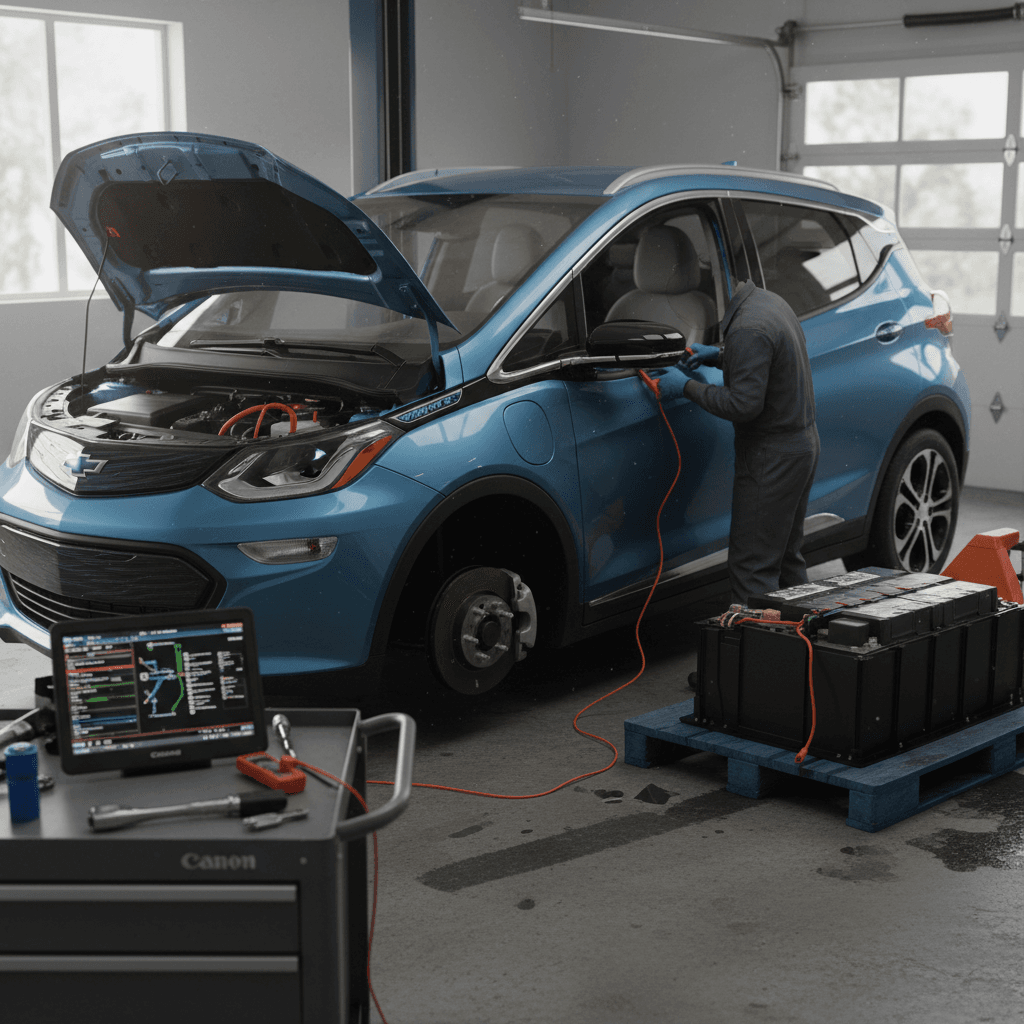
The central 2021 Bolt EV problem is the lithium‑ion battery fire risk. GM and LG identified a rare combination of manufacturing defects in some cells that could lead to internal short circuits and thermal runaway when the pack is charged near full. In August 2021, GM expanded its earlier recall to cover all 2017–2022 Bolt EV and EUV models, including every 2021 car.
What the Bolt battery recall actually did
Your 2021 Bolt EV will fall into one of these buckets
1. Full battery replacement
Many 2021 Bolt EVs received a complete high‑voltage battery replacement under recall.
- New pack often built after mid‑2022
- Includes fresh 8‑year/100,000‑mile parts warranty
- Usually removes earlier charge limits
2. Advanced diagnostics only
Later in the campaign, GM shifted to advanced diagnostic software for many 2020–2022 Bolts.
- Software continuously monitors the pack
- Triggers module replacement if it finds a defect
- May not include a full pack swap
3. Incomplete or pending repair
Some used 2021 cars on lots today still show open recalls or only partial work.
- Charge limits may still be in place
- Battery may be original and uninspected
- This should be a red flag when shopping
Don’t ignore open recalls
Battery warranty, replacements, and what coverage you really have
From the factory, the 2021 Chevrolet Bolt EV came with an 8‑year / 100,000‑mile high‑voltage battery warranty (from original in‑service date). The recall complicates this in ways that can actually benefit you as a second or third owner.
Battery coverage on a 2021 Bolt EV: main scenarios
Use the VIN and current mileage to confirm which row applies to a specific car.
| Battery situation | What likely happened | Typical coverage today* |
|---|---|---|
| Original pack, no recall replacement | Car only received diagnostic software / charge limit | Remainder of original 8‑year / 100,000‑mile EV battery warranty |
| Pack replaced under recall | Full high‑voltage battery pack replacement documented | New 8‑year / 100,000‑mile Battery Limited Part Warranty starting at replacement date |
| Pack replaced under normal warranty | Battery swapped due to defect but not recall | Covers remaining term of original EV battery warranty or 12 months (whichever is longer) |
| Out of warranty, no recall | Very high‑mileage 2021 in later years | Battery failures are generally out‑of‑pocket for owner |
Always confirm details on GM’s official recall and warranty portals before buying.
How to check a 2021 Bolt’s battery history
Why battery history is central when you shop used
At Recharged, every used Bolt EV we list includes a Recharged Score battery health report. That combines diagnostic data, service history, and on‑road testing so you can see how a specific car’s pack is aging, not just what the brochure says it should do when new.
Common charging problems on the 2021 Chevrolet Bolt EV
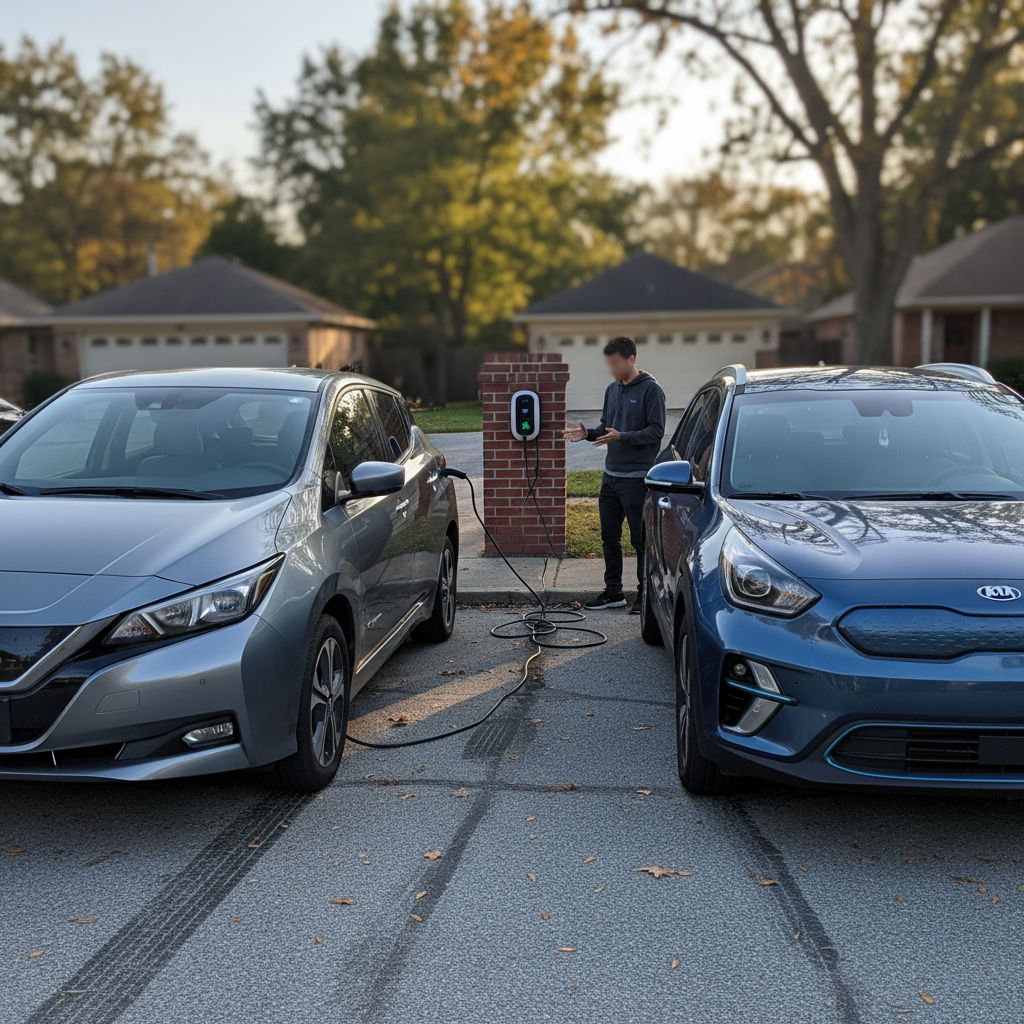
Most 2021 Bolt EV owners charge at home on Level 2 without drama. Where complaints start to pile up is around DC fast charging, charge‑port hardware, and software behavior at public stations. Some cars were built without DC fast‑charge hardware at all, and others developed faults that make public fast charging inconsistent or impossible.
Typical 2021 Bolt EV charging complaints
What you’ll see, what usually causes it, and how it’s fixed
Slow or inconsistent DC fast charging
Symptoms: Charge rate stuck at low kW, frequent tapering, or sessions ending early.
Likely causes: Station limitations, conservative thermal management, or battery‑health protections after recall.
Fixes: Try multiple networks, confirm latest software updates, and have the dealer scan for DCFC‑related error codes if behavior is much worse than peers.
DC fast charging doesn’t work at all
Symptoms: Car refuses to start a session, throws errors on every DC charger.
Likely causes: Hardware fault in the charge port or onboard control modules.
Fixes: Diagnosis at a Bolt‑certified dealer. Many repairs fall under EV component warranty if the car is still within term.
No DC fast-charge option on the car
Symptoms: No CCS DC port above the J1772 inlet.
Likely causes: Some 2021 trims were sold without DC fast‑charge as standard equipment.
Fixes: This is not retrofittable in a cost‑effective way. Avoid these builds if you plan highway road trips.
Home Level 2 charging stops or fails
Symptoms: Charging stops randomly at home; works at other locations.
Likely causes: Weak or mis‑wired home circuit, overheating plug, or EVSE fault rather than a car issue.
Fixes: Have a licensed electrician verify the 240 V circuit, try another EVSE, and check for error codes in the car before assuming the Bolt is at fault.
Watch for non‑DC cars in used listings
Infotainment, software, and other electrical issues
Beyond the battery, the next most common 2021 Bolt EV problems owners talk about involve infotainment glitches, random warning lights, and sporadic electrical bugs. These rarely strand you, but they can make the car feel less polished than newer EVs.
Typical complaints and practical fixes
Glitchy touchscreen and Bluetooth
Owners report the main display freezing, lagging, or dropping Bluetooth calls. Fixes range from simple infotainment reboots (hold the home and fast‑forward buttons), to software updates at the dealer. In stubborn cases, the head unit may be replaced under warranty.
Random "Service Vehicle Soon" messages
Short‑lived warning lights without other symptoms can stem from transient sensor readings or low 12‑volt battery voltage. Have the car scanned for stored codes; many dealers will update control‑module software or replace a weak 12‑volt battery to resolve repeat messages.
Camera and parking sensor faults
Backup cameras and parking sensors sometimes fail or show distorted images. This is usually wiring, moisture, or the camera module itself. Most issues are repairable relatively cheaply compared with high‑voltage components.
Key fob or passive entry issues
Intermittent key detection can be a weak fob battery, RF interference, or a failing receiver. Start by replacing the fob battery; if problems persist, a dealer can test the system.
Software can be your best friend, or worst enemy
Brakes, tires, and interior wear complaints
Mechanically, the 2021 Bolt EV is simple: a single‑speed drive unit up front, regenerative braking, and relatively little to go wrong. Most non‑electrical complaints on higher‑mileage cars come down to consumables and build‑quality details rather than major component failures.
- Front tires wearing faster than expected, especially if the car is driven hard off the line or alignment is slightly out.
- Brake rotors rusting or pulsing on cars that rely heavily on regen and rarely see hard friction braking.
- Creaks and rattles from interior plastics and seats on rough roads.
- Charge‑port door sticking or icing up in cold climates.
Simple preventative maintenance goes far
How to inspect a used 2021 Bolt EV before you buy
Because battery history and recall work matter so much on this car, you should treat a used 2021 Bolt EV inspection more like a pre‑purchase battery audit than a quick test drive. Here’s a structured way to do it.
Pre‑purchase checklist for a 2021 Bolt EV
1. Pull the full recall and warranty history
Use the VIN on GM’s recall website to check for open campaigns and confirm whether the high‑voltage battery was replaced or only monitored. Ask the seller for dealership invoices or warranty printouts that match what you see online.
2. Confirm battery warranty dates
Look at the in‑service date (first sale) and any replacement‑battery warranty entry. A 2021 Bolt with a pack replaced in, say, 2024 may carry coverage to 2032 or 100,000 miles on that pack, whichever comes first.
3. Check for DC fast‑charge hardware
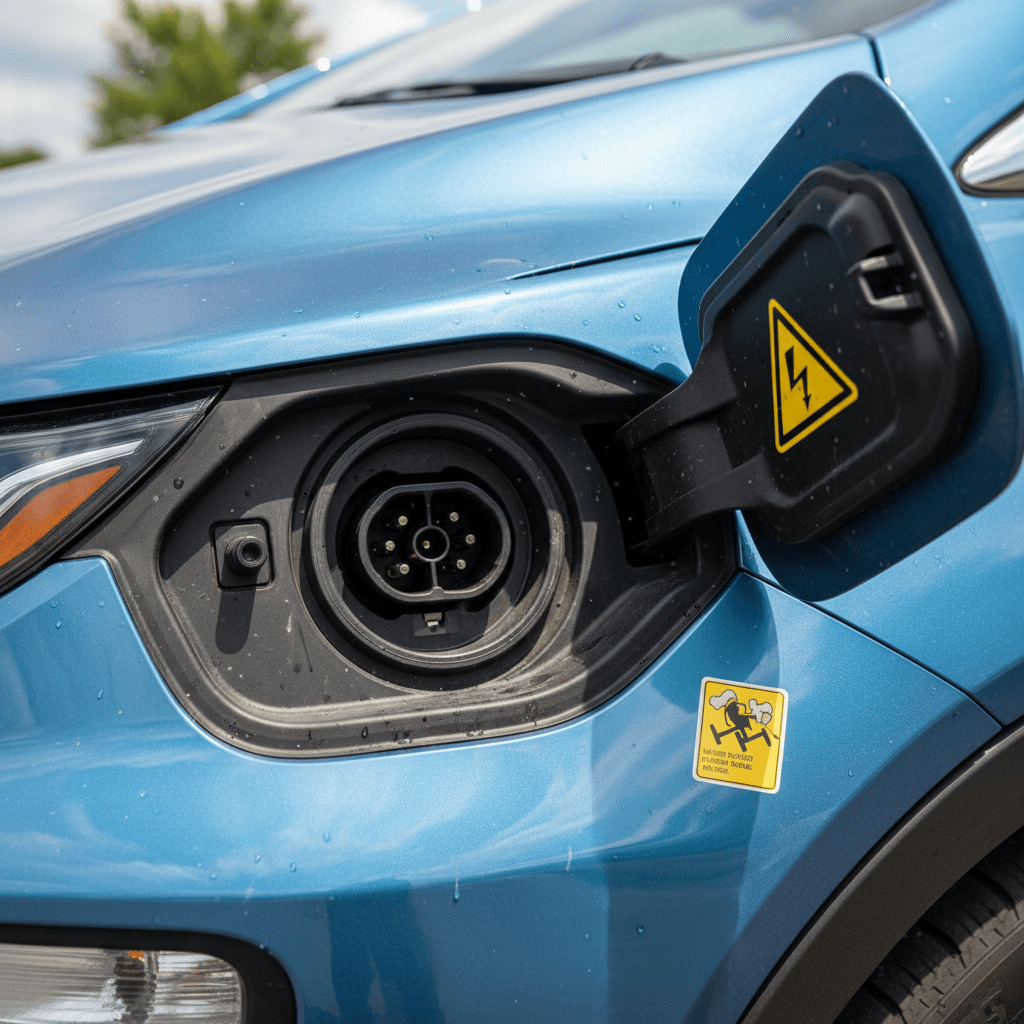
Open the charge door and verify the presence of the two large DC pins under the J1772 AC inlet. If they’re missing, this Bolt isn’t road‑trip friendly. During a test drive, stop at a known‑good DC fast charger and see if a session starts and sustains normal power.
4. Review battery health and range
With the car fully charged, note the projected range and compare it to EPA ratings and owner reports. Big unexplained gaps can indicate degradation or recent driving history that masks true capacity. Ideally, pair this with a professional battery health diagnostic such as the Recharged Score.
5. Test all infotainment and cameras
Cycle through CarPlay/Android Auto, Bluetooth calls, backup camera, and parking sensors. Glitches here are usually fixable but can signal how carefully the previous owner maintained software updates.
6. Inspect tires, brakes, and interior
Uneven tire wear, rusty brake rotors, and heavily worn seats or trim all tell a story. They won’t kill the deal on their own, but they’re bargaining chips and early warnings about how the car was treated.
How Recharged handles used Bolts
Ready to find your next EV?
Browse VehiclesWhat common 2021 Bolt EV fixes cost
Actual repair bills will vary by dealer and region, but it’s helpful to understand which 2021 Bolt EV problems usually fall under warranty and which ones you might pay for out of pocket as the car ages.
Typical costs for common 2021 Bolt EV issues
Rough, non‑binding estimates in U.S. dollars. Always get quotes for your specific car.
| Issue | Typical fix | Likely payer if within warranty | Approximate owner cost out of warranty |
|---|---|---|---|
| High‑voltage battery fire‑risk recall | Full pack replacement or affected‑module replacement | GM recall / GM battery warranty | $10,000+ if no recall or warranty coverage |
| DC fast charging inoperative | Diagnose and replace charge‑port or related module | Often EV component warranty | $800–$2,000+ depending on parts |
| Glitchy infotainment screen | Software update or head‑unit replacement | Bumper‑to‑bumper / extended service plan | $500–$1,500 |
| 12‑volt battery failure | Replace 12‑volt AGM battery | Bumper‑to‑bumper or parts warranty early in life | $200–$350 |
| Tire and alignment issues | New tires + four‑wheel alignment | Owner (normal wear item) | $700–$1,100 for a full set |
| Rusty or pulsing brake rotors | Resurface or replace front rotors and pads | Owner (wear item) | $400–$800 |
Battery and high‑voltage repairs are often warranty‑backed; most other issues are affordable by comparison.
Battery replacement is the big-ticket item
FAQ: 2021 Chevrolet Bolt EV problems
Frequently asked questions about 2021 Bolt EV issues
Is a 2021 Chevrolet Bolt EV still worth it?
The 2021 Chevrolet Bolt EV is a case study in how a single component, the high‑voltage battery, can overshadow an otherwise competent, efficient electric car. Treat the recall and warranty history like you would a building inspection on a house: if the structure is sound and the paperwork is in order, the rest is manageable. For many shoppers, that translates into an affordable EV with a newer battery, long warranty coverage, and proven everyday usability.
If you’d rather not navigate that complexity alone, Recharged was built for exactly this kind of decision. Our listings include a Recharged Score battery‑health report, transparent pricing, and EV‑specialist support from test drive to nationwide delivery. Whether you buy a 2021 Bolt EV from us or elsewhere, go into the deal with clear eyes about its known problems, and the fixes that make it a smart long‑term bet.