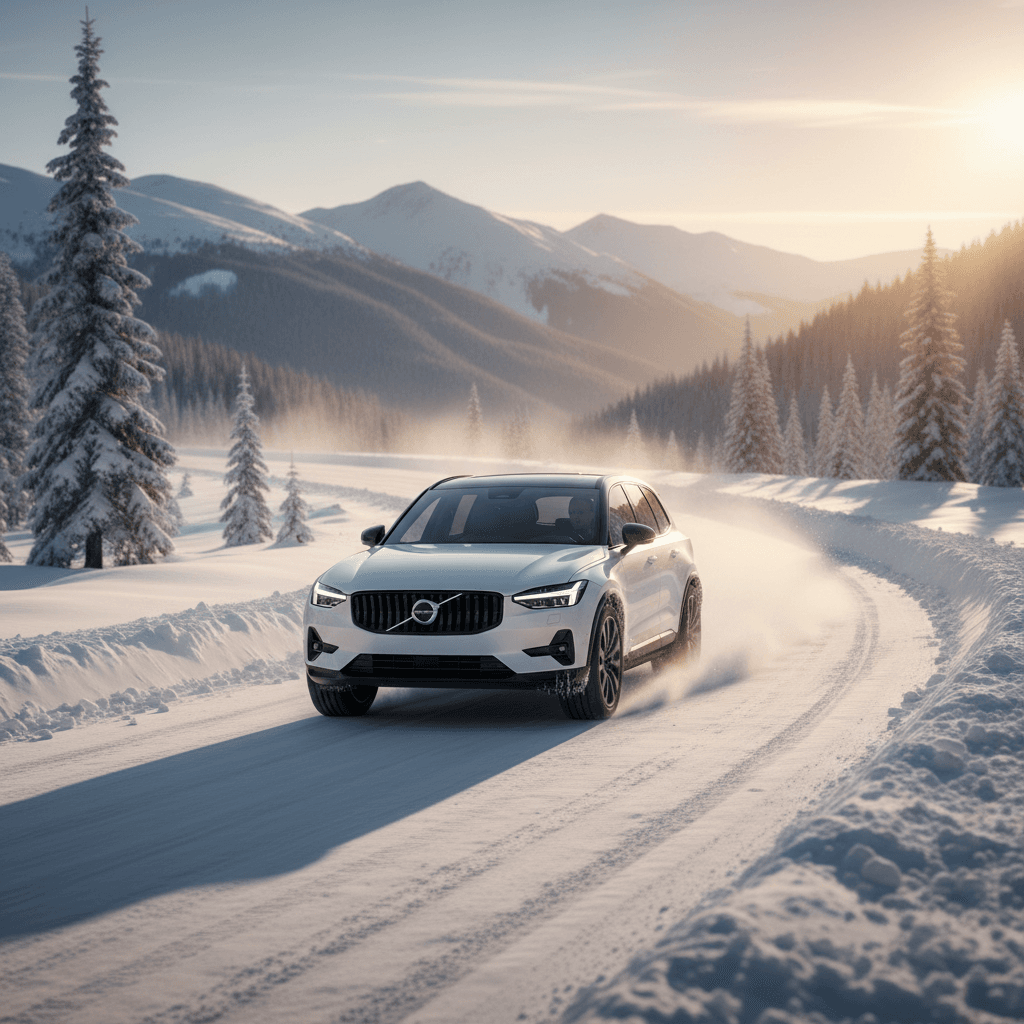
If you live where winter actually means snowpack, black ice, and weeks below freezing, you’re right to ask whether the Volvo EX90 is best for snow and ice. On paper it looks ideal: dual-motor all-wheel drive, serious safety tech, and Volvo’s cold‑climate heritage. But winter driving in an electric SUV is about more than a spec sheet. Let’s walk through where the EX90 shines, where it has tradeoffs, and how to set it up to be a genuinely confidence‑inspiring winter vehicle.
Quick answer
Volvo EX90 in snow and ice: big picture
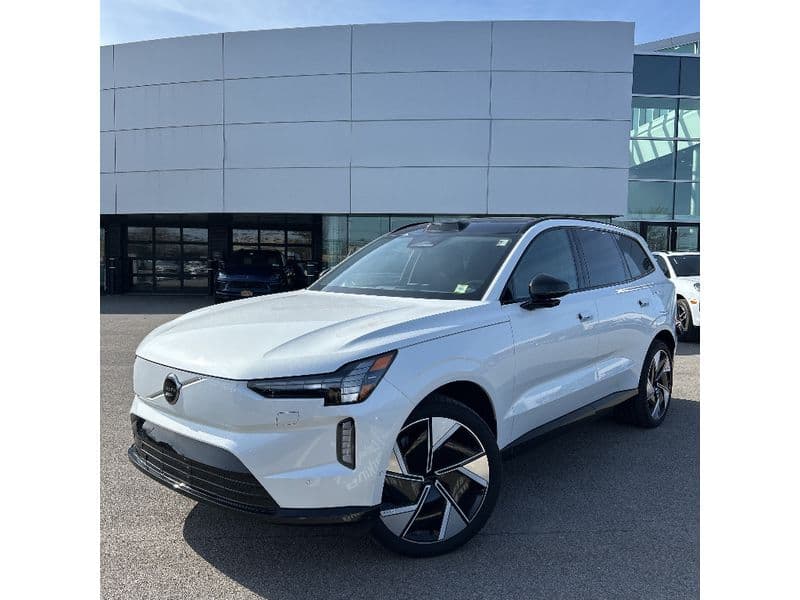
Start with the basics. The EX90 is a large, three‑row, all‑electric SUV with a low‑mounted battery, dual permanent‑magnet motors on most trims, and standard all‑wheel drive in the U.S. market. It’s heavy, powerful, and packed with advanced driver‑assistance and collision‑avoidance features. That combination gives you excellent traction and stability potential in winter, as long as you match it with the right tires and realistic expectations about cold‑weather range.
Key EX90 specs that matter in winter
Those fundamentals put the EX90 near the top of the winter‑ready EV list, especially if you regularly face packed snow and slush. Where it’s not magically different from other EVs is physics: a big, heavy SUV on all‑season tires will still slide, and any EV will lose range in sub‑freezing weather. Volvo’s tech can help you avoid trouble, but it can’t repeal ice.
Drivetrain, AWD and chassis: what helps in the snow
Every U.S. EX90 currently on sale pairs a large battery with two permanent‑magnet motors, one at each axle, creating an electric all‑wheel‑drive system. Power output is substantial, up to around 510 hp and 671 lb‑ft of torque in the Twin Motor Performance models, so the traction‑ and stability‑control systems work hard the moment you brush the accelerator on slick pavement.
How the EX90’s hardware helps on slick roads
Electric torque plus smart software is a strong combination in snow and ice.
Instant, controllable torque
True front–rear balance
Low center of gravity
Volvo also offers adaptive air suspension on the EX90. In winter, that’s less about off‑road posing and more about maintaining consistent ride height when the vehicle is loaded with people, skis, and luggage. Proper height helps keep headlight aim, sensor performance, and suspension geometry where the chassis engineers intended, which can make the vehicle’s behavior more predictable on rutted or icy roads.
Traction tip
Winter tires: the make-or-break factor
If there’s one thing that determines whether the Volvo EX90 is "the best" for snow and ice, it isn’t the motors or the lidar, it’s the tires you run. From Volvo’s own guidance, winter tires are designed for ice and snow, should be mounted on all four corners, and should have at least 4 mm of tread depth for safe performance. That advice applies doubly to a heavy EV SUV.
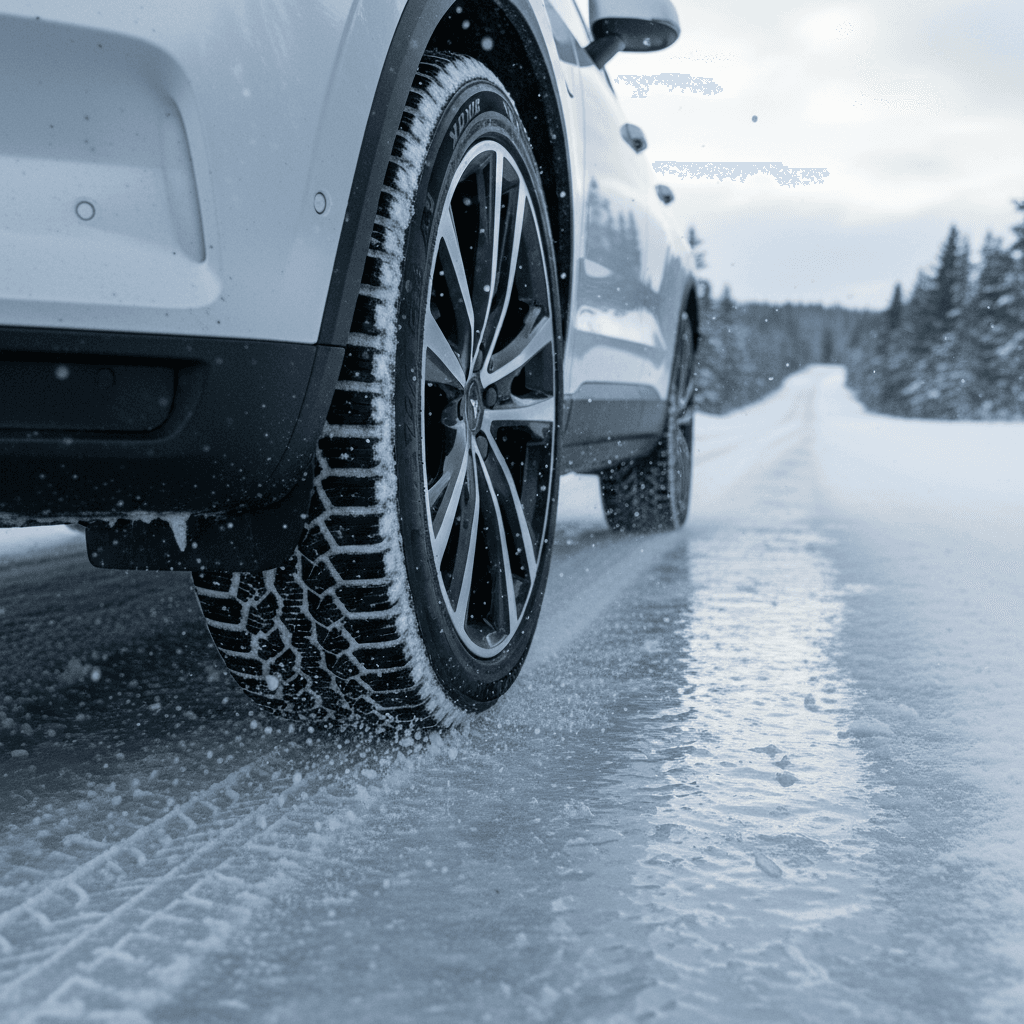
- Run a dedicated winter set if you routinely see snow or temperatures consistently below 40°F (4°C). Scandinavian‑style studless or studded winter tires transform the EX90’s braking and cornering grip.
- Whenever possible, downsize wheel diameter for winter (e.g., 19" or 20" instead of larger 21–22" packages) to get taller sidewalls, better compliance, and more affordable tire options.
- Mount the same tire type and size on all four corners. The EX90’s staggered factory setups can complicate this, so many owners buy an additional square‑fitment winter wheel set.
- Watch tread depth. Volvo recommends at least 4 mm on winter tires; in serious snow country many drivers replace closer to 5–6 mm for maximum grip.
- Check the speed rating. Winter tires can have a lower speed rating than the vehicle’s top speed; you must then respect the tire’s speed limit even on dry days.
Don’t rely on all‑season tires
Cold-weather range and charging realities
The EX90’s large battery, about 111 kWh gross, gives you a healthy buffer for winter driving, but cold temperatures still take a toll. Any EV will lose range when the battery and cabin are cold because the pack is less efficient and the heater is doing real work. Owner reports from comparable Volvo EVs suggest 20–30% range loss in sustained freezing conditions is normal, and the EX90’s size doesn’t change that physics.
What affects EX90 range in snow and ice?
Some factors you can control, others you plan around.
Ambient temperature
Cabin & seat heat use
Speed and surface
Five ways to protect EX90 range in winter
1. Precondition while plugged in
Use the Volvo app or in‑car timers to warm the cabin and battery while the EX90 is still charging at home. You start with a warm pack and don’t burn through as much range getting up to temperature.
2. Use seat and wheel heaters first
Dial the main HVAC temperature down a few degrees and lean on the heated seats and steering wheel. They use far less energy than blasting cabin heat continuously.
3. Plan a larger buffer
If you’re used to arriving at a charger with 15–20% in mild weather, target 30% or more in real winter. That margin protects you from unplowed detours and headwinds.
4. Watch wheel and tire choices
Big, wide wheels with aggressive tread patterns look good but can increase consumption. A narrower winter tire in a slightly smaller diameter can actually help range in winter.
5. Learn local fast chargers
In true storm conditions, a short top‑up at a DC fast charger can be cheap insurance. Get familiar with stations along your regular winter routes before you need them.
Battery care in extreme cold
Driver assistance and safety tech on slick roads
Volvo built the EX90 as a technology flagship, and that’s very relevant in winter. It combines high‑resolution cameras, radar, and lidar with advanced software. The suite includes forward‑collision avoidance with automatic braking, lane‑keeping aids, blind‑spot monitoring with steering support, cross‑traffic alerts, and various emergency steering functions. In many markets, it also uses connected‑car data to warn you about slippery‑road conditions or hazard lights ahead.
Safety and driver aids that matter when it’s slick
These systems don’t replace winter driving skill, but they add layers of protection.
Collision avoidance with auto braking
Slippery road & hazard alerts
Pilot Assist & lane keeping
Don’t over-trust the tech
What early EX90 owners report in winter
Early owners driving EX90s through North American and Scandinavian winters generally echo what long‑time Volvo drivers already know: the basic all‑wheel‑drive system feels very secure with good snow tires, and the stability controls are quick and progressive. Drivers who invested in top‑tier Nordic winter tires report excellent traction and confidence on packed snow and even polished intersections.
Where feedback gets mixed is less about grip and more about software maturity and winter practicality. Some owners have noted range drops of roughly a quarter on long, cold‑weather road trips, while others mention that the vehicle can take extra time to "go to sleep" or wake in deep cold as Volvo tunes over‑the‑air software. Those concerns are real, but they’re also typical of first‑generation EV flagships; the core winter driving dynamics remain strong when the vehicle is set up correctly.
Big-picture owner takeaway
Checklist: setting up your EX90 for winter
EX90 winter setup checklist
1. Choose the right winter tires and wheels
Decide whether you’ll run studless, studded, or performance winter tires based on your climate. If you can, buy a dedicated winter wheel set in a slightly smaller, square fitment to simplify rotations and improve ride.
2. Confirm tread depth and pressures
Before the first storm, measure tread depth and make sure it’s comfortably above Volvo’s 4 mm recommendation. Set tire pressures according to the door‑jamb label, then check again when temps drop sharply.
3. Adjust drive modes and regen
If your EX90 allows it, reduce regeneration and avoid aggressive one‑pedal driving on ice or in deep snow. High regen can cause unwanted rear‑axle braking effect; gentle coasting and brake‑pedal use are safer in low‑friction conditions.
4. Save a winter driver profile
Create a profile with your preferred winter settings: calmer throttle response, appropriate regen level, and key safety aids enabled. That way the car boots into the right behavior when the roads are slick.
5. Practice in a safe, empty lot
On the first real snowfall, take ten minutes in an empty parking lot to feel how the EX90 accelerates, stops, and turns on low‑traction surfaces. It’s cheap insurance that builds your muscle memory for emergency situations.
6. Winterize your charging routine
Clear snow from your home charging area, keep cables off the ground when possible, and precondition the car while plugged in. On the road, favor fast chargers at larger plazas that are more likely to be plowed and maintained.
How the EX90 compares to other electric SUVs in winter
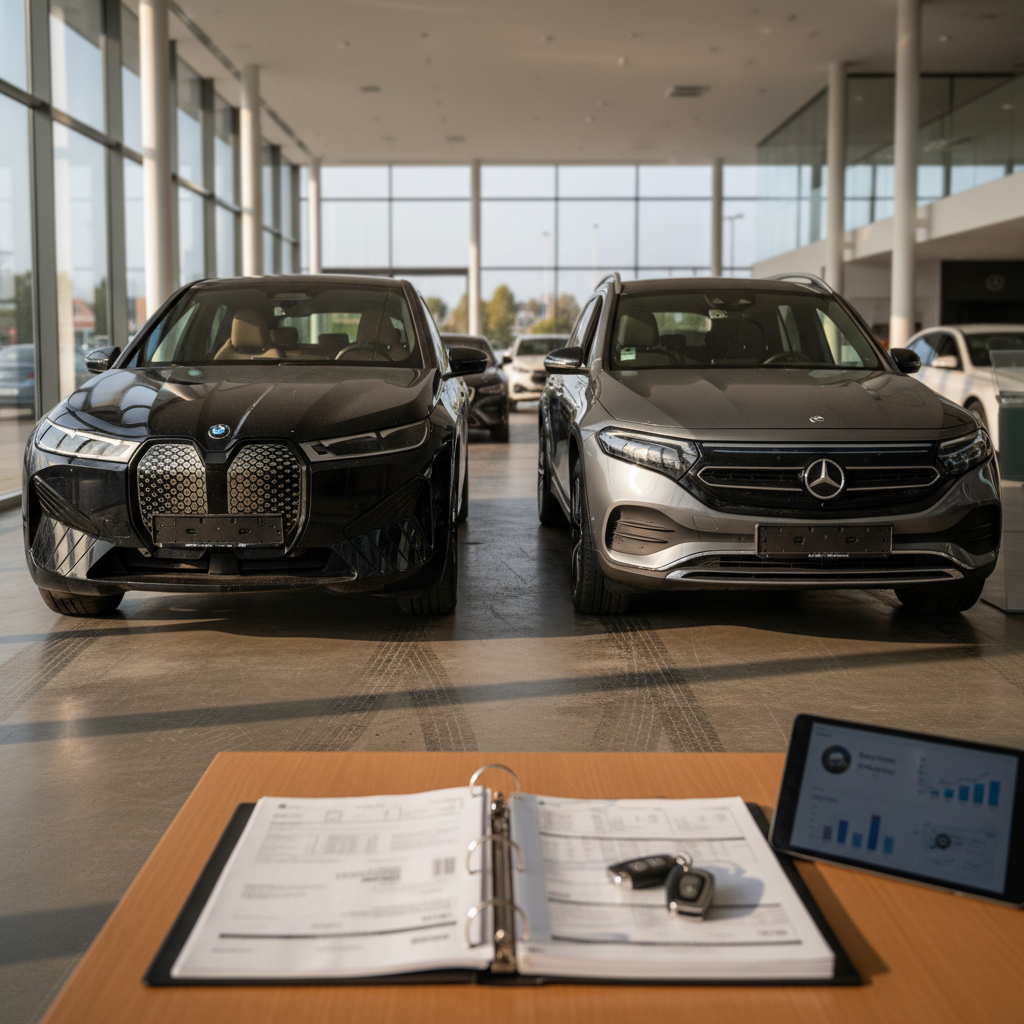
Most large electric SUVs, think Mercedes EQE SUV, BMW iX, Kia EV9, Tesla Model X, offer dual‑motor all‑wheel drive and sophisticated traction control. What sets the EX90 apart for snow and ice is Volvo’s long history building vehicles for Nordic climates and the way that mindset shows up in details: robust seat and wheel heaters, thoughtful connected‑safety features, and conservative, predictable chassis tuning.
EX90 vs other popular electric SUVs for winter duty
Generalized comparison based on drivetrain layout, safety tech, and owner reports.
| Model | AWD availability | Winter tuning feel | Safety & alerts | Cold-range behavior* |
|---|---|---|---|---|
| Volvo EX90 | Standard dual‑motor AWD | Secure, conservative, very stable | Extensive: lidar‑backed safety, slippery‑road alerts (where available) | Typical for large EV SUV; noticeable loss in deep cold |
| Tesla Model X | Dual‑motor or tri‑motor | Quick reactions, sportier feel | Strong active safety, but less conservative tuning | Similar range loss; Supercharger access can help planning |
| Kia EV9 | Available dual‑motor AWD | Comfortable, family‑oriented tuning | Good safety suite, no lidar | Similar or slightly better efficiency in many tests |
| BMW iX | Standard dual‑motor AWD (US) | Sportier, very composed | High‑end safety tech, camera‑heavy | Comparable range impact; efficient at steady speeds |
All of these vehicles are competent in snow with proper tires. The differences are in tuning and priorities, not magic hardware.
How to read this comparison
Buying a used Volvo EX90 for snow country
If you’re eyeing a used EX90 specifically because you want an all‑electric winter tank, you’re not alone. The challenge with any used EV is separating the right car from one that’s had a hard life, or simply isn’t set up for your climate. That’s where a structured inspection and verified battery health become key.
What to check on a used EX90
- Battery health and range: Ask for a recent battery‑health report and compare projected range to original estimates. You want to know how much margin you’ll have after winter losses.
- Wheel and tire packages: Confirm whether a dedicated winter wheel‑and‑tire set is included. That can easily be worth $1,500–$2,000 in cold‑climate markets.
- Suspension and underbody: Look for signs of corrosion, impacts, or bent components from deep snow, ice chunks, or road debris.
How Recharged makes this easier
Every EV sold through Recharged includes a Recharged Score Report that verifies battery health, reviews charging history where available, and compares pricing against fair‑market data. If you’re shopping a used EX90 from the couch in a snow‑belt state, you can also:
- Get EV‑specialist guidance on winter suitability and charging options in your area.
- Use nationwide delivery and an instant trade‑in offer so you don’t have to fight winter roads just to change vehicles.
- Walk through cold‑weather setup steps before the vehicle ever hits your driveway.
Pro move for snow-belt buyers
FAQ: Volvo EX90 in snow and ice
Frequently asked questions about the Volvo EX90 in snow and ice
Bottom line: is the EX90 best for snow and ice?
Viewed through a winter‑driver’s lens, the Volvo EX90 gets the fundamentals right. It offers robust dual‑motor AWD, a low center of gravity, and one of the most comprehensive safety and driver‑assistance suites on the market. On a quality set of winter tires, it feels composed, predictable, and deeply competent in snow and on ice, fully living up to Volvo’s cold‑climate reputation.
Is it the absolute best EV for snow and ice? In the real world, "best" is more about setup and driver judgment than badges. A carefully driven EX90 on proper winter rubber is among the top tier of winter‑ready electric SUVs. If you pair that with smart charging habits and realistic expectations about cold‑weather range, it’s a superb choice for families who face real winters and want to go electric without giving up peace of mind.