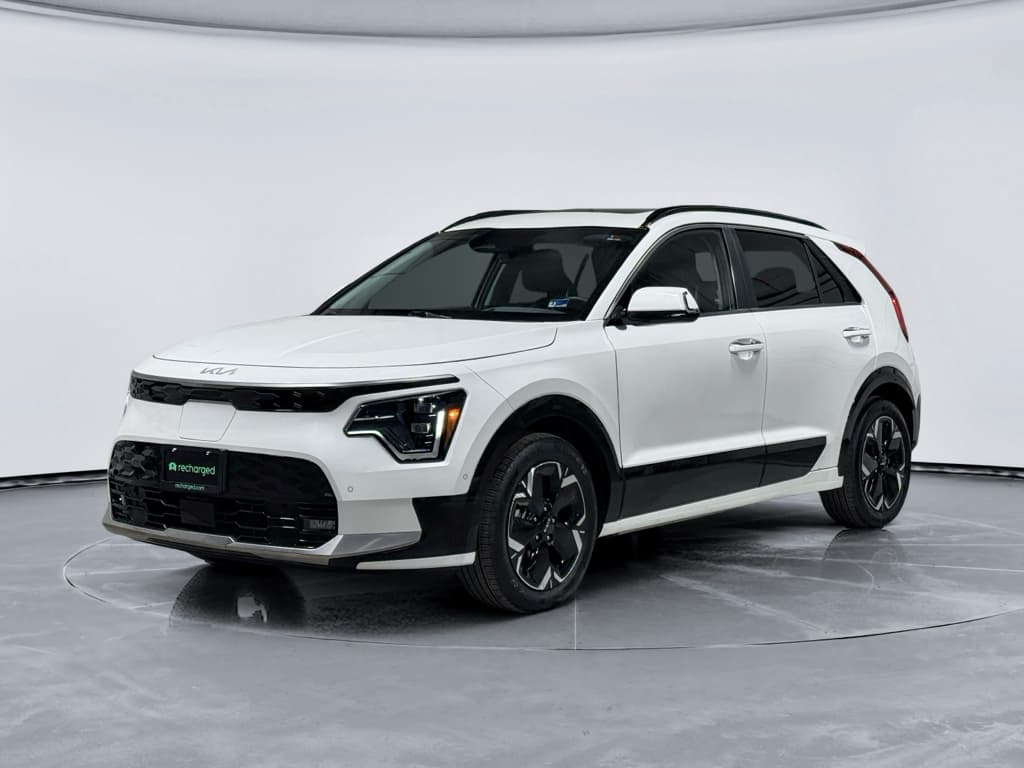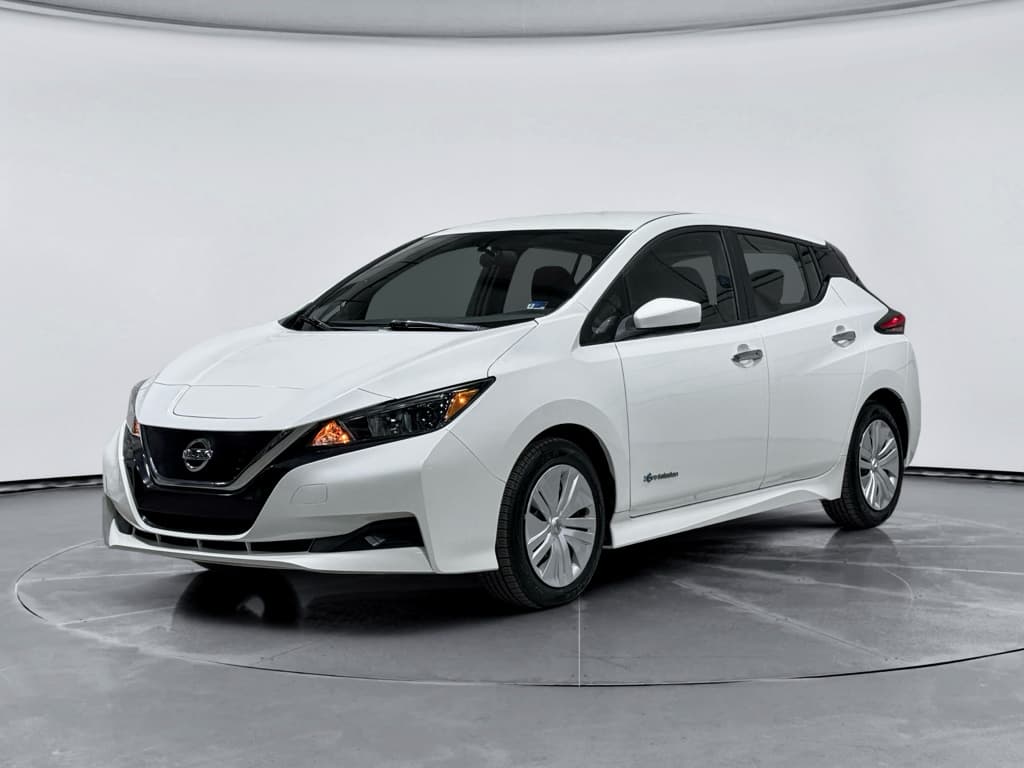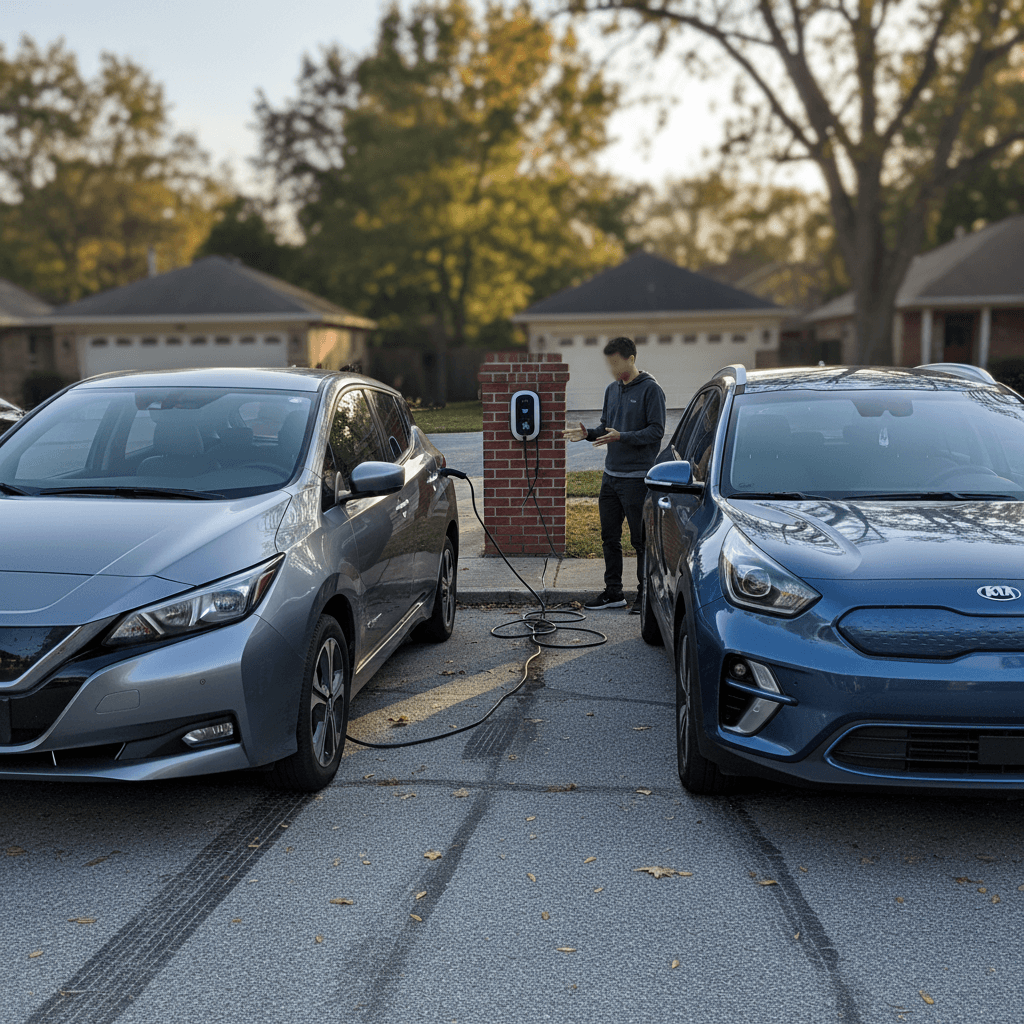
If you’re shopping the used EV market in 2026, you’ll bump into the Nissan Leaf and Kia Niro EV again and again. Both are compact hatchback-style EVs, both promise affordable electric commuting, but they deliver very different ownership experiences, especially once they’ve got some miles on the odometer.
Used EV snapshot for 2026
Leaf vs Niro EV: who each used EV is for
Used Nissan Leaf: best for short-range bargain hunters
- You want the lowest purchase price possible.
- Your daily driving lives under about 60–90 miles.
- You have reliable home or workplace charging.
- You mostly stay in town and don’t care about fast road‑trip charging.
- You’re okay with older tech and fewer safety features on pre‑2018 cars.
Used Kia Niro EV: best for all‑around daily drivers
- You want a used EV that can cover real trips, not just errands.
- EPA range is around 239–253 miles on 64 kWh models, depending on year and trim.
- DC fast charging is decent, and far better than any CHAdeMO Leaf.
- You need more rear seat room and cargo flexibility.
- You’re willing to pay more upfront for a newer design and longer range.
Model years to focus on
Key spec comparison: used Leaf vs Kia Niro EV
Core specs: typical used Nissan Leaf vs Kia Niro EV
Representative specs for common trims you’ll see on the U.S. used market in 2026. Always confirm exact equipment on the individual car you’re considering.
| Model (used) | Typical years on lot | Battery (usable kWh)* | EPA range when new (mi) | Fast‑charge connector | Peak DC fast charge (approx.) | On‑board AC charger |
|---|---|---|---|---|---|---|
| Nissan Leaf 24 kWh | 2013–2016 | ~21 | 73–84 | CHAdeMO | ≈40–50 kW when new, often lower with age | 3.3–6.6 kW |
| Nissan Leaf 30 kWh | 2016–2017 | ~27 | 107 | CHAdeMO | ≈40–50 kW | 6.6 kW |
| Nissan Leaf 40 kWh | 2018–2024 | ~37 | 149 (SV/S trims) | CHAdeMO | ≈50–100 kW on paper; many real‑world sessions lower | 6.6 kW |
| Nissan Leaf 62 kWh (Leaf Plus) | 2019–2024 | ~56 | 215–226 | CHAdeMO | ≈70–100 kW with warm battery | 6.6 kW |
| Kia Niro EV 64 kWh (e‑Niro) | 2019–2022 | ~64 | 239 | CCS | ≈70–80+ kW peak, 10–80% in ~45 minutes | 7.2 kW (U.S. 1‑phase) |
| Kia Niro EV 64.8 kWh (2nd gen) | 2023–2025 | ~64.8 | 253 | CCS | ≈80–94 kW peak, 10–80% in ~40–45 minutes | 11 kW (in markets with 3‑phase), 7.2–11 kW in U.S. |
Leaf numbers vary widely by battery size and year; Niro EV specs are more consistent from 2019 onward.
About the numbers
Battery health and degradation on the used market
Battery health is where used Nissan Leafs and used Kia Niro EVs part ways most dramatically. The Leaf was an early mass‑market EV, and many older cars used air‑cooled packs that aged quickly in hot climates. The Niro EV arrived later with a liquid‑cooled battery and more modern thermal management, which generally ages more gracefully.
Battery durability: Leaf vs Niro EV
What you can expect from real‑world used examples in 2026
Nissan Leaf battery patterns
- 2011–2017 Leafs (24 & 30 kWh) are notorious for losing capacity, especially in hot states like Arizona, Texas, and parts of California.
- It’s not unusual to see early cars down 20–40% or more in range by 2026.
- Later 40 kWh and 62 kWh Leafs fare better, but still tend to show more degradation than comparable liquid‑cooled packs.
- Nissan’s "capacity bars" on the dash give a crude visual of remaining battery health but not a precise percentage.
Kia Niro EV battery patterns
- The Niro EV uses a liquid‑cooled 64–64.8 kWh pack, which helps keep temperatures in the battery’s comfort zone.
- Real‑world owners commonly report modest degradation, often still within 90%+ of original capacity after several years and typical mileage.
- Because Niro EVs are newer overall, most used examples in 2026 are still inside or just past the original battery warranty window.
- Battery health is more consistent from car to car, making values easier to predict.
Watch out for heavily‑degraded Leafs
Typical high‑voltage battery warranties (original, new)
How Recharged handles battery health
Real-world range and charging experience
Range numbers on window stickers are like fuel economy on gas cars: useful for comparison, but not a promise. Temperature, speed, elevation, and even tires matter. For used EVs, you also have to layer in battery aging and charging‑network realities. Here’s how a used Leaf and a used Niro EV feel when you’re actually living with them.
- Early 24/30 kWh Leafs are city specialists: think 40–70 miles of comfortable real‑world range for many worn packs, sometimes less in winter.
- 40 kWh Leafs typically deliver roughly 100–130 miles of mixed‑driving range in 2026 if the pack is reasonably healthy.
- 62 kWh Leaf Plus models can still be excellent commuters and occasional road‑trippers, but CHAdeMO fast‑charge access is shrinking in many parts of the U.S.
- Kia Niro EVs with a 64 kWh pack commonly give 180–220+ miles in everyday use, depending on climate, speed, and how much degradation has occurred.
Charging a used Nissan Leaf
- Home charging: All Leafs can charge from a standard 120V outlet (slow) or a 240V Level 2 setup. Later cars with 6.6 kW on‑board chargers can add roughly 20–25 miles of range per hour on a 32‑amp Level 2 station.
- Public DC fast charging: Leafs use the CHAdeMO standard. New CHAdeMO sites are rare in the U.S. now that most networks focus on CCS and NACS. You’ll find CHAdeMO at older stations, but expect limited plugs and some retired hardware over the next few years.
- Road‑trips: Still possible in some corridors with a Leaf Plus, but you’ll be planning carefully and accepting slower stops than newer EVs.
Charging a used Kia Niro EV
- Home charging: A Niro EV on a 40‑amp Level 2 home charger can usually go from a low state of charge back to full overnight. Later models support up to ~11 kW AC in markets with 3‑phase AC; U.S. cars are generally limited by home wiring to about 7.2 kW.
- Public DC fast charging: Niro EVs use the CCS connector that’s common across most non‑Tesla EVs. With a healthy battery and a strong charger, 10–80% typically lands in the 40–45‑minute window.
- Road‑trips: Not as blisteringly quick as the latest 800‑volt EVs, but far more practical than almost any used Leaf, especially as CHAdeMO infrastructure slowly winds down.
Think about CHAdeMO’s future
Interior space, comfort, and practicality
Both of these EVs wear hatchback bodies, but the Niro EV stretches the formula into a small crossover. That pays off in rear‑seat comfort, cargo space, and the feeling that you could use it as your only family car.
Cabin and cargo: where you’ll feel the difference
Why the Kia Niro EV feels like more car than the Leaf, even if they’re both compact
Seating position
Nissan Leaf: Traditional compact‑car seating; taller drivers can be comfortable up front but rear headroom tightens on some generations.
Kia Niro EV: Slightly higher crossover‑style seating that makes entry and exit easier. Better for older knees and child‑seat duty.
Cargo space
Exact numbers vary by model year, but the Niro EV generally offers more usable cargo volume behind the rear seats than most Leafs, with a wider opening and more squared‑off space.
Both have folding rear seats, but the Niro’s load floor tends to be friendlier for strollers, bikes, and road‑trip paraphernalia.
Family friendliness
Leaf: Works as an urban family runabout, but taller car seats can crowd the front passengers in earlier generations.
Niro EV: Extra rear legroom and door opening angle make it easier to maneuver kids and gear. Many shoppers cross‑shop it with small crossovers and compact SUVs.
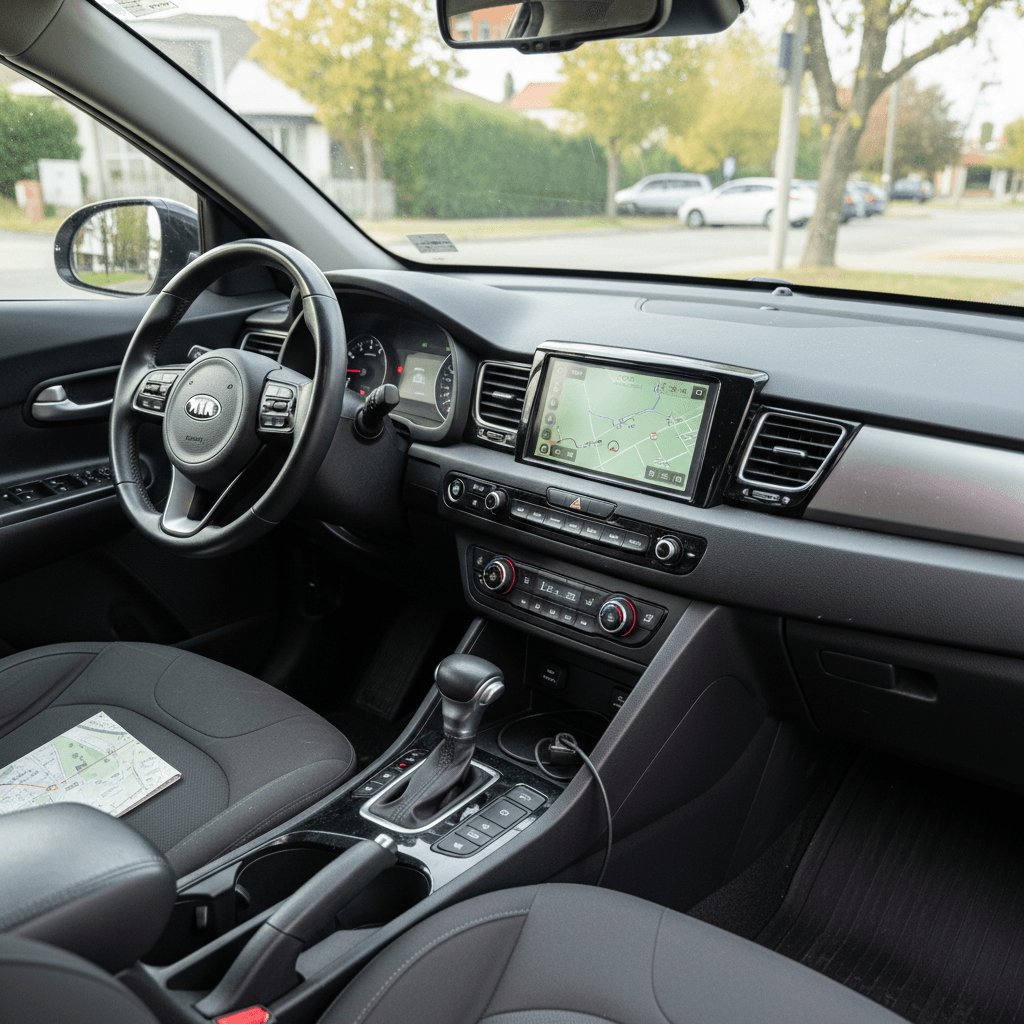
Tech and comfort tilt to Niro EV
Ownership costs, reliability, and value
Neither of these EVs drinks gasoline, skips oil changes, or visits emissions test stations, so your basic maintenance costs are low for both. The big levers for ownership costs are purchase price, battery health, and how much you rely on DC fast charging.
Cost factors to compare on any used Leaf or Niro EV
Purchase price vs remaining range
A heavily discounted early Leaf can be a brilliant deal if you only need 40–50 miles a day. But if you regularly drive farther, you may be better off stretching for a healthier‑battery Leaf Plus or a Niro EV with 150–200+ miles of real‑world capability.
Battery warranty status
Check the in‑service date and mileage. A newer Leaf or Niro EV might still have a portion of its original high‑voltage battery warranty remaining, which can cushion future repair risk.
Charging network costs
Leaf owners are increasingly limited to older CHAdeMO sites, which may have different pricing and reliability than newer CCS/NACS stations. With a Niro EV, you’ll have broader access to modern CCS networks, which can matter if you road‑trip or lack home charging.
Insurance and repairs
Insurance for both cars is generally reasonable compared to high‑end EVs. Collision repairs can be pricey on any modern car, but you’re not dealing with exotic aluminum or carbon fiber structures here.
Resale value in a few years
As CHAdeMO fades from new infrastructure, the resale value of older Leafs may soften further. Niro EVs, with CCS and a more modern design, are positioned to hold value better as the charging landscape standardizes.
What your dollars actually buy
Which one is right for you? Leaf vs Niro EV by buyer type
Match your life to the right used EV
Urban commuter with short, predictable miles
Daily round‑trip under 40–60 miles.
Home or workplace Level 2 charging available.
Rarely if ever takes the car on long highway drives.
Looking to spend as little as possible on the car itself.
Suburban family with mixed driving
Commutes, school runs, and weekend trips mixed together.
Needs to fit one or two child seats and still have cargo room.
Occasional 150–250‑mile highway trips.
Wants a car that feels modern inside for at least the next 5–7 years.
Road‑trip curious or multi‑state driver
Regularly drives outside the metro area.
Wants to use public fast charging without hunting for rare CHAdeMO plugs.
May eventually own just one car for the household.
Cares more about charging flexibility than rock‑bottom purchase price.
Second car for a multi‑car household
Already owns a gas or hybrid vehicle for long‑range trips.
Wants an inexpensive electric runabout to handle errands and commuting.
Happy to charge at home and rarely see a DC fast charger.
Open to older EV tech if the price is right.
When a used Nissan Leaf makes the most sense
- You have another vehicle for long trips.
- Your budget is tight and you want to minimize monthly payments.
- You can verify that the battery health is still acceptable for your needs.
- You live near older CHAdeMO sites and don’t rely heavily on public fast charging.
- You’re comfortable treating the car almost like an electric Corolla: an honest, basic commuter you don’t overthink.
When a used Kia Niro EV is worth the extra money
- You want one EV that can handle commuting, kid duty, and real road‑trips.
- You value a more modern interior with better driver‑assist tech and creature comforts.
- You’d rather plug into plentiful CCS chargers than chase rare CHAdeMO plugs.
- You plan to keep the car long enough that battery longevity and charging‑standard support matter.
- You prefer the flexibility of a small crossover instead of a compact hatchback.
How Recharged helps you shop used Leafs and Niro EVs
Used EVs reward informed shoppers. Two identical‑looking Leafs can hide very different battery histories; two Niro EVs can have lived very different lives on DC fast chargers. That’s where a specialized marketplace matters.
Why shop your used EV with Recharged
Especially when you’re torn between a used Leaf and a used Niro EV
Recharged Score battery health diagnostics
Transparent pricing and financing
Nationwide delivery and trade‑in options
Ready to find your next EV?
Browse VehiclesIf you’re still split between a used Nissan Leaf and a used Kia Niro EV, that’s normal. The Leaf shines as a low‑cost city runabout; the Niro EV wins as an all‑around daily driver with room to grow. The key is matching a specific car’s battery health and range to the way you actually live, and that’s exactly what Recharged was built to help you do.
Used Nissan Leaf vs Kia Niro EV FAQ
Frequently asked questions: used Nissan Leaf vs Kia Niro EV
In 2026, a used Nissan Leaf remains the budget hero of electric commuting, while the Kia Niro EV steps in as the grown‑up choice, roomier, calmer on the highway, and better aligned with where public charging is headed. If your life fits inside a tight radius, an honest Leaf can save you thousands. If you want one EV that can keep up as your world gets bigger, the Niro EV is the safer long‑term companion. Whichever camp you fall into, pairing the right car with clear battery‑health data is the difference between loving your first used EV and resenting it, and that’s exactly why Recharged exists.