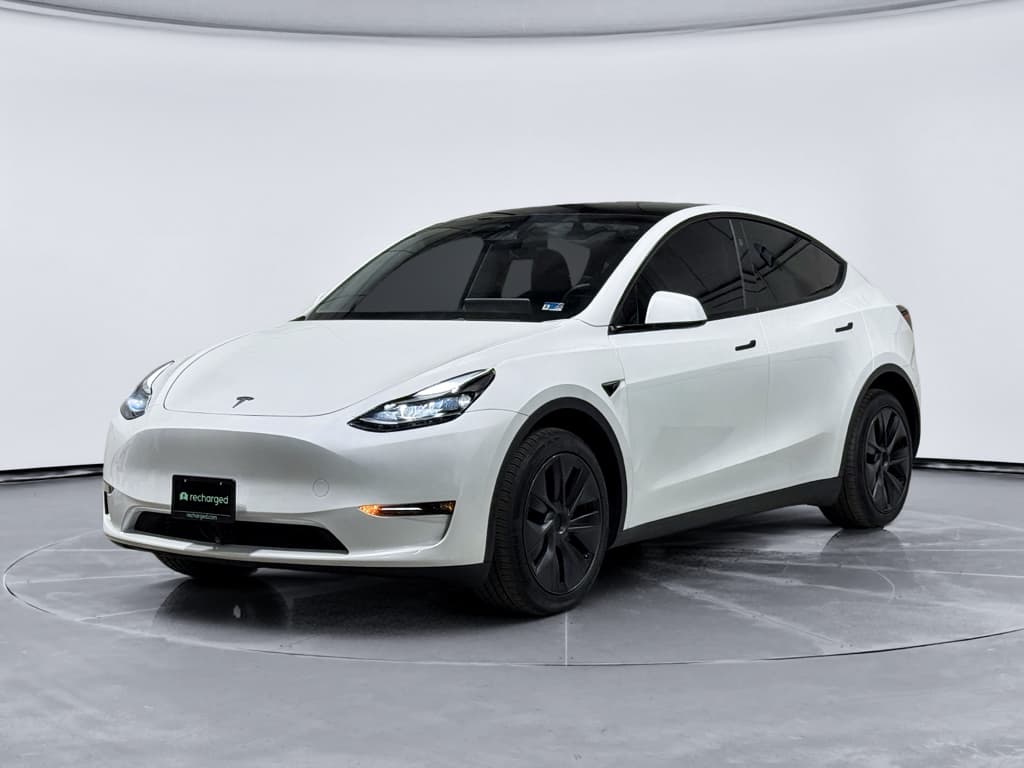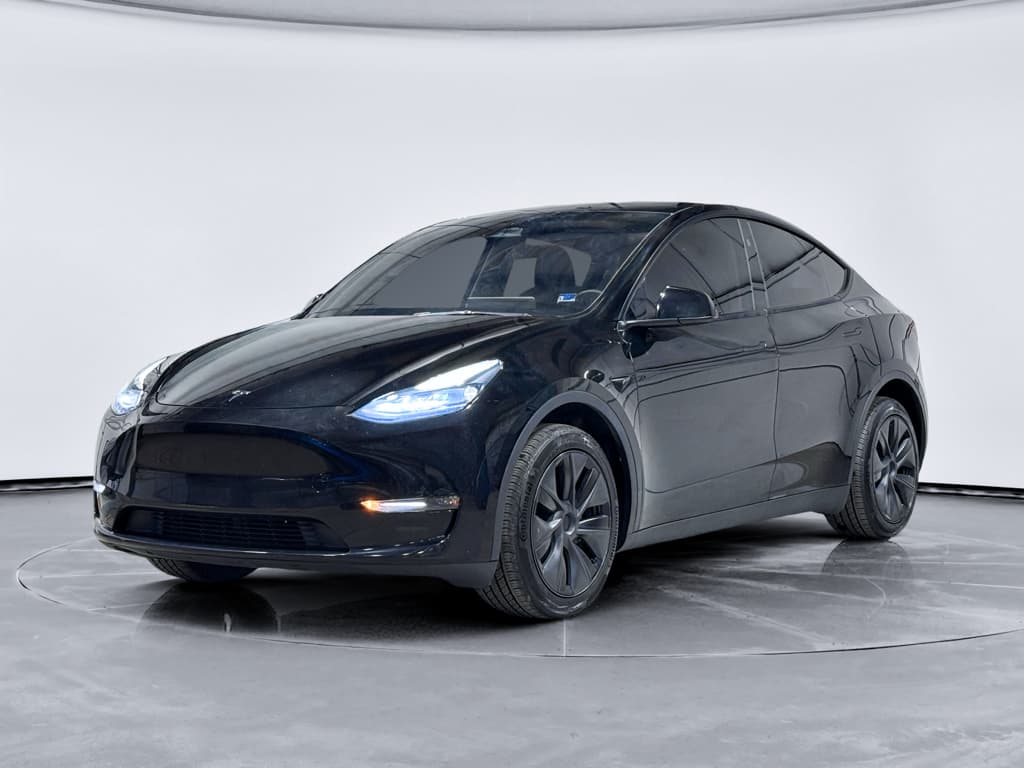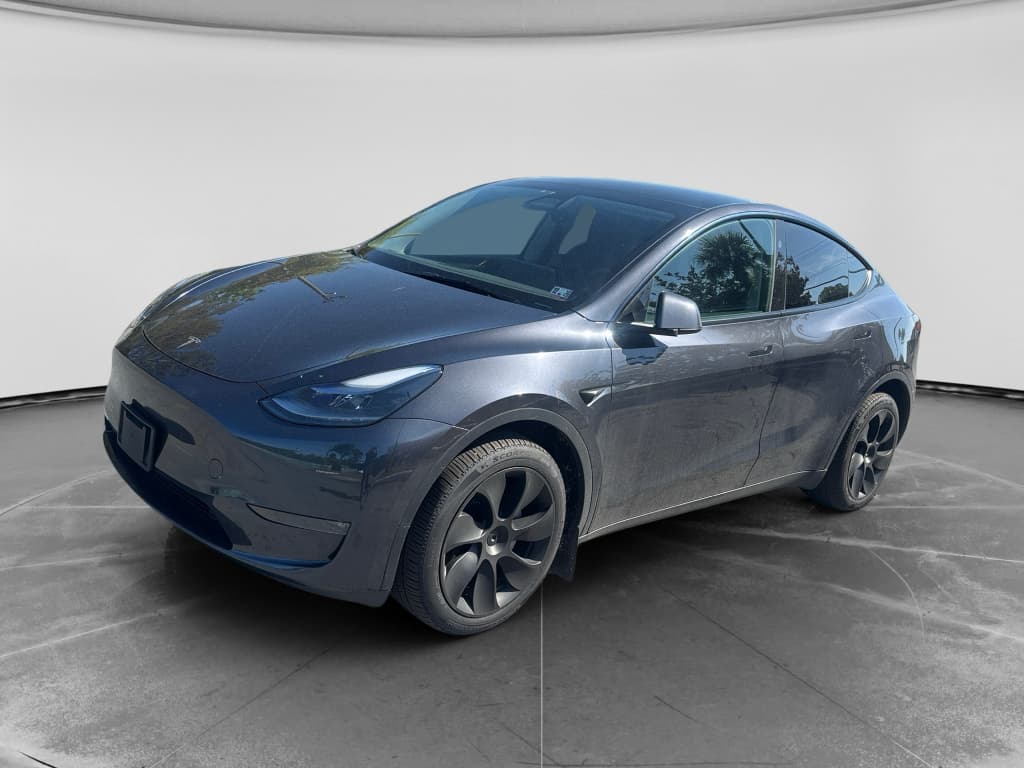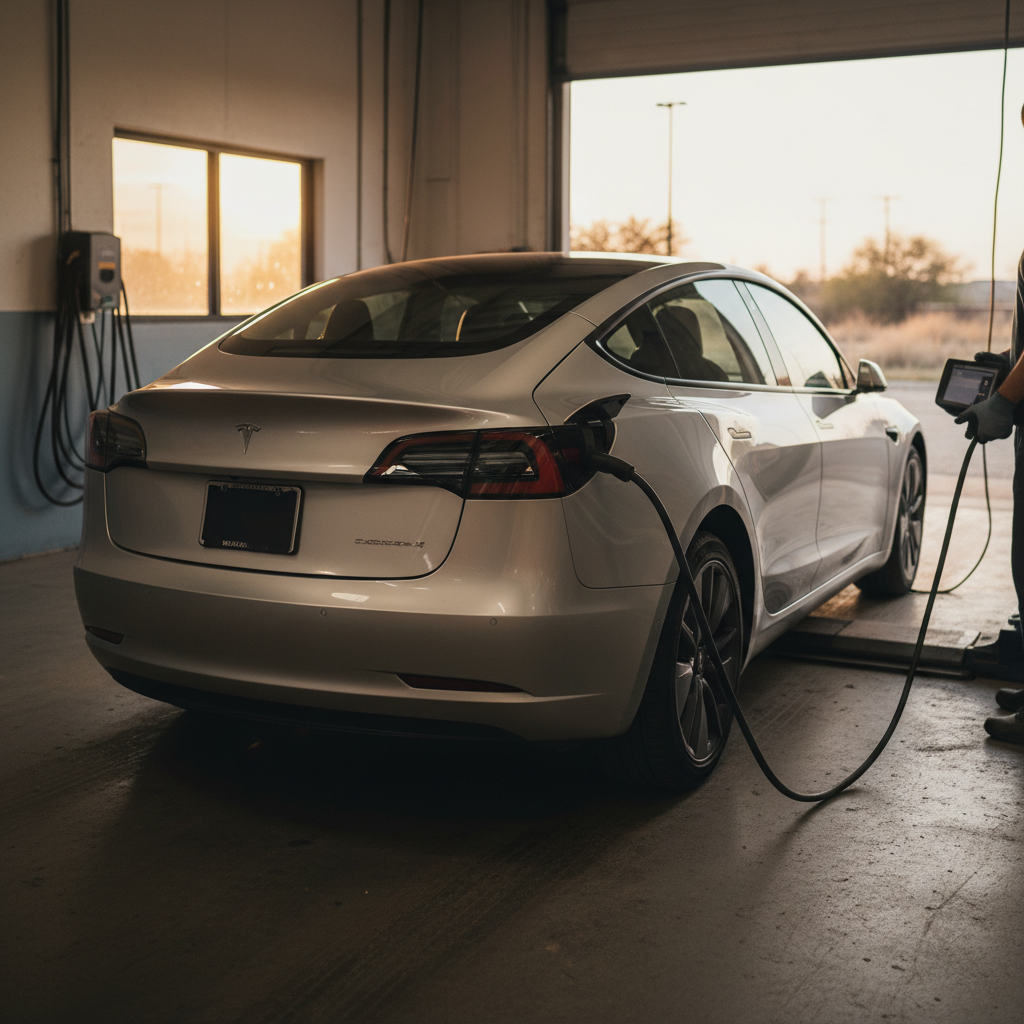
The 2020 Tesla Model Y is the first year of Tesla’s smash‑hit crossover, brilliant in concept, a bit wild in execution. If you’re looking at a used 2020 Model Y, you’ve probably heard about panel gaps, heat‑pump gremlins, phantom braking, and a recall list longer than a CVS receipt. This guide walks through the most common 2020 Tesla Model Y problems and fixes, how serious they really are in 2026, and what to check before you buy.
Early‑build reality check
Overview: Should you fear a 2020 Model Y?
The case against a 2020 Model Y is simple: it has more reported build‑quality issues than later years, it sits at the bottom of some European inspection rankings for early‑life defects, and it’s wrapped up in many of Tesla’s biggest recall campaigns.
- Frequent complaints about paint, panel gaps, and wind noise.
- Early revisions of the heat pump and suspension hardware.
- High number of software‑driven recalls affecting Autopilot and warning systems.
The case for a 2020 Model Y: the underlying EV platform, battery pack, motors, drive electronics, is generally robust, and many early problems have already been repaired under warranty or via over‑the‑air updates. Plenty of high‑mileage 2020 cars are running around with minor issues only.
- Strong efficiency and real‑world range if driven reasonably.
- Simple powertrain and few traditional ICE failure points.
- Many fixes are software or bolt‑on hardware, not engine‑out surgery.
If you pick the right car, a 2020 Y can be a bargain. Pick the wrong one and you’re beta‑testing someone else’s regret.
2020 Tesla Model Y by the numbers (2020–2025)
Quick reference: 2020 Model Y problem zones
Main 2020 Model Y trouble spots
What tends to go wrong, and how it usually gets fixed
Build & body
- Panel gaps, misaligned liftgate
- Paint thinness, chipping on edges
- Wind noise from door seals
Fix: Adjustments, bodyshop touch‑up, seal replacements.
Electronics & software
- Phantom braking with Autopilot
- Camera or sensor glitches
- MCU freezes or UI bugs
Fix: Software updates, camera recalibration, occasional hardware swap.
HVAC & heat pump
- Weak heat in cold weather
- Error messages, loud compressor
- Frosting or fogging behavior
Fix: Heat‑pump service campaigns, sensor replacement, refrigerant work.
Suspension & tires
- Clunks over bumps
- Premature tire wear
- Harsh ride, booming noise
Fix: Control‑arm/strut work, alignment, quieter tires.
Brakes & warning systems
- Brake noise or surface rust
- Warnings not triggering as intended
- Hood / tire‑pressure recall items
Fix: Recall work, cleaning, pad/rotor replacement if needed.
Battery & charging
- Normal but noticeable range loss
- Port door or charge lock quirks
- DC fast‑charging habits wearing pack
Fix: Better charging routines, occasional hardware repair, detailed health diagnostics like the Recharged Score.
Build quality, paint, and panel gaps
Early 2020 Model Y builds came out of Fremont in a hurry. The good news: roofs aren’t flying off anymore. The bad news: you still see plenty of 2020s with uneven panel gaps, misaligned liftgates, and thin paint around the hatch opening and rocker panels. None of this makes the car undriveable, but it absolutely affects how the car feels and what it’s worth.
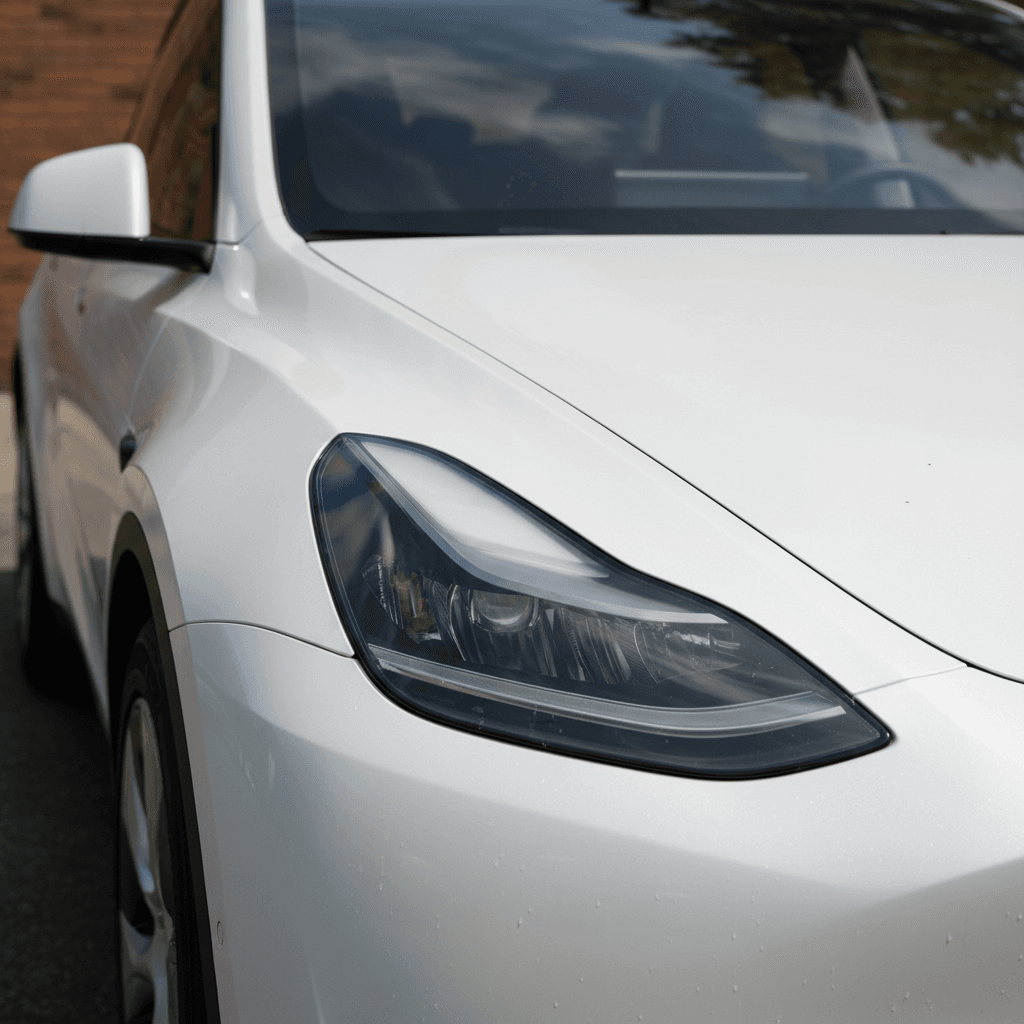
- Check hood, fender, and headlight alignment from straight on, gaps should be reasonably even side to side.
- Open and close the rear hatch. Look for rubbing marks on the bumper cover or tail lights, and listen for creaks.
- Inspect door edges and rocker panels for chips down to primer, especially behind the front wheels.
- On the test drive, listen from 45–70 mph for wind hiss around the A‑pillars and mirrors, a common complaint.
Panel gaps: cosmetic vs structural
Fixes here range from painless to pricey. Minor hatch adjustment or door‑seal replacement is straightforward for a good body shop or Tesla service. Repainting large sections or chasing water leaks is where costs snowball. On a used 2020 Y, it’s better to buy a car with tolerable cosmetics than to assume you’ll “fix it later” cheaply.
Electronics, software, and phantom braking
If the 2020 Model Y has a superpower, it’s that most of its problems live in software. If it has a supervillain, same answer. Tesla leans heavily on over‑the‑air updates and driver‑assist features, which means 2020 cars have seen a long parade of UI changes, Autopilot behaviors, and recall patches.
Common 2020 Model Y electronics issues
What they feel like from the driver’s seat
Phantom braking
The car brakes hard for no clear reason, an overpass shadow, a vehicle in another lane, an imagined threat. It’s unnerving and can annoy drivers behind you.
Fix: Keep software current, try different following‑distance settings, and be selective about where you use Autopilot (avoid tight, cluttered roads). If it’s chronic on the same route, report timestamps to Tesla service.
Camera and sensor glitches
Warnings like “Autopilot cameras unavailable” or “Parking assist limited” can pop up intermittently, especially in bad weather or after minor impacts.
Fix: Clean cameras, perform a camera recalibration from the Service menu, and check for stone chips on lenses. Persistent faults usually mean a camera module or harness replacement at Tesla.
Freezes & UI weirdness
The center screen may reboot, lag, or briefly go dark. Drive systems stay active, but it can be disconcerting.
Fix: Two‑button reboot on the steering wheel, keeping software up to date. Rarely, Tesla replaces the MCU or storage module if crashes are frequent.
Warning lights after updates
Software recalls can change behavior overnight, new chimes, stricter Autosteer limits, or warning messages you haven’t seen before.
Fix: Read the release notes, then drive a familiar route to see how the car behaves. If a new warning persists or disables features, schedule service; sometimes a second update or reflash is needed.
Autopilot is not a self‑driving pass
HVAC and heat pump issues on 2020 Model Y
The 2020 Model Y introduced Tesla’s heat‑pump system for cabin and battery conditioning. Great idea, rough first draft. Early cars saw a run of cold‑weather failures: weak heat, fogged windows, error messages, or the system shutting down and leaving drivers with only seat heaters.
- Cabin takes an unusually long time to warm up in cold weather, or never really gets to temperature.
- You see HVAC‑related alerts or warnings about the heat pump, refrigerant, or cabin heater.
- Fan runs loudly with little heat output, or you hear odd cycling noises in moderate temperatures.
- In very cold conditions, range drops more than expected and the car struggles to maintain temperature.
What Tesla has done so far
If you’re test‑driving a 2020 Model Y in a cooler climate, always stress‑test the HVAC: set the temperature high, use defrost, and watch how quickly the car clears fog and warms up. Any errors or obvious weak heat are reasons either to walk away or to negotiate price assuming a four‑figure repair at Tesla.
Suspension, tires, and brake problems
Mechanically, the 2020 Model Y’s biggest reputation hits come from the bits that actually touch the road: suspension components, tires, and brakes. The German TÜV inspection report that dinged the Model Y for the worst defect rate among nearly new cars highlighted exactly these systems. Many issues are fixable; some are just the price of a relatively heavy, powerful EV on big wheels.
- Front suspension clunks or creaks over low‑speed bumps, often tied to control‑arm bushings or strut mounts that loosen or wear.
- Premature tire wear, especially on Performance models with 21‑inch wheels and aggressive alignment.
- Noticeable booming or droning noise in the cabin at highway speeds, partly from tires, partly from limited sound deadening.
- Brake vibration or surface rust from light use, EVs lean on regenerative braking, so the pads and rotors sometimes don’t get hot enough to self‑clean.
How to road‑test a 2020 Model Y’s suspension and brakes
1. Drive on rough pavement
Don’t just glide around a smooth suburban loop. Take the car over patched asphalt and speed bumps at 20–30 mph. Listen for knocks, clunks, or rattles from the front end and hatch area.
2. Perform a gentle slalom
In an empty lot, weave left and right at low speed. Clunks that appear as weight transfers side‑to‑side often point to control‑arm or top‑hat issues.
3. Check tire wear patterns
Look at all four tires. Inside‑edge wear, feathering, or mismatched brands across an axle suggest poor alignment or low‑rent tire replacements.
4. Do a couple of firm stops
From about 50 mph, perform 2–3 progressively firmer stops in a straight line. Feel for steering‑wheel shake (warped or uneven rotors) and listen for grinding or squealing.
5. Inspect for leaks and damage
Peek behind the wheels for oily residue on shock bodies, torn bushings, or any shiny metal that looks freshly rubbed or bent from a curb hit.
When suspension issues are a deal‑breaker
Battery degradation and charging behavior
Compared with the drama around paint and panel gaps, the 2020 Model Y’s battery packs have behaved like seasoned pros. Most owners report roughly 10–20% real‑world range loss by year four or five, depending on mileage, climate, and how often they hammer DC fast charging. That’s not perfect, but it’s broadly in line with other first‑wave EV crossovers.
What’s normal vs concerning on a 2020 Y battery
Use these as patterns, not absolute rules
Normal aging signs
- Displayed full‑charge range down ~10–15% from original EPA number.
- Slow, smooth decline over years, not a sudden cliff.
- Charging curve at Superchargers slightly slower than new but still consistent.
Most 2020 Ys with reasonable care fall here.
Red flags
- Sudden large drop in displayed range over a few months.
- Car frequently limits power or shows battery error messages.
- Supercharging slows dramatically at low state of charge without clear explanation.
These situations call for a professional diagnostic, ideally more detailed than Tesla’s quick “within spec” comment.
Better charging habits for a 2020 Model Y
If you’re shopping a used 2020 Y, you’ll only get a rough sense of battery health from the on‑screen range number. That’s why Recharged uses the Recharged Score with deeper battery‑health diagnostics, looking at charging history, pack behavior, and capacity estimates to flag cars that have been fast‑charged hard or show abnormal degradation patterns.
Major recalls affecting the 2020 Model Y
From 2020 through early 2026, the Model Y has been the subject of dozens of recall campaigns, some tiny and software‑only, others more consequential. The 2020 model year sits squarely in the blast radius for many of them. When you’re evaluating a used car, your two big questions are: Which recalls apply, and have they been completed?
Key recall themes for the 2020 Tesla Model Y
This isn’t a complete list, but it covers the issues most shoppers should ask about. Always run the VIN through an official recall checker before buying.
| Recall theme | What it affected | Typical fix | What to confirm on a used 2020 Y |
|---|---|---|---|
| Autosteer / Autopilot behavior | Driver‑assist features across 2020–2023 cars | OTA update adjusting how and where Autosteer can be used | Service records or on‑screen software version showing the latest update installed. |
| Hood latch & warning logic | Vehicles where the front trunk might not be detected as open while driving | Software and, in some cases, hardware checks or replacement | VIN shows recall closed; no warning lights and hood closes/opens smoothly. |
| Warning‑light behavior (tire pressure, etc.) | Dash warnings not reliably displaying between drive cycles | Software update to ensure proper alerts | Cluster shows accurate low‑tire warnings when pressures are intentionally lowered for testing. |
| Suspension & steering hardware | Isolated batches of control‑arm or suspension components | Inspection and replacement of affected parts | Service documentation showing recall or technical‑service‑bulletin work completed, especially on early‑build cars. |
| Seat‑belt and restraint items | Certain build ranges for belts or anchor points | Inspection and component replacement where necessary | Visual check plus VIN lookup confirming recall completion. |
Many 2020 Model Y recalls were addressed via over‑the‑air updates, but hardware‑related campaigns still require a service visit.
How to check 2020 Model Y recalls in minutes
DIY vs Tesla service: when to fix what
Reasonable DIY or independent shop jobs
- Cabin air‑filter replacement to reduce odors and improve HVAC performance.
- Wheel/tire swaps and alignments at a shop with modern alignment equipment.
- Door‑seal upgrades and basic sound‑deadening to calm wind and road noise.
- Minor trim and rattle hunting in the hatch or interior, if you’re patient.
These jobs are where a good independent EV‑savvy shop can save you money without compromising safety.
Leave it to Tesla or an EV specialist
- High‑voltage battery, drive unit, or DC fast‑charging issues, the orange cables are not a DIY playground.
- Heat pump and refrigerant work, especially if errors or poor heating persist.
- Airbag, seat‑belt, and structural repairs after any collision.
- Autopilot sensor or camera wiring faults that survive cleaning and recalibration.
The 2020 Model Y is still a complex computer on wheels. Knowing where the line is between clever and reckless is part of owning one.
Used 2020 Model Y buying checklist
Essential checks before you say yes to a 2020 Y
1. Scan for crash and structural damage
Look for mismatched paint, overspray, ripples in sheet metal, or uneven gaps concentrated on one corner. Pull a vehicle‑history report, but don’t rely on it alone, some repairs never get reported.
2. Inspect paint, glass, and seals
Walk the car in good light. Check for chips, edge rust starting under paint, cracked glass, or hardened rubber seals. Cosmetic issues are bargaining chips; leaks and rust are deal‑breakers for most shoppers.
3. Confirm recall and service history
Run the VIN through a recall checker and ask for Tesla service records or screenshots from the app. Open recalls should be addressed before or shortly after purchase.
4. Evaluate battery and charging behavior
Note the displayed full‑charge range, ask how the previous owner charged (home vs fast charging), and test both AC and DC charging if possible. Sudden range drops or repeated battery errors warrant a deeper diagnostic.
5. Stress‑test HVAC and electronics
Run the heater and A/C hard, use defrost, and monitor for odd noises or error messages. Try Autopilot only where it’s safe, and pay attention to phantom braking or warnings.
6. Drive it like you’ll actually use it
Highway, city, rough pavement, parking lots, the whole routine. Listen for suspension noises, rattles, and wind hiss. If anything feels “off,” assume the car will not magically improve once it’s yours.
Why shop a 2020 Y through Recharged
How Recharged helps you shop 2020 Model Y safely
Shopping a 2020 Model Y privately can feel like speed‑dating on hard mode: a lot of red flags, not much transparency. Recharged was built specifically to make used EVs, including early Teslas, less mysterious. Instead of rolling the dice on strangers’ promises, you get data.
What you get with a Recharged 2020 Model Y
Beyond just a Carfax and a handshake
Recharged Score battery diagnostics
Condition & recall verification
Flexible ways to buy or sell
Ready to find your next EV?
Browse VehiclesThe 2020 Tesla Model Y is both a warning label and an opportunity. It’s the year Tesla learned how to build its crossover at scale, and the scars of that learning are written into the paint, the panel gaps, and the recall list. Yet underneath, the basic EV platform is strong, efficient, and genuinely enjoyable to live with. If you go in with clear eyes, armed with a checklist, a test‑drive route that reveals the truth, and a proper battery‑health report, you can still find a 2020 Y that’s more bargain than burden.