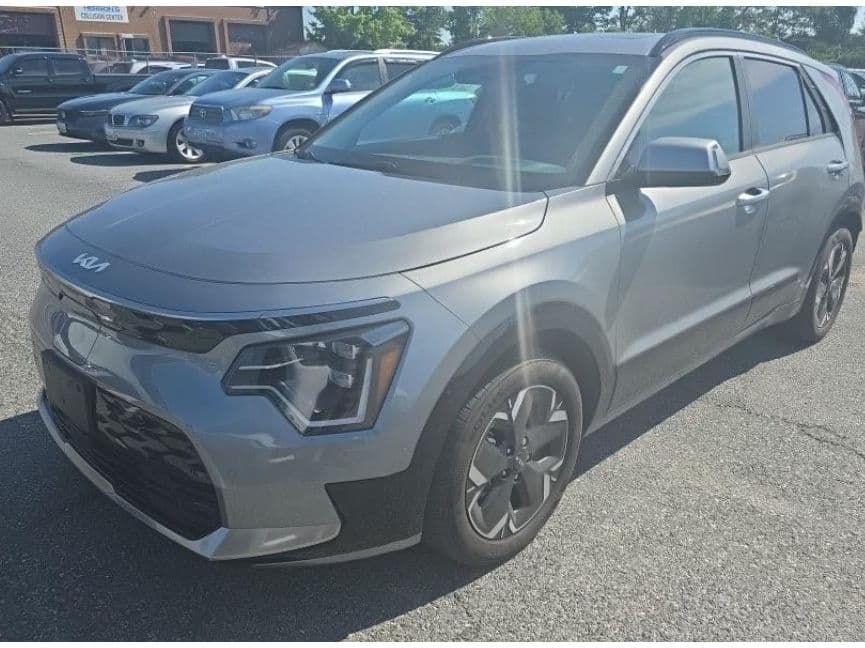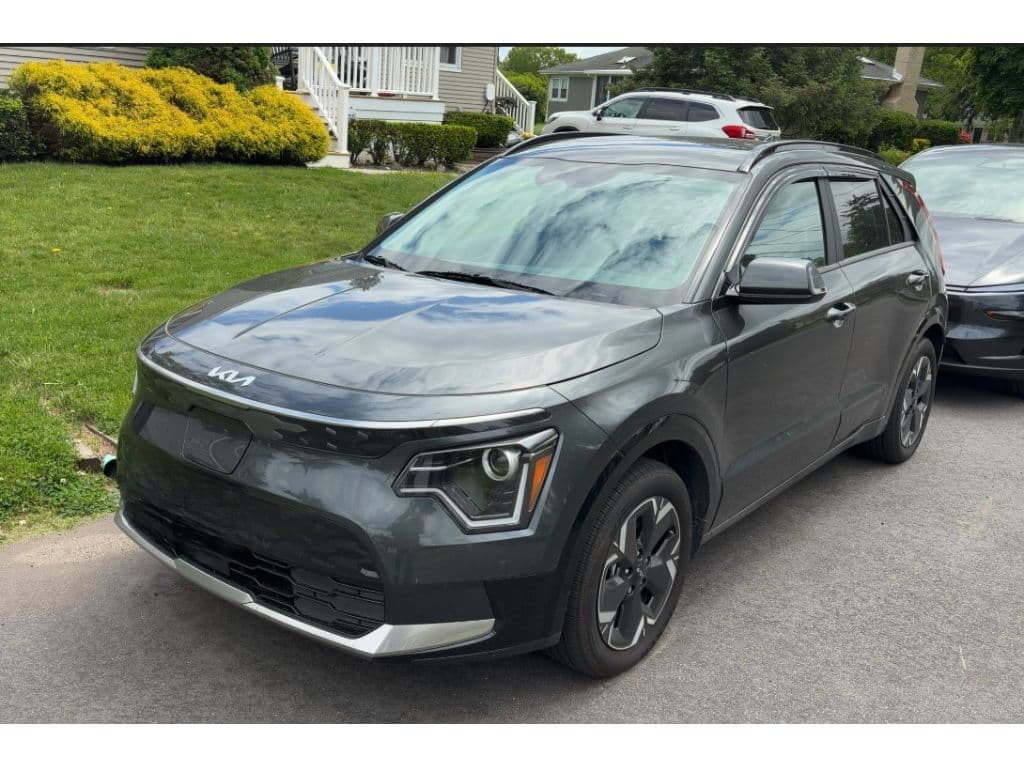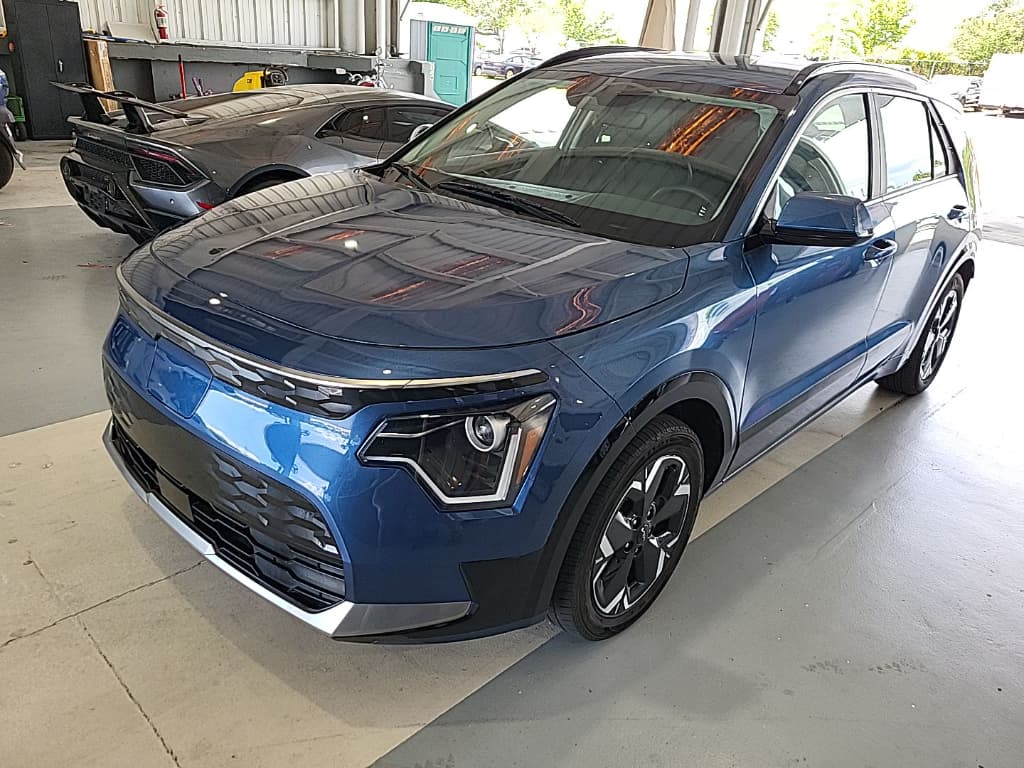
If you’re shopping for an affordable used electric crossover, a 2020 Kia Niro EV should be on your short list. It offers solid range, hatchback practicality, and a reputation for stable battery health, often for less than many used compact gas SUVs. This buying guide breaks down trims, range, pricing, reliability, and inspection tips so you can decide if a 2020 Niro EV fits your life and your budget.
Quick take
Why the 2020 Kia Niro EV is a smart used buy
What makes the 2020 Niro EV appealing used?
Four strengths that matter to real-world buyers
Proven battery & range
The 64 kWh battery in the 2020 Niro EV has a strong track record. Many owners report minimal degradation after 60,000–100,000 miles when the car is mainly Level 2 charged.
Efficient & practical
With an EPA rating around 239 miles of range and hatchback cargo space, the Niro EV works well as a one‑car household or daily commuter.
Heavy depreciation = value
Early buyers absorbed big depreciation. By 2025–2026, you’re often paying well under half of the original MSRP while still getting modern tech and safety.
Long EV warranty
Kia’s EV battery warranty (often 10 years/100,000 miles from in‑service date for defects) can still be active on many 2020s, offering peace of mind, especially if you verify coverage by VIN.
Who it fits best
2020 Kia Niro EV key specs at a glance
Core 2020 Niro EV specs
2020 Kia Niro EV basic specifications
Key specs you should know when cross‑shopping other used EVs.
| Spec | 2020 Niro EV |
|---|---|
| Battery capacity | 64.0 kWh (usable) |
| EPA combined range | 239 miles |
| Drivetrain | Single motor, front‑wheel drive |
| Horsepower / torque | 201 hp / 291 lb‑ft |
| Onboard AC charger | 7.2 kW (Level 2) |
| Max DC fast charge | Up to ~100 kW (CCS) |
| Body style | Compact crossover / hatchback |
| Seating | 5 passengers |
Specifications are approximate; always confirm exact equipment by VIN and window sticker when possible.
Don’t confuse it with the hybrid
Trim levels: EX vs EX Premium
The 2020 Kia Niro EV came in just two trims in the U.S.: EX and EX Premium. Both share the same powertrain and battery, so range and performance are identical. The differences are mainly comfort, convenience, and driver‑assistance features.
2020 Niro EV EX vs EX Premium
Major equipment differences you’ll notice in daily use.
| Feature | EX | EX Premium |
|---|---|---|
| Infotainment screen | 8.0-inch | 10.25-inch with navigation |
| Audio system | 6-speaker | Harman Kardon premium audio |
| Seats | Cloth/cloth-trimmed, heated front | Leather-trimmed, heated & ventilated front |
| Sunroof | Not available | Standard power sunroof |
| Wireless phone charging | Available/rare | Standard on most EX Premium |
| LED headlights | Projector/halogen mix | More upscale LED elements on many builds |
| Safety tech | Blind-spot, rear cross-traffic, smart cruise (often option) | Typically more fully loaded with driver-assist features |
Exact equipment can vary slightly by region and options; verify with the original window sticker or VIN build sheet.
Trim recommendation
Real-world range and charging expectations
Real-world range
- EPA estimate: 239 miles, but think in terms of typical use.
- City / suburban driving: 220–250 miles is realistic in moderate weather if you’re gentle on the accelerator.
- Highway at 70–75 mph: Many owners report closer to 180–210 miles, less in strong headwinds or cold.
- Cold weather: Expect 20–35% range loss on very cold days, especially on the highway.
Ask sellers how they normally drive and what range they see at 100% charge today compared with when the car was new.
Charging experience
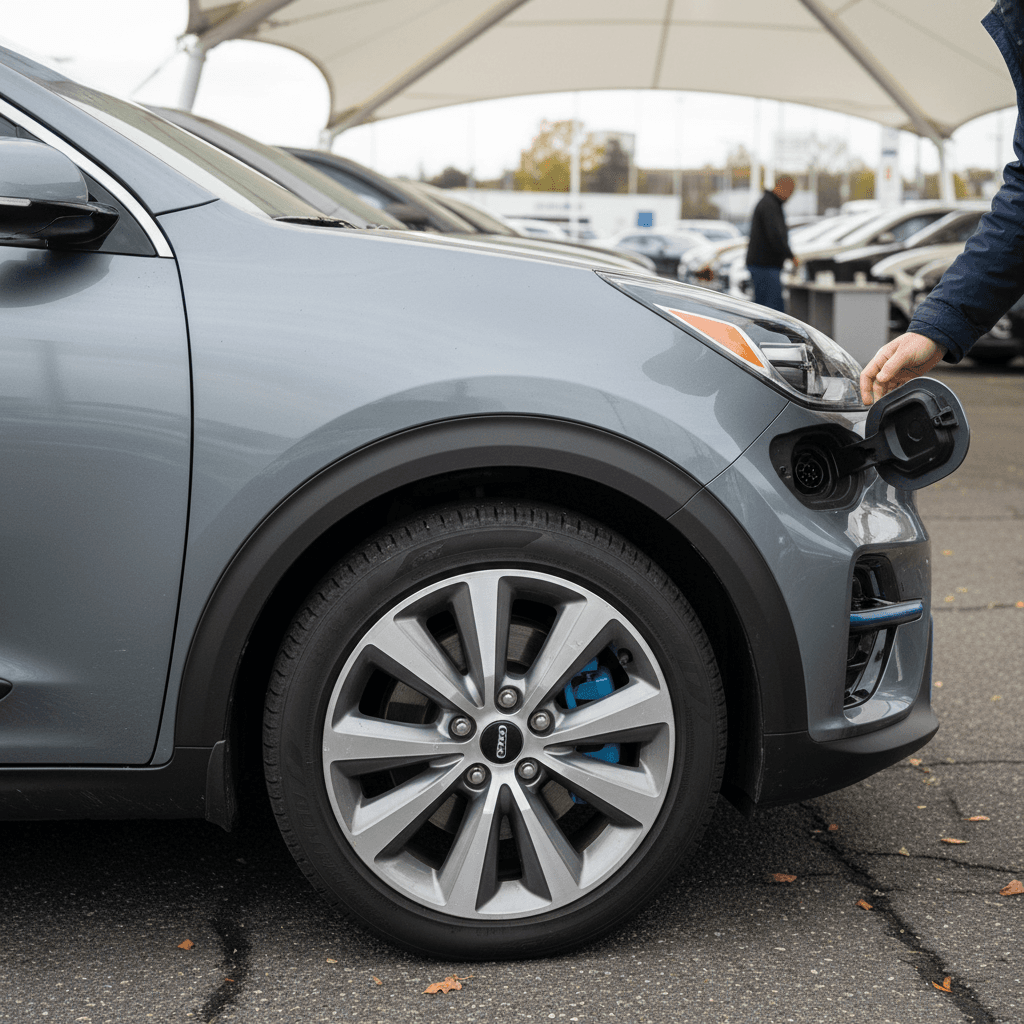
- Home Level 2 (240V): With a 7.2 kW onboard charger, you can add roughly 25–30 miles of range per hour and go from low battery to full overnight.
- Public Level 2: Similar speeds, great for topping off while at work or shopping.
- DC fast charging: Up to ~100 kW on a capable charger; plan on about 45 minutes from 10–80% in good conditions.
- Connector type: CCS for DC fast charging, J1772 for AC. The 2020 Niro EV doesn’t have Tesla’s NACS port from the factory.
If you’ll road‑trip often, map out CCS fast‑charge coverage on your regular routes before you commit.
Consider your home setup
Pricing, depreciation, and what a fair deal looks like
Like most early EVs, the 2020 Niro EV took a big value hit in its first few years, which is good news if you’re buying now. Exact pricing depends on mileage, condition, options, region, and remaining warranty coverage, but you can use some broad guardrails when evaluating a listing.
Typical 2020 Niro EV asking price bands (2025–2026 used market)
Illustrative retail ranges in the U.S. for clean‑title vehicles. Your local market may vary.
| Mileage / condition | Rough retail asking range | Notes |
|---|---|---|
| Under 40,000 miles, EX Premium, very clean | High teens to low $20,000s | Top of the market: low miles, strong cosmetics, desirable trim. |
| 40,000–80,000 miles, average EX/EX Premium | Mid‑$15,000s to high teens | Sweet spot for most buyers; focus on battery health and service history. |
| 80,000–120,000+ miles or cosmetic issues | Low‑ to mid‑$10,000s | At this level, a strong battery report and clean Carfax are critical. |
These are ballpark ranges, not offers. Always cross‑check current market data and vehicle condition.
Think in terms of "cost per year"
At Recharged, every Niro EV we list includes a Recharged Score Report with verified battery health, fair market pricing, and comparable sales so you can see exactly how a given car stacks up against the broader market. That transparency is especially helpful in a segment where prices can vary wildly from one seller to the next.
Reliability and common 2020 Niro EV issues
Overall, the 2020 Kia Niro EV has earned a reputation as a generally reliable compact EV. Many owners report years of trouble‑free driving and very little battery degradation. That said, no used car is perfect. Here are the main issues to ask about when shopping.
Most commonly reported concerns
What to listen and look for on a test drive
12V battery drain or failures
Some owners report repeated 12V battery failures or the car refusing to “wake up” after sitting. Causes can range from a weak 12V battery to software quirks or parasitic drains. Ask if the 12V battery has been replaced and whether any related service bulletins have been addressed.
HV battery or contactor faults (rare)
Isolated reports mention high‑voltage battery or contactor issues triggering warning lights or limp‑home behavior. These are not widespread, but repairs can be expensive, so check for warning lights and scan for stored diagnostic codes if possible.
Front motor / gearbox noise
A few owners mention unusual whine or growling from the front motor/gearbox at certain speeds. During your drive, note any odd sounds under light and moderate acceleration and ask for service records if you hear anything concerning.
Camera & infotainment quirks
There have been recalls and software updates for rear camera operation and infotainment bugs. Verify the car’s software is up to date and that the backup camera, Bluetooth, and navigation behave as expected.
Check for open recalls
Battery health: what to check before you buy
On a used EV, battery health is as important as mileage, sometimes more. The good news is that the 64 kWh pack in the 2020 Niro EV has held up very well in many real‑world cases, even beyond 60,000–100,000 miles. Still, you don’t want to rely on guesswork.
Key battery health checks
Ask for recent full‑charge photos
Have the seller show a photo of the car at 100% charge, including the estimated range. Compare that to the original 239‑mile EPA figure, and factor in temperature (cold weather will naturally show less).
Review charging history
Cars that were mostly charged on <strong>Level 2 at home or work</strong> and rarely fast‑charged in extreme heat often show the least degradation. Heavy DC fast‑charging isn’t automatically bad, but it’s one more reason to get a detailed health report.
Look for battery warranty coverage
Kia’s EV battery warranty often runs up to 10 years/100,000 miles from the in‑service date. Call a Kia dealer with the VIN to confirm exact coverage and whether any battery‑related work has been done under warranty.
Use a professional battery scan if possible
Tools that read the high‑voltage battery’s state‑of‑health (SOH) can reveal how much capacity remains. Buying through a platform like <strong>Recharged</strong> means you get a <strong>Recharged Score battery health diagnostic</strong> without having to source tools yourself.
Test range against your needs
During a long test drive or short‑term rental, note how quickly the state of charge drops versus miles driven. Even without lab‑grade numbers, you’ll quickly see whether the car comfortably covers your daily driving with a buffer.
Why third-party verification matters
Pre‑purchase inspection checklist
Even if you’re buying from a dealer, you should treat a 2020 Niro EV like any other used car purchase: verify the basics, test all major systems, and walk away if something doesn’t add up. Use this checklist as a starting point.
2020 Niro EV inspection steps
1. Run history reports
Pull a vehicle history report to check for accidents, salvage or lemon branding, odometer rollbacks, or repeated auction flips. A clean, single‑owner history with regular service is ideal.
2. Walk‑around and body inspection
Look for mismatched paint, panel gaps, rust, or evidence of poorly repaired accidents. Check under the rear floor for signs of water intrusion or damage around the charge port area.
3. Inspect tires and brakes
Uneven tire wear can hint at alignment or suspension issues. The Niro EV’s strong regenerative braking often means brake pads last a long time, heavy pad wear on a low‑mileage car is a red flag.
4. Test drive across different speeds
Drive at low speeds, 45 mph, and highway speeds. Listen for motor or gearbox noises, creaks from the suspension, or wind noise from door seals or the sunroof (if equipped).
5. Check all charging functions
Verify that Level 2 charging starts reliably at home or a public station. If possible, try a DC fast charger to ensure it initiates and ramps up to expected speeds without errors.
6. Scan for warning lights & messages
Any check‑engine, battery, or "EV system" warnings should be diagnosed before purchase. Ask for a pre‑purchase inspection from a shop familiar with EVs if you’re unsure.
Red flags to walk away from
Ownership costs and daily livability
From the driver’s seat, the 2020 Niro EV is a straightforward, comfortable commuter. It feels familiar if you’re coming from a compact crossover, just smoother and quieter. Where it really shines is day‑to‑day cost of ownership.
Living with a 2020 Niro EV
What you can expect day to day
Fuel savings
Electricity is typically cheaper per mile than gasoline, especially if you can charge at home on a reasonable residential rate or time‑of‑use plan.
Low routine maintenance
No oil changes, spark plugs, or timing belts. Most routine costs are tires, cabin air filters, and occasional brake fluid changes.
Easy to park and live with
Compact footprint, good visibility, and a hatchback cargo area make the Niro EV an easy everyday car for city or suburban drivers.
Family friendly
Rear‑seat space is adequate for kids or occasional adults. ISOFIX/LATCH anchors make child‑seat installation straightforward.
Cold‑weather considerations
Like all EVs, range drops in winter. Preconditioning the cabin while plugged in and using seat/steering‑wheel heaters help reduce range impact.
Road‑trip capable, within limits
With CCS fast charging, you can road‑trip, but plan around charger availability and accept longer stops than in newer 800‑V EVs or Tesla models.
When a 2020 Niro EV isn’t the right choice
As good as the 2020 Niro EV is, it isn’t the perfect fit for everyone. Being honest about your needs now can save you frustration and money later.
- You regularly tow or haul very heavy loads, there’s no factory tow rating in the U.S., and this isn’t a workhorse SUV.
- You live in a fast‑growing rural area with poor CCS fast‑charging coverage and no realistic plan for home charging.
- You drive 250+ highway miles in a day several times a week and don’t want to depend on fast‑charging stops.
- You strongly prefer all‑wheel drive for snow or off‑road use; the 2020 Niro EV is front‑wheel drive only.
- You can stretch your budget to a newer EV with more range, faster charging, and remaining bumper‑to‑bumper warranty coverage that better fits your situation.
Alternatives to cross‑shop
2020 Kia Niro EV FAQ
Frequently asked questions about the 2020 Niro EV
Bottom line: Is the 2020 Kia Niro EV worth it?
If you’re looking for a practical, efficient, and relatively affordable used EV, a well‑chosen 2020 Kia Niro EV is an excellent candidate. Its real‑world range still competes with many newer models, battery health has been strong in the field, and depreciation has brought prices into reach for a wide range of buyers.
Your job as a shopper is to separate the great examples from the questionable ones. Focus on battery health, charging behavior, service history, and any electrical gremlins, and don’t hesitate to walk away from cars with vague stories or unwilling sellers. If you’d rather not go it alone, Recharged can pair you with a 2020 Niro EV that’s already been through a battery‑focused inspection, priced with real market data, and backed by expert EV support from start to finish.