If you own or are eyeing a used 2020 Chevrolet Bolt EV, the word you can’t escape is **recall**, especially the big one about the high‑voltage battery that “may melt or burn.” This guide walks through the complete 2020 Chevrolet Bolt EV recalls list in plain English, with a special focus on the battery‑fire campaigns, the newer diagnostics software, and what you should double‑check before you buy or keep driving one.
First things first
Overview: Why the 2020 Bolt EV recall matters
The 2020 Bolt EV got caught in GM’s long, slow‑motion reckoning with LG Chem battery defects. A small but unnerving number of cars experienced high‑voltage battery fires, often when parked and charging. Regulators opened investigations, GM issued interim software limits, then expanded to full‑scale **battery recall campaigns** across multiple years of the Bolt EV and EUV.
By August 2021, GM had effectively put a recall cloud over *all* 2017–2022 Bolts for potential battery fire risk. For 2020 owners, that’s meant years of evolving guidance: first don’t charge to 100%, then get a software patch, then maybe a full battery replacement, then, more recently, an **advanced diagnostic software** approach instead of automatic pack swaps for many cars.
Important context for used‑EV shoppers
2020 Bolt EV recall snapshot
Quick 2020 Chevrolet Bolt EV recalls list
Exact wording and codes vary between GM’s internal campaigns and NHTSA entries, but if you look up a 2020 Bolt EV by VIN today you’ll typically see some combination of the following. Think of this as the **shortlist** you should recognize, not an exhaustive legal registry.
Core 2020 Chevrolet Bolt EV recalls
The key recall campaigns most 2020 Bolt EV owners will see when they check their VIN.
| Common name (plain English) | Typical GM or NHTSA language | What it addresses | Typical remedy today |
|---|---|---|---|
| High‑voltage battery may melt or burn | “High Voltage Battery May Melt or Burn” / Safety Recall N212345945 (NHTSA 21V650 for many VINs) | Fire risk within certain LG battery cells or modules when charged to full or near full | Advanced diagnostic software to monitor the pack; in some cases, full battery or module replacement |
| Interim battery fire risk mitigation | Earlier wording like “High Voltage Battery – Update Software / Limit Charge” | Short‑term steps to cap charge level and reduce fire risk while GM developed long‑term fixes | Software update that limited state of charge (often to ~80–90%); usually superseded by later campaigns |
| Battery energy control module / powertrain control updates | “Reprogram HPCM2 / BECM / Body Control Module” | Improved battery monitoring, fault detection, and pack management | Control‑module software update flashed at the dealer |
| Non‑battery safety recalls (varies by VIN) | Occasional campaigns for seat‑belt, labeling, or component issues not unique to EVs | General vehicle safety unrelated to the traction battery | Inspection or part replacement as outlined in the individual recall |
Your car may show multiple entries for the same core campaign as GM’s remedy evolved from charge‑limits to diagnostics to, in some cases, full battery replacement.
Your VIN is the tiebreaker
Spotlight: “High Voltage Battery May Melt or Burn” recall
The headline act in any 2020 Chevrolet Bolt EV recalls list is the **high‑voltage battery fire campaign**, often labeled on GM or dealer paperwork as **“High Voltage Battery May Melt or Burn”** and tied to internal campaign code N212345945 for later‑model Bolts. This is the recall that pulled every 2020 Bolt under the same safety umbrella as the earlier 2017–2019 cars.
The underlying issue traces back to rare manufacturing defects in LG battery cells, typically a combination of a torn anode tab and separator problems, that could lead to an internal short and, in a worst‑case scenario, a thermal runaway event. In plain English: the pack can overheat and catch fire, sometimes while parked, often when the car is at or near a full charge.
- GM and NHTSA opened investigations after multiple Bolt EV fires were reported in 2017–2020 cars.
- Early recalls focused on 2017–2019 vehicles with specific LG battery plants; 2020 eventually gets pulled fully into the net as more data emerges.
- By 2021, the remedy expanded into a sweeping campaign covering virtually all 2017–2022 Bolt EV and EUV vehicles for potential fire risk.
Why this recall is taken so seriously
Software vs. battery replacement: what actually happens
For a while, the Bolt story was simple: if your pack was from a suspect batch, GM would replace the high‑voltage battery or modules, giving many owners essentially a **brand‑new pack** with a fresh warranty clock. More recently, for many 2020–2022 cars, the plot has changed. GM has pivoted to an **advanced diagnostic software** strategy that continuously monitors the battery instead of pre‑emptively replacing it.
Path 1: Advanced diagnostic software (most 2020s today)
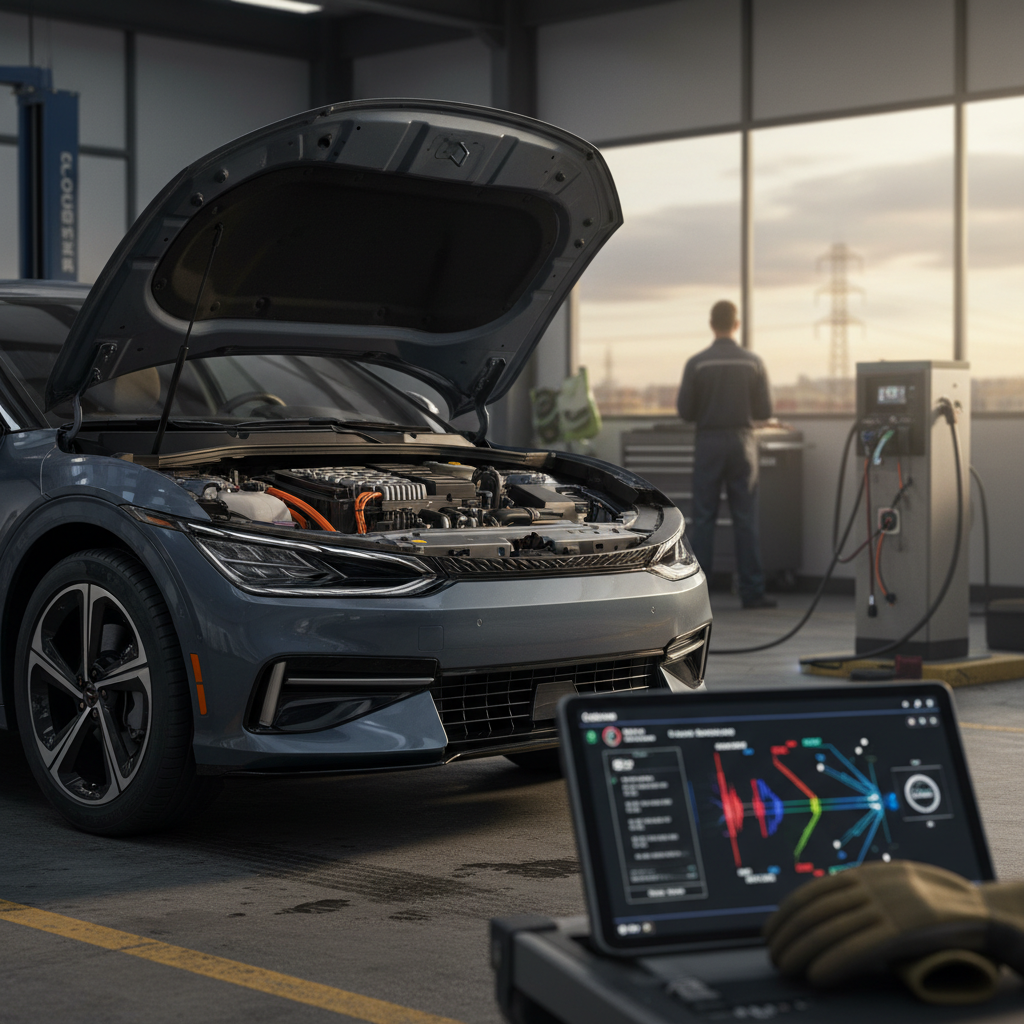
- Dealer installs new battery monitoring software into the pack’s control modules.
- The car silently runs diagnostics in the background over thousands of miles.
- If the software detects patterns linked to the known defect, it flags the pack for replacement.
- If no issues are found over the specified monitoring period, GM considers the recall closed.
Think of it as a long, cautious test drive your battery is taking every day, under the scrutiny of GM’s algorithms.
Path 2: Full battery or module replacement
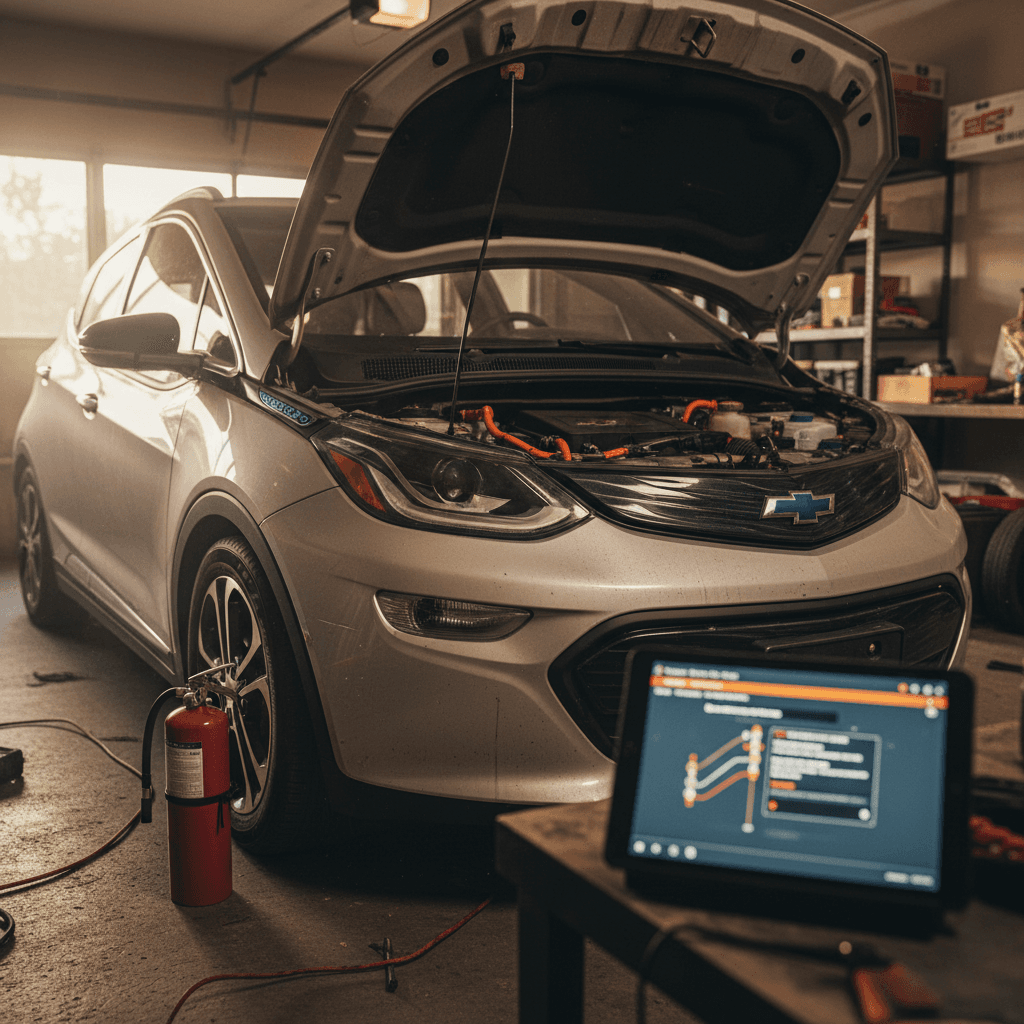
- Some 2020 Bolts, especially early‑build cars or those that failed diagnostics, receive a complete high‑voltage battery pack or major module swap.
- Owners typically see paperwork showing a new pack part number and an updated battery warranty start date.
- Range may stay the same on paper, but you now have effectively a low‑mileage pack in a used car.
- In the U.S., replacement packs generally carry an 8‑year / 100,000‑mile warranty from the date of installation.
From a used‑EV value standpoint, a documented replacement pack is the golden ticket.
How to tell which path your car took
How to check if your 2020 Bolt EV has open recalls
Because GM’s recall strategy has morphed over time, the only way to know where your specific 2020 Bolt stands is to run the VIN through official channels and cross‑check it with real‑world paperwork. The process is simple, but it pays to be methodical.
Step‑by‑step: verify recall status on your 2020 Bolt EV
1. Locate your VIN
Find the 17‑digit VIN on the dash at the base of the windshield, the driver‑door jamb label, or your registration/insurance card. You’ll need this for every official lookup.
2. Search the NHTSA recall database
Go to the official NHTSA recall search, enter the VIN, and review any **open safety recalls**. If nothing appears, there are no outstanding safety campaigns, but it doesn’t confirm what was already completed.
3. Check GM’s own recall and warranty portal
GM’s owner or recall sites often show more detail than NHTSA: specific campaign codes, completion dates, and short repair descriptions. Print or save a PDF of this page for your records.
4. Ask a Chevrolet dealer to pull the service history
Call or visit a Chevy dealer and ask them to look up recall and warranty history by VIN. You’re looking for whether the high‑voltage battery recall shows as complete and **how** it was addressed.
5. Match dealer paperwork to recall language
Compare the dealer’s repair orders or recall printouts against the campaign names in this article. Confirm whether you see software‑only updates, a pack replacement, or both over time.
6. For used‑car shoppers, demand documentation
If you’re buying from a dealer or private seller, make recall status part of the deal. Ask for proof that the battery campaign was completed and clarify whether the car is still under the battery warranty.
How Recharged handles recall checks
Ready to find your next EV?
Browse Vehicles
Buying a used 2020 Bolt EV: recalls to verify
The 2020 Bolt EV sits in a sweet spot on the used market: modern interior refresh, longer range than the early cars, but still relatively affordable. The catch is that recall history is now part of the car’s **value proposition**. A pristine one‑owner 2020 Bolt with a fresh replacement battery is not the same thing as a lot‑car special that only had a quick software patch.
What smart buyers look for on a 2020 Bolt EV
Three recall‑related questions to answer before you sign anything
Has the main battery recall been completed?
Confirm the high‑voltage battery fire campaign shows as completed on both NHTSA and GM’s systems.
- No open safety recalls on NHTSA.
- GM site lists N212345945 or similar as completed.
- Dealer paperwork backs this up.
Software‑only or new pack?
Read the fine print. Is the car running advanced diagnostic software only, or did it already receive a full pack or module replacement?
Either can be safe, but a documented new pack usually commands a premium.
How much battery warranty remains?
The 2020 Bolt EV’s original battery warranty in the U.S. is typically 8 years / 100,000 miles from the in‑service date.
If the pack was replaced, that clock may restart for the new battery, huge for long‑term peace of mind.
Use third‑party reports, but don’t stop there
Living with a recalled 2020 Bolt EV: safety habits
If your 2020 Bolt EV is still waiting on battery‑recall work, or just recently had software installed, you’re not powerless. GM and NHTSA have issued sets of common‑sense precautions over the years, and they remain good practice whenever there’s uncertainty around a high‑voltage pack.
- Avoid charging to 100% unless explicitly cleared by the latest recall guidance on your VIN.
- Don’t regularly run the battery down to 0%; keep some buffer on both ends of the charge gauge.
- If GM or your dealer recommends a temporary **state‑of‑charge cap** (such as 80% or 90%), respect it until the recall remedy is fully completed.
- Whenever practical, avoid parking in confined spaces right after fast charging if your car is still in the queue for recall work.
- Take any unusual smells, smoke, warning lights, or messages about the high‑voltage battery seriously and contact a dealer immediately.
Don’t ignore software updates
FAQ: 2020 Chevrolet Bolt EV recalls
Frequently asked questions about 2020 Bolt EV recalls
Bottom line on 2020 Bolt EV recalls
The 2020 Chevrolet Bolt EV sits at the crossroads of two stories: the promise of accessible long‑range electric driving and the growing pains of first‑generation mass‑market EV batteries. The recalls list you’ve just read is the paper trail of that tension. Handled properly, with the right software, screening, and in some cases a new pack, a 2020 Bolt can be a sharp, efficient used EV that punches way above its price.
But this is not a car you should ever buy or own on blind faith. Demand receipts. Read the recall language. Ask the service writer to speak slowly and use nouns. And if you’d rather not do all that homework alone, start your search on a platform that treats battery health and recall history as first‑class data, not fine print. That’s exactly why Recharged exists: to make sure that when you plug in a used Bolt, you’re not also plugging into someone else’s unresolved recall story.