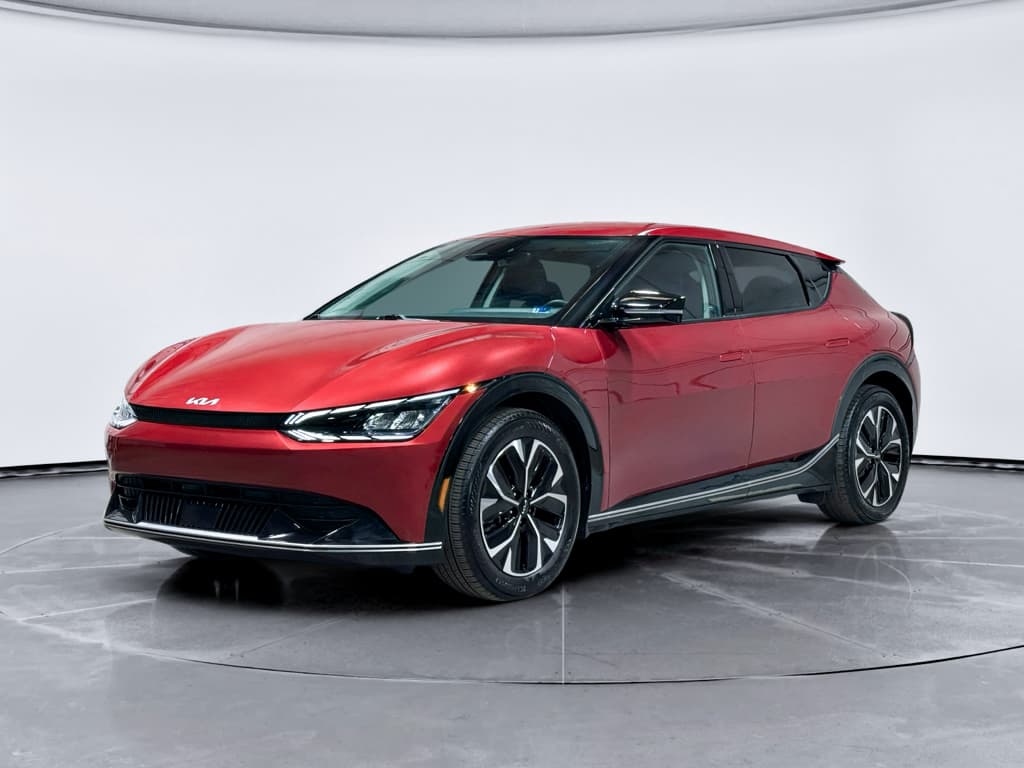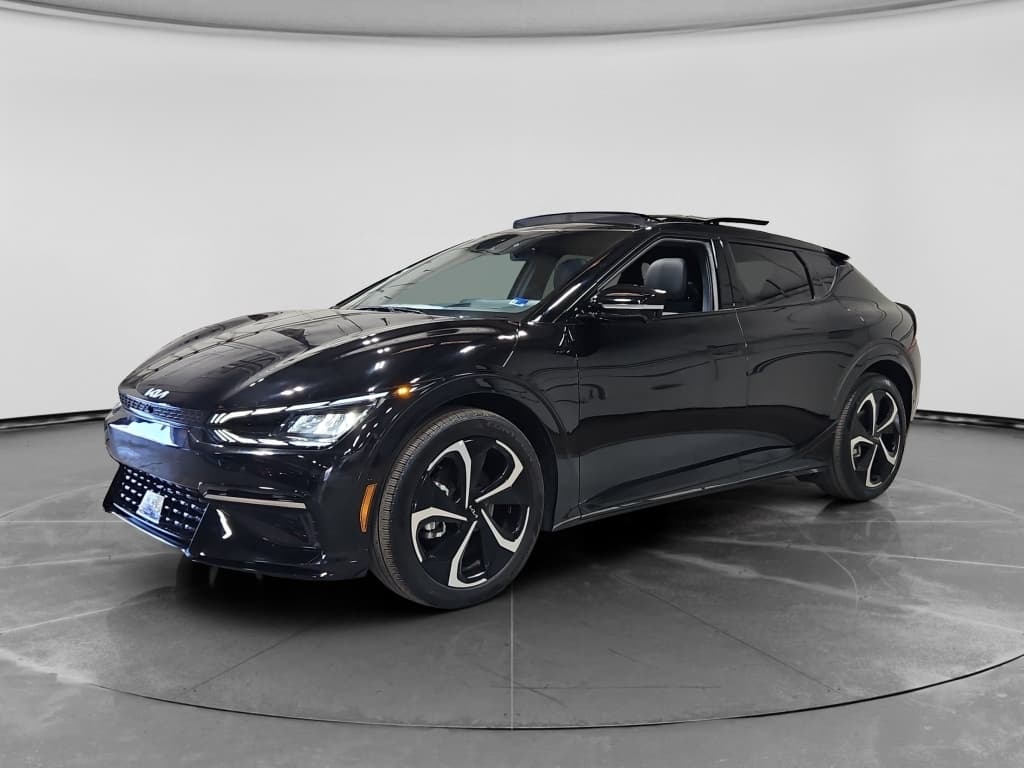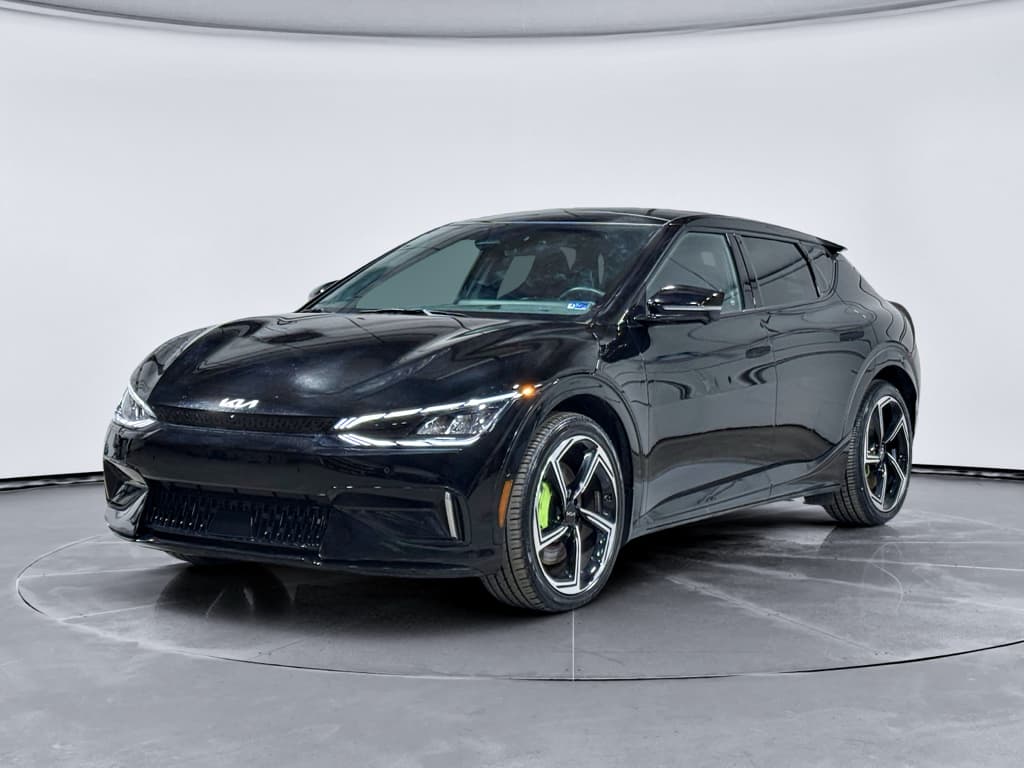
The 2025 Kia EV6 is one of the most engaging mainstream EVs to drive, with standout fast‑charging and sharp styling. But if you’ve heard about Kia EV6 reliability issues, you’re not imagining things. The 2025 model inherits several earlier quirks, especially around charging hardware, the 12‑volt system, and software, plus a few new wrinkles. In this guide we’ll unpack the most common 2025 Kia EV6 problems and fixes, and show you what to check if you’re shopping used.
Quick take
2025 Kia EV6 reliability at a glance
2025 Kia EV6 reliability snapshot
For 2025, the EV6 gets fresh styling and some new tech (like fingerprint login on certain trims), but under the skin it’s the same E‑GMP platform as the 2022–2024 cars. That means most problem patterns from earlier years still apply: intermittent AC‑charging faults, ICCU failures that can strand the car, and a higher‑than‑average rate of 12‑volt battery complaints. On the flip side, Kia has rolled out multiple software updates and recalls that make newer builds, and cars with updated software, less likely to suffer repeat failures.
Shopping tip
Biggest 2025 Kia EV6 problems owners report
Main 2025 EV6 trouble spots
Not every car will see these issues, but these are the ones you’ll hear most about.
ICCU & loss of power
Some owners report sudden warnings, reduced power, or a complete no‑drive situation tied to the Integrated Charging Control Unit. Failures usually trigger check‑EV or charging‑system lights and can require module replacement.
12‑volt battery going dead
The EV6 still relies on a small 12‑volt battery to wake up the high‑voltage system. Software bugs or frequent remote‑app access can drain it, leaving the car totally unresponsive even if the main pack is full.
AC charging interruptions
Owners sometimes see “Charge interrupted” messages, especially on powerful Level 2 home chargers in hot weather. Often the car is throttling current due to heat or a mismatch between the EVSE and the onboard charger.
Software & tech glitches
Infotainment reboots, frozen cameras, and driver‑assist (ADAS) warnings still pop up, though many are cured with dealer software updates.
In the next sections we’ll dig into each of these 2025 Kia EV6 problems, how they show up, and the most common fixes, so you can separate minor annoyances from true deal‑breakers.
ICCU failure and loss of power
If you remember one phrase about EV6 reliability, make it this: ICCU failure. The Integrated Charging Control Unit manages AC charging, DC fast‑charging coordination, and keeps the 12‑volt battery topped up. When it starts to fail, you may see warning lights, reduced performance, or complete loss of motive power.
- Check EV System, charging‑system or 12‑volt warnings in the cluster
- Car won’t go into Drive or stays in limp‑home mode
- AC charging suddenly stops working, while DC fast charging may still operate
- Occasional clicking from under the hood followed by a no‑start condition
Why this matters
How dealers typically fix ICCU issues
On a 2025 EV6, the repair path depends on how far the failure has progressed:
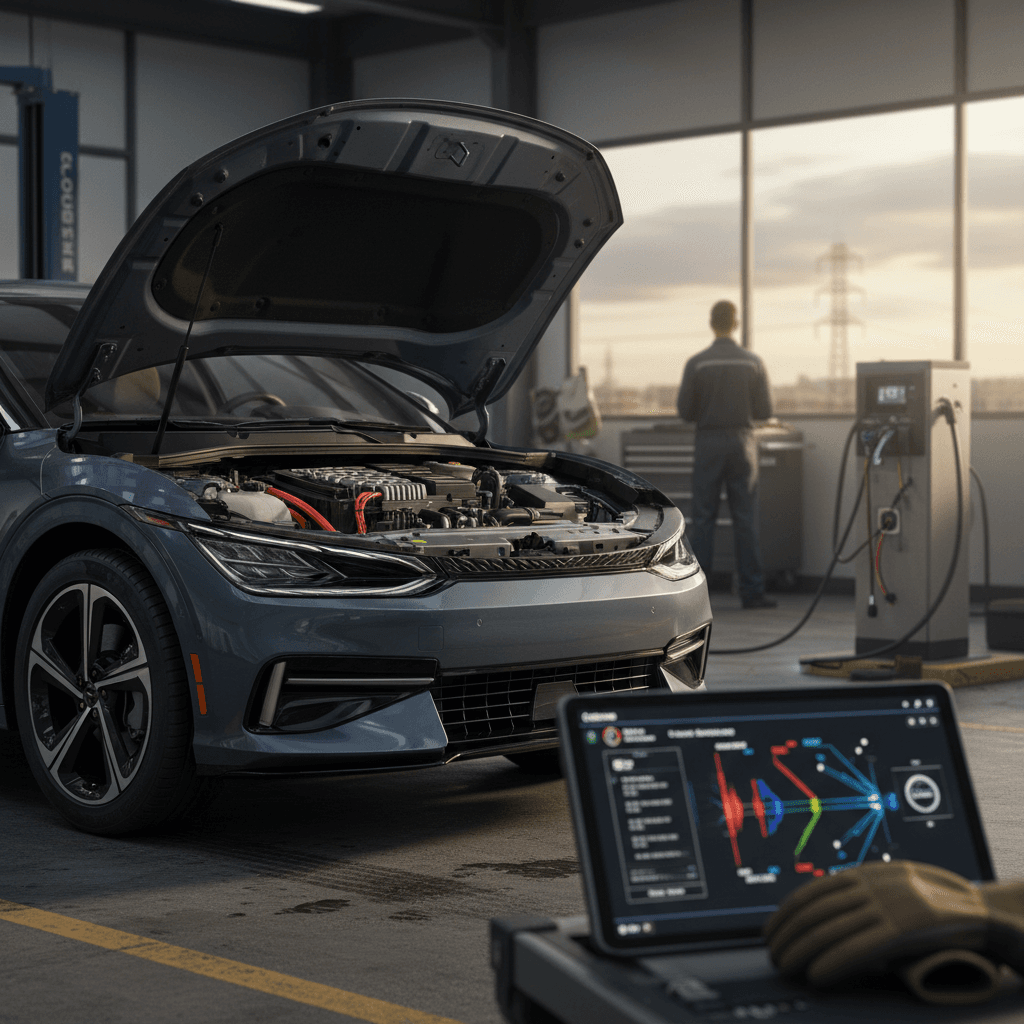
- Dealer pulls diagnostic trouble codes (DTCs) from the high‑voltage and charging system modules.
- If codes match known ICCU behavior, Kia technical guidance may first call for a software update to change charging logic and 12‑volt support behavior.
- If symptoms persist or certain failure codes are stored, the dealer will replace the ICCU assembly and often a related fuse pack, then re‑test AC and DC charging.
- In severe cases with repeated failure, dealers may also replace wiring or the onboard charger, but that’s less common on fresh 2025 builds.
Warranty coverage
What you can do as a shopper or owner
ICCU red‑flag checklist
1. Review recall history
Ask the seller or dealer for a printout of completed recalls and service campaigns. Any ICCU‑related campaign should be marked as performed, especially if the car was built in late 2024 or early 2025.
2. Test both AC and DC charging
On a test drive, charge the car for at least 15–20 minutes on a Level 2 charger and, if possible, a DC fast charger. Watch for charge interruptions, warning lights, or unusually slow rates.
3. Scan for stored codes
If you’re buying from a dealer, request a pre‑purchase inspection report. At Recharged, every EV6 gets a <strong>Recharged Score</strong> that includes battery health data and a check for stored charging‑system codes.
4. Ask about prior ICCU replacement
If the ICCU has already been replaced under warranty and the car is running well, that can actually be reassuring, one of the platform’s big weak points may already have been addressed.
12‑volt battery and “dead car” issues
Like other modern EVs, the EV6 uses a conventional 12‑volt battery to power control modules, door locks, and the contactors that wake up the main high‑voltage pack. If the 12‑volt battery runs down, the car can appear completely dead, even if the traction battery is near 100%.
- Car won’t unlock or power on after sitting, especially overnight or for several days
- Random warning messages about low 12‑volt charge, then normal operation after a drive
- Multiple jump‑start events or need for an external charger on a relatively new battery
- Problems more common when using aggressive “smart charging” apps that ping the car frequently
What’s causing the drain?
Fixes for 12‑volt battery issues
- Dealer checks the 12‑volt battery with a proper load tester and replaces it if capacity is low.
- Software updates are applied to improve sleep behavior and 12‑volt management.
- If there are ICCU‑related codes, the dealer follows the ICCU diagnostic path described earlier.
- Owners simplify their charging setup: limiting or disabling third‑party smart‑charging integrations and relying on the car’s built‑in scheduler instead.
Owner tip: reduce background “pings”
AC charging problems and “charge interrupted” errors
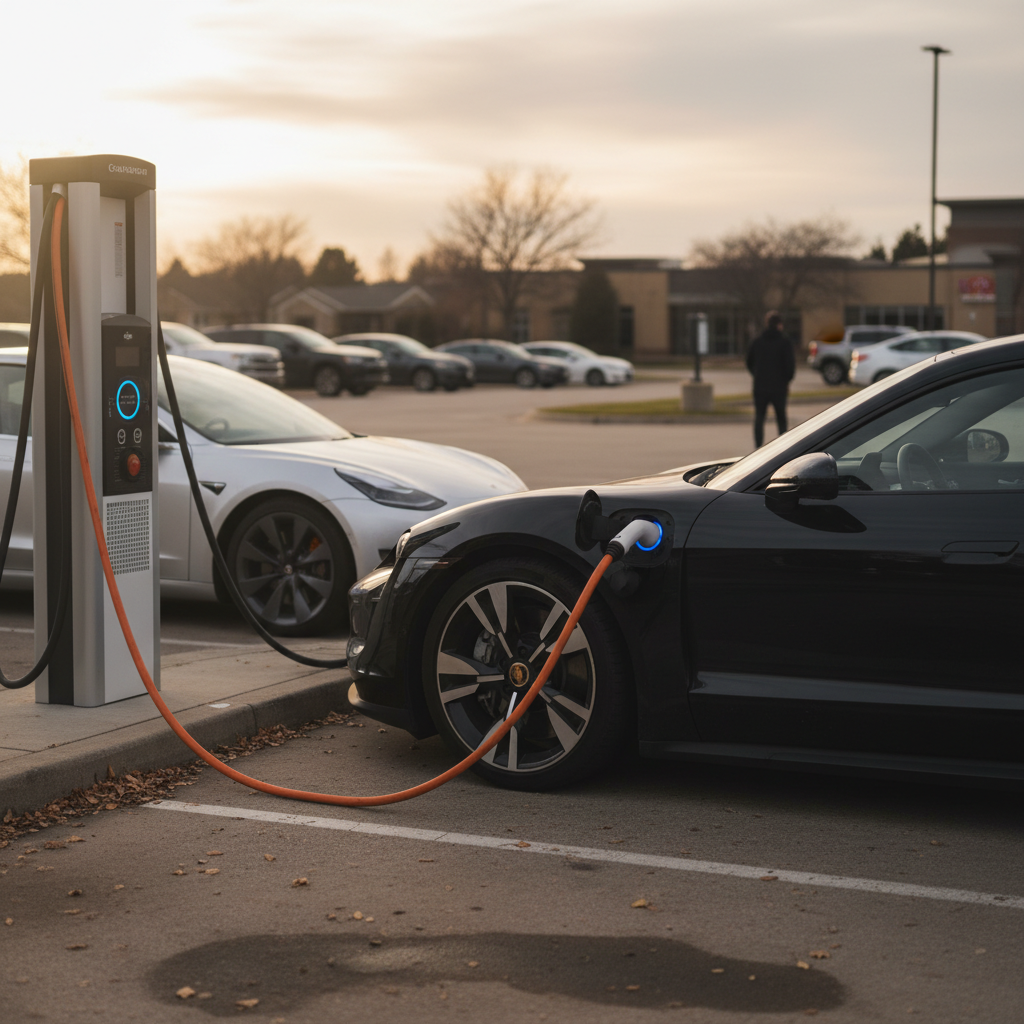
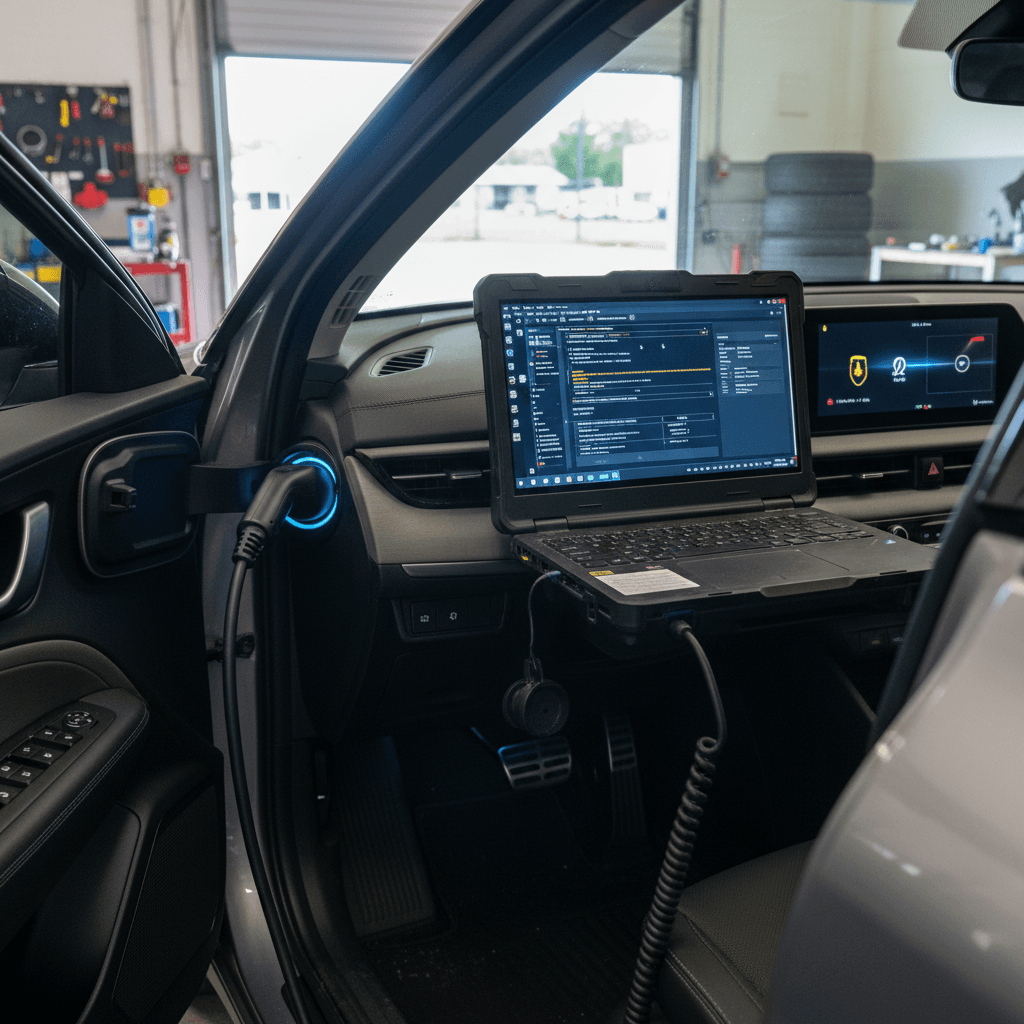
Another recurring theme across model years, and still visible for 2025, is unreliable Level 2 home charging. In online owner reports, the pattern is similar: charging works fine for months, then starts stopping early or throwing “Charge interrupted” or “Battery – Charge Error” messages, especially on high‑amperage home stations or in hot weather.
Common causes of AC charging issues
- Overly optimistic current draw: Early software versions sometimes let the EV6 request more current than a home EVSE is set to provide, which can trigger a protective shutdown by the charger or the car.
- Charge‑port heat: Some cars show interruptions when the charge‑port temperature sensor reads too high. Kia has issued technical service bulletins (TSBs) adjusting charging behavior and port‑temperature thresholds.
- ICCU or onboard‑charger faults: In more serious cases, persistent AC charging failures are an early sign of ICCU or onboard charger trouble, especially if DC fast charging still works normally.
How dealers usually fix AC charging faults
If you report charging problems on a 2025 EV6, a good dealer will do more than blame your wall box. Here’s the typical progression:
- Reproduce the problem using a known‑good Level 2 station at the dealership, monitoring voltage, current, and port temperature.
- Check for TSBs related to charging logic or charge‑port overheating; apply all relevant software updates.
- If errors persist, test the EVSE and wiring at your home to rule out low voltage, bad wiring, or ground‑fault issues.
- When hardware faults or ICCU codes are present, follow Kia’s diagnostic chart to repair or replace the ICCU, onboard charger, or wiring as needed.
Buying used? Don’t ignore AC‑charging quirks
Software, infotainment, and ADAS glitches
The 2025 EV6 runs a complex software stack to coordinate its big dual screens, over‑the‑air updates, advanced driver‑assistance (ADAS), and multiple charging modes. Most owners have few problems, but a noticeable minority report annoying tech gremlins rather than outright hardware failures.
- Random infotainment reboots or frozen screens
- Surround‑view or backup camera going blank until the next restart
- Lane‑keeping or adaptive cruise control warnings, then normal behavior
- Phone key or digital key features failing intermittently
- Slow or buggy Kia Connect app behavior compared with other brands
Software is a moving target
Practical fixes for software and tech problems
- Confirm the car is on the latest available software for infotainment, charging, and ADAS. OTA updates handle some items, but others still require a dealer visit.
- If a specific feature (like surround‑view camera or blind‑spot view) misbehaves, ask the dealer to check for TSBs targeting that subsystem, not just generic updates.
- When issues are intermittent, keep a simple log of date, mileage, weather, and what you were doing. That makes it easier for a technician to reproduce the problem.
- If the Kia Connect app is glitchy, completely sign out, delete and reinstall the app, and re‑pair the car as a fresh device. This solves a surprising number of complaints.
Smaller issues: noises, trim, and comfort complaints
Beyond the headline items, 2025 Kia EV6 owners mention a familiar set of minor annoyances that aren’t unique to this model but are worth noting if you’re picky about refinement.
Less‑serious but noticeable complaints
Most of these are fixable, or simply a matter of taste, but they’re worth checking on your test drive.
Wind & road noise
On certain wheel/tire combos and coarse pavement, the EV6 can be a bit noisier than some direct rivals. A test drive on the highway will quickly tell you whether it bothers you.
Seat comfort
Some owners praise the front seats, others complain about thigh support or seat‑bottom angle on long drives. Try to spend at least 30–40 minutes behind the wheel.
Trim & rattles
A handful of owners report buzzes from the hatch, door panels, or the dash. Most are fixable with minor adjustments, but it’s best to catch them within the basic warranty window.
Recalls and service campaigns affecting the 2025 EV6
Most widely publicized EV6 recalls to date have focused on 2022–2024 model years, especially around ICCU failures and charging behavior. That doesn’t mean the 2025 cars are immune, but they do generally benefit from running changes and updated software baked in at the factory.
Key EV6 recall themes to ask about
Exact recall IDs evolve over time, but these are the big categories you should see marked as completed on a 2025 EV6’s service history when applicable.
| Recall focus | Typical model years | What it addressed | What to confirm on a 2025 EV6 |
|---|---|---|---|
| ICCU / loss of power | 2022–2024 core focus | Unexpected loss of motive power or no‑start conditions tied to ICCU failures. | That the car has current ICCU software and no outstanding campaigns; later‑built 2025s should already include updated logic. |
| Charging logic & port temp | Primarily 2022–2024 | Preventing charge‑port overheating and improving AC‑charging reliability under high load. | That any TSBs related to charge‑port temperature sensors and AC‑charging behavior have been applied if the car shows symptoms. |
| Brake & safety systems | Scattered years depending on market | Occasional issues with warning lights, ABS/ESC logic, or related sensors. | That there are no unresolved safety recalls by VIN; these should always be done free of charge. |
Always verify recall status by VIN through Kia or NHTSA before you buy.
Don’t assume “it’s new, so it’s fine”
How to spot 2025 EV6 problems before you buy used
If you’re looking at a used 2025 Kia EV6, you’re in a good position: you get the latest styling and tech, while much of the big‑ticket warranty coverage is still in play. The trick is to separate solid cars from problem children with repeat charging or electronic faults.
Pre‑purchase checks for a 2025 EV6
1. Pull a complete history
Ask for a full service history and any warranty repair orders. Look for ICCU replacements, charging‑system diagnostics, and software updates. Multiple unsolved charging complaints are a red flag.
2. Get a real battery‑health report
You want more than just “range looks fine.” At Recharged, every EV6 gets a <strong>Recharged Score Report</strong> with verified battery state of health, DC fast‑charging history, and charging‑system diagnostics.
3. Test multiple charging scenarios
On your test day, plug into at least one public Level 2 charger and, if possible, a DC fast charger. Confirm charging starts quickly, stays stable, and doesn’t throw warnings.
4. Check for warning lights after a long drive
Take a 20‑ to 30‑minute mixed drive. When you return, watch for any late‑arriving warnings related to the EV system, charging system, or ADAS sensors.
5. Inspect tires and brakes
Uneven wear or noisy brakes on a relatively new EV6 can hint at past alignment issues or a hard‑driven car. You don’t want to inherit someone else’s neglected maintenance.
Buying a 2025 EV6 privately
If you’re shopping Craigslist or marketplace listings, you’ll need to be your own detective. Many private sellers can’t explain what an ICCU is, let alone whether it was replaced. That makes a thorough test drive and independent inspection essential.
Buying a 2025 EV6 through Recharged
Recharged specializes in used EVs, including the EV6. Every car comes with a Recharged Score that verifies battery health, checks for past charging‑system faults, and benchmarks pricing against the used‑EV market, so you’re not guessing about value or hidden issues.
Ownership tips to avoid or minimize problems
Once you own a 2025 EV6, you can’t change the platform’s design choices, but you can stack the deck in your favor. Smart charging habits, keeping software current, and responding quickly to early warning signs will go a long way toward a trouble‑free experience.
Practical ways to keep your 2025 EV6 happy
Simple habits that reduce the odds of a big failure later.
Stay current on updates
Accept OTA updates promptly and schedule dealer software campaigns as soon as you’re notified. Many charging and 12‑volt quirks are fixed, or at least softened, by updated code.
Use sensible charging settings
Match your home charger’s max amperage to what your wiring and breaker can comfortably support. Avoid stacking multiple smart‑charging layers that constantly ping the car.
Respect heat and cold
In very hot weather, expect the car to throttle AC‑charging speed to protect hardware. In deep cold, pre‑condition the pack when possible to reduce stress on both the HV and 12‑volt batteries.
Treat warnings seriously
If you see repeated EV‑system or charging‑system warnings, don’t just clear them and hope for the best. Early intervention often means a simpler repair under warranty.
Planning road trips
FAQ: 2025 Kia EV6 problems and fixes
Frequently asked questions about 2025 Kia EV6 problems
So, should you buy a 2025 Kia EV6?
If you value fast charging, sharp handling, and distinctive styling, the 2025 Kia EV6 remains one of the most compelling EVs in its price bracket. Its main weakness is not the way it drives, but the complexity and fragility of its charging and low‑voltage systems. The upside is that we now understand those issues far better than when the EV6 first launched, and Kia has invested in recalls and software updates to address them.
For shoppers, the playbook is simple: verify software and recall status, stress‑test AC and DC charging, and demand documentation on any past ICCU or 12‑volt work. Do that, and favor cars with clean histories and strong warranties, and a 2025 EV6 can deliver years of quick, quiet, and enjoyable miles.
If you’d rather not become an amateur EV engineer, consider working with a specialist. At Recharged, every used EV6 we sell comes with a Recharged Score Report, expert guidance on financing and trade‑ins, and nationwide delivery, all designed to make used EV ownership as transparent and low‑stress as possible.