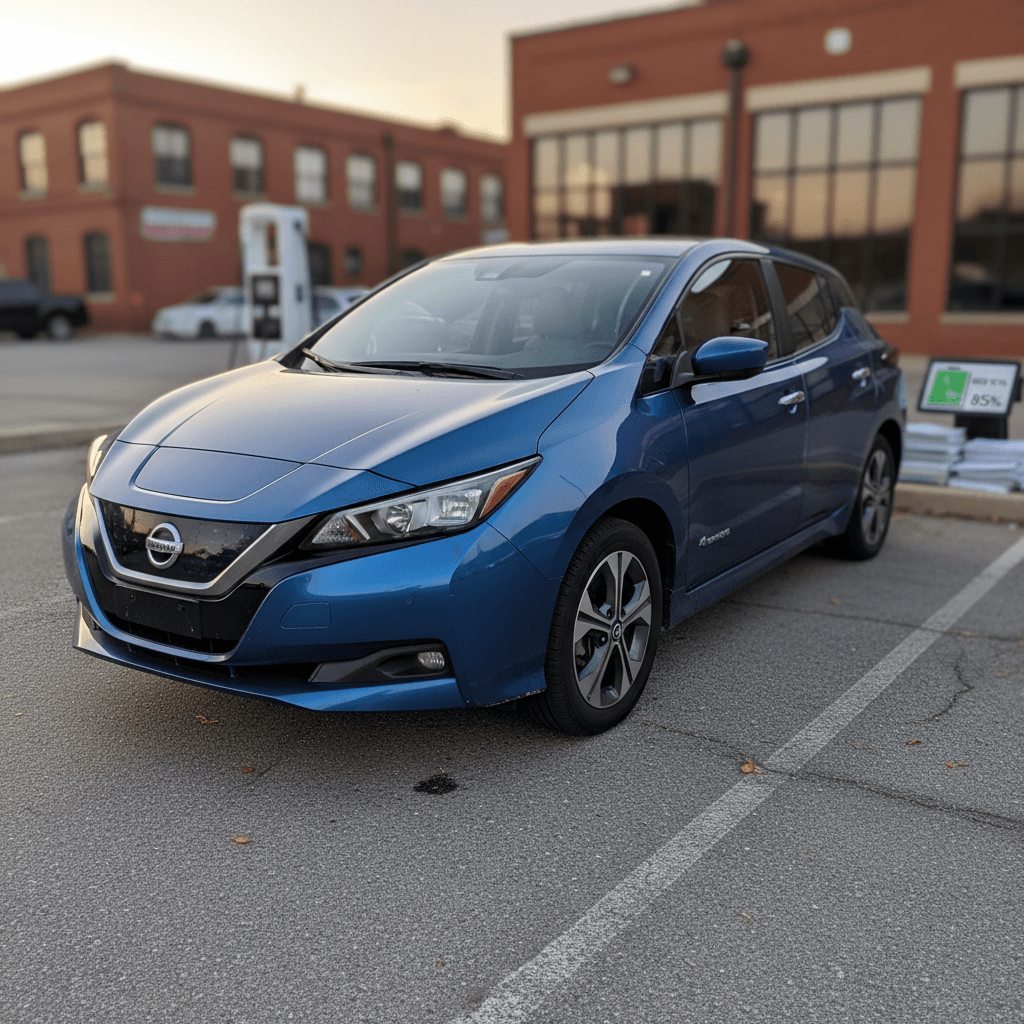
If you’re shopping for an affordable used EV, a 2019 Nissan Leaf will pop up in your searches again and again. It was one of the first modern mass-market electric cars, and in 2019 it hit a sweet spot: more range, more power, and still priced like a sensible compact hatchback. But what is it really like to live with now, and what should you watch for if you’re buying used?
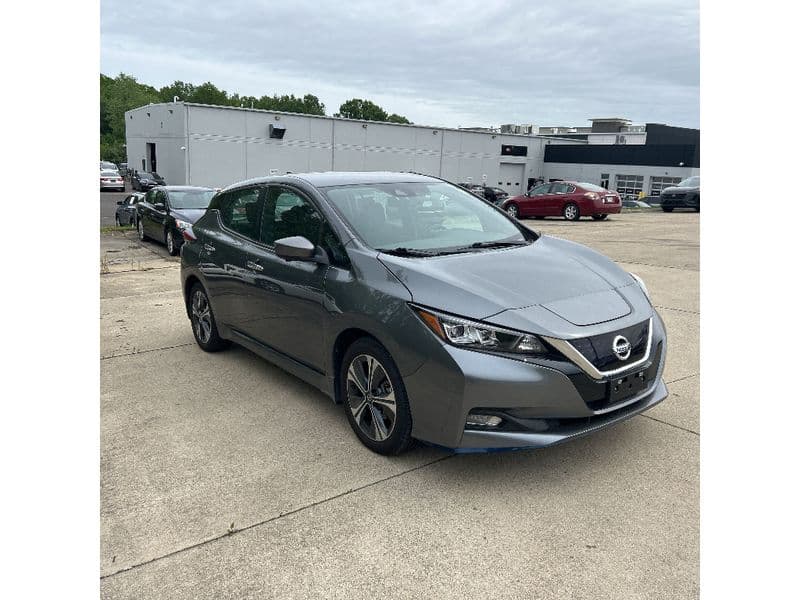
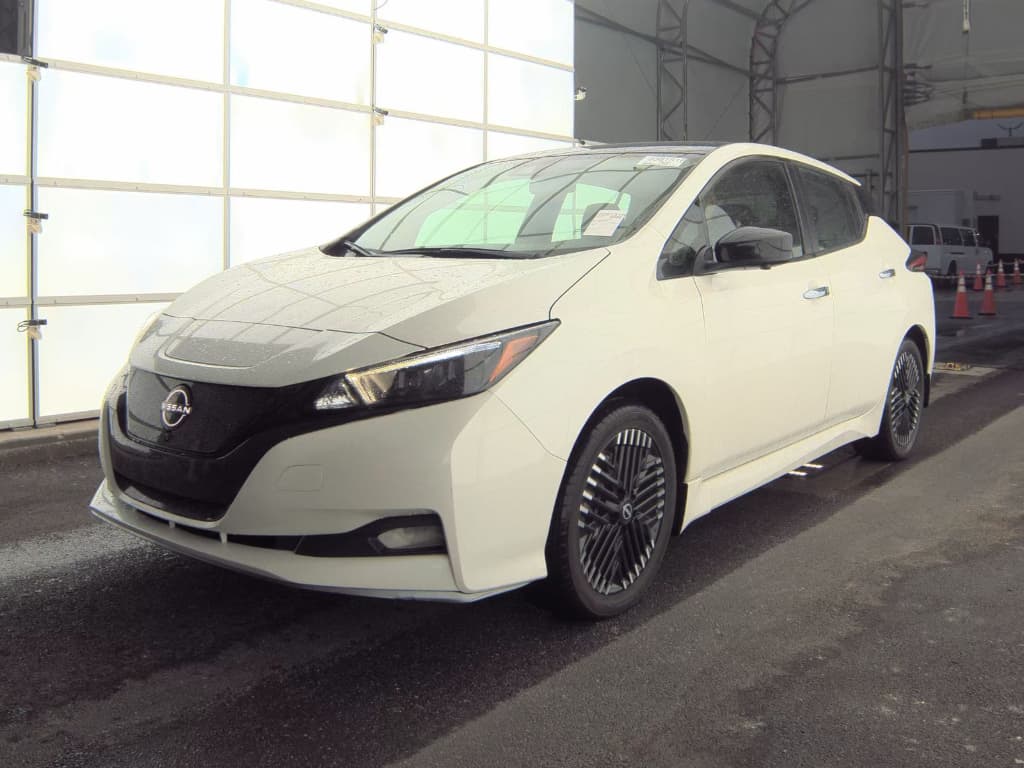
Two different 2019 Leafs
2019 Nissan Leaf overview
The second-generation Leaf arrived for 2018, and the 2019 Nissan Leaf carried that design forward while adding the bigger‑battery Leaf Plus later in the model year. Every 2019 Leaf is a five‑door front‑wheel‑drive hatchback that seats five. The cabin is more conventional than futuristic, and that’s the point: this is an electric car designed to feel like a normal compact, not a spaceship.
2019 Nissan Leaf key specs at a glance
Standard Leaf vs. Leaf Plus high‑level numbers.
| Model | Battery | EPA range (mi) | Power (hp) | Torque (lb‑ft) | 0–60 mph (approx.) |
|---|---|---|---|---|---|
| Leaf (S/SV/SL) | 40 kWh | 150 | 147 | 236 | ~7.5–8.0 sec |
| Leaf Plus (S Plus/SV Plus/SL Plus) | 62 kWh | 215–226 (trim‑dependent) | 214–215 | 250 | ~6.8–7.0 sec |
Exact range and efficiency vary slightly by trim; always check the window sticker or EPA label for the specific car.
How to spot a Leaf Plus
Battery, range and efficiency
Battery and range are where the 2019 Nissan Leaf review story really splits in two. The standard 40 kWh Leaf is a solid commuter with around 150 miles of EPA‑rated range, while the 62 kWh Leaf Plus stretches that to as much as 226 miles, depending on trim. Both use liquid‑cooled permanent‑magnet electric motors, but the batteries themselves are passively cooled, which matters for long‑term health and repeated fast charging.
2019 Leaf range and efficiency snapshot
Real‑world range: what drivers actually see
In day‑to‑day use, most owners report 120–140 miles of real‑world range from a healthy 40 kWh Leaf and 190–210 miles from a Leaf Plus, depending on weather, speed, and hills. Highway driving at 70–75 mph will trim those numbers, while gentle city driving with lots of regenerative braking can beat the EPA stickers, especially if you use Eco mode and e‑Pedal to maximize regeneration.
Cold and heat hit range hard
Charging: at home and on the road
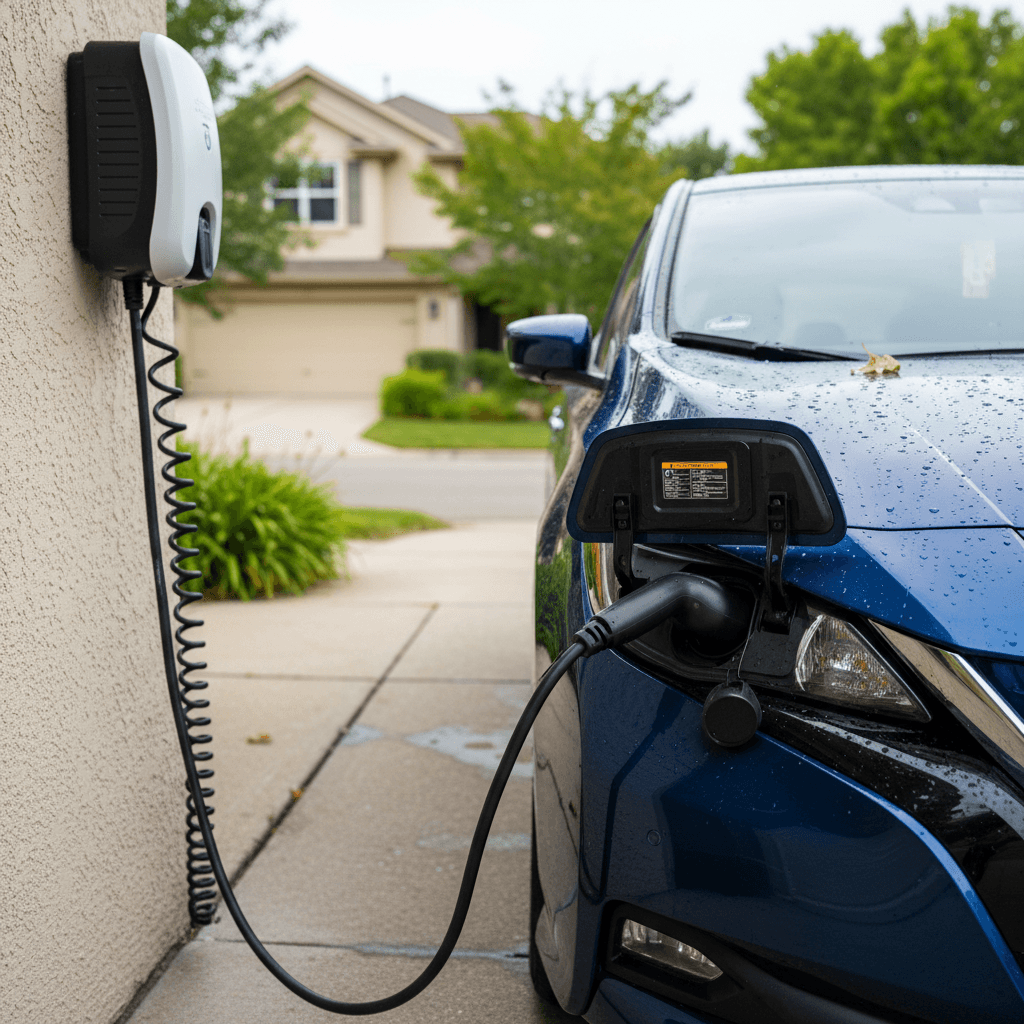
Every 2019 Leaf can charge three ways: Level 1 on a standard 120V outlet, Level 2 on a 240V circuit, and DC fast charging using the CHAdeMO connector when equipped. For U.S. buyers today, the sweet spot is a Level 2 home charger that can refill the battery overnight and handle most of your driving without public charging at all.
Charging options for a 2019 Nissan Leaf
How long you’ll wait and when each one makes sense.
Level 1 (120V wall outlet)
Best for: Apartment dwellers topping up nightly or very light drivers.
- Adds roughly 3–5 miles of range per hour.
- Can fully recharge a 40 kWh Leaf in about 30–35 hours from empty.
- Cheap and simple, but slow.
Level 2 (240V home or public)
Best for: Most owners, this is the real "fueling station" for your Leaf.
- Adds about 20–30 miles of range per hour.
- Typical 40 kWh recharge in 6–8 hours; Leaf Plus in 9–11 hours.
- Often available at workplaces and public garages.
DC fast charging (CHAdeMO)
Best for: Road trips and quick top‑ups along a highway route.
- Can take a 40 kWh Leaf from 10% to ~80% in roughly 40–45 minutes in good conditions.
- Leaf Plus is similar but may slow charging at higher states of charge to protect the pack.
- CHAdeMO network is shrinking as CCS and NACS dominate new stations.
About CHAdeMO and network future
If you’re setting up home charging, you’ll likely want a 240V Level 2 station on a dedicated circuit. That can be either a hard‑wired wall box or a plug‑in unit that uses a 240V outlet in your garage or driveway. At Recharged, we routinely see 2019 Leafs paired with compact 32–40 amp chargers, which are more than enough for overnight charges on both 40 and 62 kWh packs.
Driving experience and comfort
Behind the wheel, the 2019 Leaf is more friendly than flashy. The standard car’s 147 horsepower is perfectly adequate around town and on the freeway, while the Leaf Plus’s 214–215 horsepower and extra torque genuinely wake the car up. Instant torque means you win every stop‑light drag race you didn’t know you’d entered, and the single‑speed transmission makes the whole experience smooth and quiet.
Ride and handling
- Comfort first: The suspension is tuned for a soft, composed ride rather than back‑road thrills.
- City manners: Light steering and compact dimensions make parking and tight streets easy.
- Noise levels: Road and wind noise are well controlled for this class; the Leaf Plus can feel a touch heavier over bumps.
Interior, space, and practicality
- Roomy front seats: Adults over six feet fit comfortably with good headroom.
- Back seat: Fine for kids and average‑size adults, tighter for three‑across.
- Cargo space: Around 23–24 cubic feet behind the rear seats, plenty of room for groceries, strollers, or luggage.
Daily‑driver sweet spot
Safety ratings and driver-assist tech
The 2019 Nissan Leaf scored well in crash testing, with the Insurance Institute for Highway Safety giving it top "Good" ratings in major crashworthiness categories. Federal testing also showed strong overall performance. For a compact hatchback, it’s a solid, confidence‑inspiring package.
Key safety and driver‑assist features
Some features are standard, others depend on trim or options.
Standard safety basics
- Automatic emergency braking with pedestrian detection.
- Rearview camera and available rear cross‑traffic alert.
- Multiple airbags and strong crash structure.
ProPILOT Assist (available)
- Semi‑automated steering and adaptive cruise on certain trims.
- Helps keep the Leaf centered in its lane on the highway.
- Reduces fatigue in stop‑and‑go traffic.
Child seat and family use
- LATCH anchors are present but rated only as "Marginal" for ease of use.
- Two child seats fit fine in back; three can be a squeeze.
- High roofline makes loading kids easier than many sedans.
Check for safety recalls
Reliability and battery health in the real world
Mechanically, the 2019 Leaf is simple, no oil changes, timing belts, or exhaust systems to worry about. The heart of the car is its high‑voltage battery pack. Nissan improved the chemistry versus early Leafs, but the 2019 still uses passive air cooling, which can make it more sensitive to heat and repeated fast charging than some liquid‑cooled competitors.
- Most 2019 Leafs show modest degradation after several years, often still retaining 85–95% of original capacity when treated gently.
- Hot climates and frequent DC fast charging can accelerate capacity loss, especially on the 40 kWh cars.
- The dashboard shows battery "health bars"; a full‑health Leaf displays 12 bars. Anything under 10 bars deserves a closer look and a price adjustment.
- Otherwise, common issues are typical EV wear items: tires, cabin filters, and occasional infotainment quirks.
How Recharged checks Leaf battery health
2019 Leaf vs. rivals: Bolt EV, Model 3 & others
Back in 2019, the Leaf’s main rivals were the Chevrolet Bolt EV, Hyundai Kona Electric, Kia Niro EV, and entry‑level versions of the Tesla Model 3. On today’s used market, those are still the cars most shoppers cross‑shop, each with its own strengths.
2019 Leaf vs. popular used EV alternatives
High‑level comparison for shoppers considering a 2019 Leaf alongside other common used EVs.
| Model (2019) | Approx. EPA range | Charging standard | Strengths | Potential drawbacks |
|---|---|---|---|---|
| Nissan Leaf (40 kWh) | 150 mi | CHAdeMO DC, J1772 AC | Affordable, easy to drive, great for short‑range use. | Shorter range, aging CHAdeMO network, passive‑cooled battery. |
| Nissan Leaf Plus (62 kWh) | 215–226 mi | CHAdeMO DC, J1772 AC | Stronger performance, competitive range, still budget‑friendly. | Heavier feel, CHAdeMO limits fast‑charge options on road trips. |
| Chevrolet Bolt EV | 238 mi | CCS DC, J1772 AC | Long range, efficient, widely supported CCS fast charging. | Rear seating a bit tighter; some buyers wary of earlier battery recall history. |
| Hyundai Kona Electric | 258 mi | CCS DC, J1772 AC | Excellent range and efficiency, SUV‑like stance. | Rarer on used market; some owners report firmer ride. |
| Tesla Model 3 Standard Range | 220–240 mi (varies) | NACS DC/AC (Tesla) | Access to Tesla Supercharger network, strong software experience. | Higher used prices; sedan body is less practical than a hatchback. |
Actual pricing and equipment vary widely by mileage, trim, and condition; use this as a directional guide.
Who should choose the Leaf over rivals?
Is the 2019 Nissan Leaf right for you?
Great fit if…
- Your daily driving is under about 80–100 miles round trip, even in winter.
- You can install (or already have) a Level 2 home charger.
- You want an EV that feels familiar and easy to live with.
- You’re value‑driven and want one of the most affordable used EVs on the market.
Think twice if…
- You frequently drive long highway trips and rely on public fast charging.
- You live in a very hot climate and can’t garage or shade the car.
- You’re counting on Tesla‑style road‑trip flexibility or CCS/NACS networks.
- You need a tall‑riding SUV or all‑wheel drive.
For many used‑EV shoppers, a 2019 Nissan Leaf, especially the Leaf Plus, is a sensible, budget‑friendly entry point into electric driving. It’s not the flashiest or the longest‑range option, but if your life fits its strengths, it can deliver years of quiet, low‑cost commuting. When you buy through a specialist like Recharged, you also get transparent battery‑health data, fair market pricing, and EV‑savvy guidance so you know exactly what you’re getting.
Used 2019 Leaf buying checklist
Essential checks before you buy a 2019 Nissan Leaf
1. Confirm battery size and trim
Make sure you know whether you’re looking at a 40 kWh Leaf or a 62 kWh Leaf Plus. Check the trim badge (S, SV, SL, S Plus, SV Plus, SL Plus), the original window sticker if available, and the rated range shown in sales photos.
2. Inspect battery health, not just mileage
Ask for a recent battery health report. On the dash, 12 capacity bars indicate a healthy pack; fewer bars mean reduced capacity. A professional scan, like the Recharged Score Report, gives a much clearer picture than the dashboard alone.
3. Review charging history and habits
If possible, learn how the previous owner charged the car. A life of mostly Level 2 home charging is ideal; heavy reliance on DC fast charging, especially in hot climates, can accelerate degradation, something that should be reflected in price.
4. Check for open recalls and software updates
Use the VIN to verify open recalls and confirm that all campaigns and software updates have been completed. A Nissan dealer service print‑out or documentation from the seller is valuable peace of mind.
5. Test every charging port and cable
Bring a portable Level 1 or Level 2 EVSE if you can, or test at a local public station. Make sure the J1772 port latches firmly, the CHAdeMO door opens and closes correctly (if equipped), and the car starts and stops charging without error messages.
6. Drive it like you’ll use it
On the test drive, include some highway miles and hills if you can. Try Eco mode and e‑Pedal, check for unusual noises, and watch how quickly the estimated range drops during the kind of driving you actually do.
7. Evaluate total cost, not just sticker price
Factor in home‑charger installation, expected electricity costs, and future battery‑health trajectory. A slightly higher‑priced Leaf with a stronger battery can be a better long‑term value than a bargain car with significant capacity loss.
How Recharged can help you shop smarter
Ready to find your next EV?
Browse Vehicles2019 Nissan Leaf FAQ
Frequently asked questions about the 2019 Nissan Leaf
If a 2019 Nissan Leaf fits your driving pattern, it can be one of the most affordable, low‑stress ways into EV ownership. Take the time to verify battery health, understand the difference between the standard car and the Leaf Plus, and map out your charging plan. With those boxes checked, and a transparent report from a used‑EV specialist, you’ll know whether this humble hatchback is the right electric companion for your next chapter.