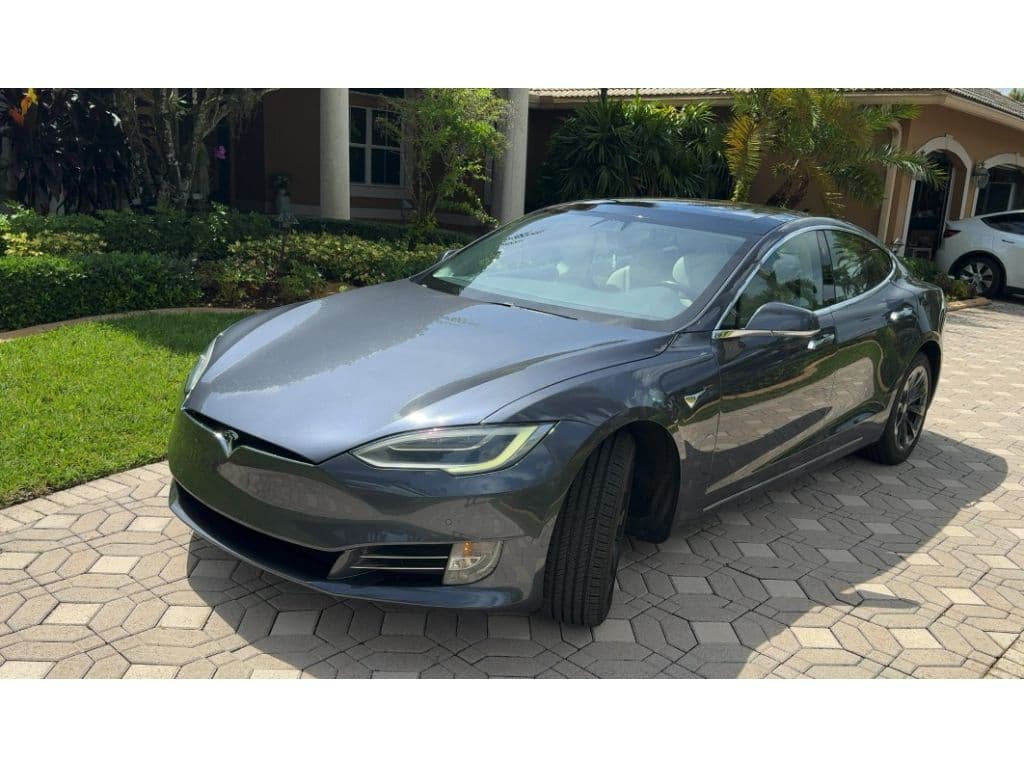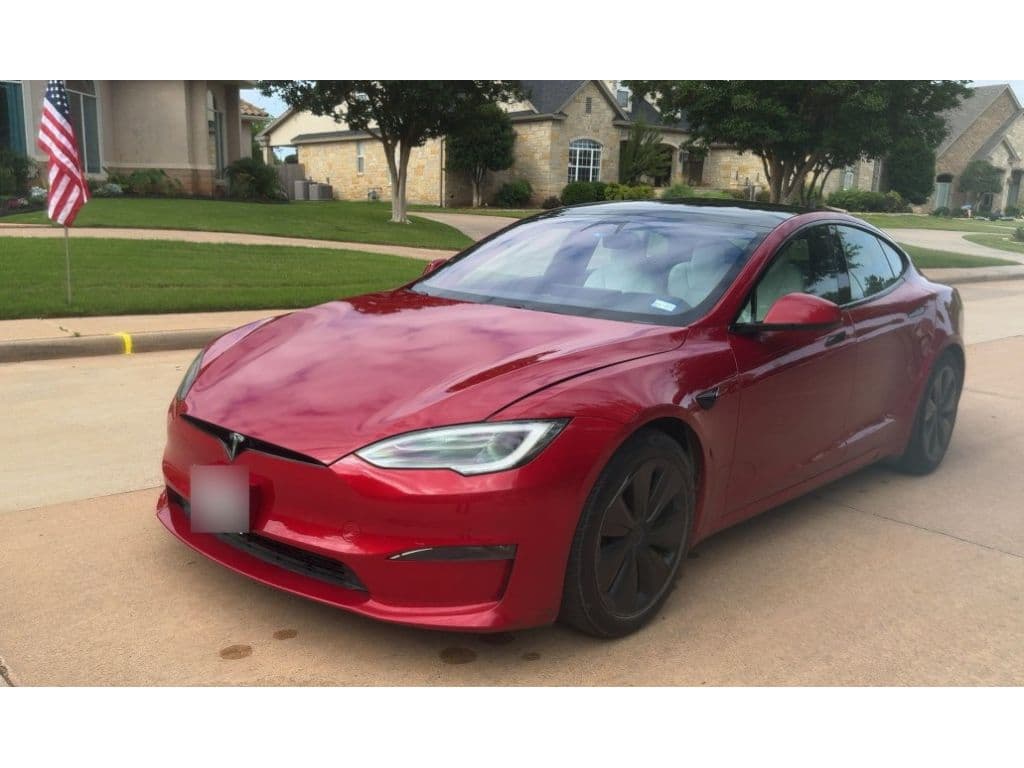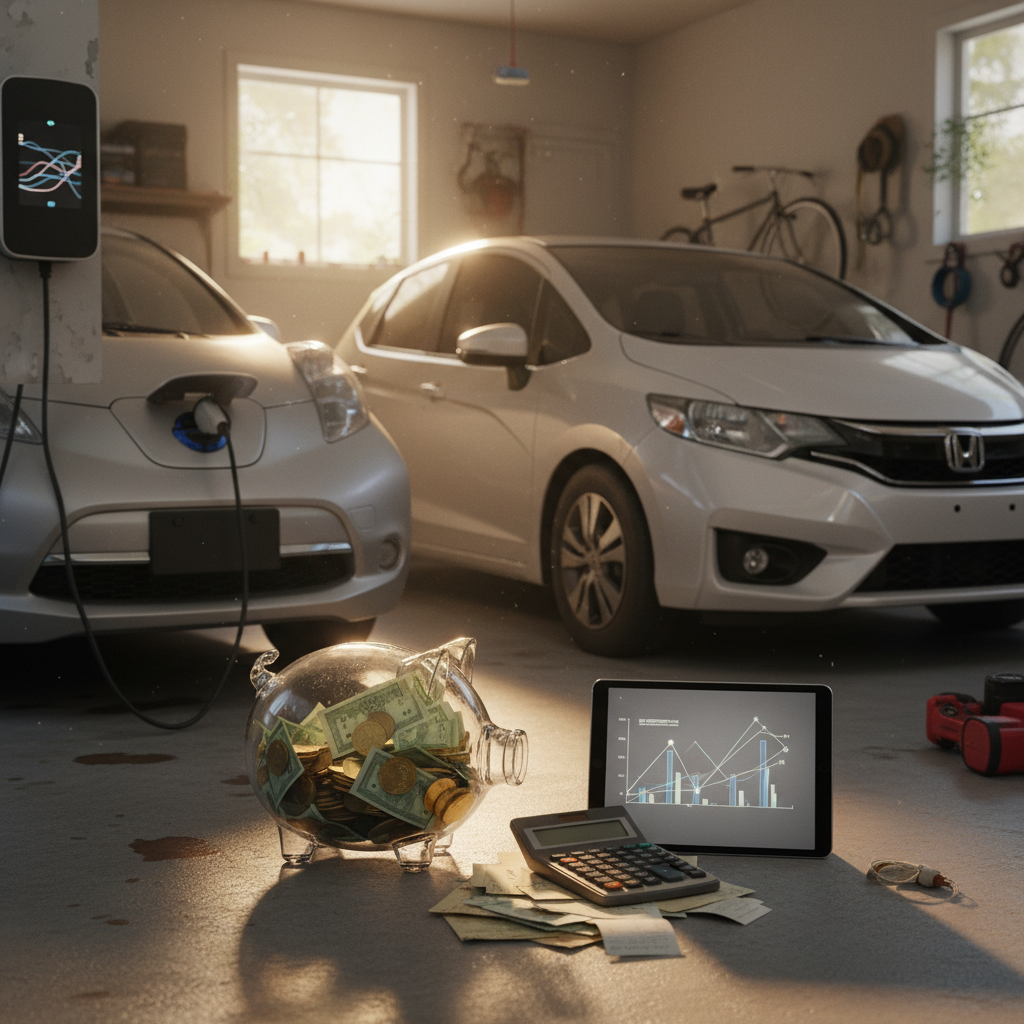
You buy a used 2014 Tesla Model S because it still looks like the future. Then someone tells you a new battery could cost nearly as much as the car, and the mood changes. In 2025, understanding the true 2014 Tesla Model S battery replacement cost isn’t just trivia, it’s the difference between a smart EV purchase and an expensive science project.
Context: early Model S, aging packs
Why 2014 Model S battery costs matter in 2025
The 2014 Model S is the sweet spot of Tesla’s early glory days: big hatchback, big battery, free-flowing design studio optimism. Today you can often buy one for well under $25,000. But the high-voltage battery is still a five‑figure bit of hardware. Depending on how you handle it, a weak pack can either be a manageable repair… or a financial write‑off that turns a bargain into a money pit.
- Battery replacement cost can rival or exceed the current market value of many 2014 Model S cars.
- Not all packs are equal: 60, 70 and 85 kWh versions age and price differently.
- You may have more options than “pay Tesla $20k or junk the car”, including third‑party packs and simply buying a different used EV.
Don’t confuse 12V and traction battery
Quick answer: 2014 Model S battery replacement cost
2014 Model S battery replacement at a glance (2025)
For a typical 2014 Model S (most commonly an 85 kWh car), the headline numbers in 2025 look like this:
2014 Model S battery replacement price ranges (2025)
Approximate, real‑world totals for a full traction battery pack replacement on a 2014 Tesla Model S in the U.S., including parts and labor.
| Provider / Option | What You Get | Approx. Total Cost (USD) | Good Fit For |
|---|---|---|---|
| Tesla Service Center | New or remanufactured OEM pack, latest revision, installed and warrantied by Tesla | $18,000 – $22,000+ | Owners who want factory parts & records, plan to keep the car long‑term |
| Independent EV specialist | Refurbished or reconditioned pack (often OEM modules), installed by third‑party shop | $10,000 – $15,000 | Out‑of‑warranty cars where cost matters more than having Tesla on the invoice |
| Module‑level repair | Diagnosis plus replacement of failed modules, contactors or BMS, keeping your original pack | $5,000 – $8,000 | Cars with localized faults (e.g., BMS faults, a few weak modules) where the pack is otherwise healthy |
These are directional ranges, not quotes. Always get current written estimates from Tesla and any independent EV shop you consider.
Think in “total cost of the car,” not just the pack
Cost breakdown: pack, labor, and extras
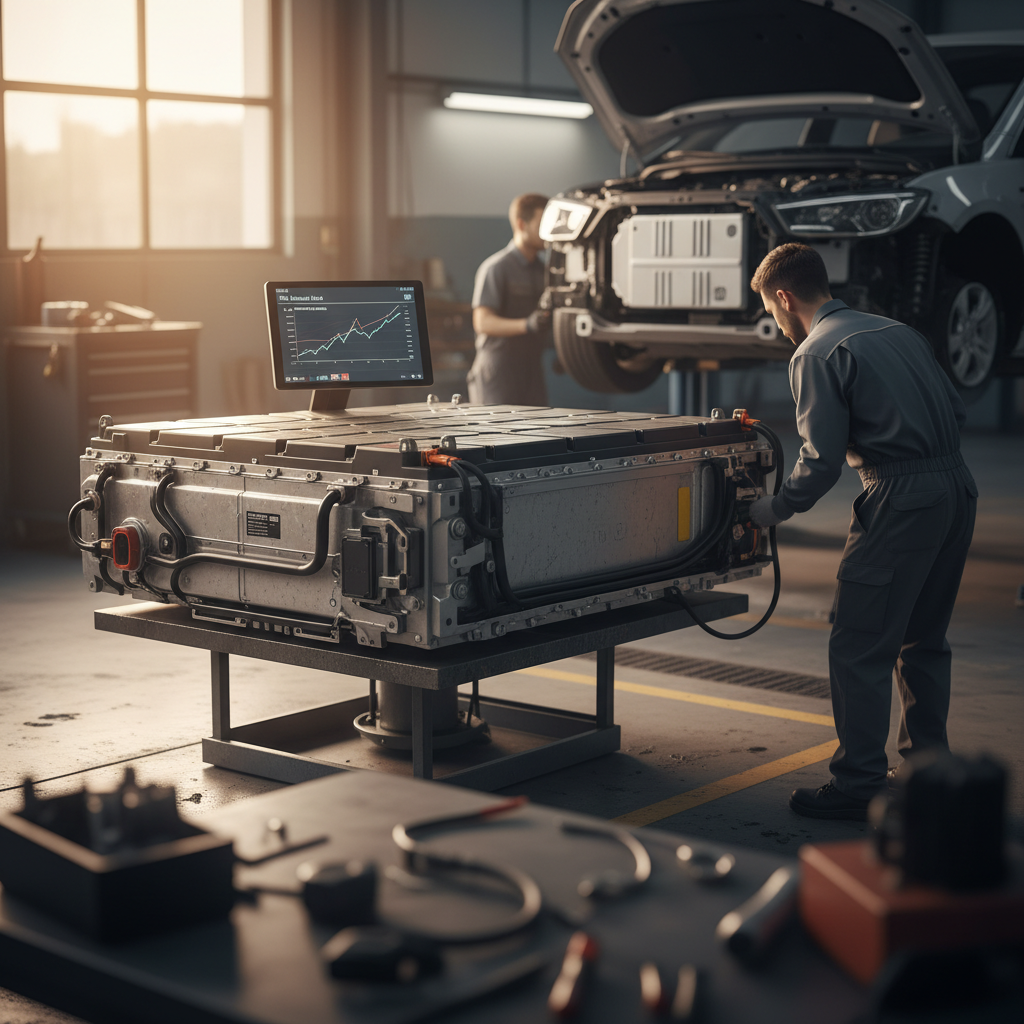
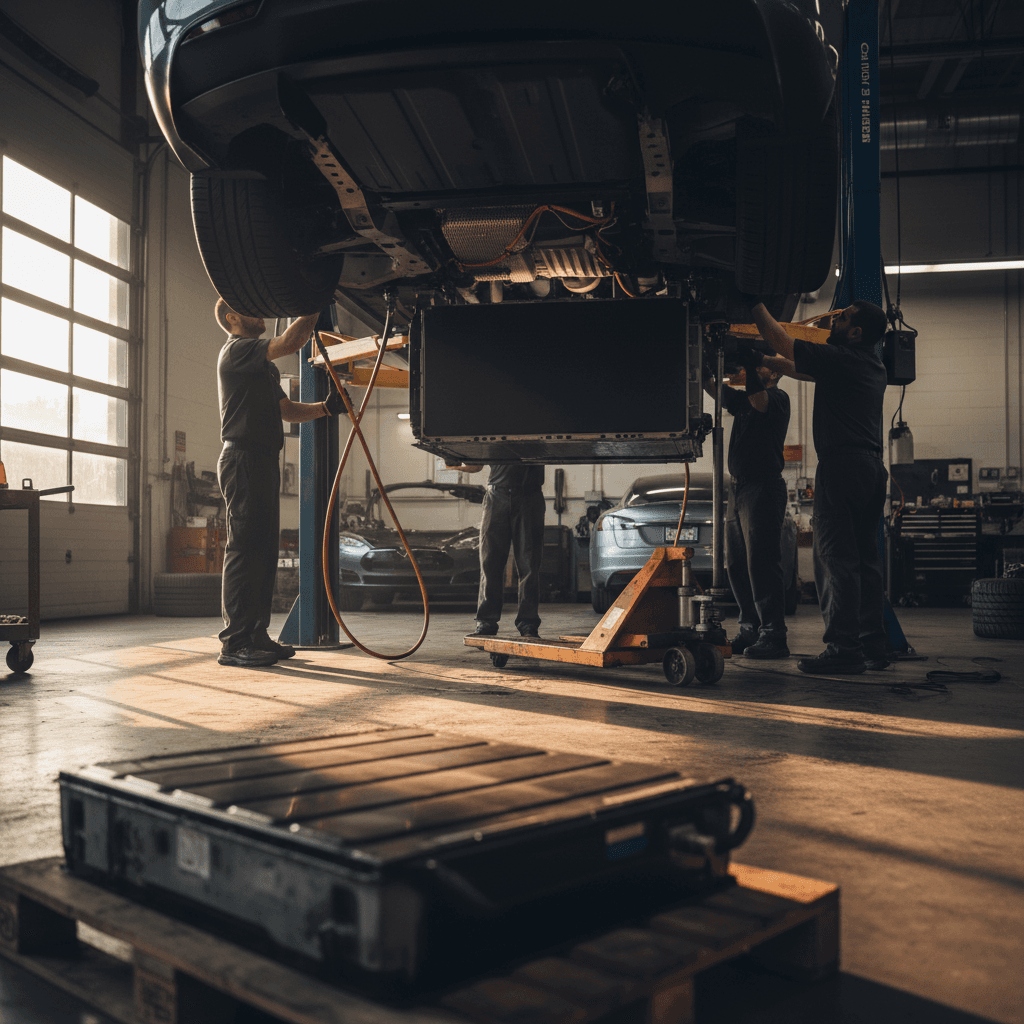
Tesla battery replacement pricing isn’t a single line item; it’s a stack of charges that add up. Understanding the anatomy of the bill helps you negotiate, compare quotes, and decide whether a replacement even makes sense.
Where the money goes on a Model S pack swap
Three main buckets: hardware, labor, and supporting parts/fees.
1. The battery pack itself
For a pre‑2022 Model S like a 2014 car, owners report Tesla quoting roughly $12,000–$15,000 for the pack alone in recent years, with some price hikes bringing certain 85–100 kWh packs into the mid‑teens.
Third‑party suppliers sometimes offer refurbished packs closer to $6,000–$10,000, depending on capacity and warranty.
2. Labor and shop time
Tesla service labor in the U.S. often runs in the $175–$200 per hour range. A pack swap usually books 3–6 hours, but troubleshooting or corrosion can extend that.
Expect $500–$2,000 in labor, with independents sometimes coming in slightly lower.
3. Extras, fees, and incidentals
Add‑ons can include:
- Diagnostic fees
- Coolant and fasteners
- Wiring harness or contactor replacements
- Taxes, shop supplies, hazardous shipping
Realistically, this can add $300–$1,000+ to the total.
Watch the “reman vs. new” line item
2014 Model S battery sizes and what they’re worth
A 2014 Model S is not just “a Model S.” Battery size matters, for range, for longevity, and for what a replacement will cost.
Common 2014 Model S packs
- 60 kWh – The entry pack. Less range, fewer cars built, more likely to feel short‑legged today.
- 70 kWh – Rare transitional pack; similar story to the 60 but with a bit more usable range.
- 85 kWh – The headline act. Most 2014 Model S cars in the U.S. were 85s, including Performance (P85) and Dual Motor (P85D) variants starting late 2014.
How pack size affects replacement cost
- Bigger packs = more cells, more dollars. Expect 85 kWh packs to run materially more than 60/70 kWh.
- Third‑party vendors may prioritize 85 kWh packs because there’s more demand and more cores to refurbish.
- Range expectations in 2025 mean the market favors healthy 85 kWh cars; a tired 60 kWh pack hurts resale disproportionately.
Repair vs. full replacement for a tired pack
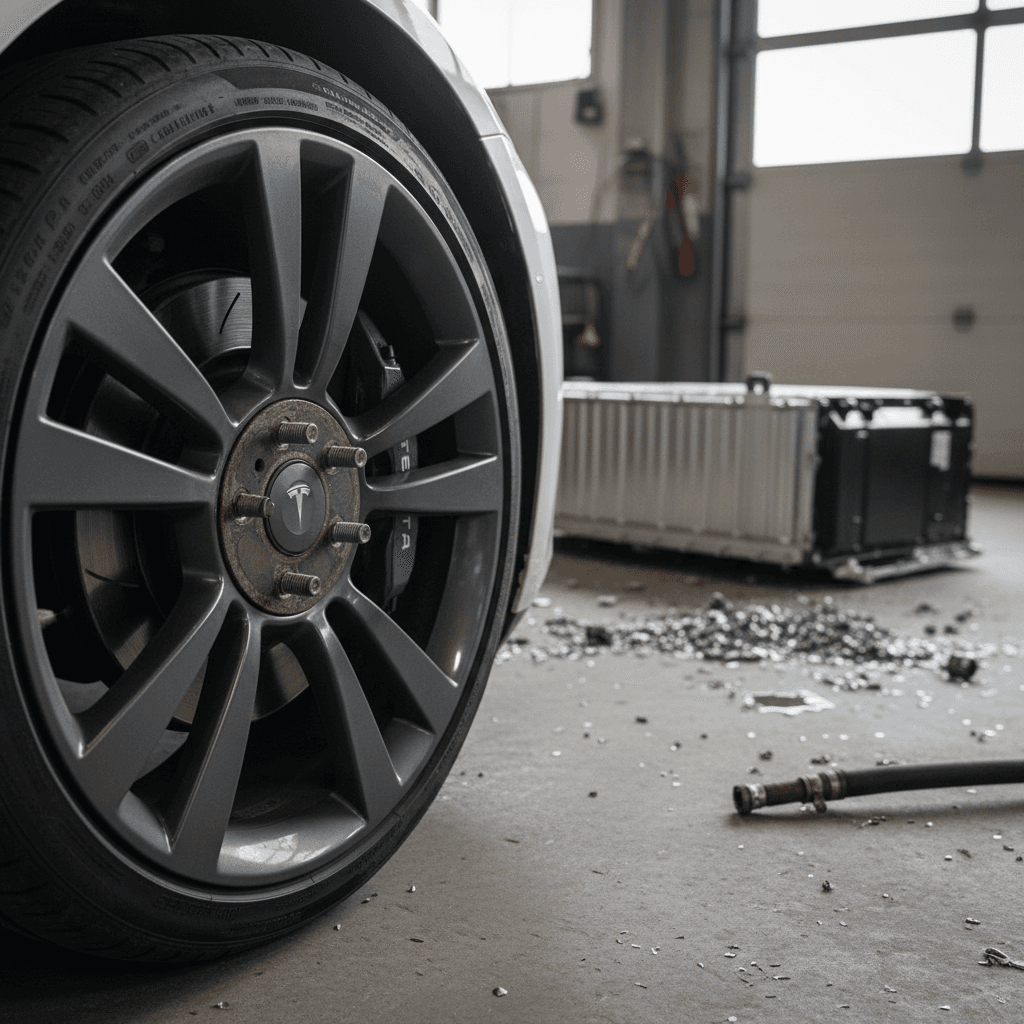
The official Tesla path is simple: if the pack is out of spec and out of warranty, you buy another pack. Independent EV shops, however, treat the battery more like an engine that can be rebuilt, not just replaced.
Questions to ask before committing to a full pack swap
1. What is the exact failure mode?
Is the car throwing a BMS_u029‑style high‑voltage error, or is it simply down 20–25% on range? Hard faults often justify a replacement; soft degradation may not.
2. Has anyone opened and inspected the pack?
A competent EV specialist can sometimes address corroded connections or a few weak modules instead of condemning the entire battery.
3. What warranties are offered?
Compare Tesla’s post‑replacement warranty with any independent shop’s coverage on refurbished packs or module repairs.
4. How does this cost compare to the car’s value?
If the pack quote is more than 50–60% of the car’s realistic resale value, replacing the car entirely should be on the table.
5. Are there software or charging‑habit fixes?
Not every range complaint is a dying battery. Aggressive fast charging, sitting at 100%, or outdated firmware can all affect displayed range and behavior.
When repair makes more sense than replacement
Battery life: what to expect from a 2014 pack
The horror‑story version of EV life says every battery is dead in 8–10 years. Real‑world data from thousands of Teslas tells a calmer story: most packs degrade gradually, not catastrophically, and true failures are still relatively rare, even as early Model S cars cross well past 150,000 miles.
- Many early Model S packs still retain roughly 70–80% of their original capacity past 150,000–200,000 miles if reasonably cared for.
- A small but real percentage of cars suffer from pack faults or BMS issues that trigger a sudden loss of drive and an expensive repair.
- Cold climates, frequent DC fast charging, and spending long periods at 100% state of charge all accelerate wear compared with gentle home Level 2 charging.
Degradation you can live with vs. degradation you can’t
Warranty coverage on a 2014 Tesla Model S
By late 2025, every 2014 Model S is out of its original high‑voltage battery warranty by age, even if the odometer is low. Tesla’s original coverage for Model S and X batteries was 8 years with a mileage cap (typically 150,000 miles) and a minimum 70% capacity retention promise. That ship has sailed for 2014 cars.
- If your pack failed years ago and was replaced under warranty, the replacement pack may have its own warranty terms, check the service invoice carefully.
- Extended service plans rarely cover high‑voltage battery replacement outright; they tend to focus on mechanical and electronic components.
- Insurance may cover battery replacement after a crash, flood, or other covered event, but not for normal degradation or age.
Don’t assume a replacement pack restarts the clock
How battery health impacts used Model S value
With a gas car you can fudge the truth, a bit of smoke, a tired transmission, and the car still drives fine for a test ride. A Tesla’s high‑voltage battery is less subtle: range is a big digital number on the screen, and savvy buyers will look straight at it.
Battery health vs. real‑world value on a 2014 Model S 85
How different levels of battery health tend to change what shoppers are willing to pay in 2025, assuming similar condition otherwise.
| Battery Health Snapshot | Displayed 100% Range | Typical Buyer Reaction | Impact on Value vs. “Strong” Pack |
|---|---|---|---|
| Strong pack | 230–240+ miles | “Someone cared for this car.” Easy to sell at the top of the market for its age. | Baseline |
| Moderate degradation | 200–220 miles | “Fine for commuting, but I’ll discount for road trips.” Buyer uses it as a negotiation point. | Often -10% to -15% |
| Heavy degradation | 150–190 miles | “This is a city car only, or I’m budgeting for a future pack.” Many buyers walk away. | Commonly -20% to -35% or more |
| Fault codes / no drive | N/A | “This is a parts car unless the price is silly low.” Only interesting if you specialize in EV repair. | Value often anchored to salvage/parts pricing |
Approximate, directional impacts, actual market values depend on mileage, options, cosmetics, and local demand.
Price the car as a package, body, interior, and battery
How Recharged evaluates used Tesla batteries
This is exactly where a marketplace like Recharged earns its keep. When you’re dealing with 10‑plus‑year‑old Teslas, the battery isn’t a footnote, it’s the story. So Recharged doesn’t guess; they measure.
Inside the Recharged Score for a used Model S
Battery health isn’t a mystery, it’s a dataset.
Verified battery health
Every eligible EV on Recharged comes with a Recharged Score Report that includes verified battery health, not just odometer miles.
You see how the pack has aged and how it compares to similar cars.
Data, not just seller claims
Recharged pulls diagnostic data where possible and cross‑checks it with real‑world performance. That helps filter out cars with hidden pack issues or suspiciously low reported degradation.
Pricing tied to pack condition
Because Recharged is built around EVs, battery health is baked into the pricing. A 2014 Model S with a stronger‑than‑average pack is priced accordingly; a tired pack doesn’t sneak through at top‑of‑market money.
Ready to find your next EV?
Browse VehiclesMore than just a listing site
Ownership strategies if your 2014 pack is weak
Say you already own the car, and the pack is clearly tired. Maybe you’re staring at a four‑digit range number or an ominous service message. How do you play it?
Strategy A: Sweat the asset
- Keep the car for local use only, commuting, school runs, errands.
- Charge mostly at home on Level 2, avoid sitting at 100% overnight.
- Accept that it’s no longer a 250‑mile road‑trip machine, and price it accordingly when you eventually sell.
This is the lowest‑cash‑outlay path if the car still drives and passes safety inspections.
Strategy B: Repair or replace the pack
- Get at least two quotes: one from Tesla, one from a reputable independent EV shop.
- Compare full pack replacement vs. module‑level repair, and scrutinize warranties.
- Run the numbers: Does a $12k–$20k spend meaningfully extend the car’s useful life for you?
This path can make sense if the car is otherwise excellent and you plan to keep it many more years.
Strategy C: Don’t throw good money after bad
FAQ: 2014 Tesla Model S battery replacement
Frequently asked questions about 2014 Model S battery costs
Bottom line: is a 2014 Model S still worth it?
A 2014 Tesla Model S is a bit like a used European sports sedan: sublime when it’s good, ruinous when it isn’t. In 2025, the battery is the entire plot. A healthy pack turns the car into an absurdly capable, still‑modern long‑range EV for surprisingly little money. A dying pack turns it into a rolling question mark with a five‑figure footnote attached.
If you already own one, be brutally honest about the car’s value and how you actually use it before signing off on a $15k–$20k battery. If you’re shopping for one, prioritize verified battery health over wheels, color, or Autopilot trivia, and consider shopping through a platform like Recharged where battery condition, pricing, financing, trade‑ins, and expert EV guidance are all on the table from the start.