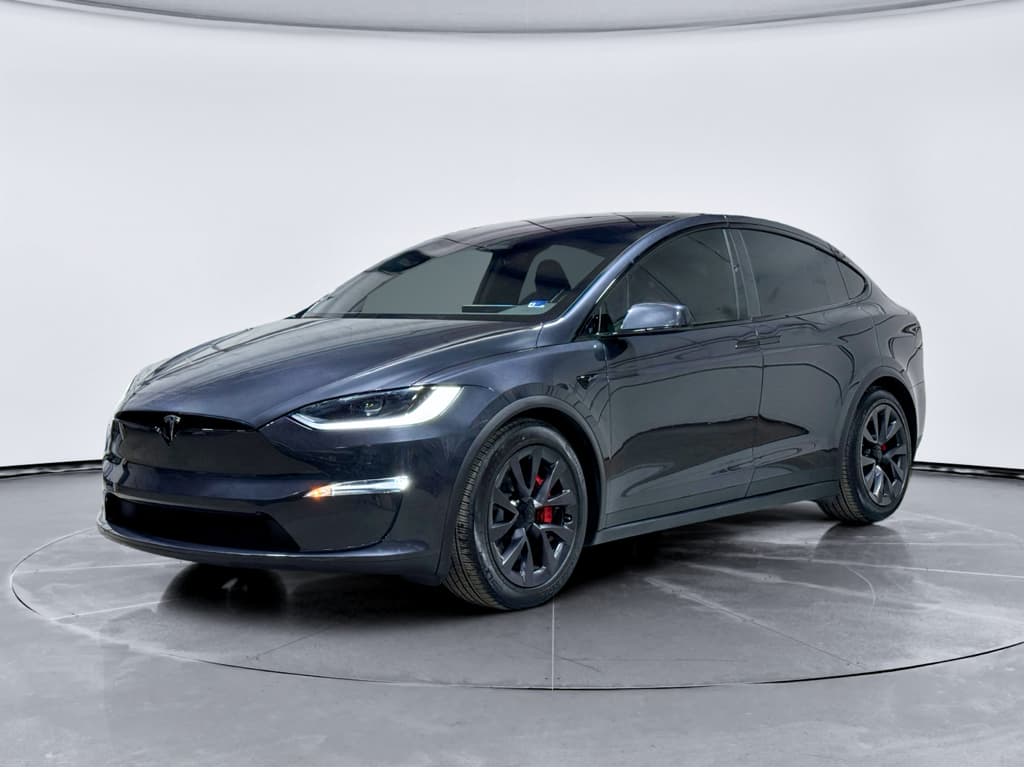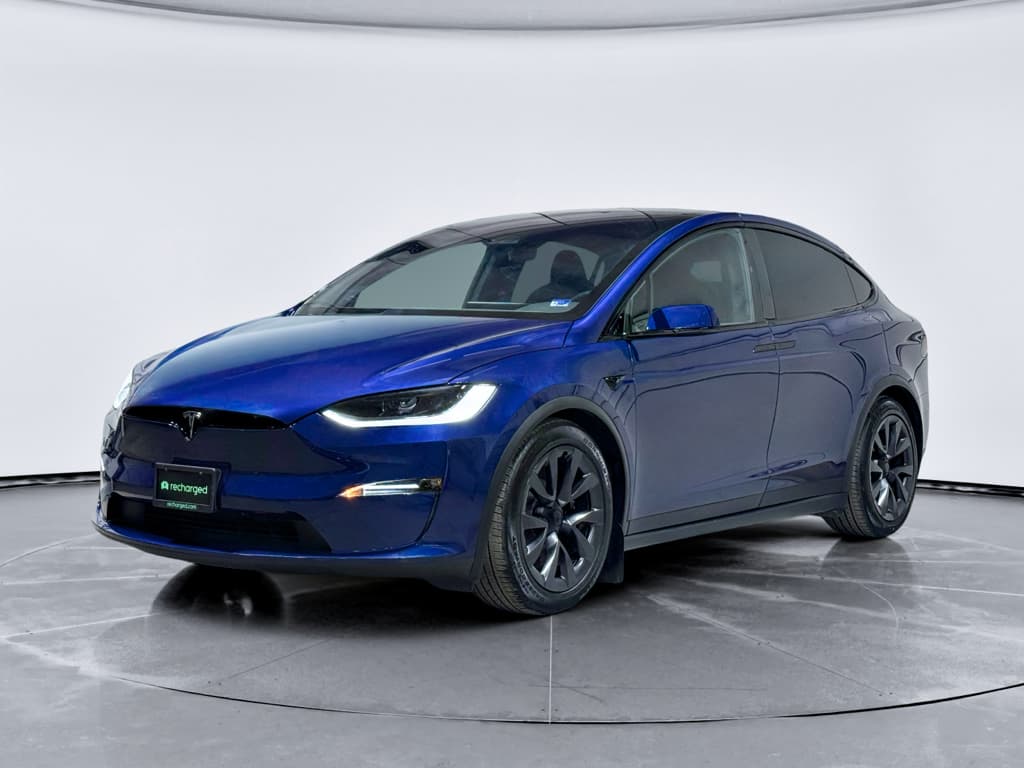
The 2023 Tesla Model X is an outrageous machine: falcon‑wing doors, supercar acceleration, three rows of seating, and access to the Supercharger network. But if you’re eyeing one on the used market in 2026, a more practical question sits underneath all that theater: **how reliable is the 2023 Tesla Model X**, and will it behave like a family hauler or a temperamental gadget?
The short answer
Quick take: 2023 Model X reliability in one minute
2023 Model X reliability snapshot
- Powertrain (motors, battery, single‑speed gearbox) is generally solid when not abused or damaged.
- Biggest complaints are **fit and finish, squeaks/rattles, door hardware, infotainment glitches, and trim issues**.
- Recall count looks scary, but most fixes are software updates you accept like a phone OS patch.
- Compared with gas luxury SUVs, the Model X saves you thousands in fuel and routine maintenance, but surprise out‑of‑warranty repairs can be eye‑watering.
How reliable is the 2023 Tesla Model X, really?
Viewed in isolation, the 2023 Model X is a contradiction: the **underlying EV hardware is stout**, but the shell around it is high‑drama and high‑maintenance. Consumer reliability surveys place it **below average for 2023 model‑year vehicles**, and the Model X has significantly more reported problems than a mainstream crossover. On the other hand, the issues are usually *annoying* rather than *catastrophic*, door sensors, trim, infotainment quirks, rather than engines or transmissions self‑destructing.
Part of the story is that Tesla has been iterating on the Model X since 2016. Early years were notorious for falcon‑door failures and misaligned panels. By 2023, most of the blatant teething pains are dialed down, but you’re still buying a **large, complex, low‑volume luxury EV**. That combination rarely equals “Camry‑like reliability.”
Think in categories, not headlines
Common 2023 Tesla Model X problems to know about
No two cars age the same, but when you read through owner forums, service invoices, and reliability surveys, patterns emerge. Here are the systems most likely to make themselves known on a 2023 Model X as it moves into years 3–6 of life:
Where 2023 Model X owners see problems
These are the usual suspects when something isn’t quite right.
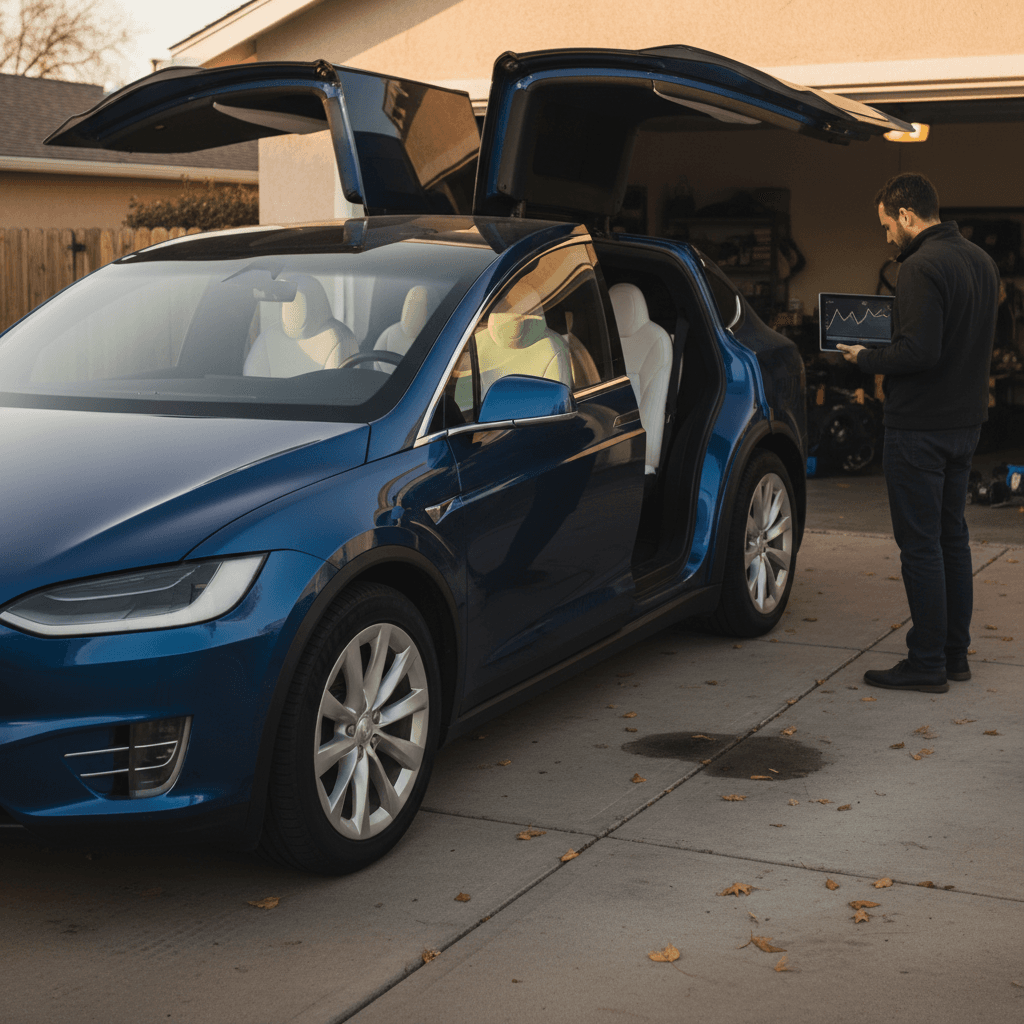
Falcon‑wing & front doors
The party trick is also a frequent complainer.
- Misaligned sensors causing doors to stop short or refuse to close
- Rattles, wind noise, and squeaks from hinges and seals
- Occasional latch or handle malfunctions
The more the doors are cycled and the harsher the climate, the more likely you’ll be dealing with adjustments or repairs over time.
Suspension & ride quality
The standard air suspension gives the Model X that magic‑carpet glide, and a few headaches.
- Intermittent compressor noise or slow height changes
- Sensor faults triggering warning messages or limp modes
- Rubber bushings and links wearing faster on heavy, high‑torque EVs
Even minor suspension work on a Tesla is not cheap; budget accordingly once you’re out of warranty.
Infotainment & cameras
The Model X runs much of the car through the center screen and cameras.
- Random reboots or laggy UI after software updates
- Occasional rear‑camera glitches (also subject to multiple recalls)
- Bluetooth and phone‑key quirks
The upside: many of these issues are fixable via over‑the‑air (OTA) software rather than a shop visit.
HVAC & interior comfort
Reports are mixed but worth noting.
- Intermittent climate control behavior after updates
- Rear‑cabin HVAC performance complaints in extreme heat or cold
- Occasional noises from fans and vents
Not usually safety‑critical, but annoying in a premium SUV and worth testing thoroughly on a used example.
Don’t ignore noises
Recalls, software updates, and what they actually mean
Open any recall database and search “2023 Model X” and you’ll see a wall of campaign numbers, roughly **16 recalls** attached to this model year. That looks terrifying until you unpack what’s actually being fixed. Many of these are **software‑related defects**: rear‑view camera images not displaying under certain conditions, warning lights in the wrong font size, horn or hood‑latch warnings not triggering correctly. Tesla’s remedy for most of these has been an over‑the‑air software update that quietly arrives while the car is parked.
Representative 2021–2023 Model X recalls that can affect 2023 models
This is not a complete list, but it illustrates the pattern: software patches for cameras and warning systems, plus a few hardware campaigns.
| System | Example issue | Typical fix | Owner hassle level |
|---|---|---|---|
| Passenger airbag logic | Front passenger airbag may not meet certain child‑protection rules in low‑speed crashes. | Software update to airbag controller. | Low, if software is already installed. |
| Rear camera display | Rear camera image can fail to appear in reverse under specific software versions. | OTA update; in rare cases, hardware replacement of the computer. | Low–medium. |
| Seat‑belt anchoring | Front seat belts may not be attached correctly to pretensioner anchors. | Physical inspection and rework at a service center. | Medium – requires appointment. |
| Brake fluid warning logic | Low brake fluid may not trigger a warning indicator. | OTA software update to controller. | Low. |
Always run the VIN on the NHTSA site or Tesla app to confirm all recalls have been addressed.
Why so many recalls?
How to check recall and update status on a used 2023 Model X
1. Run the VIN through NHTSA
On the U.S. NHTSA recall lookup, enter the full 17‑digit VIN to see any open safety recalls. If you see open campaigns, ask the seller to resolve them before purchase.
2. Review the Tesla app or screen
If you’re evaluating the car in person, ask the owner to show the Service section in the Tesla app or on the center screen to confirm that **no updates or recalls are pending**.
3. Ask for service history
Request a PDF or screenshots of recent Tesla service visits. You’re looking for evidence that recall campaigns and important software updates were completed on time.
4. Confirm OTA connectivity
Make sure the car connects to Wi‑Fi or cellular data reliably. A car that hasn’t been online may be missing critical safety updates.
Battery life, drivetrain durability, and range over time
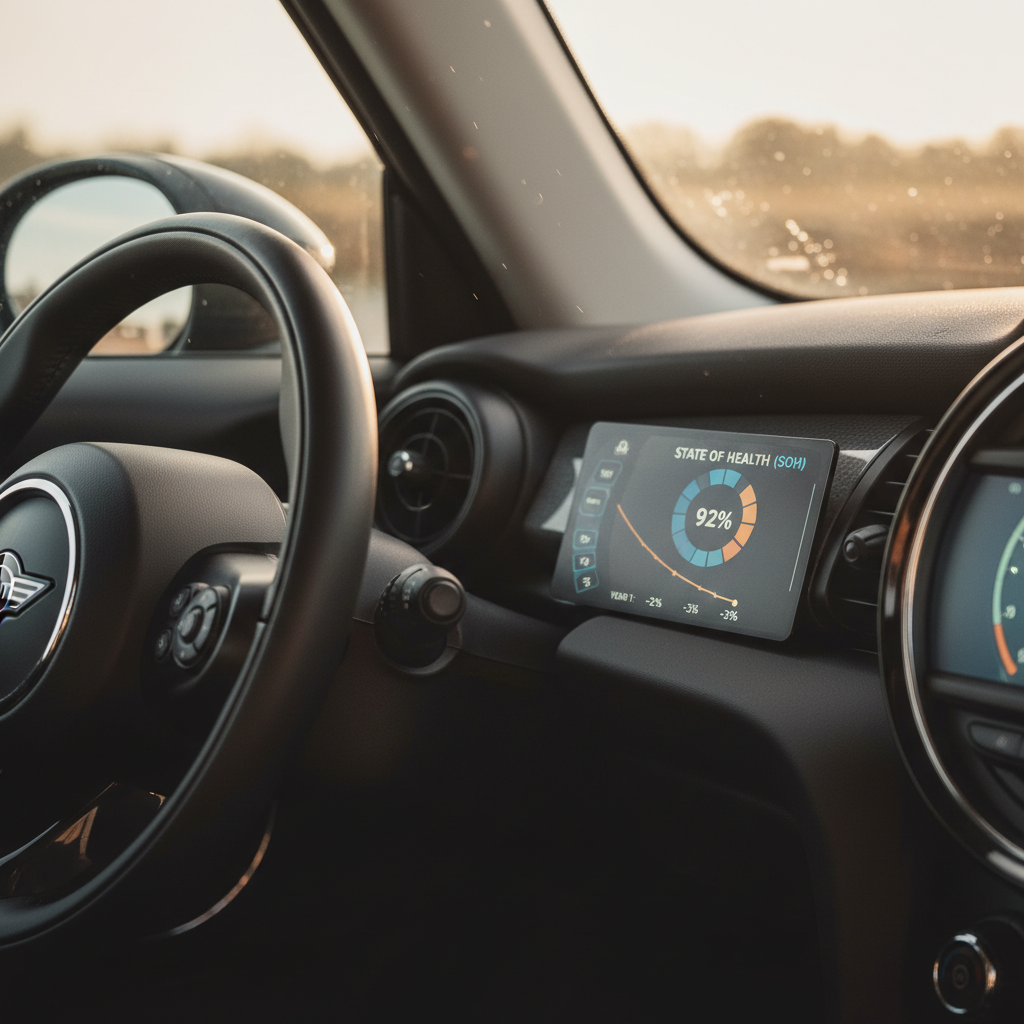
Here’s the good news: for all the noise around Tesla quality, **battery packs and drive units in newer Teslas tend to age gracefully** when not abused. By 2026, many 2023 Model X examples will have 30,000–60,000 miles. In that range, most well‑cared‑for vehicles show only modest capacity loss, often on the order of 5–10% compared with day one.
Battery & charging
- Degradation: Most owners see gradual, linear capacity loss. Big step‑downs usually indicate abuse, frequent fast‑charging on a hot pack, or a defective module.
- Thermal management: The Model X uses liquid cooling; properly functioning pumps and valves are crucial to long life.
- Charging patterns: Daily charging to ~80–90% and avoiding frequent 0–100% cycles is easier on the pack.
Tesla’s battery warranty (typically 8 years/150,000 miles on the Model X) will still cover many 2023 vehicles through most of the 2030s for pack failures, but not for mild degradation.
Motors & drive units
- Mechanical simplicity: No multi‑gear automatic transmission, torque converter, or oil‑soaked valvetrain to fail.
- Wear points: Half‑shafts and motor mounts can suffer in high‑torque launches, especially on "Ludicrous"‑driven cars.
- Noise & vibration: Whines, clunks, or vibration under acceleration deserve a professional inspection.
In practice, failures of the motors themselves are rare on 2023‑era Teslas; surrounding hardware is more likely to need attention.
Where EVs quietly out‑reliable gas SUVs
Running costs: repairs, maintenance, and warranty coverage
Reliability isn’t just “does it break?”, it’s “what does it cost when it does?” On that score, the 2023 Model X is a paradox. Day‑to‑day **maintenance costs are low**: no oil changes, fewer fluids, simple annual checks. But when a major component needs replacement out of warranty, you’re playing with house‑in‑the‑suburbs money.
Typical 2023 Model X ownership costs (U.S.)
These are ballpark ranges to help you budget, not official Tesla prices.
Routine maintenance
- Tire rotations, cabin air filters, brake service.
- Expect a few hundred dollars a year if you drive average miles.
- More if you chew through performance tires.
Big‑ticket repairs
- Air suspension components, door actuators, and glass can reach into four figures.
- Out‑of‑warranty MCU/infotainment hardware isn’t cheap either.
- Insurance for a large luxury EV skews toward the high side.
Warranty safety net
- Basic limited warranty: typically 4 years/50,000 miles from original in‑service date.
- Battery & drive unit: generally 8 years/150,000 miles (with minimum capacity retention clause).
- Many 2023s still have substantial factory coverage left in 2026.
Use fuel savings to fund a repair reserve
2023 Model X vs other luxury SUVs on reliability
Tesla as a brand has been climbing the reliability charts; by the mid‑2020s, it finally cracked the top tier in some independent rankings. But that’s driven mostly by the simpler, high‑volume **Model 3 and Model Y**. The Model X is a different animal: heavier, more complex, built in lower numbers, and saddled with those theatrical doors. It tends to land **below the average luxury SUV** on reported problem counts, but **above many other full‑EV flagships**, which have battled their own launch gremlins.
Vs gas luxury SUVs
- Fewer drivetrain failures, fewer fluid‑related issues.
- More complaints around trim, tech, and air suspension.
- Total running cost can still favor the Model X thanks to fuel savings.
Vs other large EV SUVs
- More mature charging ecosystem and software than many rivals.
- Reliability roughly on par or slightly better than some newer EV entrants, but still not Japanese‑sedan bulletproof.
- Complex doors remain a unique risk factor.
Vs other Teslas
- Less reliable than a comparable Model Y on average.
- Shares many electronics and software systems; problems tend to rhyme across the lineup.
- When things do go wrong, parts and labor cost more on the X.
Used 2023 Model X checklist: how to shop smart
A used 2023 Model X can be a spectacular family EV, if you buy the *right* one. Here’s how to separate the gracefully aging spaceships from the problem children when you’re test‑driving or browsing online listings.
Pre‑purchase checklist for a 2023 Model X
1. Verify recall and software status
Confirm all recalls are closed and the car is on current software. Ask for screenshots from the Tesla app or center screen showing no pending updates or campaigns.
2. Inspect doors and seals
Cycle every door multiple times. Listen for crunches, pops, or grinding. Check for wind noise on a highway test drive and look for water marks or drafts around seals.
3. Scan for battery health
Don’t guess. Use a **professional battery health report** like the Recharged Score to see pack capacity, fast‑charging history, and any error codes before you commit.
4. Drive over imperfect pavement
Use a bumpy road or speed bumps to listen for clunks, knocks, or rattles from the suspension. Switch air‑suspension heights and make sure the car responds promptly.
5. Stress‑test tech & cameras
Shift in and out of reverse several times, check the backup camera view, parking sensors, and driver‑assistance features. Navigate through menus to check for lag or random reboots.
6. Check interior wear patterns
A heavily used rideshare or road‑warrior family car may show worn bolsters, shiny steering surfaces, and tired third‑row mechanisms. Cosmetic wear isn’t fatal, but it should be priced in.
7. Confirm remaining warranty
Ask for the in‑service date and mileage. A 2023 Model X in 2026 may still have years of basic warranty and a long runway on the battery/drive‑unit coverage.
Walk‑away signals
How Recharged evaluates 2023 Model X reliability
Because the 2023 Model X blends sturdy EV hardware with fussy luxury‑SUV complexity, a simple test drive isn’t enough. At Recharged, every Tesla we list goes through a structured evaluation that zeroes in on long‑term reliability, not just showroom shine.
Inside the Recharged Score for a 2023 Model X
More than a Carfax and a quick spin around the block.
Deep battery & systems diagnostics
- We pull pack health metrics, charge cycles, and temperature histories where possible.
- Scan for high‑voltage and drive‑unit fault codes, not just "check engine" lights.
- The results feed into a transparent Recharged Score you can review before buying.
EV‑specialist inspection & fair pricing
- Technicians familiar with Tesla quirks check suspension, doors, HVAC, and electronics.
- We price each 2023 Model X against real‑world market data, mileage, options, and battery health.
- Financing, trade‑in options, and even consignment are available, all handled online or at our Richmond, VA Experience Center.
Ready to find your next EV?
Browse VehiclesIf you already own a 2023 Model X and are thinking about moving on, Recharged can also provide an **instant offer or consignment**, backed by that same battery‑first lens. The goal is simple: make EV ownership more transparent, from your first used Tesla to your next one.
FAQ: 2023 Tesla Model X reliability questions
Frequently asked questions about 2023 Model X reliability
Bottom line: Who should (and shouldn’t) buy a 2023 Model X?
If you treat cars like appliances, quiet, invisible, forgotten until they break, the **2023 Tesla Model X** is probably not your SUV. It is too ambitious, too complicated, too opinionated a machine to live the anonymous life of a beige crossover. But if you want a genuinely futuristic family car, and you’re willing to be a bit of a system administrator as well as a driver, a carefully chosen 2023 Model X can be a spectacular companion.
Reliability‑wise, think of it as **better than its reputation, worse than its hype**. The motors and battery are marathon runners; the doors, suspension, and software are drama kids who need attention. The smart move is not to avoid the 2023 Model X entirely, but to **buy one with eyes open**: verified battery health, clean recall history, and a paper trail of good care. That’s where a structured evaluation, like the Recharged Score, EV‑savvy inspectors, and transparent pricing, turns an intimidating spaceship into a rational used‑car decision.