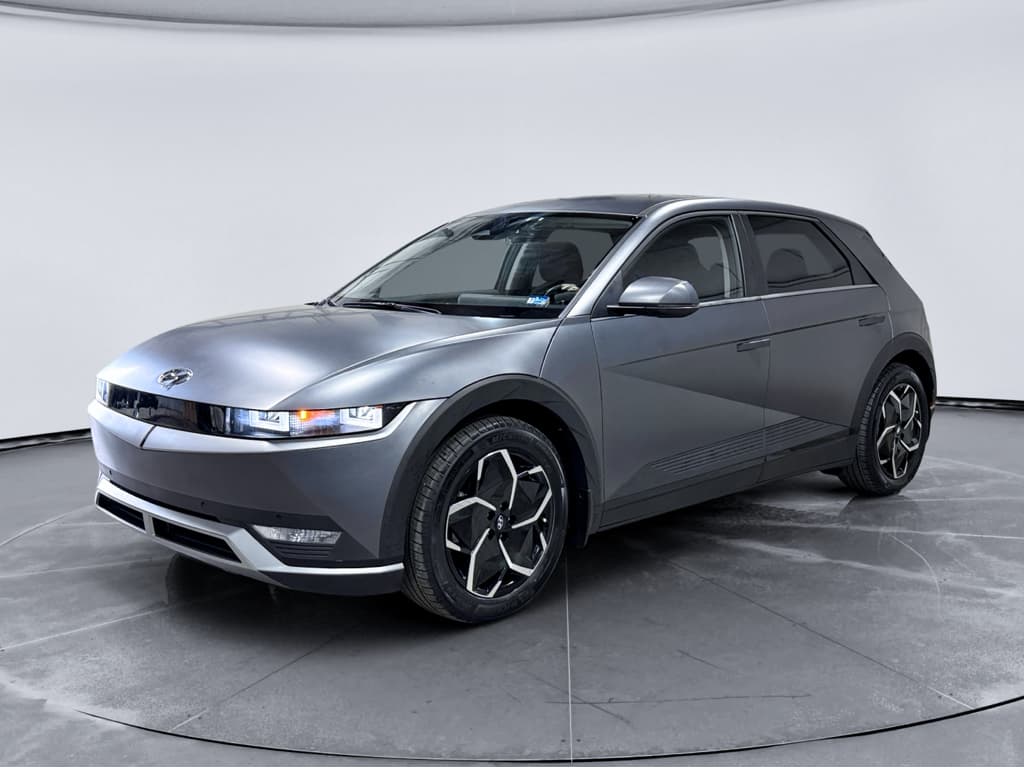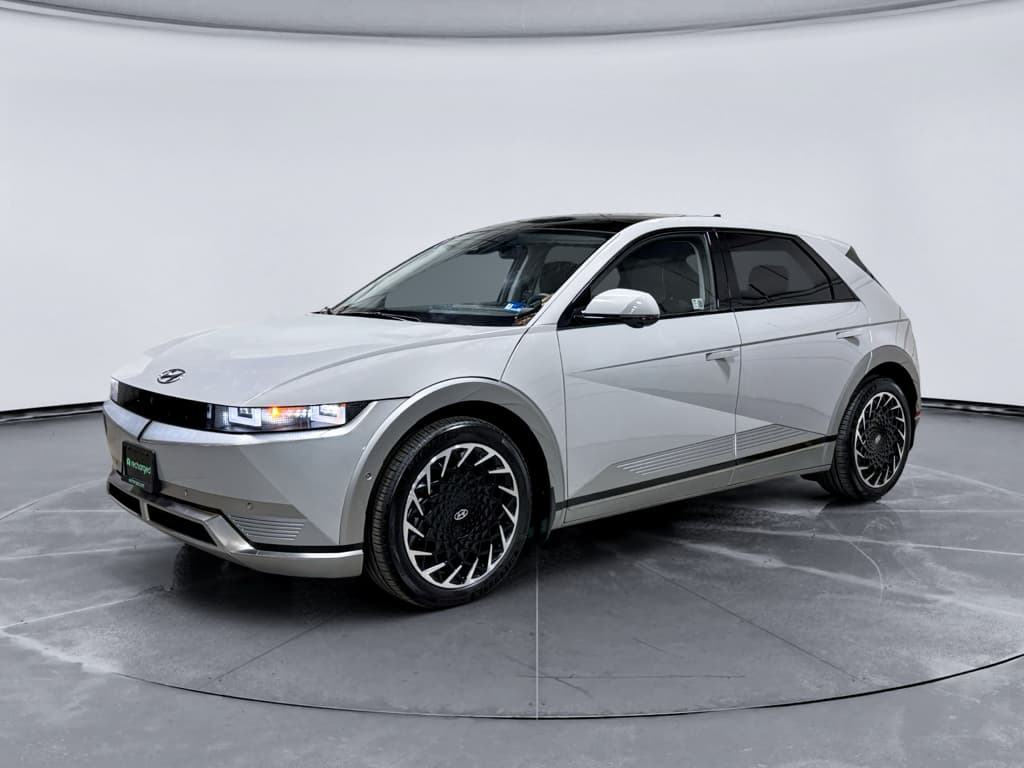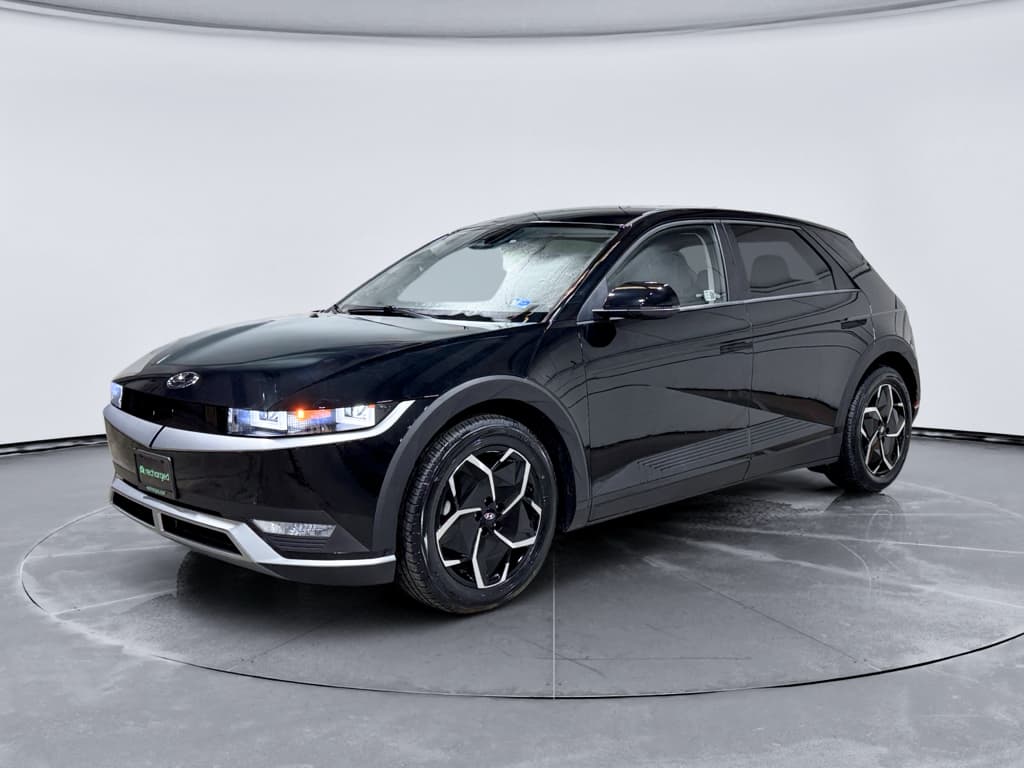
If you own or are eyeing a Hyundai IONIQ 5, you’ve probably heard about the ICCU recall and scary stories of cars dropping into limp mode after a loud “pop.” The good news: there is a clear path to getting this fixed. The bad news: the story is a bit more complicated than a single one-and-done recall, especially for used-vehicle shoppers.
Why this matters
Hyundai IONIQ 5 ICCU recall: the short version
- The IONIQ 5 uses an Integrated Charging Control Unit (ICCU) to manage DC‑to‑DC conversion and keep the 12‑volt system charged while you drive and charge.
- On affected vehicles, the ICCU or its associated fuse can overheat or fail, leading to warnings like “Check electric vehicle system”, loss of drive power, or a car that simply won’t charge.
- Hyundai and NHTSA have issued multiple recalls and service campaigns since 2023 covering 2023–2024 IONIQ 5s and related Hyundai/Genesis EVs, with newer campaigns adding more VINs as data comes in.
- Repairs typically involve software updates, inspection of the ICCU and fuse, and replacement of failed parts (and sometimes the 12‑volt battery) at no cost to you.
- Some owners report repeat failures or long waits for parts, so you’ll want a plan for transportation and documentation in case you’re stuck waiting.
- If you’re shopping used, you should verify that all ICCU campaigns and recalls are completed on that specific VIN, not just “for that model year.”
Key takeaway for safety
What the ICCU does in your IONIQ 5
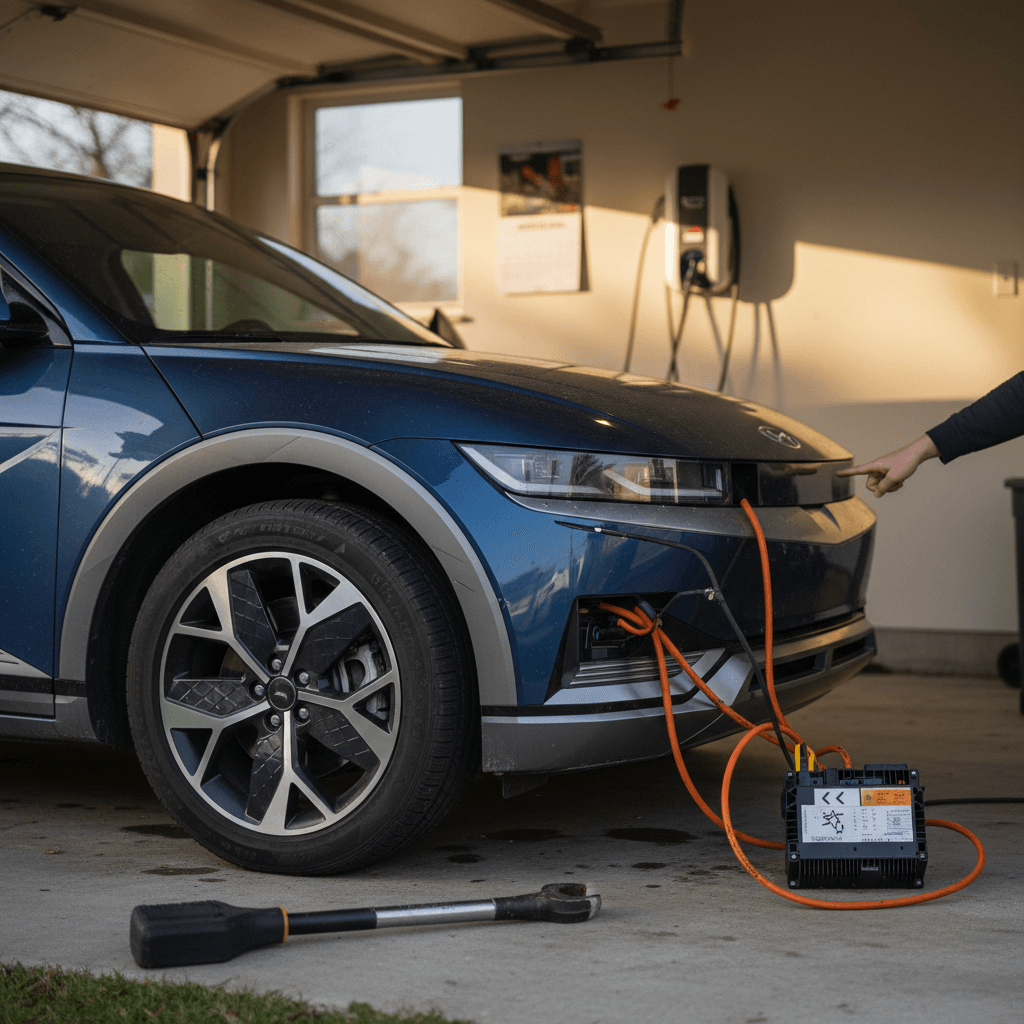
The Integrated Charging Control Unit sits between your high‑voltage battery pack and the rest of the car. In simple terms, it’s the traffic cop for energy flow. It takes high‑voltage DC from the main pack and converts it to the lower‑voltage power your 12‑volt battery and accessories need, and it coordinates with the onboard charger when you plug in.
1. Keeps the 12‑volt system alive
The IONIQ 5 still relies on a 12‑volt battery to run control modules, power steering, safety systems, and to close the high‑voltage contactors. The ICCU’s DC‑DC converter keeps that battery topped up while you drive.
2. Talks to the charger
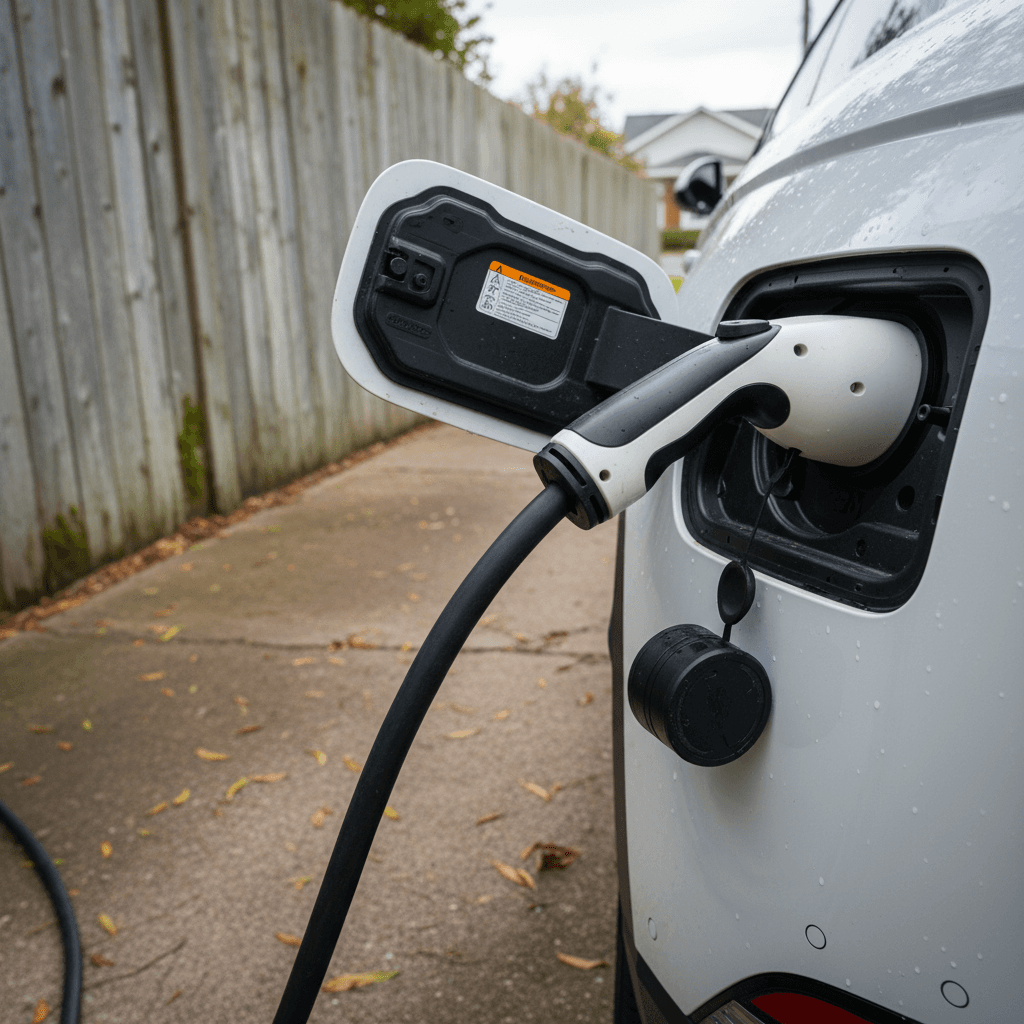
When you plug into AC or DC fast charging, the ICCU coordinates with the onboard charger, charge port, and battery management system. If it misbehaves, you can see charge failures, slow charging, or complete refusal to charge.
When the ICCU or its protective fuse fails, the car can no longer reliably power the 12‑volt system. That’s why so many owner stories mention a pop from the rear, warning messages, loss of drive power, and a dead or damaged 12‑volt battery that also has to be replaced.
Which Hyundai IONIQ 5 model years are affected?
Hyundai and NHTSA have issued several waves of recalls and service campaigns centered on ICCU failures. The specifics differ by campaign number, but the high‑level picture as of early 2026 looks like this:
Known ICCU‑related recall coverage for IONIQ 5
Always verify by VIN, recalls and campaigns don’t apply to every vehicle built in a given model year.
| Model | Approx. model years with ICCU actions | Typical action types* | Notes |
|---|---|---|---|
| Hyundai IONIQ 5 | 2023–2024 (multiple campaigns) | Safety recalls + service campaigns | ICCU inspection, fuse check/replacement, software updates, ICCU replacement if failed |
| Hyundai IONIQ 5 | Some 2025 builds | Service campaigns / software updates | Targeted by VIN; not every 2025 is covered, but owners still report sporadic ICCU issues |
| Other E‑GMP EVs (IONIQ 6, Genesis GV60, etc.) | 2023–2025 | Similar ICCU‑related recalls | Share core hardware with IONIQ 5, so issues and fixes are closely related |
Campaigns have expanded over time as more data came in, so a 2023 IONIQ 5 built early in the model year may be under different actions than one built later.
Campaign vs. recall
Common ICCU failure symptoms owners report
Because the ICCU touches both charging and low‑voltage power, failures don’t always look the same. Here are the most common patterns IONIQ 5 drivers describe when the ICCU or its fuse lets go:
Watch for these ICCU warning signs
If you see one or more of these, schedule service or a tow rather than hoping it will clear itself.
Limp mode & low‑speed limit
Sudden warnings such as “Check electric vehicle system” followed by the car dropping into a turtle or limp mode, often limiting you to around neighborhood speeds.
Pop sound from the rear
Many owners describe a distinct “pop” from the rear moments before warnings appear. That’s often the ICCU fuse blowing as it protects the rest of the system.
Charging failures
Car refuses to start charging on Level 2 at home or DC fast chargers, or stops unexpectedly. The car may say “charging unsuccessful” across multiple stations and cables.
Dead or failing 12‑volt battery
A weak or dead 12‑volt battery, especially on a relatively young car, can be a symptom of ICCU issues, not just a bad battery.
Cluster of electrical warnings
ABS, stability control, or driver‑assist alerts that pile up at the same time as EV system warnings can point back to low 12‑volt voltage caused by ICCU problems.
Repeat failures after recall
Some owners report an ICCU failure even after earlier recall work. That doesn’t mean your car is doomed, but it does mean you should document everything.
Don’t ignore early hints
Is it safe to keep driving if you see warnings?
From a safety standpoint, a failing ICCU is in the same category as a major engine or fuel‑system fault on a gas car. The vehicle may still move, but you don’t know how long it will keep doing so or what will fail next. Because the ICCU supports your 12‑volt system, it can affect steering assist, lighting, and safety systems if voltage drops far enough.
What to do if your IONIQ 5 shows EV system errors
1. Treat serious warnings as stop‑driving alerts
If you see “Check electric vehicle system”, a turtle icon, or multiple electrical warnings, assume the car may soon lose power rather than hoping it will clear.
2. Pull over somewhere safe
Move off the roadway to a safe shoulder or parking lot. Engage Park and set the parking brake before doing anything else.
3. Call Hyundai roadside assistance or your insurer
Use Hyundai’s roadside assistance, your insurance, or an auto club to get a flatbed tow to a Hyundai dealer. Avoid driving in limp mode unless you absolutely must move to safety.
4. Document everything
Take photos of the dash warnings, note date and mileage, and keep copies of tow receipts. This creates a paper trail if there are repeat failures or reimbursement questions.
5. Ask the dealer to check for ICCU campaigns
When you arrive, confirm they’ve checked all open recalls and service campaigns associated with your VIN, not just the current failure.
Good news on cost
What Hyundai’s ICCU recalls and campaigns actually cover
From late 2023 through 2025, Hyundai rolled out a series of ICCU‑related actions across the IONIQ 5 and its E‑GMP platform siblings. Depending on your VIN, your car may have been called in more than once. Here’s what these actions usually involve:
- Software updates to adjust how the ICCU and charging system manage power flow and to better detect fault conditions before hardware damage occurs.
- Inspection of the ICCU and associated high‑voltage fuse, sometimes with a proactive fuse replacement if certain conditions are found.
- ICCU replacement if diagnostics indicate failure or damaged components, often along with a new 12‑volt battery if it’s been stressed or drained.
- In some cases, broader EV system software updates (VCM, battery management, limp‑home logic) are bundled into the same service visit.
Ask exactly what was done
How to check if your IONIQ 5 is under an ICCU recall
Don’t guess based on model year or what you’ve read in forums. Two IONIQ 5s built just weeks apart can have different recall and campaign histories. Instead, check your specific VIN in a couple of places:
Two places every owner should check
Use both to see the full picture for your specific car.
1. NHTSA recall lookup
Go to the official NHTSA recall lookup site and enter your full 17‑digit VIN. This will show all federally reportable safety recalls that apply to your vehicle and whether they’ve been completed.
2. Hyundai owner portal / dealer
Create an account on Hyundai’s owner portal or call a Hyundai service department with your VIN. They can see Hyundai service campaigns and TSBs that might not appear in the NHTSA system.
Don’t rely on Carfax alone
What to expect from the recall repair visit
Dealer experiences vary, but most IONIQ 5 ICCU visits follow a similar playbook. Planning ahead will save you frustration, especially if parts are on back‑order in your area.
Typical ICCU visit timeline (when parts are available)
How to prepare for an ICCU recall or repair appointment
1. Ask about parts availability up front
If your car is still drivable, ask whether ICCU modules and related fuses are in stock. If not, you may want to schedule once parts arrive rather than parking the car for weeks.
2. Clarify transportation options
Ask if the dealer offers loaner vehicles, rideshare credits, or rental reimbursement while your car is down. Policies vary by dealer and by the nature of the repair.
3. Bring charging and failure notes
If you’ve seen specific charging errors or limp‑mode incidents, bring screenshots, dates, mileage, and station names. This helps the technician reproduce and document the issue.
4. Confirm all campaigns will be checked
Have the advisor print a list of all open recalls and campaigns on your VIN. Ask them to address everything in a single visit when possible.
Keep every repair order
Practical tips to reduce ICCU headaches
You can’t “drive around” a true hardware defect, but you can make life with an IONIQ 5 smoother while Hyundai continues to refine its fixes. These habits won’t magically bullet‑proof the ICCU, but they can reduce nuisance issues and make failures easier to resolve.
- Keep your software up to date. Ask at each service visit whether there are new ICCU or EV‑system updates, even if there’s no open recall.
- Use a dedicated, properly wired Level 2 circuit at home if possible. An electrician‑installed 240‑volt outlet or wallbox reduces the chance that upstream wiring issues confuse diagnosis.
- If you notice odd behavior, charge failures, repeated warning chimes, dim lights, log it immediately instead of hoping it disappears.
- Avoid repeatedly pushing the car in limp mode. Once it’s in a reduced‑power state, the car is telling you something is wrong. Limp to safety, then schedule a tow.
- Consider keeping a portable 12‑volt jump pack in the trunk. It won’t fix an ICCU failure, but it can get doors and electronics powered long enough to coordinate a tow.
Charging habits and ICCU stress
Shopping a used Hyundai IONIQ 5? Extra steps to take
The IONIQ 5 remains one of the most compelling EVs on the used market, great ride quality, roomy cabin, ultra‑fast DC charging, and strong efficiency. The ICCU saga doesn’t change that, but it does mean you need to be a little more careful than you might be with a simpler gas crossover.
Due‑diligence steps for used IONIQ 5 shoppers
Do these before you sign anything, whether you’re buying from a dealer, a marketplace, or a private seller.
1. Run the VIN through NHTSA & Hyundai
Check the VIN on NHTSA’s recall site and through a Hyundai dealer or owner portal. Confirm that all ICCU‑related recalls and campaigns show as “completed” or get written confirmation they’ll be done before delivery.
2. Ask for service history
Request repair orders showing what ICCU work has already been done, software updates, fuse inspections, or ICCU and 12‑volt battery replacements. Patterns of repeated failures without resolution deserve extra scrutiny.
3. Test both AC and DC charging
Arrange, if possible, a Level 2 charging session and a brief DC fast‑charge stop before purchase. Watch for “charging unsuccessful” messages or unusually early cut‑offs.
4. Road‑test for warnings
During a long test drive, watch for electrical or EV‑system warnings, odd noises from the rear, or flickering screens. Anything strange should be checked by a qualified EV technician before you buy.
5. Clarify warranty and buyback policies
Ask what happens if the car ends up waiting weeks for an ICCU. Does the seller offer loaners, return windows, or buyback protections above and beyond Hyundai’s warranty?
6. Prefer EV‑focused sellers
Shops that specialize in EVs are more likely to understand ICCU history and battery health, and to have already handled the recall work before listing the car.
Red flags on a used IONIQ 5
How Recharged de-risks a used IONIQ 5 purchase
If you like the IONIQ 5 but don’t want to become an unpaid test engineer, it helps to have a partner that lives and breathes used EVs. That’s where Recharged comes in.
Verified battery & charging health
Every vehicle on Recharged includes a Recharged Score Report with verified battery health and charging performance. Our diagnostics are built to flag abnormal behavior, so you’re not guessing about how the pack and charging hardware have been treated.
We road‑test and charge test vehicles, looking for the kinds of ICCU‑related symptoms owners talk about, unexpected charge failures, odd warning patterns, or slow DC‑fast charging where the car should be flying.
Recall checks & expert guidance
Before a vehicle is listed, our team checks for open safety recalls and campaigns by VIN and coordinates any needed dealer work. If you’re comparing a few IONIQ 5s, an EV specialist can walk you through how each car’s history and recall status stack up.
From there, we offer financing, trade‑ins, consignment, and nationwide delivery, so you can complete the entire purchase digitally, with a clear understanding of the car’s ICCU and charging history.
Try an IONIQ 5 the low‑stress way
Recharged data
Used Hyundai Ioniq 5 battery health
98%
avg remaining capacity
From Recharged battery inspections, not manufacturer estimates.
- Lowest
- 88%
- Median
- 100%
- Highest
- 100%
- Est. range
- 266 mi avg
- Cell balance pass
- 100%
- Quick charges
- 25 avg
- Slow charges
- 74 avg
Average cell imbalance: 2.8 mV
Based on vehicles Recharged tested as of Jul 23, 2026
Recharged data
Used Hyundai Ioniq 5 prices at Recharged
$28,599
median list price
Current list prices for matching inventory at Recharged.
- Lowest
- $25,598
- Average
- $29,448
- Highest
- $34,599
Average Recharged Score on these listings
4.9 / 5
Range
4.8 – 5.0
Based on available listings as of Jul 23, 2026
Ready to find your next EV?
Browse VehiclesHyundai IONIQ 5 ICCU recall: FAQ
Frequently asked questions about the IONIQ 5 ICCU recall
Bottom line: should the ICCU recall scare you away?
The Hyundai IONIQ 5’s ICCU saga is real, and it’s understandably rattled some owners. Any defect that can trigger sudden warnings, limp mode, or charging failures deserves to be taken seriously. At the same time, it’s important to keep the issue in context: EVs are complex machines, and the IONIQ 5’s strengths, fast charging, comfortable ride, generous space, remain very compelling, especially on the used market.
If you already own an IONIQ 5, your job is straightforward: get every ICCU‑related campaign or recall done promptly, document any symptoms, and push for clear communication from your dealer. If you’re shopping used, spend a little extra time on VIN checks, service history, and real‑world charging tests, or let a specialist like Recharged do that lifting for you.
Handled properly, the ICCU recall doesn’t have to be a deal‑breaker. It’s one more factor to weigh, as you would a known transmission campaign on a gas SUV. With solid information, careful inspection, and the right partner, you can still enjoy what the IONIQ 5 does best: quiet, efficient, and genuinely enjoyable electric miles.