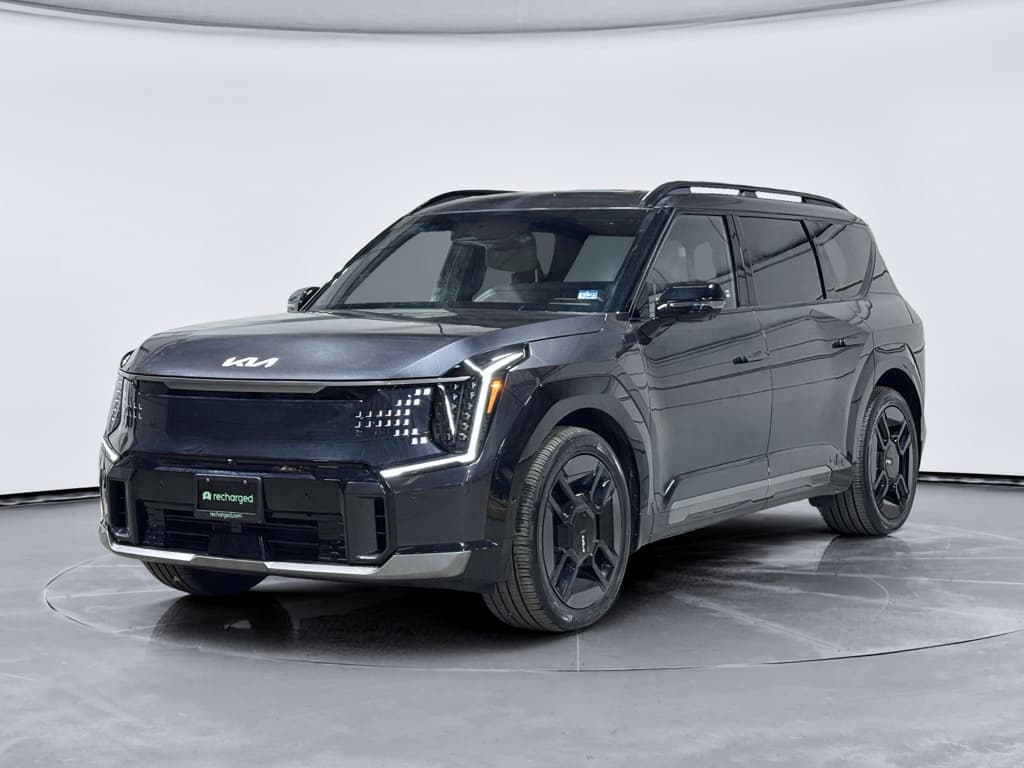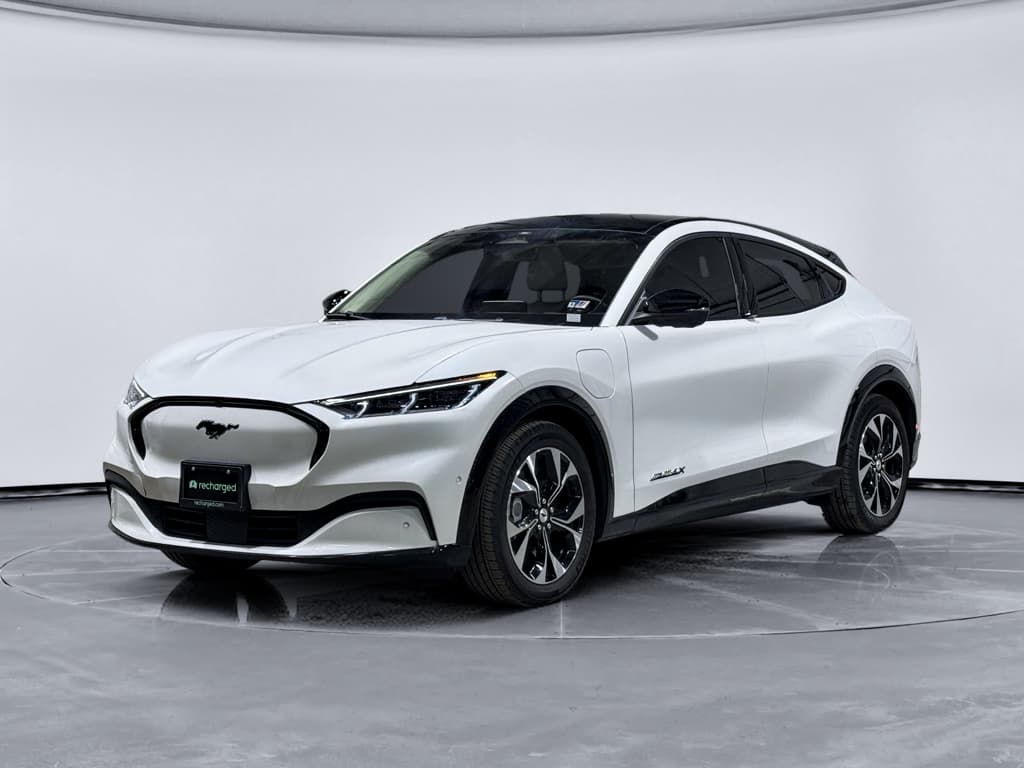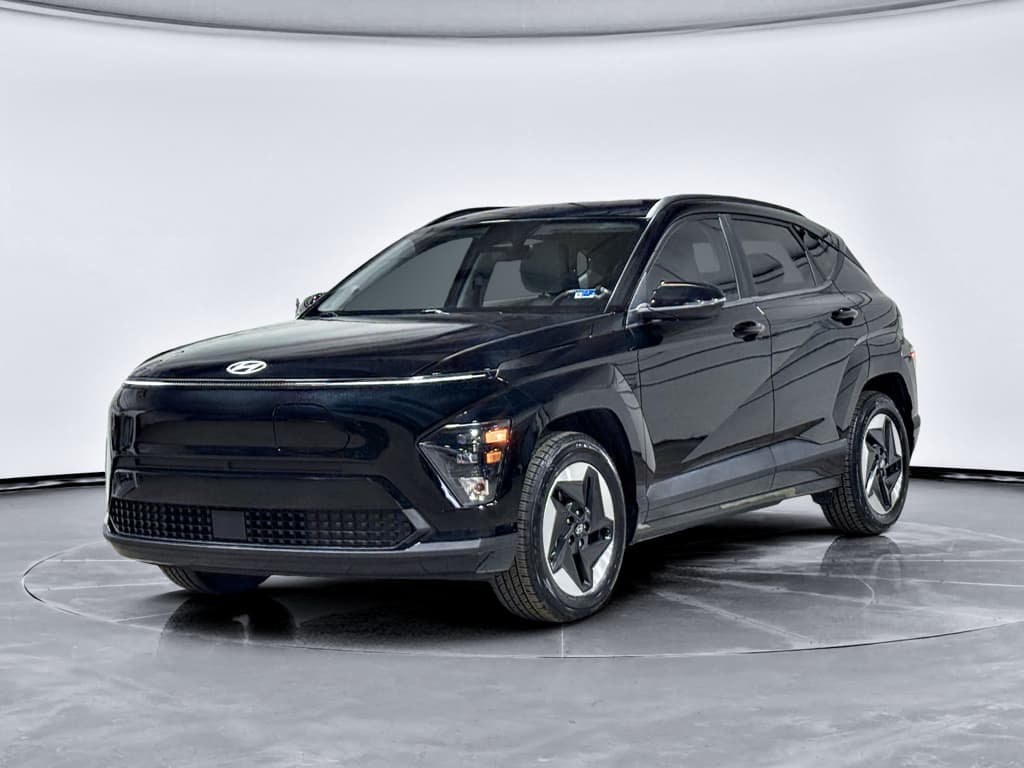
If you’re wondering **“will EV prices drop in 2026?”**, you’re not alone. After a few years of big swings in both new and used electric vehicle prices, many shoppers are trying to decide whether to buy now or sit tight and wait for better deals. The reality is nuanced: some EV prices are likely to keep easing, while others could flatten or even rise.
Context: 2026 is a transition year
Will EV Prices Drop in 2026? The Short Answer
- **Used EVs:** It’s reasonable to expect **continued price pressure** and softer values in 2026, especially for 2–5-year-old models coming off lease. Big double‑digit yearly drops are likely to moderate, but buyers should still see **better deals than they did in 2022–2023**.
- **New EVs:** Many brands have already slashed sticker prices and added discounts. In 2026, **further cuts are likely to be smaller and more targeted**, model by model, rather than across the board.
- **Overall:** Think of 2026 less as a “cliff” and more as an **extension of the cooling trend** we saw in 2024–2025, with used EVs doing most of the heavy lifting on affordability.
To understand where prices may head next, it helps to look at where we are today: new EV transaction prices, used EV depreciation, battery costs, and federal incentives.
Where EV Prices Stand Today (New vs. Used)
EV Pricing Snapshot Heading Into 2026
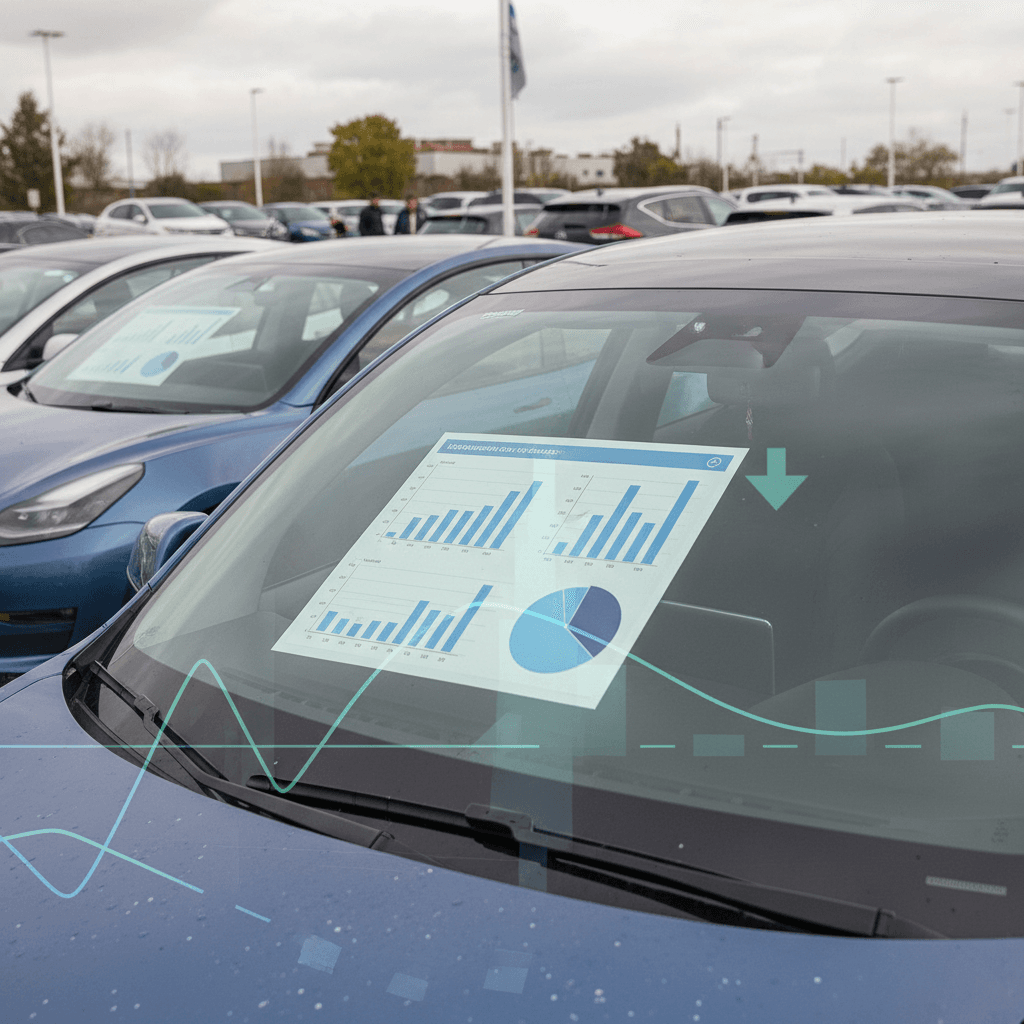
Used EV prices in particular have already done a lot of the “dropping” people are hoping for. Multiple studies in 2024–2025 found **battery‑electric vehicles depreciating faster than hybrids and gas cars**, with some one‑ to five‑year‑old EVs losing 15% or more of their value year over year while gas vehicles barely moved. At the same time, the average used EV price slid into the low‑$30,000 range even as overall used‑car prices held flat or rose slightly.
New EVs **have** become cheaper, but not as dramatically. Automakers like Mercedes cut MSRPs on some electric models by **$10,000–$15,000** heading into the 2026 model year, and a number of mass‑market brands layered on rebates, lower lease rates, and dealer discounts when inventories built up. Those moves narrowed, but did not erase, the price gap between EVs and comparable gas vehicles.
What’s Pushing EV Prices Down?
Key Forces Putting Pressure on EV Prices
These trends are especially important if you’re eyeing a 2–5‑year‑old used EV in 2026.
Cheaper Batteries
Faster Depreciation
Technology Turnover
Policy, Supply, and Consumer Shifts
These macro factors matter as much as the batteries themselves.
Incentive Whiplash
Rising Used Supply
More Educated Shoppers
Buyer tip
What Could Keep EV Prices From Falling Further?
Price trends are rarely one‑way streets. There are several forces that could **slow or even pause EV price declines** in 2026, especially if overall auto demand stays healthy.
1. Incentive Rollbacks and Policy Changes
In recent years, federal policy has been a major driver of EV affordability. When point‑of‑sale tax credits and state rebates are strong, they function like an instant discount on new EVs. But as some clean‑energy incentives, including EV tax credits, are scheduled to phase down or end in the mid‑2020s, automakers may be less aggressive about further price cuts if they can’t offset them with subsidies.
That doesn’t mean EVs suddenly get more expensive, but it **can slow the pace of price drops**, particularly on new models that are already priced closer to gas alternatives.
2. Production Cuts and Slower Model Rollouts
Several automakers have already announced **scaled‑back EV production plans** or delayed new launches after early sales targets proved too optimistic. If 2026 brings more production discipline, fewer unsold vehicles sitting on lots, that can **reduce the need for fire‑sale pricing** on new EVs.
Likewise, if brands pause niche EVs and concentrate on a handful of core models, used‑car supply in those lines may tighten down the road, helping residual values stabilize.
Don’t assume prices only go down
New vs. Used EVs in 2026: Who’s Likely to Drop More?
How 2026 Could Play Out: New vs. Used EV Prices
This high‑level view assumes a “base case” market, no major recession, no massive new incentives, and no sudden technology shock.
| Segment | What’s Likely in 2026 | Who Benefits Most |
|---|---|---|
| New mass‑market EVs (compact/crossover) | More modest discounting; most big MSRP cuts already made, with targeted rebates and lease deals instead of across‑the‑board price drops. | Shoppers willing to lease and stack incentives. |
| New premium EVs (luxury, performance) | Some room for additional price cuts and richer incentives if sales stay soft, especially on slow‑moving trims. | Value‑hunters shopping near year‑end or on outgoing model years. |
| Used 1–3‑year‑old EVs | Price softness continues, but annual percentage drops are likely smaller than 2023–2024. | Buyers who want late‑model tech but don’t need the latest facelift. |
| Used 4–7‑year‑old EVs | More off‑lease and trade‑in volume; older, shorter‑range models may see **steeper discounts** to move. | Budget shoppers and commuters focused on price over cutting‑edge features. |
Not a guarantee, but a directional guide based on recent trends from 2023–2025.
If history is any guide, the **used side of the market will continue to do most of the heavy lifting** on affordability in 2026. That’s especially true for earlier‑generation models with smaller batteries or slower charging speeds, where technology has clearly moved on.
Timing Your Purchase: Should You Wait or Buy Now?
Questions to Help You Decide When to Buy
1. How urgent is your need?
If you’re replacing a failing car or adding a vehicle for a growing household, **waiting 12+ months for a slightly better deal may not be worth the hassle**, especially with used EV prices already well below their 2022 peaks.
2. Are you set on a specific model?
Highly sought‑after trims (think long‑range crossovers with AWD) may not fall as much as the market average. If you’re picky on color, options, or brand, you risk **limited selection** if you wait too long.
3. Are you flexible on age and mileage?
If you’re open to a 3–6‑year‑old EV with more miles, you’re most likely to see **continued price softening in 2026**, especially as off‑lease inventory grows.
4. What’s happening with incentives in your state?
Some state and utility rebates are time‑limited or subject to budget caps. A solid **state rebate today can outweigh** any modest price dip you might get by waiting another year.
5. How important is warranty coverage?
Buying now may let you capture **more remaining factory battery warranty** on a 2–3‑year‑old EV. Waiting could mean cheaper prices, but also less built‑in protection if you buy older.
How Recharged can help you time it
Ready to find your next EV?
Browse VehiclesHow Much Could EV Prices Move in 2026?
No one can give you a precise percentage, but we can bracket **reasonable scenarios** based on what we’ve already seen from 2022–2025.
- **Used EVs (1–5 years old):** After 15–20%+ annual drops in some recent years, a **mid‑single‑ to low‑double‑digit decline** (say, 5–12%) during 2026 feels plausible for the market as a whole, heavier on older, less capable models.
- **New EVs:** With many major price corrections already behind us, **low‑single‑digit changes** (up or down) are more likely than another round of across‑the‑board double‑digit cuts. Most of the action will be in **incentives, lease money factors, and trim‑level discounts**, not published MSRPs.
- **Exceptions:** Scarce high‑demand EVs, or models that lose eligibility for any remaining tax benefits, could **buck the trend** by holding firm or even ticking up in price.
Remember total cost of ownership
How to Spot a Fair-Priced Used EV
If 2026 brings another year of soft used EV prices, that’s good news, but only if you can distinguish **“cheap for a reason”** from **“genuinely good value.”** Here’s how to do that.
Four Signals You’re Getting a Fair Deal
These checks matter more for EVs than for most gas cars.
1. Battery health is documented
2. Price lines up with the market
3. Range and charging match your life
4. History and warranty are clear
Red flags when shopping used EVs
FAQ: EV Prices and the 2026 Outlook
Frequently Asked Questions About 2026 EV Prices
Bottom Line on 2026 EV Prices
Looking ahead, the best way to think about 2026 isn’t as the year EV prices suddenly collapse, but as a **continuation of a market reset that’s already well under way**. Used EVs are likely to **keep getting gradually more affordable**, thanks to depreciation, growing off‑lease inventory, and ongoing battery‑cost improvements. New EVs, meanwhile, may see more subtle changes driven by incentives, production decisions, and model‑by‑model demand.
If you’re shopping for an electric car, that means your focus should shift from trying to time the absolute bottom of the market to **finding a specific vehicle that’s priced fairly, fits your life, and has a healthy battery**. Tools like the Recharged Score Report, transparent battery diagnostics, and expert EV‑specialist support can take a lot of the guesswork out of that decision, whether you end up buying in 2025, 2026, or beyond.