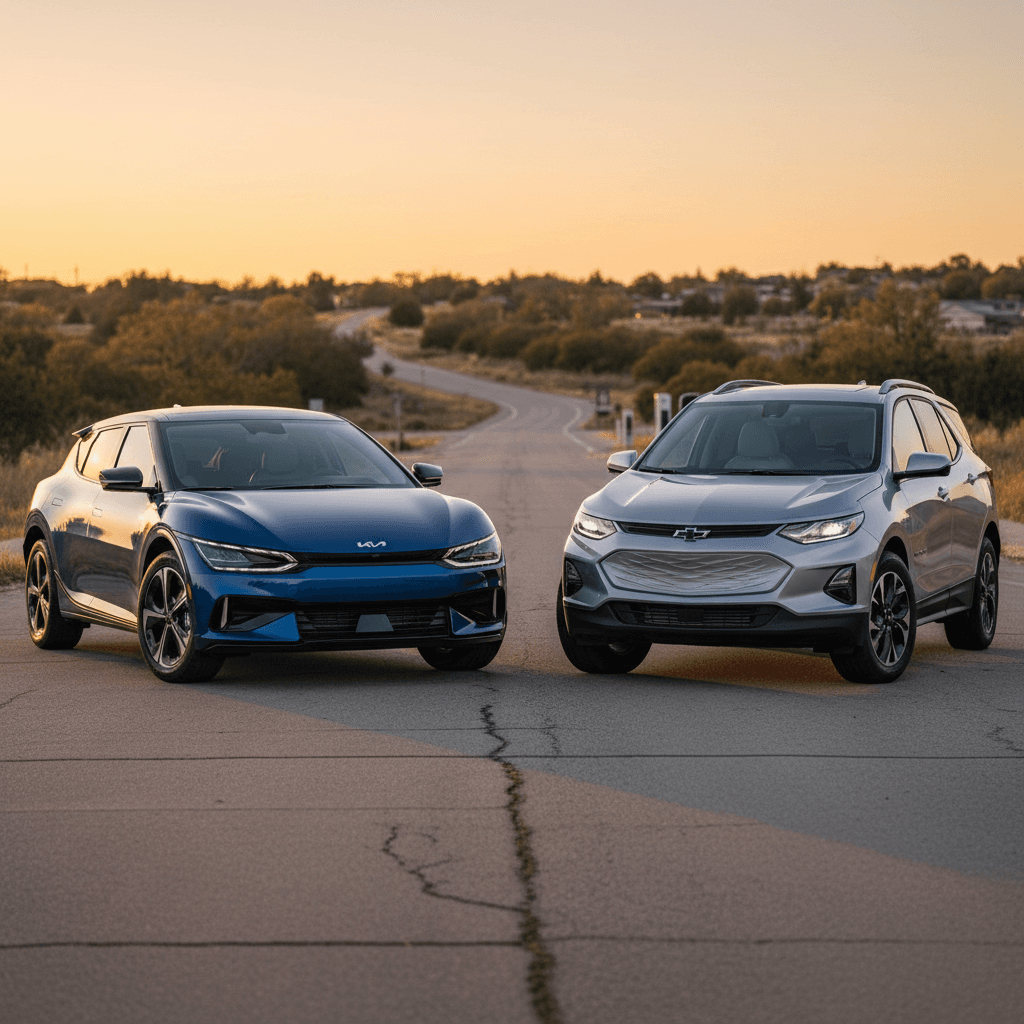
Shopping for a used electric SUV and stuck between a used Kia EV6 and a used Volkswagen ID.4? You’re not alone. These two have quietly become the go-to alternatives to a Tesla Model Y on the used market, but they approach the job very differently. Understanding those differences, range, charging speed, space, reliability and depreciation, will make it much easier to pick the right one for you.
Both are strong choices, just for different buyers
Overview: Used Kia EV6 vs VW ID.4
On the U.S. used market, you’ll mostly see 2022–2024 model‑year Kia EV6 and Volkswagen ID.4 examples. Newer EV6s offer up to about 310 miles of EPA range depending on trim and battery, while 2024 ID.4s with the larger 77 kWh pack top out around 291 miles in rear‑drive form. The EV6 rides on an 800‑volt architecture that supports extremely fast DC charging (Kia quotes about 10–80% in roughly 18 minutes on a strong fast charger), whereas the ID.4’s 400‑volt system is noticeably slower, closer to 30 minutes for a similar 10–80% charge on recent models.
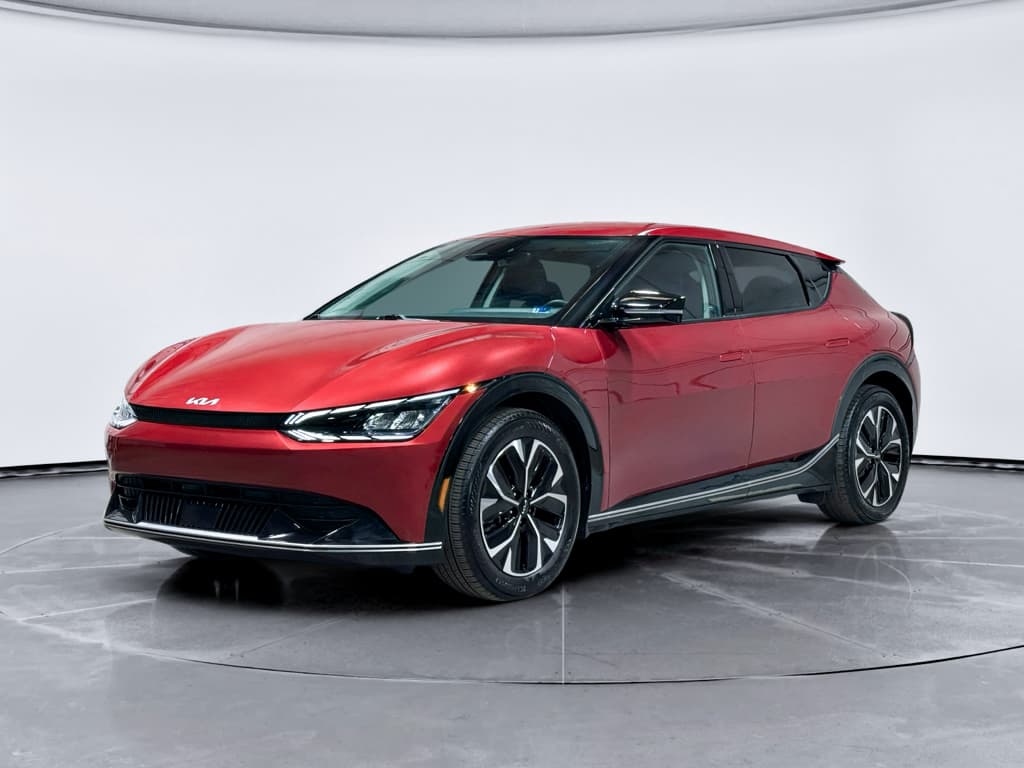
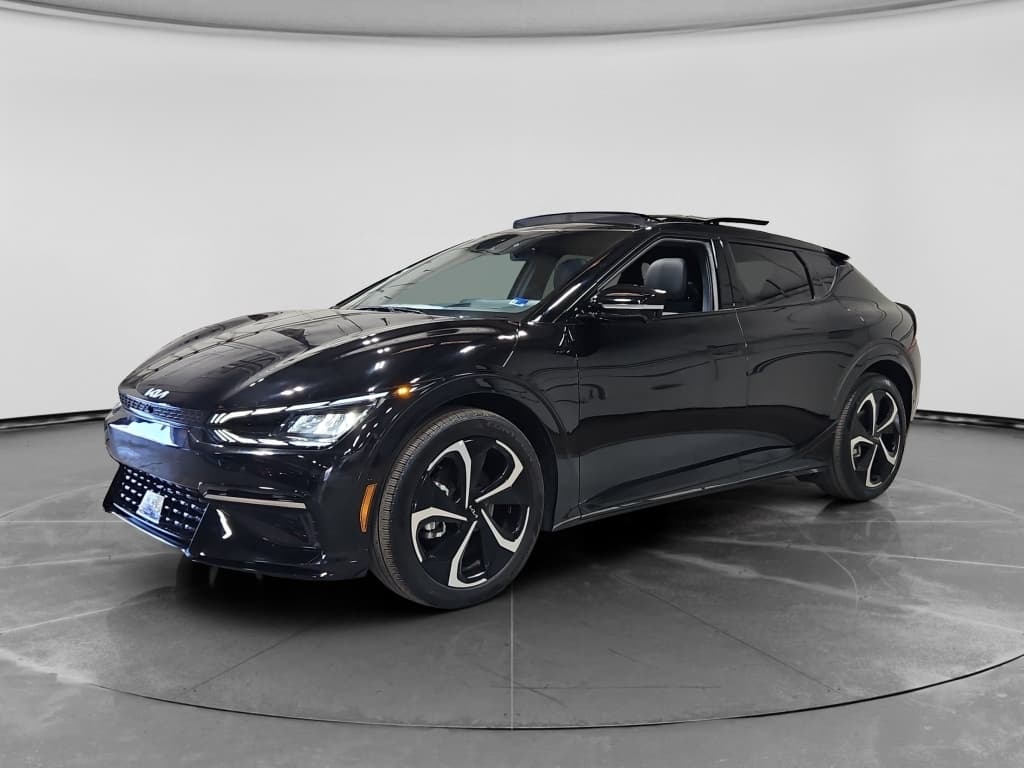
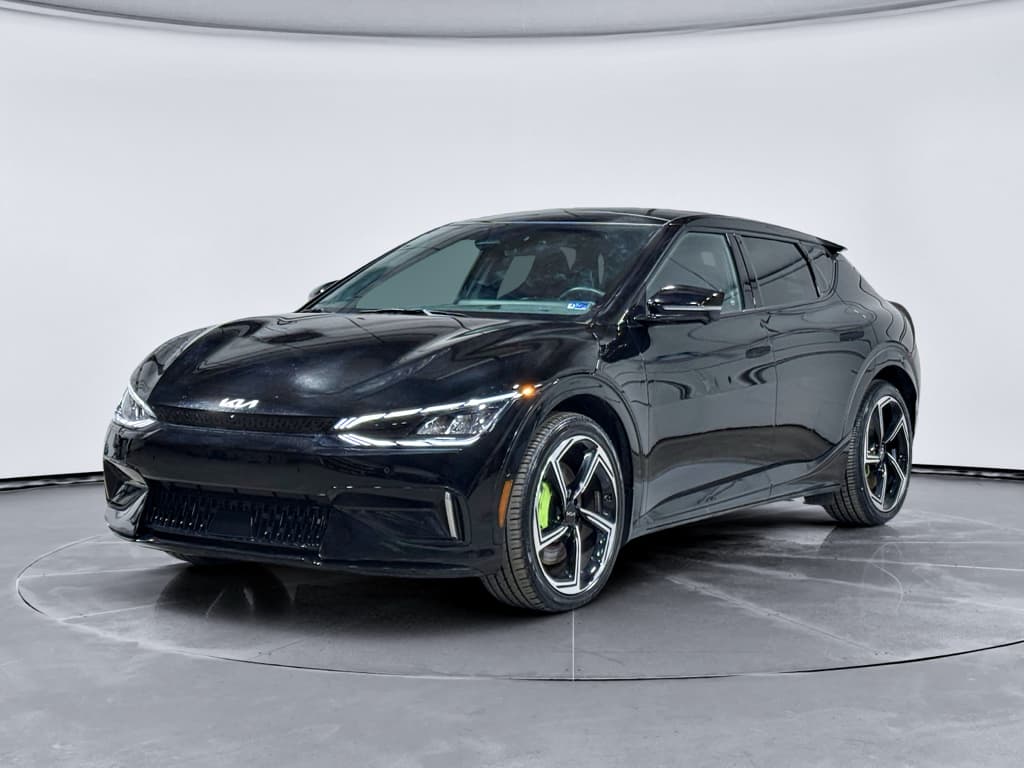
Both are compact-to-midsize crossovers with seating for five and decent cargo room. The EV6 looks and feels more like a low, sporty wagon; the ID.4 is the more traditional upright SUV. That difference shows up in visibility, rear‑seat headroom and how easy it is to live with every day.
Quick answer: Which used EV SUV fits you?
Who should choose a used Kia EV6 vs VW ID.4?
Match each SUV to how you’ll actually use it.
Choose a used Kia EV6 if…
- You want longer range and ultra‑fast DC charging for road trips.
- You like a sporty driving feel and more power.
- You’re okay with a lower, more car‑like driving position.
- You value modern tech and styling over maximum cargo boxiness.
Choose a used VW ID.4 if…
- You prioritize comfort, visibility and easy access.
- Most of your driving is city or suburban errands.
- You want a familiar, upright SUV feel with good rear headroom.
- You’re likely to charge mostly at home Level 2, not live on fast chargers.
When either could work
- Daily commute under ~60 miles round trip.
- Ability to charge at home or work.
- Flexible on styling and badge, but want a mainstream EV SUV.
- You care more about a healthy battery and good price than brand loyalty.
Specs at a glance: Used EV6 vs ID.4
Key specs snapshot (common U.S. trims)
Approximate specs for popular 2023–2024 Kia EV6 and VW ID.4 trims you’ll frequently see used. Always verify exact details for the VIN you’re considering.
| Model / trim (typical used) | Battery (usable kWh, approx.) | EPA range (mi) | DC fast charge 10–80% (ideal) | Drive layout |
|---|---|---|---|---|
| Kia EV6 Light Long Range RWD | 77.4 | Up to 310 | ~18 min | RWD |
| Kia EV6 Wind / GT-Line AWD | 77.4 | ~252–282 | ~18–20 min | AWD |
| VW ID.4 Standard (58 kWh) RWD | 58 | ~206 | ~30 min | RWD |
| VW ID.4 Pro / S (77 kWh) RWD | 77 | Up to ~291 | ~30 min | RWD |
| VW ID.4 Pro / S AWD | 77 | ~263 | ~30 min | AWD |
Numbers vary slightly by wheel size and configuration; use this as a directional guide.
Used‑car tip
Range and efficiency in the real world
On paper, long‑range versions of the Kia EV6 offer some of the best range in the segment. Rear‑drive trims with the larger pack are rated up to about 310 miles, with all‑wheel‑drive variants in the mid‑200s depending on wheels and trim. In independent testing, the EV6 usually tracks fairly close to its EPA numbers at mixed speeds, especially in milder weather.
The Volkswagen ID.4 with the larger 77 kWh battery generally tops out around 291 miles EPA in RWD form and about 263 miles with AWD. Base 58 kWh versions sit closer to 206 miles. In highway testing, AWD ID.4s tend to deliver something in the 230–250 mile ballpark on a full charge in good conditions, which is workable but not class‑leading.
Where the EV6 pulls ahead
- Longer highway legs: Especially in RWD long‑range trims, you’ll usually go farther between fast‑charge stops than in a comparable ID.4.
- Less penalty for larger wheels: Big wheels still cost range, but the EV6’s strong baseline helps offset it.
- Future‑proof batteries (2025+): Newer EV6 model years bump battery capacity slightly higher, which will trickle into the used market over time.
Where the ID.4 is "good enough"
- If your daily driving is under ~80 miles and you charge at home, even the 58 kWh ID.4 can be perfectly adequate.
- Shorter range matters less in dense urban areas with plenty of public charging.
- AWD ID.4s still make sense for buyers in snow states who value traction more than absolute range.
Cold‑weather reality check
Charging speed and road‑trip usability
The EV6 is one of the fastest‑charging used EVs you can buy today. Thanks to its 800‑volt architecture, it can add roughly 10–80% in about 18 minutes on a high‑power DC fast charger. That can mean 200+ miles of added range in the time it takes you to use the restroom and grab a coffee, if the charger is working as advertised.
The VW ID.4 improved its DC charging speeds for the 77 kWh battery in later model years, but it still runs on a 400‑volt system. You’re usually looking at roughly 30 minutes for 10–80% on a strong fast charger. That’s respectable, but if you road‑trip a lot, those extra 10–15 minutes per stop add up over a long day.
Charging experience snapshot
Road‑trip pro tip
Space, comfort and interior tech
Kia EV6: Futuristic and sporty
- Driving position: Lower, more car‑like. Great if you like a sporty feel, less ideal if you want a commanding SUV view.
- Rear seat: Adequate legroom, but headroom can be tight for taller passengers because of the sloping roofline.
- Cargo: Liftgate opening is more hatchback‑like. Plenty of space for luggage or groceries, but bulky items can be easier in the ID.4.
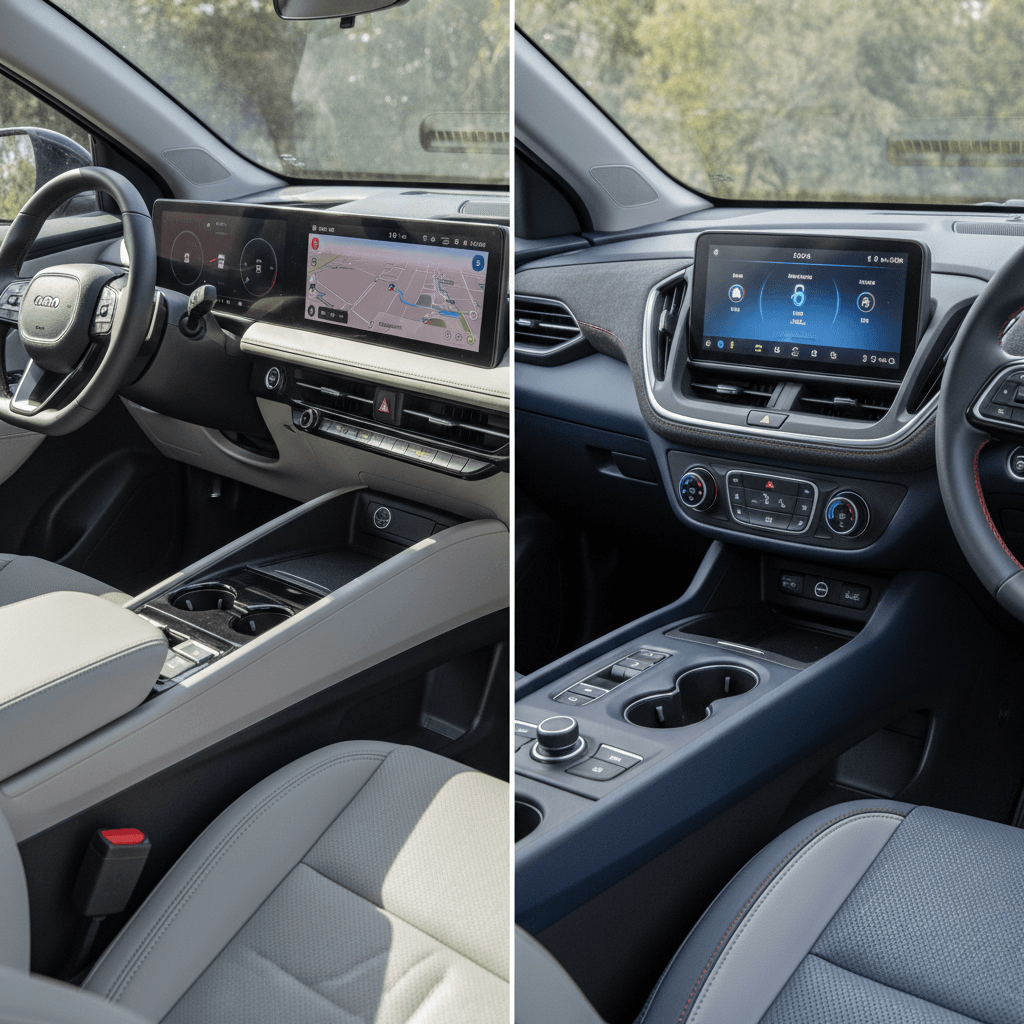
- Tech: Wide dual screens and modern UI. Most used examples support wireless phone integration and over‑the‑air updates, depending on trim and year.
VW ID.4: Friendly and familiar
- Driving position: Traditional upright SUV stance with great visibility and easy entry/exit, especially for older passengers.
- Rear seat: Better headroom and easier child‑seat loading thanks to the boxier roofline.
- Cargo: Squarer cargo area makes strollers, boxes and pets easier to manage.
- Tech: Big central touchscreen, but early software got mixed reviews for lag and confusing menus. Later updates helped, but you’ll want to test every function on a used one.
Family‑use perspective
Driving experience and performance
The Kia EV6 leans into performance more than most mainstream EV SUVs. Even mid‑range dual‑motor trims feel punchy, and the high‑performance GT variant is genuinely quick by any standard. Steering is direct, and the chassis feels composed on a back road while still being comfortable enough for commuting.
The VW ID.4 is tuned more for comfort and calm. Power is adequate rather than thrilling, especially in early 58 kWh versions. The ride is generally relaxed, noise levels are low, and it feels planted, but you don’t get the same eagerness as in an EV6.
How they feel from behind the wheel
Subjective impressions that matter when you’ll own the car for years.
Kia EV6
- Stronger acceleration in most trims.
- Sportier steering and handling.
- Low center of gravity and composed ride.
- Best choice if you care about driving fun.
VW ID.4
- Softer, more relaxed ride quality.
- Light steering, easy to maneuver in town.
- Less road and wind noise on most surfaces.
- Best choice if you value comfort first.
Reliability, recalls and battery health
Both models are still relatively young in the U.S. market, so long‑term reliability data is limited. Early owner reports and service bulletins give us some useful clues, especially for a used‑EV buyer trying to avoid headaches.
Kia EV6 reliability snapshot
- Built on the same E‑GMP platform as Hyundai Ioniq 5 and Kia EV9, which have generally solid early reliability.
- Battery packs have not been associated with major widespread defect campaigns in the U.S. so far.
- Software updates have addressed some minor infotainment and charging‑curve quirks.
- Battery warranty coverage is typically 10 years / 100,000 miles from original in‑service date, which carries over to used buyers.
VW ID.4 reliability snapshot
- Early ID.4s were known for software glitches, slow boot times, random resets, driver‑assist warnings. Many have been improved via updates, but not all owners report complete fixes.
- In early 2026, VW announced a recall for tens of thousands of ID.4s (2023–2025) related to potential high‑voltage battery fire risk, including some cases requiring battery or module replacement.
- As with Kia, VW typically offers an 8–10 year high‑voltage battery warranty, but recall‑related work can mean extra dealer visits.
Pay attention to ID.4 battery recalls
How Recharged manages battery risk
Depreciation and used pricing
EVs have generally depreciated faster than comparable gas SUVs over the last few years, and both the EV6 and ID.4 are no exception. The bright side for you as a used buyer: that rapid early depreciation can translate into strong value, especially once software bugs have been ironed out and recall work is complete.
Used Kia EV6 pricing trends
- New EV6s started in the low‑to‑mid $40,000s for 2024 model year Light trims, with higher GT-Line and GT versions stretching into the $60,000+ range.
- Used examples have already fallen significantly from MSRP, especially 2022–2023 units as more inventory hits the market.
- Because the EV6 offers strong range and fast charging, demand is holding reasonably well versus some other EVs, which can help future resale if you plan to sell in a few years.
Used VW ID.4 pricing trends
- New ID.4s with the smaller battery pack launched in the low $40,000s, with better‑equipped 77 kWh models priced higher.
- Heavier early‑life software complaints and recent high‑voltage battery recalls have put more pressure on used prices in some markets.
- That can make a used ID.4 look like a bargain on the surface, just be sure any recall and software work is fully up to date.
Value vs risk
Ownership costs and everyday usability
Running costs for a used EV6 or ID.4 are broadly similar. Both avoid oil changes and most traditional engine maintenance. Tires, brake fluid, cabin filters and occasional software updates dominate routine service. Insurance and registration costs will depend on your ZIP code, driving record and how your state treats EVs.
What you’ll spend money on after you buy
The cost picture for a used EV6 and ID.4 looks more alike than different.
Electricity
Maintenance
Insurance & warranties
Stretching your EV budget
How to choose: EV6 vs ID.4 for your use case
Match each SUV to how you drive
Daily commuter (mostly city/suburban)
Both models work well if you can charge at home or work.
ID.4’s upright shape and visibility make errands and parking easy.
EV6 gives you more style and faster charging for occasional long days.
Frequent road‑tripper
Lean strongly toward a <strong>long‑range Kia EV6</strong> (RWD or AWD).
Faster DC charging and slightly better range make trips smoother.
If you consider an ID.4, look for the 77 kWh pack and newer software.
Family hauler with kids and gear
ID.4’s boxier cargo area and easier child‑seat loading are big pros.
EV6 still works well if your kids are younger or you pack lighter.
Check rear‑seat headroom in the EV6 if you have tall teens.
First‑time EV buyer, nervous about risk
For both models, focus on <strong>battery health, warranty status and recall history</strong> more than trim names.
A Recharged Score Report or similar independent battery test is worth prioritizing over saving a small amount on purchase price.
If you don’t want to track battery recalls closely, the EV6 may be the simpler ownership story.
Checklist for comparing individual used EV6 and ID.4 listings
1. Confirm battery size and range
Is it a short‑range or long‑range version? On ID.4, 58 kWh vs 77 kWh matters a lot. On EV6, check whether it’s the base 58 kWh Light or a 77+ kWh trim.
2. Review battery health data
Ask for a <strong>recent battery‑health report</strong>. On Recharged, that’s included in the Recharged Score, so you’re not guessing about degradation.
3. Check software and recall history
For ID.4 especially, confirm all software campaigns and the latest high‑voltage battery recall work are completed. Keep documentation.
4. Verify remaining factory warranty
Use the VIN and in‑service date to confirm how much of the battery and bumper‑to‑bumper coverage is left. This can vary a lot between otherwise similar cars.
5. Test every tech feature
Pair your phone, test navigation, driver‑assist features, cameras and charging port operation. You want to uncover quirks before you buy, not after.
6. Drive the exact car you’re buying
Acceleration, brake feel, wind noise and ride quality can differ by wheel size and tires. A short but focused test drive will highlight whether the car fits your expectations.
How Recharged helps you shop smarter for either model
Buying a used EV shouldn’t feel like a science experiment. At Recharged, our entire platform is built around making used‑EV ownership simple and transparent, whether you land on a Kia EV6, a VW ID.4, or another model entirely.
What you get when you shop for an EV6 or ID.4 with Recharged
More than just a listing, it's an EV‑specific buying experience.
Recharged Score battery diagnostics
Fair, market‑based pricing
EV‑specialist support & delivery
Ready to find your next EV?
Browse VehiclesFAQ: Used Kia EV6 vs VW ID.4
Frequently asked questions
Bottom line: Which used EV SUV is better?
If you want the stronger all‑around EV package on the used market, longer range, much faster fast‑charging, sportier driving and fewer major battery‑recall headlines so far, the used Kia EV6 is the safer default recommendation. It’s the one most road‑trippers and tech‑forward buyers end up preferring once they’ve driven both.
If your priorities are comfort, upright seating, easy child‑seat loading and a lower upfront price, a well‑sorted VW ID.4 with documented recall and software history can be a smart value play. It’s especially compelling if most of your miles are around town and you’re less concerned with ultra‑fast highway charging.
Either way, the smartest move is to compare specific cars, not just nameplates. Tools like the Recharged Score Report, EV‑specialist guidance, and transparent pricing can help you see beyond the badge to the actual health, history and value of the EV6 or ID.4 you’re about to make part of your daily life.