If you’ve been watching the market and wondering why used Tesla prices are dropping, you’re not imagining things. In just a few years, cars that once sold for eye‑watering premiums are now sitting on lots with price tags that look almost ordinary, and sometimes downright cheap.
The short answer
Overview: Why used Tesla prices fell so fast
Tesla spent years as the default choice if you wanted an electric car with real range and fast charging. That dominance let used Teslas command big premiums. Starting in 2022, the ground shifted. Tesla slashed new‑car prices multiple times, more brands launched compelling EVs, and early adopters started trading out of their cars in large numbers. The result: a classic oversupply story in the used market.
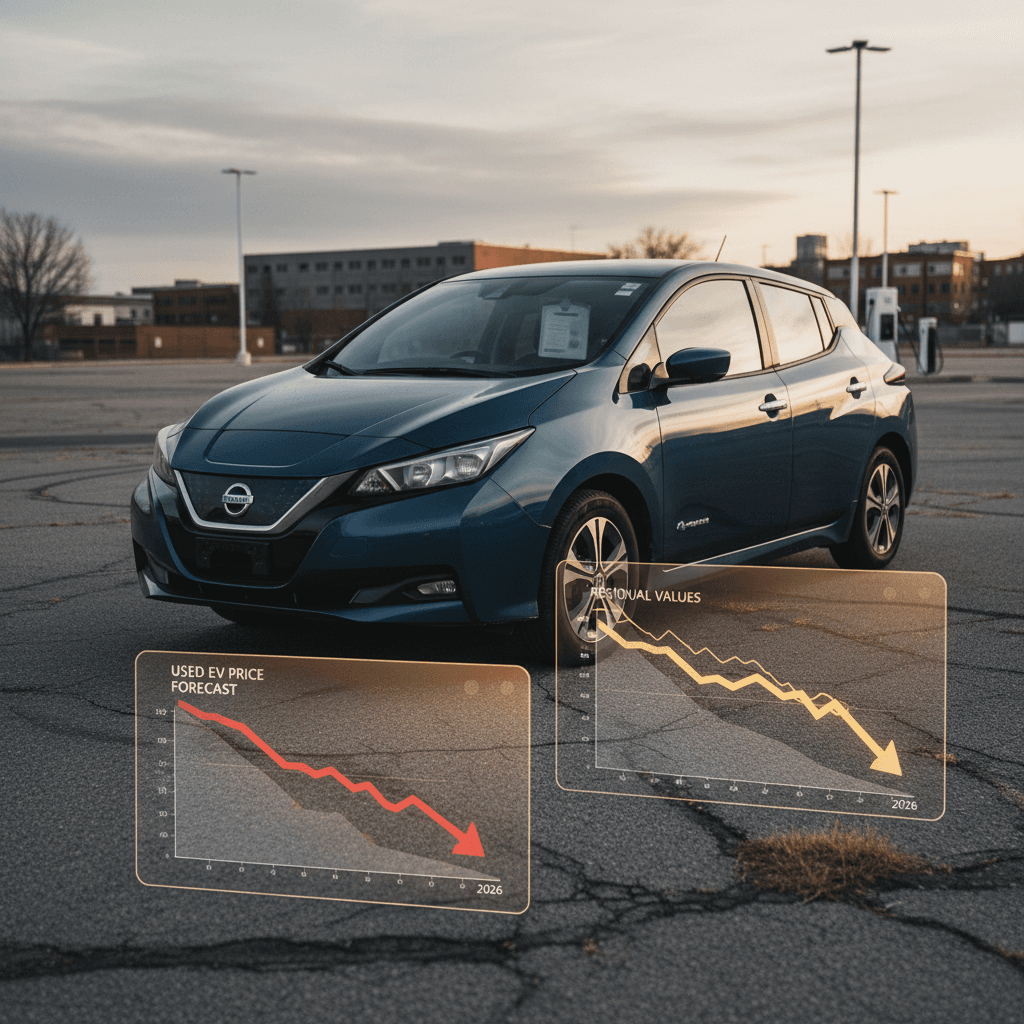
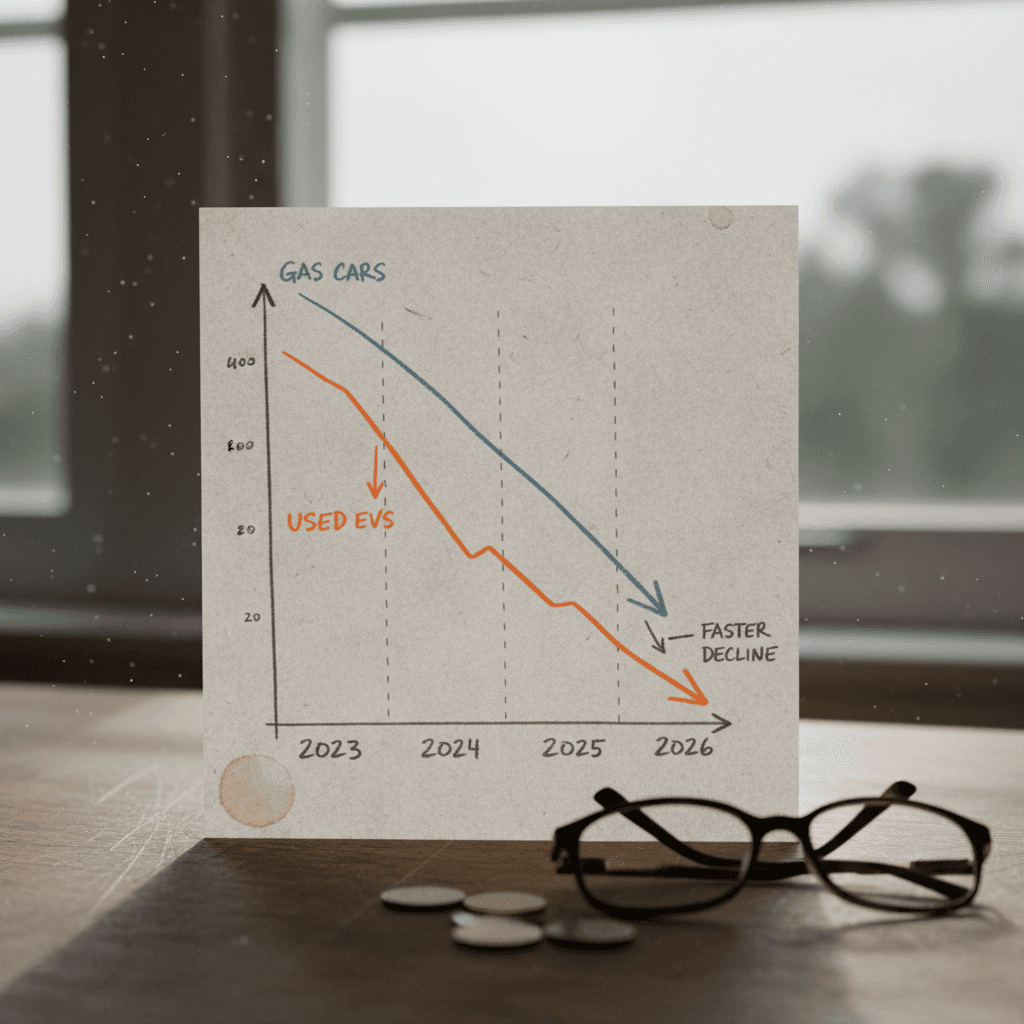
By 2024–2025, analysts were reporting that used EV prices overall had fallen roughly 40% since 2022, and used Teslas were among the biggest decliners. In many cases, Teslas lost value two to three times faster than the average gasoline car over the same period. Shocking for owners; a rare buying opportunity for you.
Used Tesla price slide at a glance
How far have used Tesla prices actually dropped?
Numbers vary by region and trim, but a few patterns stand out when you look at real‑world listing data from 2023–2025:
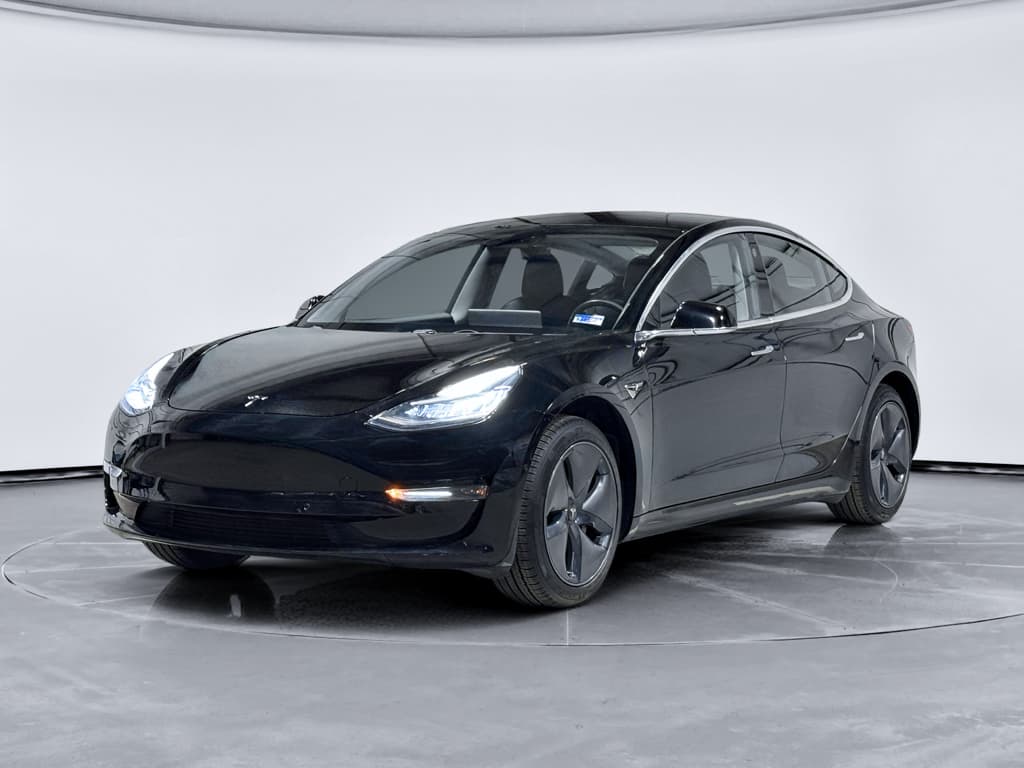
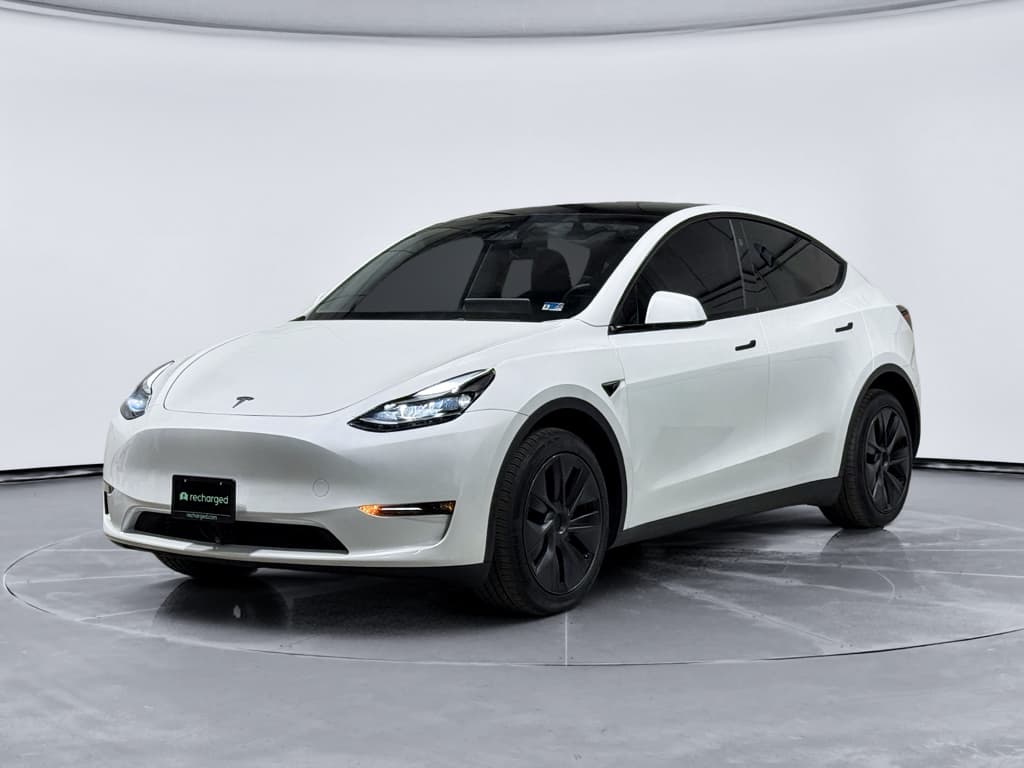
- The average used Model Y fell from peak prices down to roughly the low‑$30,000 range by 2025, with some cars under $30,000 depending on mileage and spec.
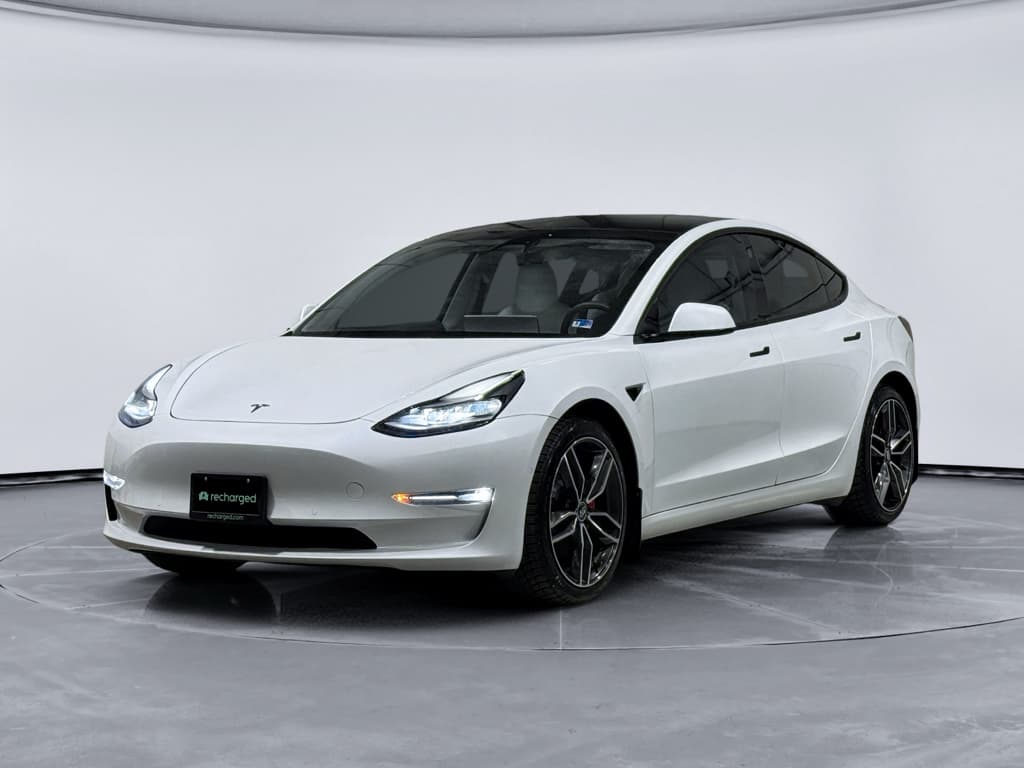
- Early Model 3 sedans that once lived in the mid‑$30,000s started showing up below $20,000, with high‑mileage examples dipping toward $15,000.
- Larger, more expensive models, Model S and Model X, saw the steepest dollar losses, often shedding well over $50,000 of value in their first five years.
On top of that long slide, sharp quarterly drops, 3–8% at a time, became common whenever Tesla rolled out another round of new‑car discounts or when large fleets dumped vehicles into the wholesale market.
Don’t confuse today with yesterday
9 forces pushing used Tesla prices down
No single switch flipped to make used Teslas cheap. It was nine separate levers moving at once. Understanding them helps you read where the market goes next.
The main drivers behind falling used Tesla prices
From factory decisions to driveway emotions, here’s what changed.
1. Aggressive new‑car price cuts
2. A wave of trade‑ins and off‑lease cars
3. More EV competition than ever
More subtle, but powerful, forces
These didn’t make the headlines, but they move prices just the same.
4. Technology aging fast
5. Charging landscape is shifting
6. Higher interest rates and payment fatigue
Sentiment, policy, and brand factors
Less tangible, but very real at trade‑in time.
7. EV fatigue for some shoppers
8. Changing incentives and policy noise
9. Brand and political headwinds
What’s changing in 2025–2026, are prices still dropping?
By early 2026, the story gets more nuanced. After years of steady decline, used Tesla prices actually bumped up a few percentage points in late 2025 and early 2026, right after the federal used‑EV and new‑EV tax credits expired. For a moment, Teslas moved against the wider used‑EV market, which kept softening.
That doesn’t erase the big drops already in the books, but it does suggest we may be approaching a floor for many models, especially clean, lower‑mileage Model 3 and Model Y examples. Think of it less as a rocket falling from the sky and more as a ball bouncing along the ground: values can still wiggle up or down, but the huge air is gone.
Key takeaway for timing
What this means if you want to buy a used Tesla
Falling prices are obviously bad news if you bought at the peak, but if you’re shopping now, you’re driving into the sweet spot. Here’s what the downturn means for you as a buyer:
- Prices are finally in reach. A car that cost $55,000 new a few years ago might now sit in the low‑$30,000s, or far less if it’s older or has more miles.
- You have leverage. With more used EVs on the market and fewer shoppers in line, you can negotiate harder, walk away more often, and insist on documentation like service records and battery‑health reports.
- You can be picky. Instead of fighting over the one Model 3 within 200 miles, you can choose trim, color, wheel size, and options that actually fit your life.
Where Recharged fits in
Ready to find your next EV?
Browse VehiclesWhat this means if you own or plan to sell a Tesla
If you already own a Tesla, the depreciation headlines sting, but you still have choices. Your strategy depends on whether you’re upside‑down on your loan, how long you plan to keep the car, and how strong its battery and cosmetic condition are.
If you can afford to hold
Keeping your Tesla for several more years lets you spread that early depreciation over more miles. The longer you drive the car past its steepest value‑loss years, the lower your cost per mile becomes, especially if you charge cheaply at home.
Focus on staying ahead of maintenance items that affect resale: tires, brakes, cosmetic repairs, and software updates.
If you need or want out soon
If your lifestyle has changed or you’ve lost confidence in the brand, you may prefer to exit sooner even if the numbers aren’t pretty. In that case, maximize your outcome by:
- Getting multiple offers (instant cash, trade‑in, consignment).
- Detailing the car and fixing small dings before you list.
- Highlighting battery health and charging history in your ad.
Recharged can help with trade‑ins, instant offers, or consignment, and we’ll benchmark your car against live market data so you’re not guessing at a price.
Watch out for negative equity
Battery health: the silent driver of used Tesla value
Underneath all the market noise, one factor quietly dominates used‑EV value: battery health. Two identical‑looking Model 3s can be thousands of dollars apart in real‑world worth if one has a strong, gently used pack and the other spent years fast‑charging and road‑tripping in extreme climates.
- A healthier battery means more usable range, which buyers will pay for.
- Pack condition affects how long you can keep the car before performance, range, or repair costs become a headache.
- Transparent battery data builds trust between buyer and seller, which is priceless in a segment many shoppers still don’t fully understand.
How Recharged handles battery uncertainty
How to shop smart for a used Tesla today
In a falling, or recently‑fallen, market, the way you shop matters almost as much as what you buy. Here’s a practical checklist to keep you on the smart side of the deal.
Used Tesla buyer checklist
1. Start with your real daily needs
Be brutally honest about how you actually drive. If your commute is 35 miles a day with weekend errands, you may not need the longest‑range, most expensive variant. A slightly older Model 3 with moderate range can be a great, budget‑friendly fit.
2. Check battery health, not just mileage
Ask for battery‑health data or a third‑party report. A 70,000‑mile Tesla that was mostly home‑charged and well cared for may be a better bet than a 30,000‑mile car that lived on DC fast chargers.
3. Decode options and software features
Autopilot, Full Self‑Driving, premium connectivity, what’s included and what’s just a free trial that will expire? These items affect both price and how the car feels to live with. Don’t pay extra for features you won’t use.
4. Compare to new and CPO pricing
Before you fall in love with a used car, compare its out‑the‑door price and payment to a discounted new Tesla or a certified used EV from another brand. In some trims, the gap is narrower than you’d think, and in others it’s wonderfully wide.
5. Look beyond Tesla to the whole used‑EV field
With so many new players, you might find that a Hyundai Ioniq 5, Kia EV6, Ford Mustang Mach‑E or VW ID.4 fits your life better at a similar or lower price. Use Tesla as a benchmark, not a foregone conclusion.
6. Use marketplaces built for EVs
Shopping on a platform that understands EVs means better information up front. Recharged, for example, focuses exclusively on used EVs, offers nationwide delivery, and backs listings with EV‑specific diagnostics and support from specialists, not just generic used‑car scripts.
Skip the "too‑good" outliers
FAQ: Why used Tesla prices are dropping
Frequently asked questions about falling used Tesla prices
Bottom line: Are used Teslas a good buy right now?
Used Teslas went from status symbols to case studies in fast depreciation almost overnight. The same forces that hurt early owners, rapid tech change, new‑car price cuts, and a flood of trade‑ins, are what make the cars look attractively priced today. If you understand those forces and shop with clear eyes, a used Model 3 or Model Y can deliver a lot of EV for the money.
The key is to treat each car as an individual, not just a badge. Focus on battery health, charging history, remaining warranty, and honest pricing versus the current market. Use data, not gut feeling. And if you’d rather not untangle all of that alone, Recharged was built for exactly this moment, pairing used EV bargains with transparent diagnostics, fair pricing, financing, trade‑ins, and even nationwide delivery so you can get the right Tesla (or another EV) on your terms.