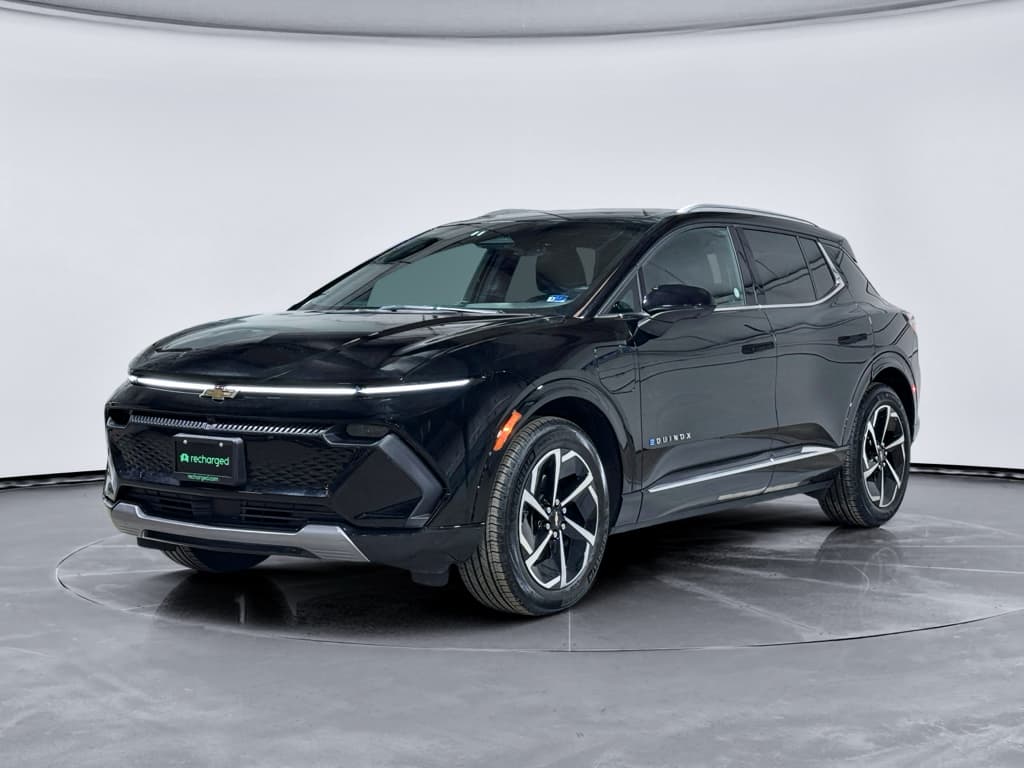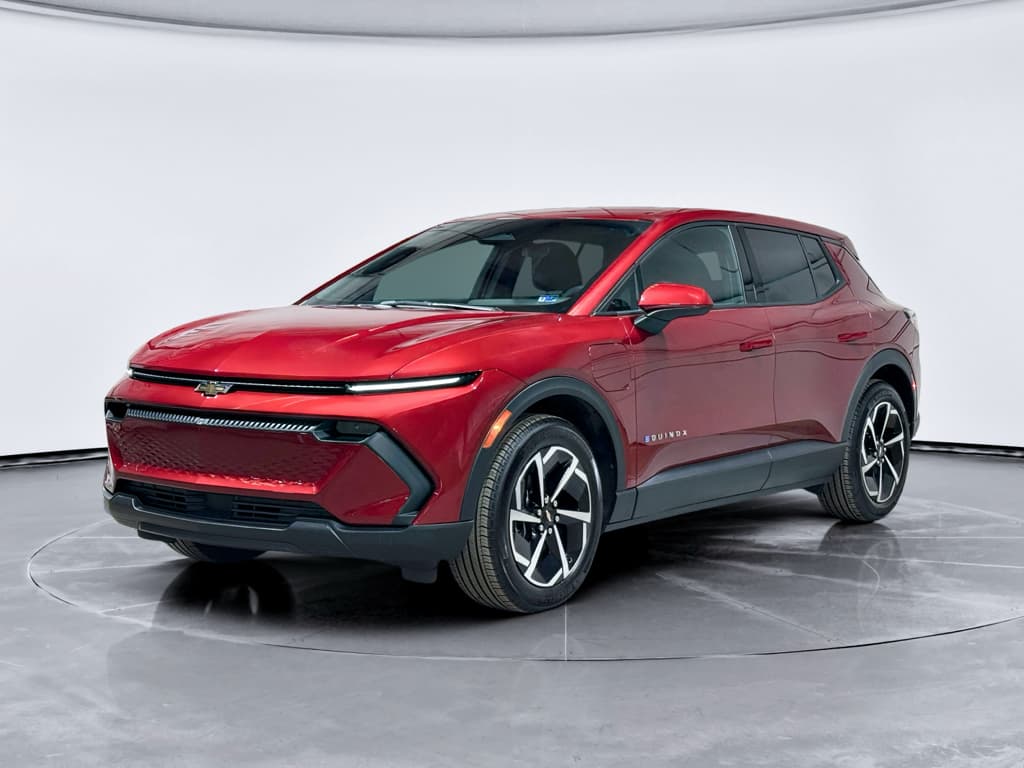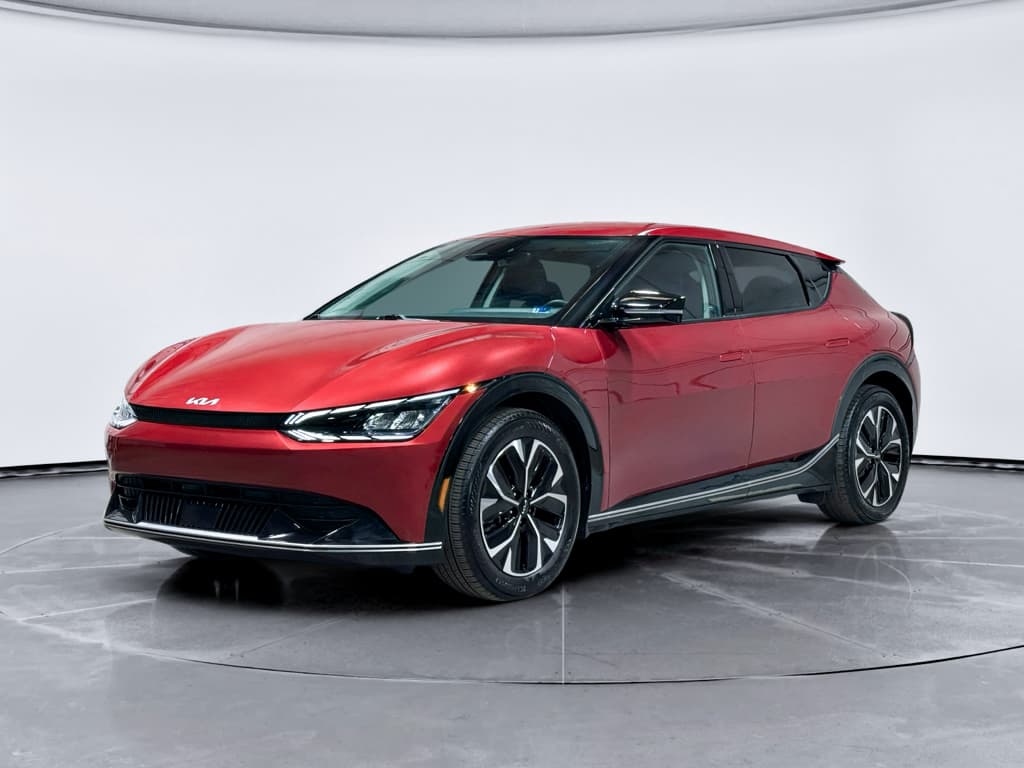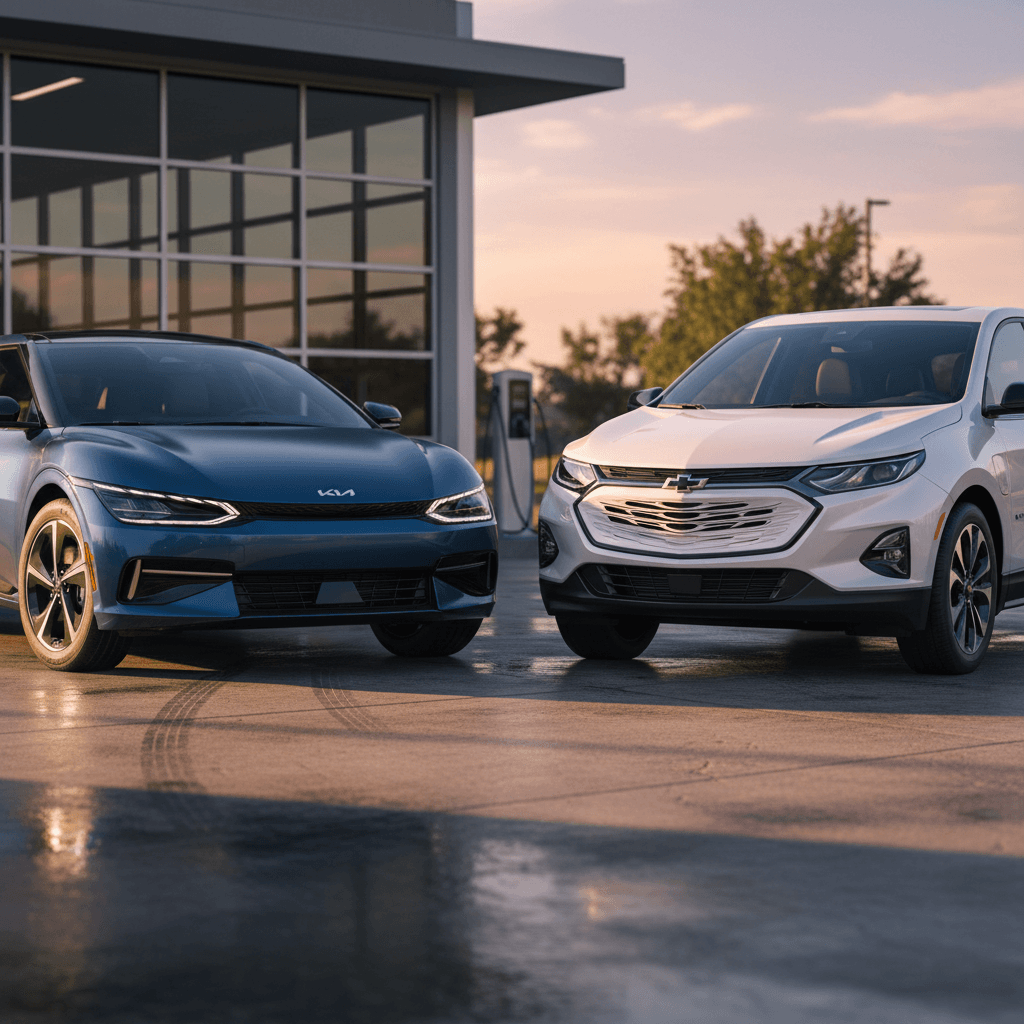
If you’re cross‑shopping the Kia EV6 vs Chevrolet Equinox EV, you’re not just choosing between brands, you’re choosing between two philosophies of what an electric family SUV should be. One is a low, almost sports‑sedan‑on‑stilts with Formula E charging tech; the other is a familiar Chevy crossover translated into electrons and Ultium.
Two very new takes on the compact SUV
Kia EV6 vs Chevrolet Equinox EV: quick overview
How these two EV SUVs are positioned
Same general size, very different personalities
Kia EV6: sporty EV flagship-lite
The EV6 is Kia’s design-forward electric halo for the mass market, built on an 800‑volt E‑GMP platform shared with Hyundai’s Ioniq line. Think quick charging, sharp handling, and a tech-heavy cabin that leans more toward enthusiast than bargain hunter.
Chevrolet Equinox EV: mainstream family workhorse
The Equinox EV rides on GM’s Ultium platform. It aims to be the electric every-SUV: familiar proportions, simple trims, and pricing positioned to undercut many rivals while delivering competitive range and space.
Both are two-row crossovers that can daily commute, haul kids, and take road trips. But if you imagine them as movie characters, the EV6 is the stylish hacker with a track record; the Equinox EV is the reliable next‑door neighbor who just got a tech upgrade.
Key specs at a glance
Kia EV6 vs Chevrolet Equinox EV: core specs
Approximate U.S. market specs for 2025–2026 model years. Always check a specific VIN for exact equipment.
| Spec | Kia EV6 (2025–2026)* | Chevrolet Equinox EV (2025–2026)* |
|---|---|---|
| Platform voltage | 800 V E‑GMP | 400 V Ultium |
| Battery capacity (usable, long‑range trims) | ≈84 kWh pack | Larger Ultium pack (mid‑70s kWh usable, depending on trim) |
| Max EPA range (best-trim estimate) | ~300+ miles (RWD LR) | Up to high‑280s/low‑300s miles (FWD LT/RS) |
| Max DC fast charge rate | Up to ~240 kW on 800 V | Roughly 150 kW class (site dependent) |
| 0–60 mph (quicker trims) | ≈5.0 s AWD; ≈3.6 s EV6 GT | Mid‑6s to low‑7s depending on motor setup |
| Drive layouts | RWD or AWD | FWD or eAWD depending on trim |
| NACS charging port | Yes on 2025+ | Yes (native NACS for North America) |
| Safety ratings | Strong crash scores; prior IIHS TSP+ on earlier years | 5‑Star NHTSA overall for many trims, strong crash performance |
| Form factor | Low, wide, almost wagon‑like | More upright, traditional SUV profile |
Comparison of core specifications for Kia EV6 and Chevrolet Equinox EV.
Specs change fast
Range and battery: highway stamina vs daily practicality
When you boil down Kia EV6 vs Chevrolet Equinox EV, most shoppers care about one number first: range. Here, both are competitive, but they go about it differently.
Kia EV6: smaller outside, serious legs
- Long‑range RWD trims hover around 300+ miles EPA in ideal spec, helped by a slippery body and efficient 800‑V drivetrain.
- AWD and performance‑oriented wheels drop that into the 260–280‑mile neighborhood.
- Earlier model years used a 77.4 kWh pack; newer 2025+ cars move to roughly 84 kWh usable, improving real‑world range.
The EV6 isn’t a range monster on paper, but its highway efficiency is very good, especially on 19‑inch wheels.
Chevrolet Equinox EV: Ultium endurance play
- Chevy tunes the Equinox EV for range per dollar, with FWD trims also reaching the high‑200s to ~300 miles EPA depending on wheel/tire choices.
- eAWD trims give up some range for traction and power, settling into the mid‑200s for many configurations.
- Ultium chemistry prioritizes usable capacity and packaging; think less “wow tech” and more GM-issue dependability.
On paper, the Equinox EV keeps up with the EV6 where most buyers live: commuting and weekend trips.
Real-world range reality check
Charging speed and road trips
Here’s where the philosophical split is sharpest. The EV6 is built around a race‑bred 800‑volt system; the Equinox EV is a competent 400‑volt Ultium appliance. Both get you there. One gets you there faster between chargers.
Charging performance highlights
EV6: road‑trip specialist
- 800‑V architecture means high charge rates for longer, not just a quick spike.
- On good hardware, you can realistically plan 15–20 minute highway stops when routing from 10–70%.
- 2025+ U.S. models adopt the NACS (Tesla) port, so you can tap straight into Superchargers without adapters once networks open access.
If your life is half Interstates, half coffee, the EV6 is the better companion.
Equinox EV: good enough, not heroic
- DC charging is solidly mid‑pack: faster than older first‑gen EVs, slower than true 800‑V cars.
- Also ships with a NACS port in North America, opening up Tesla infrastructure and most public networks.
- For the average 200–250‑mile day, it charges quickly enough; you just won’t brag about its charging curves on Reddit.
For most families who road‑trip a few times a year, the Equinox EV’s charging performance is fine. If you road‑trip monthly, you’ll notice the EV6’s advantage.
Don’t overuse DC fast charging
Space, comfort, and utility
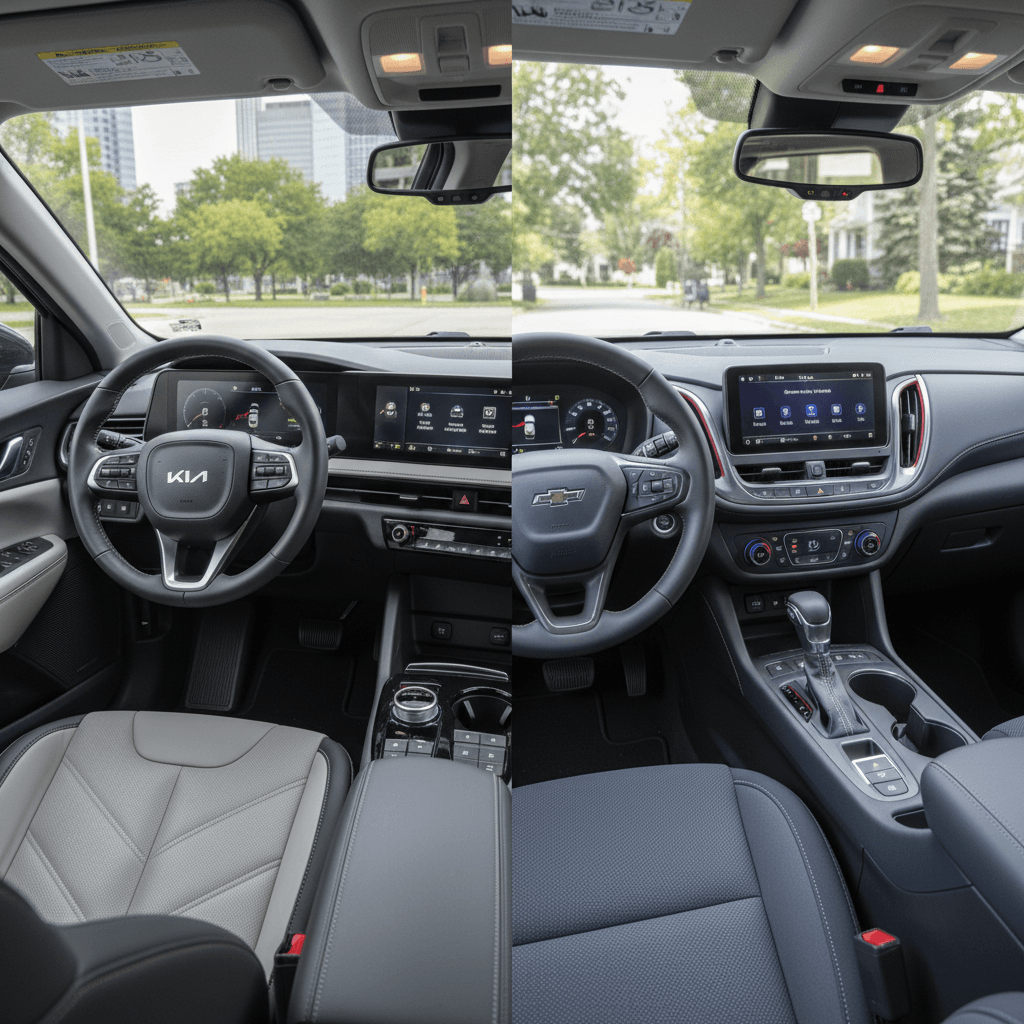
The EV6 and Equinox EV are both compact crossovers on paper, but sit in them back‑to‑back and you’ll feel the design choices instantly.
Kia EV6: sleek but slightly compromised
- Low roofline and fastback rear mean sporty looks but slightly tighter rear headroom, especially for taller adults.
- Cargo area is long but not especially tall; think more big hatchback than boxy SUV.
- Front seats are supportive and driving position is car‑like, which many enthusiasts love but some SUV drivers may find low.
Small kids and average‑height adults will be fine in back; six‑footers in puffy winter coats will prefer the Chevy.
Chevrolet Equinox EV: classic small SUV packaging
- More upright seating and roofline give a roomier feel and easier entry/exit.
- Cargo area is boxier, with a square liftgate that plays better with strollers, dog crates, and warehouse‑club runs.
- Cabin design is more traditional Chevy crossover, fewer design flourishes, more "I know where everything is" familiarity.
If this is your one do‑everything family car, the Equinox EV’s packaging is more forgiving.
Car‑seat and family duty
Performance and driving feel
Neither of these is a slow car. But their personalities behind the wheel are miles apart.
How they drive
From commuter calm to hot‑hatch energy
Kia EV6: athletic and eager
- Even mid‑trim AWD versions are brisk, roughly mid‑5‑second 0–60 mph territory.
- The EV6 GT turns the dial to absurd, around 3.6 seconds to 60 with big power and sport‑tuned bits.
- Steering is quick, body motions well‑controlled. It feels more like a big hot hatch than an SUV.
If you enjoy driving, the EV6 is the one that invites you to take the long way home.
Equinox EV: calm, competent commuter
- FWD trims are tuned for smoothness, not theatrics, still quicker than most gas Equinoxes.
- eAWD variants add confidence in snow and better passing punch, at the cost of some efficiency.
- Ride quality is tuned for comfort over cracked American pavement; handling is predictable rather than playful.
The Equinox EV feels like a familiar crossover that just happens not to visit gas stations.
The Kia drives like a stylish hatch that accidentally grew into an SUV, while the Equinox EV drives like an SUV that quietly learned to be electric.
Tech, safety, and driver assistance
Both automakers understand that an electric SUV without good driver assistance is like a smartphone without Wi‑Fi. Here, Kia leans tech‑heavy; Chevy leans familiar and straightforward.
- Kia EV6 brings an expansive digital cockpit, augmented‑reality head‑up display on higher trims, and Kia’s latest ADAS suite with lane‑centering, adaptive cruise, and available highway assist features.
- Chevrolet Equinox EV counters with GM’s mature safety stack, including standard automatic emergency braking, lane‑keeping, and available hands‑free Super Cruise on certain trims in some model years.
- Both offer solid crash performance, numerous airbags, and the usual alphabet soup of stability and traction controls. Earlier EV6 model years nabbed top IIHS safety awards, while many Equinox EV configurations score 5 stars overall from NHTSA.
Used EV safety check
Pricing, trims, and value, new and used
Sticker price is a moving target in EV land, rebates, dealer markups, and federal and state incentives can swing the math by thousands. Still, some patterns are clear in the Kia EV6 vs Chevrolet Equinox EV conversation.
Kia EV6 pricing dynamics
- New, the EV6 tends to sit a bit higher than the Equinox EV trim‑for‑trim, especially in GT‑Line and GT performance forms.
- The flip side: the EV6 has been in market longer, which means more inventory and better used selection.
- Depreciation has already taken a bite out of early EV6s, creating compelling value in 2–3‑year‑old examples with plenty of warranty left.
If you’re shopping pre‑owned, the EV6 gives you more choices on mileage, spec, and price band.
Chevy Equinox EV value play
- GM positions the Equinox EV as a budget‑friendly gateway EV SUV, undercutting many rivals on MSRP.
- Because it’s newer, the used market is still thin, but that will change quickly as lease returns arrive.
- Expect strong incentives on new stock in some regions as GM pushes Ultium adoption, and keep an eye on how that affects used values down the line.
If you want a brand‑new EV SUV at a mainstream price, the Equinox EV often pencils out cheaper to drive off the lot.
Factor incentives and financing, not just MSRP
Ownership costs and long‑term confidence
Electric SUVs are still new enough that long‑term reliability stories are being written in real time. Here’s what we can say so far.
- Battery and drivetrain: Both EV6 and Equinox EV use liquid‑cooled packs and permanent‑magnet motors designed for long life. The EV6’s 800‑V system has already proven robust in sibling models; Ultium is being rolled out across GM’s portfolio with massive corporate backing.
- Maintenance: No oil changes, fewer moving parts, and regenerative braking mean routine service is mostly tires, cabin filters, brake fluid, and inspections. Expect similar ongoing costs between the two.
- Resale: Stylish, fast‑charging EVs with proven performance (like the EV6) are currently holding value reasonably well, especially higher‑range trims. Equinox EV resale will depend on how quickly Ultium reputation and charging coverage improve in the real world.
Battery health matters more than trim name
Which EV fits you best? Use cases broken down
Best fit by driver type
Daily commuter with occasional trips
You drive 40–70 miles most days and take a few long trips a year.
Either EV works, but the <strong>Equinox EV</strong> often wins on price and upright comfort.
Choose FWD for max range, AWD only if you truly need it in winter.
On the used market, consider a long‑range EV6 for more highway confidence if prices are similar.
Frequent road‑tripper
You do multi‑state drives several times a year or long‑distance work travel.
The <strong>Kia EV6’s 800‑V charging</strong> and excellent highway manners make travel days shorter and easier.
Look for long‑range RWD or AWD trims with smaller wheels for the best combination of range and ride.
Prioritize NACS‑equipped 2025+ models or earlier cars with reliable adapter solutions.
Style- and tech‑focused driver
Design, cabin ambiance, and performance matter as much as practicality.
The <strong>EV6 feels like a design object</strong>, with available GT performance that borders on ridiculous.
Higher‑trim Equinox EVs are pleasant but visually safer and more conservative.
If you care how it looks in the driveway, your gut is probably already voting EV6.
Budget‑conscious family buyer
You’re stretching to get into an EV and need the numbers to work cleanly.
A <strong>value‑priced Equinox EV</strong> or a well‑priced used EV6 Light/Wind trim can both make sense.
Compare total cost of ownership: insurance, energy costs, and expected resale, not just payment.
Shop used across multiple EV SUV models on Recharged to see if an EV6 or another model gives better value at your budget.
Buying used: EV6 vs Equinox EV at Recharged
If you’re shopping for a used electric SUV rather than a fresh‑off‑the‑truck model, the Kia EV6 currently has the edge for one simple reason: time. It’s been on sale longer, so there’s a broader pool of off‑lease and one‑owner vehicles with full histories.
Checklist for choosing between a used EV6 and Equinox EV
1. Start with your real range needs
List your longest regular drives, commute, kids’ activities, weekend trips. If you almost never exceed 150–180 miles in a day, both SUVs are more than enough; let price and charging speed break the tie.
2. Look at battery health, not just mileage
A 40,000‑mile EV6 with gentle charging habits can be a better bet than a 15,000‑mile example that lived on DC fast chargers. Recharged’s <strong>battery health diagnostics</strong> take the guesswork out of this comparison.
3. Compare charging access in your area
Pull up maps for Tesla Superchargers and other fast‑charging networks along your usual routes. In some regions, the EV6’s 800‑V advantage really shines; in others, plenty of 150 kW chargers make an Equinox EV perfectly adequate.
4. Sit in both, then sit in the second row
Comfort can’t be judged from spec sheets. If you’re tall or have teens, pay attention to rear‑seat headroom and ease of entry. The Equinox EV’s more upright cabin often wins this test.
5. Run the total cost of ownership
Price, taxes, financing, insurance, energy, and projected resale all matter. Recharged can help you model different scenarios across used EV6s and other EV SUVs so you can see which option actually costs less over 3–5 years.
6. Don’t chase the fastest trim you’ll never use
The EV6 GT is hilariously quick, but overkill for most buyers and harder on tires and insurance. A mid‑trim EV6 or reasonably equipped Equinox EV will still feel snappy compared to most gas crossovers.
Viewed coldly, the Kia EV6 vs Chevrolet Equinox EV matchup is less about right vs wrong and more about which flavor of electric SUV fits your life. If you’re a driver who cares about design, fast charging, and a bit of drama, the EV6 is the more compelling object. If you want a familiar, family‑friendly crossover that just happens to be electric, and you’re watching every dollar, the Equinox EV makes a strong case. Either way, a carefully inspected used example with documented battery health, fair pricing, and expert guidance will matter more than the badge on the grille. That’s exactly what Recharged was built to deliver.