If you’ve heard that some Teslas can be charged to 100% every day without hurting the pack, you’re hearing about LFP batteries. But figuring out which Tesla has an LFP battery, and whether that’s good or bad for you, can be confusing, especially in the used market where trims, factories, and chemistries have changed over time.
Quick answer
Why Tesla Uses Different Battery Types
Tesla uses two broad battery chemistries today: LFP (lithium iron phosphate) and nickel‑based chemistries such as NCA/NCM. LFP packs are cheaper to build, use no nickel or cobalt, and tolerate frequent 100% charges. Nickel‑based packs offer more energy per kilogram, which is why Tesla still uses them in Long Range and Performance models where maximum range and power matter most.
Two main Tesla battery chemistries
Same brand, very different behavior in daily use
LFP (Lithium Iron Phosphate)
- Common in Standard Range / RWD Model 3 and some Model Y.
- Lower cost, slightly lower energy density.
- Happiest when charged to 100% regularly.
- Generally robust against calendar aging.
Nickel-based (NCA / NCM)
- Used in most Long Range and Performance Teslas.
- Higher energy density = more miles of range.
- Prefer daily charge limits around 70–90%.
- More sensitive to sitting at 100% for long periods.
Why this matters to you
Which Tesla Models Have LFP Batteries Today?
Tesla doesn’t publish a neat chart of LFP vs nickel packs, and it quietly changes configurations by region. Use this section as a directional guide for 2021–2025 vehicles, then always confirm battery type directly on the car (next section) before you sign anything, particularly in the U.S. used market.
Where you’re most likely to find LFP in Teslas
High‑level guide for 2021–2025 Model 3 and Model Y. Always verify on the car, since Tesla changes specs without notice.
| Model & trim | Region (typical) | Model years commonly LFP | Battery chemistry likelihood |
|---|---|---|---|
| Model 3 Standard Range / RWD | Europe & many global markets | 2021–2025 | Very likely LFP |
| Model 3 Standard Range / RWD | United States | ~2021–Oct 2024 | Often LFP (now discontinued new) |
| Model 3 Long Range & Performance (all) | Global | 2017–2025 | Nickel‑based (NCA/NCM), not LFP |
| Model Y Standard Range / RWD | China, some EU markets | 2021–2025 | Often LFP, check per vehicle |
| Model Y Long Range & Performance (all) | Global | 2020–2025 | Nickel‑based, not LFP |
| Model S / Model X (any) | Global | All years | Nickel‑based, not LFP |
“Likely LFP” means many cars in that configuration use LFP packs; individual vehicles can differ.
Watch the U.S. Model 3 RWD gap
- Model S and Model X: As of early 2026, these do not use LFP. If you want LFP, you’re looking at Model 3 or Model Y only.
- Cybertruck & Semi: Use specialized high‑energy nickel‑based packs, not LFP, focused on towing and heavy‑duty use rather than daily commuter efficiency.
- Future changes: Tesla has hinted at broader LFP use over time, but it tends to roll those changes quietly by factory and region. Always verify at the vehicle level.
How to Tell if a Specific Tesla Has an LFP Battery
When you’re buying used, or just curious about your own car, you don’t have to guess. Tesla builds LFP awareness right into the software, and there are a few simple checks you can do in under a minute.
3 ways to confirm LFP on any Tesla
1. Use the “Additional Vehicle Information” screen
On the center screen, go to <strong>Controls → Software → Additional Vehicle Information</strong>. If the car has an LFP pack, you’ll see “High voltage battery type: Lithium iron phosphate (LFP)” called out explicitly. If you don’t see an LFP label, assume a nickel‑based pack unless you’ve confirmed otherwise.
2. Look at your charge limit slider
Start charging and tap <strong>Charging → Set Limit</strong>. LFP cars typically show only <strong>50%</strong> and <strong>100%</strong> tick marks, because Tesla expects owners to charge to 100% regularly. Nickel‑based cars instead show a shaded “Daily” section (around 70–90%) and a “Trip” zone (90–100%).
3. Read the in‑car charging guidance
In LFP‑equipped Model 3 and Model Y, Tesla’s on‑screen guidance and the owner’s manual specifically recommend <strong>charging to 100% at least once per week</strong> for battery calibration. If the car warns you to keep daily charging lower (for example 80–90%), you are almost certainly looking at a nickel‑based pack.
Never assume based on trim alone
Pros and Cons of Tesla LFP Batteries
LFP isn’t automatically “better” or “worse” than Tesla’s nickel‑based packs, it’s different. The right choice depends on how you drive and where you live. Here’s how LFP typically behaves in day‑to‑day Tesla ownership.
What you gain, and give up, with LFP
Think about your climate, charging habits, and range needs
Advantages of LFP in a Tesla
- 100% daily charge is okay: LFP chemistry is comfortable at full charge, which simplifies your routine if you don’t want to fuss with charge limits.
- Calendar life can be excellent: LFP handles time and cycling well, which is attractive if you plan to keep the car for many years.
- Lower raw‑material risk: No nickel or cobalt; less exposure to those commodity swings.
- Predictable for short‑to‑medium commutes: For city driving and modest highway use, LFP’s slightly lower energy density is rarely noticed.
Trade‑offs with LFP
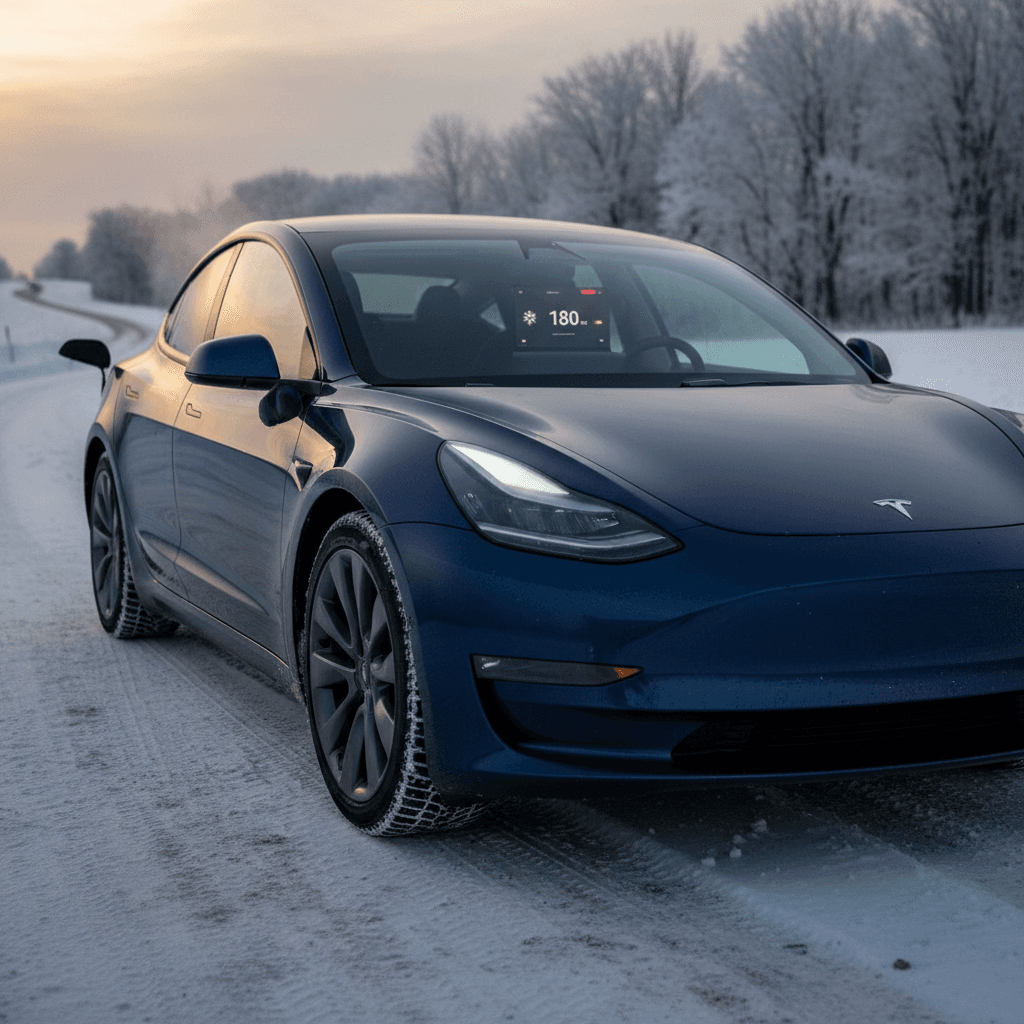
- Colder‑weather performance: LFP packs can lose more apparent range and charge more slowly in cold temperatures, especially if they aren’t pre‑conditioned.
- Slightly less range per kWh: Energy density is lower, so pack sizes are often smaller and rated range is shorter than Long Range trims.
- Slower DC fast charging at low SOC in some cases: Real‑world fast‑charging curves can be less aggressive than Tesla’s nickel packs at the same station.
- Limited to certain trims: If you want maximum range or Performance power, you won’t get LFP today.
Cold‑climate tip for LFP owners
LFP vs Nickel-Based Tesla Batteries
Charging habits
If you own an LFP Tesla, Tesla’s own manual guidance encourages charging to 100% regularly (often once a week) to keep the battery management system calibrated. That makes life easy if your routine varies, or if you’re in an apartment and just want to “fill it up” whenever a charger is available.
With a nickel‑based battery, Tesla advises keeping daily charging lower, commonly 70–90%, and reserving 100% for road‑trip departures. Letting the car sit at 100% for long periods can accelerate degradation, especially in hot climates.
Range and performance
Nickel‑based packs win on raw range and power. That’s why you see them in Model 3 and Model Y Long Range and Performance, and in every Model S, Model X, and Cybertruck today. If you do frequent long‑distance highway driving, those extra miles and faster charging curves matter.
LFP packs tend to appear in entry trims with shorter rated range. For many commuters, that’s a non‑issue, but if you road‑trip every other weekend, you may appreciate the comfort margin of a nickel‑based Long Range pack instead.
How LFP typically compares in real‑world use
Shopping Used: Which LFP Tesla Should You Choose?
The used market is where LFP really matters. You’re not just picking a trim; you’re choosing how that battery will age over the next 5–10 years. Here’s how to think about it if you’re browsing used listings or working with a retailer like Recharged.
Good LFP matches by buyer type
Match your driving pattern to the right chemistry
Urban & suburban commuters
If your daily drive is under 60–80 miles, a used Model 3 RWD with LFP is often a sweet spot. You can keep it at 100% in the garage without worrying about babying the pack, and the shorter rated range rarely feels limiting.
Occasional road‑trippers
If you road‑trip a few times a year but mostly do local miles, an LFP Model 3 or Model Y RWD can still work well, just budget a bit more charging time and use the full 100% charge window when you travel.
High‑mileage or harsh‑climate drivers
If you regularly put serious highway miles on the car or live in very cold or very hot regions, it’s often worth comparing an LFP Standard Range against a nickel‑based Long Range. At Recharged, specialists can walk you through how each chemistry has aged in a specific VIN, not just on paper.
Where Recharged can help
Ready to find your next EV?
Browse VehiclesBattery Health and the Recharged Score
Whether a Tesla uses LFP or a nickel‑based chemistry, what ultimately matters is how healthy the pack is today. Two identical Model 3 RWD cars can age very differently depending on how they were charged, where they lived, and how often they fast‑charged. That’s exactly the problem the Recharged Score is built to solve.
What the Recharged Score looks at
- Battery state of health (SoH): Estimated remaining capacity versus original spec, so you have a realistic view of range.
- Charge behavior history: How much DC fast charging vs. home or Level 2 charging the car has seen.
- Thermal and climate exposure: Patterns that can accelerate degradation in extreme heat or cold.
- Usage profile: Odometer, trip patterns, and how hard the pack has been worked day‑to‑day.
Why it matters with LFP
LFP can be extremely durable, but it’s not indestructible. An LFP Tesla that spent its life at 100% in a hot parking lot will age very differently from one stored in a temperate garage and driven regularly. When you buy through Recharged, the Score Report and battery diagnostics give you a VIN‑specific picture instead of broad chemistry assumptions.
If you’re trading in or consigning your Tesla, that same transparency can help you defend your asking price by backing it with data, not just a dashboard range estimate.
FAQ: LFP Batteries in Teslas
Common questions about LFP Teslas
Bottom Line: Should You Seek Out an LFP Tesla?
If your priority is simple daily charging and long service life more than maximum range, a Tesla with an LFP battery, typically a Model 3 or, in some markets, Model Y Standard Range / RWD, can be an excellent fit. You get chemistry that’s comfortable at 100% every day and often ages gracefully when treated reasonably well.
If you routinely drive long highway stretches, live in a tough climate, or care most about performance, a nickel‑based Long Range or Performance Tesla may still be the smarter move. The key is not to chase LFP for its own sake, but to match battery chemistry to how you actually use your car.
In a used market full of silent spec changes and confusing trim names, the safest play is to confirm battery type on the car, then insist on real battery‑health data before you buy. That’s the gap Recharged is built to close with the Recharged Score, EV‑specialist support, and transparent battery diagnostics on every vehicle. Whether you end up in LFP or nickel, you’ll know exactly what you’re getting, and how it should perform for years to come.