If you want to see an EV owner’s blood run cold, mention the words **“out‑of‑warranty battery failure.”** With pack replacements often running five figures, understanding **what voids an EV battery warranty** isn’t paranoia, it’s self‑defense, especially if you’re buying used.
The quick reality check
Why EV battery warranties matter, especially if you’re buying used
An EV’s battery pack is its beating heart and biggest single cost. On many mass‑market EVs, the pack can represent **30–40% of the vehicle’s value**. Lose warranty coverage, and you’re the one staring down that bill.
What a strong battery warranty protects you from
…and why losing it is such an expensive mistake
Premature capacity loss
Early pack defects
Five‑figure repair bills
If you’re shopping used, the stakes are even higher. You may be on owner number two or three, inheriting **someone else’s charging habits and modifications**, plus whatever they did (or didn’t do) about routine care. That’s why Recharged bakes battery health and remaining warranty into every **Recharged Score Report**, so you’re not buying blind.
How EV battery warranties actually work
Before you worry about what voids an EV battery warranty, it helps to understand the shape of the promise. Most manufacturers today follow a similar pattern, with different numbers around the edges.
Typical EV battery warranty terms (recent model years)
Representative examples, always check the exact warranty booklet for your VIN.
| Brand / Example | Years | Mileage limit | Capacity guarantee* |
|---|---|---|---|
| Tesla Model 3/Y | 8 years | 100,000–120,000 mi | 70% minimum |
| Tesla Model S/X | 8 years | 150,000 mi | 70% minimum |
| Hyundai / Kia EVs | 10 years | 100,000 mi | Typically 70% minimum |
| Many other brands | 8 years | 100,000 mi | Often 70% minimum |
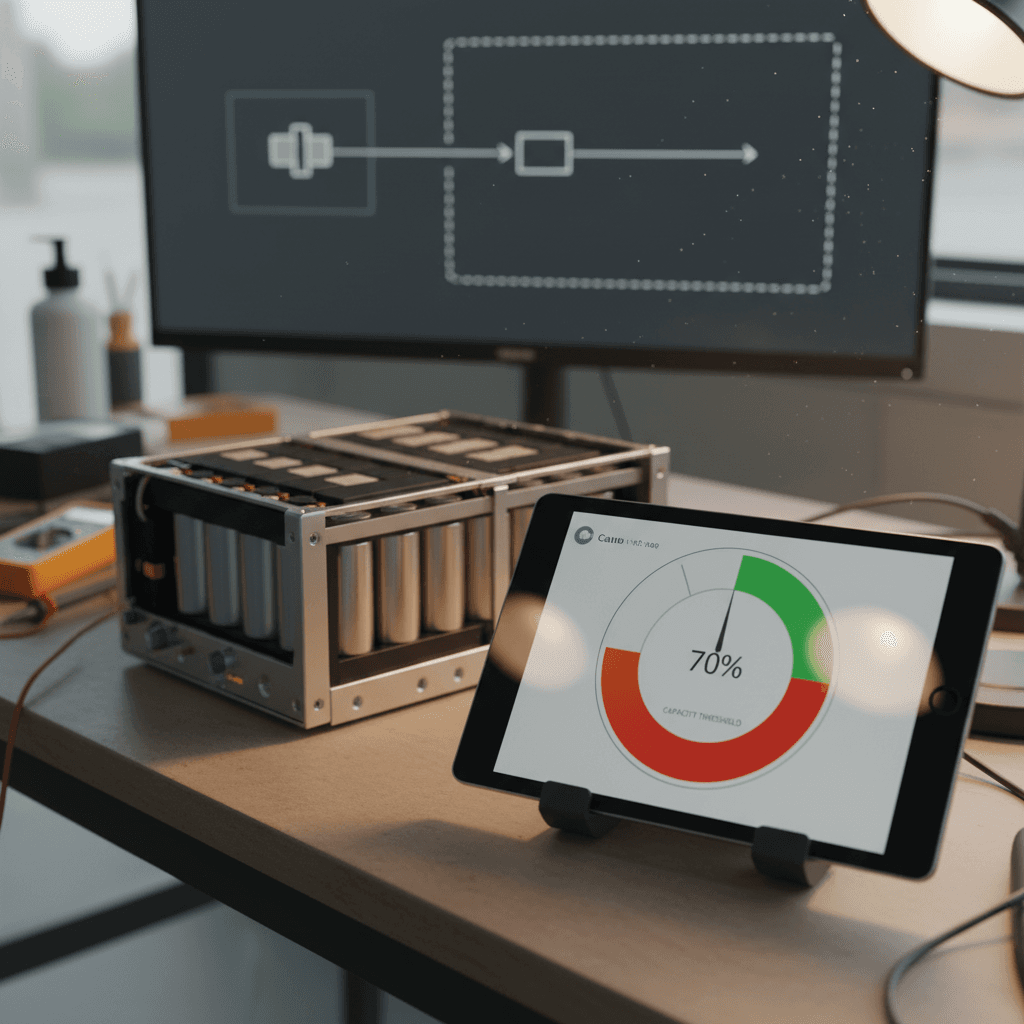
Capacity retention thresholds are usually around 70% during the warranty period.
Where the truth lives
- Most warranties cover **defects in materials or workmanship**, not every bad outcome.
- Capacity warranties typically kick in only if the pack drops below a defined threshold (often 70%) **within both** the time and mileage limits.
- Manufacturers carve out exclusions for **misuse, abuse, modifications, accidents, environmental damage, and non‑approved repairs or parts**.
- In the U.S., the **Magnuson‑Moss Warranty Act** means an automaker generally has to show that what you did actually caused the failure to deny coverage, "aftermarket" alone isn’t enough.
What voids EV battery warranty: the big categories of “nope”
Automakers don’t use the word **“void”** lightly. More often, they’ll say a specific repair **isn’t covered** because it stems from something listed in their exclusions. Functionally, that can feel the same as a voided warranty. Here are the patterns that show up across Tesla, Hyundai/Kia, Nissan, and others.
The usual suspects for denied battery claims
1. Physical damage and accidents
If your EV’s battery is damaged in a **collision, curb strike, high‑center, off‑roading incident, flood, or fire**, that’s insurance territory, not battery warranty. Anything that looks like external trauma, cracked casing, dented pack, corrosion from immersion, will almost certainly be excluded as **“damage from accident or environmental exposure.”**
Critical safety reminder
2. Opening, modifying, or “rebuilding” the battery pack
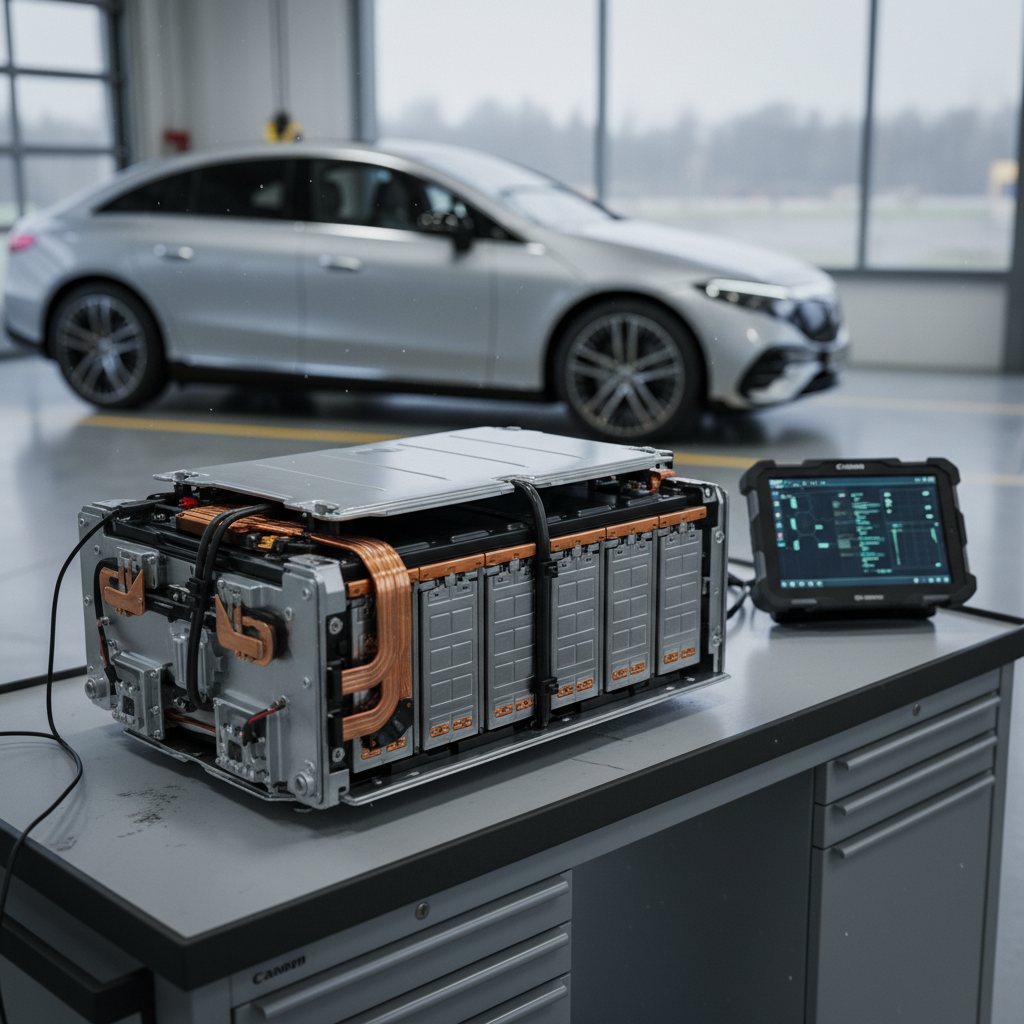
This is the big red line. Automakers treat the high‑voltage pack as a **sealed, safety‑critical component**. If you, or a non‑authorized shop, open the pack to replace modules, bypass sensors, change the cooling system, or otherwise alter its guts, any related claim is almost guaranteed to be denied.
- Third‑party “battery rebuilds” without OEM authorization
- DIY attempts to swap modules or cells
- Bypassing thermal management or safety interlocks
- Non‑approved high‑voltage wiring or power electronics tied directly into the pack
3. Non‑approved repairs and service
Most brands don’t require you to use the dealership for **basic maintenance**, that would run afoul of U.S. warranty law. But when it comes to high‑voltage components, their language gets sharp. If a failure can be traced back to **non‑approved parts or procedures**, expect a fight.
Battery vs. everything else
4. Improper or unsafe charging setups
Manufacturers increasingly call out **improper charging** in their exclusions, especially damage linked to bad wiring, non‑certified hardware, or sketchy adapters. They’re less worried about *where* you charge and more about **what’s upstream of the plug**.
- Hard‑wiring a Level 2 charger to an undersized circuit that overheats or arcs
- Using non‑certified adapters that defeat safety interlocks or ground detection
- Homebrew charging solutions that bypass EVSE safeguards
- Continuing to use a charger after visible cable damage, burning smells, or errors
5. Documented “abuse” or ignoring warnings
Buried in nearly every warranty is language about **“abuse, misuse, or neglect.”** That’s lawyer‑speak for: if the car is screaming for help and you keep driving anyway, they may not pick up the tab.
- Driving for extended periods with multiple **high‑voltage system warnings** illuminated
- Ignoring over‑temperature or low‑coolant messages for the battery system
- Routinely operating the vehicle in prohibited conditions (deep water, extreme off‑road usage in non‑off‑road vehicles, etc.)
- Tampering with or disabling **cooling fans, pumps, or safety relays** for noise or performance reasons
6. Fraud, odometer tampering, and title issues
If the paperwork doesn’t add up, neither will your warranty claim. Altered odometers, salvage or branded titles, or falsified ownership histories can restrict or void coverage altogether. Some OEMs **exclude batteries on salvage‑title cars outright**, even if the pack itself was never damaged.
Do charging habits and equipment void your battery warranty?
Here’s where rumor, social media, and the owner’s manual collide. You’ve probably heard that fast charging “kills” your warranty, or that charging to 100% more than twice a year is a mortal sin. The truth is less dramatic, and more nuanced.
Fast charging and high SOC
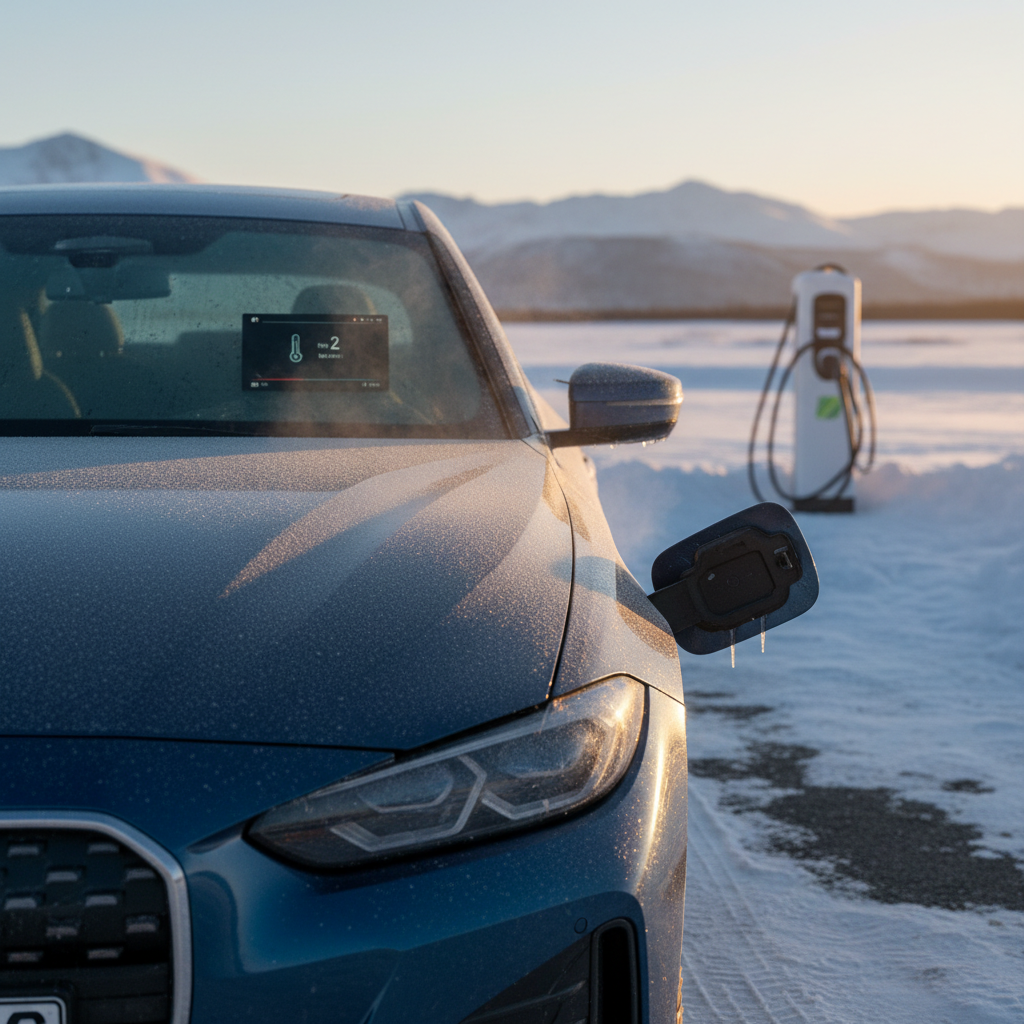
DC fast charging and regular 80–100% charges **do** accelerate degradation compared with gentle, 20–80% Level 2 use. But on recent EVs, the warranty language rarely says “no fast charging allowed.” Instead, the automaker covers **defects** while reserving the right to argue that extreme usage explains faster degradation.
Translation: using fast chargers doesn’t magically void your battery warranty, but living at a DC fast charger can make a marginal case harder to win.
Charging equipment choices
Most brands are fine with you using certified third‑party home chargers and public networks. Where they draw lines is around **non‑certified gear**, hacked adapters, or improperly installed circuits that cause arcing, overheating, or surges.
They care less about the logo on the box and more about whether the equipment is built and installed to electrical code and safety standards.
Safe charging that keeps warranties happy
Mods, DIY repairs, and third‑party shops: where lines get blurry
Not every aftermarket part is a ticking time bomb for your EV battery warranty. The question manufacturers (and courts) ask is brutally simple: **Did this modification cause or contribute to the failure?**
Common EV mods: which ones raise red flags for battery warranties?
Focus on whether the mod touches the high‑voltage system or cooling.
Cosmetic & interior mods
Powertrain & performance mods
DIY & third‑party battery work
Magnuson‑Moss doesn’t make you bulletproof
Commercial use, abuse clauses, and “you drove it too hard”
Many EV warranties quietly **change the rules** if the vehicle is used for rideshare, delivery, taxi, or fleet duty. Commercial use means more miles, more fast charging, and more heat, things batteries don’t love.
- Shorter powertrain and sometimes battery coverage windows for vehicles flagged as commercial
- Stricter expectations around maintenance, record‑keeping, and damage reporting
- Higher scrutiny when a high‑mileage pack comes in with a capacity complaint
Watch the fine print for “commercial use”
What does NOT usually void an EV battery warranty
Let’s clear away some internet fog. There are plenty of things that owners panic about that, in practice, almost never void an EV’s battery coverage.
Things that typically do NOT void battery coverage on their own
Using reputable public fast chargers
DC fast charging at major networks is expected use. It may age the pack faster, but it isn’t grounds by itself to cancel your battery warranty.
Skipping dealer “courtesy checks”
In the U.S., brands generally can’t make your warranty contingent on routine dealer visits. Reasonable maintenance is expected; exclusive dealer service usually isn’t legally enforceable.
Installing a quality third‑party home charger
If it’s UL‑listed (or equivalent), properly installed, and not modified, automakers rarely object. Problems arise when wiring or adapters are unsafe, not when the logo differs.
Occasional 100% charges for trips
Manufacturers advise living at 20–80%, but topping to 100% before trips or occasionally for balancing isn’t going to nuke your warranty.
Normal, gradual capacity loss above the threshold
Batteries slowly lose capacity. If you’re still above the warranty’s threshold (say, 72% when the trigger is 70%), that’s not a void, it’s just not yet a claim.
The golden rule
Used EV shopping: battery‑warranty checklist
When you’re buying used, you’re not just shopping for a car, you’re inheriting a history. Here’s how to quickly tell whether an EV’s battery warranty is both **intact and worth anything** to you.
7 quick checks before you bet on a used EV battery
1. Confirm in‑service date and mileage
Battery warranties start from the **original in‑service date**, not the model year. Make sure the car will still be **within time *and* miles** for as long as you plan to own it.
2. Check for salvage or rebuilt titles
A branded or salvage title can partially or completely eliminate battery coverage, regardless of how healthy the pack looks today.
3. Scan for high‑voltage system warnings
At test drive, verify there are **no active HV or battery alerts**. If anything related to the pack or cooling is lit up, get it diagnosed before you sign.
4. Review charging history and usage pattern
Ask sellers how they charged: mostly home Level 2, or all‑fast‑charger, all the time? You’re looking for a believable story and service records that match it.
5. Inspect for impact or underbody damage
Get the car on a lift or use detailed photos. Look for scrapes, dents, or repairs around the battery tray, rocker panels, and cooling lines.
6. Ask about modifications and repairs
Any mention of **battery repair, module replacement, aftermarket battery work, or tune** is a bright red flag. You want OEM‑documented service only for pack work.
7. Get objective battery‑health data
Range guesses are not data. Look for a **professional battery health report** (like the Recharged Score) that measures actual capacity and flags anomalies.
How Recharged derisks used EV batteries and warranties
Battery warranty fine print is where a lot of used‑EV deals go to die. Recharged was built largely to solve that problem: taking the anxiety out of **“Am I buying a future paperweight?”**
What Recharged does differently on used EV batteries
So you’re not guessing about the most expensive component in the car.
Recharged Score battery health diagnostics
Warranty & title verification
Pricing that reflects pack reality
Ready to find your next EV?
Browse VehiclesExpert EV‑specialist support
Our team lives in the EV world every day. If you’re not sure how a specific warranty clause applies to a particular car, you can talk through it with someone who’s seen these edge cases before, and who doesn’t get paid more if you buy the wrong car.
Financing, trade‑in, and delivery that match the tech
Because Recharged offers financing, trade‑in options, instant offers or consignment, and nationwide delivery, you can shop the right EV, with the right battery story, instead of just whatever happens to be within 20 miles.
EV battery warranty FAQ
Frequently asked questions about what voids EV battery warranties
Bottom line: don’t give your battery warranty an easy excuse
Battery warranties are designed to cover **defects and outliers**, not every possible bad outcome. You don’t have to drive like a monk or charge like a lab technician to stay protected. You just have to avoid the obvious landmines: unsafe charging setups, DIY high‑voltage experiments, sketchy repairs, and cars with paperwork that reads like a crime novel.
If you’re shopping used, this is where having **hard data and a second set of expert eyes** isn’t a luxury, it’s the whole ballgame. At Recharged, every EV comes with a **Recharged Score battery health report, verified title and warranty checks, EV‑specialist guidance, financing options, trade‑in support, and nationwide delivery**. That means you can obsess over colors and options, not whether the battery warranty is quietly hanging by a thread.