If you’re asking yourself, “what is my Subaru Solterra worth?” you’re not alone. Between steep MSRP cuts, big lease incentives, and soft demand for early EVs, Solterra resale values in 2026 can look confusing, or even alarming, when you first start researching.
Solterra values in one sentence
Why Solterra values look “weird” right now
To understand what your Solterra is worth today, you first have to understand the market it lives in. Subaru launched the Solterra into one of the most volatile corners of the car market: compact electric crossovers. Since then, a few big things have happened:
- Large MSRP cuts: for 2025 Subaru dropped Solterra’s base MSRP by about $6,500, putting new models under $40,000. That instantly pulled used values down too.
- Heavy discounting and leases: automakers responded to higher interest rates and slower EV demand with aggressive lease deals and rebates, which made it harder for used prices to hold up.
- Fast‑moving EV tech: newer EVs are offering better range, faster charging, and NACS fast‑charge ports, which makes early Solterras feel older more quickly than a comparable gas Subaru.
- Soft demand for lower‑range EVs: shoppers are wary of range and charging performance, so they often demand a discount on models like Solterra and its Toyota bZ4X twin.
Important context
Quick answer: what your Subaru Solterra is worth today
2026 Subaru Solterra value snapshot (U.S. market)
These are directional ranges
Key factors that determine your Solterra’s value
What actually moves your Subaru Solterra’s price
The seven levers that change your appraisal the most
Model year & MSRP cuts
Newer Solterras (2025–2026) benefit from improved pricing and features, but MSRP cuts drag older years down. A 2023 that stickered in the mid‑$40Ks now competes with new units advertised under $40K.
Mileage and usage
EV shoppers are mileage‑sensitive. Under ~20,000 miles is viewed as lightly used. Cross 40,000–50,000 miles and buyers start to worry about battery life and warranty coverage, which pushes values down.
Battery health & fast‑charging history
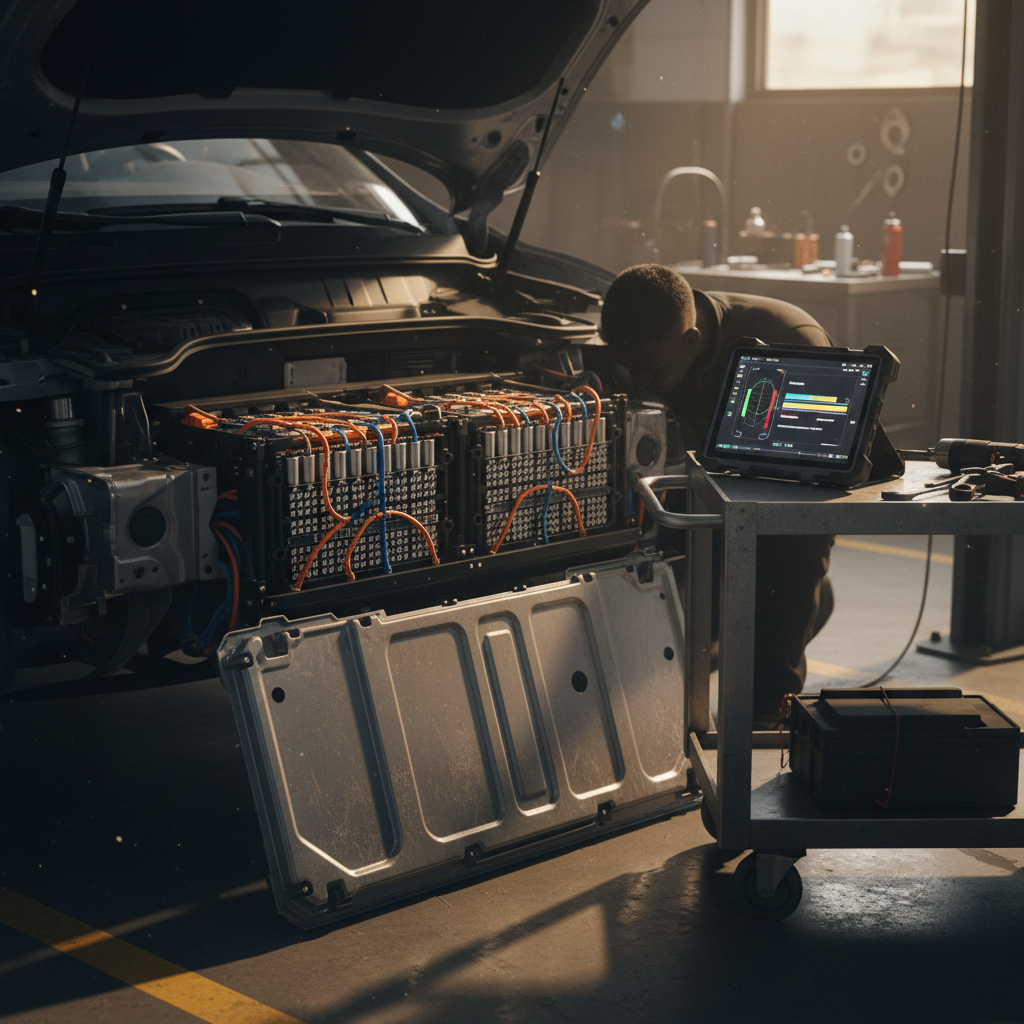
Unlike gas cars, the pack is the car. A verified battery health score and evidence of balanced charging (not only DC fast charging) can justify a clear premium over similar Solterras with no data.
Region & climate
Demand for used EVs is stronger in coastal metros and areas with dense charging. Cold‑weather markets can discount Solterras more due to winter range loss and slower charging.
Trim & options
Touring and fully optioned trims can be a double‑edged sword: they cost more new but don’t always fetch a proportional premium used. Shoppers often focus on price, range and AWD more than sunroofs and audio.
Accident & ownership history
Clean Carfax, one‑owner, and consistent service history matter more on newer EVs than almost any other segment. Airbag deployments and structural repairs are heavily penalized by both buyers and lenders.
Quick self‑check
How Subaru Solterra depreciates vs other EVs
Because the Solterra launched into a brutally competitive EV market and then saw major price cuts, its paper depreciation looks harsh. Third‑party depreciation models estimate that a Solterra can lose around 60% of its original MSRP over five years, leaving residual values in the high teens to low $20,000s for average‑mileage examples.
Typical 5‑year depreciation: Solterra vs peers (directional)
Approximate percentage of value lost from original MSRP after five years, assuming average mileage and normal market conditions.
| Model | Fuel type | Approx. 5‑year depreciation | Notes |
|---|---|---|---|
| Subaru Solterra | EV | ≈60% | Launch price was high and later discounted; modest range keeps demand soft. |
| Toyota bZ4X | EV | ≈60–65% | Shares platform and many of the same market headwinds as Solterra. |
| Tesla Model Y | EV | ≈50–55% | Higher demand and stronger fast‑charging network support used values. |
| Subaru Forester | Gas | ≈45–50% | Strong brand loyalty and simpler tech mean steadier resale than Solterra. |
| Hyundai Ioniq 5 | EV | ≈50–55% | Longer range and faster charging support relatively stronger used pricing. |
Solterra tends to depreciate faster than mainstream gas SUVs and roughly in line with other first‑generation EVs that launched before the NACS transition.
Don’t mix up % and $
How to get a realistic Solterra value in 10 minutes
Online pricing tools are useful, but they’re built around averages. To understand what your specific Subaru Solterra is worth in today’s market, combine instant estimates with real listings and EV‑specific data.
10‑minute process to price your Subaru Solterra
1. Grab your VIN and specs
Write down your VIN, model year, trim (Premium, Limited, Touring), major options, current mileage, and whether the car has any accident history or open recalls.
2. Run 2–3 online value tools
Use mainstream tools (like KBB, Edmunds, or Black Book via your credit union) to pull both <strong>trade‑in</strong> and <strong>private‑party</strong> ranges. Average them for a first baseline.
3. Check real Solterra listings near you
Search used Subaru Solterra listings within ~250 miles on major marketplaces. Filter for your year, similar mileage, and trim, then note asking prices for the 5–10 closest matches.
4. Adjust for battery health and condition
If you have a recent battery health report or expert inspection, you can justify pricing toward the higher end of the range. Visible damage, mismatched tires, or missing charging cables push you toward the lower end.
5. Decide how fast you need to sell
If you want it gone in a week, price near the bottom of the local range. If you have time and the car is clean with documented battery health, start at the high end and be prepared to negotiate.
6. Get at least one firm offer
Use a modern EV‑focused marketplace like <strong>Recharged</strong> or dealer instant‑offer tools. Even if you don’t accept, a real offer anchors the low end of what the market is truly willing to pay today.
Boosting your Solterra’s resale value
Low‑cost things that move the needle
- Full professional detail: EV shoppers skew picky. A clean interior, polished paint, and decontaminated wheels can easily justify a few hundred dollars more in asking price.
- Fix obvious, cheap problems: Replace cracked windshields, burned‑out bulbs, and bald tires. These are instant flags that suggest the car wasn’t cared for.
- Replace missing items: Make sure the factory portable charger (if equipped), owner’s manuals, and both key fobs are included. Missing charging gear is a common reason for price haggling.
- Gather all records: Print or save service history, warranty repair paperwork, and charging‑related work. EV buyers care about how the pack and charging hardware have been treated.
EV‑specific value boosters
- Battery health documentation: A third‑party battery report or a platform like the Recharged Score that validates pack condition can reduce buyer anxiety and support a higher price.
- Charging‑network transparency: If you have home Level 2 charging, note that in your listing; if you relied heavily on DC fast charging, be honest but emphasize any battery checks you’ve done.
- Software updates and recalls: Make sure all Subaru and Toyota platform updates, especially those dealing with range or charging, are complete before listing the car.
- Target the right buyer: Solterra shines as a second car or commuter in regions with good charging. Writing your listing for that use case helps you attract buyers who see its strengths, not just its limits.
How Recharged helps here
Ready to find your next EV?
Browse Vehicles
Selling vs trading in your Subaru Solterra
Once you have a sense of what your Solterra is worth, the next decision is how to turn that value into cash or equity. Because EV pricing is still unsettled, your choice of selling channel can change the bottom line by thousands of dollars.
Ways to get out of your Solterra, compared
Each path trades money for convenience in a slightly different way.
Dealer trade‑in
Pros: Fast, simple, good if you’re underwater on your loan or rolling equity into another Subaru or EV.
Cons: Usually the lowest number; dealers price in risk on EVs and may be conservative about Solterra demand.
Private‑party sale
Pros: Often the highest price, especially for well‑optioned Touring trims with low miles and clean history.
Cons: You handle advertising, test drives, paperwork, and screening buyers who may be new to EVs.
EV marketplace (like Recharged)
Pros: EV‑savvy pricing, nationwide visibility, and tools to explain battery health and charging to buyers.
Cons: May sit between trade‑in and top‑dollar private party; you trade a bit of money for expert help and reach.
Think in terms of total transaction
How Recharged values a used Subaru Solterra
At Recharged, we specialize in used EVs, including Subaru Solterra. That means we don’t just plug your VIN into a generic book; we look at the parts of an EV that matter most over time: battery, charging behavior, and real‑world demand.
- Battery‑first valuation: Our Recharged Score uses diagnostics to evaluate usable battery capacity and pack health instead of guessing from odometer alone.
- Charging and range behavior: We factor in how the Solterra charges (home Level 2 vs DC fast), any history of charging issues, and realistic range performance.
- Live market data: Our marketplace pricing is based on actual Solterras listed and sold nationwide, not just historical averages from a time before MSRPs dropped.
- Transparent pricing bands: Every vehicle we list includes a fair‑market range so you can see how your car compares to similar Solterras across the country.
- Flexible selling options: You can request an instant offer, consign your Solterra, or use it as a trade‑in toward another used EV, often without ever visiting a showroom.
EV‑specialist support
FAQs: what is my Subaru Solterra worth?
Subaru Solterra value: common questions
Bottom line on Subaru Solterra value
The honest answer to “what is my Subaru Solterra worth?” is that it depends heavily on details most generic pricing tools ignore: your battery’s health, how and where you’ve charged, and how Solterras are actually selling in your region this month, not last year.
The good news is that you don’t have to guess. By combining broad guides with real‑world listings, firm offers, and EV‑specific diagnostics like the Recharged Score, you can quickly narrow in on a realistic number and choose the selling path that matches your goals. Whether you decide to drive your Solterra for years or trade it for a different EV, approaching its value with data, not fear, will leave you in the strongest position.