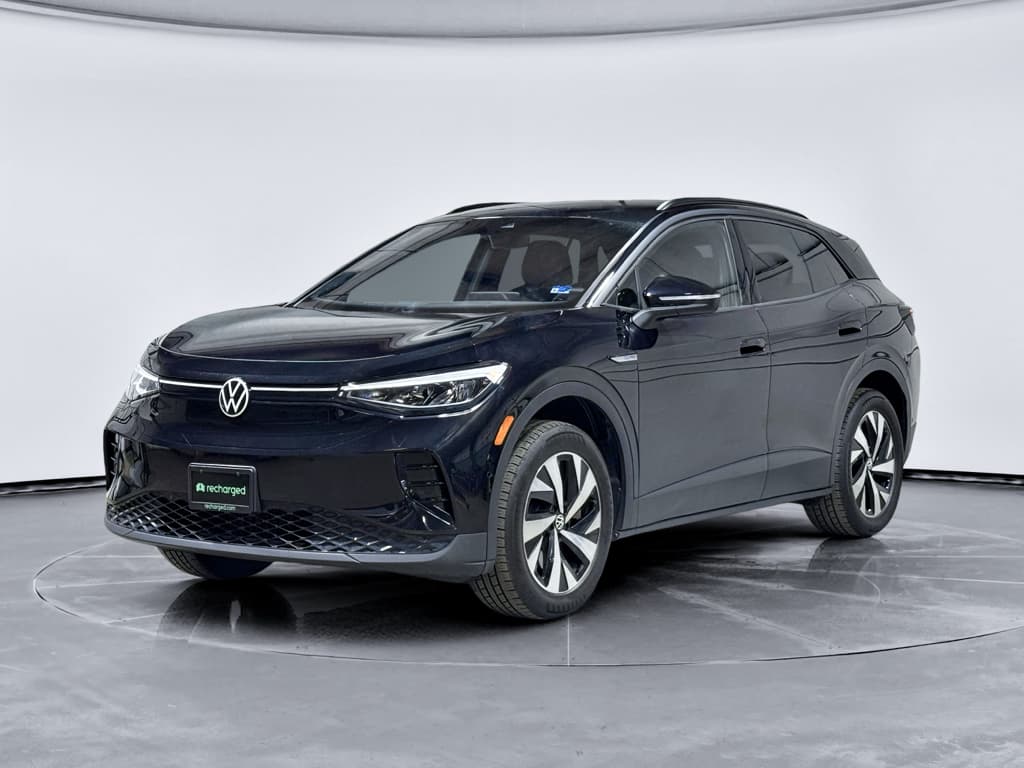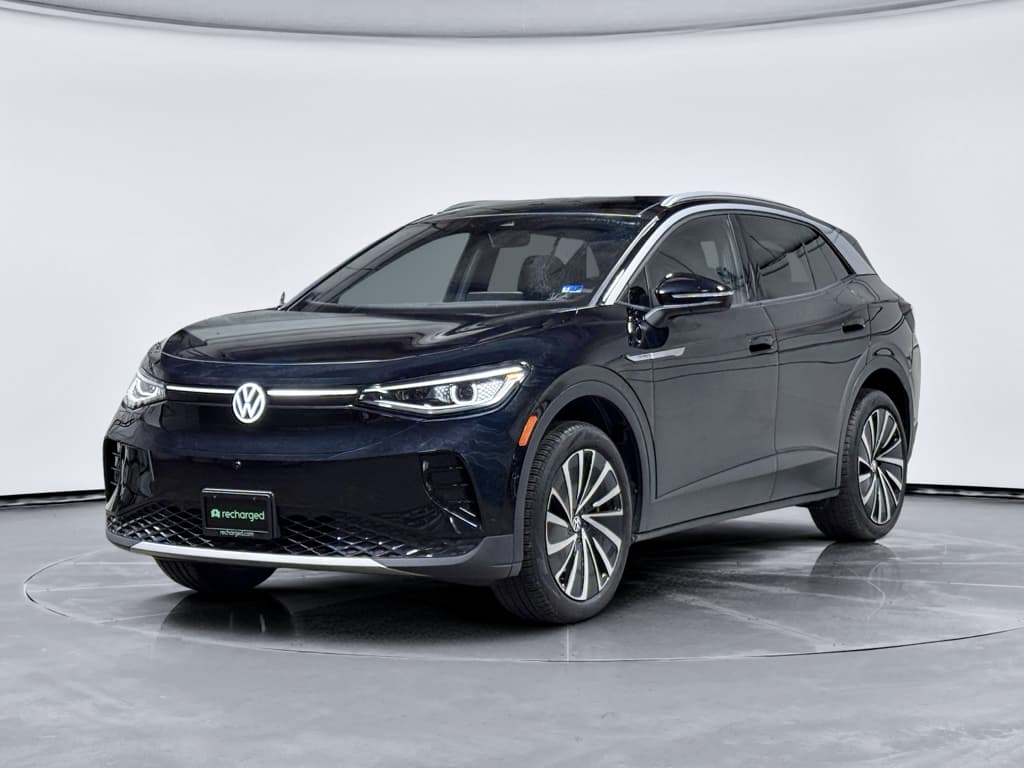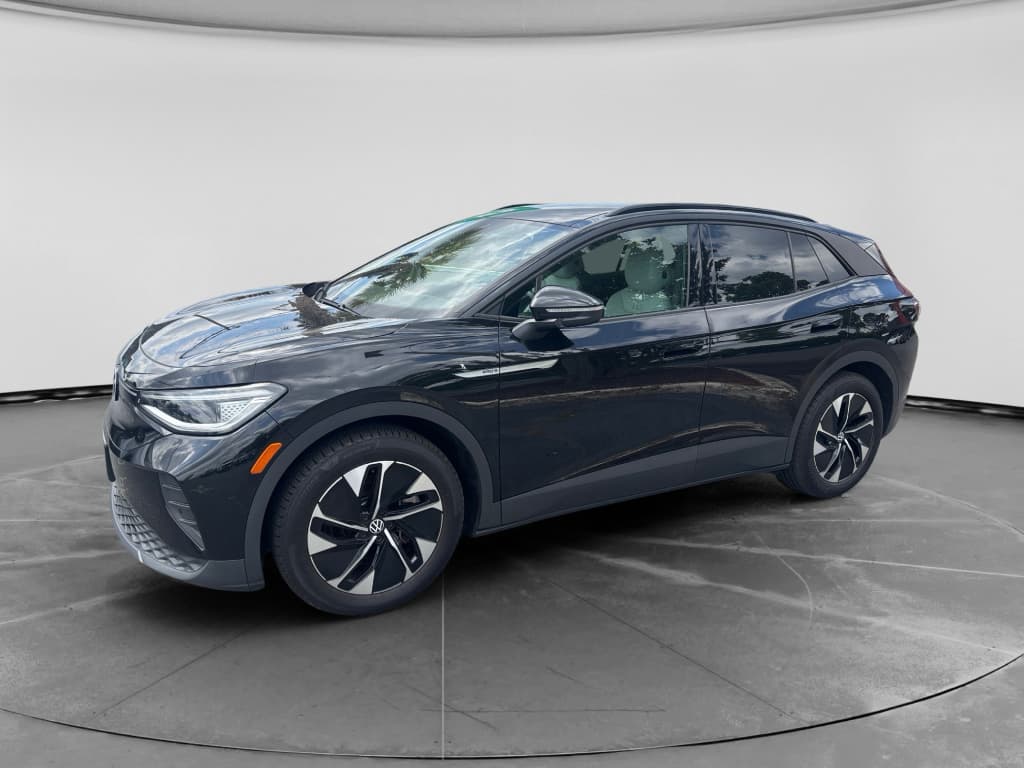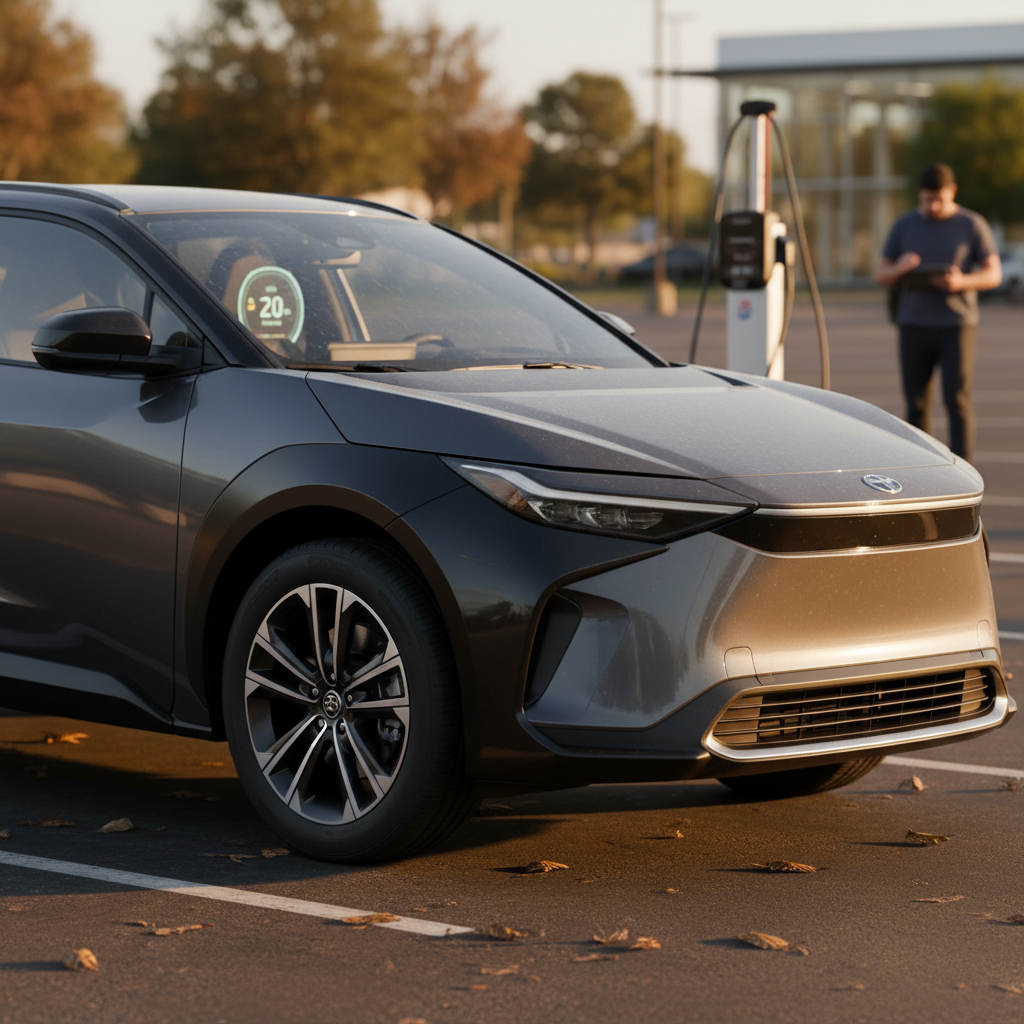
If you’re hunting for a practical electric SUV, a used Volkswagen ID.4 is going to show up in your search, often with compelling prices. Before you sign anything, there are some VW ID.4 things to know before buying used: which model years to favor, how the battery and charging really behave, what recalls to verify, and how to avoid someone else’s software headaches.
Snapshot: What the ID.4 is
Why the VW ID.4 Is So Attractive Used
Big reasons shoppers gravitate to used ID.4s
On paper, it’s a sweet spot for many American families.
Right‑sized family SUV
DC fast‑charge capable
Depreciation works in your favor
1. Model years, trims and battery options
Volkswagen has been quietly but constantly evolving the ID.4 since it landed in the U.S. for the 2021 model year. Before you buy used, you want to know exactly what you’re getting under the skin, especially the battery pack and motor layout.
Key VW ID.4 model‑year highlights (U.S.)
Use this to decode the ID.4 you’re looking at before you dive into pricing.
| Model year | Battery options (gross) | Drive layout | Notable notes |
|---|---|---|---|
| 2021 | 82 kWh only | RWD (later AWD added) | Launch year; slower DC charging than later cars; more software teething issues. |
| 2022 | 62 kWh & 82 kWh | RWD or AWD | Adds smaller pack on some trims; software updates improve charging curve. |
| 2023 | 62 kWh & 82 kWh | RWD or AWD | Broader U.S. assembly, updated interior bits; higher peak DC charging on 82 kWh. |
| 2024+ | 62 kWh & updated 82 kWh | RWD or AWD | Refined software and charging behavior, improved peak DC charging on 82 kWh packs. |
Always confirm exact specs by VIN, because options and late‑year changes can blur these lines.
Pro tip: decode the battery size
2. Real‑world range expectations
Approximate EPA ranges when new (to calibrate your expectations)
Those are brochure numbers. A used ID.4, a few years and tens of thousands of miles later, will usually see modest battery degradation plus the real‑world penalties of climate, driving style and tire choice. Many owners report that a healthy pack still delivers most of its original range after 2–4 years, but you should mentally budget more like 180–200 miles usable on a 62 kWh car and 220–240 miles on an 82 kWh car for mixed driving.
Highway reality check
3. Charging speeds and road‑trip ability
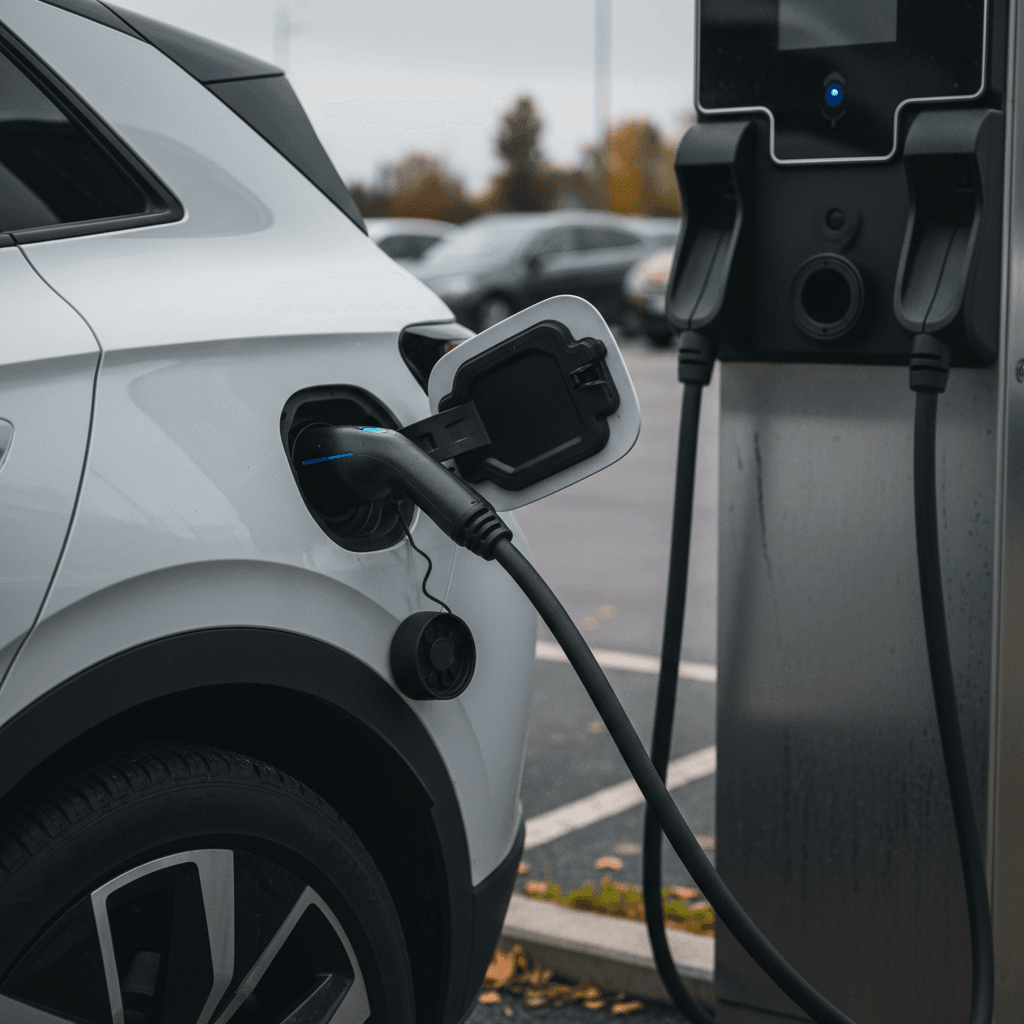
On home Level 2 charging, the ID.4 is pleasantly unremarkable: an 11 kW onboard charger means a typical overnight session easily recovers a full battery. The more important story for a used‑car shopper is DC fast‑charging, because that’s the difference between an easy road trip and you staring at kWh trickling in while the kids stage a mutiny.
Typical charging experience by pack and year (ideal conditions)
Numbers are approximate; software level, temperature and charger quality matter a lot.
2021–2022, 82 kWh
2023, 82 kWh
2024+, 82 kWh
All ID.4s use CCS1 today
4. Battery health, degradation and warranty
Battery health is the single most important variable in a used ID.4’s value. Volkswagen warranties the high‑voltage battery for 8 years or 100,000 miles (whichever comes first) against excessive degradation, with a minimum capacity guarantee threshold. That means many 2021–2022 cars will still be under battery warranty through most of this decade.
- Frequent DC fast charging and hot climates can accelerate degradation.
- Sustained 100% charging for long storage is not ideal; daily 80–90% limits are gentler.
- The ID.4’s software‑reported “state of health” is buried; you’ll need a scan tool or third‑party report to see it clearly.
Why a third‑party battery report matters
5. Software, infotainment and over‑the‑air updates
The ID.4’s underlying hardware is solid; the software has been the drama queen. Early cars shipped with buggy infotainment, slow boot times and occasional random warnings. Volkswagen has pushed a series of over‑the‑air software updates that improve charging behavior, add features and squash bugs, but not all used cars are caught up.
What you want to see
- Infotainment boots promptly and responds quickly to touch.
- Navigation, CarPlay/Android Auto and climate controls work without freezing.
- No persistent error messages or random warnings on startup.
- Service records showing major software campaigns or module updates.
Red flags on a test drive
- System restarts, black screens or stuck rear‑view camera feeds.
- Repeated charging faults or communication errors at public stations.
- Owner mentions “it’s been back to the dealer three times for the same software thing.”
- Outdated software version with no record of recent updates.
Don’t assume “it just needs an update”
6. Common issues and key recalls to check
No EV is trouble‑free, and the ID.4 is more temperamental than, say, a Toyota hybrid. Owner reports and recall histories paint a fairly consistent picture of where problems tend to land.
Patterns seen on VW ID.4 reliability
Not every car will have these, but you should ask about all of them.
12‑volt battery and low‑voltage system
Charging behavior and communication faults
High‑voltage battery and fire‑risk recalls
Trim, hardware and water leaks
Non‑negotiable: open recall status
7. Cold‑weather performance and heat pump questions
The ID.4 is European by birth and behaves like it: it’s perfectly capable in winter, but the combination of a relatively heavy body, a big cabin to heat and typical EV chemistry means noticeable range loss in cold weather. Some trims were offered with a heat‑pump HVAC system, which can improve winter efficiency.
- If you live in a cold climate, prioritize cars with heated seats, heated steering wheel and, if equipped, the heat pump package.
- Expect winter highway range to drop 20–30% compared with mild‑weather city driving.
- Pre‑conditioning the cabin while plugged in makes a big difference to comfort and early‑drive efficiency.
Ask the seller how they used it
8. Interior space, materials and build quality
Inside, the ID.4 is utilitarian in a distinctly German way: straightforward, roomy, and only occasionally odd. The back seat is adult‑friendly, the cargo area is genuinely useful, and the flat EV floor makes it feel bigger than its compact‑SUV footprint suggests. Materials range from honest and durable to a bit rental‑spec in lower trims, with some harder plastics in high‑touch places.
The good
- Spacious rear seat and generous legroom.
- Square cargo area with split‑fold rear seats for bulky items.
- Quiet, smooth EV drivetrain makes around‑town driving calm.
- Plenty of small‑item storage for a family’s daily clutter.
The compromises
- Some touch‑sensitive controls are fussy and easy to hit by accident.
- Harder plastics on doors and console in some trims feel cheaper than rivals.
- Front seats are comfortable but not particularly luxurious unless you’re in higher trims.
9. Ownership costs vs. gas SUVs
A used ID.4 is competing directly with compact crossovers like the RAV4, CR‑V, Escape and Tiguan. You’re not just comparing sticker prices; you’re comparing total cost of ownership: energy, maintenance, brakes, and the potential for big repair bills if something in the high‑voltage system goes wrong out of warranty.
Where the ID.4 saves you money, and where it might not
Ballpark comparisons vs. a similar gas SUV in the U.S.
Energy costs
Maintenance
Repairs and warranty
10. What to look for on a used ID.4 test drive
The ID.4 drives like a heavy but well‑mannered compact SUV. Your goal on a test drive isn’t just to see if you like the steering; it’s to stress the systems that commonly misbehave: software, charging hardware and suspension bits.
- Start the car several times from a cold boot; watch how quickly the infotainment wakes up and whether any warning lights linger.
- Cruise at highway speed and listen for wind noise, rattles or whistling around the doors and hatch.
- Do several full‑throttle merges; the car should pull cleanly with no shuddering or warnings.
- Work the climate system: change temps, fan speeds and seat heaters; make sure everything responds predictably.
- If possible, plug into a nearby DC fast charger for 10–15 minutes and watch for errors or unusually low charging speeds for the state of charge and conditions.
Bring a checklist and take notes
11. Used VW ID.4 inspection checklist
Quick inspection guide before you make an offer
1. Verify battery and drivetrain
Confirm 62 vs 82 kWh pack, RWD vs AWD, and remaining battery warranty based on in‑service date and mileage.
2. Pull recall and service history
Use the VIN to check for open recalls and ask for dealer service records, especially for 12 V battery replacements, high‑voltage work and major software campaigns.
3. Review charging history and habits
Ask where the car was usually charged (home vs DC fast), how often it was taken to 100%, and whether the owner road‑tripped regularly in hot climates.
4. Inspect tires and brakes
Uneven tire wear can hint at alignment or suspension issues. The ID.4’s regen means brakes often look almost new; heavy wear might suggest a lot of aggressive driving or towing.
5. Check for water leaks and trim issues
Look around door seals, hatch, and headliner for water stains, and listen for rattles over rough pavement.
6. Scan for diagnostic trouble codes
Ideally, have a specialist or marketplace like Recharged scan the car for latent faults before you buy.
12. Where to buy: dealer lot, private party or EV marketplace
The ID.4 is now common enough that you’ll find them everywhere: franchise VW dealers, generic used‑car lots, online classifieds and EV‑focused marketplaces. Each comes with its own risk profile.
Franchise VW dealer
- Best access to recall and software‑update history.
- May offer certified pre‑owned coverage on top of factory warranty.
- Pricing can be higher; inventory skewed to local trade‑ins and lease returns.
Independent lot or private party
- Potentially lower prices but much wider variation in vehicle quality.
- History can be murky; “no idea, we just got it at auction” is common.
- Inspection and battery‑health verification are absolutely critical.
EV‑focused marketplace
- Specialists who understand EV‑specific issues and charging behavior.
- Standardized battery‑health reporting and transparent pricing.
- Digital buying experience with remote delivery and trade‑in options.
13. How Recharged simplifies buying a used ID.4
If you like the idea of an ID.4 but not the idea of being your own test pilot, this is where a purpose‑built EV marketplace helps. Recharged is built around the problems that are hardest for a casual buyer to solve: battery health, charging behavior, and fair pricing.
What you get with a used VW ID.4 from Recharged
EV‑specific diligence, not just a wash and a window sticker.
Recharged Score battery report
EV‑specialist inspection
Financing, trade‑in and selling options
Nationwide delivery & support
Ready to find your next EV?
Browse VehiclesVW ID.4 used buying FAQ
Frequently asked questions about buying a used VW ID.4
The bottom line: Who should buy a used ID.4?
A used VW ID.4 is a quietly compelling choice if you want an electric family hauler without the drama of a six‑figure sticker or space‑age styling. It’s not the quickest charger in the world and it’s had its fair share of software and 12‑volt quirks, but a well‑vetted example with current software, clean recall history and a healthy battery can be a smart, efficient alternative to a gas compact SUV.
If you’re willing to do the homework, or let an EV‑focused shop do it for you, the ID.4 rewards you with low running costs, comfortable everyday manners and the satisfaction of driving something that feels genuinely modern without screaming about it. Start with the battery, scrutinize the service history, and if you want a shortcut, look for an ID.4 with a Recharged Score report attached. That’s the difference between rolling the dice on an auction refugee and buying an electric SUV you’ll actually enjoy living with.