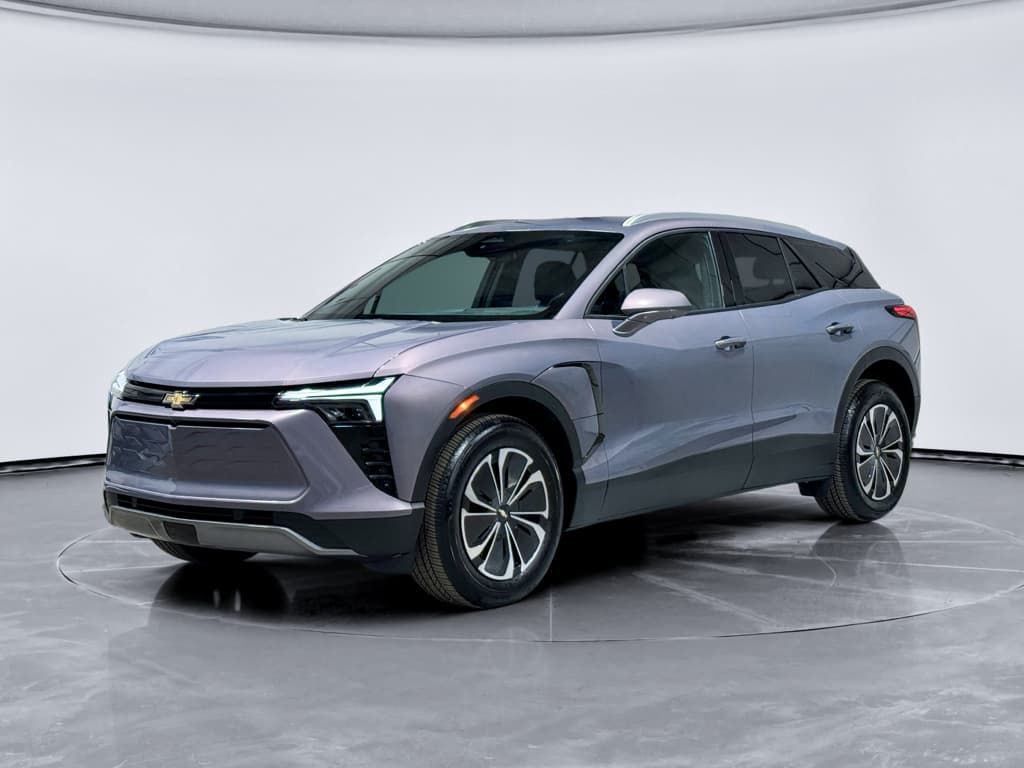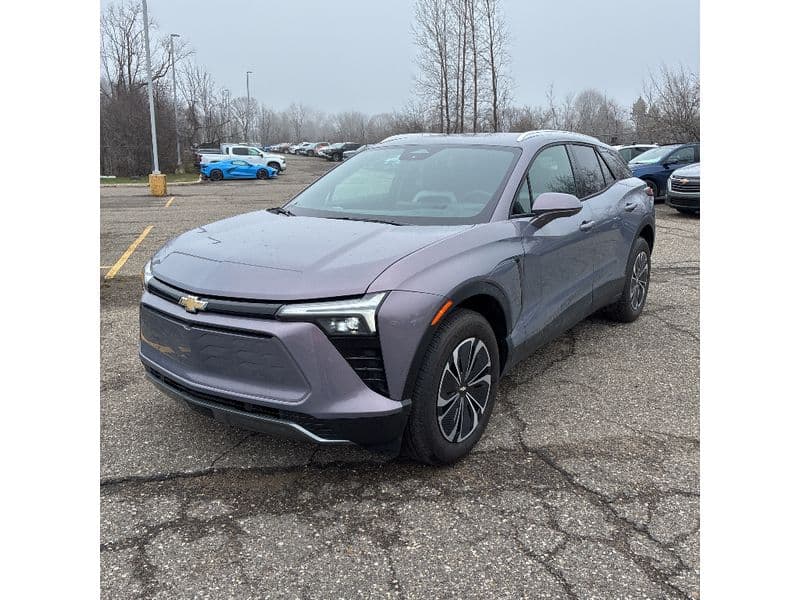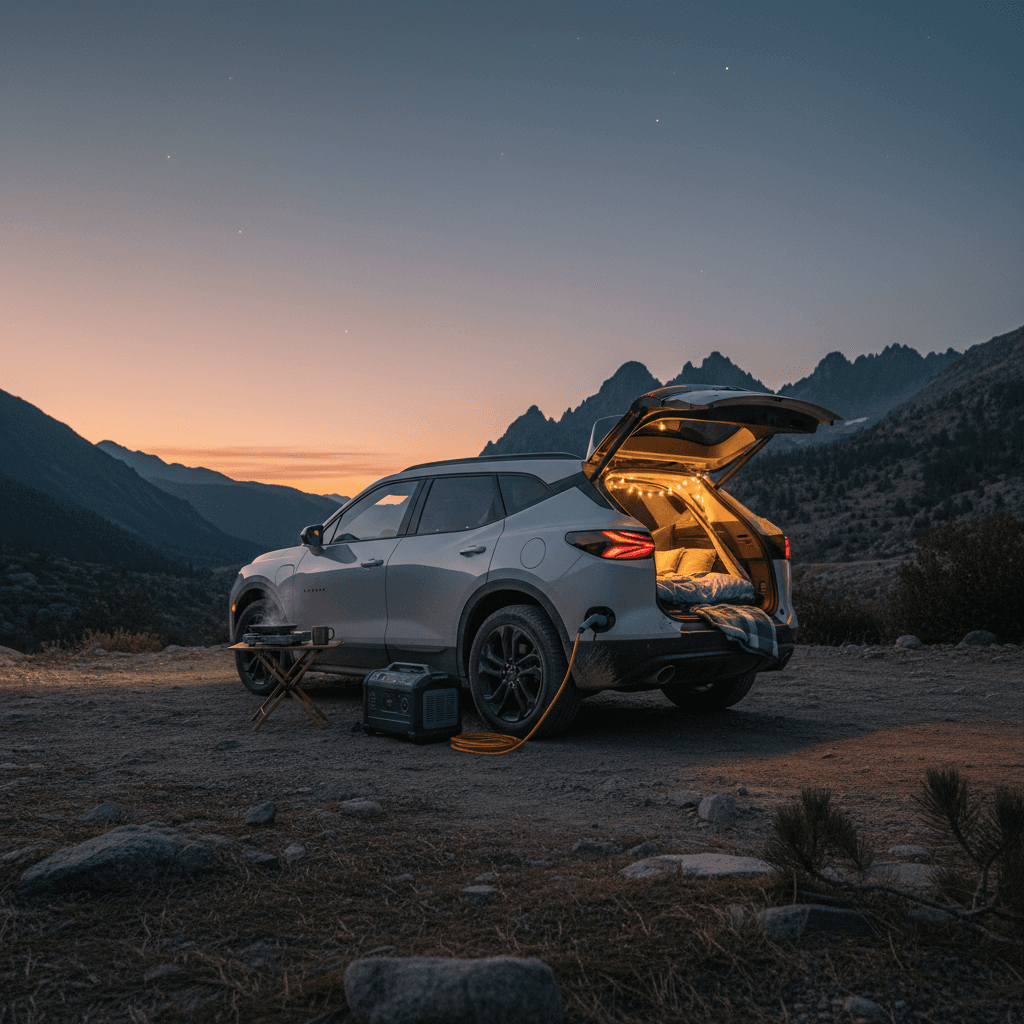
You can sleep in a Chevrolet Blazer EV, but how comfortable it feels depends on your height, your camping gear, and how you set up the rear seats. The Blazer EV offers around 59 cubic feet of space with the second row folded, which is enough for many people to stretch out on a mattress. In this guide, we’ll walk through what it’s really like to sleep in a Chevrolet Blazer EV, how to set it up, and what to watch out for with an electric SUV.
Short answer
Can you sleep in a Chevrolet Blazer EV?
From a packaging standpoint, the Blazer EV is a mid-size, two-row crossover with generous legroom and competitive cargo space for the class. Behind the rear seats you get about 25–26 cubic feet of cargo volume, and with the second row folded that opens up to roughly 59–60 cubic feet, depending on trim and sunroof configuration. ([gmauthority.com](https://gmauthority.com/blog/gm/chevrolet/blazer-ev-electric/2024-chevrolet-blazer-ev/2024-chevrolet-blazer-ev-specifications/?utm_source=openai))
That’s not minivan territory, but it’s plenty for a sleeping platform, camping mattress, and weekend gear. Think of the Blazer EV as a roomy wagon: good for one adult plus gear, or two people who don’t mind a cozy setup and are willing to pack light.
Who it suits best
Blazer EV space and dimensions for sleeping
Chevrolet and independent spec sheets give us a good picture of the Blazer EV’s interior volume, even though they don’t publish precise floor measurements with the seats folded. Here’s what we know and how it translates to real-world sleeping space.
Key Chevrolet Blazer EV interior numbers
With the rear seatbacks folded, you’re essentially working with the area from the back of the front seats to the hatch. On most mid‑size crossovers with similar exterior length (around 192 inches overall), that floor length is typically in the 70–75 inch ballpark when the front seats are slid forward.
Practical rule of thumb
Cargo volume numbers tell us it’s competitive with other mid-size crossovers, roughly similar to a gas Blazer or an Equinox EV with seats folded. That’s enough to carry camping gear and still have room for a mattress or folding pad. ([gmauthority.com](https://gmauthority.com/blog/gm/chevrolet/blazer-ev-electric/2024-chevrolet-blazer-ev/2024-chevrolet-blazer-ev-specifications/?utm_source=openai))
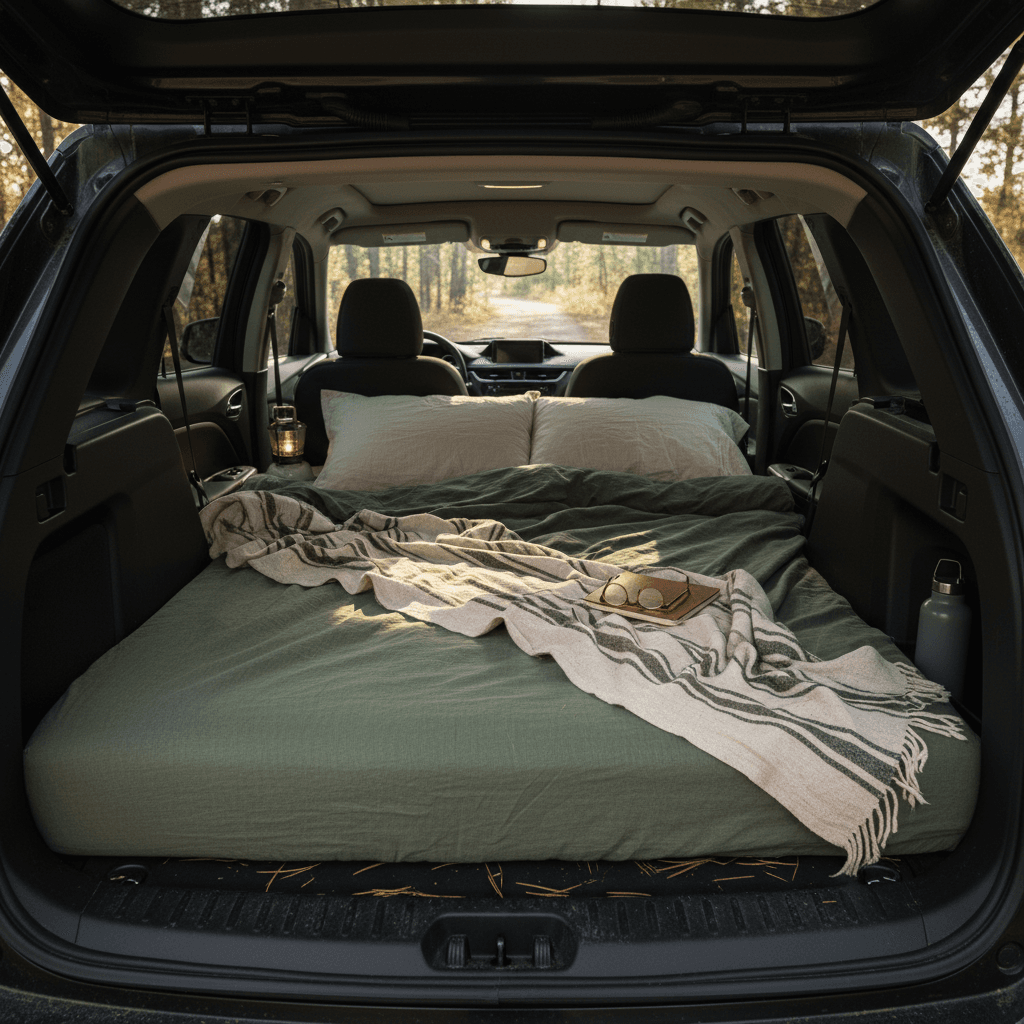
How to set up a sleeping area in a Blazer EV
Because the Blazer EV’s rear seats fold but don’t create a perfectly long, level bed, a little planning makes a big difference. Here’s a straightforward setup that balances comfort with simplicity.
Step-by-step sleeping setup
1. Fold and position the rear seats
Fold the second-row seatbacks completely flat. If there’s a slight angle or step where the seats meet the cargo floor, remember you can level it out with a foam pad or a simple plywood platform later.
2. Slide front seats forward
Move the front seats as far forward and upright as you comfortably can while still being able to drive. This adds critical extra inches of length in the rear for your torso and feet.
3. Use a folding or inflatable mattress
A 72–75 inch backpacking or car-camping pad usually fits well. Choose something 2–4 inches thick to smooth out any gaps between the folded seats and cargo floor.
4. Level the sleeping surface
If there’s a noticeable slope, use yoga blocks, folded blankets, or a low-profile wooden platform to even things out. Your back will thank you after a long day on the road.
5. Choose head-to-hatch or head-to-front
Many people prefer sleeping with their head toward the hatch for easier access to gear. Taller sleepers sometimes reverse it and extend feet between the front seats for a little more length.
6. Pack your bedding smart
Use compact synthetic sleeping bags or quilts that pack down easily. Store pillows and extra blankets in the rear footwells so they’re handy but not in the way while you’re driving.
One sleeper vs two
Comfort and privacy tips for Blazer EV car camping
Once you’ve established that you physically fit, the real test is whether you’ll actually sleep well. That comes down to comfort, privacy, and little details that keep the cabin from feeling like an improvised dorm room.
Make your Blazer EV sleep-friendly
Small upgrades go a long way toward a good night’s rest
1. Window shades & privacy
Use custom-fit sunshades or DIY Reflectix panels in the rear windows to block light and prying eyes. For the windshield and front windows, a folding sunshade and inexpensive curtain or tension rod can quickly create a private "bedroom" at night.
2. Ventilation without bugs
Crack rear windows slightly for airflow and use clip‑on mesh screens or magnetic bug nets so you’re not sharing the cabin with mosquitoes. A small USB fan can keep air moving without drawing much power.
3. Temperature control
In hot or cold weather, pre‑condition the cabin while plugged into a charger so the battery handles the heavy lifting. Once you’re at temperature, the Blazer EV’s efficient HVAC can maintain a comfortable climate with modest energy draw.
4. Gear organization
Bin or bag your gear by category, sleep system, cooking kit, clothing, so you’re not digging under the mattress for essentials at midnight. Rear seat footwells make good “closets” where items are accessible but out of your sleeping area.
5. Condensation control
Two people sleeping in a sealed cabin produces a surprising amount of moisture. Vent the windows slightly, avoid drying wet clothes inside, and wipe windows in the morning to prevent mildew and fogged glass.
6. Lighting that won’t blind you
Use dimmable USB lanterns or headlamps instead of blazing the dome lights. It preserves your night vision, uses less power, and doesn’t advertise that someone’s sleeping inside.
Pro comfort move
Using climate control and battery while you sleep
One of the big advantages of sleeping in an EV versus a gas SUV is climate control. The Blazer EV uses high‑voltage battery power to run its heat pump or electric A/C, so you can keep the cabin comfortable without idling an engine or worrying about exhaust.
- Compared with driving, maintaining cabin temperature overnight typically uses a modest amount of energy, often in the range of a few kilowatt-hours over several hours, depending on outside temperature and your settings.
- Because there’s no tailpipe, you don’t have the carbon monoxide concerns associated with running a gasoline engine while you sleep.
- The system cycles on and off to maintain your set temperature, which limits noise and power draw compared with continuous full-blast operation.
Watch your state of charge
The Blazer EV doesn’t yet have a widely publicized, dedicated "camp mode" like Tesla’s, but you can approximate it: set the cabin temperature, ensure the vehicle is in Park, and disable deep sleep/energy‑saving features that might shut the climate system down. Always test your specific trim’s behavior at home before relying on it in the wild.
Power and gear: what the Blazer EV can run at camp
On paper, GM has promoted Ultium‑based vehicles, including the Blazer EV, as being capable of vehicle‑to‑home or vehicle‑to‑load functions using accessories like the GM Energy Power Bar. In practice, availability and compatibility can vary by model year and configuration, and some owners report limited or no built‑in 120‑volt outlets in their Blazer EVs. ([reddit.com](https://www.reddit.com/r/BlazerEV/comments/1fes4xe?utm_source=openai))
What you can reasonably expect today
- Low‑draw USB devices: Phones, tablets, small fans, and LED lights are easy to power via built‑in USB ports.
- 12V accessories: Some trims provide a 12‑volt outlet you can pair with a modest inverter for occasional laptop charging or a small air pump.
- Third‑party 12V inverter: If you understand DC systems and stay within safe limits, you can run light loads directly from the 12V system; this is an area where professional guidance is wise.
What to treat cautiously
- High‑draw appliances: Electric kettles, hot plates, and large heaters can overwhelm inverters and drain the battery quickly.
- Unofficial wiring mods: Tapping into high‑voltage or 12V systems without expertise is a recipe for warranty issues and safety hazards.
- Assumed V2H/V2L support: Just because another Ultium model supports a feature doesn’t mean every Blazer EV trim does. Confirm with official documentation for your VIN before ordering expensive hardware.
Simple, low-stress power setup
Safety considerations when sleeping in a Blazer EV
Sleeping in any vehicle comes with responsibilities. The good news is that an EV eliminates some traditional hazards, like exhaust fumes, but you still need to think about where you park, how you manage power, and basic personal safety.
Blazer EV sleeping safety checklist
1. Choose legal, well‑lit spots
Use established campgrounds, designated overnight parking, or clear, legal boondocking areas. Avoid sketchy rest areas or places with “No Overnight Parking” signs, you don’t want a knock on the window at 2 a.m.
2. Keep enough range in reserve
Don’t run your pack down to the warning light just to stay toasty. Maintain a reasonable buffer for the next day’s driving plus any unexpected detours.
3. Don’t block vents or airbags
When you build a sleep platform or stack gear, make sure you’re not obstructing side airbags, seat sensors, or HVAC vents that the battery and cabin depend on.
4. Lock doors but keep keys accessible
Lock the vehicle once you’re inside, keep your fob in a consistent spot you can reach quickly, and know how to unlock and exit fast in an emergency.
5. Respect temperature extremes
The HVAC system is efficient, but physics still applies. In extreme cold or heat, have backup plans, a real campsite, hotel, or earlier driving schedule, if conditions feel unsafe.
6. Secure loose gear
In a sudden stop, heavy items can become projectiles. Store hard gear low and forward, and keep the sleeping area free of sharp objects.
Avoid DIY high-voltage experiments
Cost of sleeping in a Blazer EV vs hotels or cabins
One big reason people ask whether you can sleep in a Chevrolet Blazer EV is simple: cost. Even if you only do it occasionally on a road trip, skipping two or three hotel nights per year adds up quickly.
Blazer EV car camping vs typical lodging
Approximate per‑night costs for a couple on a road trip in the U.S.
| Option | Typical nightly cost | What’s included | Best for |
|---|---|---|---|
| Sleeping in Blazer EV (public charger or safe lot) | $0–$10 (parking fees) | Use vehicle HVAC, own bedding, battery energy | Budget overnights, quick rest stops |
| Sleeping in Blazer EV at paid campground | $20–$50 | Dedicated site, restrooms/showers, often 120V/30A access | Weekend camping, nicer facilities |
| Budget motel | $80–$140+ | Room, shower, AC/heat, some breakfast | Maximum comfort after long driving days |
| Cabin / vacation rental | $120–$250+ | More space, kitchen, amenities | Longer stays, trips with friends or family |
Numbers are broad examples; actual prices vary by location, season, and your gear choices.
Factor in your camping gear, mattress, bedding, privacy shades, and your all‑in cost for turning a Blazer EV into a part‑time micro‑camper can easily be less than a handful of hotel nights. If you already own the vehicle, you’re essentially unlocking another use case for the price of some smart packing.
Is a used Blazer EV a good choice for light camping?
If you’re shopping the used market and wondering whether a Blazer EV can cover daily‑driver duty and occasional camping, the answer is “yes, with clear expectations.” It’s a stylish, mid‑size electric SUV with solid range and enough interior room for realistic, if compact, sleep setups.
Blazer EV as a micro‑camper: pros and tradeoffs
Advantages
- Comfortable daily driver: You’re not giving up on‑road comfort just to gain camping ability.
- EV climate control: Quiet, fume‑free heating and cooling while you sleep.
- Decent interior volume: Around 59–60 cubic feet with seats folded is enough for a mattress and gear.
- Stealth factor: From the outside it just looks like an SUV, not a camper.
Limitations
- No third row or huge cargo bay: It’s not a Suburban or a van; space is finite.
- Unclear factory V2L support: Depending on trim/year, built‑in AC outlets may be limited or absent.
- Two‑person setups are tight: Works, but requires discipline in packing and organization.
Where Recharged fits in
Ready to find your next EV?
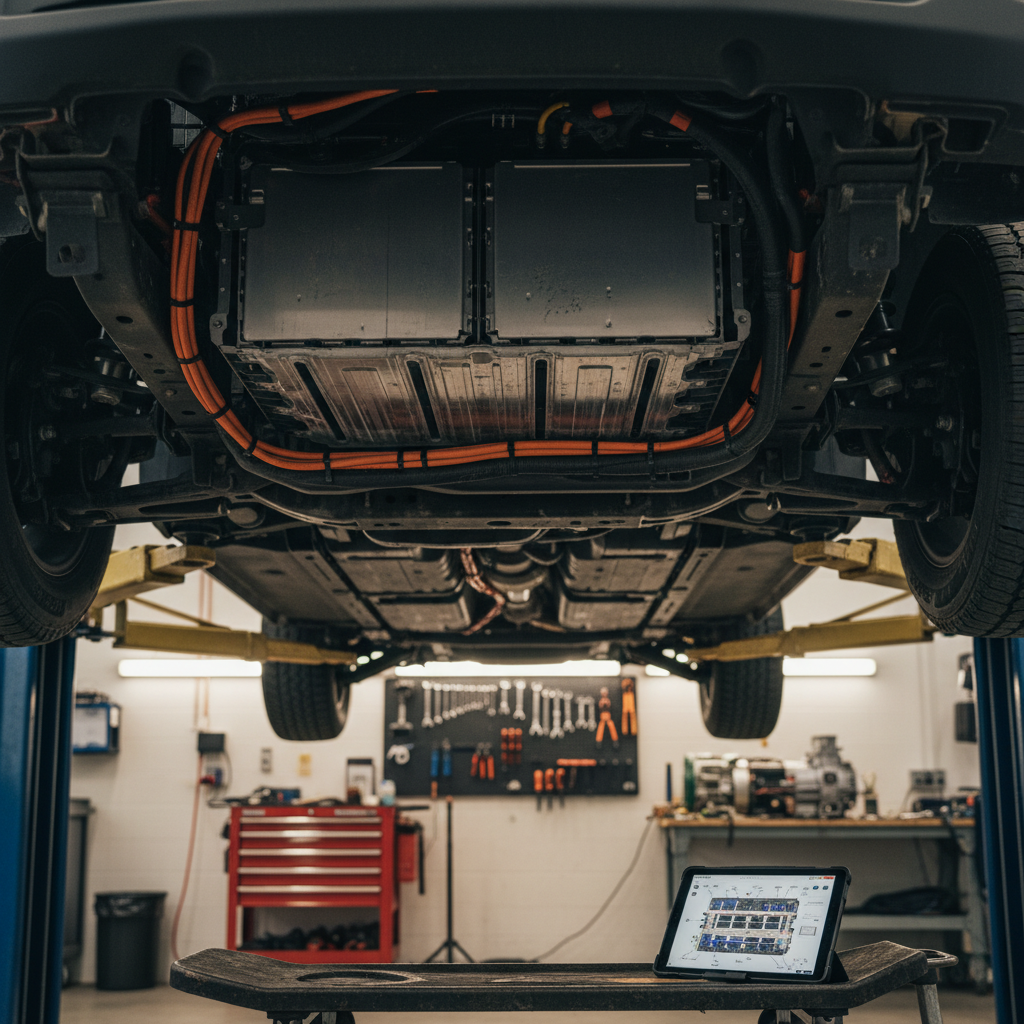
Browse VehiclesBecause Recharged handles financing, trade‑ins, and nationwide delivery, you can shop for a Blazer EV online, understand its real‑world battery health up front, and then focus your in‑person testing on practical questions like “Can I stretch out in back?” and “Does this trim have the outlets I want?” rather than worrying what’s hiding under the floorpan.
Chevrolet Blazer EV sleeping & camping FAQs
FAQs about sleeping in a Chevrolet Blazer EV
If your question is “Can you sleep in a Chevrolet Blazer EV?,” the honest answer is that it’s a capable, comfortable mid‑size electric SUV that doubles as a solid micro‑camper with the right expectations. It won’t replace a full‑size van or dedicated RV, but it will let you skip a few hotel nights, grab a quiet nap between charging stops, and wake up with a view of the trailhead instead of the parking lot. Get your sleep system dialed in, understand how your specific Blazer EV handles climate control and power, and you’ll have a flexible road‑trip partner that works as well on Monday’s commute as it does on Friday night at the campground.