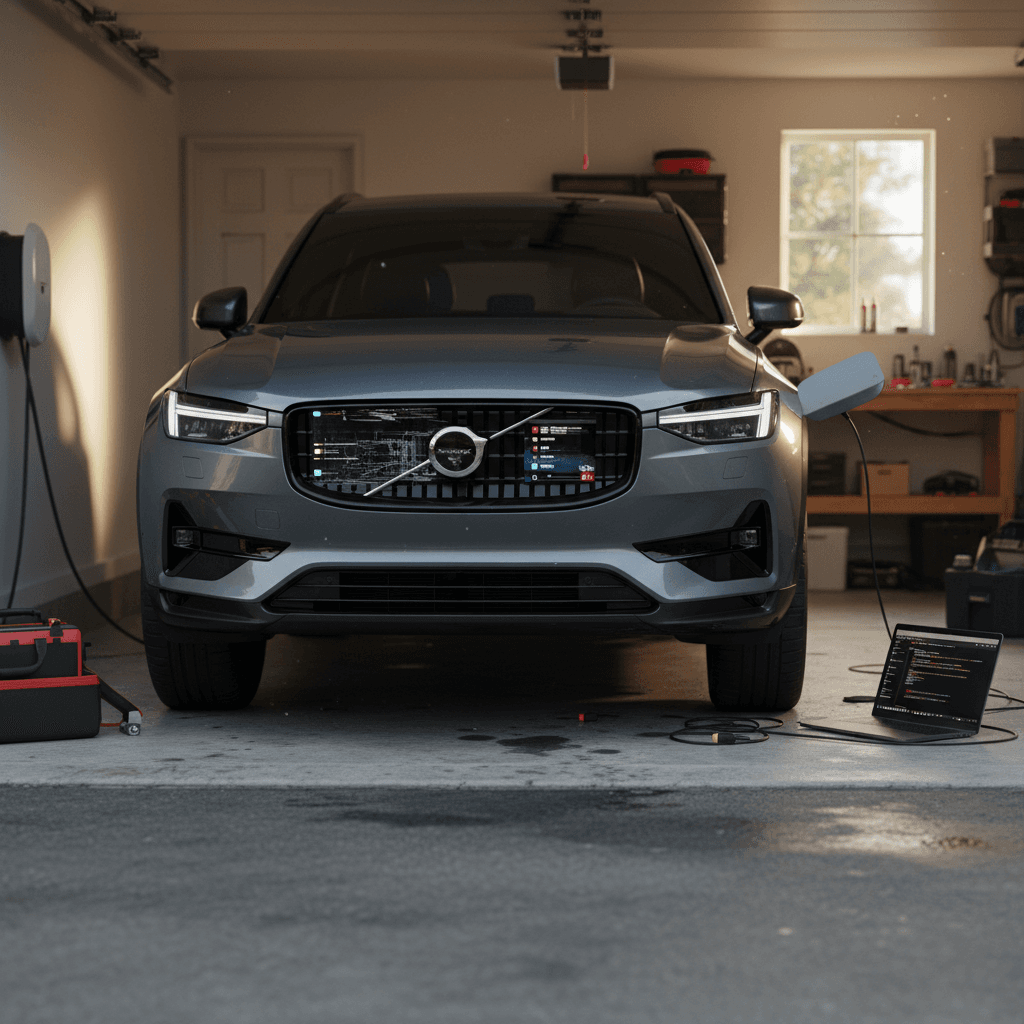
If you’re looking at a flagship three‑row EV SUV, the **Volvo EX90’s reliability in 2026** is probably your biggest question mark. On paper it’s classic Volvo: seven seats, big battery, and an obsessive focus on safety. In the real world, early EX90s have been defined as much by software bugs, recalls, and computer replacements as by airbags and lidar. This guide pulls together what’s actually happening in 2025–2026 so you can decide if an EX90, especially a used one, belongs in your driveway.
Context: first‑generation, software‑heavy EV
Volvo EX90 reliability in 2026: the short version
Volvo EX90 reliability snapshot, 2026
Big picture, **2026 Volvo EX90 reliability** is mixed but trending upward. Hardware fundamentals, battery pack, motors, chassis, and crash structure, look strong so far. The pain is mostly in the software layer: frozen screens, odd warning messages, driver‑assist quirks, and some cars needing **central computer replacements** to stabilize. By 2026, Volvo has rolled out several major over‑the‑air updates and dealer campaigns, and is telling investors it has “solved” EX90 quality issues at the software level. That’s probably too generous, but owner reports and test data suggest 2024 builds are rougher than 2025–2026 cars running the latest software.
Who should think twice
Why the Volvo EX90 started with reliability issues
To understand **EX90 reliability in 2026**, you have to rewind a bit. The car was initially delayed into 2024 because Volvo openly admitted the software for its lidar‑based safety suite and new centralized computing architecture wasn’t ready. Even after that delay, the first customer cars shipped with immature software that reviewers and early owners quickly discovered was not fully baked.
Root causes of EX90 reliability trouble
Most early issues trace back to software and integration, not core EV hardware.
New central computer architecture
The EX90 moved to a centralized computing layout rather than scattered control modules. That’s good long‑term for updates and features, but it meant Volvo had to integrate more software in one shot than ever before.
Advanced sensor & lidar stack
The EX90 launched with a rooftop lidar and a dense sensor suite meant to enable more advanced driver assistance. Getting all of that to talk reliably to new software proved harder than the timelines suggested.
Aggressive OTA ambitions
Volvo planned to fix and add a lot via over‑the‑air updates, everything from bug fixes to bi‑directional charging. That flexibility also encouraged shipping earlier in the software maturity curve than traditional Volvos.
“Our customers have suffered under the EX90 quality issues we had in the past, which are solved now, since the last software update.”
What that means for you
Current Volvo EX90 problems owners still report
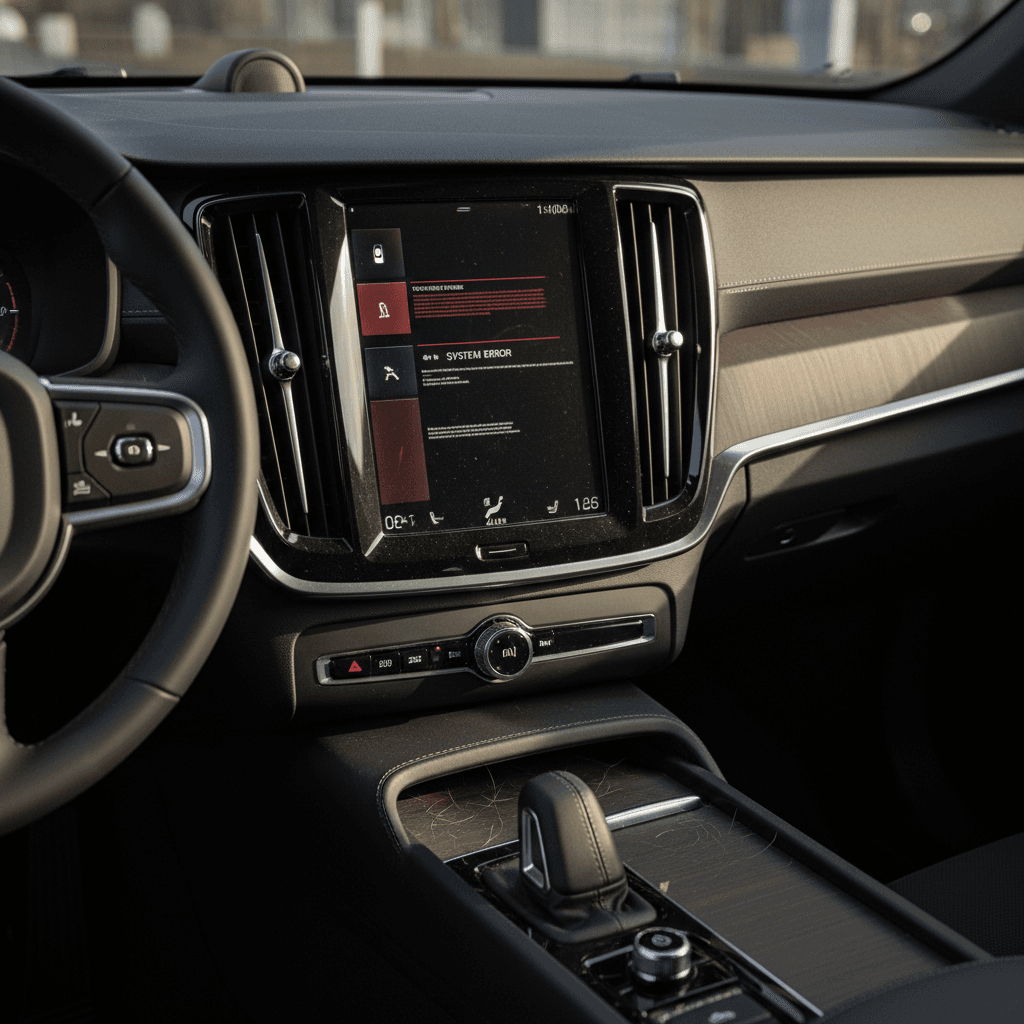
By 2026, the firehose of brand‑new complaints has slowed, but if you spend any time in EX90 owner forums you’ll see a consistent pattern. The SUV isn’t catastrophically unreliable, but it is **fussy**, especially for a family flagship positioned as a calm, Scandinavian alternative to German and American luxo‑EVs.
- Frequent warning messages about driver‑assist or power output that clear on restart but erode confidence.
- Laggy or frozen central touchscreen and digital cluster, sometimes requiring a soft reboot or overnight sleep.
- Reduced‑performance or “limited functionality” warnings tied to software glitches rather than true hardware failures.
- Phone key, app connectivity, and profile sync problems that make day‑to‑day use more annoying than it should be.
- Occasional loss of certain driver‑assist features mid‑drive that later return after a software update or dealer visit.
The serious end of the spectrum
The important nuance is that most of these issues are about **electronics and user experience**, not the BEV platform failing mechanically. If you can’t tolerate glitchy touchscreens in a $90,000 SUV, that distinction won’t comfort you much, but it matters for long‑term durability and resale value.
Recalls and factory fixes that affect 2026 reliability
The EX90 has already accumulated several recalls and service campaigns, some small, some more fundamental. When you’re evaluating **Volvo EX90 reliability in 2026**, you absolutely want to know which of these have been done on a specific VIN.
Key EX90 recalls & campaigns so far
Exact scope varies by build date and market; always run a VIN check with Volvo or NHTSA before you buy.
| Issue | Model years/builds | Risk | Typical fix |
|---|---|---|---|
| Second‑row seat bolts not torqued | Early 2025 builds (2024 production) | In a crash, seats may not perform as designed | Inspect and re‑torque or replace seat fasteners |
| Headlight / DRL behavior | 2025 EX90 | Non‑compliant lighting behavior could reduce visibility or violate U.S. regs | Software update and, in some cases, hardware swap or recalibration |
| Brake‑system OTA recall (multi‑model) | Several Volvo EVs and PHEVs; check EX90 VIN | Potential braking performance issues if OTA isn’t applied | Urgent over‑the‑air update plus dealer follow‑up if needed |
| Central computer reliability campaign | 2025 EX90, especially early North American builds | Intermittent power loss, repeated error messages, no‑start conditions | Replace central computing unit and load latest software |
Ask the seller for documentation that each applicable recall or service campaign has been completed.
How recalls affect your risk
Software updates, central computers, and what they actually fix
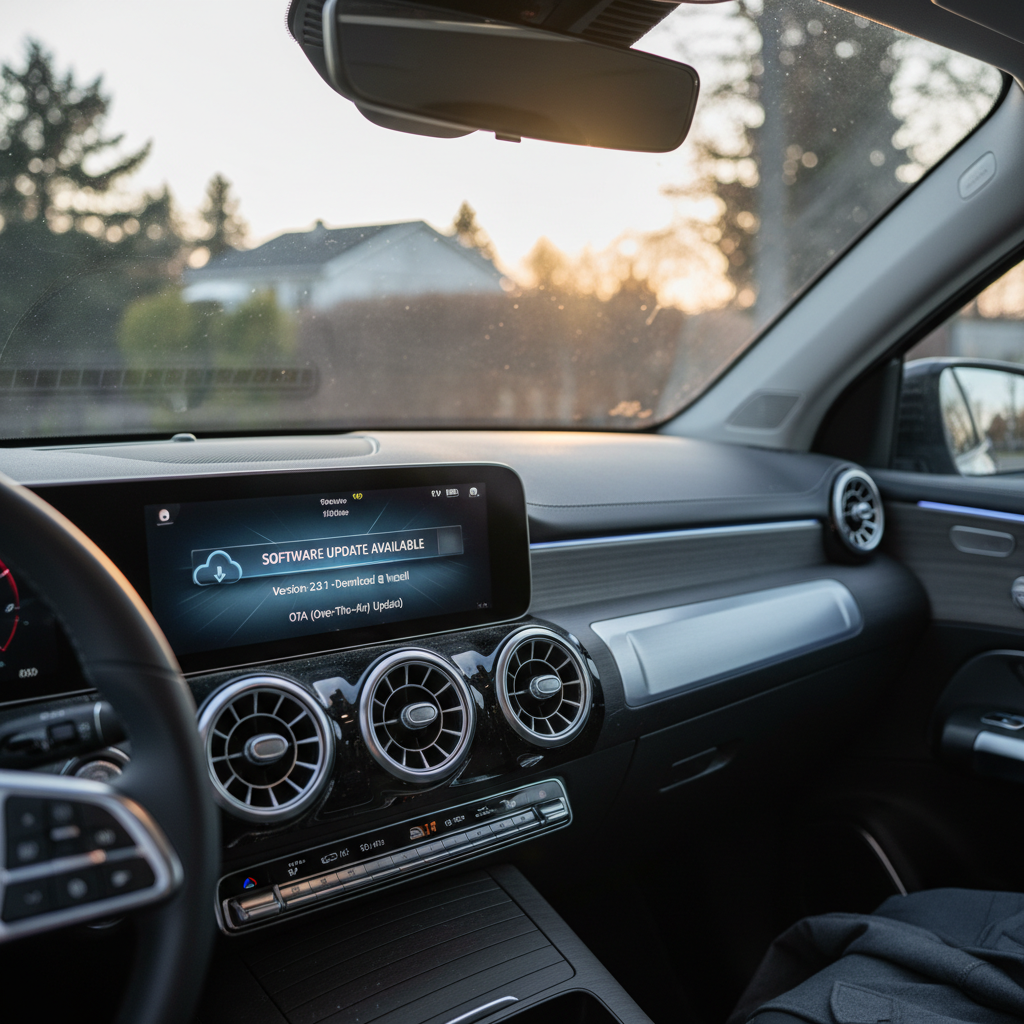
Volvo has been pushing frequent software updates to the EX90, both over the air and through dealers. Release notes show everything from wireless Apple CarPlay and sound‑system modes to deeper fixes for app‑related slowdowns and performance issues. Some updates also prepare cars for future features like bi‑directional charging.
Over‑the‑air software updates
- Fix many day‑to‑day annoyances: laggy screens, random error pop‑ups, spotty app integration.
- Add features that were promised at launch but delivered later, like expanded infotainment capabilities.
- Improve energy management and driver‑assist tuning over time.
- Still can’t fully mask buggy hardware; some owners see issues return until hardware is replaced.
Central computer replacements
- Volvo has chosen to replace core computers in many 2025 EX90s after persistent reliability problems.
- For some owners, this has been the turning point from “undrivable” to “mostly fine.”
- It’s a big job, expect the car to sit at the dealer for days, not hours.
- A replaced computer with current software is a major positive if you’re buying used in 2026.
What to ask the seller
Battery, range, and charging reliability
One bright spot in the **Volvo EX90 reliability** story so far is the high‑voltage side. In independent range testing, the EX90 has hit or exceeded its EPA range in some cases, and there’s little noise about battery pack failures or rapid degradation in these first couple of years.
How the EX90 is holding up as an EV, not just a computer on wheels
Early data points paint a mostly reassuring picture on the battery and charging front.
Range consistency
Third‑party tests have seen around 300+ miles in favorable conditions, which is in line with expectations for a large 7‑seat SUV. Owners report predictable range as long as software is up to date.
Fast‑charging behavior
No widespread pattern of DC fast‑charging failures has emerged yet. Some owners mention conservative charge curves, but that’s a trade‑off many would accept for long‑term pack health.
Thermal & cold‑weather performance
As with most big‑battery EVs, range drops in cold weather, but there are no systemic stories of the EX90 refusing to fast‑charge or throwing high‑voltage errors in typical winter use.
Given Volvo’s track record with plug‑in hybrids and smaller EVs, it’s not surprising that the **mechanical EV platform looks decent while the software stack is noisier**. For long‑term ownership, that’s a better problem to have than a fragile battery design, provided Volvo keeps investing in updates rather than walking away from early adopters.
Safety systems, lidar, and driver-assistance behavior
Safety is Volvo’s brand, and on paper the EX90 is one of the most sensor‑rich family vehicles you can buy: radar, cameras, ultrasonic sensors, a roof‑mounted lidar, and a robust structural safety cage. But that complexity is also where many of the more unnerving reliability stories live.
- Driver‑assist features (lane centering, adaptive cruise, Pilot Assist/ride‑along features) dropping out unexpectedly and then returning on the next drive.
- Overly conservative interventions, abrupt braking or nagging alerts, that feel more like a nervous driving instructor than a quiet assistant.
- Lidar hardware present but under‑utilized versus original marketing promises, as Volvo rethinks exactly how and when to lean on that sensor in production cars.
- Occasional sensor calibration issues after windshield or body repairs that take time to sort at the dealer.
Safety vs. annoyance
Is Volvo EX90 reliability getting better in 2026?
The fairest way to describe **Volvo EX90 reliability in 2026** is that the trend line is improving, especially for vehicles built later and kept current on updates, but the model hasn’t fully shaken its first‑year reputation. Volvo’s public statements and the launch of newer models using the same software platform suggest the company is confident it has turned a corner. Owner anecdotes back that up selectively: some see their EX90 go from lemon‑ish to perfectly livable after software and computer replacements; others still feel like unwitting beta testers.
Good reliability fit in 2026 if…
- You value safety, comfort, and design more than absolutely flawless software polish.
- You’re willing to treat the car like a smartphone: keep updates current and tolerate the occasional glitch.
- You can verify that all recalls, campaigns, and key updates are done, and ideally that the central computer has been replaced if it was an early build.
- You’re buying a later‑build or lightly used 2025/2026 EX90 that’s already had early bugs worked out.
Poor reliability fit in 2026 if…
- You have zero tolerance for infotainment weirdness or warning lights in a premium SUV.
- You need bulletproof uptime for long‑distance work or rural driving with limited dealer support.
- You’re considering a very early 2025 build with a spotty service history and no proof of major updates.
- You want to set‑and‑forget a car for 10+ years with minimal software drama.
Buying a used Volvo EX90 in 2026: what to watch for
If you’re shopping the used market, **Volvo EX90 reliability in 2026** is less about averages and more about the specific car in front of you. Two EX90s built a few months apart can feel completely different depending on how their owners handled software updates, recall work, and dealer visits.
Biggest reliability risk factors on a used EX90
You can’t change a build date, but you can pick your battles.
Very early build dates
EX90s built in the first months of U.S. production are more likely to have unresolved teething issues. That’s not an automatic deal‑breaker, but it raises the bar for documentation and test‑driving.
Long list of repeat complaints
Multiple visits for the same problem, especially power loss, no‑starts, or driver‑assist failures, are a warning sign, even if the last visit “fixed it.”
Skipped updates & DIY avoidance
An owner who never connected the car to Wi‑Fi or avoided dealer visits may be handing you a car that’s stuck on buggy software and overdue for several campaigns.
This is exactly where a structured inspection helps. At Recharged, every vehicle we list comes with a **Recharged Score Report** that includes verified battery health, charge behavior, and a check for open recalls or chronic fault codes. You don’t have to guess whether a particular EX90 just “feels” okay on a quick test drive, we make the invisible reliability story visible.
Pre‑purchase reliability checklist for EX90 shoppers
Volvo EX90 reliability checklist (2026)
1. Pull a full recall and campaign history
Run the VIN through Volvo and NHTSA and confirm all EX90‑specific recalls, seat bolts, lighting, braking, and computer campaigns, are marked as completed with paperwork to match.
2. Confirm software version and update cadence
In the car’s settings, check that it’s running a late‑2025 or 2026 software build. Ask the seller when the last over‑the‑air and dealer updates were performed, and review any release‑note emails if available.
3. Ask about central computer or sensor replacements
Specifically ask whether the EX90 has had its central computer, lidar unit, radar, or camera modules replaced under warranty. A documented replacement can actually be a plus, evidence that you’re not absorbing the debugging.
4. Test all driver‑assist features on real roads
On your test drive, activate adaptive cruise, lane centering, and parking aids. Note any warning messages, unexpected drop‑outs, or behaviors that feel jerky or inconsistent. If something seems off, assume it will bother you more over time.
5. Stress‑test the screens and controls
Spend time flipping between maps, audio, climate, and settings. Try plugging in a phone, using wireless CarPlay (if equipped), and switching driver profiles. You’re looking for freezes, lag, or crashes you’d be living with daily.
6. Inspect charging behavior & range estimates
If possible, plug the EX90 into a Level 2 charger and, ideally, a DC fast charger. Watch for charging errors, unusual noises, or wildly fluctuating range estimates that could hint at software or BMS oddities.
7. Get an independent battery & systems health report
Use a specialist like <strong>Recharged</strong> to obtain a battery‑health diagnostic, fault‑code scan, and drive‑train check. Our **Recharged Score** can flag hidden problems and help you decide if a particular EX90 is worth the money.
Volvo EX90 reliability 2026: FAQs
Frequently asked questions about Volvo EX90 reliability in 2026
Bottom line: who the EX90 does and doesn’t suit today
In 2026, **Volvo EX90 reliability** is no longer the uncharted territory it was at launch, but it’s still not a set‑and‑forget proposition. If you want a seven‑seat EV that prioritizes safety, comfort, and design, and you’re willing to live with occasional software quirks in exchange for that, you can end up very happy with an EX90, especially a later‑build example that’s had its early‑life surgery. If your tolerance for glitches is zero, the combination of fresh software architecture and complex driver‑assist hardware means you may be better off with a more mature EV platform.
Either way, the smartest move is to judge each EX90 by its **actual data**, not just its spec sheet. A comprehensive inspection, clear update and recall history, and a verified battery‑health report turn a risky first‑generation flagship into a knowable bet. That’s exactly what Recharged is built to deliver: transparent battery diagnostics, fair pricing, financing, trade‑in support, and expert EV guidance, whether you ultimately decide the EX90 is the right fit or you pivot to a different used EV that better matches your reliability comfort zone.