If you live where winter actually means snow, ice, and single‑digit temps, you’re right to ask how the Hyundai IONIQ 5 really handles cold weather. On paper it has all the right ingredients, available all‑wheel drive, a heat pump, and smart traction control, but winter exposes weaknesses in any EV. This Hyundai IONIQ 5 winter driving review pulls together owner reports, manufacturer details, and EV industry context so you know what to expect, especially if you’re considering a used IONIQ 5 from a marketplace like Recharged.
Quick take
Hyundai IONIQ 5 winter driving overview
Winter strengths and weaknesses at a glance
Where the IONIQ 5 shines, and where it needs help, in cold climates
What it does well
- AWD traction with “Snow” mode and fine traction control makes it hard to break loose on slippery surfaces.
- Heat pump (on most trims in cold-weather markets) and heated seats/wheel keep the cabin warm efficiently.
- Ultra‑fast DC charging still performs well in winter when the battery is preconditioned.
- Good ground clearance for a crossover and stable highway manners in slush.
Where winter exposes flaws
- Range drops 30–40% in freezing temps, more on short trips.
- Early cars without software updates lacked automatic battery preconditioning and charged slowly when cold.
- Snow and slush buildup can clog rear light elements, sensors, and the wiper cowl.
- On stock all‑season tires, grip in real snow is merely OK; winter tires transform the car.
In other words, the IONIQ 5 is not a magic carpet that ignores physics, but with the right tires and settings it’s one of the better all‑electric crossovers you can drive through a real winter. The big question isn’t “can it handle snow?”, it’s how much range and convenience you’re willing to trade for four‑season capability.
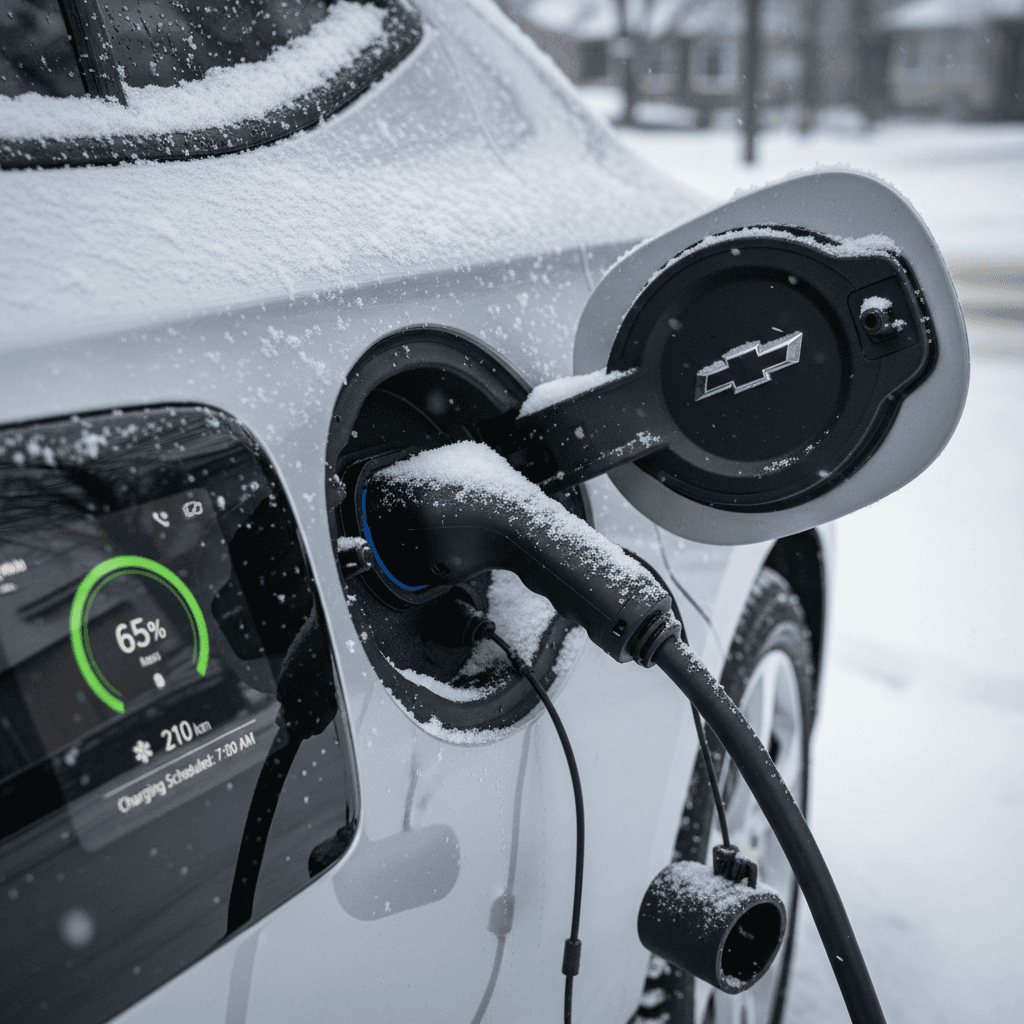
Snow and ice handling: confident, if you set it up right
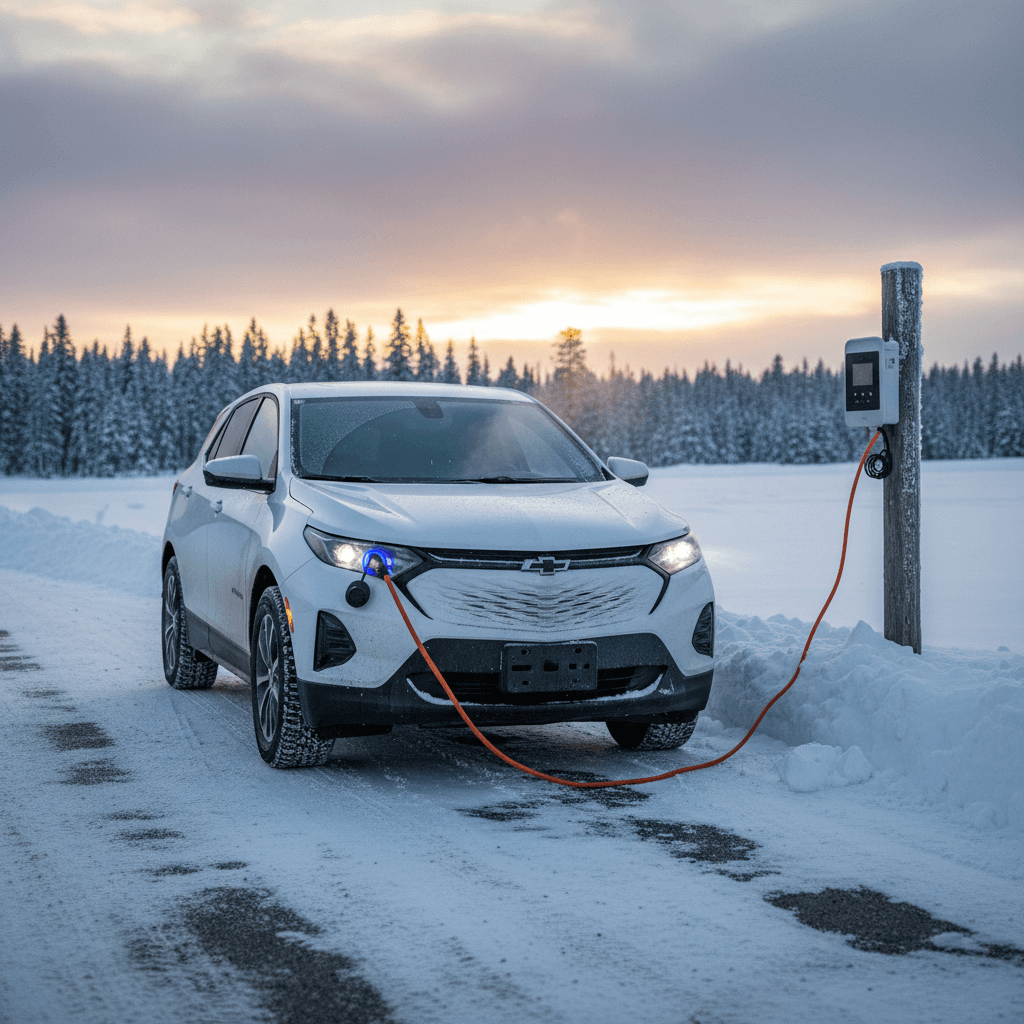
The most important winter question most shoppers have is simple: will the IONIQ 5 get me up my driveway and through a storm? In owner reports from snow‑belt regions, the AWD IONIQ 5 with winter tires ranges from “solid” to “an absolute beast,” while FWD or RWD cars on factory all‑seasons can feel out of their depth on ice or packed snow.
- AWD + Snow mode: Dual‑motor IONIQ 5s can send power to both axles and use Snow mode to soften throttle response and prioritize smooth traction. Many drivers report stable starts on unplowed roads and steep, snowy driveways when Snow mode and winter tires are combined.
- Traction control logic: Hyundai’s traction and stability systems are conservative; they’ll cut power early to keep the car straight. That can feel intrusive if you’re used to a Subaru that lets you play, but it’s reassuring for most drivers.
- RWD/FWD behavior: Single‑motor versions (rear‑drive in North America, some markets with FWD) are still drivable in winter, but on all‑season tires they’re traction‑limited on hills and can spin up more easily when you’re starting on ice. The big battery and instant torque don’t help if the tire compound can’t bite.
Snow mode shortcut
Where things go sideways, sometimes literally, is when owners assume EV traction control can compensate for poor tires. The IONIQ 5 ships with low‑rolling‑resistance all‑seasons in many markets. Those are great for efficiency but can feel skittish below about 30°F and downright scary on ice. Switching to quality winter rubber (or at least aggressive all‑weather tires) is the single biggest upgrade you can make for this car in winter.
Set your IONIQ 5 up for snow success
1. Prioritize winter or all‑weather tires
The IONIQ 5’s torque will instantly expose weak tires. A good set of winter or mountain‑snowflake all‑weather tires matters more than AWD alone.
2. Use Snow mode only when it’s actually slippery
On cleared pavement Snow mode just makes the car feel sluggish. Save it for packed snow, slush, or ice, where the smoother power delivery pays off.
3. Reduce regen on very slick surfaces
Strong regenerative braking on ice can unsettle any EV. Drop regen to a lower setting or turn i‑Pedal off when roads are extremely slick so friction brakes and ABS can do their job more predictably.
4. Clean cameras and sensors regularly
After a few miles in blowing snow, the IONIQ 5’s exterior sensors can get packed up and disable lane assist and other driver aids. Plan to wipe them periodically on long drives.
Cold-weather range: what you actually get
All EVs lose range in the cold because batteries are less efficient and you’re burning energy on cabin heat. The IONIQ 5 is no exception. In real‑world owner data, expect around 30–40% range loss at freezing temps, and more during short trips where the car never fully warms up.
Typical IONIQ 5 range changes in winter
If you’re stepping out of a gas crossover that loses maybe 10–15% efficiency in winter, that 30–40% EV hit can feel dramatic. But it’s normal across the segment, and the IONIQ 5’s heat pump and big battery help it stay competitive. The key is adjusting how you plan trips and charge stops when it’s cold.
Watch your buffer
Cabin comfort, heat pump and preconditioning
On the comfort front, the IONIQ 5 feels like a luxury car in winter. Heated seats and steering wheel are widely available, the cabin warms quickly, and the heat pump on most trims in colder markets lets you stay warm without destroying range quite as badly as older resistive‑only systems.
- Heat pump advantage: Hyundai’s heat pump scavenges waste heat from the power electronics and battery, so at moderate cold (20–40°F) you’ll typically see less of a range hit than an EV that only uses resistive heating.
- Pre‑heating via app: Using Hyundai’s Bluelink app (or the in‑car schedule) to warm the cabin while plugged in is a huge win. You get into a toasty car, the windows are defrosted, and you’ve used grid power instead of battery to do it.
- Seat and wheel heaters first: For efficiency, rely on heated seats and steering wheel before cranking the cabin temperature. They use far less energy per mile and keep you just as comfortable in most conditions.
Comfort score: high
Fast-charging the IONIQ 5 in winter
Hyundai built the IONIQ 5 on an 800‑volt architecture that can pull very high DC fast‑charge rates in ideal conditions, often leaping from 10–80% in under 20 minutes. In winter, you’ll only see that kind of performance if the battery is warm, either from driving or from battery preconditioning.
Battery preconditioning (software update)
Early IONIQ 5s shipped without automatic battery preconditioning and would crawl up a cold fast‑charge curve. Hyundai later rolled out a software and BMS update that adds preconditioning when you navigate to a DC fast charger in the built‑in navigation. On updated cars, you’ll typically see 100–125 kW or more even in winter once the pack is warm.
If you’re shopping used, it’s worth confirming the car has had that update applied; at Recharged, the Recharged Score and inspection notes flag important software campaigns like this.
Cold pack, slow charge
If you simply hop onto a DC fast charger after a short, cold soak, no preconditioning, minimal driving, don’t be surprised to see very low initial charge speeds, sometimes under 50 kW. The car is protecting the pack from lithium plating at low temperatures.
On road trips, aim to drive 20–30 minutes before your first stop, set the charger as your navigation destination, and let the car warm the pack on the way. In practice, that keeps the IONIQ 5 among the best winter road‑trip EVs when used correctly.
Navigation trick
Common IONIQ 5 winter complaints to know about
No EV is perfect in bad weather, and the IONIQ 5 is no exception. A few winter quirks come up repeatedly in owner feedback and are worth understanding up front, especially if you’re cross‑shopping or evaluating a used example.
Frequent IONIQ 5 winter complaints
Most of these are manageable once you know to expect them.
| Issue | What drivers report | How to mitigate |
|---|---|---|
| Snow‑clogged taillights | The pixel‑style rear light elements and creases can pack with snow and road grime quickly, reducing visibility. | Wipe them at every stop in storms; consider a quick walk‑around when you plug in. |
| Sensor and camera outages | Front and rear sensors, plus the forward camera, can ice up within minutes in heavy snow, disabling lane‑keep and some safety aids. | Treat driver‑assist as a bonus, not a crutch; keep a cloth in the car and clean key lenses when safe. |
| Wiper well ice buildup | Snow and slush collect in the cowl below the windshield and can freeze solid in multi‑day storms. | Clear accumulated slush during warm spells; avoid letting heavy packed ice sit on the wipers. |
| Wheel‑well ice chunks | The big wheel arches accumulate ice “doughnuts” that can rub or thump as you drive. | Kick or knock chunks loose when you stop, especially before highway speeds. |
| Range “shock” vs EPA | New EV owners are surprised by how much range drops on short winter drives. | Use cabin preconditioning, rely on seat/wheel heat, and plan conservative buffers during your first winter. |
Knowing the typical winter pain points makes it easier to decide if the IONIQ 5 matches your climate and driving style.
Don’t over‑rely on driver assist
Best IONIQ 5 settings for winter driving
One advantage of EVs is that you can tailor their behavior more than a traditional automatic‑transmission car. The IONIQ 5 gives you adjustable drive modes, different levels of regenerative braking, and multiple climate‑control options. Set them up thoughtfully and you can dramatically improve your winter experience.
Suggested winter setup for the IONIQ 5
1. Drive mode: Normal or Eco, Snow when needed
Run <strong>Normal</strong> or <strong>Eco</strong> most of the time; switch to <strong>Snow</strong> when there’s consistent coverage of snow/ice on the road. Avoid Sport in truly slick conditions, it makes throttle response too jumpy.
2. Regen: Medium on snow, higher on cleared roads
Use a <strong>medium regen setting</strong> (or i‑Pedal off) when traction is limited, so you don’t surprise the rear tires with sudden deceleration. Once roads are mostly clear, higher regen is fine and helps recapture energy.
3. Climate control: 68–72°F with seat/wheel heat
Set a moderate cabin temp and rely heavily on <strong>seat and wheel heaters</strong>. You’ll stay comfortable while minimizing the heater’s drain on range.
4. Precondition before you unplug
On cold mornings, schedule a departure time or start pre‑heat from the app so the cabin (and, on updated cars, the battery) are warm while you’re still plugged in.
5. Turn off “smart” features when snow is deep
In deep snow or slushy ruts, features like lane‑centering and some collision‑avoidance nudges can feel confused. Don’t hesitate to disable them temporarily and drive the conditions.
Buying a used Hyundai IONIQ 5 for winter duty
If you’re eyeing a used IONIQ 5 as your daily driver in Minnesota, Colorado, New England, or similar climates, the usual used‑EV questions still apply, battery health, warranty status, and prior fast‑charging habits. Winter adds a few more items to your checklist.
Key winter questions to ask about a used IONIQ 5
These points matter just as much as trim level or paint color if you’re facing real winters.
Battery & software status
- Has the car received the battery preconditioning/BMS updates from Hyundai?
- What’s the current usable range at 100% according to the car, and how does that compare to new?
- Any DC fast‑charge issues noted in service history?
Tires and wheels
- Does the sale include a second set of winter wheels/tires?
- What brand and model of tire is mounted now, and how much tread is left?
- Are the wheels curbed or bent from winter potholes?
Cosmetic & underbody condition
- Any signs of road salt corrosion underneath or in wheel wells?
- Do the seals around doors and charge port look intact?
- Any history of collision repairs that might affect sensor alignment?
Buying through a specialist used‑EV retailer like Recharged helps here. Every IONIQ 5 on the platform comes with a Recharged Score Report that includes battery health diagnostics, verified options (including AWD and heat‑pump availability), and condition notes you won’t get from a generic listing site. That makes it easier to separate a winter‑ready IONIQ 5 from one that’s been neglected.
Finance and trade options
How the IONIQ 5 compares to other EVs in winter
Context matters. The IONIQ 5 isn’t the only EV dealing with range loss and icy sensors, so it helps to see where it lands relative to peers like the Tesla Model Y, Kia EV6, and Ford Mustang Mach‑E.
IONIQ 5 vs other popular EVs in winter
High‑level comparison focused on cold‑weather behavior rather than paper specs.
| Model | Winter range behavior | Snow/ice traction | Charging in cold | Cabin comfort |
|---|---|---|---|---|
| Hyundai IONIQ 5 | ~30–40% range loss typical; heat pump helps at moderate cold. | AWD + Snow mode is very secure with good tires; RWD/all‑season combo is weaker on ice. | Excellent when preconditioned; can still deliver triple‑digit kW rates in winter. | Quick warm‑up, strong heated seats/wheel, efficient climate control. |
| Tesla Model Y | Also sees ~30–40% loss; cabin preconditioning is well integrated in app. | AWD traction is strong; stability tuning feels sportier but still safe. | Strong, consistent fast‑charge network and robust preconditioning logic. | Very efficient HVAC, good defrost, minimalist but effective. |
| Kia EV6 | Similar E‑GMP platform to IONIQ 5, similar range behavior. | Sportier tuning; still secure on snow with winter tires. | Comparable 800V fast‑charging performance; also benefits from preconditioning. | Slightly lower seating position but comfortable and well‑heated. |
| Ford Mustang Mach‑E | Range loss is similar or slightly higher on some trims. | Good AWD traction, but weight and tire choice matter a lot. | Charge curves are improving but can be more conservative in cold. | Comfortable and quiet, though heat‑pump availability depends on trim/year. |
Exact performance depends on year, trim, and updates, but this gives you a directional sense of how the IONIQ 5 stacks up.
Where the IONIQ 5 shines
Hyundai IONIQ 5 winter driving FAQ
Frequently asked questions about the IONIQ 5 in winter
Bottom line: is the IONIQ 5 good in winter?
If your definition of “winter capable” includes storm‑day commuting, unplowed side streets, and highway trips in sleet, the Hyundai IONIQ 5 absolutely belongs on your shortlist. In AWD form, with a proper set of winter tires and battery preconditioning enabled, it delivers calm, predictable traction, a warm and quiet cabin, and some of the best real‑world DC fast‑charging behavior you’ll find in a mainstream EV.
You do have to respect the physics: range drops more than most gas drivers are used to, sensors don’t like packed snow, and early cars without software updates charge slowly when the pack is cold. But those are solvable problems, and they’re not unique to Hyundai. The IONIQ 5’s strengths, a refined ride, efficient heat pump, and strong charging hardware, make it easier to live with four seasons a year than many of its peers.
If you’re considering a used Hyundai IONIQ 5, especially in a cold‑weather state, start with a car whose battery health, software status, and equipment are verified. That’s exactly what Recharged was built for: transparent Recharged Score battery reports, fair pricing, financing and trade‑in options, and nationwide delivery so you can get into a winter‑ready EV without spending your weekends wandering dealer lots in the snow.