If you live where winters are real winters, you’re right to ask about Volvo EX30 winter range loss. On paper, this small Volvo has solid EPA range, but cold temperatures, snow, and highway speeds can trim that figure fast. The good news: once you understand what’s going on, you can plan around it, and still enjoy the EX30 as a confident, year‑round EV.
Key takeaway up front
Volvo EX30 winter range loss: what to expect
Volvo EX30 cold-weather range at a glance
On a mild day, an EX30 Single Motor Extended Range can reasonably deliver close to its EPA rating if you drive gently. In winter, add cold-soaked batteries, cabin heat, winter tires, and slushy roads, and that comfortable cushion shrinks. Instead of planning around 230–270 miles, most owners are better off planning around roughly 150–190 miles of highway‑biased winter range, and a bit more if you stay mostly in the city.
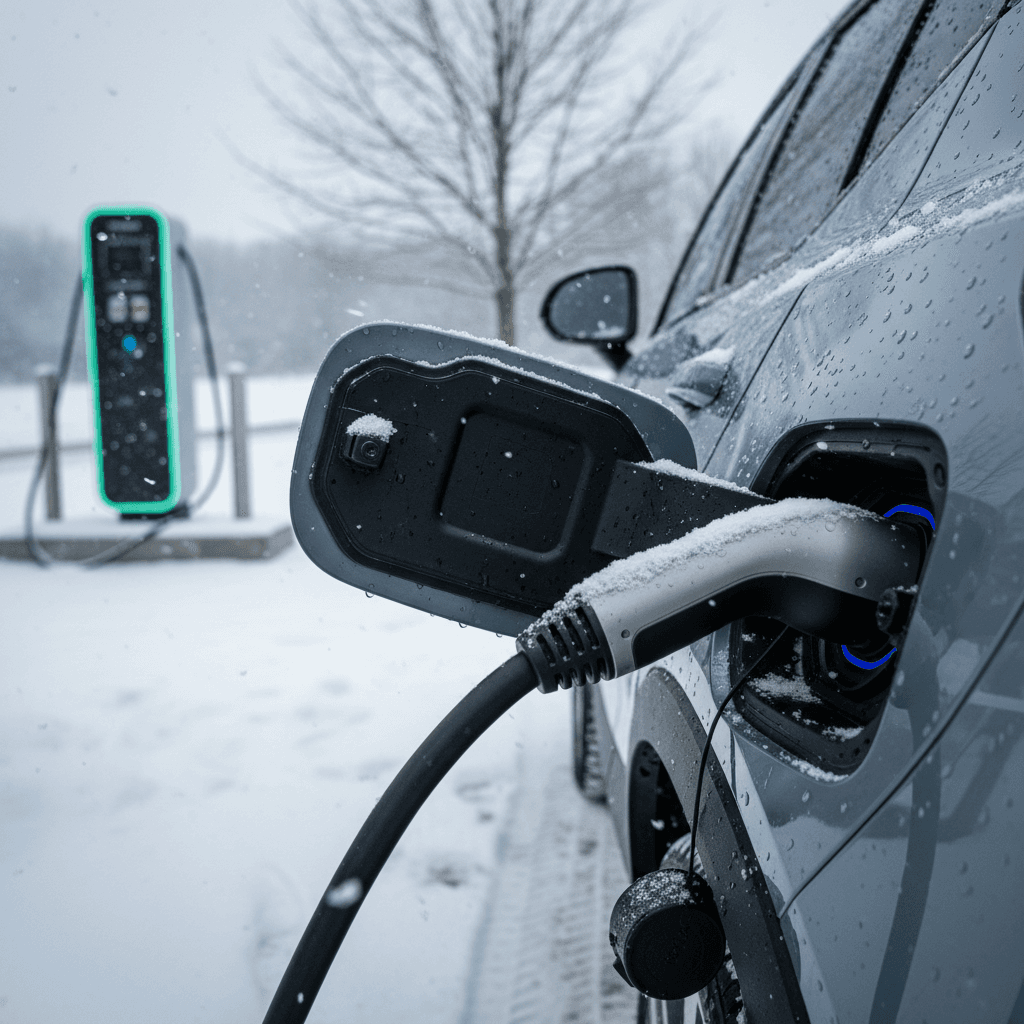
How much range does the Volvo EX30 lose in winter?
Illustrative Volvo EX30 winter range scenarios
These are realistic rule‑of‑thumb examples, not guarantees. Real range depends heavily on temperature, speed, wind, terrain, tires, and how you use climate control.
| Scenario | Temperature | Driving mix | Estimated loss vs EPA | Realistic usable range* |
|---|---|---|---|---|
| Mild winter day, city‑heavy | 32–40°F (0–4°C) | 70% city / 30% highway | ≈15–20% | 75–85% of rated range |
| Typical cold commute | 20–32°F (−7–0°C) | 50% city / 50% highway | ≈20–30% | 70–80% of rated range |
| Cold highway trip with heat on | 10–25°F (−12–−4°C) | 80%+ highway at 65–75 mph | ≈30–40% | 60–70% of rated range |
| Frigid, short trips only | Below 15°F (−9°C) | Multiple short hops, lots of preheat | Up to 40–45% | 55–65% of rated range |
Use these numbers as conservative planning tools, not promises. When in doubt, assume a bit less range, especially on unfamiliar routes.
To translate that into something you can use: if your EX30 is rated around 260 miles, seeing 160–190 miles of comfortable, real‑world winter range on a full charge is normal. At very low temperatures with repeated short trips, don’t be surprised if that drops nearer to 140–150 miles, especially with highway speeds and a warm cabin.
Don’t chase 0% in winter
Why EVs like the EX30 lose range in cold weather
Four main culprits behind EX30 winter range loss
These factors affect every modern EV, not just the Volvo EX30.
1. Battery chemistry slows down
2. Cabin heating is energy‑hungry
3. Aerodynamic drag and rolling resistance
4. Short, cold starts are range killers
Why city can beat highway in winter
City vs highway: where the EX30 does best in the cold
Cold-weather city driving
At urban and suburban speeds, the EX30 can be surprisingly frugal in winter once everything is warmed up. The battery and cabin don’t have to fight the wind, and the car can lean on regenerative braking to recover energy whenever you slow or stop.
- Best case: Longer, continuous trips after the cabin is warm.
- Range hit: Often at the low end of the 15–30% loss range.
- Comfort tip: Use seat and steering‑wheel heaters first; they use less energy than blasting hot air.
Cold-weather highway driving
On the interstate at typical American speeds, winter range loss is at its worst. High speed, dense air, and constant heating work against you, and there’s less chance for regen.
- Typical loss: 25–40% vs EPA on sustained winter highway runs.
- Planning tip: Keep legs between charges shorter than you would in summer.
- Comfort tip: Set the cabin a bit cooler and rely more on seat heat to save energy.
Watch your consumption, not just rated range
Features that help (and hurt) the EX30 in winter
Volvo EX30 winter strengths and weaknesses
Some features are big wins in the cold; others quietly nibble away at your range.
Efficient heaters & preconditioning
Modern battery management
Traction and stability systems
Climate control habits
Heated seats & wheel
Navigation-linked preconditioning
Winter is hard on range, not on the pack
Practical tips to cut Volvo EX30 winter range loss
Winter range optimization checklist for EX30 owners
1. Always precondition while plugged in
Use the Volvo app to warm the cabin, and, when supported, the battery, before you unplug. Preconditioning on grid power means you start your drive with a warm pack and warm passengers, without burning through your first chunk of range.
2. Use seat & wheel heaters first
Set cabin temperature a few degrees lower than you would in a gas car and rely on heated seats and the heated steering wheel. They consume far less energy and still keep you toasty.
3. Dial back top speed on cold days
Dropping from 75 mph to 65 mph can make a remarkably large difference on a small‑pack EV like the EX30 in winter. Over a long leg, a modest speed cut can add 20–30 miles of usable range.
4. Keep your tires properly inflated
Cold weather drops tire pressure, which increases rolling resistance and hurts range. Check pressures when seasons change and keep them at the door‑jamb spec, or slightly higher if your roads allow.
5. Avoid lots of short, separate trips
When you can, batch errands together into one longer outing. Warming the cabin and battery once is far more efficient than heating them from cold three or four times a day.
6. Plan conservative charging stops
In winter, use a healthy safety margin between chargers, especially on unfamiliar routes. If the trip planner suggests 15% arrival, consider adding a bit more charge or choosing a slightly closer stop.
Be careful with low state-of-charge in deep cold
Winter road trips in a Volvo EX30
The EX30 is a compact crossover with a relatively modest battery. That doesn’t mean you can’t road‑trip it in winter, but it does mean you’ll be stopping more often than larger‑battery rivals, and you’ll want a plan. Think of it as a car that likes more frequent, shorter charging stops instead of marathon stints between plugs.
Example winter road‑trip strategy in an EX30
Illustrative plan for a 350‑mile winter highway trip in light snow at 25°F (−4°C). Assumes access to modern DC fast‑charging infrastructure.
| Leg | Distance | Start/End SoC target | Notes |
|---|---|---|---|
| Start to Charger 1 | 110–130 mi | 100% → 25–30% | Begin with a full, warm battery and conservative pace. |
| Charger 1 session | , | 30% → 70–80% | 15–30 minutes on a capable DC fast charger. |
| Charger 1 to Charger 2 | 100–120 mi | 70–80% → 20–25% | Adjust speed to keep predicted SoC on target. |
| Charger 2 session | , | 25% → 65–75% | Another relatively short top‑up to stay in the fast part of the charging curve. |
| Charger 2 to destination | 90–110 mi | 65–75% → 15–20% | Arrive with a buffer so you’re not searching for a plug at 0% in the cold. |
In a small‑battery EV like the EX30, winter road‑trips work best when you embrace more frequent, shorter DC fast‑charging sessions.
Use networks and amenities wisely
Used Volvo EX30: winter range & battery health
If you’re considering a used Volvo EX30, winter performance is as much about battery health as it is about weather. A healthy pack will still lose range in the cold, but it starts from a higher baseline and recovers normal range when temperatures rise.
What to look for in a used EX30
- Verified battery health: Look for an independent battery report or third‑party diagnostic like the Recharged Score to confirm remaining capacity.
- Charging history: A balance of DC fast charging and home Level 2 is ideal. Heavy, repeated fast‑charge use isn’t a deal‑breaker, but it’s useful context.
- Climate history: Cars that lived their whole lives in extremely hot climates can show more degradation than those in milder or colder regions.
How Recharged helps winter shoppers
At Recharged, every used EV, including the EX30 when it appears in our inventory, comes with a Recharged Score Report that includes verified battery health data and pricing benchmarked to the broader market.
Our EV specialists can help you understand how that specific EX30 is likely to perform in winter, estimate realistic cold‑weather range for your commute, and even map out likely charging stops on your common routes.
Why certified battery health matters in winter
FAQ: Volvo EX30 winter range loss
Frequently asked questions about Volvo EX30 winter range
Bottom line: is the Volvo EX30 a good winter EV?
The Volvo EX30’s winter range loss isn’t a defect; it’s physics. Like every modern EV, it will use more energy to keep you warm and push through dense, cold air, especially at highway speeds. If you understand that a 20–35% loss is normal, plan your charging with a bit of buffer, and take advantage of the EX30’s preconditioning and comfort features, it can be a very capable four‑season daily driver.
If you’re exploring a used EX30, especially for life in a snowbelt state, put verified battery health at the top of your checklist. That’s where a transparent marketplace like Recharged earns its keep, pairing you with accurate battery data, fair pricing, and EV‑savvy guidance so you know exactly what kind of winter range to expect from the car you bring home.