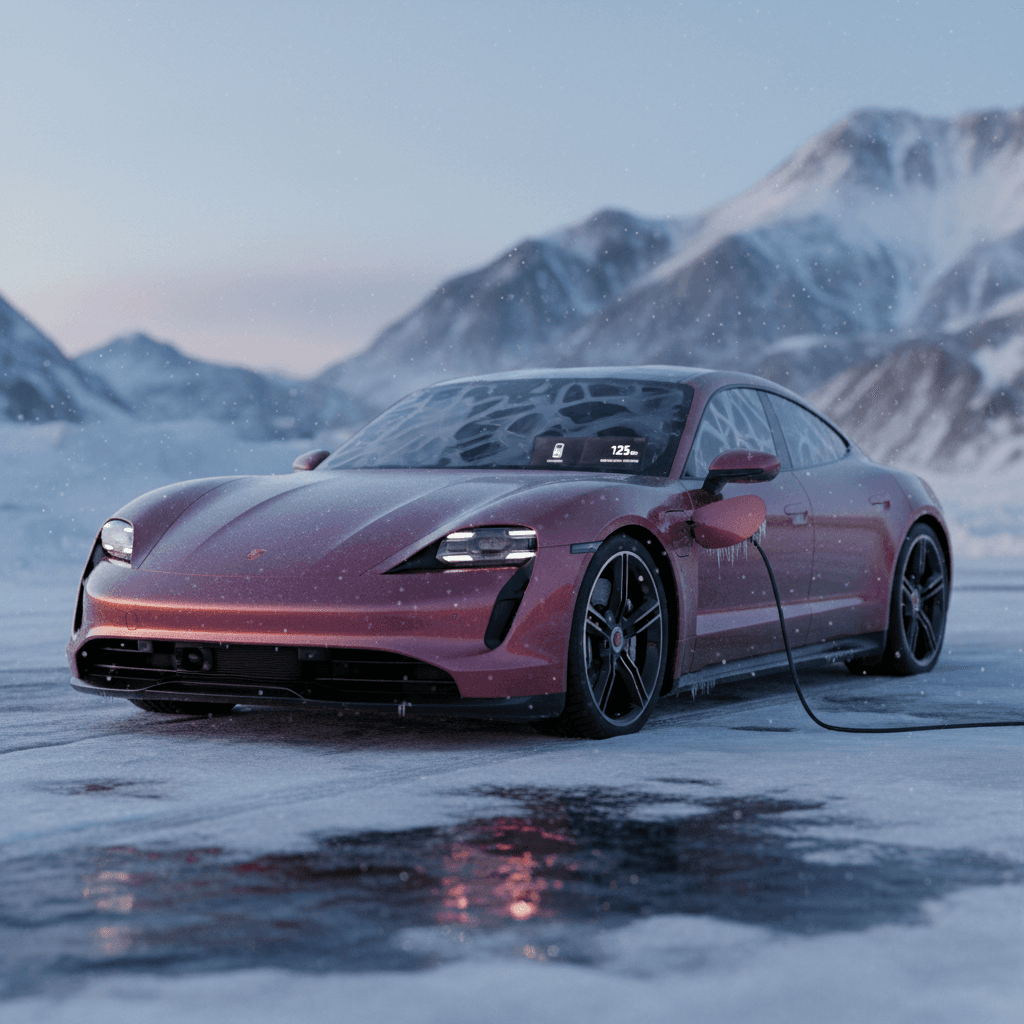
You don’t buy a Porsche Taycan to baby it in the garage six months a year. If you live where winter is real, you want to know one thing up front: what Porsche Taycan winter range loss percentage should you actually expect? Not the brochure fantasy, the real number, on real cold roads.
Short answer
Porsche Taycan winter range loss: the quick answer
Typical Porsche Taycan winter range impact
Those are big percentages, but they’re not unique to Porsche. Across modern EVs, 20–40% winter range loss is normal once you’re consistently below freezing. The Taycan’s thermal management and standard heat pump (on many trims and newer years) actually put it on the better side of that spectrum when you drive it sensibly.
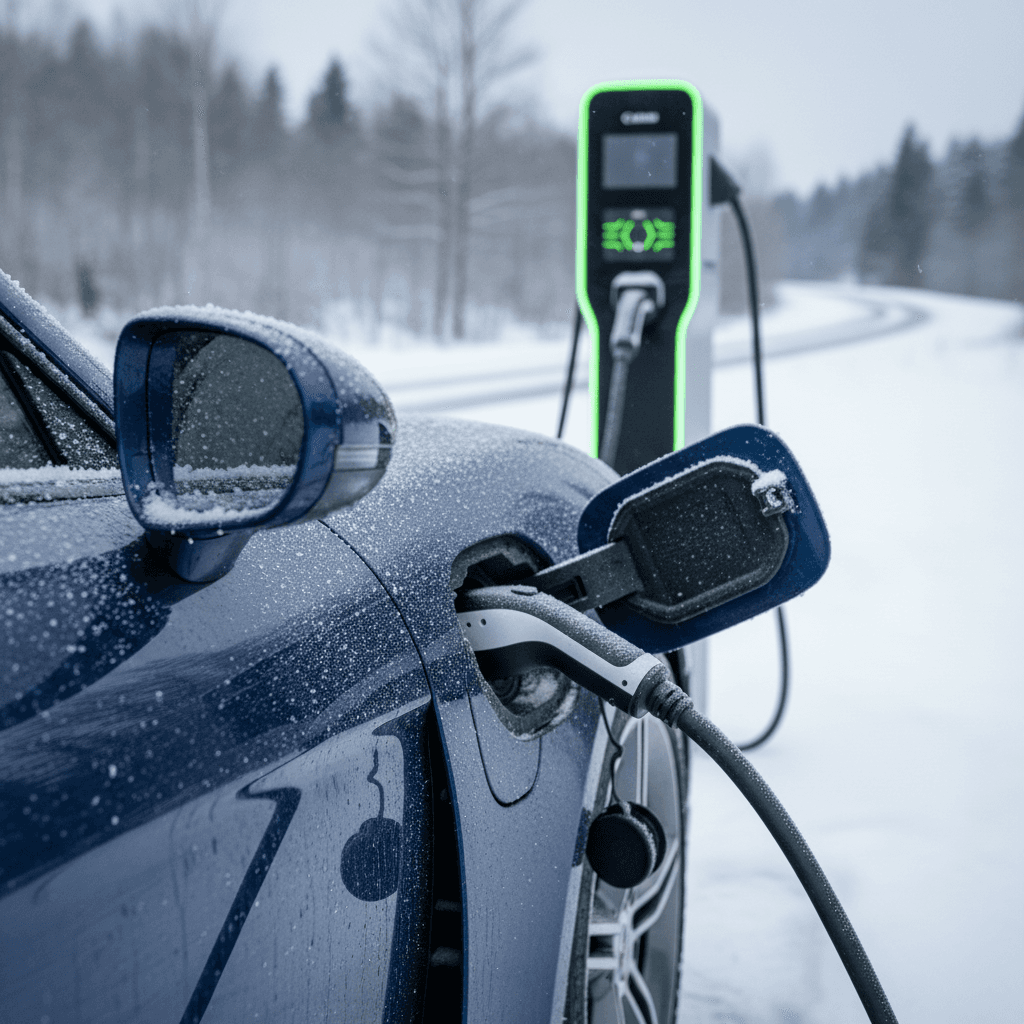
How much range do Porsche Taycans lose in winter?
Let’s put some numbers to the phrase “winter range loss percentage,” using a typical long‑range Taycan, say a Taycan 4S or GTS with the Performance Battery Plus. In decent weather, lots of owners see 230–260 real‑world miles on the highway from 100% to near empty, depending on speed and wheels.
Illustrative Porsche Taycan winter range loss scenarios
Approximate real‑world winter range for a long‑range Taycan (Performance Battery Plus) in different conditions. These are examples, not guarantees.
| Conditions | Temp | Driving style | Estimated usable range | Approx. loss vs mild weather |
|---|---|---|---|---|
| Dry, cool, efficient | 50–60°F | 65 mph, gentle | 250–270 mi | Baseline |
| Typical U.S. winter | 28–35°F | 65–70 mph, moderate heat | 190–210 mi | ~20–25% |
| Colder highway winter | 15–25°F | 70–75 mph, warm cabin | 160–185 mi | ~30–35% |
| Deep freeze, short trips | 0–10°F | Stop‑and‑go, max heat | 130–160 mi | ~35–45% |
Use these numbers as planning guardrails, not promises. Your speed, tires, and climate settings matter as much as the thermometer.
On the best days, cool, dry weather around 60°F, moderate speeds, the Taycan can flirt with or exceed its rated range. In a proper winter, especially in the American upper Midwest or Northeast, the same car often behaves like it suddenly has a much smaller battery. That’s normal, and mostly temporary: you get that range back in spring.
Don’t confuse winter loss with degradation
Why Porsche Taycan range drops in cold weather
Four main culprits behind Taycan winter range loss
The car is fine. Physics is the villain.
1. Colder battery chemistry
2. Cabin heat is energy‑hungry
3. Extra drag from air & tires
4. Short, repeated trips
Porsche actually over‑engineered the Taycan’s thermal management, active coolant circuits, a battery heater, a heat pump on many configurations, so once everything is warmed up, it tends to hold onto range better than some rivals. The pain comes in those first 10–20 minutes while the car and battery are still shivering.
How the Taycan’s winter range compares with other EVs
Independent winter tests in Scandinavia and North America have been quietly flattering to the Taycan. In multi‑model cold‑weather tests where dozens of EVs are driven from full to empty in sub‑freezing temps, the Taycan typically lands in the better‑than‑average group for winter range loss, with losses often in the mid‑teens to low‑30‑percent range, depending on the exact test and temperature.
Approximate winter range loss in independent tests
Illustrative summary of how the Taycan stacks up against other modern EVs in cold‑weather range tests. Exact numbers vary by year and test, but the pattern is consistent.
| Model (example trim) | Reported winter loss vs rated range | Cold‑weather reputation |
|---|---|---|
| Porsche Taycan (various) | ~16–30% | Generally strong winter performance, especially once warmed up. |
| Tesla Model 3 / Y | ~20–30% | Efficient, but heat and high speed still cost range. |
| Hyundai Ioniq 5 / Kia EV6 | ~20–35% | Good heat pumps, but larger frontal area hurts at highway speeds. |
| Chevy Bolt EUV | Upper‑20s to 30% | Smaller pack and no heat pump make it more sensitive to cold. |
| Less optimized older EVs | 30–40%+ | Limited thermal management, no heat pump, more dramatic drops. |
The Taycan’s winter losses are noticeable but not catastrophic, and generally competitive with other premium EVs.
Where the Taycan shines
Real-world Taycan owner experiences in winter
Example 1: Cold‑climate commuter
A Taycan 4S owner in Toronto reports roughly 25–30% winter range loss at around 20°F with mixed city and highway driving. On a 93 kWh pack, that means an easy 180–200 miles from a full charge when driven calmly, versus 230–250 miles in mild weather.
Short, stop‑and‑go errands see the biggest hit; longer highway stints, once the car is warm, are more predictable.
Example 2: U.S. snow‑belt highway driver
A Taycan GTS driver in the U.S. upper Midwest sees about 30–35% loss on long winter highway runs at 75 mph in the teens °F, especially on winter tires. Where they might see 240 miles per charge in October, January looks more like 160–175 miles before they’re hunting for a DC fast charger.
With preconditioning and slightly slower speeds, that drops back into the high‑20s percent loss range.
Owner anecdotes aren’t lab science, but when you read enough of them, a clear pattern emerges: if you plan around a 25–35% hit, you’re rarely surprised. When people get into trouble, it’s because they planned their day as if it were June.
6 factors that change your Taycan winter range loss percentage
What really moves your winter range up or down
1. Temperature band, not just “winter”
There’s a huge difference between 35°F drizzle and 0°F Arctic cosplay. Many Taycan drivers see ~20–25% loss just below freezing, but that can easily turn into 35–40% when you live in single‑digit temperatures for weeks.
2. Highway speed vs city speeds
At 75–80 mph, aerodynamic drag skyrockets, and so does heater use. A Taycan that loses 20% at 60–65 mph can lose 30%+ at 75 mph in the same conditions. If you’re range‑constrained, speed is your cheapest lever.
3. Wheel size & tires
Big 21‑inch wheels with sticky performance tires look righteous but cost you range year‑round, and even more in winter. Narrower wheels and energy‑oriented or winter‑optimized tires can claw back a noticeable chunk of efficiency.
4. Heat pump & climate habits
Taycans with a heat pump and smart use of seat and steering‑wheel heaters usually see lower winter losses than those blasting full‑blast cabin heat. Think of it as dressing in layers for your car: use the efficient heating first.
5. Trip pattern (short vs long)
If you’re doing lots of short hops with a cold soak in between, expect the worst winter range. Long, continuous drives let the battery and cabin stabilize, so the percentage loss shrinks once everything is warm.
6. Preconditioning & charging behavior
Preheating the cabin and battery while plugged in before a winter drive often <strong>increases effective range</strong>, even though it uses energy. Likewise, arriving at a DC fast charger with a warm battery dramatically shortens charging stops.
How to reduce Porsche Taycan winter range loss
You can’t negotiate with thermodynamics, but you can make the Taycan work with you instead of against you. The difference between a miserable 40% winter loss and a manageable 20–25% often comes down to a handful of habits.
Practical ways to keep Taycan winter loss in check
None of these ruin the fun. They just stack small wins.
Precondition while plugged in
Use efficient heat first
Ease back on speed
Choose smart winter tires
Plan DC fast‑charge stops realistically
Watch your efficiency, not just %
Good news for Taycan road‑trippers
Shopping used? How to judge Taycan winter range
If you’re looking at a used Taycan, winter range isn’t just an academic question, it’s whether that 201,000‑dollar German fever dream can still haul you to the ski house without a charging panic attack.
1. Separate weather from wear
Ask the seller or dealer for summer and winter range estimates at their typical speeds. A car that drops from 240 miles in September to 170 in January is behaving normally. A car that can’t crack 180 even on warm days may be hiding degradation or abused fast‑charging history.
Whenever possible, review long‑term efficiency records in the car’s trip computer; they tell you more than a single full‑charge estimate on the dash.
2. Get objective battery data
This is where a structured battery health check matters. A Recharged Score battery report looks at usable capacity and fast‑charging behavior, not just the car’s own guess at range. That gives you a clearer view of what winter range you’ll actually get, this year and three winters from now.
If you’re buying through Recharged, every Taycan listing includes this report up front, so you’re not negotiating in the dark about battery health.
Used Taycan winter range due‑diligence checklist
Ask for real winter consumption numbers
Have the seller share photos or logs of kWh/100 km or mi/kWh from recent winters. That tells you how thirsty the car is in their climate and driving pattern.
Confirm wheel and tire setup
Note current wheel size, tire type, and whether a second winter wheel set is included. That can change winter range and is worth real money if you live in snow country.
Test drive in realistic conditions
If you can, drive the car in cold weather on your typical route. Watch efficiency, not just the range estimate, and note how quickly the cabin and battery warm up.
Review charging habits
Ask how often the previous owner fast‑charged, and where they typically charged at home. Healthy habits, 80% daily charge limits, preconditioning, modest fast‑charge use, usually mean better long‑term winter performance.
Look for software updates
Later software can tweak thermal strategies and charging curves. Make sure the car is up to date; it can subtly improve winter behavior and DC fast‑charging times.
Why used Taycans age better than headlines suggest
FAQ: Porsche Taycan winter range loss percentage
Common Porsche Taycan winter range questions
Bottom line: Is the Taycan a good winter EV?
The Porsche Taycan isn’t immune to winter, it’s an EV, not witchcraft, but its winter range loss percentage lives right where a well‑engineered modern EV should. Plan around a 25–35% hit in real cold, drive it like a grown‑up on the highway, and it’s a perfectly capable four‑season grand tourer.
If you’re shopping used, don’t let scary forum posts about winter range scare you away. Focus on battery health, heat‑pump hardware, wheel and tire choices, and your own climate. A clean, well‑documented Taycan with a strong battery report, exactly what you’ll see on a Recharged listing, will behave predictably year‑round, including when the thermometer bottoms out.
And when the roads are empty, the air is crisp, and the snowbanks are glowing blue under the streetlights, there are few things more satisfying than a silent, all‑wheel‑drive Taycan rewriting everything you thought you knew about winter driving, range math included.