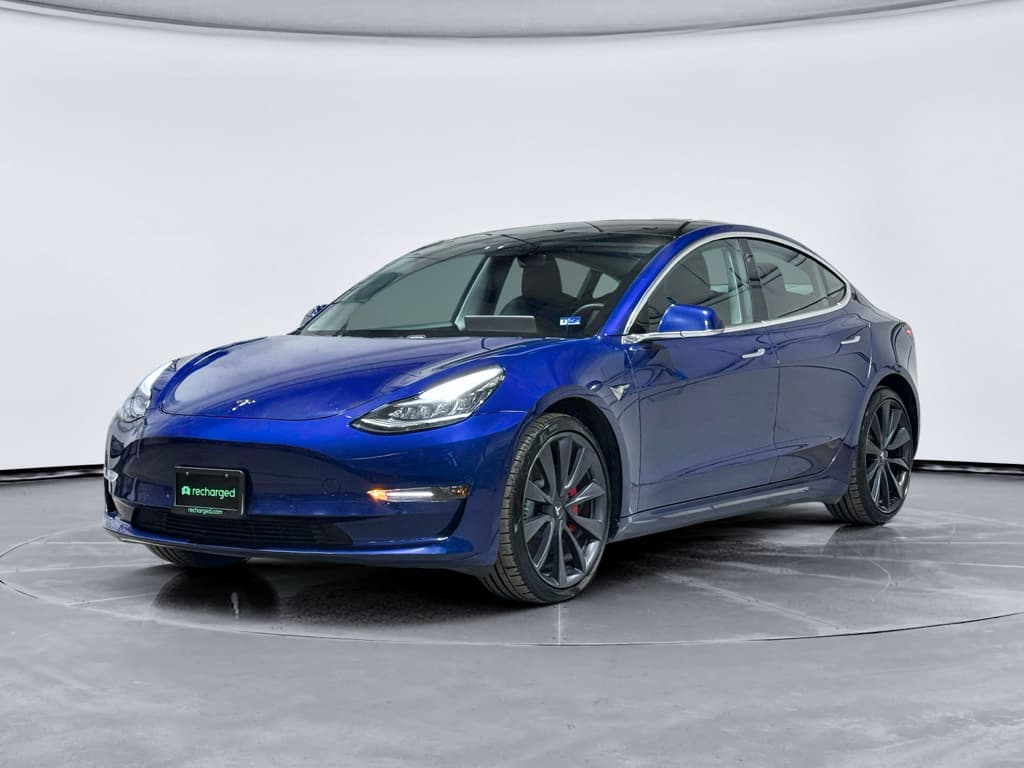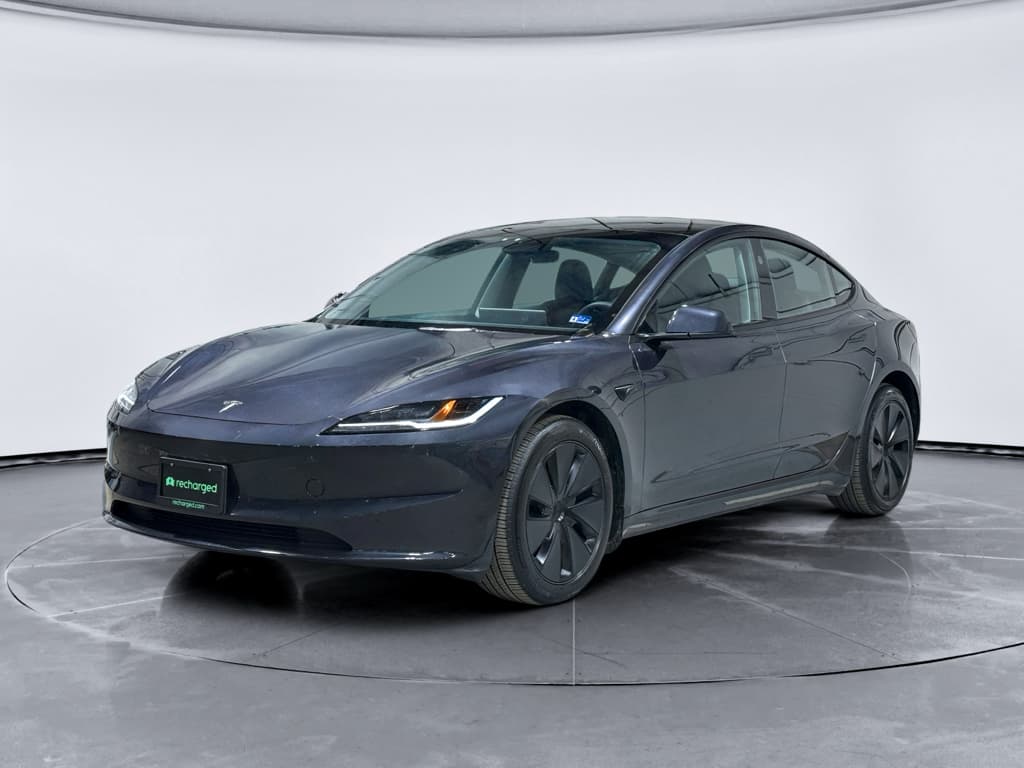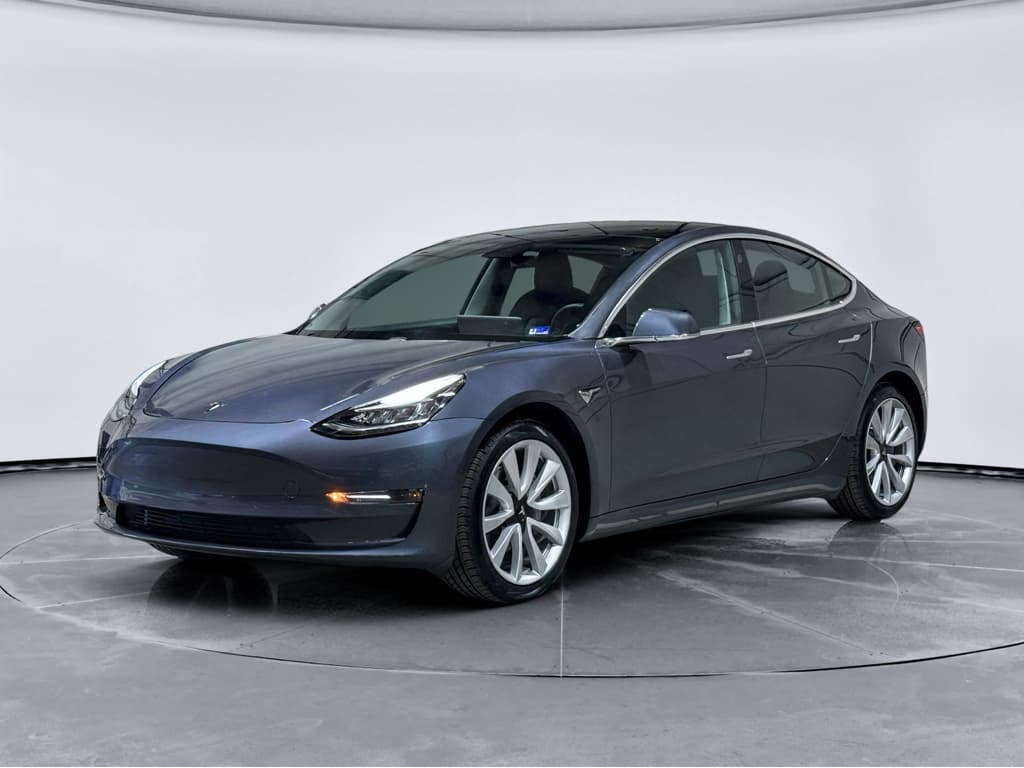
If you own, or are eyeing, a Tesla Model 3, depreciation isn’t some abstract accounting term. It’s the invisible monthly payment you’re making whether you finance, lease, or pay cash. Understanding the Tesla Model 3 depreciation rate is the difference between a smart EV move and accidentally lighting thousands of dollars on fire.
Quick take
Why Tesla Model 3 depreciation matters in 2026
Depreciation is usually the single biggest cost of owning a car, often more than electricity, insurance, and maintenance combined. AAA’s 2025 “Your Driving Costs” report pegs depreciation at roughly $4,300 per year as the largest line item in new-vehicle ownership. EVs, including the Model 3, tend to show higher headline depreciation because their tech moves fast and sticker prices have been volatile.
The Model 3 adds some extra complexity. Tesla has cut and raised prices multiple times, added and removed trims, and pushed over-the-air software updates that change the ownership experience overnight. That cocktail has produced wild swings in used prices, from pandemic-era bubbles to 2025’s slump, to a fresh rebound in early 2026 as used Tesla prices tick up again while many other used EVs soften.
Pricing whiplash is real
Tesla Model 3 depreciation rate at a glance
Model 3 depreciation snapshot (typical ranges)
Different data sources don’t always agree to the decimal, but the story is consistent: the Model 3 is one of the stronger value-retention plays among EVs, even if it doesn’t defy gravity like a Toyota 4Runner or a Porsche 911.
3‑year, 5‑year, and 7‑year Model 3 depreciation
Let’s put some rough guardrails around how a Tesla Model 3 tends to lose value over time. To keep it simple, assume a new Model 3 stickered at about $40,000 (excluding incentives) when it was new. Real-world numbers will wobble around these due to options, incentives, mileage, and market mood.
Illustrative Tesla Model 3 depreciation over time
Approximate value retention for a $40,000 Model 3, based on recent pricing tools and market data. These are ballpark figures, not guarantees.
| Age of car | Typical value band | Approx. depreciation | Notes |
|---|---|---|---|
| 1 year | $32,000–$34,000 | 15–20% | Biggest drop happens in year one, plus any Tesla price cuts ripple through |
| 3 years | $25,000–$29,000 | 25–35% | Sweet spot for used buyers: modern enough, major hit already taken |
| 5 years | $22,000–$27,000 | 30–40% | Better than many luxury EVs, similar to solid gas crossovers |
| 7+ years | $16,000–$22,000 | 45–55% | Older tech, warranty near or past expiration, battery health matters most |
Actual resale values vary by trim, mileage, condition, battery health, and regional demand.
Third‑party calculators echo this pattern. For example, one mainstream valuation tool pegs a new 2024 Model 3’s five‑year depreciation in the neighborhood of 60% of MSRP in a worst‑case scenario, assuming higher mileage and average care. Meanwhile, a 2020 Model 3 in good shape that might be worth around $23,000–$24,000 today is forecast by some finance sites to fall to roughly $10,000–$11,000 in another five years, a roughly 55–60% drop from its 2025 value.
New vs. used depreciation curve
How Model 3 depreciation compares to gas cars and other EVs
Versus the average new car
Across the market, many new cars lose more than 50% of their value in five years. Some analyses put the typical five‑year drop near 60% once you factor in taxes and fees. Against that backdrop, a Model 3 that’s down roughly 35–40% in five years (for well‑kept examples) is better than average.
Versus other EVs
Not all EVs are so fortunate. Some luxury EVs and early compliance cars have seen 5‑year depreciation north of 60–70%. Market watchers have repeatedly listed models like the Jaguar I‑PACE or older big‑battery sedans among the worst depreciators. In that company, the Model 3’s ~37% five‑year loss looks almost conservative.
Zooming in on the used EV market in 2025–2026, you get another wrinkle. Through 2025, used Tesla prices actually fell faster than the broader used car market; one widely cited data set had used Tesla prices down roughly 8% year‑over‑year, while the average used car was flat to slightly up. Then, as a federal tax credit changed, used Tesla prices snapped back, climbing about 4% in early 2026 while many rival EVs, Nissan Leaf, Polestar 2, kept sliding.
What this means for owners
What actually drives Model 3 depreciation
The four big forces behind Model 3 depreciation
Only one of them is truly outside your control.
1. Tesla’s own price changes
Tesla can (and does) move prices thousands of dollars overnight. A surprise price cut on new Model 3s instantly pushes used values down, even if your car didn’t change at all. Likewise, recent price firming has helped used values recover.
2. Mileage and use pattern
A 3‑year‑old Model 3 with 20,000 miles is a very different value story than one with 80,000. Highway‑heavy mileage is easier on the car than short, hard urban trips, but odometer still rules.
3. Condition, options, and history
Panel gaps and paint memes aside, cosmetic condition absolutely matters. Clean history, intact original equipment, and desirable options like Long Range or premium wheels all cushion depreciation.
4. Technology & battery confidence
Over‑the‑air updates keep older Model 3s feeling fresh, but buyers still discount cars with unknown battery health or early hardware. Confidence in range, and in that pack lasting past 150k miles, is a major driver of what people are willing to pay.
Think like the second owner
Battery health: the silent driver of Model 3 resale value
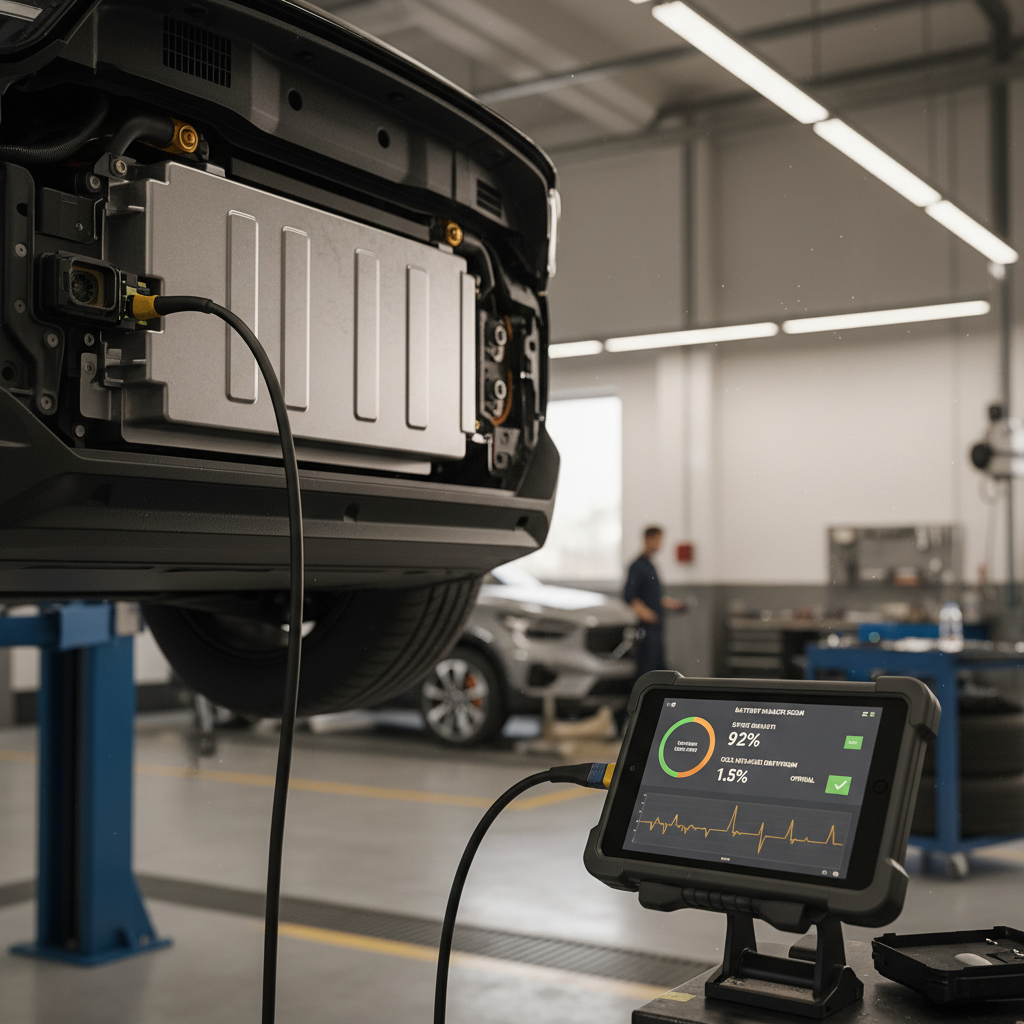
Battery packs are the Model 3’s crown jewel and its biggest depreciation wild card. A car that looks perfect in photos but has a tired pack is a financial landmine. Conversely, a high‑mileage car with strong, independently verified battery health can punch above its age in price.

Real‑world Model 3 packs generally age well, many owners report roughly 8–12% capacity loss by 100,000 miles under normal use, but individual cars vary. Fast‑charging habits, hot‑weather storage, and frequent 100% charges all leave fingerprints on that chemistry. Because a replacement pack is a five‑figure proposition, shoppers price in their fear. That fear is depreciation.
How Recharged tackles the battery question
Key battery signals that affect depreciation
Rated range at 100% charge
Compare the car’s displayed rated range at a full charge against its original spec. A modest drop is normal; an outlier suggests abuse or an underlying issue.
DC fast‑charging history
A car that’s lived on Superchargers ages faster than one that mostly sips at home Level 2. Occasional fast charging is fine; a road‑warrior history may justify a discount.
Thermal climate and storage
Desert heat and unshaded parking lots are hard on packs. If the car lived in Phoenix instead of Portland, depreciation should reflect that climate tax.
Software & service records
Untouched recall campaigns or missing firmware updates can spook buyers and lenders. Clean up the software and paperwork, and the market treats the car as lower risk.
How to shop smart for a used Tesla Model 3
From a depreciation perspective, your goal as a buyer is simple: let someone else eat the ugly part of the curve, then step in once prices stabilize. For the Model 3, that usually means targeting cars in the 2–5‑year‑old window with solid battery health and clean history.
What to prioritize in a used Model 3 (if you care about depreciation)
These traits tend to hold value best in the current market.
Age & mileage sweet spot
Look for Model 3s that are 2–5 years old with 20k–60k miles. The biggest initial drop has already happened, but technology and warranty coverage are still attractive.
Verified battery & clean history
Prioritize cars with third‑party battery health reports, clean accident history, and documented service. On Recharged, this all shows up in the Recharged Score Report.
Desirable trims, not unicorns
Long Range and Dual Motor cars with common colors and wheels tend to resell more easily than oddball specs. Skip the controversial wraps and fringe mods if you care about exit value.
Where Recharged fits in
Strategies to reduce your Model 3 depreciation hit
You can’t out‑argue gravity, and you can’t stop depreciation. But you can absolutely shape the curve in your favor. With the Model 3, it’s less about babying the car and more about making a few strategic moves that future buyers and lenders reward.
Six practical ways to keep your Model 3’s value up
1. Buy at the right point in the curve
If you’re value‑sensitive, avoid being first in line when a new variant drops. Waiting even 12–18 months often saves thousands of dollars versus buying at peak hype.
2. Keep mileage in a "normal" band
Shoot for <strong>10k–12k miles per year</strong>. Use your Model 3, but think twice before turning it into a 40k‑miles‑per‑year rideshare workhorse if you care about resale more than cash flow.
3. Protect cosmetic condition
Curb‑rashed wheels, rock‑chipped hoods, and DIY panel alignments all ding value more than owners admit. A basic paint‑protection film or regular detailing can pay back at resale time.
4. Treat the battery kindly
Live in the middle of the pack. Daily‑drive between about 20–80%, save 100% charges for trips, and don’t leave the pack cooking at full in summer heat. Healthier chemistry equals higher offers later.
5. Stay current on software & recalls
Free OTA updates and recall fixes are low‑hanging fruit. A Model 3 fully up to date feels newer and signals a conscientious owner, exactly what used‑car buyers pay extra for.
6. Sell through EV‑literate channels
Selling where buyers understand EVs, whether that’s Recharged, an enthusiast community, or a savvy dealer, reduces the “mystery discount” that often gets baked into EV trade‑in values.
When to sell your Model 3 to maximize value
There’s no universal “bell” that rings when it’s time to sell, but depreciation does follow patterns. The Model 3’s value curve has clear inflection points where holding one more year costs you a lot more than it gives you in extra use.
The 3–4‑year crossroads
By years three and four, your Model 3 has taken its biggest hit but is still relatively young in buyers’ eyes. If you like driving the latest hardware, this is usually the highest‑value exit, you’ve enjoyed the car’s prime without tumbling into the steeper post‑warranty drop.
The 7‑year and 100k‑mile cliffs
On the far end, many buyers and lenders get cautious past the 7‑year / 100k‑mile marks, especially if major coverage is over. Crossing those thresholds can trim offers in ways that feel disproportionate to how the car actually drives.
Watch the policy and tech horizon
Recharged can help you time the jump. With an instant offer or consignment, you can test the current market for your Model 3 without committing to a fire sale. If the numbers look good, you lock in your exit before the next price swing; if not, you drive another year and watch how values move.
FAQ: Tesla Model 3 depreciation rate
Frequently asked questions about Tesla Model 3 depreciation
Bottom line: is a Model 3’s depreciation worth it?
Look at the Tesla Model 3 not as a status symbol but as an appliance that happens to be wickedly quick. On that basis, the depreciation looks pretty reasonable. You get a car that’s cheap to run, relatively kind to its battery over six‑figure mileage, and, despite the drama, still one of the stronger value keepers in the EV world.
If you’re buying new, the smart move is to accept that the first few years are expensive and then keep the car long enough to average that cost down. If you’re buying used, your job is easier: target the 2–5‑year‑old sweet spot, demand proof of battery health, and let the previous owner’s depreciation pain be your discount.
Either way, having real numbers, and real diagnostics, turns “EV gamble” into a calculated decision. That’s the gap Recharged tries to close with verified Recharged Score Reports, expert EV guidance, financing, and trade‑in options that actually understand how electric cars age. Because the only thing worse than depreciation is being surprised by it.