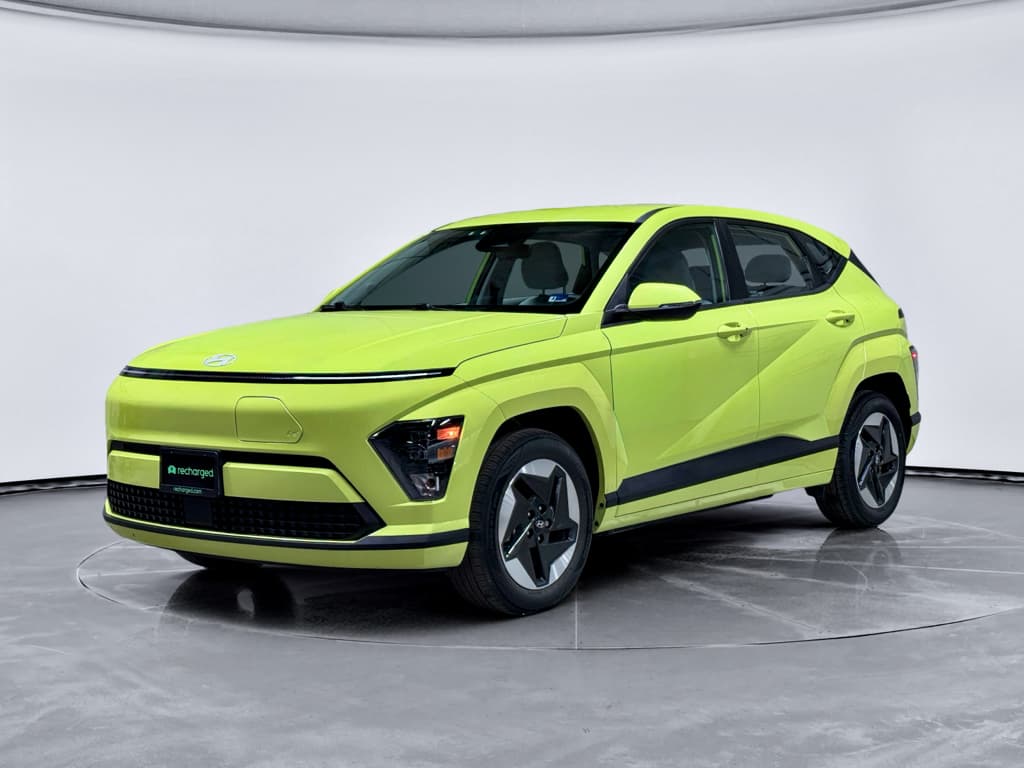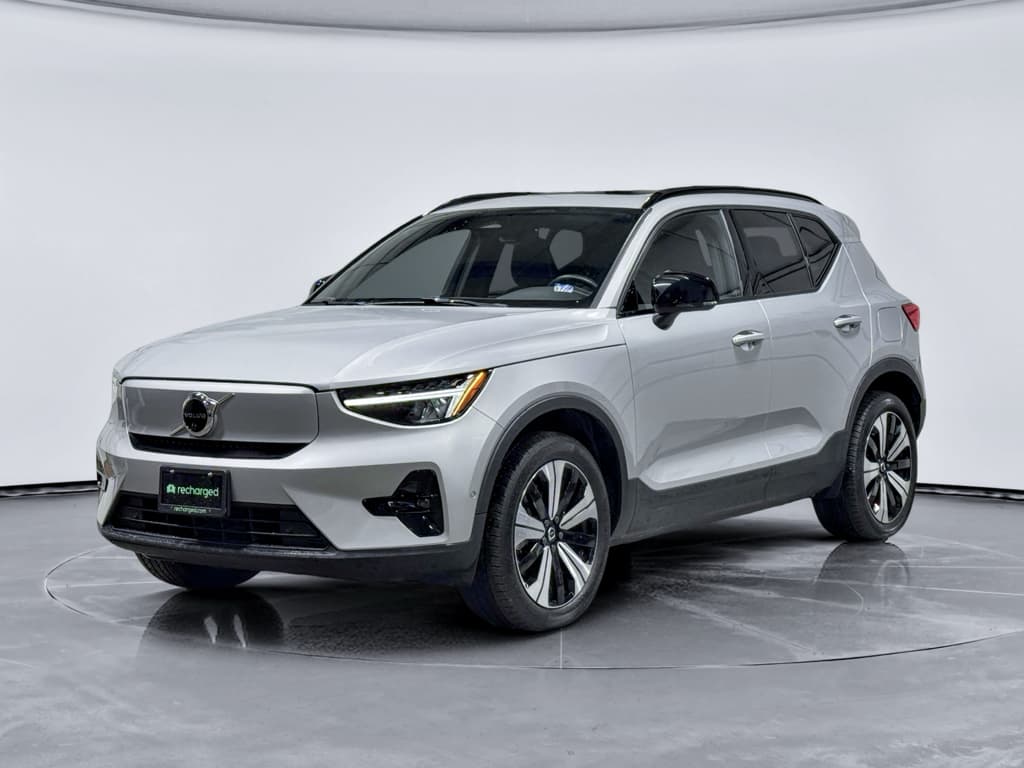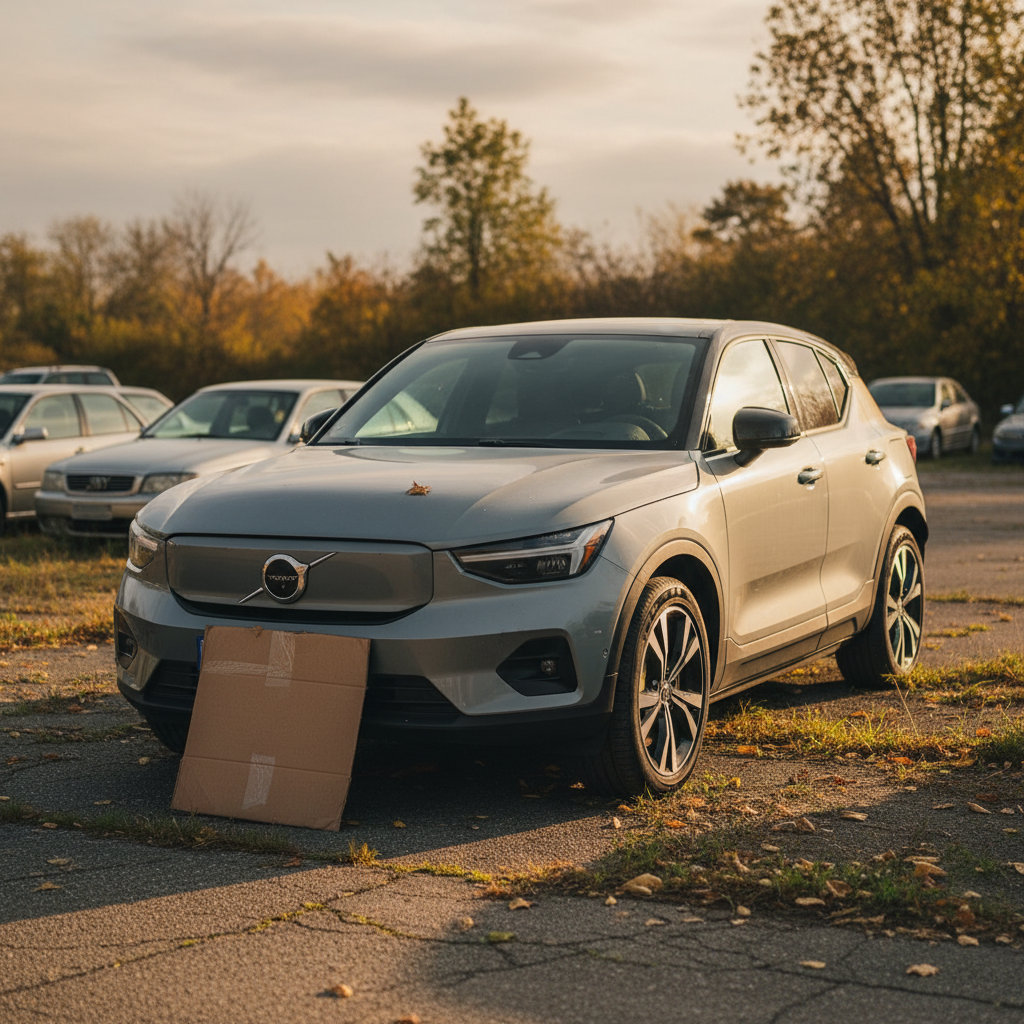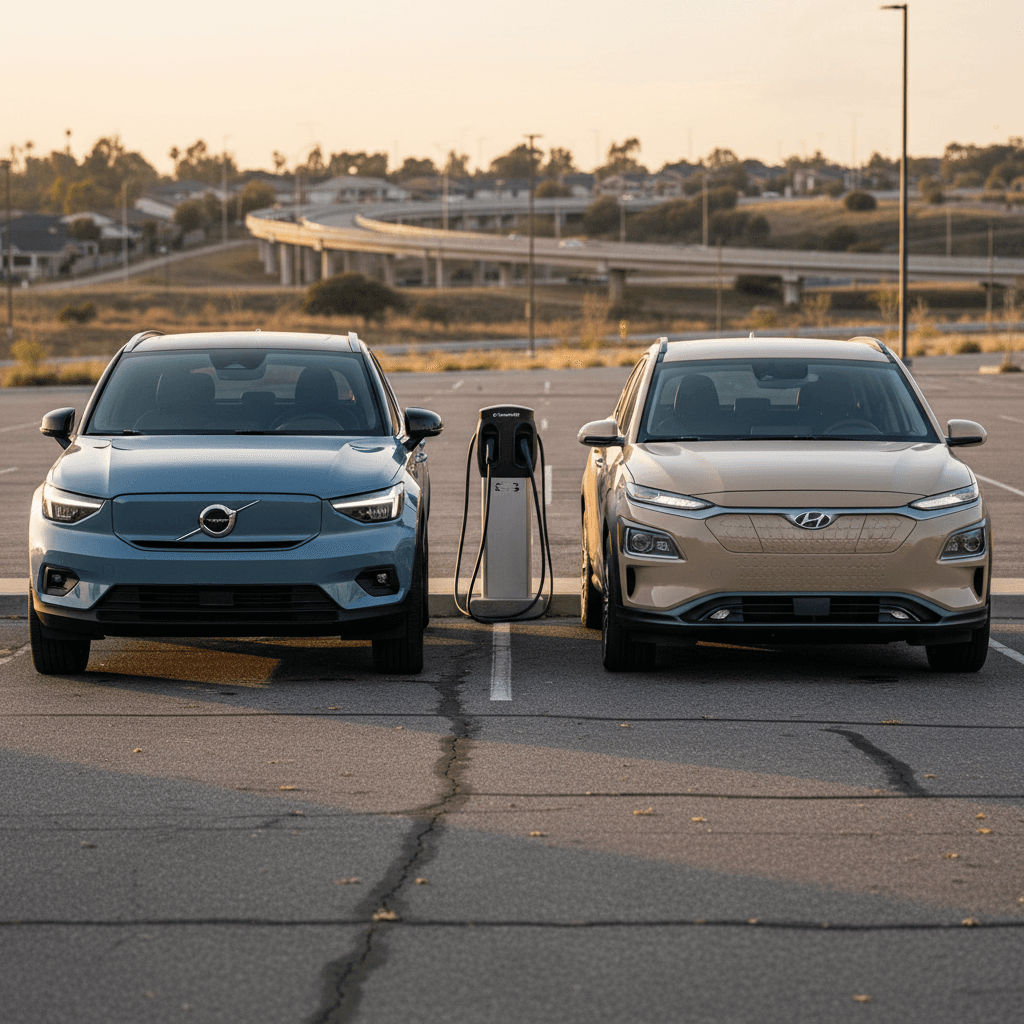
Shopping small electric SUVs and torn between the Volvo EX30 and Hyundai Kona Electric? Both are compact, city-friendly EVs with enough range for commuting and weekend trips, but they take very different approaches to performance, tech, and price. This guide breaks down Volvo EX30 vs Hyundai Kona Electric so you can pick the one that actually fits your life and budget.
Two very different takes on a small EV
Overview: Volvo EX30 vs Hyundai Kona Electric
The Volvo EX30 is Volvo’s smallest and most affordable electric SUV, sized for urban drivers but offering big power, up to 422 hp in Twin Motor form, and fast DC charging around 150 kW. U.S.-bound single‑motor models target an EPA range up to about 261 miles, with pricing now starting around the low $40,000s for 2026 model year cars.
The Hyundai Kona Electric is a known quantity. The latest U.S. version uses either a 48.6 kWh or 64.8 kWh battery, with Hyundai estimating roughly 197–260 miles of range depending on pack and trim. A front‑drive 201‑hp motor, strong efficiency, and 100 kW DC fast charging make it a budget‑friendly and very frugal commuter.
How to read this comparison
Quick specs: EX30 vs Kona Electric
Core specs: Volvo EX30 vs Hyundai Kona Electric (U.S. market)
High-level comparison of range, power, and charging for typical U.S. configurations as of early 2026.
| Model | Typical U.S. battery | EPA range (approx.) | Peak DC fast charge | Onboard AC charger | Powertrain |
|---|---|---|---|---|---|
| Volvo EX30 Single Motor | ~69 kWh usable | Up to ~261 miles | ≈150 kW | 11 kW | RWD, ~268 hp |
| Volvo EX30 Twin Motor | ~69 kWh usable | ~253 miles | ≈150 kW | 11 kW | AWD, 422 hp |
| Hyundai Kona Electric (48.6 kWh) | 48.6 kWh | ~197–200 miles | 100 kW | 11 kW | FWD, 133 hp |
| Hyundai Kona Electric (64.8 kWh) | 64.8 kWh | Up to ~260 miles | 100 kW | 11 kW | FWD, 201 hp |
Always check window stickers for exact EPA ratings and equipment on the specific car you’re considering, especially in the used market.
Specs change fast
Price, trims, and value for money
Volvo EX30 pricing snapshot
Volvo positions the EX30 as its entry EV, but U.S. pricing has crept up as the lineup evolved:
- Recent guidance puts the Single Motor around the low $40,000s MSRP.
- Twin Motor Performance models typically land in the mid-to-high $40,000s depending on trim.
- Even well-equipped, it undercuts many larger premium EV SUVs but sits well above economy EVs on price.
Discounts and incentives vary widely by region and model year, and some EX30s may or may not qualify for federal tax credits depending on final-assembly and battery-sourcing rules at the time you buy.
Hyundai Kona Electric pricing snapshot
The Kona Electric has always leaned toward the value side:
- New 64.8 kWh Kona Electric usually starts in the low-to-mid $30,000s before incentives.
- Step-up trims with the larger battery and more tech still tend to undercut the EX30 by several thousand dollars.
- Hyundai dealers often add incentives on top of any available tax credits, and lease deals can be especially aggressive.
Result: For most shoppers, a comparably equipped Kona Electric will be meaningfully cheaper to buy new than an EX30.
Where used EVs change the math
Ready to find your next EV?
Browse VehiclesRange, efficiency, and real-world driving
Range and efficiency: how far will they really go?
On paper the EX30 and Kona Electric can look similar, but they behave differently in the real world.
Volvo EX30 range profile
- Single Motor models target up to ~261 miles EPA on a full charge with the larger battery.
- Twin Motor Performance versions drop slightly (around the mid‑250‑mile neighborhood), and real‑world highway range can be lower thanks to big power and AWD.
- Efficiency is decent for a premium mini‑SUV, but performance‑oriented tuning means it’s not the mileage champ.
Hyundai Kona Electric efficiency
- Hyundai estimates around 197–200 miles for the smaller battery and up to around 260 miles with the 64.8 kWh pack.
- Independent testing routinely shows the Kona Electric as one of the most efficient EVs on the road, squeezing a lot of miles from a relatively small pack.
- That efficiency means you’ll feel less punished on the highway and in cold weather compared with some heavier, more powerful EVs.
Think in miles per kWh, not just total range
Charging speeds and road-trip ability
Charging highlights: EX30 vs Kona Electric
On a good DC fast charger, the Volvo EX30 is clearly quicker to recharge. Peak rates around 150 kW mean going from 10–80% in a little over 25–30 minutes when conditions are ideal. The Hyundai Kona Electric tops out around 100 kW, stretching that same 10–80% window to roughly 40–45 minutes.
At home or work, both behave similarly. Each has an 11 kW onboard charger, so on a 240‑volt Level 2 circuit you’re looking at overnight refills either way. In day‑to‑day use, home‑charging speed is essentially a draw.
Charging curves matter more than peak numbers
Driving experience and performance
EX30: pocket rocket premium
- Twin Motor Performance models make roughly 422 hp and can hit 60 mph in the mid‑3‑second range, supercar quick for a subcompact SUV.
- Even Single Motor versions around 268 hp feel lively thanks to rear‑wheel drive and the EX30’s small footprint.
- Suspension tuning leans firm but controlled, with a planted feel at freeway speeds and a surprisingly upscale ride for the size.
If you enjoy quick passing, highway on‑ramps, and a more European feel, the EX30 is in another league versus most mainstream small EVs.
Kona Electric: calm and competent
- The 64.8 kWh Kona’s 201 hp front‑drive setup is perfectly adequate for daily use, but it won’t snap your neck.
- Handling is predictable and secure, with a comfortable ride and light steering that suits commuting and city duty.
- It’s tuned to be easygoing and efficient rather than thrilling, which many buyers actually prefer.
If you just want an EV that fades into the background and does its job efficiently, the Kona Electric nails that brief.
Performance vs. comfort trade-off
Space, practicality, and usability
Interior space and cargo: which is easier to live with?
Both are subcompact SUVs, but one is friendlier for small families.
Volvo EX30 practicality
- Very short overall length makes it easy to park in tight city spots.
- Cargo space is on the smaller side for crossovers; it’s fine for groceries and carry‑on luggage but tight for large strollers or big dogs.
- Rear seat room is adequate for kids and occasional adults, but taller passengers may feel the squeeze on longer trips.
Hyundai Kona Electric practicality
- Slightly larger body gives the Kona more usable rear‑seat room and cargo flexibility.
- It’s still a compact SUV, but the extra inches make a difference if you regularly host adult passengers or carry bulky cargo.
- More conventional interior layout and control scheme can be easier to adapt to for first‑time EV drivers.
Family use vs. city solo driving
Tech, safety, and in-car experience
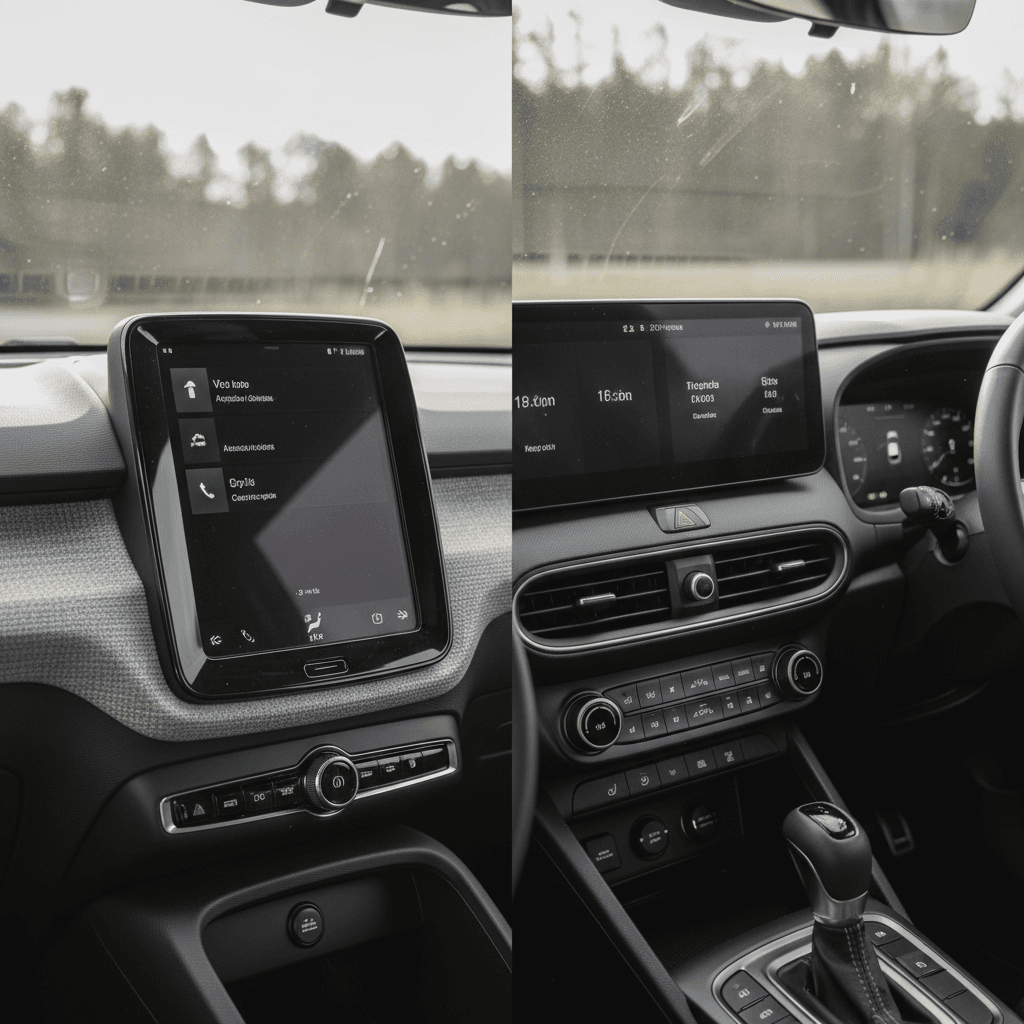
Volvo EX30: minimalist, Google-heavy cockpit
- Dominated by a central portrait touchscreen running a Google‑backed infotainment system with Google Maps, Assistant, and Play Store integration.
- Very few physical buttons; almost everything runs through the screen, which some drivers love and others find distracting.
- High‑end driver‑assistance hardware and software, in keeping with Volvo’s safety reputation.
- Materials and design lean Scandinavian‑premium, with interesting sustainable trim options and a distinctive ambiance for the price point.
Kona Electric: familiar and straightforward
- Uses a more traditional dashboard layout with dedicated climate controls and a clear instrument display.
- Modern infotainment with smartphone integration, but without leaning so hard into software‑first minimalism.
- Hyundai’s SmartSense safety suite brings adaptive cruise, lane keeping, and other key assists to most trims.
- Cabin design is more conventional; it won’t wow you, but it’s intuitive for drivers coming out of gas crossovers.
User interface matters more than you think
Ownership costs and used EV considerations
Key cost factors when choosing between EX30 and Kona Electric
1. Purchase price and incentives
New Kona Electrics typically undercut EX30s by several thousand dollars, and Hyundai dealers often layer on discounts. Volvo deals can be attractive too, but you’re starting from a higher MSRP.
2. Energy costs and efficiency
Expect the Kona Electric to use fewer kWh per mile, especially at highway speeds. Over tens of thousands of miles, that can add up if electricity is pricey where you live.
3. Insurance and repairs
Premium‑branded EVs like the EX30 can cost more to insure and repair than mainstream models like the Kona, though local markets vary. Ask your insurer for quotes on both VINs before you sign.
4. Battery health on used examples
EV value lives and dies with its battery. When you’re shopping used, look for vehicles with <strong>verified battery health data</strong> rather than guessing from the odometer alone.
5. Depreciation and resale
Hyundai and Volvo EVs both depreciate faster than comparable gas crossovers. That’s bad news for first owners but great news if you buy used, especially through a platform that vets battery condition.
How Recharged helps used EX30 and Kona Electric shoppers
Which should you choose: Volvo EX30 or Kona Electric?
Choose the Volvo EX30 if you want:
- Premium feel on a smaller footprint, with Scandinavian design and an upscale cabin.
- Serious performance in Twin Motor form, or at least a very lively drive in the Single Motor.
- Faster DC charging and strong tech integration for frequent highway use.
- A distinctive, modern EV that feels more like a scaled‑down luxury SUV than a mainstream crossover.
Choose the Hyundai Kona Electric if you want:
- The lowest total cost of ownership, with lower upfront price and excellent energy efficiency.
- More rear‑seat and cargo practicality for kids, friends, or frequent Costco runs.
- A simple, familiar cockpit if you’re new to EVs or prefer physical controls.
- A proven platform with plenty of real‑world data on reliability and longevity.
If your heart wants a small, stylish EV that feels special every time you drive it, and you’re willing to pay more for that experience, the Volvo EX30 is the standout. If you’re playing the long game on cost, efficiency, and practicality, the Hyundai Kona Electric quietly makes a very strong case.
Either way, consider how each model looks when it’s two to four years old. Shopping a used EX30 or Kona Electric through Recharged can shrink the price gap, give you clear insight into battery health through the Recharged Score, and let you focus on the EV that best fits your life instead of just the one that’s cheapest on paper today.