Search for “Volt GM” today and you’ll find a car that’s both discontinued and strangely beloved. The Chevrolet Volt was General Motors’ big swing at an electric future: a plug-in hybrid that could handle everyday driving on electricity, but still had a gasoline engine for longer trips. If you’re wondering whether a used Volt still makes sense in 2025, you’re in the right place.
Quick take
What is the Chevy Volt from GM?
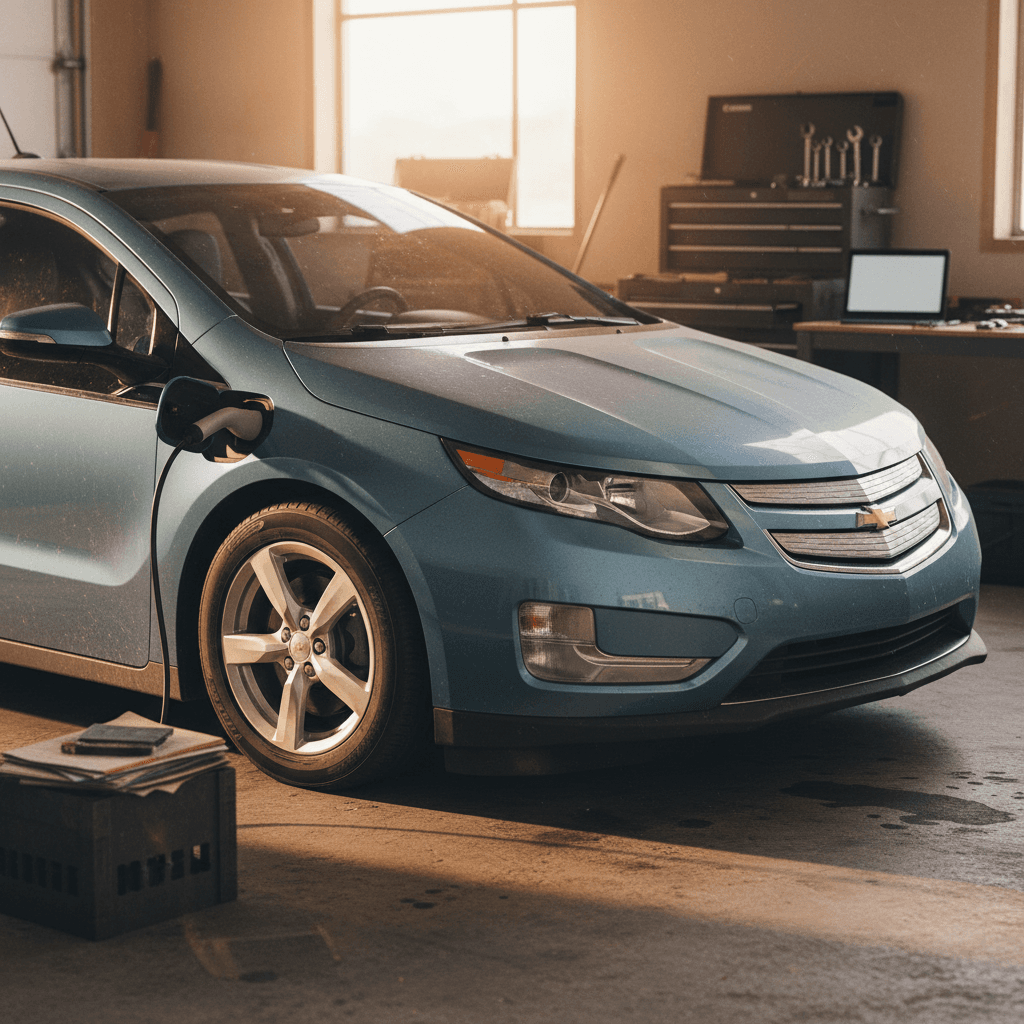
The Chevrolet Volt is a compact, four-door liftback built by GM and sold in the U.S. from the 2011 through 2019 model years. Technically it’s a plug‑in hybrid, but it behaves more like an electric car with a built‑in gasoline backup. You plug it in at home or at work, drive on battery power for 30–50 miles, and once the battery is low the gas engine quietly steps in to keep you going.
- Seats four (first generation) or five with a small middle rear seat (second generation)
- Runs on electricity first, then gasoline as needed
- Charges from a standard household outlet or a 240V Level 2 charger
- Never leaves you stranded as long as there’s fuel in the tank
Who the Volt suits best
A brief history of the Volt at GM
Chevy Volt and GM: snapshot timeline
GM revealed the Volt concept back in 2007 as a bold answer to early EVs with limited range. The first production cars hit U.S. driveways for the 2011 model year. A thoroughly redesigned second generation arrived for 2016 with more electric range, better efficiency, and a more conventional interior. Production ended in February 2019 as GM shifted investment toward fully electric models like the Chevrolet Bolt EV and newer Ultium‑based vehicles.
Discontinued, not obsolete
How the Volt’s plug-in hybrid system works
Electric first, gas second
The Chevy Volt’s heart is its lithium‑ion battery pack and one or two electric motors (depending on generation). You plug it in, charge the battery, and drive in near‑silent EV mode until the usable part of the pack is depleted.
In everyday use you simply select Drive and go. There’s no need to manually switch between gas and electric, the car manages it for you.
The range extender engine
Once the battery drops to a set state of charge, the Volt’s gasoline engine starts. In early cars it mostly acted as a generator; in the second generation, it can also help drive the wheels directly for better efficiency.
You still get the same smooth, EV‑like driving feel, but now you can keep going hundreds of miles so long as you keep the gas tank filled.
Not your typical hybrid
Key specs, battery size and real-world range
Two different generations of the GM Volt behave a bit differently in the real world. Knowing the numbers helps you figure out which version fits your life better.
Chevy Volt (GM) key specs by generation
Approximate factory figures for U.S.‑market Volts. Real‑world results vary with climate, driving style and terrain.
| Generation / Years | Battery (gross) | EPA EV range | EPA combined (gas‑only) | Total range | Typical Level 2 charge time |
|---|---|---|---|---|---|
| Gen 1 (2011–2015) | ~16 kWh | 35–38 mi | 37 mpg | ~380 mi | ~4 hours |
| Gen 2 (2016–2019) | 18.4 kWh | 53 mi | 42 mpg | ~420 mi | ~4.5 hours |
Chevy Volt specs: battery size, electric range and charging times.
What those numbers mean day-to-day
Reliability and battery longevity
One of the big questions around any used GM Volt is simple: How long do the batteries last? GM engineered the pack conservatively. The software only uses a slice of the total capacity, there’s a liquid cooling system to control temperatures, and the car can’t be DC fast‑charged, ironically a plus for longevity.
How the Volt holds up over time
Why many owners still swear by GM’s plug‑in pioneer
Battery degradation is usually modest
Drivetrain is generally robust
Known weak spots exist
Warranty realities in 2025
Common issues by model year
No used car is perfect, and the GM Volt has its own short list of trouble spots. They don’t affect every car, but they’re worth knowing about before you go shopping.
- 2011–2012 (early Gen 1): As with many first‑year designs, there were more software updates and occasional early build quirks. At this age, condition and maintenance history matter more than the specific year.
- 2013–2015 Gen 1: Generally regarded as the most sorted of the first generation. By now, items like suspension bushings, wheel bearings, and 12‑V batteries may need attention simply due to age and mileage.
- 2016–2018 Gen 2: Strong efficiency and range. Some owners report failures of the battery energy control module (BECM) that can take time and money to resolve, especially where parts are scarce.
- 2019 Gen 2 (final year): Benefits from ongoing improvements and often lower mileage, but you’ll pay more for the newest examples. Still, treat each car as an individual, service records tell you more than the model year badge.
Skip cheap neglect
Is a used GM Volt right for you?
Great fit if…
- Your daily driving is usually under 40–50 miles.
- You have reliable access to home or workplace charging.
- You like the idea of an EV but aren’t ready to rely 100% on public fast chargers.
- You value efficiency and low running costs over having the very latest tech.
Maybe not ideal if…
- You need a roomy back seat and big cargo area for family duty.
- You want modern driver‑assist features that rival today’s new EVs.
- You live somewhere with expensive gasoline and free or cheap DC fast charging for full EVs.
- You’re uncomfortable owning a discontinued model, even if parts availability is still reasonable.
A smart gateway into electrification
Inspection checklist before you buy
Chevy Volt pre-purchase checklist
1. Confirm real-world electric range
Ask the seller to start with a full charge, then go for an extended test drive in mixed driving. Watch how many miles you get before the engine starts. Compare that to the original EPA figure for that generation to get a feel for battery health.
2. Scan for trouble codes
A basic OBD‑II scan can catch stored fault codes, including issues with the hybrid system or battery control electronics that might not yet trigger a dashboard warning.
3. Check charging equipment
Verify that the included 120V charge cord works and inspect it for damage. If the car has seen regular Level 2 charging, ask where and whether there were any issues. Replace frayed cords or damaged plugs immediately.
4. Inspect maintenance and recall history
Look for documented oil changes, coolant service, brake fluid changes and any hybrid system recalls. A serviced Volt is usually a happy Volt.
5. Listen for drivetrain and suspension noises
On your test drive, pay attention to clunks, whines or vibrations when accelerating, braking or turning. Age alone can wear out bushings, bearings and CV joints.
6. Evaluate interior electronics
Test the infotainment system, cluster, heater, A/C, heated seats and all windows and locks. A failing HVAC system in particular can be costly to chase down.
How Recharged can help you shop used Volts
If you like what the Volt offers but don’t want to gamble on Craigslist roulette, this is where Recharged comes in. We’re built specifically around used electric vehicles and plug‑ins like the GM Volt.
Why shop a Volt with Recharged
Designed to take the anxiety out of used EV and plug‑in shopping
Recharged Score battery health report
Fair, transparent pricing
EV-savvy support & delivery
Ready to find your next EV?
Browse VehiclesFinancing a used Volt
Chevy Volt vs a full EV: which should you choose?
The Volt GM built a decade ago and the full battery EVs you see today solve the same problem, how to move you without burning so much gasoline, in different ways. Your choice comes down to where you drive, how often you can charge, and how much you want to rely on public charging.
Why pick a used Volt
- Range anxiety safety net: Long trip coming up? Just fill the tank and go.
- Lower purchase price: Older plug‑in hybrids often cost less than newer long‑range EVs.
- Less reliance on DC fast charging: You can skip learning every public charging provider on day one.
- Great learning car: Ideal if you’re EV‑curious but cautious.
Why go full EV instead
- Zero tailpipe emissions, always: No gasoline backup means cleaner local air.
- Simpler powertrain: Fewer moving parts than a plug‑in hybrid over the long term.
- Modern tech and safety: Newer EVs typically offer more advanced driver assistance and infotainment.
- Incentives and perks: Depending on the model and your location, you may qualify for tax credits or HOV lane access.
Volt GM FAQ
Frequently asked questions about the GM Chevy Volt
The Chevy Volt may be a chapter GM has closed, but for a lot of drivers it still hits a rare balance: enough electric range to cover real‑world errands and commutes, with the reassurance of gasoline for everything else. If that sounds like your life, a carefully chosen used Volt can be a smart, affordable bridge into the world of electrified driving, especially when you pair it with transparent battery health data and expert guidance from a specialist marketplace like Recharged.