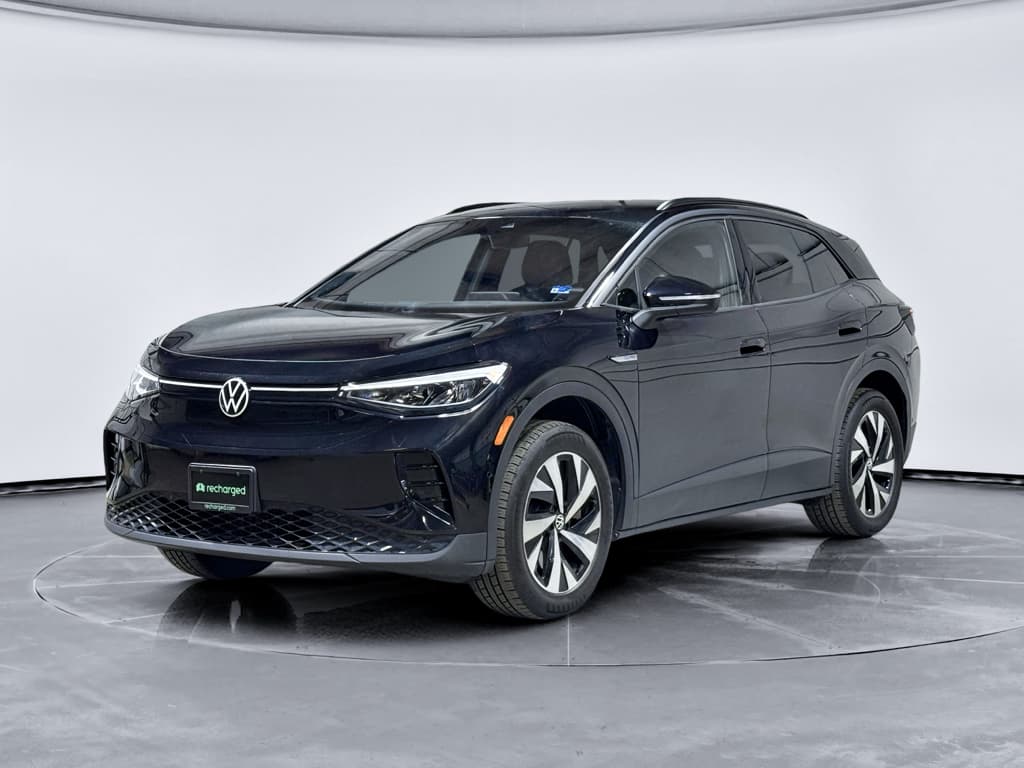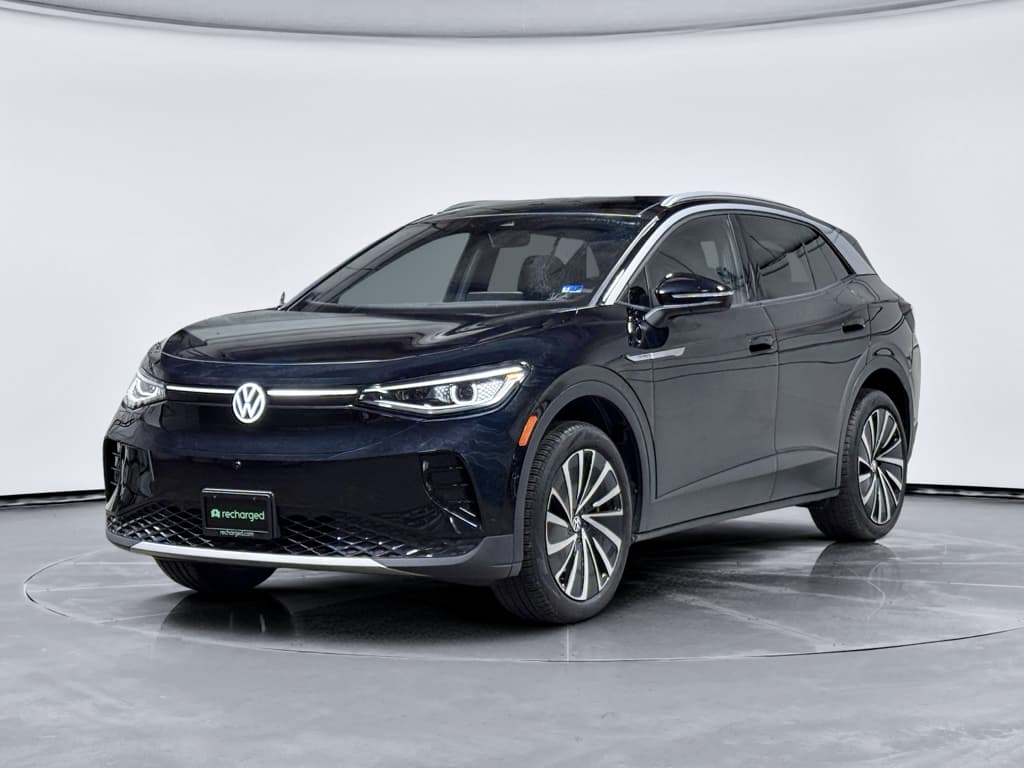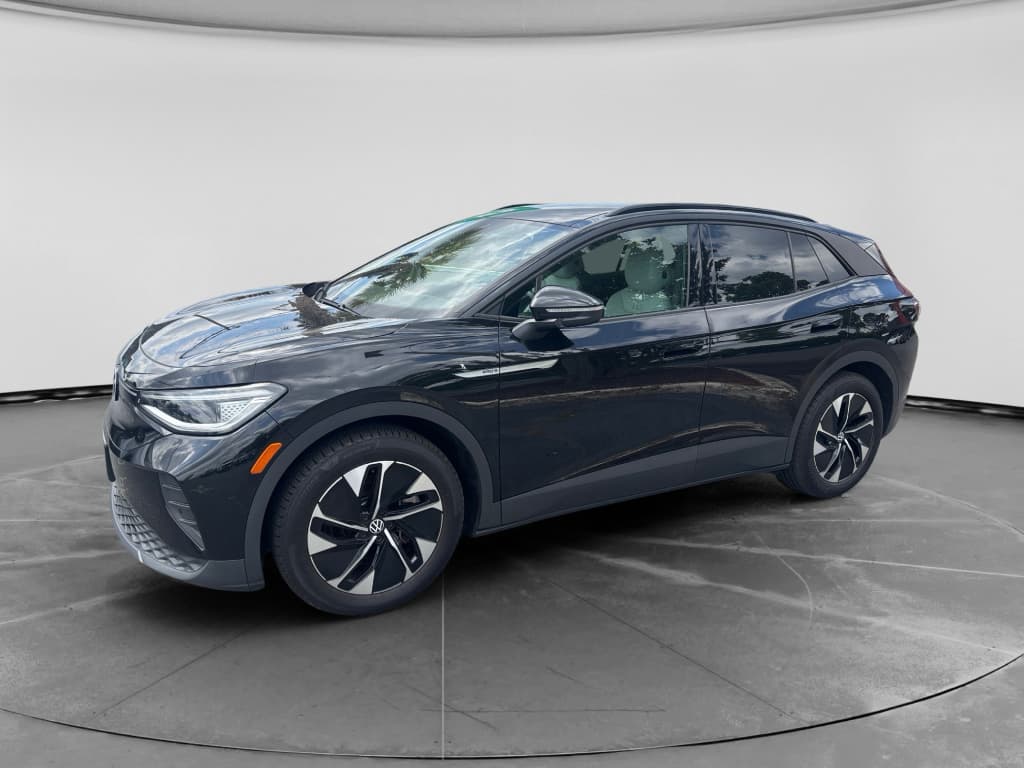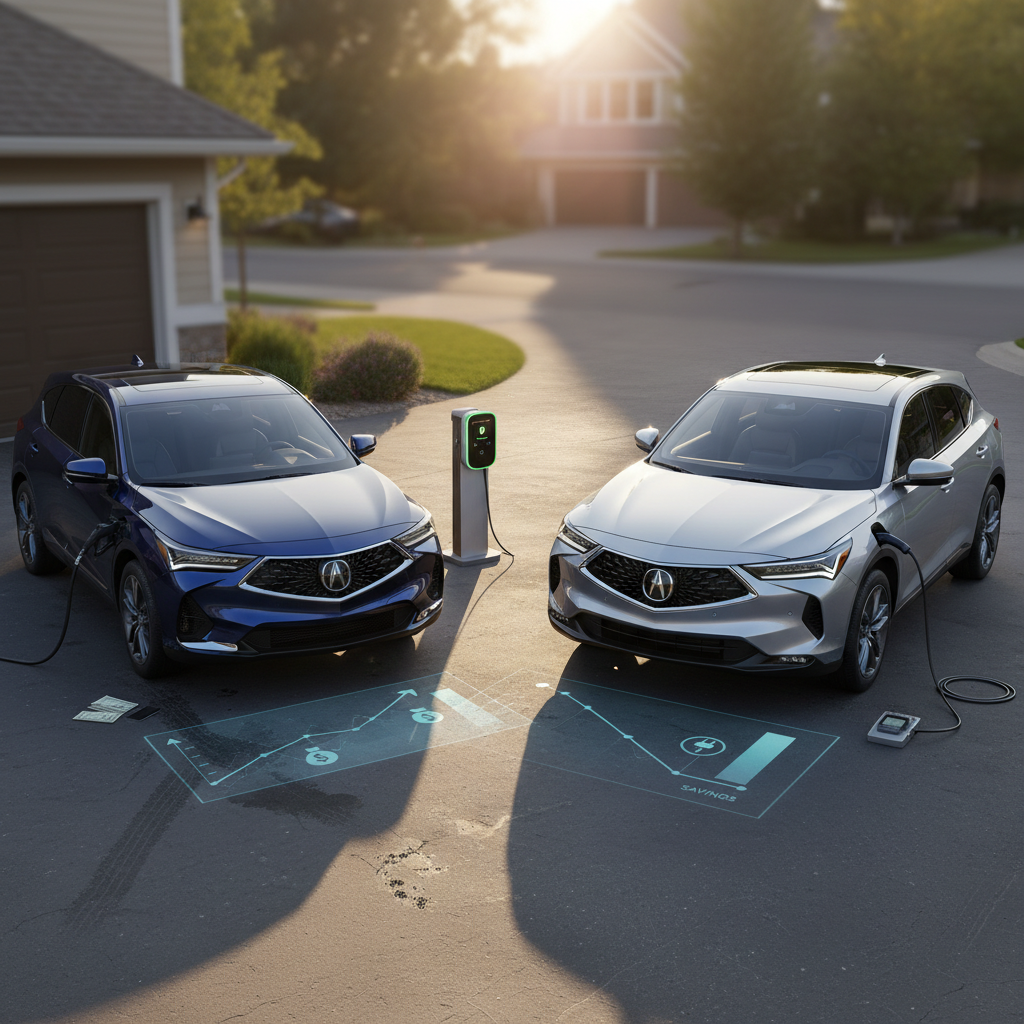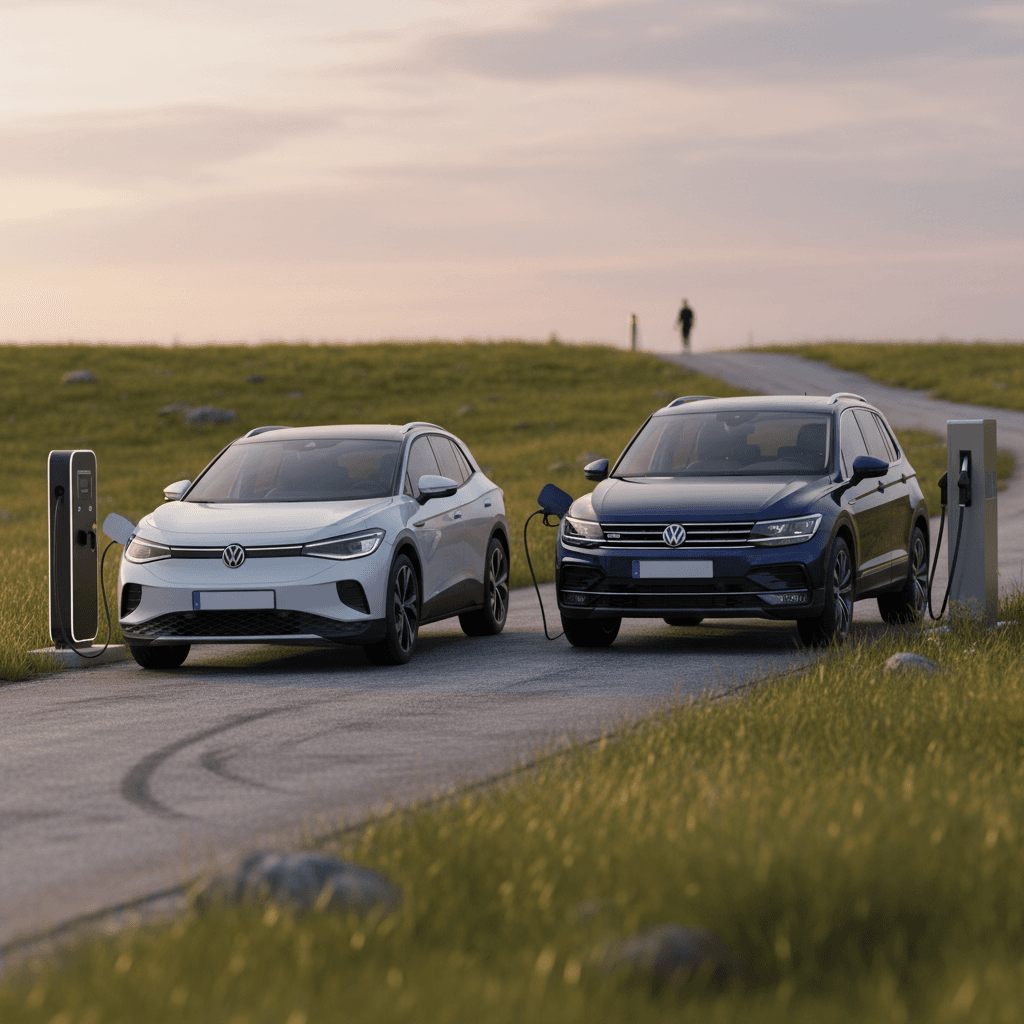
If you’re shopping Volkswagen SUVs in 2025, you’ve probably narrowed it down to two names: the all‑electric Volkswagen ID.4 and the gasoline‑powered Volkswagen Tiguan. On paper they’re similar in size and price, but they deliver very different ownership experiences. This guide walks through Volkswagen ID.4 vs Volkswagen Tiguan in plain language so you can decide which you should buy based on your budget, driving habits and long‑term plans.
Two very different Volkswagens
Volkswagen ID.4 vs Tiguan: quick overview
VW ID.4 vs VW Tiguan: key specs at a glance (2024–2025 U.S. models)
Approximate figures for mainstream trims; exact numbers vary by model year and configuration.
| Spec | Volkswagen ID.4 (EV) | Volkswagen Tiguan (gas) |
|---|---|---|
| Powertrain | Single or dual electric motors | Turbo 4‑cyl gasoline |
| Horsepower | 201–330 hp (trim‑dependent) | Around 184 hp |
| EPA range / mpg | ~206–291 miles; 99–117 MPGe combined | ~26–29 mpg combined (FWD/AWD) |
| Drivetrain | RWD or AWD | FWD or AWD |
| Seats | 5 | 5 (three‑row on prior US generation; may vary by market) |
| Cargo space | More max cargo than Tiguan | More rear legroom; slightly less cargo |
| Fuel/energy cost | Electricity, often cheaper per mile | Regular unleaded gas |
| Federal clean‑vehicle credit | Eligible trims up to $7,500 for qualifying buyers (through Sept 30, 2025 under current rules) | Not eligible |
| Typical new‑car price | Roughly high‑$30Ks to high‑$50Ks | Roughly low‑$30Ks to low‑$40Ks |
| Typical 5‑yr depreciation | Higher (EV pricing is evolving quickly) | Lower; holds value better so far |
Headline differences between Volkswagen’s electric ID.4 and gasoline Tiguan.
Don’t shop specs in a vacuum
Powertrain, performance & driving feel
ID.4: Smooth, instant torque
The Volkswagen ID.4 replaces engine, transmission and exhaust with a battery pack and one or two electric motors. Rear‑wheel‑drive models make roughly 201 hp; dual‑motor all‑wheel‑drive versions can climb north of 280 hp and feel genuinely quick in everyday driving.
- Instant torque: Step off the line and the ID.4 just goes, no gear hunting, no turbo lag.
- Quieter and calmer: Around town and on the highway, there’s far less noise and vibration than a comparable gas SUV.
- Low center of gravity: The battery lives in the floor, so the ID.4 feels planted in corners even on highway ramps.
Tiguan: Familiar, flexible, a bit old‑school
The Volkswagen Tiguan sticks with a turbocharged four‑cylinder gas engine and conventional automatic transmission. Power is adequate rather than thrilling, and the real advantage is predictability, you fuel up anywhere in minutes and you already know how it behaves.
- Torque comes later: You’ll feel downshifts and hear the engine working when you ask for full power.
- Good highway manners: The Tiguan is stable, quiet enough, and tuned for comfort more than sport.
- Towing and long trips: If you tow modest loads or live on the interstate, gas still has a convenience edge today.
Cold weather and mountain reality check
Range, MPGe vs mpg, and where you drive
How far you go on a unit of energy
If most of your driving is local commuting, school runs and errands under 60 miles a day, the ID.4’s range is more than enough. You plug in at home, leave each morning with a “full tank” and rarely think about public charging. The Tiguan’s big advantage is long, spontaneous road trips where you don’t want to plan stops around chargers or wait 25–35 minutes at a fast‑charger when you’re already behind schedule.
- Urban and suburban commuters: ID.4 plays to its strengths if you have home or reliable workplace charging.
- Frequent interstate travelers: Tiguan makes more sense if you regularly stack 400‑ to 600‑mile days.
- Cold‑climate drivers: Either works, but the Tiguan’s fuel economy is more predictable in deep winter.
- Occasional road‑trippers: ID.4 works fine if you’re willing to plan charging stops with apps like PlugShare or Electrify America.
Interior space, seating and practicality
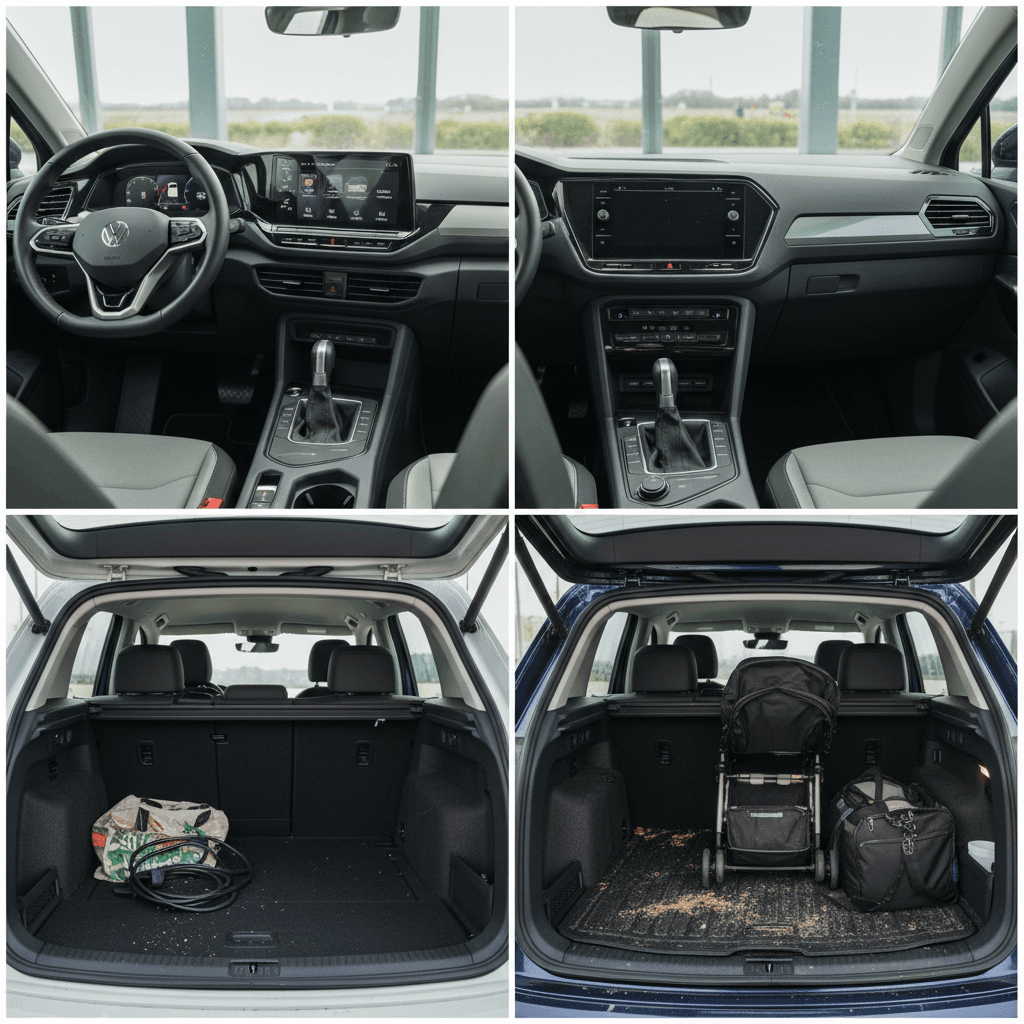
How the ID.4 and Tiguan haul your people and stuff
Same idea, compact family SUV, but they package space differently.
Volkswagen ID.4: boxy EV utility
The ID.4’s dedicated EV platform lets Volkswagen stretch the wheelbase and push the wheels out to the corners.
- Cargo space: The ID.4 generally offers more maximum cargo volume than Tiguan when you fold the rear seats.
- Front seat room: Excellent head and legroom, with a very open cabin feel.
- Flat floor in back: No driveshaft hump means better foot space for the middle passenger.
Volkswagen Tiguan: extra legroom and familiarity
The Tiguan is a traditional compact SUV with a roomy, upright cabin.
- Rear‑seat comfort: Slightly more rear head and legroom than ID.4 in many trims.
- Cargo: Still very practical, but a bit tighter than ID.4 with seats up or down.
- Cabin feel: Conventional layout, physical controls and a familiar driving position.
Kid, dog and stroller test
Cost to buy and own: five‑year picture
Here’s where the Volkswagen ID.4 vs Volkswagen Tiguan decision gets interesting. The Tiguan usually has the lower sticker price, but the ID.4 fights back with tax credits, cheaper fuel and lower maintenance. Over five years, the gap between them can shrink, or flip, depending on how and where you drive.
Simplified 5‑year ownership snapshot (illustrative, not a quote)
Assumes U.S. buyer, mainstream trims, 12,000 miles per year and average national energy prices. Your actual costs will vary by state, electricity and gas prices, insurance and how you drive.
| Item | Volkswagen ID.4 (EV) | Volkswagen Tiguan (gas) |
|---|---|---|
| Purchase price | Higher MSRP, but many trims qualify for up to $7,500 federal clean‑vehicle credit through Sept 30, 2025, plus potential state incentives | Lower MSRP; no federal EV credit |
| Fuel / energy | Electricity typically much cheaper per mile, especially if you can charge at home overnight | Gasoline costs add up; sensitive to price spikes |
| Maintenance | No oil changes; fewer moving parts. Still needs tires, brakes, cabin filters. | Regular oil changes, more fluids, exhaust and engine‑related maintenance. |
| Depreciation | EVs have seen steeper early depreciation as technology and incentives shift | Historically better resale retention than ID.4 so far |
| Insurance | Varies by region; some insurers rate EVs slightly higher, others neutral | Well‑known risk profile; often similar or slightly lower than ID.4 |
Why total cost can make the ID.4 more competitive than its sticker suggests.
About that federal EV tax credit
If you keep vehicles a long time and drive 12,000–15,000 miles a year, the ID.4’s lower fueling and maintenance bills can offset its higher sticker price, especially if you capture the full federal credit and any state incentives. If you tend to trade out of cars in three years or less, the Tiguan’s stronger resale values and lower upfront cost may leave you ahead.
Charging vs fueling: which lifestyle fits you?
Living with an ID.4: plug‑in life
Owning an ID.4 is all about where you’ll plug in.
- Home charging: The gold standard. A 240‑volt Level 2 charger can refill a large‑battery ID.4 overnight. Most owners plug in, walk away and wake up to a full battery.
- Public DC fast‑charging: Helpful on road trips. ID.4 models can fast‑charge at rates that make 10–80% top‑ups in roughly 30 minutes under ideal conditions.
- Apartment life: If you don’t control your parking or can’t install a charger, you’ll live on public charging. That’s possible, but it turns every fill‑up into a scheduled errand.
Living with a Tiguan: gas‑and‑go
The Tiguan fits easily into the fueling routines you already know.
- Every corner has a station: You can over‑shoot your exit and still find gas within a mile or two.
- Refill time: Even from near‑empty, you’re in and out of most gas stations in under 10 minutes including a bathroom stop.
- No home upgrades: No electrician, no charging equipment. Just a key fob and a fuel card.
Try your charging reality before you commit
Safety, tech and comfort features
Modern safety and tech: both are well‑equipped
The ID.4 leans futuristic; the Tiguan leans familiar.
Safety and driver assistance
- ID.4: Recent models score top crash ratings and include a strong suite of driver‑assist features, automatic emergency braking, blind‑spot monitoring, lane‑keeping assist and adaptive cruise control. Travel Assist can handle highway lane‑centering with your hands on the wheel.
- Tiguan: Also offers modern safety tech, though availability can vary by trim and model year. You’ll find the same core features, just wrapped around a gas powertrain.
Infotainment and comfort
- ID.4: Large central touchscreen, minimal physical buttons and a clean, modern interior design. It feels like the future but can require a short learning curve.
- Tiguan: More conventional mix of screen and knobs. Easy for anyone to hop in and adjust climate or audio without hunting through menus.
Who should buy the Volkswagen ID.4
The ID.4 is probably right for you if…
You can charge at home most nights
Home charging turns the ID.4 into a convenience upgrade. You’ll skip gas stations entirely for daily driving and start each morning with more than enough range.
Your daily driving is under 150 miles
Commuters, school‑run parents and local errand‑runners fit the ID.4’s sweet spot. Even with winter range loss, you’re well within its comfort zone.
You want lower running costs, not just lower emissions
If you drive enough miles and plan to keep the car five years or more, the ID.4’s electricity and maintenance savings can be substantial, especially if you capture the federal clean‑vehicle credit before it sunsets for new purchases after September 30, 2025.
You like quiet, smooth, modern driving
The instant torque, quiet cabin and one‑pedal‑style regenerative braking deliver a driving experience that feels more like high‑end tech than a traditional SUV.
You’re okay planning road trips a bit more
You don’t mind using EV apps, mapping charging stops and spending 20–30 minutes on periodic fast‑charge breaks when you do take longer journeys.
Who should buy the Volkswagen Tiguan
The Tiguan is probably right for you if…
You can’t easily install home charging
If you rent, street‑park, or your building won’t approve a charger, the daily reality of living with an EV can be more complicated than it’s worth today.
You drive lots of long, rural or unpredictable routes
Sales reps, medical staff, rural drivers and road‑trip fans may prefer the Tiguan’s ability to refuel almost anywhere in minutes, with no planning or surprises.
You keep cars a shorter time or worry about EV resale
So far, used Tiguans have held value better than ID.4s of the same age. If you swap cars every 2–3 years, that resale edge matters.
You tow or haul in demanding conditions
Light towing is possible with many EVs, but fuel economy and range penalties are real. If you regularly tow or carry heavy cargo over long distances, the Tiguan is the safer bet.
You want straightforward tech and controls
You, or your passengers, prefer physical buttons and a conventional dash layout. The Tiguan feels like a modern SUV, not a rolling gadget.
Buying used: ID.4 and Tiguan on Recharged
In the used market, the Volkswagen ID.4 and Tiguan tell two different stories. Recent data shows ID.4s depreciating faster than Tiguans of comparable age, which can make a used ID.4 an especially compelling value, if you understand battery health. Tiguans tend to have more predictable resale patterns and a larger pool of shoppers who already know and trust gas Volkswagens.
Why battery health matters on a used ID.4
Shopping a used ID.4
- Battery report: Use the Recharged Score battery‑health data to compare one ID.4 against another, not just by miles and model year.
- Charging history: Fast‑charging‑heavy histories may show slightly more wear; our EV specialists can walk you through what the numbers mean.
- Incentive savvy: For some used EVs, a separate used clean‑vehicle credit may apply, our experts can help you understand how that might fit your budget.
Shopping a used Tiguan
- Conventional checks: You’ll focus on maintenance records, mileage, accident history and how it feels on a test drive.
- Cost comparison: Our team can help you compare a used Tiguan’s fuel, insurance and maintenance outlook with a used ID.4’s lower running costs.
- One‑stop process: With Recharged you can finance, trade in, and arrange nationwide delivery, whether you land on an ID.4 or a Tiguan alternative in our marketplace.
FAQ: Volkswagen ID.4 vs Volkswagen Tiguan
Frequently asked questions
Bottom line: Volkswagen ID.4 vs Tiguan
Choosing between the Volkswagen ID.4 and Volkswagen Tiguan isn’t about which is “better” in the abstract, it’s about which fits the shape of your life. If you have easy home charging, mostly local miles and an eye on long‑term running costs, the ID.4’s smooth, quiet personality and lower fuel and maintenance bills are hard to ignore. If you thrive on last‑minute road trips, lack reliable charging, or plan to keep the car only a few years, the Tiguan’s lower upfront cost, simpler fueling and proven resale may still be your smartest move.
If you’re ready to see how the numbers pencil out for your situation, explore used ID.4s and Tiguan alternatives on Recharged. Every EV we list comes with a Recharged Score Report showing verified battery health, fair‑market pricing, and support from EV specialists who can walk you through charging, incentives and total cost of ownership, so whichever Volkswagen route you choose, you’ll do it with eyes wide open.