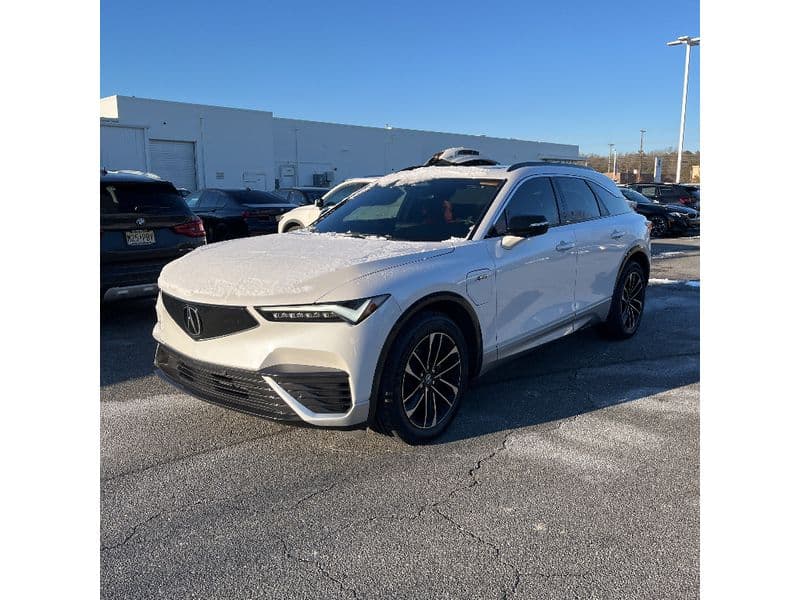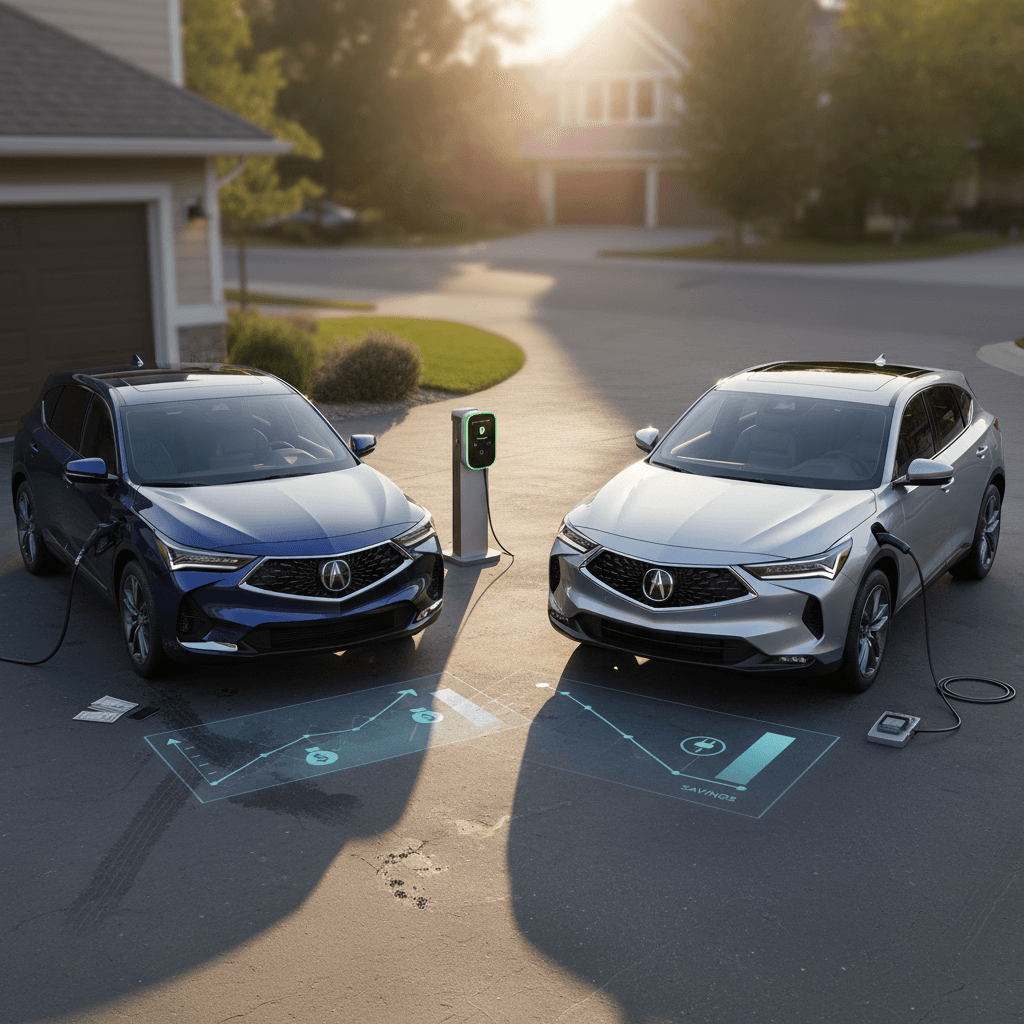
If you like your Acura RDX but dislike gas bills, the new electric Acura ZDX is probably on your radar. Before you trade keys, you’ll want to know the real cost savings of switching from an Acura RDX to an Acura ZDX, not just on fuel, but on payments, maintenance, tax credits, and resale value.
Context: What This Guide Covers
Why RDX Drivers Are Considering the Switch to the Acura ZDX
Top Reasons RDX Owners Look at the ZDX
It’s not just about going electric, it's about the whole ownership experience.
Lower Operating Costs
Modern Tech & Charging
Incentives & Future Resale
Quick Take: How Acura RDX vs ZDX Costs Compare
Acura RDX vs Acura ZDX: High‑Level Cost Picture (Typical U.S. Driver)
Those are directional ranges, not guarantees. Your real savings will depend on how much you drive, where you live, how you charge, and whether you buy new vs used. Let’s walk through the main cost buckets one by one.
Purchase Price, Payments & Incentives
Sticker Price: RDX vs ZDX
New for new, an Acura ZDX will generally carry a higher MSRP than a similarly equipped RDX. You’re paying for the battery pack, the electric powertrain, and newer tech.
- New RDX: Compact luxury SUV pricing, competitive with other gas crossovers.
- New ZDX: Priced more like a premium electric SUV, often several thousand dollars higher than an RDX.
If you’re shopping used, the gap can shrink quickly as the first owner absorbs initial depreciation on either model.
Monthly Payment Reality
Because the ZDX usually starts higher, your monthly payment might jump if you move from a late‑model RDX into a brand‑new ZDX, unless incentives or a strong trade‑in offset the difference.
Ways to manage the payment:
- Consider a lightly used ZDX rather than brand‑new.
- Shop your RDX trade‑in with multiple buyers or use an instant‑offer tool.
- Stretch the term carefully, longer loans lower the payment but increase interest paid.
Remember the Incentive Side
If you finance through a platform that understands EV values, like the lenders Recharged works with, you’ll often get more realistic assumptions about resale value and battery life, which can help keep payments competitive versus a gas SUV loan from a generalist lender.
Gas vs Electricity: Monthly Energy Costs
Fuel is where many RDX owners see the most obvious savings when switching to a ZDX. Let’s walk through a simple, realistic comparison using ballpark U.S. averages.
Example Monthly Energy Cost: Acura RDX vs ZDX
Assumes 1,000 miles per month, mixed driving. Numbers are illustrative, not quotes.
| Metric | Acura RDX (Gas) | Acura ZDX (Electric) |
|---|---|---|
| Estimated efficiency | ~24 mpg combined | ~2.7–3.2 mi/kWh (mixed) |
| Energy price assumption | $3.75/gal gasoline | $0.15/kWh home electricity |
| Energy needed for 1,000 miles | ~41.7 gallons | ~320–370 kWh |
| Estimated monthly energy cost | ~$155–$165 | ~$48–$56 (home charging) |
| If 25% of miles on DC fast charge | N/A | Adds roughly $15–$30/month, depending on network pricing |
Your costs will vary based on driving style, local gas and electricity prices, and how often you use fast charging.
Public Fast Charging Can Eat Into Savings
For a typical commuter driving 12,000–15,000 miles per year and charging mostly at home, it’s realistic to save around $900–$1,500 per year on energy alone compared with an RDX, even after accounting for some road‑trip fast charging.
Maintenance, Repairs, and Wear Items
What the RDX Still Needs
The Acura RDX is a well‑built luxury crossover, but it’s still a turbocharged gasoline vehicle. Over several years you’ll typically face:
- Oil and filter changes every few thousand miles.
- Transmission or differential fluid services.
- More complex engine‑bay components that can fail out of warranty.
- Exhaust system, emissions hardware, and fuel system wear.
These aren’t dealbreakers, but they do add up, especially if you service at a dealership rather than an independent shop.
What the ZDX Eliminates or Reduces
The ZDX’s electric drivetrain has far fewer moving parts. Over a similar period you’ll likely see:
- No engine oil changes or spark plugs.
- No timing chains, turbochargers, or emissions equipment.
- Less brake wear thanks to regenerative braking.
- Simple, predictable service intervals: cabin filters, coolant checks, tire rotations.
You will eventually service items like tires and brake fluid, and out‑of‑warranty EV repairs can be specialized, but routine maintenance spend tends to drop 30–40% vs a comparable gas SUV.
Where Recharged Fits In
Ready to find your next EV?
Browse VehiclesInsurance and Registration Considerations
Insurance is often overlooked when comparing the Acura RDX to the Acura ZDX. Two things typically happen when you move from gas to EV:
- The ZDX’s higher initial value and advanced tech can push comprehensive and collision premiums higher than an older RDX, especially if you’re moving from a paid‑off crossover to a brand‑new EV on full‑coverage insurance.
- Some states apply extra EV registration or road‑use fees to offset fuel‑tax losses. Others offer EV discounts on registration or property taxes.
Run the Insurance Quote Before You Fall in Love
Resale Value and Depreciation: Which Holds Up Better?
Depreciation is changing fast as EVs move from early adopters to the mainstream. Historically, luxury gas crossovers like the Acura RDX have held value well. But two trends are working in the ZDX’s favor over the next decade:
Resale Factors: RDX vs ZDX
What might your SUV be worth in 5–7 years?
Shift Toward EVs
Battery Health Transparency
Depreciation Cuts Both Ways
Sample 3‑Year Cost Comparison: Acura RDX vs ZDX
To put all this together, here’s a simplified three‑year snapshot for a typical American driver moving from a late‑model Acura RDX into an Acura ZDX. These are directional numbers meant to show relationships, not quotes or guarantees.
Illustrative 3‑Year Ownership Costs
Assumes 12,000 miles per year, mix of city and highway driving, and mostly home charging for the ZDX. All numbers rounded.
| Cost Category (3 Years) | Acura RDX (Gas) | Acura ZDX (EV) | What Changes When You Switch |
|---|---|---|---|
| Fuel / electricity | ~$5,400 | ~$2,400–$3,000 | ZDX saves roughly $2,400–$3,000 on energy in this scenario. |
| Routine maintenance | ~$2,100 | ~$1,200–$1,400 | No oil changes and fewer wear items bring ZDX costs down. |
| Insurance | Baseline | +5–15% vs older RDX | Newer, higher‑value EV can cost more to insure in many markets. |
| Registration / fees | Standard gas fees | EV‑specific fees or credits | Some states add EV road‑use fees; others offer discounts or perks. |
| Depreciation (if bought new) | Moderate | Potentially higher in first years | New EV pricing swings can make early ZDX depreciation steeper than RDX. |
Use this as a framework and plug in your own local fuel, electricity, insurance, and financing data.
Where the ZDX Usually Wins Over 3 Years
Who Actually Saves Money by Switching?
Profiles That Benefit Most from Switching RDX → ZDX
1. High‑Mileage Commuters
If you’re logging 15,000–20,000 miles per year in your RDX, fuel is eating a big chunk of your budget. A ZDX charged mostly at home can deliver the largest <strong>dollar savings</strong> over three to five years.
2. Drivers With Reliable Home Charging
Owning your home or having a dedicated parking spot with access to a 240‑volt outlet changes the game. That’s when <strong>cheap overnight electricity</strong> replaces expensive gasoline.
3. Owners Ready to Move from an Older, Out‑of‑Warranty RDX
If your RDX is hitting the age where <strong>big repairs</strong> are a real possibility, moving into a newer ZDX with a fresh warranty and simpler powertrain can stabilize your budget.
4. Shoppers Who Can Leverage EV Incentives
If you qualify for federal or state <strong>EV tax credits or rebates</strong>, you can offset the ZDX’s higher sticker price and shorten the payback period of switching from gas.
When You Might NOT Save Money
How to Shop a Used Acura ZDX Smartly
If the math says a ZDX could work, the next question is how to buy the right one, especially on the used market, where condition and battery health separate a smart deal from a regret.
Key Checks Before You Trade Your RDX for a Used ZDX
Protect your cost savings by buying the right vehicle, not just any vehicle.
Verify Battery Health
Confirm Charging Fit
Total Cost View
Leverage EV‑Savvy Retailers
FAQ: Switching from Acura RDX to Acura ZDX
Frequently Asked Questions
Bottom Line: Is Switching from RDX to ZDX Worth It?
For many Acura RDX owners, switching to an Acura ZDX is less about chasing the latest tech and more about stabilizing long‑term costs. If you drive a lot, can charge at home, and line up reasonable insurance and financing, the ZDX’s lower fuel and maintenance costs can outweigh a higher sticker price over a three‑ to five‑year window.
On the other hand, if your RDX is paid off, you barely drive, or you’d lean heavily on public fast charging, a new ZDX might raise your total monthly spend even as it cuts gas stops. In that case, running the numbers on a used ZDX with verified battery health, or waiting until your circumstances change, can be the smarter call.
Whichever camp you’re in, treat the decision like any major vehicle swap: compare payments, fuel, maintenance, insurance, and incentives side by side. And if you decide an EV fits, platforms like Recharged can help you trade out of your RDX, pick the right ZDX or similar EV, and understand the battery and pricing up front, so the savings you expect on paper are more likely to show up in your bank account.