About that “sudden shutdown” concern
Recalls, software updates and what they mean for reliability
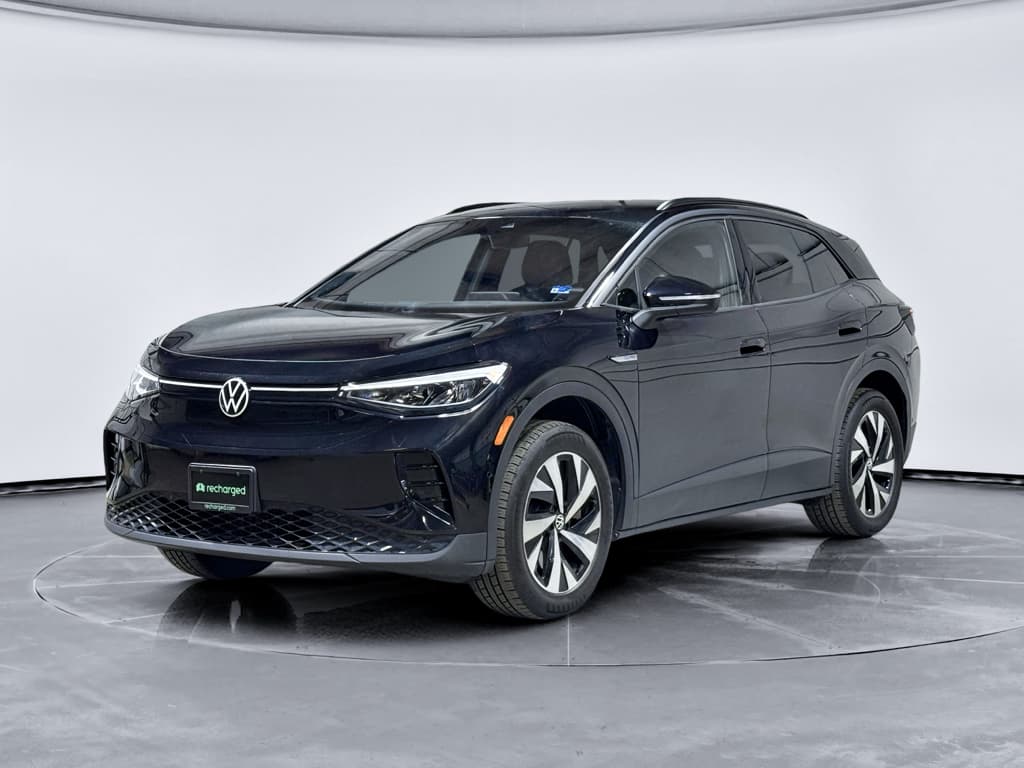
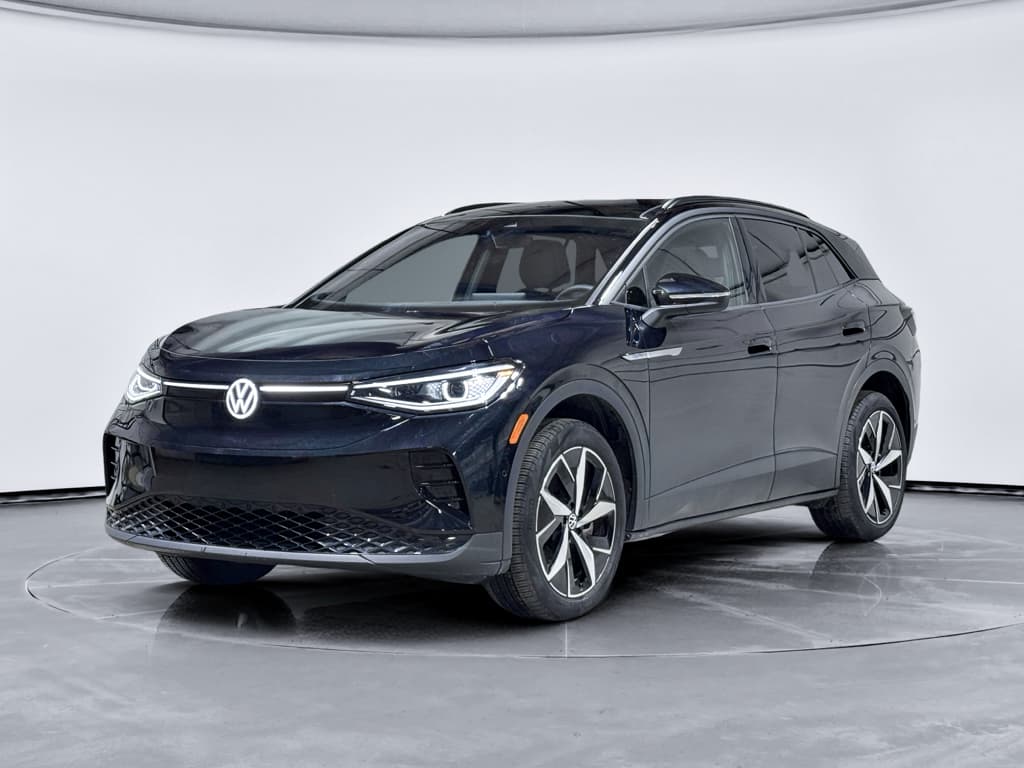
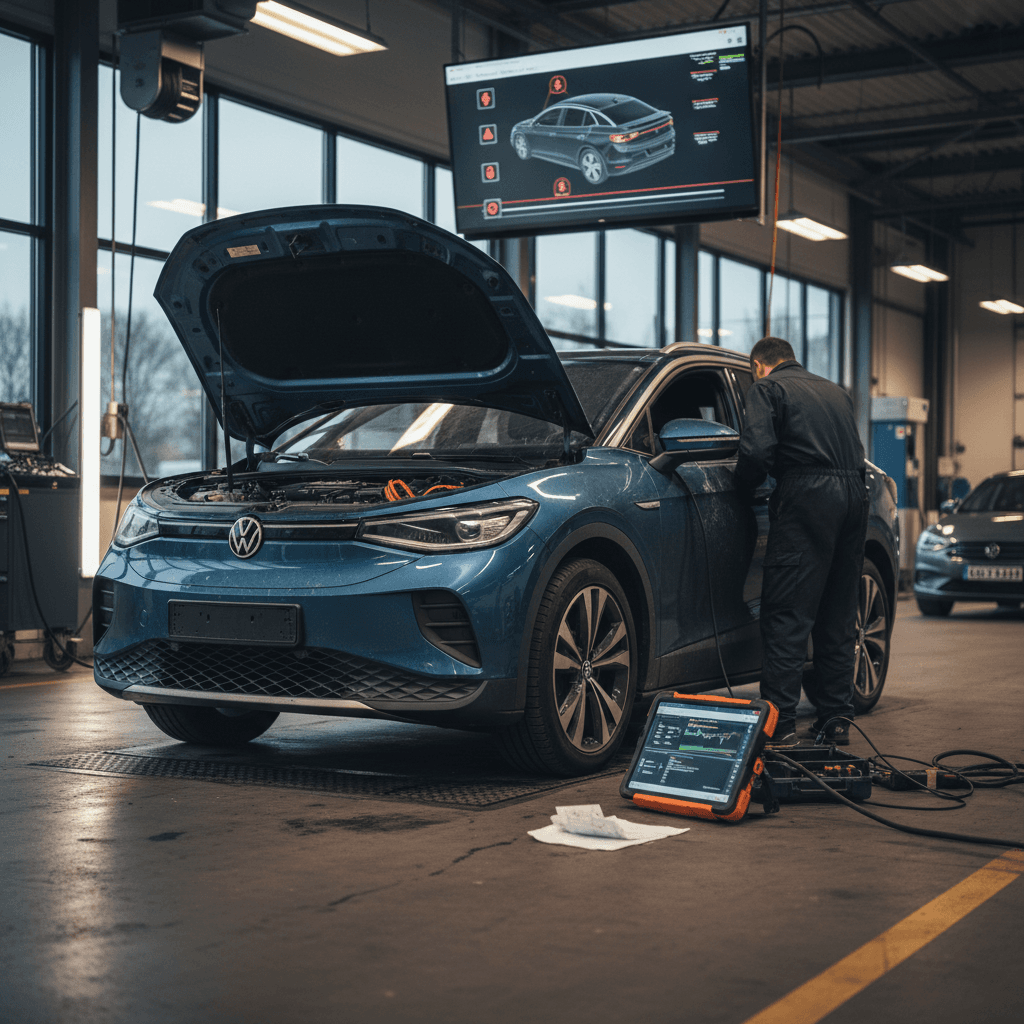
If you follow EV news, you’ve seen headlines about Volkswagen ID.4 recalls, especially concerning the high‑voltage battery and control software. It’s easy to assume every recall makes a vehicle unreliable. In reality, recalls are how complex EVs get safer and more dependable over time, provided they’re actually performed.
- High‑voltage battery recalls on 2023–2024 ID.4s have focused on battery‑management logic and potential internal cell issues. Depending on test results, fixes range from a software update to complete pack replacement at Volkswagen’s expense.
- Software campaigns have targeted infotainment glitches, incorrect warnings, and quirks with driver‑assistance and charging behavior.
- Some smaller recalls have addressed items like seat‑belt sensors, backup cameras, and lighting, annoying, but straightforward once fixed.
Why a “recall car” can be a smart buy
How to vet an ID.4’s recall and software status
1. Run the VIN through VW and NHTSA tools
Use Volkswagen’s owner site and the NHTSA VIN lookup to see outstanding recalls. Any open safety campaign is a must‑fix before you sign.
2. Ask for a printed service history
A good service department, or a platform like <strong>Recharged</strong>, will provide a record showing recall completion dates, software updates, and any high‑voltage work performed.
3. Confirm software version at delivery
With the car on, navigate the infotainment settings and confirm it’s running the latest software for its model year. Out‑of‑date software can explain some warning lights or charging issues.
4. Stress‑test charging and driver‑assist
On your test drive, use DC fast charging if possible and verify adaptive cruise, lane centering, parking sensors, and cameras all behave consistently. Intermittent misbehavior is a red flag.
ID.4 battery health, degradation and warranty coverage
The big question for any used EV is the battery. With the ID.4, the news in 2026 is cautiously optimistic. While there have been legitimate high‑voltage battery recalls, widespread everyday battery failures on later cars are not the norm. And Volkswagen’s warranty is comparatively strong.
Battery degradation and real‑world experience
Data from Volkswagen’s “ID” family and long‑term third‑party testing suggest that their modern packs hold capacity well when driven and charged normally. A related VW ID.3, using similar battery technology, retained around 90% of its usable capacity after roughly four years and over 100,000 miles in independent testing, well above warranty minimums.
Owner anecdotes for the ID.4 itself point to modest range loss in the first few years, but not the catastrophic fade many feared. More serious issues usually trace to a defective module or sensor that either triggers a recall replacement or is handled under warranty.
Battery warranty basics
In the U.S., the ID.4’s high‑voltage battery is covered for 8 years or 100,000 miles (whichever comes first). Volkswagen also specifies that the pack should retain at least 70% of its original usable capacity over that window. If it drops below that, or a covered defect appears, repair or replacement is typically covered.
The battery warranty is transferable, which makes a 3–5‑year‑old used ID.4 considerably less risky than a comparable gas SUV that’s out of powertrain coverage.
How Recharged evaluates ID.4 battery health
Maintenance, repair costs and dealer experience
On paper, the Volkswagen ID.4 should have lower long‑term maintenance costs than a comparable gas SUV: there’s no engine oil, spark plugs, timing belt, or transmission service to worry about. Real life is a bit more nuanced.
Living with an ID.4 long term: what tends to cost money
Most expenses aren’t catastrophic failures, they’re the accumulation of smaller fixes and upkeep.
Electronics & 12‑volt battery
Many owner complaints center around 12‑volt battery failures, which can knock out infotainment, remote app functions, or even prevent the car from waking up. Replacing a 12‑volt battery isn’t wildly expensive, but repeated events are frustrating.
Brake, tire and suspension wear
Like most EVs, the ID.4 is heavy and torquey, which can mean faster tire wear and extra stress on suspension parts if you drive hard or hit poor roads. The flip side is that regenerative braking can keep brake pads and rotors looking nearly new for years.
Dealer and service experience
One of the most consistent themes in reliability surveys is inconsistent dealer support. Some VW dealers are EV‑savvy and efficient, while others struggle with diagnosis and parts availability. That can turn a minor issue into a multi‑week inconvenience.
Plan for downtime, not just dollars
How ID.4 reliability compares to rival EV SUVs
In owner surveys and third‑party rankings through early 2025, the Volkswagen ID.4 generally rates below average for reliability, especially compared with newer EV platforms from Hyundai, Kia, and some legacy rivals. Consumer Reports has famously called out the ID.4 for battery and charging problems, and J.D. Power’s broader brand‑level dependability results put Volkswagen near the bottom of the pack.
Vs. Hyundai Ioniq 5 / Kia EV6
Hyundai and Kia’s dedicated EVs typically outscore the ID.4 in reliability surveys. Owners report fewer software bugs and charging issues, though there have been isolated recalls and complaints, especially for early builds.
Vs. Ford Mustang Mach‑E
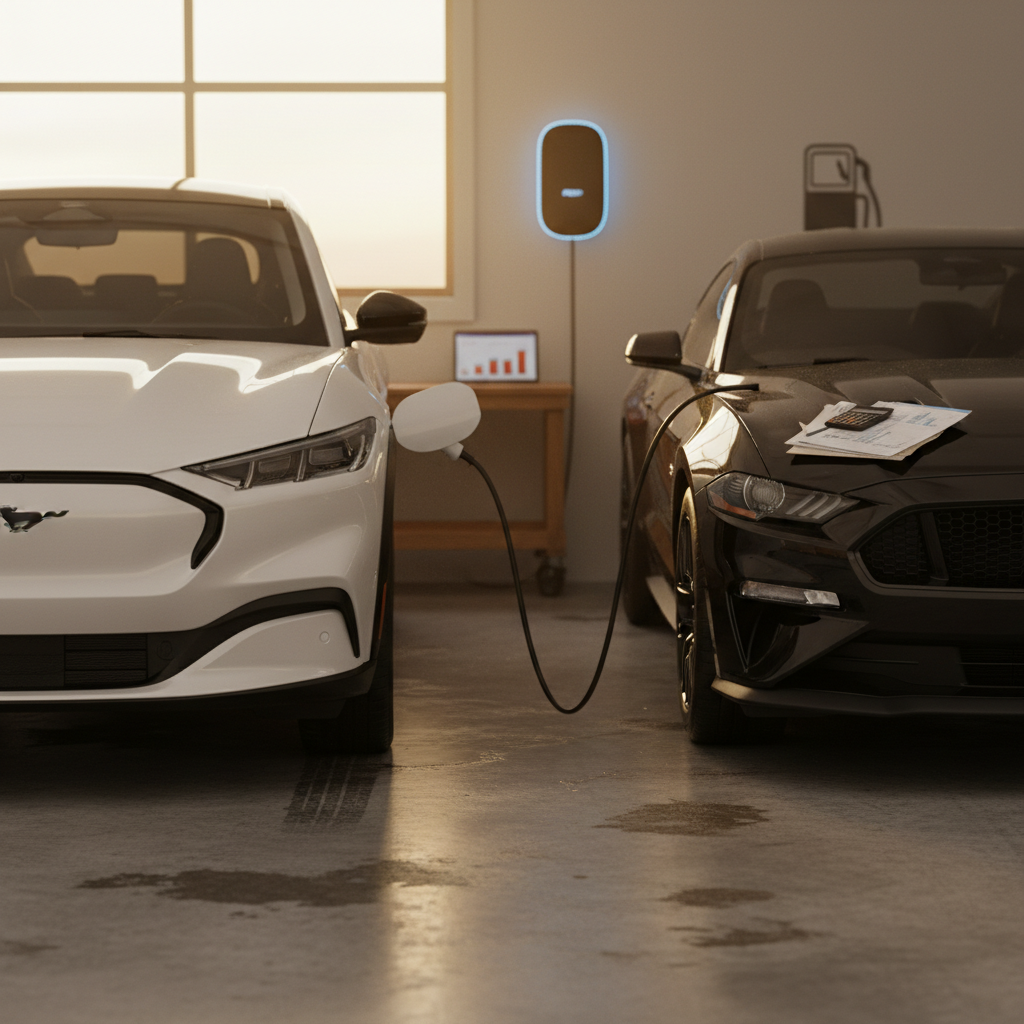
The Mach‑E has had its own well‑publicized software and recall issues, but by 2024–2025 its reliability trajectory looks similar to the ID.4: improving hardware, but electronics that still frustrate some owners.
Vs. Tesla Model Y
Tesla’s Model Y often scores average or slightly below average for reliability, but owner satisfaction is high. Build‑quality quirks are common, yet the powertrain is robust. The ID.4 tends to have better traditional cabin quality; Tesla’s edge is in software maturity and charging network reliability.
Don’t shop on reliability alone
Used Volkswagen ID.4 reliability checklist for 2026 shoppers
If you’re considering a used Volkswagen ID.4 in 2026, you’re shopping in the sweet spot: the earliest cars are five years old, and many off‑lease examples from 2021–2023 are hitting the market with plenty of battery warranty left. Here’s how to separate the keepers from the headaches.
ID.4 reliability checklist before you buy
1. Favor 2023–2025 when possible
Later‑model ID.4s benefit from updated hardware and software. A clean 2023–2025 example with documented service is usually a safer bet than a cheaper but trouble‑prone early 2021.
2. Verify recall and software campaign history
Ask for a printout from a VW dealer showing all completed recalls and software updates. On platforms like <strong>Recharged</strong>, this homework is built into the listing and the Recharged Score report.
3. Get a battery‑health snapshot
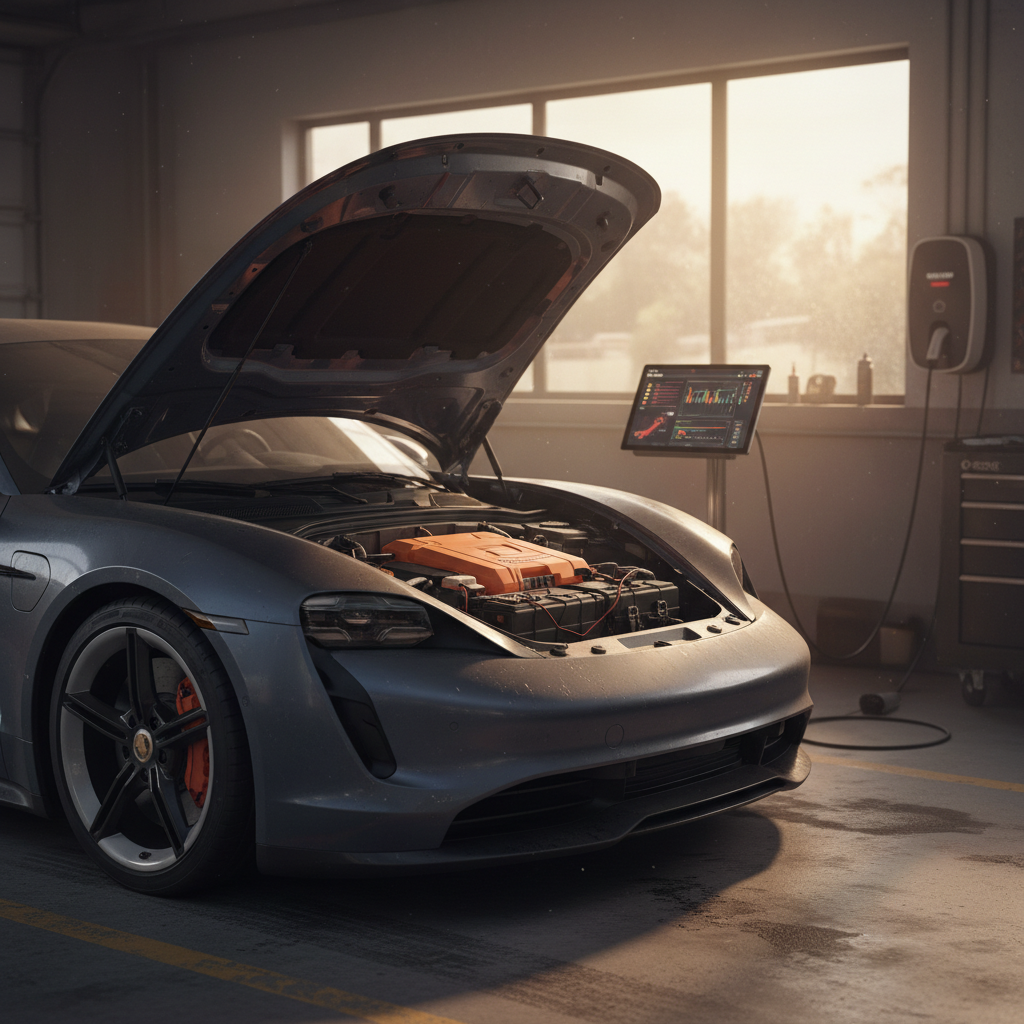
Insist on a <strong>battery‑health check</strong>, either from a Volkswagen dealer, an independent EV specialist, or a marketplace like Recharged that runs capacity and diagnostic tests on every ID.4 it sells.
4. Test AC and DC charging
Charge on a Level 2 station and, if possible, a DC fast charger. Watch for error messages, slow charging rates, or sessions that stop unexpectedly, those can indicate deeper battery‑management or charging‑system issues.
5. Cold‑start and full systems check
Start the car after it’s been sitting, then methodically cycle the infotainment screen, cameras, parking sensors, driver‑assist, and climate control. Random warning lights, laggy responses, or features that won’t stay enabled are warning signs.
6. Inspect tires and suspension for uneven wear
Excessive inner‑edge tire wear, noisy suspension, or steering that pulls may signal past alignment problems or rough use, issues that can add to your cost of ownership even if the EV bits are fine.
7. Evaluate dealer access and support
If your nearest VW store has poor EV reviews, factor in the hassle of traveling farther for competent service. Some owners consider a third‑party EV specialist or a retailer like Recharged that coordinates service on your behalf.
When a Volkswagen ID.4 is a good bet, and when to walk away
By 2026, the Volkswagen ID.4 occupies a very specific place in the EV landscape: it’s neither the star pupil nor the class clown. There are situations where it’s an excellent value, and others where you’re better off moving on.
When an ID.4 makes a lot of sense
- Later model year, clean history: A 2023–2025 ID.4 with low miles, full recall compliance, and a documented lack of serious faults.
- Strong battery warranty remaining: You plan to keep the car well into the battery‑warranty window, leveraging 8‑year/100,000‑mile coverage.
- You prioritize comfort and safety: The ID.4 rides comfortably, has a quiet cabin, and offers robust safety credentials, great for commuting and family duty.
- You have reliable service support: Either a good local VW EV dealer or a retailer like Recharged’s Certified Pre‑Owned ID.4 program to stand between you and the service counter.
When you should probably walk away
- Spotty or missing service records: No documentation of recall work, long gaps between visits, or repeated unexplained repairs.
- Persistent warning lights or charging quirks: Any car that shows current fault codes, shuts down accessories, or behaves oddly on the charger is a risk you don’t need.
- Early build with a troubled past: A 2021–2022 ID.4 that’s already had major high‑voltage or control‑unit replacements and still isn’t quite right.
- You’re extremely risk‑averse: If you lose sleep over the thought of a service visit, a historically more reliable EV like an Ioniq 5 or a used Chevy Bolt EUV might better fit your temperament.
How Recharged can de‑risk an ID.4 purchase
Ready to find your next EV?
Browse VehiclesVolkswagen ID.4 reliability FAQ (2026)
Frequently asked questions about Volkswagen ID.4 reliability in 2026
The bottom line for Volkswagen ID.4 reliability in 2026 is that context matters. Early cars earned the model a tough reputation, and even newer examples aren’t as trouble‑free as the best EVs in this class. Yet the fundamentals, battery durability, powertrain design, and safety, are solid enough that a carefully chosen ID.4 can serve as a comfortable, efficient daily driver for years. If you respect that nuance, vet each candidate thoroughly, and lean on independent battery diagnostics like the Recharged Score Report, you can enjoy what the ID.4 does well without being blindsided by what it doesn’t.