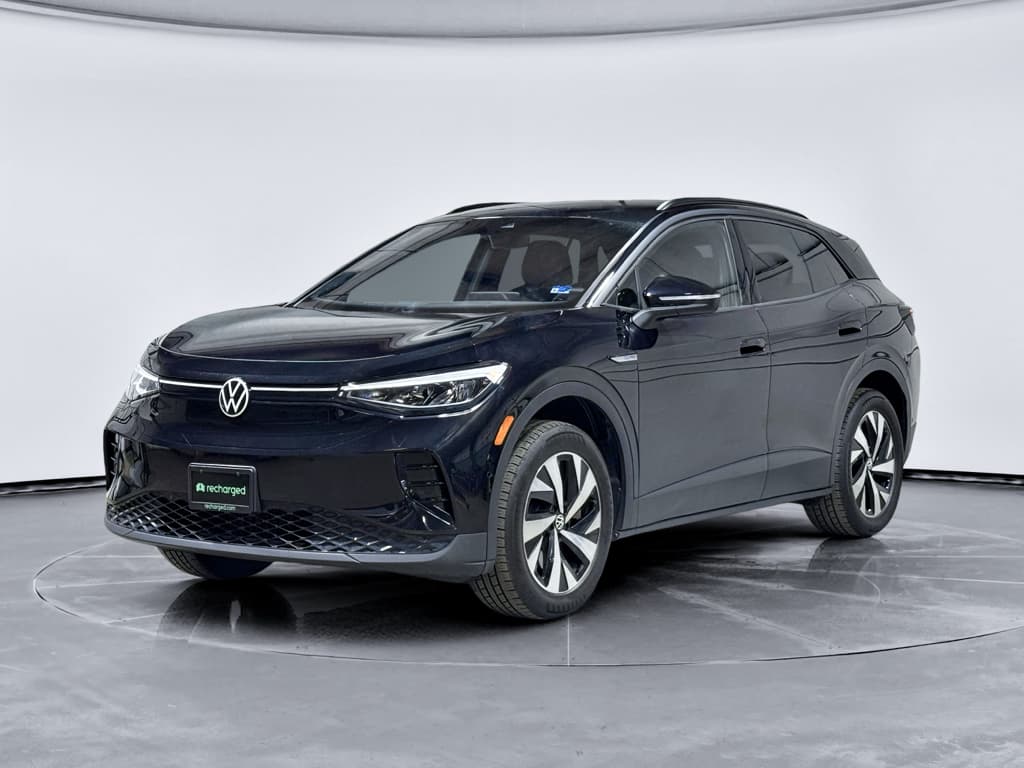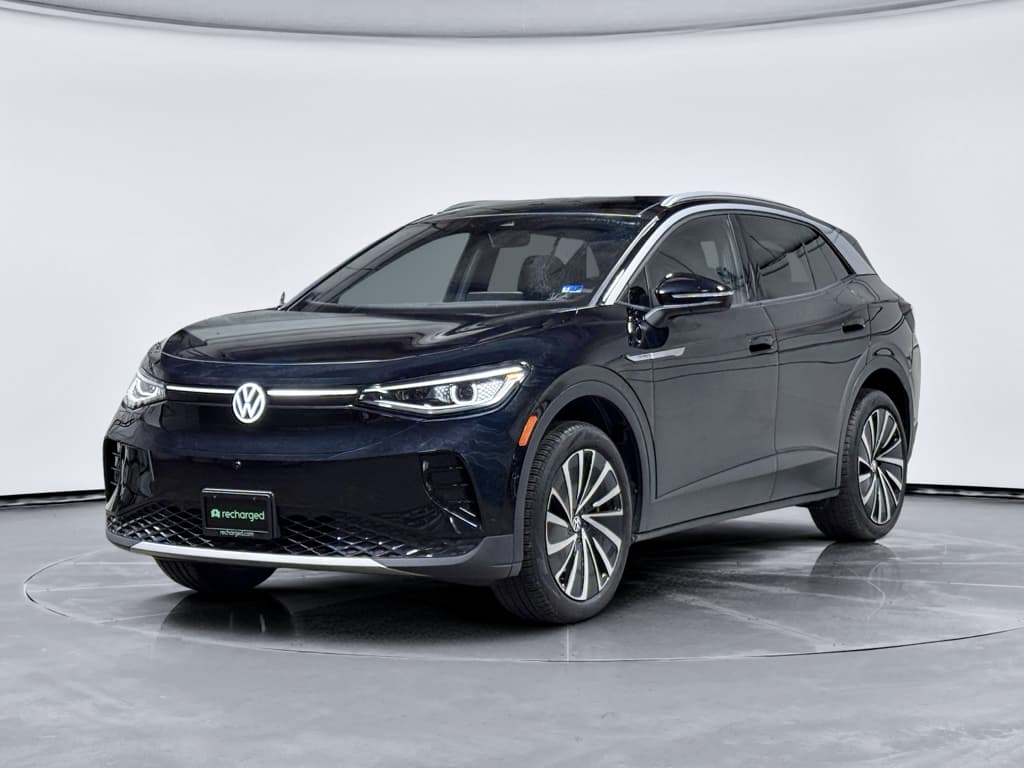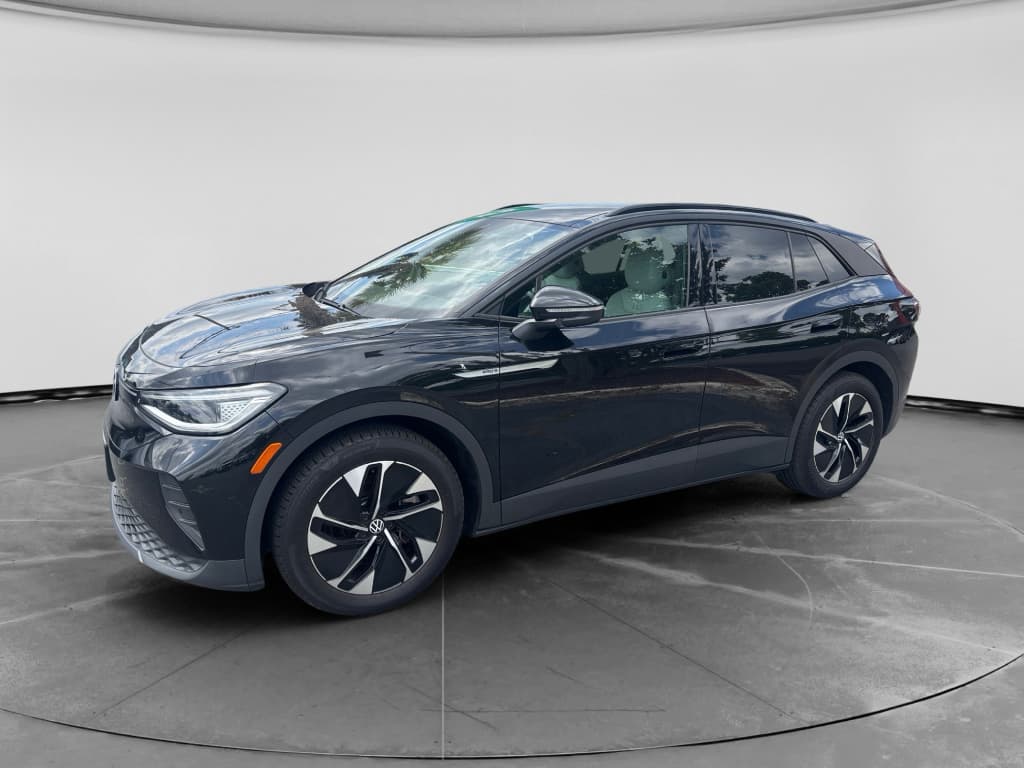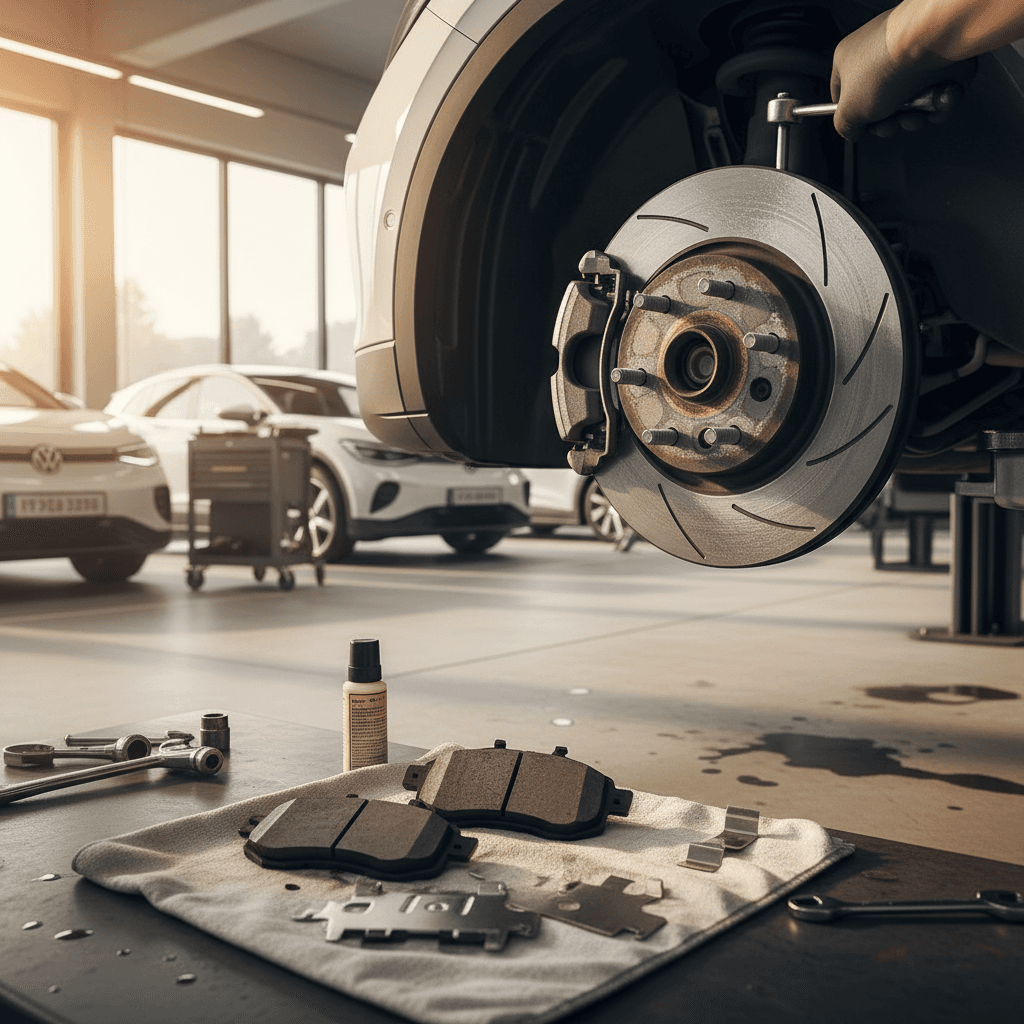
If you own a Volkswagen ID.4 or you’re eyeing one on the used market, sooner or later you’ll wonder about Volkswagen ID.4 brake pad replacement cost. The good news: thanks to regenerative braking, most ID.4 owners go a long time before buying pads, and when they do, costs are predictable if you know what to expect.
Key takeaway
Volkswagen ID.4 brake pad replacement cost: quick overview
Typical ID.4 brake pad replacement numbers (2025, U.S.)
Those ranges line up with broader 2025 brake service averages, most vehicles see $150–$350 per axle for pads alone, with SUVs and EVs often priced a bit higher because of heavier curb weights and more complex systems. Your ID.4 usually lands in the mid‑pack of EV brake pricing, not as expensive as some luxury brands but above a basic economy car.
Dealer vs. independent shop
Why ID.4 brake pads usually last longer than gas SUVs
If you came from a gas crossover that chewed through pads every 30,000–40,000 miles, the ID.4 feels like magic. The secret is regenerative braking. When you lift off the accelerator or use light pedal pressure, the electric motor does most of the slowing, turning motion back into battery charge instead of heat in the pads and rotors.
- Much less friction braking in everyday driving, especially in B mode or with gentle pedal use.
- Pads and rotors stay cooler and wear more slowly because the motor is doing most of the work.
- Brake inspections on the ID.4 are part of the 10,000‑mile service rhythm, but many owners won’t need pads for years.
Don’t ignore them just because it’s an EV
Volkswagen’s maintenance guidance for the ID.4 calls for regular brake pad inspections every 10,000 miles or 12 months, right alongside tire rotation and fluid checks. That cadence is less about pad wear and more about catching corrosion and keeping moving parts happy in a system that sometimes doesn’t get much use.
Typical Volkswagen ID.4 brake pad replacement costs
Let’s translate all of this into real‑world dollars. Exact pricing depends on your ZIP code and shop, but here’s a realistic snapshot for Volkswagen ID.4 brake pad replacement cost in 2025 across the U.S.
Volkswagen ID.4 brake pad replacement cost breakdown (per axle)
Approximate 2025 U.S. pricing for ID.4 brake service. One axle = front wheels or rear wheels.
| Service type | Where you go | What’s included | Typical cost (per axle) |
|---|---|---|---|
| Front or rear pads only | Independent shop | Mid‑grade ceramic pads, no rotors | $250–$400 |
| Front or rear pads only | VW dealership | OEM pads, EV‑specific diagnostics | $325–$450 |
| Pads + rotors | Independent shop | New pads and rotors, hardware, basic cleaning | $450–$700 |
| Pads + rotors | VW dealership | OEM parts, brake system reset, more inspections | $550–$800 |
| Brake inspection/clean & lube only | Any shop | Remove wheels, measure pads, clean and lubricate hardware | $75–$175 |
Your actual quote will vary by region, shop rate, and parts choice, but these ranges are a solid budgeting baseline.
You’ll notice that a lot of the money in any brake job, even on a relatively simple EV like the ID.4, is in labor time. Pads themselves are not wildly expensive; what you’re paying for is someone who knows how to safely lift an EV, correctly torque the wheels, and recognize issues like uneven pad wear or calipers beginning to stick.
Pads only vs. pads and rotors on an ID.4
When pads-only makes sense
- Rotors are smooth to the touch with no deep grooves or lips.
- There’s plenty of thickness left above the minimum spec.
- You’re at your first brake service with moderate mileage and mostly highway miles.
- You want to keep costs down this visit and the shop agrees rotors are healthy.
When to replace pads and rotors together
- You feel pulsation through the pedal when you brake.
- The rotors show heavy rust, grooves, or blue heat spots.
- The car has seen a lot of short trips, winter salt, or sits outside.
- This is the second set of pads on the original rotors.
On an EV that doesn’t use friction brakes as often, corrosion can be just as big a reason to replace rotors as actual pad wear.
Rear drum vs. disc brakes
5 factors that change your ID.4 brake pad bill
What makes VW ID.4 brake pad replacement cheaper, or more expensive?
Same SUV, very different bills depending on how and where you drive.
1. Where you live
2. Driving style
3. Regen settings
4. Shop choice
5. Parts quality
6. Extra work found
How often do Volkswagen ID.4 brake pads need replacing?
On a typical gas SUV, most owners hear that they’ll be buying pads somewhere around 30,000–50,000 miles. With an ID.4, that timeline stretches. Many EV owners don’t see their first brake pad bill until 60,000–100,000 miles, and some go beyond that if they drive gently and live in a mild, dry climate.
A simple rule of thumb
Volkswagen already bakes brake inspections into the ID.4 maintenance rhythm. Every 10,000 miles or 12 months, the service checklist calls for checking pad thickness, rotor condition, and overall brake operation. That’s your chance to ask the technician for real numbers: how many millimeters are left on each pad, and whether wear is even side‑to‑side.
Signs your ID.4 might need new brake pads
Regenerative braking makes the ID.4 feel different from the gas cars you might be used to, but the classic brake‑wear symptoms still apply. Here’s what should put “brake inspection” at the top of your to‑do list.
Common signs your Volkswagen ID.4 is due for brake pads
1. Squealing or chirping at low speeds
Many pads have built‑in wear indicators that squeal when they’re thin. Occasional noise after a rainy night can be surface rust, but persistent squeal, especially as you come to a stop, is a red flag.
2. Grinding or scraping sounds
If you hear metal‑on‑metal noises, stop driving and get the car towed if needed. That often means pad material is gone and the backing plate is chewing into the rotor, which quickly adds hundreds of dollars to the repair.
3. Longer stopping distances
If it takes noticeably more pedal travel or time to slow the car from your usual speeds, have the brakes inspected immediately. Don’t assume regen alone will save you in a panic stop.
4. Steering wheel or pedal vibration
A pulsing pedal or steering wheel under braking suggests warped or uneven rotors. You may still have plenty of pad left, but you’ll likely be looking at a pads‑and‑rotors job.
5. Brake warning light or message
Any brake‑system warning on the ID.4’s screen deserves prompt attention, even if the car still feels normal. It may be a sensor fault, or it may be the only warning you get before performance drops.
6. Visual pad thickness below 3 mm
If you (or a shop) can see the pads through the wheel or with the wheel off and they’re down to about 3 mm or less, it’s officially time to plan a replacement.
Safety comes first
How to save money on ID.4 brake pad replacement
You don’t control parts prices or labor rates in your city, but you can absolutely steer how much you spend, and how often, on brake pads for your Volkswagen ID.4.
Smart ways to keep ID.4 brake service costs in check
A little planning goes a long way with EV brakes.
Choose the right shop
- Are you familiar with ID.4 brakes and lift points?
- What pads do you use (brand and compound)?
- Does the quote include cleaning and lubricating hardware?
Time your service
Use regen to your advantage
Fight corrosion
Skip upsells you don’t need
Budget ahead
Where a used ID.4 from Recharged helps
Ready to find your next EV?
Browse Vehicles
Brake pad costs for used Volkswagen ID.4 buyers
If you’re shopping the used market, brake pads won’t make or break the deal the way battery health will, but they’re still part of your total cost of ownership. A set of pads (or pads and rotors) landing in your first year of ownership can add several hundred dollars you didn’t plan on.
What to ask about brakes when buying a used ID.4
Ask for service records
Look for proof of recent brake inspections or replacement. A documented pads‑and‑rotors job in the last 10,000–20,000 miles is a plus, you’re unlikely to face a brake bill soon.
Get pad measurements, not just “they’re fine”
Have a shop measure pad thickness on all four corners. If any are below 4 mm, factor a brake job into your first‑year budget.
Pay attention on the test drive
Listen for squeals or grinds, feel for pulsation, and do at least one firm stop from highway speed. The car should track straight and feel solid under your right foot.
Use a trusted inspection
If you’re buying a used ID.4 from a private seller, consider a pre‑purchase inspection with a shop that knows EVs. At Recharged, this kind of careful inspection is standard, and results roll into the Recharged Score you see before you buy.
Volkswagen ID.4 brake pad cost: FAQ
Frequently asked questions about ID.4 brake pad costs
Bottom line: what to budget for ID.4 brake pads
Brakes are one place where owning a Volkswagen ID.4 quietly pays off. Thanks to regenerative braking, you’ll probably replace pads less often than you did on a gas SUV, and when you do, the bill is predictable if you’ve done your homework. For most owners, planning on $250–$450 per axle for pads, and up to $800 per axle if rotors join the party, will keep you well prepared.
If you’re already driving an ID.4, stay ahead with yearly brake inspections and a little smart use of regeneration. If you’re shopping for a used one, look at brakes as just one chapter in the bigger story of battery health, maintenance history, and overall condition. That’s exactly the story the Recharged Score Report is built to tell, so you can find an ID.4 you love, and keep its running costs right where you expect them.