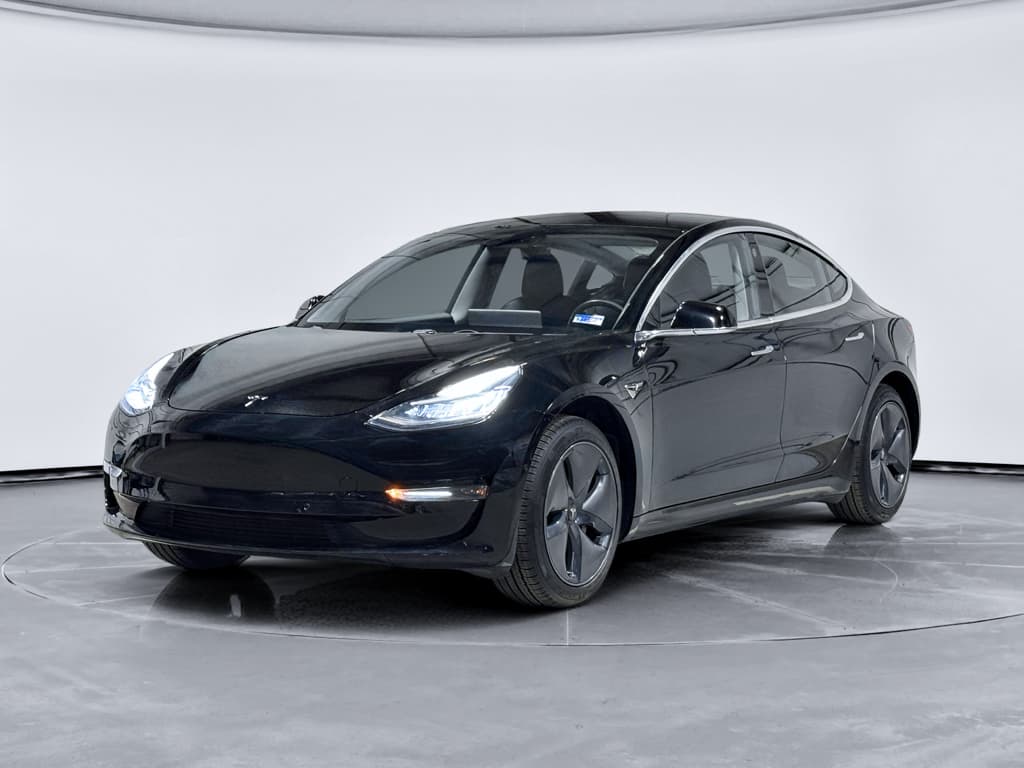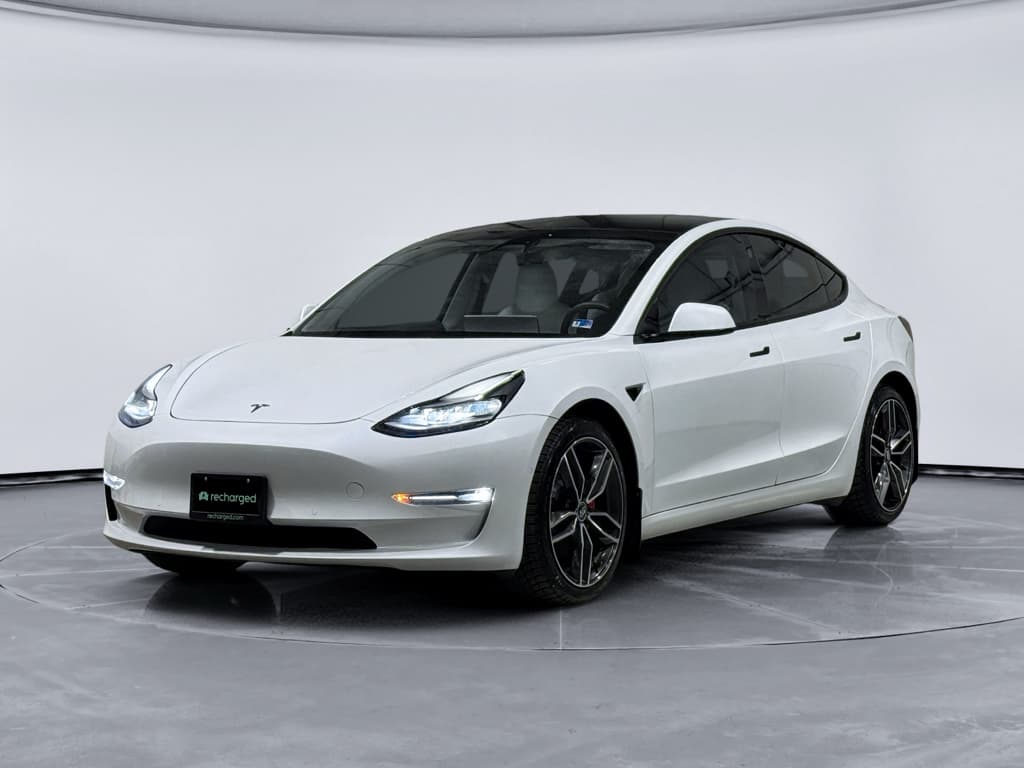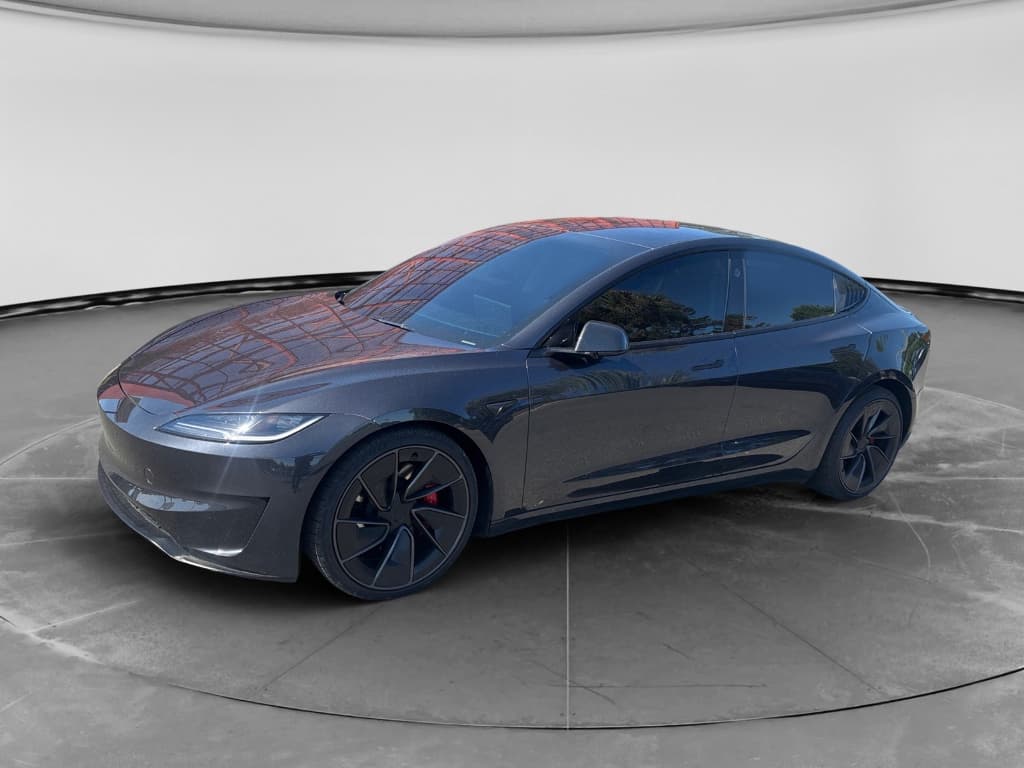
If you’re looking at a used Tesla Model 3 in 2026, depreciation is the number that either makes the deal look brilliant or painfully expensive. The good news: the Tesla Model 3 depreciation rate in 2026 is finally settling into a predictable pattern, and that creates real opportunity if you know where to shop on the curve.
Quick take
Overview: Why Model 3 depreciation matters in 2026
The Model 3 is one of the most important used EVs on the road. It sold in big volumes starting in 2018, it’s relatively efficient, and it opened the door to EV ownership for a lot of households that might otherwise be in a Camry or Accord. But Tesla’s frequent new‑car price changes over 2023–2025 pushed used values up and down much faster than a typical gas sedan, leaving many shoppers unsure what “fair” looks like in 2026.
- Used Model 3 prices have fallen from their 2021–2022 peak and are now closer to mainstream sedans.
- Studies suggest a Model 3 loses roughly 39–45% of its value in the first 5 years, better than most EVs but no longer a standout outlier.
- Battery health data and real‑world mileage matter more than model year alone when it comes to what a car is really worth.

How fast does a Tesla Model 3 depreciate?
Every individual car is different, but we can talk about realistic ranges using 2018–2023 Model 3 data, recent resale‑value studies, and used‑price trends through late 2025.
Tesla Model 3 depreciation snapshots
Early on, the Model 3 was famous for retaining close to 90% of its value after 3 years. That was a moment in time, with high demand, low supply, and rising new prices. By 2024–2025, the picture normalized: one well‑known analysis pegs the Model 3 at around 39% depreciation after 3 years, meaning it still holds about 61% of MSRP, good, but much closer to a strong gas sedan than a miracle asset.
Stretch the horizon to five years, and broader Tesla research suggests a Model 3 keeps roughly 45–55% of its original MSRP, implying 45–55% depreciation by that point. Some recent six‑year studies, especially in softer EV markets, show even steeper drops, with certain Model 3s retaining only about 23–30% of original price when they approach their first decade.
Think in bands, not single numbers
Tesla Model 3 depreciation rate 2026: summary table
To make this concrete, here’s an illustrative look at what depreciation can look like for a Tesla Model 3 purchased new around $50,000 and then evaluated in 2026. These are typical real‑world ranges, not guarantees, assuming normal use and no major damage.
Illustrative Tesla Model 3 depreciation in 2026
Estimated value retention and depreciation for common age bands as seen in the 2026 used‑car market.
| Age in 2026 | Example Model Years | Typical Mileage Range | Approx. Value Retained | Approx. Depreciation | Illustrative Price on $50k MSRP |
|---|---|---|---|---|---|
| 2–3 years | 2023–2024 | 20k–40k miles | ~65–75% | ~25–35% | $32,500–$37,500 |
| 4–5 years | 2021–2022 | 40k–70k miles | ~50–60% | ~40–50% | $25,000–$30,000 |
| 6–7 years | 2019–2020 | 60k–100k miles | ~35–50% | ~50–65% | $17,500–$25,000 |
| 8+ years | 2018–2019 early builds | 80k–130k+ miles | ~25–40% | ~60–75% | $12,500–$20,000 |
Numbers are rounded ranges based on 2024–2025 market studies and real‑world asking prices; your local market and specific vehicle may differ.
Important caveat
What drives Tesla Model 3 depreciation in 2026?
6 big levers that move Model 3 prices
Understanding these helps you explain why two similar‑looking cars can be thousands of dollars apart.
1. Mileage & use
2. Battery health
3. Condition & accident history
4. Trim & options
5. Tesla price changes
6. Market sentiment & incentives
Why 2026 feels different than 2021
Model 3 vs other EVs and gas cars
Compared with other EVs
On average, the Model 3 continues to depreciate more slowly than many non‑Tesla EVs. A lot of mainstream electric hatchbacks and early‑generation crossovers have been losing well over half their value in five years, especially where demand for used EVs is still catching up.
The Model 3 benefits from:
- Strong brand recognition and ongoing software updates
- Access to Tesla’s Supercharger network (increasingly valuable as it opens to more brands)
- Better efficiency than many competitors, which helps long‑term demand
Compared with gas sedans
Versus popular gasoline sedans, the Model 3’s depreciation in 2026 is much closer than it used to be. Some Camry/Accord‑class sedans still beat it slightly on resale, especially in regions lukewarm on EVs, while others now trade places depending on fuel prices and local incentives.
The key difference is total cost of ownership: lower electricity and maintenance costs can offset slightly higher depreciation, especially if you buy used after the steepest drop.
Where the Model 3 still shines
How much should you pay for a used Model 3 in 2026?
The answer depends on age, miles, and trim. But you can use depreciation math to sanity‑check real‑world asking prices. Here are broad price bands many U.S. shoppers will see in 2026 for clean‑title cars with average miles and solid battery health:
Illustrative 2026 asking‑price bands for used Model 3s
Examples assume good condition, clean history, and healthy batteries. Local markets and specific option packages can push values up or down.
| Model Years | Typical Miles | Common Trims | Illustrative Asking Range (USD) | Depreciation vs $50k MSRP |
|---|---|---|---|---|
| 2023–2024 | 15k–35k | RWD, Long Range | $32,000–$38,000 | ~24–36% |
| 2021–2022 | 35k–60k | RWD, Long Range, some Performance | $24,000–$30,000 | ~40–52% |
| 2019–2020 | 55k–90k | Mix of early Long Range & Performance | $17,000–$24,000 | ~52–66% |
| 2018 early builds | 70k–130k+ | Mostly Long Range RWD/AWD | $14,000–$20,000 | ~60–72% |
Use these as starting points, then adjust for your vehicle’s actual options, mileage, region, and battery health report.
If you see a car priced well outside these ranges, ask why. A low price could reflect heavy mileage, accident history, or weak battery health. A high price might be tied to a rare configuration, unusually low miles, or a seller anchoring to 2021 values instead of today’s reality.
Use multiple data points
Buying strategies: find the “sweet‑spot” years
Most shoppers don’t want to be the first owner to absorb the steepest depreciation, but they also don’t want to inherit every squeak and rattle. For the Tesla Model 3 in 2026, there are a few especially compelling zones on the curve.
Three promising depreciation sweet spots
Which lane you choose depends on your budget, tech priorities, and risk tolerance.
1. Late‑model, lightly used (2–3 years old)
2. Value play (4–5 years old)
3. Budget‑conscious (6–7+ years old)
Beware the “cheap but tired” car
How battery health affects future depreciation
Battery health is the wild card that can make two same‑year Model 3s separated by several thousand dollars in value. A car whose pack has held up well and still offers range close to original specs will likely depreciate more slowly from here than one already missing a big chunk of its range.
- Early Model 3s that were DC‑fast‑charged heavily and driven hard may show more degradation and lower real‑world range.
- Cars routinely charged to 100% and left at high state of charge in hot climates can age faster than those kept in the 20–80% band.
- A healthy battery with verifiable diagnostics makes the car more attractive to the next buyer, which props up resale value and slows depreciation.
How Recharged helps here
Ready to find your next EV?
Browse VehiclesChecklist: buying a used Tesla Model 3 for value
Depreciation‑smart Model 3 buying checklist
1. Anchor to original MSRP, not today’s new price
Ask for (or research) the car’s original window sticker. A 2019 Long Range bought when prices were high may have a very different MSRP than a similar‑looking 2019 bought later after a price cut.
2. Compare asking price to age‑band norms
Use the depreciation table in this guide as a sanity check. If a 6‑year‑old Model 3 is priced like a 3‑year‑old one, you’ll need a compelling reason, like ultra‑low miles and perfect history, to justify it.
3. Get objective battery‑health data
Don’t buy blind. Use platforms that provide pack diagnostics, such as the <strong>Recharged Score Report</strong>, or have an EV‑savvy technician evaluate battery and charging history before you commit.
4. Look at lifetime charging behavior
Ask how the car was charged. A history of mostly home Level 2 charging is often easier on the pack than frequent DC fast charging. That can show up in both battery health and future resale.
5. Weigh trim and options realistically
Performance and Long Range models cost more new and used. Decide how much you’ll use the extra power or range. Over‑buying here adds dollars you might never recoup at resale.
6. Consider your own ownership horizon
If you’ll keep the car 2–3 years, you care most about short‑term depreciation. If you’ll own it 7+ years, focusing on battery health and long‑term reliability matters more than squeezing the last dollar on today’s price.
FAQ: Tesla Model 3 depreciation in 2026
Frequently asked questions about Model 3 depreciation
Bottom line on Model 3 depreciation in 2026
In 2026, the Tesla Model 3 is no longer the depreciation unicorn it was in its early years, but it’s still one of the strongest bets in the EV space. You can expect roughly 40% loss in the first 3–4 years and around 50–60% by 7–8 years in many real‑world cases, with big swings based on how the car was driven, charged, and cared for.
If you shop thoughtfully, anchoring to original MSRP, checking objective battery health, and comparing across multiple data sources, you can let depreciation work for you instead of against you. Platforms like Recharged are designed to make that easier, combining transparent pricing, a Recharged Score battery‑health report, financing, trade‑in options, and nationwide delivery into one streamlined experience. That way, you spend less time worrying about whether the last owner took the big hit, and more time enjoying a Model 3 that fits both your budget and your life.