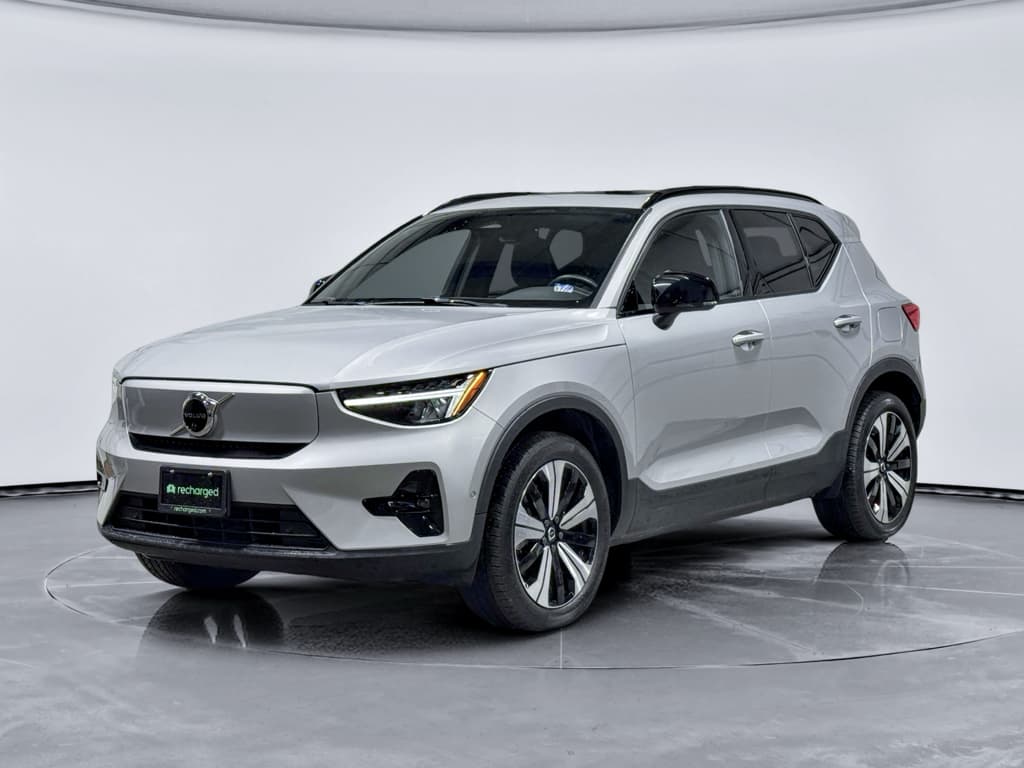
If you’re shopping for a small, stylish EV crossover, a used Volvo EX30 in 2026 is going to be on your radar. It promises Scandinavian design, serious performance in a tiny footprint, and pricing that undercuts a lot of premium competitors on the used market. But it’s also an all‑new platform with some early software drama and a major battery recall in the rear‑view mirror, exactly the kind of car where you want a clear, fact‑based buying guide before you sign anything.
Quick take on the used EX30
Why the Volvo EX30 is attractive used in 2026
- Compact footprint but premium cabin materials and design that feel more expensive than many rivals.
- Strong performance even in single‑motor form, with the Twin Motor Performance variant being genuinely quick for the segment.
- DC fast‑charging that’s competitive for a subcompact EV SUV, so road trips are doable if you plan stops well.
- Volvo’s safety reputation and EX30’s strong crash‑test performance outside the U.S., with U.S. ratings expected to be competitive as testing completes.
- Rapid early depreciation relative to its MSRP, which creates interesting value in the 1–3 year old used market.
Think of the EX30 as a "city‑plus" EV
Volvo EX30 trims and batteries to know before you shop
Volvo has already shuffled the EX30 lineup a bit between its 2024–2026 model years. That matters when you’re buying used, because not every EX30 you see will have the same battery, performance, or drivetrain.
Key EX30 variants you’ll see used in 2026 (North America focus)
Core versions and what they mean for performance, efficiency, and battery type.
| Trim / Drivetrain | Battery (gross) | EPA range (est.) | 0–60 mph (approx.) | Notes |
|---|---|---|---|---|
| Single Motor (Standard Range, RWD) – limited availability | ~51 kWh LFP | Around 200–210 miles (not all markets) | ~5.7 sec | LFP chemistry favors frequent 100% charges; rarer in the U.S. but you may see Canadian or imported cars. |
| Single Motor Extended Range (RWD) | 69 kWh | ~250–260 miles (EPA, wheel‑size dependent) | ~5.1 sec | Sweet spot for efficiency and simplicity; strong used value if you don’t need AWD. |
| Twin Motor Performance (AWD) | 69 kWh | ~245–255 miles EPA rated, but less at highway speeds | ~3.4 sec | Very quick but slightly less efficient; more complex and typically more expensive new and used. |
| EX30 Cross Country (AWD, raised ride height) | 69 kWh | Slightly lower than AWD due to aero and tires | Similar to Twin Motor | More ride height, cladding, and visual off‑road cues; relatively niche but desirable in snow‑belt regions. |
Always verify the exact trim and battery in the window sticker or build sheet, names alone can be misleading.
Don’t buy by trim name alone
Real‑world range and charging: what you can actually expect
On paper, the rear‑drive extended‑range EX30 is rated around the mid‑250‑mile mark on the EPA cycle, with the all‑wheel‑drive Performance model slightly below that despite the same ~69 kWh pack. In practice, owners and independent tests have seen a familiar pattern: excellent efficiency around town and in mixed driving, and a sharper drop at U.S. highway speeds.
Typical EX30 range & charging expectations
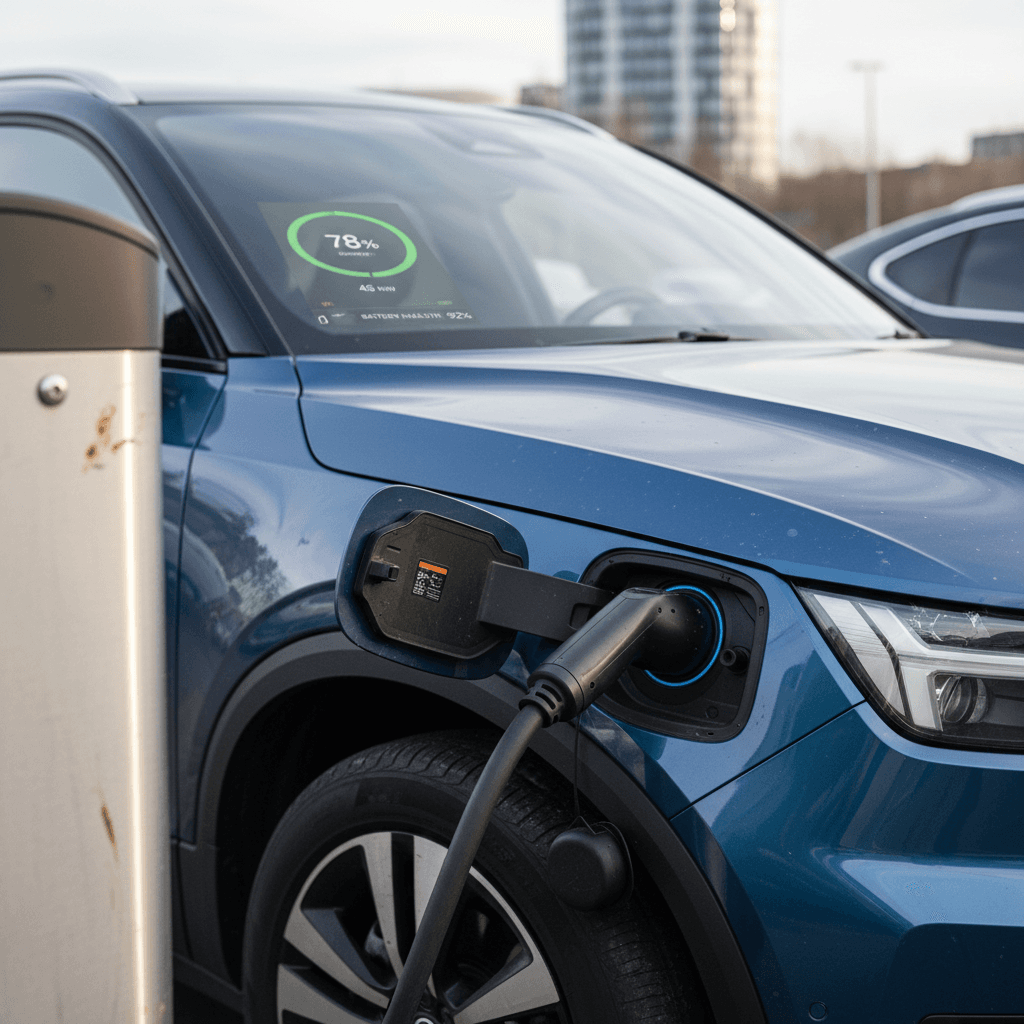
For home charging, all EX30 variants shipped to North America use an **11 kW onboard AC charger**, which means that on a 48‑amp Level 2 circuit you can comfortably replenish a depleted pack overnight. Because the battery isn’t huge, even a 32–40 amp home charger is perfectly adequate for most owners.
Optimize charging for battery life
Common issues, recalls, and quirks on early EX30s
No early‑generation EV escapes teething problems, and the EX30 is no exception. Volvo moved quickly to get its smallest EV to market, and it shows in areas where software and supplier complexity intersect. When you shop used in 2026, you’re buying into that first generation, so you need to know where the landmines are.
The main problem areas on early EX30s
Most aren’t deal‑breakers if they’ve been addressed and you go in with eyes open.
Infotainment & apps
Owners report glitches with the Android‑based infotainment system, including:
- Blank or frozen center screen
- Occasional Bluetooth, CarPlay, or native app bugs
- Laggy climate or seat‑control responses
Most are annoying rather than dangerous, but you want a car that’s up to date on software.
Driver‑assist behavior
Adaptive cruise and lane‑keeping can feel overly conservative or inconsistent, especially in poor lane‑marking areas.
On a test drive, spend time on a highway segment you actually use and see if the car’s behavior works for you.
Battery recall history
Volvo initiated a high‑profile battery recall over concerns about cell overheating in certain packs.
Any 2024–2025 EX30 you consider should have documentation showing recall status and any pack or module replacements completed by an authorized Volvo dealer.
Build & NVH
Body and interior assembly is generally solid, but listen for rattles from rear cargo trim and door cards over rough pavement.
Panel alignment and wind noise are worth checking carefully at highway speeds.
Charging behavior
Some owners report inconsistent DC fast‑charging curves, especially in cold weather or at poorly maintained stations.
Make sure the latest software is installed; it improves preconditioning and charging logic.
Market‑specific quirks
Because the EX30 is a global product, U.S. and Canadian buyers occasionally bump into EU‑centric software behaviors, legal notices, or settings.
They’re rarely serious, but they’re a reminder you’re buying into a very new software stack.
Battery recall: do not skip this step
Battery health: how to assess a used EX30 pack
Battery health is the single most important factor in any used EV purchase, and the EX30 is no different. The good news is that, aside from the recall population, there’s no sign that EX30 packs are uniquely fragile compared to peers. But at this point in the lifecycle, you don’t have a decade of long‑term data either, so it pays to be systematic.
1. Use in‑car data (with skepticism)
The EX30 will show remaining range at a given state‑of‑charge, and some diagnostic views hint at pack information. This is a useful directional tool, but:
- Range is heavily influenced by recent driving style and conditions.
- Displayed state‑of‑charge is filtered and rounded.
- Short test drives are not enough to draw strong conclusions.
2. Get independent battery diagnostics
This is where a marketplace like Recharged changes the equation. Every EX30 sold through Recharged includes a Recharged Score Report with:
- Pack health and usable capacity estimates
- Charging‑history insights where available
- Verification that recall and software campaigns are current
If you’re buying privately, strongly consider paying for a third‑party EV battery health test or an inspection through an EV‑specialist shop.
Battery‑health checks for a used Volvo EX30
Confirm recall and service history
Ask for a full Volvo dealer service printout that shows any high‑voltage or battery‑related recall work. Look for evidence of pack or module replacements, BMS updates, and DC‑fast‑charging‑related campaigns.
Compare indicated range to original EPA figures
With the pack at or near 100%, compare the projected range to the original EPA rating for that variant. A modest shortfall is normal; dramatic gaps (25%+) warrant deeper investigation.
Review charging habits with the previous owner
If you can, ask how the car was charged: mostly Level 2 at home, or constant DC fast charging? Heavy fast‑charging use isn’t automatically disqualifying, but it does increase the importance of a clean health report.
Check for warning lights or charging errors
During your test drive and a plug‑in session, watch for any warnings, sudden state‑of‑charge drops, or failed DC/AC charging attempts. Intermittent issues can be harder to solve out of warranty.
What Recharged does for EX30 buyers
Ready to find your next EV?
Browse VehiclesPricing, depreciation, and what counts as a good deal
Volvo positioned the EX30 aggressively at launch, undercutting larger premium crossovers and even some mainstream EVs on MSRP. That, combined with incentives and the usual first‑few‑years depreciation, means used values in 2026 can look surprisingly approachable for a premium‑branded EV.
How to think about used EX30 pricing in 2026 (U.S. context)
These are directional bands for 2024–2025 model‑year EX30s; real pricing will vary with mileage, trim, options, and local incentives.
| Vehicle profile | Odometer | Condition context | What usually justifies a higher price |
|---|---|---|---|
| Low‑mileage 2025 Twin Motor Performance | < 15,000 miles | Single‑owner, clean history, dealer‑serviced, recall work done | Desirable color/option combos, Cross Country package, fresh tires, remaining factory warranty, clean battery‑health report. |
| Mid‑mileage 2024–2025 Single Motor Extended | 15,000–30,000 miles | Daily‑driven, some cosmetic wear, solid records | Excellent battery health, high‑spec interior (e.g., plus or ultra trims), tow package if you need it, added home‑charging equipment. |
| High‑mileage early build (fleet or rideshare history) | 30,000–60,000+ miles | Heavy use in first 2–3 years, potentially more DC fast charging | Only worth considering with documented pack health, clear recall compliance, and a meaningful discount vs. lower‑mileage cars. |
Use these bands as a sanity check; always cross‑shop multiple listings and consider battery health and recall history when deciding what’s "cheap" or "expensive".
Focus on total cost, not just sticker
Used Volvo EX30 inspection checklist
EX30s don’t have engine oil to leak or timing belts to snap, but they do have software, high‑voltage hardware, and dense packaging that can hide problems if you don’t know where to look. This checklist focuses on EX30‑specific items, on top of the usual used‑car basics (accident damage, tire wear, interior condition).
On‑the‑ground checklist for a used EX30
1. Verify model year, trim, and battery
Match the VIN, build sheet, and infotainment menus to confirm you’re getting the exact variant advertised (RWD vs AWD, Standard vs Extended Range, Cross Country, etc.).
2. Confirm recall, campaign, and software status
Ask a Volvo dealer (or a platform like Recharged) to pull the VIN’s full campaign history. Ideally, the car is fully up to date on all EX30‑specific recalls and over‑the‑air or dealer‑installed software updates.
3. Stress‑test the infotainment and controls
From a cold start, cycle through climate, drive modes, Google Maps, wireless CarPlay/Android Auto (if equipped), audio, and app integrations. Note any freezes, restarts, or persistent error messages.
4. Evaluate driver‑assist systems on your roads
On a highway drive, test adaptive cruise, lane centering, and lane‑keeping. Make sure behavior feels predictable and that the driver‑monitoring and warning logic aren’t excessively intrusive for your tolerance.
5. Listen for creaks and rattles
On rough or broken pavement, pay attention to noises from the tailgate, parcel shelf, door panels, and dash. Occasional minor rattles are normal, but persistent or loud sounds may point to build‑quality issues that will annoy you daily.
6. Check AC and DC charging in real life
If possible, plug into both a Level 2 station and a DC fast charger during your evaluation. Confirm the car ramps up to expected power levels and doesn’t throw errors or drop the session unexpectedly.
7. Inspect tires, brakes, and suspension
Strong torque and weight can be hard on tires and suspension. Uneven tire wear, shimmy under braking, or clunks over bumps are signs that alignment or components need attention, and you should reflect that in price.
Don’t skip a proper drive
Ownership fit: is a used EX30 right for you?
Who the used EX30 is great for
- Urban and suburban drivers who value compact size, parking ease, and design over maximum cargo space.
- Singles or couples who rarely carry more than two passengers and pack light for trips.
- Buyers coming from premium brands who want something smaller and more efficient but still nicely finished inside.
- EV‑curious shoppers who don’t want to spend flagship money and are okay living with first‑generation software quirks.
Who should look elsewhere
- Families who routinely need rear‑seat space and a big cargo area; a larger EV SUV or wagon will be less stressful.
- Drivers who regularly cover 250–300+ miles at highway speeds in one shot; you’ll likely want a larger‑pack EV.
- Shoppers who hate software glitches or learning new interfaces; a more mature model with simpler UX may fit better.
- Anyone in a rural charging desert without home Level 2; the EX30’s modest pack really wants a reliable home charger.
How Recharged can help you decide
FAQ: Used Volvo EX30 buying guide 2026
Frequently asked questions about buying a used Volvo EX30 in 2026
A used Volvo EX30 in 2026 sits at the intersection of compelling design, honest‑enough range, and the messy reality of first‑generation EV software. If you go in understanding its limitations, verify battery health and recall history, and pay the right price for the car that’s actually in front of you, not the brochure version, the EX30 can be a satisfying, efficient daily driver for years to come. And if you’d rather have experts do the homework, browsing EX30s on Recharged means every candidate already comes with transparent battery data, fair‑market pricing, and EV‑specialist guidance from first click to delivery.