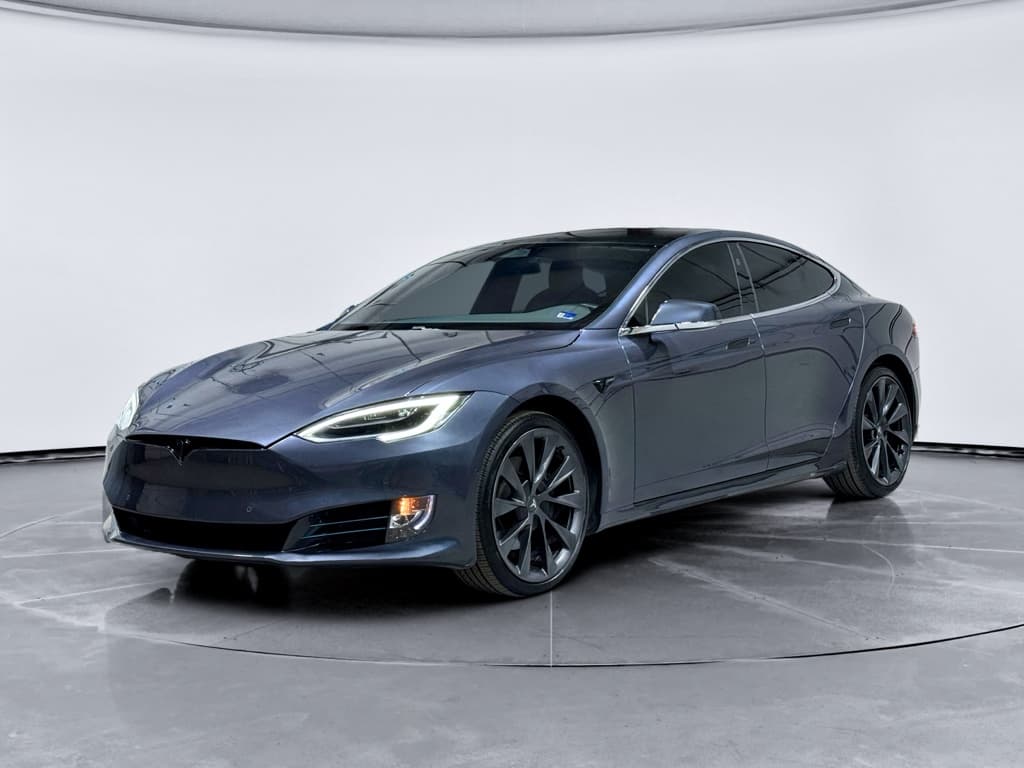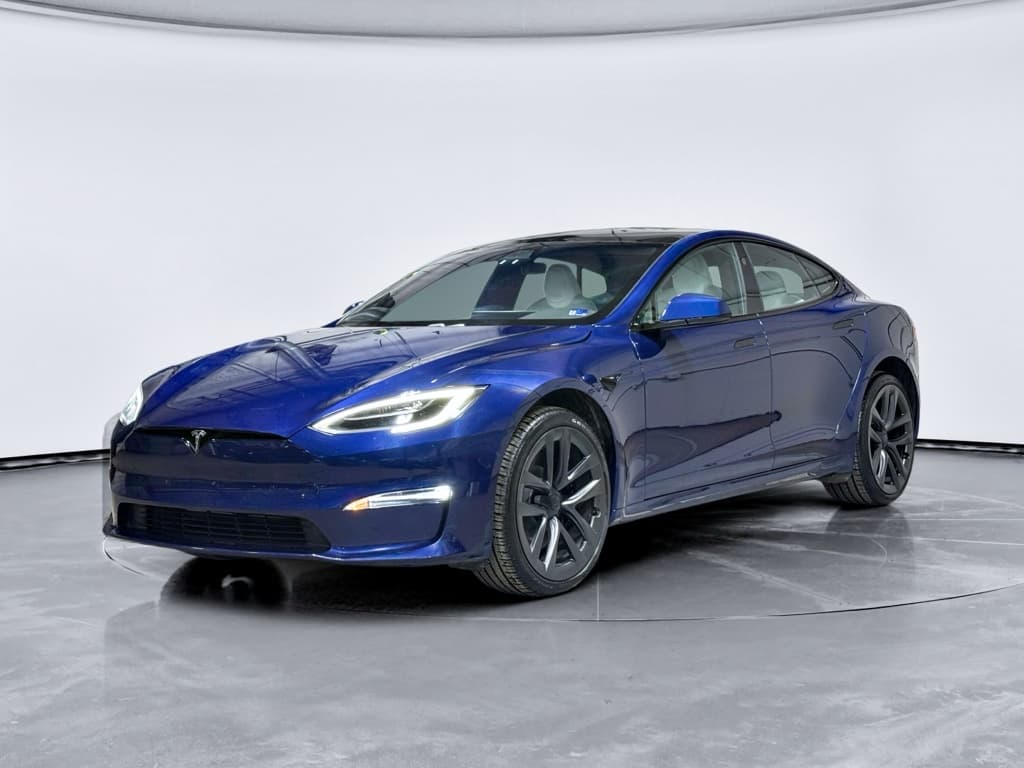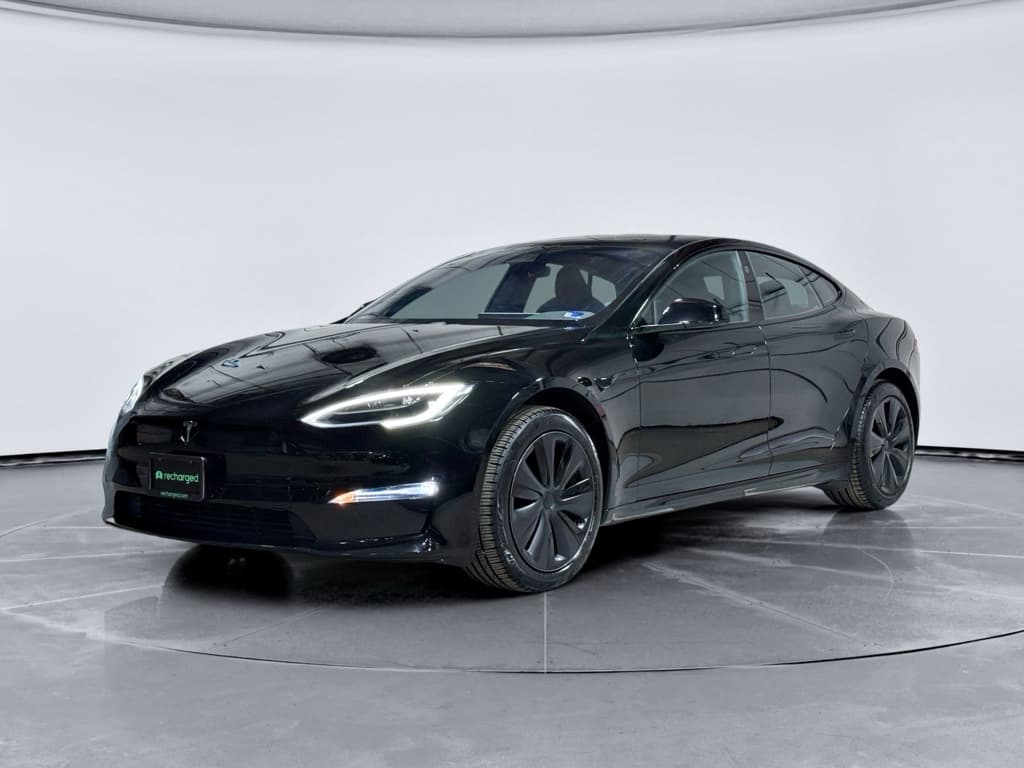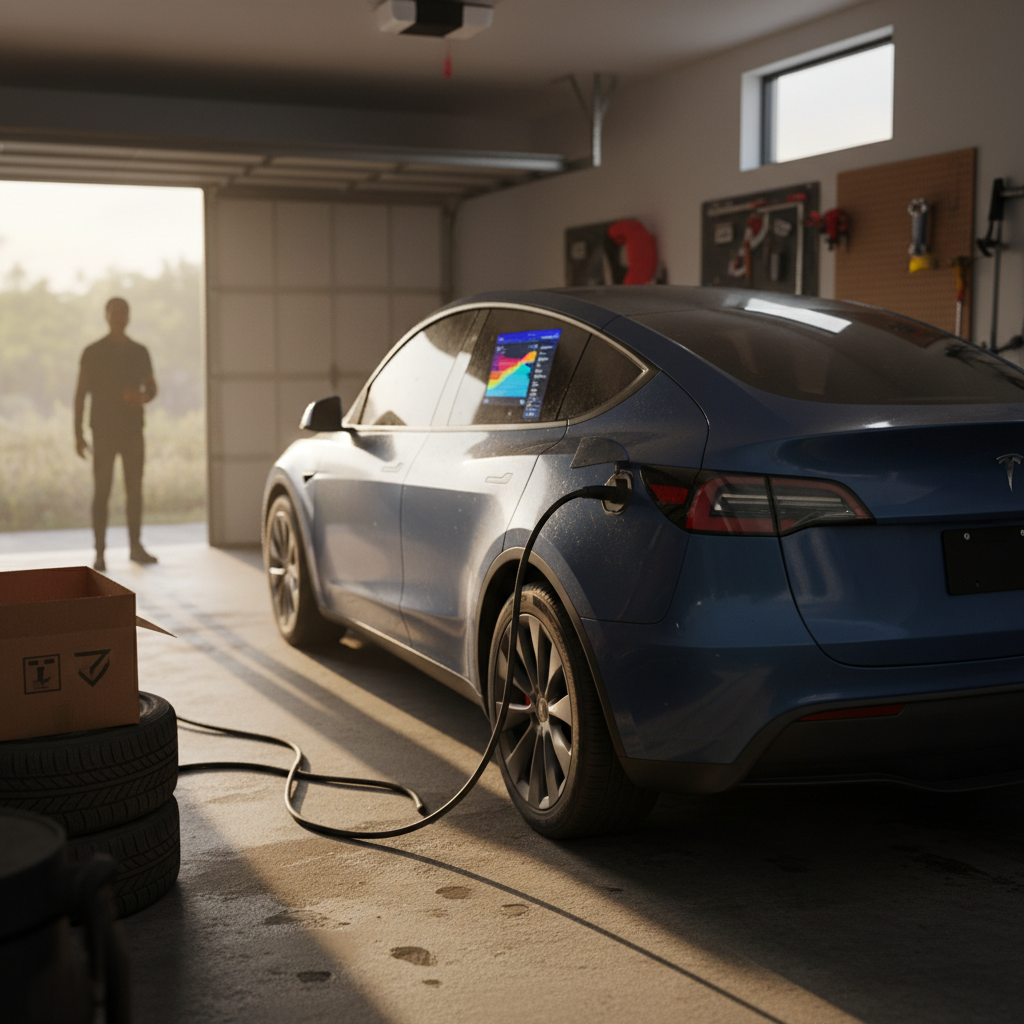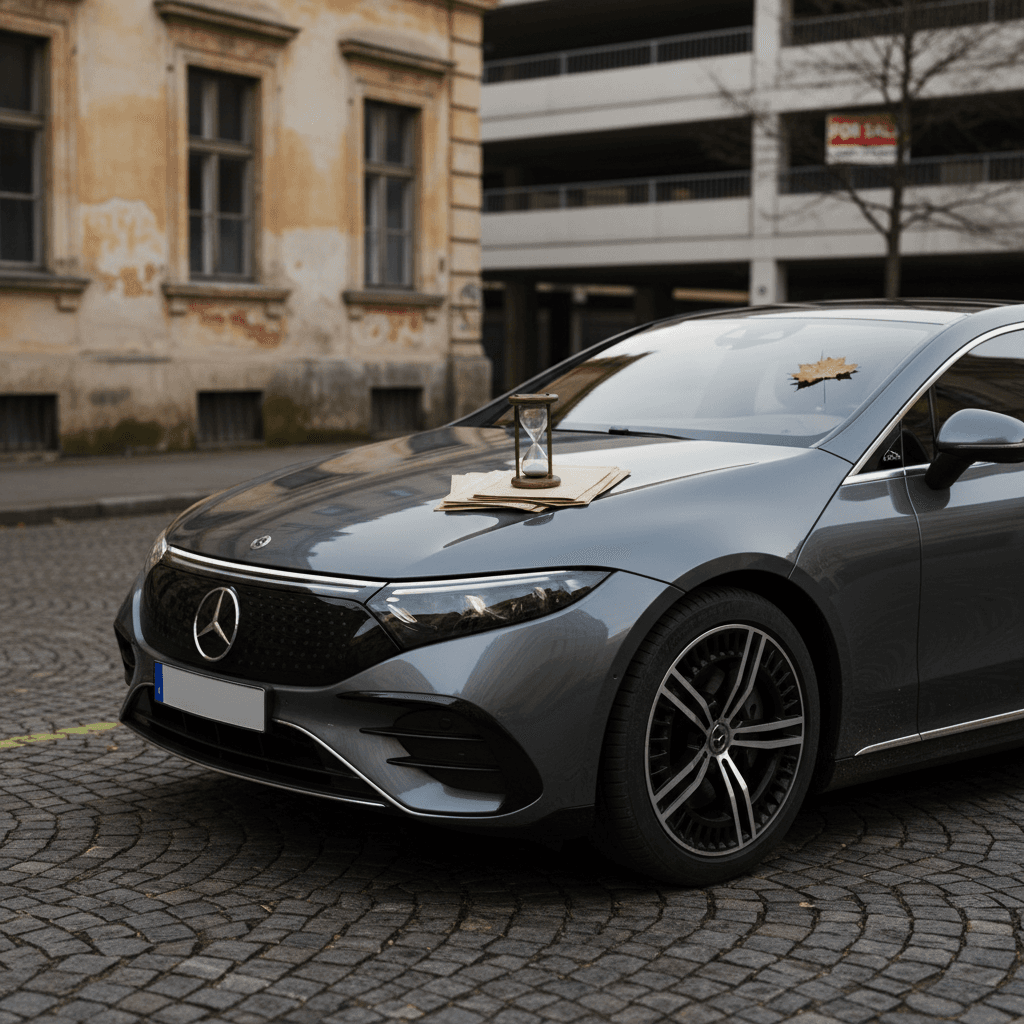
If you own a Tesla Model S in 2025, you’re sitting in the middle of one of the most dramatic resale-value stories in the entire car market. Once the poster child for strong EV resale, the Tesla Model S resale value in 2025 has taken a sharp hit, creating pain for some original owners and big opportunity for used buyers.
Quick take
Why Model S resale value matters in 2025
Resale value isn’t just trivia. For a high‑priced luxury EV like the Model S, it determines your total cost of ownership, your ability to roll equity into the next car, and whether it still makes sense to keep the car as it ages. In 2025, two things are true at once:
- Model S prices on the used market have fallen dramatically versus a few years ago.
- The best‑cared‑for cars with strong, documented battery health still command a meaningful premium.
If you’re thinking about selling, trading in, or buying a used Model S, you need to understand not just today’s prices, but the forces driving them, technology turnover, policy changes, and shifting sentiment around Tesla itself.
Tesla Model S resale value in 2025 at a glance
How much is a Tesla Model S worth in 2025?
Let’s anchor this with something concrete. In early 2025, valuation guides and transaction data paint a consistent picture:
Illustrative 2025 Tesla Model S value ranges (U.S.)
Approximate values assuming typical mileage and "good" condition; your exact number will depend on options, region, and battery health.
| Model year / trim | Typical miles (2025) | Rough private‑party range | Dealer retail range |
|---|---|---|---|
| 2025 Model S Dual Motor | 10,000–20,000 | $70,000–$75,000 | $75,000–$82,000 |
| 2024 Model S Long Range | 20,000–30,000 | $55,000–$62,000 | $60,000–$68,000 |
| 2022 Model S Long Range | 30,000–45,000 | $42,000–$50,000 | $48,000–$56,000 |
| 2020 Model S Long Range | 45,000–70,000 | $32,000–$40,000 | $38,000–$46,000 |
| 2017–2018 Model S 75D/100D | 70,000–100,000 | $22,000–$30,000 | $26,000–$36,000 |
| 2014–2015 early Model S | 90,000–140,000 | $13,000–$20,000 | $18,000–$26,000 |
Use these as directional ranges, not firm offers.
Don’t take guide values as gospel
For a brand‑new 2025 Tesla Model S, Edmunds estimates that a typical car will lose around $71,000 of value over five years from new, with the Plaid trim falling from the high $90,000s to roughly the low $30,000s by year five. That works out to a steep but predictable depreciation curve for a six‑figure luxury sedan.
Tesla Model S depreciation: the 5‑year picture
The uncomfortable reality for Model S owners is that this car has become one of the most aggressive depreciators in the luxury market. Several independent studies of five‑year‑old EVs show the Model S losing roughly 65% of its original MSRP in five years, tens of thousands of dollars in paper value gone.
Illustrative 5‑year depreciation on a $95,000 Tesla Model S
Simple example based on a high‑trim Model S purchased new around $95,000 including options.
| Age of car | Estimated resale value | Total value lost | % of original price lost |
|---|---|---|---|
| Year 1 | $70,000 | ‑$25,000 | ‑26% |
| Year 3 | $47,000 | ‑$48,000 | ‑51% |
| Year 5 | $33,000 | ‑$62,000 | ‑65% |
| Year 7 | $24,000 | ‑$71,000 | ‑75% |
Actual numbers vary by trim, incentives, and mileage, but the pattern is consistent: heavy front‑loaded depreciation.
For context, the broader EV segment has also been under pressure, one large 2025 study found EVs depreciating around 60% of their value over five years, roughly 30% faster than the average gasoline vehicle. The Model S sits on the more extreme end of that spread, alongside other expensive luxury EVs.
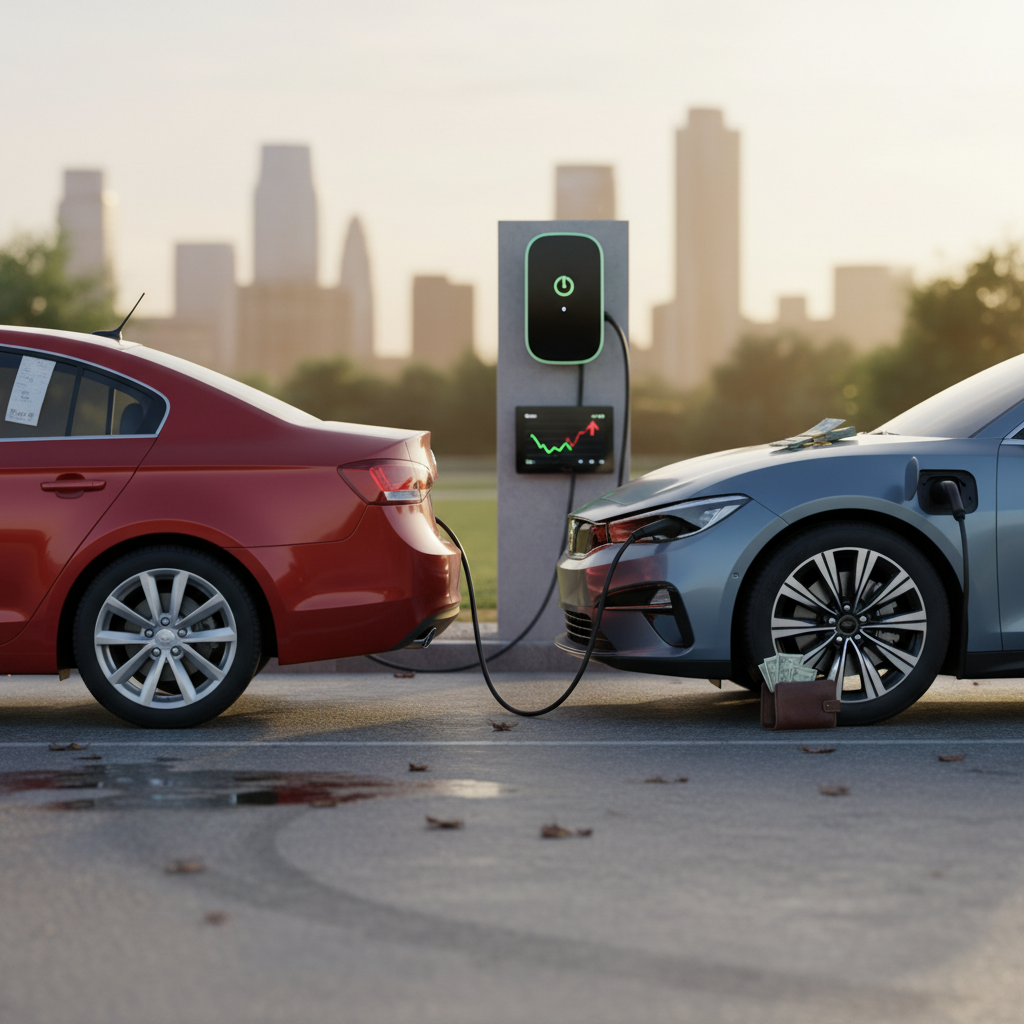
The flip side: a buyer’s market
Why Tesla Model S resale values fell so fast
It’s tempting to blame this all on "EVs depreciate" and move on, but the Model S story is more nuanced. Several overlapping forces have pulled values down simultaneously:
Four big forces hurting Model S resale in 2025
Knowing the "why" helps you position your car more intelligently when you sell.
1. Price cuts on new Teslas
2. Fast EV tech turnover
3. Supply spike in used Teslas
4. Softer sentiment toward Tesla
Older hardware can be a double‑edged sword
Battery health: the silent driver of Model S resale value
Underneath all the market noise, one thing quietly dominates Model S resale value: real, verified battery health. A Model S with a pack that still delivers near‑original range and shows a gentle degradation curve is a very different asset from one that’s been fast‑charged hard, lives in extreme climates, or has a history of pack issues.
- Range at 100% and 80–90% state of charge (SOC).
- Charging mix: home Level 2 vs. frequent DC fast charging.
- Temperature history and climate (e.g., Phoenix vs. Seattle).
- Any battery‑related recalls, warranty work, or pack replacements.
- How often the car sat at 100% charge or very low SOC.
Turn your battery into a selling asset
From the buyer’s perspective, paying a bit more for a car with a proven strong battery is rational. Replacement packs are expensive, and even just losing 30–40 miles of real‑world range can meaningfully change how livable a car feels on winter road trips.
What buyers actually pay by year and mileage
Online price guides tell part of the story. The rest is how shoppers behave when they’re comparing cars on a screen. In 2025, we see three consistent patterns with Model S shoppers:
- They’ll stretch budget for low‑mileage, post‑refresh cars (2021+) with long range and clean accident history.
- They cross‑shop heavily against newer Model 3/Y and rival luxury EVs, so pricing must make sense in that broader context.
- They punish red flags, salvage history, missing service records, unexplained range loss, far more than with gasoline luxury sedans.
Newer cars (2022–2025)
These cars are where depreciation stings most. A 2024 Model S can already be down **20–30%** from its original transaction price if miles are average. Buyers expect:
- Range close to the original EPA figure.
- Latest interior and infotainment (yoke vs. round wheel can matter).
- Full ADAS feature set and active software support.
Older cars (2012–2018)
On early cars, the market sorts into two camps: shoppers chasing the **cheapest way into a Tesla**, and enthusiasts hunting for specific configurations. Values depend heavily on:
- Battery and drive‑unit warranty status.
- Autopilot hardware, MCU upgrades, and free Supercharging.
- Rust, cosmetic wear, and air‑suspension health.
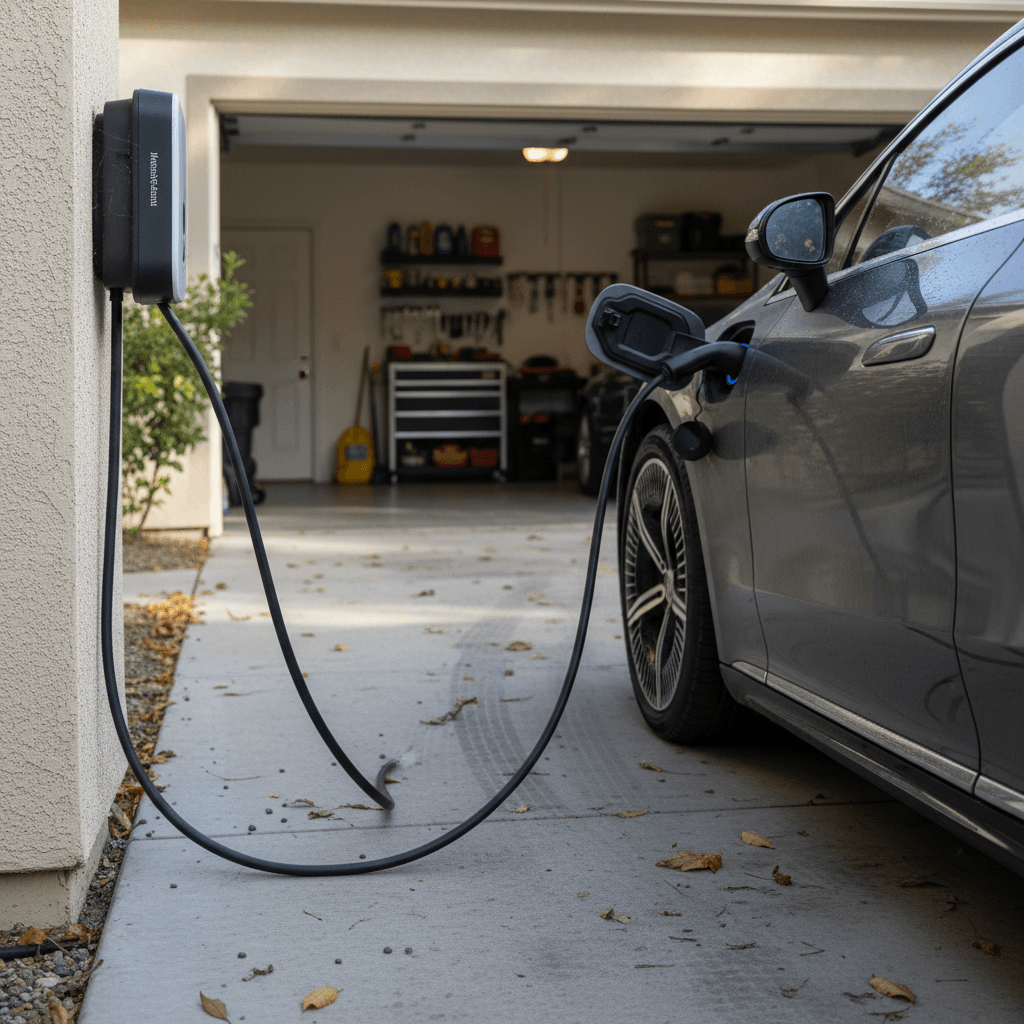
How to maximize your Model S resale value
You can’t rewind Tesla’s pricing decisions, but you still have meaningful control over where your individual car lands within the market’s price band. Think of it in two buckets: what you do before you list, and how you present the car.
Before you list: high‑ROI steps
1. Get a battery and health report
Pull recent full‑charge data, degradation estimates, and any service history related to the pack. Platforms like Recharged include a dedicated battery‑health diagnostic and Recharged Score so buyers can see this at a glance.
2. Address obvious maintenance and cosmetic issues
Fix curb‑rashed wheels, cabin odors, cracked glass, and minor suspension noises. A couple thousand dollars of reconditioning can easily add more than that to your sale price, or make your car sell much faster at the same price.
3. Update software and document key features
Buyers want to know what they’re actually getting: FSD transfer status, premium connectivity, cold‑weather package, MCU upgrades, wheel/tire sets. List these clearly and show them working in photos or screenshots.
4. Organize records and charger accessories
Gather service invoices, purchase paperwork, and charging accessories (mobile connector, adapters, second key). A "complete" car is easier to trust and price aggressively.
5. Detail the car properly
A proper interior and exterior detail, especially on light interiors, goes a long way. You’re selling a premium EV; make sure it feels like one the moment a buyer or inspector sees it.
Documentation often beats negotiation
Selling options: dealer trade‑in vs EV marketplace vs private sale
Once your Model S is prepped, the next decision is *where* to sell. In 2025, you’ve got three realistic paths, each with a different tradeoff between price, effort, and risk.
Where to sell your Tesla Model S in 2025
Price isn’t the only variable, time, convenience, and transparency matter too.
Franchise / independent dealer trade‑in
- Pros: Fast, one‑stop transaction when buying another car.
- Cons: Often the **lowest price**, especially on EVs dealers don’t fully understand.
- Best for: Owners who value speed over squeezing every dollar out.
Specialized EV marketplace (like Recharged)
- Pros: EV‑savvy pricing, nationwide buyer pool, battery health and history front‑and‑center.
- Cons: May take longer than a same‑day trade, though you often net meaningfully more.
- Best for: Clean, well‑optioned cars where documentation can command a premium.
Private‑party sale
- Pros: Highest potential sale price.
- Cons: Time‑consuming, requires screening buyers, handling payment, and paperwork.
- Best for: Sellers comfortable with legwork who have a standout car to market.
Beware "sight‑unseen" lowball instant offers
How Recharged approaches Model S value differently
At Recharged, we built our used‑EV marketplace around the very problems that have distorted Model S resale value in 2025: opaque battery health, generic pricing tools, and sellers who can’t easily prove what makes their car special.
1. Battery‑first valuation
Every vehicle listed on Recharged comes with a Recharged Score Report that includes verified battery diagnostics, not just odometer mileage. That lets us price a 2018 Model S with a strong pack very differently from one with early signs of capacity loss.
2. EV‑specialist pricing and support
Our team only works with electric vehicles, so we understand things like Autopilot hardware revisions, free Supercharging eligibility, and common Model S failure points. That expertise helps surface fair, transparent pricing instead of one‑size‑fits‑all depreciation curves.
3. Multiple ways to sell
Depending on your goals, you can:
- Get an instant offer or trade‑in quote.
- Use our consignment program so we market and sell the car for you.
- Leverage financing and nationwide delivery to reach buyers outside your local market.
All of this is supported by a fully digital experience and, if you’re near Richmond, VA, an in‑person Experience Center where our EV specialists can walk you through options.
FAQ: Tesla Model S resale value in 2025
Frequently asked questions
Bottom line for Model S owners in 2025
Tesla Model S resale value in 2025 is a story of extremes: extraordinary performance and capability, paired with some of the harshest depreciation in the industry. If you bought new at peak prices, that’s a tough pill to swallow. But if you own a well‑kept car with a healthy battery, or you’re shopping used today, you can still make the numbers work strongly in your favor.
Your job as a seller is to turn your individual car into an exception to the gloomy averages by documenting its battery, history, and hardware, and by choosing a sales channel that actually values those details. That’s exactly the problem Recharged exists to solve: giving you transparent, battery‑aware valuations, EV‑specialist support, and buyers across the country who understand what a good Model S is worth.