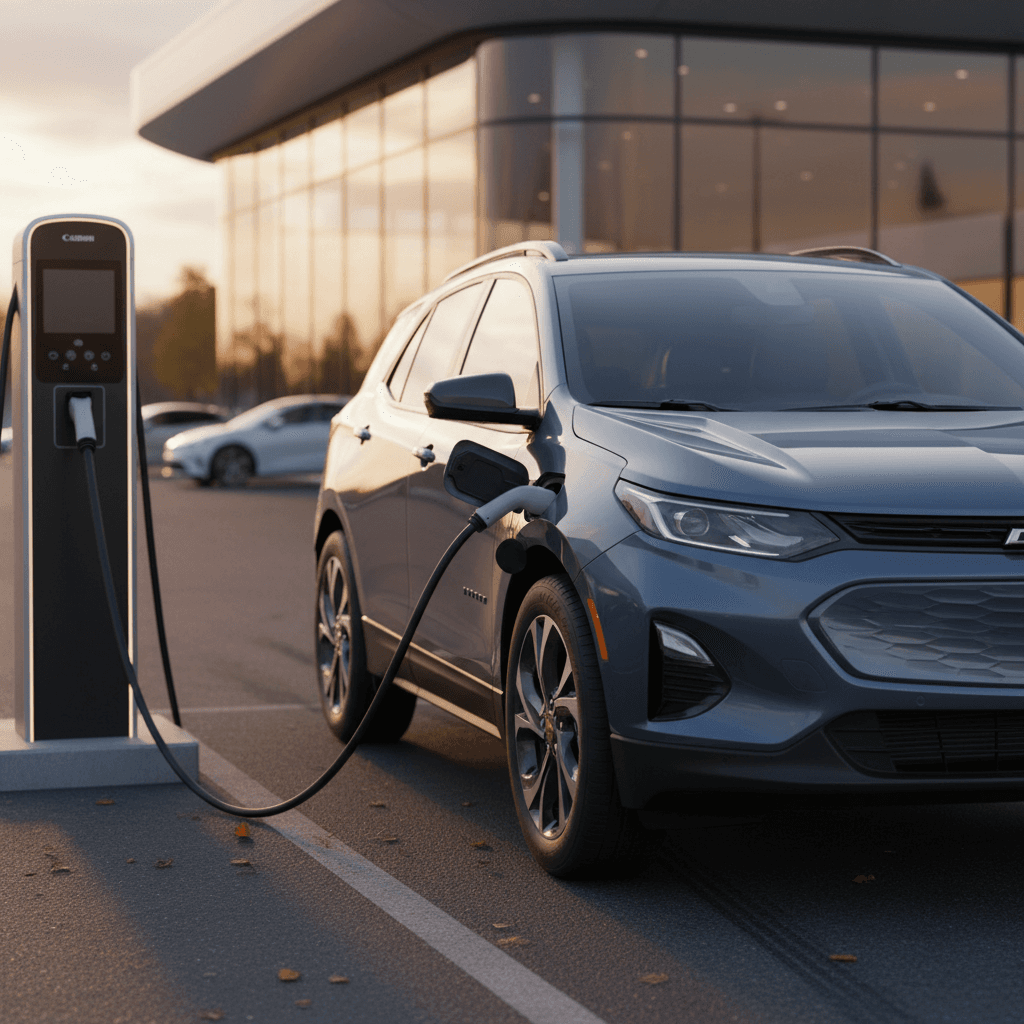
If you’re shopping for an affordable electric SUV in 2026, the question on your mind is probably simple: is the Chevy Equinox EV worth it in 2026? With promised 300‑mile range, aggressive pricing, and 0% financing already popping up, Chevy’s compact EV is designed to be a “mainstream” alternative to pricier rivals like the Tesla Model Y and Hyundai Ioniq 5. But incentives have changed, and so has the EV market. Let’s walk through whether this SUV actually fits your life and budget.
At a glance
Is the 2026 Chevy Equinox EV worth it?
Where the Equinox EV shines
- Compelling price-to-range ratio: GM has positioned the Equinox EV as one of the most affordable ~300‑mile EVs on sale, with well‑equipped trims typically under many rivals.
- Roomy, quiet family hauler: Cabin space is closer to a midsize SUV than a compact, with a flat floor and generous rear legroom.
- Strong deals in 2026: 0% APR offers have already surfaced on the 2026 Equinox EV, making it easier to offset higher MSRPs with lower interest costs.
Where it can disappoint
- Charging speed is just OK: DC fast charging tops out around 150 kW on paper, but real‑world speeds can lag some newer competitors.
- Incentive landscape has changed: The biggest federal EV purchase incentives phase out after September 30, 2025, so in 2026 you can’t count on the same $7,500 boost many early buyers enjoyed.
- Chevy dealer experience is mixed: Some buyers report excellent support; others run into limited EV expertise and scarce on‑lot inventory.
If you value space, range, and mainstream pricing over blistering fast‑charge speeds or cutting‑edge software, the Equinox EV can absolutely be worth it in 2026. If you need the fastest road‑trip charging or the best driver‑assist tech, you’ll want to compare it closely with Hyundai/Kia and Tesla before signing anything.
2026 Equinox EV: Key specs, trims, and pricing
Core specs that matter
Chevrolet has kept the Equinox EV trim walk straightforward, echoing earlier model years. Expect the familiar 1LT, 2LT, 3LT, 2RS, and 3RS lineup, with LT trims tuned more for value and comfort, and RS trims skewing sportier in appearance and equipment.
2026 Chevy Equinox EV trims at a glance
Approximate positioning based on 2024–2025 equipment; exact 2026 pricing varies by region and incentives.
| Trim | Focus | Drivetrain options | Key highlights (typical) |
|---|---|---|---|
| 1LT | Value | FWD, some regions AWD | Smaller screen setup, cloth seats, basic driver‑assist, still gets DC fast charging and roughly 250+ mile range on FWD. |
| 2LT | Value + comfort | FWD or AWD | Larger infotainment display, power driver seat, more comfort features, popular “sweet‑spot” trim for many families. |
| 3LT | Near‑luxury | FWD or AWD | Heated/ventilated front seats, more advanced driver‑assist, upgraded interior materials, available 19.2 kW onboard charger on some builds. |
| 2RS | Sport styling | FWD or AWD | RS exterior styling, sport seats, larger wheels; similar content to 2LT but with a more aggressive look. |
| 3RS | Range & tech halo | FWD or AWD | Top equipment, largest wheels, most advanced features; often the version highlighted in marketing with ~300‑mile range claims. |
Use this table to see which Equinox EV trim level lines up with your budget and must‑have features.
Trim‑shopping tip
Real-world range and charging experience
Range: city commuter or road‑trip workhorse?
GM bills the Equinox EV as “one of the most affordable 300‑mile EVs,” and higher‑range FWD trims are indeed targeted around that number in ideal conditions. In mixed real‑world driving, owners typically report something closer to the mid‑200‑mile range once you factor in highway speeds, weather, passengers, and cargo.
- Daily commuting under 60 miles round‑trip is almost effortless; you’ll likely charge once or twice a week on Level 2 at home.
- Weekend trips of 150–200 miles one‑way are very doable with a single fast‑charge stop if you start near full.
- Cold weather, high speeds, and roof racks can shave 15–30% off the headline range, so winter drivers should plan conservative buffers.
Charging at home: what to expect
Most 2026 Equinox EVs will come with an 11.5 kW onboard charger, with some upper trims offering a 19.2 kW option when paired with the right home EVSE and a robust 240‑volt circuit. In practical terms:
- On a typical 40‑ to 48‑amp Level 2 home charger, you can add roughly 25–35 miles of range per hour.
- Overnight (8–10 hours), that’s easily a full recharge for most commuting patterns.
- If you opt for the higher‑capacity 19.2 kW onboard charger and a matching 80‑amp Level 2 station, you can effectively “refuel” from low to near‑full in about 4–5 hours, but this setup is overkill for many homes and requires professional electrical work.
Don’t skimp on installation
Public DC fast charging: good enough, not best‑in‑class
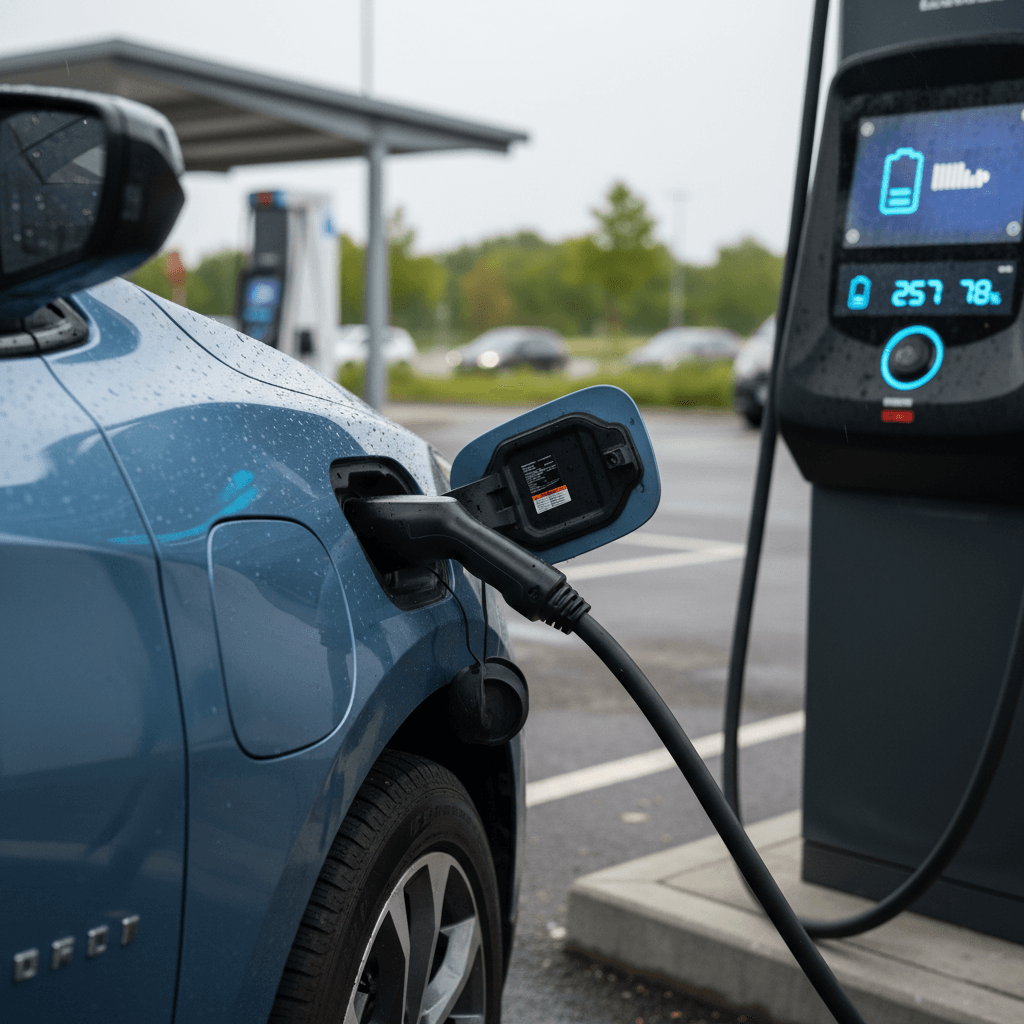
On paper, the Equinox EV supports up to about 150 kW DC fast charging, enough for roughly 70 miles of range added in 10 minutes under ideal conditions. In the real world, owners report more modest average speeds once the battery warms up and leaves the initial peak, particularly on longer sessions.
- Plan for 20–40 minute stops to go from low state‑of‑charge to around 80% on road trips.
- You’ll likely stop a bit longer and a bit more often than drivers of the absolute fastest‑charging EVs (like some Hyundai/Kia 800‑volt models).
- For primarily local driving with occasional trips, this is more an inconvenience than a deal‑breaker, just build it into your plans.
Ownership costs and incentives in 2026
Sticker price vs. monthly payment
By 2026, EV prices in general have climbed compared with the earliest teaser numbers Chevy floated when the Equinox EV was first announced. The good news: Chevrolet and its lenders have responded with aggressive financing offers. Some 2026 Equinox EV deals already include promotional 0% APR for qualified buyers, which can save thousands in interest over a typical 60‑ or 72‑month loan.
Fuel and maintenance savings
- Fuel: Even with higher 2026 electricity rates in many regions, home charging is usually cheaper per mile than gasoline in an equivalent compact SUV.
- Maintenance: No oil changes, fewer moving parts, and reduced brake wear thanks to regenerative braking generally mean lower routine maintenance.
- Time: Charging at home means fewer gas‑station stops, which many owners come to value more than they expected.
Costs that can surprise you
- Home charging setup: A 240‑volt outlet and Level 2 charger can easily run $1,000–$2,000 or more, depending on your panel and electrician rates.
- Insurance: EV insurance can be higher than a comparable gas Equinox in some markets; always quote it before you buy.
- Depreciation: EV resale values have been volatile. The Equinox EV benefits from GM’s scale, but you should still plan for faster depreciation than on some gas SUVs.
Tax credits and incentives: what’s changed by 2026
2025 vs. 2026 incentive landscape
In plain English: if you’re buying a brand‑new Equinox EV in 2026, don’t count on a big federal purchase credit to knock $7,500 off the price at the point of sale. You may still see attractive financing, dealer discounts, or state‑level rebates, depending on where you live, but the headline national incentive picture is less generous than it was in early 2025.
This is one reason a lightly used Equinox EV can be especially interesting in 2026. Early buyers already leveraged credits and incentives; you may benefit from lower used prices without worrying about income caps or federal incentive paperwork yourself. Recharged’s marketplace focuses on that sweet spot, modern EVs with verified battery health, priced transparently with a Recharged Score so you can see how the pack has aged.
Equinox EV strengths vs. weaknesses
Pros and cons of the 2026 Equinox EV
How the Equinox EV stacks up in the real world
What the Equinox EV does well
- Space and comfort: More interior room than many “compact” rivals, with a flat floor and easy ingress/egress.
- Range per dollar: FWD trims offering ~300 miles of range are still rare at this price point.
- Familiar brand and service network: Chevy dealers are everywhere, which many first‑time EV buyers find reassuring.
- Quiet, smooth drive: Owners consistently praise the refinement and one‑pedal driving feel.
Where it comes up short
- Charging speed: Adequate but not leading; you’ll stop longer than drivers in the fastest‑charging EVs.
- Software/UX polish: Interface and apps can feel less slick than Tesla, Hyundai, or Kia.
- Dealer variability: Some stores are EV‑savvy; others are still learning, which can affect delivery and service experiences.
How the Equinox EV compares to rival EV SUVs
2026 Equinox EV vs. popular electric SUV rivals
High‑level comparison; exact pricing and specs vary by configuration and region.
| Model (2026) | Approx. price range | Est. max range | Charging strength | Best for |
|---|---|---|---|---|
| Chevy Equinox EV | Mid $30Ks–low $40Ks | ~250–300 mi | Solid but mid‑pack | Buyers prioritizing space, value, and a familiar brand. |
| Tesla Model Y (RWD/Long Range) | High $30Ks–$50Ks+ (after frequent price moves) | Up to ~330 mi | Generally faster DC charging, dense Supercharger network | Tech‑focused buyers and heavy road‑trippers. |
| Hyundai Ioniq 5 | Low $40Ks–$50Ks+ | ~260–320 mi | Among the fastest DC charging (800‑V platform) | Drivers who road‑trip often and want bold design. |
| Kia EV6 | Similar to Ioniq 5 | ~250–310 mi | Very fast DC charging | Sportier driving feel and style. |
| VW ID.4 | Low–mid $40Ks | ~250–290 mi | Average DC charging | Comfort‑focused buyers who value a European feel. |
Use this as a directional guide, always check current specs and incentives before buying.
Where the Equinox EV stands out
Who the Equinox EV is (and isn’t) right for
Match the Equinox EV to your use case
Great fit for you if…
You drive <strong>40–80 miles most days</strong> and can install Level 2 charging at home or at least at work.
You want a <strong>family‑friendly crossover</strong> that feels familiar, not a radical EV experiment.
You’re sensitive to <strong>monthly payment</strong> more than headline MSRP and can qualify for low APR offers.
You value <strong>quiet, smooth driving</strong> more than sporty handling or track‑ready performance.
Probably not the best fit if…
You road‑trip long distances (300+ miles at a stretch) several times a month and want the <strong>shortest possible charging stops</strong>.
You live in an apartment or condo with <strong>no realistic home or workplace charging</strong> options and limited public infrastructure nearby.
You’re seeking <strong>bleeding‑edge tech and software</strong>, think Tesla‑level app integration or Hyundai/Kia’s 800‑V charging prowess.
You’re extremely focused on <strong>long‑term resale value</strong> and plan to sell quickly if the next battery tech breakthrough arrives.
Should you buy a new or used Equinox EV?
Buying new in 2026
- Pros: Full warranty coverage, latest software and hardware tweaks, ability to spec your trim and color, access to 0% or low‑APR financing on certain trims.
- Cons: You’re paying the steepest early‑life depreciation, and the big federal purchase credits available before late 2025 are largely gone.
Buying used in 2026
- Pros: Early‑build 2024–2025 Equinox EVs may have already absorbed initial depreciation and were often purchased with tax credits you don’t need to worry about; you pay the post‑incentive market price.
- Cons: You’ll want hard data on battery health, real charging behavior, and any early‑production quirks, information traditional used‑car listings rarely provide.
This is where a platform like Recharged can tilt the math in your favor. Every used EV listing includes a Recharged Score Report that verifies battery health, fast‑charging performance, and fair‑market pricing. Instead of guessing whether that 2024 or 2025 Equinox EV has been fast‑charged to death, you see objective diagnostics before you buy, plus options for nationwide delivery and trade‑in of your current vehicle.
Quick checklist: Is the Equinox EV worth it for you?
7‑step self‑check before you buy
1. Can you reliably charge at home or work?
If you have (or can install) a 240‑volt outlet or dedicated Level 2 charger, the Equinox EV’s value proposition improves dramatically. If you’ll rely entirely on public charging, you may find the experience frustrating.
2. How far do you actually drive most days?
Look at a month of driving. If you’re usually under 80 miles per day, the Equinox EV’s range is more than enough; you’ll likely charge just a couple of times a week.
3. Do you road‑trip enough to care about ultra‑fast charging?
If you do multi‑state road trips monthly, rivals with faster DC charging might be worth the extra money. If it’s a few times a year, the Equinox EV’s charging speeds are often “good enough.”
4. Have you priced your total cost of ownership?
Compare your current gas costs, oil changes, and maintenance to estimated electricity, insurance, and a potential home charger. The monthly picture often looks better than the sticker suggests.
5. Is your local Chevy dealer EV‑savvy?
Talk to the EV specialist, ask about their charging infrastructure, loaners, and service training. A strong local dealer can make ownership much smoother.
6. Are you open to a 1–3‑year‑old used Equinox EV?
A lightly used model with a clean battery report can deliver nearly the same experience for less money, especially in a post‑incentive 2026 world.
7. Have you compared at least one rival in a test drive?
Drive the Equinox EV back‑to‑back with at least one competitor (Model Y, Ioniq 5, EV6, ID.4). Pay attention to comfort, usability, and charging options in your area, not just spec sheets.
2026 Chevy Equinox EV: FAQ
Frequently asked questions about the 2026 Equinox EV
Bottom line: Is the Chevy Equinox EV worth it in 2026?
For many U.S. shoppers in 2026, the answer is yes: the Chevy Equinox EV is worth it, as long as its range, charging profile, and pricing line up with how you actually drive. It’s not the flashiest or fastest‑charging EV on the market, but it delivers a rare combination of usable 250–300‑mile range, family‑friendly space, and mainstream pricing from a brand and dealer network most buyers already know.
Where you need to be more careful than early adopters is on incentives and long‑term value. The federal tax‑credit environment is less generous in 2026, and EV depreciation remains unpredictable. That’s why it’s smart to compare new vs. used Equinox EVs side by side, run the total cost of ownership numbers, and make sure your charging plan is realistic.
If you want help navigating those trade‑offs, Recharged was built for exactly this moment in the EV market. You can browse used Equinox EVs and other electric SUVs with verified Recharged Score battery reports, trade in your current vehicle, arrange financing, and get nationwide delivery, all with guidance from EV specialists who live and breathe this segment. That way, when you decide the Equinox EV is worth it, you’re confident you found the right one at the right price.