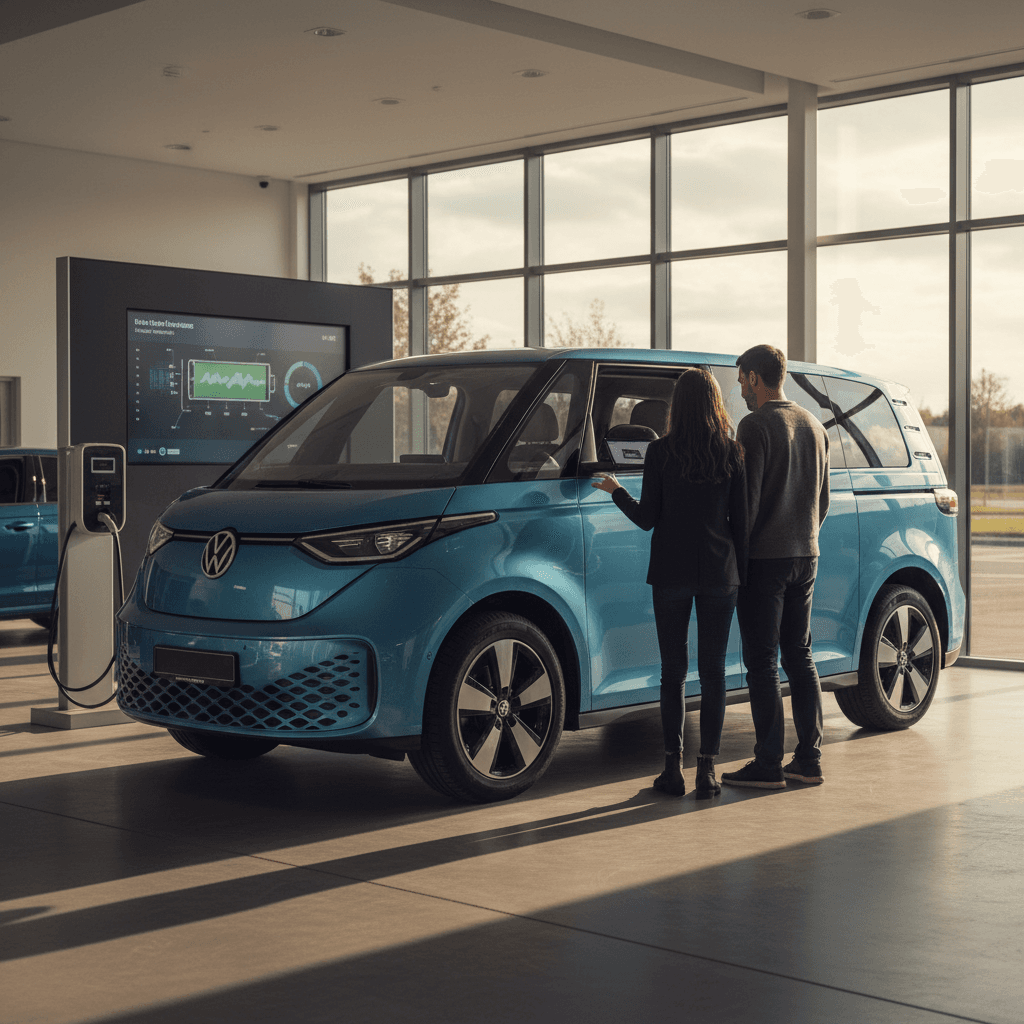
If you’ve fallen for the charm of the Volkswagen ID. Buzz but don’t love brand‑new sticker shock, a used Volkswagen ID. Buzz can be a smart, family‑friendly EV buy in 2026. The first U.S. long‑wheelbase vans only started landing in 2024, which means the earliest used examples are just now hitting driveways and dealer lots. This guide walks you through trims, charging, battery health, real‑world quirks, and a practical inspection checklist so you can shop a used ID. Buzz with confidence.
Quick context for 2026 shoppers
Why a Used Volkswagen ID. Buzz Makes Sense in 2026
Volkswagen didn’t just build an electric minivan; it built a rolling conversation piece. The ID. Buzz pulls more attention than most luxury EVs, yet underneath the retro styling it’s a very modern, practical electric people‑mover. By 2026, early depreciation starts to take the sting out of MSRP, turning the used ID. Buzz into a compelling alternative to a new three‑row SUV or minivan.
Why the ID. Buzz Works Well as a Used EV
Design icon on the outside, sensible EV underneath
Family‑first packaging
Long‑wheelbase ID. Buzz vans offer three rows of seating, sliding doors, and a flat floor. That makes them feel like a modern minivan with far better visibility and easier access than most three‑row SUVs.
Proven MEB hardware
The ID. Buzz rides on VW’s MEB platform shared with the ID.4 and other EVs. That means a known 82–91 kWh battery, robust DC fast charging, and software that’s been steadily refined with over‑the‑air updates.
Strong safety story
European ID. Buzz models earned top crash‑test ratings and pack a full suite of driver‑assist tech. For a family hauler, that peace of mind matters just as much as style or speed.
Think of it as an EV minivan, not a bus
Model Years, Trims, and Key Specs You’ll See Used
Because the ID. Buzz arrived later in North America than in Europe, the used market in 2026 looks a little split. You’ll mainly encounter 2025 long‑wheelbase vans sold new in the U.S. and Canada, plus a scattering of earlier short‑wheelbase imports brought in by enthusiasts or specialty dealers.
Common Used ID. Buzz Variants You’ll See in 2026
Approximate specs for the versions most likely to appear on the used market.
| Variant | Market | Seats | Battery (usable) | Powertrain | EPA/Real‑World Range* | Max DC Fast Charge |
|---|---|---|---|---|---|---|
| SWB Pro / Pro S (RWD) | Europe (2022–2024) | 5 | ≈77–79 kWh | Single motor RWD ~201 hp | 220–240 mi equivalent | 170–175 kW |
| LWB Pro S (RWD) | North America (2025) | 7 | ≈82 kWh | Single motor RWD 282 hp | 230–260 mi est. | 175–200 kW |
| LWB dual‑motor / 4MOTION | EU & select NA (2025+) | 6–7 | ≈82–91 kWh | Dual motor AWD 330+ hp | 210–240 mi est. | Up to ~200 kW |
Always verify exact specs by VIN, as equipment and batteries can vary by market and trim.
Mind the wheelbase
Real-World Range and Charging on a Used ID. Buzz
On paper, the ID. Buzz’s range figures look similar to other big electric crossovers. In the real world, your experience will depend heavily on wheelbase, battery size, climate, and how you drive. The good news is that the pack is big, the efficiency is respectable for a brick‑shaped van, and DC fast charging is genuinely road‑trip capable when everything is working as designed.
Typical Range & Charging Numbers for an ID. Buzz
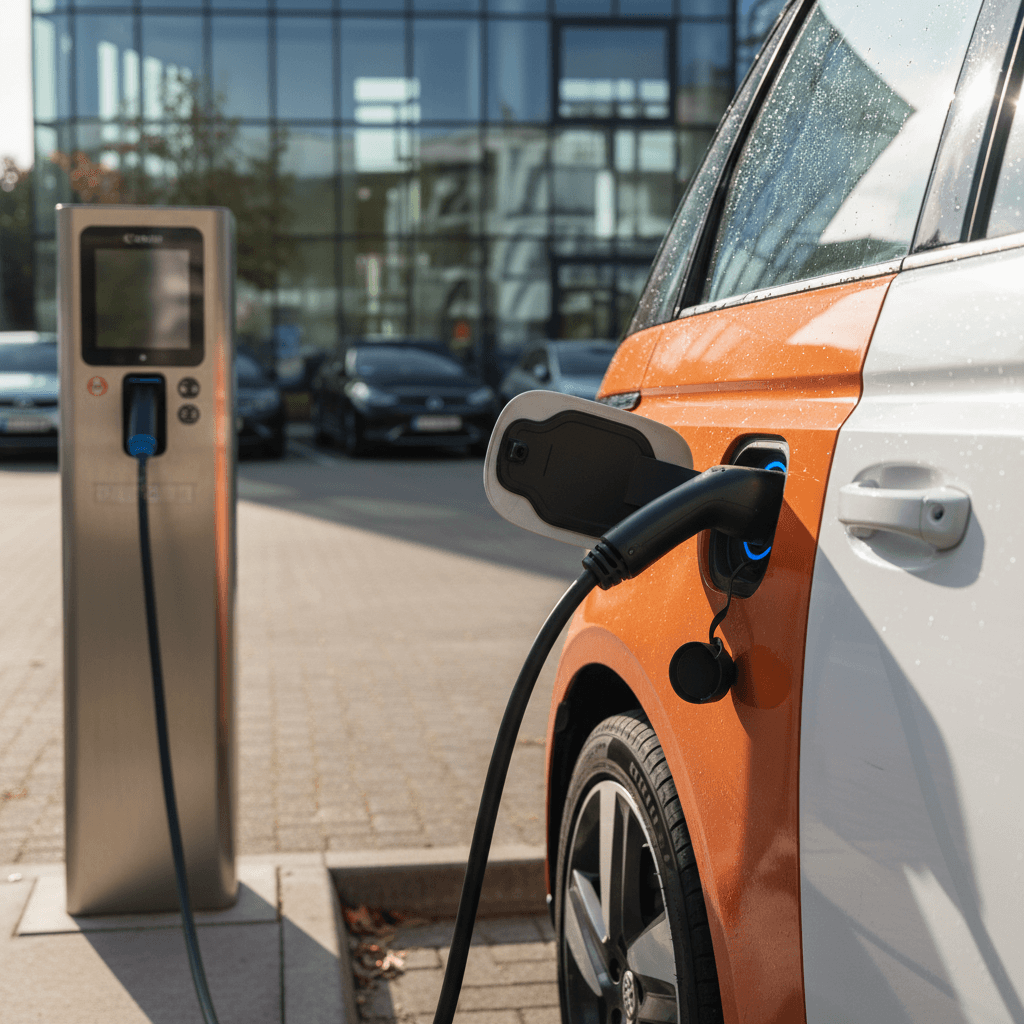
For daily commuting and errands, figure on 230 miles of comfortable real‑world range from a long‑wheelbase North American van if the battery is healthy, on the OEM 19‑ or 20‑inch wheels. Winter weather, roof boxes, and high speeds will nibble that down. On a road trip, a warm battery and a strong DC fast charger can usually take you from about 10% to 80% in the high‑20‑minute range, enough for a bathroom break and a snack.
Look for software that adds battery pre‑conditioning
Battery Health: How to Judge a Used ID. Buzz Pack
The battery pack is the heart of any used EV. The ID. Buzz uses large lithium‑ion packs, around 77–82 kWh usable on most current variants, and up to roughly 91 kWh on some higher‑capacity versions. A well‑treated pack should hold up well for many years, but you still want to understand how much capacity it has lost and how it’s been used.
How ID. Buzz batteries typically age
- Early drop, then slow decline: Like most EVs, you may see a few percent of capacity loss in the first couple of years, then a slower glide after that.
- Use‑case matters: Vans used for short urban routes with lots of DC fast charging and frequent 0–100% swings will age faster than ones charged gently at home.
- Climate counts: Hot climates and constant outdoor parking can stress the pack; regular use of cabin pre‑conditioning in extreme cold eats range but doesn’t necessarily hurt long‑term health.
Easy battery‑health clues on a test drive
- Note the predicted range at 100% and compare it to the original rating for that trim.
- Reset a trip computer, drive 20–30 miles at steady speed, then compare miles used vs. % of battery.
- Scan for warning lights related to the high‑voltage system or charging issues.
- Ask for any service records mentioning the high‑voltage battery, rapid capacity checks, or module replacements.
Where a Recharged Score helps
Common Issues, Recalls, and Ownership Quirks
The ID. Buzz is still a relatively young model, which means we don’t have a decade of failure data like we do on older minivans. But by 2026, some patterns are starting to show up in owner forums, service bulletins, and long‑term tests. Most are annoyances rather than deal‑breakers, exactly the kind of things you want to screen for on a used example.
Known Quirks to Check on a Used ID. Buzz
Nothing here is a catastrophe, but all are worth a look before you sign.
Infotainment and software gremlins
Slow boot‑ups, random reboots, and occasional wireless CarPlay glitches are common gripes on early VW EVs. Many are improved with over‑the‑air software updates, but make sure the van you’re eyeing is fully updated and that all screens behave during a long test drive.
HVAC and heat‑pump behavior
Some owners report noisy fans, inconsistent cabin heating in very cold weather, or frosty windows that take longer than expected to clear. Cycle the climate control through heat, defrost, and A/C on your test drive and listen for odd noises.
Sliding‑door and seal issues
Large sliding doors and big seals can sometimes rattle, squeak, or let in wind noise. Drive at highway speed, listen carefully, and inspect for misaligned doors, uneven gaps, and water intrusion around the rear hatch and side doors.
DC fast‑charging inconsistency
A healthy ID. Buzz should ramp quickly on a good DC charger. If DC sessions are unusually slow and you’ve ruled out the station, it’s worth digging deeper, there may be a software issue or a thermal management concern.
Always check for open recalls
Pricing and Value: What a Used ID. Buzz Should Cost
Because U.S. deliveries only began in 2024, there isn’t a decade of depreciation history yet. Early used ID. Buzz vans in 2026 will behave like most in‑demand new EVs: light depreciation at first, then a sharper drop as more inventory and model‑year updates hit the market. Your job as a buyer is to understand what really moves the needle on value.
- Long‑wheelbase, North American–spec vans with three rows and popular colors will command the strongest prices.
- Low‑mileage, gently used family haulers hover closer to new‑car money; ex‑press or demo vans with higher miles may be relative bargains.
- High‑feature trims (panoramic roof, upgraded audio, advanced assist packages) hold value better than bare‑bones commercial‑spec vans.
- Battery health and DC fast‑charging history can be worth more than a few thousand miles either way. A healthy pack is future value.
How Recharged approaches ID. Buzz pricing
Pre-Purchase Inspection Checklist for a Used ID. Buzz
Electric or not, a used car is still a used car. You want to know how it’s been treated, how it’s been repaired, and whether anything big and expensive is lurking just over the horizon. Use this checklist as your game plan when you’re face‑to‑face with a used ID. Buzz.
Essential Used ID. Buzz Inspection Checklist
1. Verify VIN, build, and wheelbase
Confirm whether you’re looking at a short‑wheelbase European import or a long‑wheelbase North American van. Use the VIN and a build sheet to verify trim, battery size, and factory options so the asking price matches reality.
2. Walk the body carefully
Look for mismatched paint, overspray around seals, uneven panel gaps, or repairs around the sliding doors and rear hatch. The ID. Buzz’s big, flat panels show bodywork more than most cars, step back and view it in different light.
3. Inspect tires and wheels
Uneven tire wear can hint at alignment issues or a life spent bouncing off curbs. Check that the van has the correct load‑rated tires and that there’s no damage to the 19‑ or 20‑inch wheels that might affect ride or efficiency.
4. Test every door, seat, and fold
Cycle the power sliding doors multiple times, fold and slide every row, and check for stuck latches or non‑functional seat mechanisms. A people‑mover with fussy doors or seats will get old fast.
5. Live in the cabin electronics
Spend 20–30 minutes with the infotainment system. Pair a phone, use navigation, try voice commands, and verify that all cameras, sensors, and driver‑assist features operate as advertised. Note any lag, glitches, or crashes.
6. Drive city and highway
On the road, listen for rattles, wind noise, and clunks over bumps. Test the brakes with a few moderate stops, and feel for smooth regen. At highway speed, the ID. Buzz should track straight with no steering vibration.
Charging & Road-Trip Readiness Checks
An ID. Buzz that only trickle‑charges at home is a different proposition from one that can reliably fast‑charge on the open road. Before you buy, test its charging behavior, or at least verify it as well as you can.
- Ask the seller how the van is normally charged (Level 1, Level 2, or DC fast) and where.
- Plug into a known‑good Level 2 charger; confirm the van reaches its expected 11 kW AC charging rate.
- If possible, perform a short DC fast‑charging session to see if it ramps quickly above 100 kW and holds a healthy curve.
- Confirm that scheduled charging, charge‑limit settings, and pre‑conditioning all work as expected in the menus.
- Check for any previous charging‑system repairs or high‑voltage fault codes in the service history.
Don’t forget connector standards
How Recharged Makes Buying a Used ID. Buzz Easier
You can absolutely hunt down a used ID. Buzz on your own, but this is a complex, high‑demand EV with fast‑moving software and charging standards. That’s where a specialist helps. Recharged was built around used EVs, and the ID. Buzz is exactly the kind of vehicle our team loves to evaluate in detail.
What You Get with a Used ID. Buzz from Recharged
Beyond the Carfax and a quick spin around the block.
Recharged Score battery diagnostics
Every ID. Buzz we list gets a comprehensive Recharged Score report, including pack health, DC fast‑charging history, and insights into how the van has been used and charged over time.
Flexible ways to buy or sell
Recharged offers financing, trade‑in options, instant offers, and consignment. Whether you’re buying your first EV van or moving out of one, we handle the paperwork and logistics.
Nationwide, EV‑savvy experience
With nationwide delivery, EV‑specialist support, and an Experience Center in Richmond, VA, you can shop digitally and still get expert, hands‑on answers about how an ID. Buzz will fit your life.
Ready to find your next EV?
Browse VehiclesUsed Volkswagen ID. Buzz FAQ
Frequently Asked Questions About Buying a Used ID. Buzz
Final Thoughts: Is a Used ID. Buzz Right for You?
If you want an EV that hauls people, pets, and luggage without blending into every other crossover in the Target parking lot, a used Volkswagen ID. Buzz deserves a hard look in 2026. It’s practical, charming, and surprisingly refined, but it’s also a young model with evolving software and charging support. Go in with clear eyes about range, battery health, and charging, and you can end up with one of the most characterful electric family haulers on the road.
Use this guide as your baseline, then let data, and your own test‑drive impressions, do the rest. And if you’d rather have EV specialists sweating the details, explore ID. Buzz listings on Recharged, where every van comes with a Recharged Score report, straightforward pricing, and support from people who live and breathe electric vehicles.