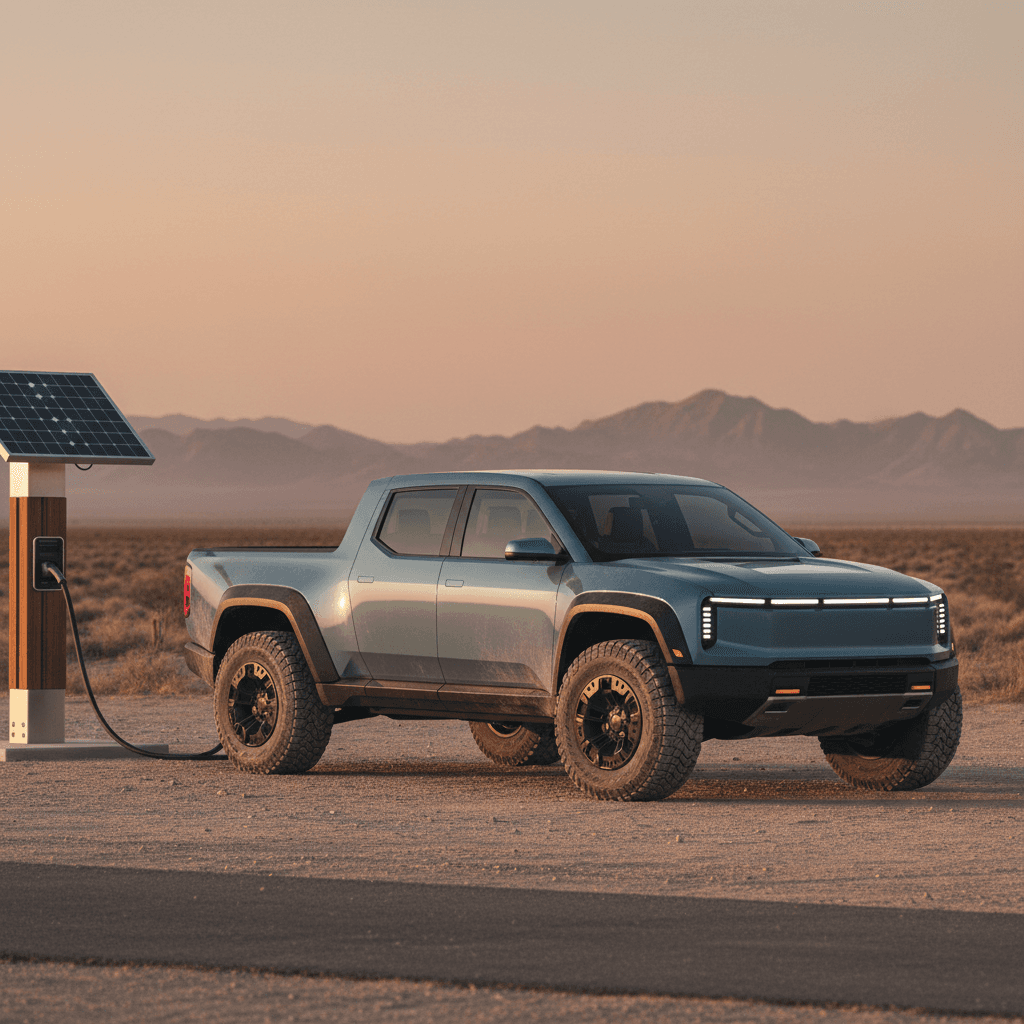
If you’ve been watching electric pickups but balked at $70,000 price tags, the 2026 Slate electric truck is probably on your radar. This compact, back‑to‑basics EV promises simple hardware, real‑world usability, and pricing in the mid‑$20,000s, if Slate Auto can stick the landing on cost and production.
A new kind of EV truck
Overview: What Is the 2026 Slate Electric Truck?
The Slate Truck is a small, battery‑electric, two‑door pickup designed to be affordable first and flashy never. Instead of a giant touchscreen, power everything, and a luxury cabin, Slate focuses on a simple analog experience: manual windows, minimal electronics, and a composite body that doesn’t even get traditional paint. The same platform can be reconfigured with bolt‑on panels to create an SUV‑like body, which is part of how Slate keeps development and manufacturing costs down.
- Class: compact, two‑door electric pickup
- Layout: rear‑motor, rear‑wheel drive
- Seats: 2 in pickup form; up to 5 in SUV configuration
- Battery options: ~52.7 kWh and 84.3 kWh packs
- Estimated range: roughly 150–240 miles depending on battery
- Factory: refurbished plant in Warsaw, Indiana, targeting production in Q4 2026
Important timing note
Price: How Much Will the 2026 Slate Truck Cost?
When Slate Auto first revealed the truck, headlines focused on a theoretical "under $20,000" price after the now‑eliminated federal EV tax credit. In reality, the actual base price is closer to the high‑$20,000s before incentives, with the company publicly describing a target in the mid‑$20,000 range once any remaining state or local benefits are factored in.
2026 Slate Electric Truck Pricing Snapshot (Estimates)
How to think about total cost
Range, Battery & Key Specs of the Slate EV Truck
Slate’s approach is refreshingly straightforward. There’s a single body style (with modular add‑ons), one motor, and two battery sizes. That keeps the configurator, and future used‑market shopping, nice and simple.
Core 2026 Slate Electric Truck Specs (Manufacturer Estimates)
Key mechanical and performance specs for the upcoming Slate Truck, based on current public data.
| Spec | Details |
|---|---|
| Motor / drive layout | Single rear motor, rear‑wheel drive |
| Power output | Approx. 201 hp (150 kW) |
| Battery options | ~52.7 kWh or 84.3 kWh NMC packs |
| Estimated range | 150 miles (small pack), 240 miles (large pack) |
| 0–60 mph | Around 8.0 seconds (claimed) |
| Top speed | About 90 mph |
| Towing capacity | ~1,000 lbs (projected) |
| Payload | Around 1,400 lbs |
| Charging – AC | Up to ~11 kW onboard charger |
| Charging – DC fast | Up to ~120 kW via NACS connector |
Final production numbers could change slightly as Slate approaches launch.
Battery chemistry & lifespan
Design, Interior & Utility: Why Slate Feels Different
Exterior & body concept
- Compact footprint: Think small work truck, not full‑size half‑ton. Easier to park, easier to live with in the city.
- Composite panels, no paint: The body uses molded gray panels rather than a traditional painted metal body. That saves hundreds of millions in factory tooling costs and helps keep repairs simpler.
- Modular body styles: Slate’s "truck that turns into an SUV" concept uses bolt‑on panels for different roof and rear configurations, pickup bed, fastback SUV, square‑back SUV, and more.
Interior & feature set
- Very analog: Manual windows, simple switchgear, and no central infotainment screen in early previews.
- No‑frills cabin: Designed to be hose‑out simple, with durable materials and minimal soft‑touch surfaces.
- Tech trade‑offs: You’ll likely be relying on your smartphone for navigation and media rather than a built‑in big screen.
- Utility focus: Expect clever interior storage and a straightforward bed design rather than luxury features.

Where the design shines
Where you may feel shortchanged
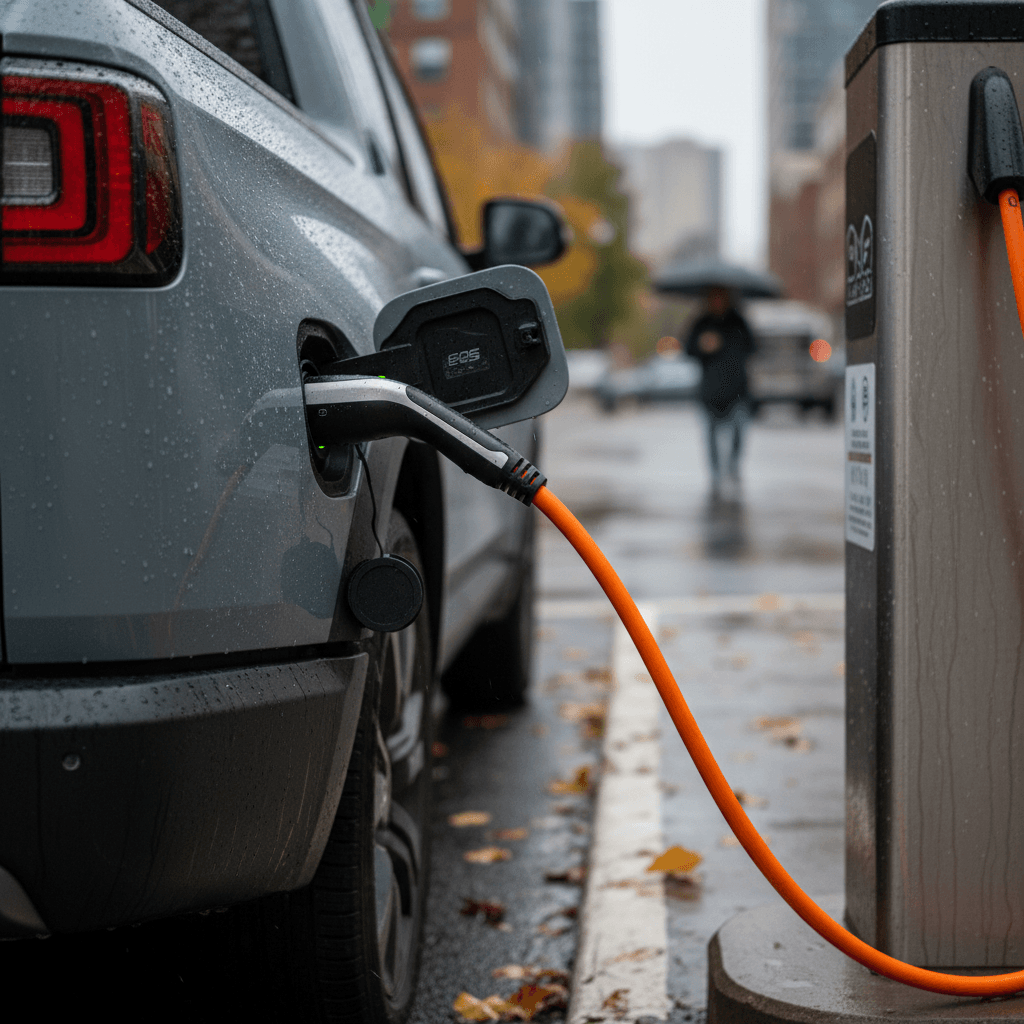
Charging the 2026 Slate Electric Truck
The Slate Truck will use the NACS (North American Charging Standard) connector, the Tesla‑originated plug that most major automakers have now adopted. That’s good news if you’re worried about charging access over the next decade.
Slate Truck Charging: What to Expect
From daily home charging to on‑the‑road top‑ups
Home charging
With an onboard AC charger around 11 kW, a 240‑volt Level 2 home charger can realistically refill the pack overnight. A smaller ~52.7 kWh battery makes home charging even easier, you’re not trying to refill a massive 130 kWh pack.
Public Level 2
Public Level 2 stations at workplaces or shopping centers will be plenty for many owners. Expect similar charge times to home Level 2, useful for top‑offs during the day.
DC fast charging
With DC fast‑charge capability around 120 kW and a NACS port, the truck should be able to go from a low state of charge to near full in under 30 minutes, helpful on regional trips or work days with multiple job sites.
Planning ahead for NACS
Who the 2026 Slate Electric Truck Is (and Isn’t) For
Every truck is a compromise. The 2026 Slate electric truck is designed around affordability, simplicity, and light‑duty use. That makes it a great fit for some buyers, and a poor fit for others.
- Urban and suburban owners who need a small bed for home projects, bikes, or weekend gear.
- Tradespeople or small‑business owners who value low operating cost and don’t need to tow more than about 1,000 pounds.
- Drivers who prefer analog controls over giant screens and complex software.
- Shoppers who want an EV but are priced out of current full‑size electric pickups.
Probably not for you if…
2026 Slate Truck vs Other Electric Pickups
If you’re cross‑shopping, Slate sits in a very different space than full‑size EV trucks like the Ford F‑150 Lightning, Chevrolet Silverado EV, GMC Sierra EV, Ram 1500 REV, or Tesla Cybertruck. Think of Slate more like an electric alternative to compact trucks such as the Ford Maverick or Hyundai Santa Cruz.
Slate Truck vs Popular EV Pickups (High-Level Positioning)
How the 2026 Slate Truck compares conceptually to mainstream electric pickups and compact gas trucks.
| Model | Size class | Target buyer | Approximate price band (new) | Key strengths |
|---|---|---|---|---|
| Slate Truck (2026+) | Compact EV pickup | Budget‑focused buyers, light‑duty work, city use | Mid‑$20Ks (target, before options) | Low purchase price, simple hardware, NACS charging, small footprint |
| Ford F‑150 Lightning | Full‑size EV pickup | Existing truck owners, fleets, towing & hauling | $50K+ new | Familiar F‑150 feel, multiple trims, strong dealer network |
| Chevy Silverado EV / GMC Sierra EV | Full‑size EV pickup | GM loyalists, towing, technology fans | $60K+ new | Big range and power, traditional full‑size usability |
| Tesla Cybertruck | Full‑size EV pickup | Tech‑oriented buyers, performance, unique design | $60K+ new (varies by trim) | High performance, integrated software, strong fast‑charging access |
| Ford Maverick / Hyundai Santa Cruz (gas) | Compact ICE pickups | Budget‑conscious buyers wanting a truck,"do‑everything" daily drivers | Low‑$20Ks and up (gas/hybrid) | Affordable, proven platforms, nationwide dealer support |
Exact specs and prices will vary by trim and model year. This table is meant as a directional guide.
New vs used: a different value equation
Should You Wait for the Slate Truck or Buy a Used EV Truck Now?
Waiting for any startup’s first product involves risk. Timelines can slip, prices can creep up, and early‑production bugs are common. On the flip side, Slate’s concept, simple, compact, and relatively inexpensive, is compelling if it delivers as promised.
Reasons to wait for the Slate Truck
- Lower entry price (if it holds): A mid‑$20K EV truck is rare territory in today’s market.
- Simple ownership: Fewer complex systems may mean easier, cheaper repairs long‑term.
- Compact size: Great if a full‑size truck simply doesn’t fit your life.
- Fresh battery: Buying new means you start with the full usable capacity from day one.
Reasons to shop a used EV truck now
- You need a truck in 2026: Slate’s late‑2026 ramp means many buyers won’t see trucks until 2027 or later.
- Proven products: Used F‑150 Lightnings, Rivians, and other EVs have real‑world track records and established service networks.
- Depreciation works in your favor: Early EV trucks have already taken the big first‑owner hit, and tools like the Recharged Score can help you avoid battery‑health surprises.
- More capability: Current EV trucks generally tow more, haul more, and offer larger cabs.
At Recharged, we see a lot of shoppers start out waiting for the “next big thing,” only to realize that a well‑chosen used EV already fits their needs and budget today. The key is matching the truck’s capability, and its battery health, to how you’ll actually use it.
Quick Checklist: How to Evaluate a Used EV Truck
Whether you eventually cross‑shop a used Slate Truck or buy another electric pickup, you’ll want a structured way to separate the good deals from the headaches. Use this checklist as a starting point.
Used EV Truck Buying Checklist
1. Nail down your real‑world use case
List how you’ll actually use the truck in a typical week: commute distance, hauling, towing, and any regular long trips. This tells you what range and payload you truly need, before you get distracted by marketing claims.
2. Match battery size to your daily range
Aim for a truck that can comfortably cover <strong>two days of normal driving</strong> without a full charge. That gives you flexibility for cold weather, detours, and battery aging.
3. Get objective battery‑health data
Don’t just rely on a dashboard percentage. A <strong>Recharged Score battery health report</strong> uses diagnostic data to show remaining capacity and how the pack has aged, so you’re not guessing about the truck’s most expensive component.
4. Compare charging speeds to your lifestyle
If you’ll road‑trip, look for robust DC fast‑charging performance. For mostly local use with home charging, focus more on efficient Level 2 charging and battery size than on maximum DC speed numbers.
5. Inspect for work‑truck wear and tear
EV trucks often see hard use. Check the bed, underbody, suspension, and interior for abuse. Light cosmetic wear is fine; structural rust or serious crash repairs are red flags.
6. Benchmark price against the market
Use recent sales data and transparent pricing tools so you’re not overpaying. Recharged includes <strong>fair market value analysis</strong> with every vehicle, factoring in battery health and equipment.
How Recharged can help
FAQ: 2026 Slate Electric Truck
Frequently Asked Questions About the 2026 Slate Electric Truck
Bottom Line: Is the 2026 Slate Electric Truck Worth Waiting For?
The 2026 Slate electric truck is one of the more intriguing EV experiments on the horizon: a compact, minimalist pickup with real‑world range and a target price that undercuts today’s big‑battery behemoths. If Slate hits its cost and production goals, it could open up electric truck ownership to buyers who never thought a new EV was in reach.
At the same time, it’s still an unproven product from a young automaker working against aggressive timelines. For many shoppers, especially if you need a truck before 2027, the smarter move is to look hard at the growing pool of used EV trucks already on the road. With Recharged, you can compare options, review verified battery‑health data, secure financing, and even arrange nationwide delivery, so you end up with the right electric truck for your budget and lifestyle, whether that’s a future Slate or a great used find available today.