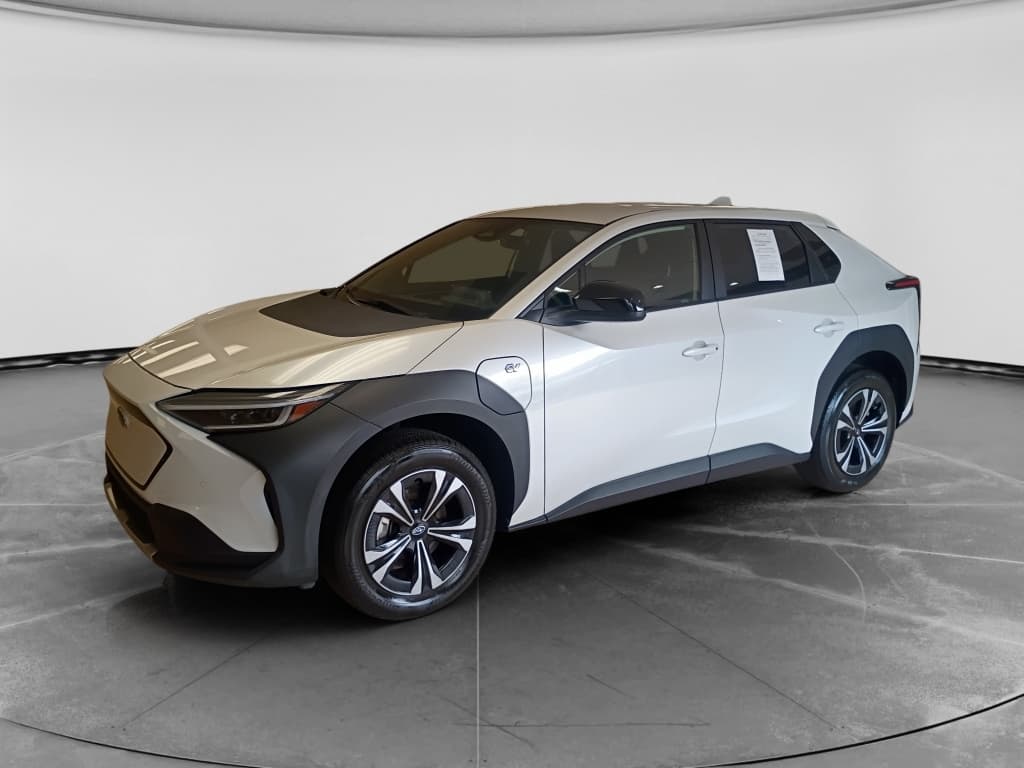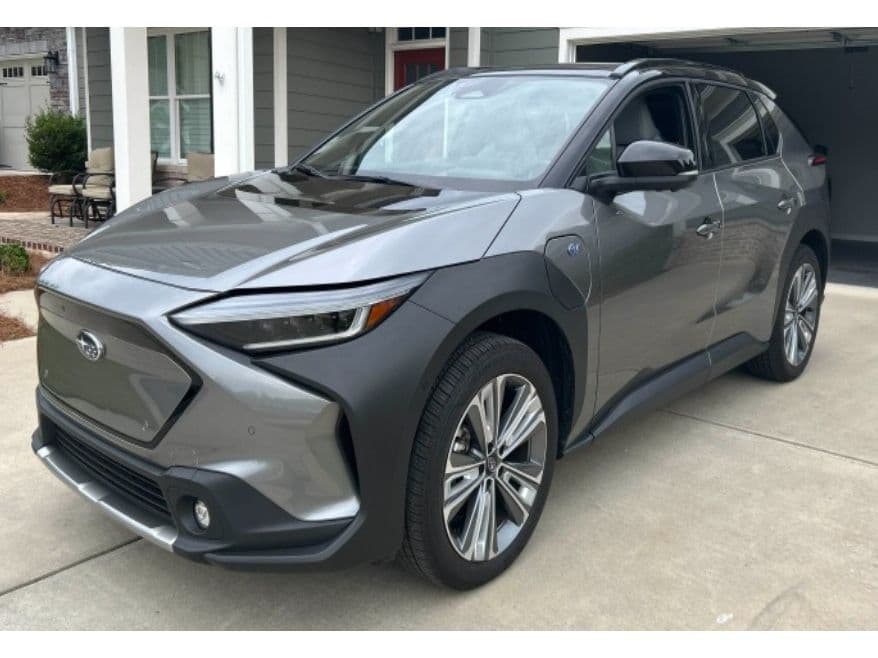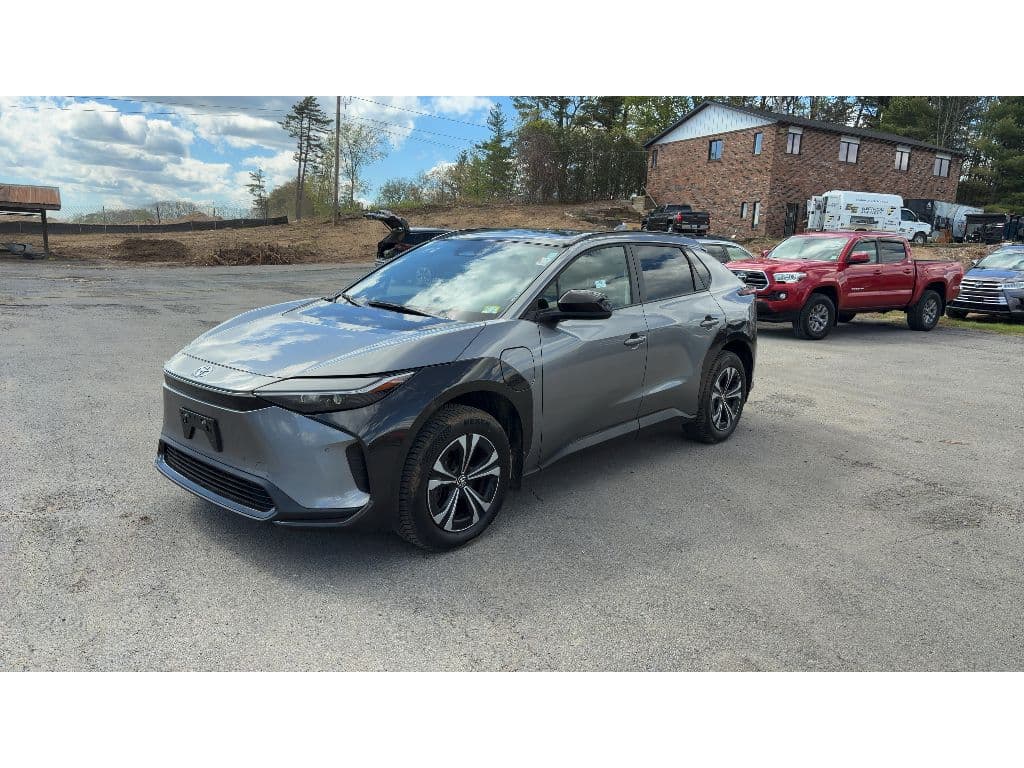
Looking at a used Toyota bZ4X vs Subaru Solterra? You’re not alone. These closely related electric SUVs share the same Toyota–Subaru platform and battery, but they don’t feel identical on the road, and they don’t age identically in the used market either. If you’re shopping second‑hand, small differences in range, charging behavior, all‑wheel drive tuning, and warranty coverage matter more than glossy launch specs.
Same bones, different personalities
Why compare a used Toyota bZ4X vs Subaru Solterra?
On paper a used bZ4X and Solterra look nearly interchangeable: compact electric crossovers, similar dimensions, nearly identical batteries, and overlapping EPA range numbers. But once these EVs hit real roads, and especially once they’ve lived a few years and tens of thousands of miles, differences start to emerge around range in bad weather, charging consistency, and how their AWD systems behave when things get slippery.
As a used buyer, you’re not choosing between press‑fleet cars on a sunny launch route. You’re choosing between specific vehicles with specific histories. That’s why it’s important to look past the marketing and focus on how each model actually performs, what’s changed with software and hardware updates, and how to verify battery health before you buy.
Used‑EV shopping rule
At a glance: used bZ4X vs Solterra
Used Toyota bZ4X vs Subaru Solterra: key differences
Two flavors of the same EV platform, tuned for different priorities
Toyota bZ4X (2023–2025 US models)
- Drivetrain: FWD standard, optional AWD dual‑motor
- EPA range (approx.): up to low‑250s miles FWD; ~220 miles AWD depending on wheels and trim
- DC fast charging: up to 150 kW FWD; AWD models initially slower in real‑world use, especially in cold temps
- Character: More on‑road/efficiency‑oriented, slightly lower ground clearance than Solterra
- Used pricing: Often slightly cheaper than an equivalent‑miles Solterra because of early‑launch baggage and less standard AWD
Subaru Solterra (2023–2025 US models)
- Drivetrain: Dual‑motor AWD standard on all trims
- EPA range (approx.): ~227 miles (Premium), ~222 miles (Limited/Touring)
- DC fast charging: 10–80% in about 35 minutes under ideal conditions on newer builds
- Character: More off‑road‑ready stance, X‑MODE off‑road drive modes, slightly higher ground clearance
- Used pricing: Tends to hold value a bit better thanks to standard AWD and Subaru brand loyalty
Model‑year nuance matters
Range, battery, and real‑world efficiency
Both the early‑run bZ4X and Solterra use a roughly 72–73 kWh gross battery pack, with usable capacity in the mid‑60s kWh. On the EPA label, front‑wheel‑drive bZ4X trims can crest into the mid‑200‑mile range, while AWD bZ4X and all Solterra trims land closer to the low‑220s in real‑world‑achievable range. That’s reasonably competitive for first‑generation EV crossovers, but they’re not range leaders, especially at highway speeds.
Approximate EPA range by configuration (new)
Numbers vary slightly by wheel size and trim; real‑world range can be 10–25% lower in cold weather or at 75 mph+.
| Model | Drivetrain | EPA range (new, approx.) | Realistic highway range target |
|---|---|---|---|
| Toyota bZ4X FWD | Single motor | ~242–252 miles | ~190–210 miles |
| Toyota bZ4X AWD | Dual motor | ~222 miles | ~175–195 miles |
| Subaru Solterra Premium | Dual‑motor AWD | ~227 miles | ~185–200 miles |
| Subaru Solterra Limited/Touring | Dual‑motor AWD | ~222 miles | ~180–195 miles |
When you shop used, assume real‑world range has more to do with temperature, speed, and battery health than the original window sticker.
Cold‑weather caveat
From an efficiency standpoint, front‑wheel‑drive bZ4X trims can be slightly more frugal than the standard‑AWD Solterra, especially around town. But the spread isn’t huge, and once you factor in climate control use, roof racks, and real traffic, both tend to live in the same ballpark: think 2.5–3.0 miles per kWh for mixed driving if the battery is healthy.
What matters most for a used buyer
Charging experience in the real world
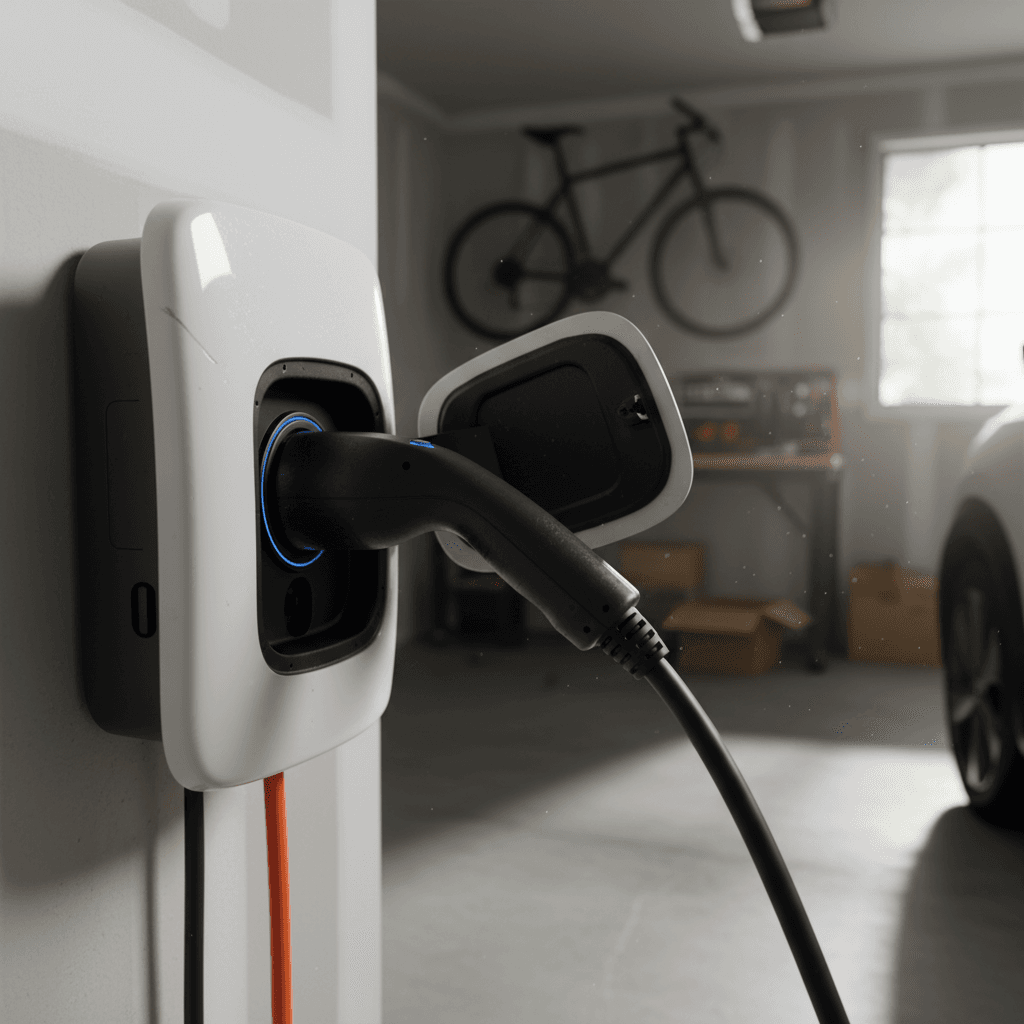
On paper, both the bZ4X and Solterra support DC fast charging from about 10% to 80% in roughly 30–35 minutes under ideal conditions, and Level 2 home charging in about 9–11 hours from low state of charge. In practice, early cars, especially all‑wheel‑drive bZ4X and first‑year Solterra, were conservative about charging speeds, particularly in cold weather or if you tried to fast‑charge multiple times in a day.
Used‑buyer charging expectations
Used bZ4X charging quirks
- FWD cars usually charge closer to the advertised peak; AWD variants had more conservative curves in early software.
- Early owners reported stricter limits on repeated DC fast charges in a single day to protect battery longevity.
- Toyota has rolled out updates and improved thermal management, especially for cold‑weather charging.
Used takeaway: A later‑build bZ4X with documented software updates is meaningfully nicer to road‑trip than an early 2023 car that’s never seen a dealer since delivery.
Used Solterra charging behavior
- 2023 Solterra started off slower on DC, but 2024+ models gained improved battery conditioning and roughly 35‑minute 10–80% times.
- Subaru leans toward conservative charging curves to protect the pack, good for longevity, but not the quickest on a road trip.
- Standard dual‑motor AWD means slightly higher consumption, which you’ll feel between fast‑charge stops.
Used takeaway: When comparing individual used cars, prioritize 2024+ Solterra with proof of software updates and test a fast‑charge session before buying if you can.
Plan around charger access, not brochure promises
AWD, traction, and off‑road manners
This is where these twins diverge in philosophy. Toyota treats AWD as an option for the bZ4X, while Subaru bakes it into the Solterra’s identity. Both use a dual‑motor setup to provide electric all‑wheel drive, but Subaru layers in its own traction logic and off‑road drive modes to align with the brand’s outdoorsy image.
On‑road vs off‑road: how they feel
Same hardware family, different tuning priorities
Toyota bZ4X
- FWD trims prioritize efficiency and lower purchase price.
- AWD versions add traction but still skew toward on‑road stability and comfort.
- Slightly lower ground clearance than Solterra, and less aggressive off‑road drive modes.
- Good choice if your "off‑roading" is mostly unpaved driveways and winter storms.
Subaru Solterra
- Standard dual‑motor AWD with Subaru‑tuned control logic.
- Approx. 8.3 inches of ground clearance and short overhangs for mild trails.
- X‑MODE drive modes and hill‑descent control on all trims.
- Feels more confident on rutted roads, trailheads, and in deep snow, still not a rock crawler, but more capable than the spec sheet suggests.
Snow‑belt shoppers
Interior, comfort, and tech
Step inside and the family resemblance continues: a high‑mounted digital cluster, tablet‑style center screen, and a flat floor in back. But the vibe isn’t identical. Toyota leans a bit more futuristic with the bZ4X’s steering‑wheel and cluster positioning, while Subaru gives the Solterra a more conventional Subaru cabin feel with familiar switchgear and a slightly different dashboard layout.
- Space: Both seat five, with similar rear legroom and a usable cargo area. Neither is as cavernous as a three‑row SUV, but both work well for small families.
- Ride comfort: The bZ4X generally rides a bit softer and quieter, especially on smaller wheels. The Solterra feels slightly more tied‑down, which suits its outdoorsy positioning.
- Infotainment: Expect wireless Apple CarPlay/Android Auto on newer trims, over‑the‑air update capability, and a generally modern UI, but not the cutting‑edge screens you’ll see in newer EVs from Hyundai or GM.
- Driver‑assist tech: Toyota Safety Sense and Subaru EyeSight bring lane‑keeping, adaptive cruise, and other ADAS features. Later model years add more refined traffic‑jam and cross‑traffic assistance.
Sit in both before you decide
Reliability, recalls, and warranty coverage
Both of these EVs debuted with some very public teething issues. The bZ4X in particular suffered an early recall for a wheel‑hub issue that could, in extreme cases, lead to wheels loosening. That recall was addressed with hardware fixes, and by the time you’re shopping used, most affected vehicles should show completed recall work on their history reports.
What to check on a used bZ4X or Solterra
1. Recall completion
Run the VIN through Toyota’s or Subaru’s recall lookup and verify that all campaigns, particularly early wheel‑hub and airbag or seatbelt campaigns, are marked complete.
2. Battery warranty status
Both brands offer long battery warranties, typically 8 years/100,000 miles (or more in some states). Check the in‑service date to see how much coverage is left for the pack and drive unit.
3. Fast‑charging history
Some early cars spent a lot of time ping‑ponging between DC fast chargers. That isn’t necessarily fatal, but combine usage history with a <strong>battery health report</strong> to understand long‑term impacts.
4. Software update history
Ask for dealer service records. Charging‑curve and thermal‑management updates can make a noticeable difference in how these EVs behave day‑to‑day.
5. Physical inspection for corrosion and impacts
Like any unibody crossover, check underbody shields, suspension components, and the charging port area for impact damage or rust, especially in snow‑belt states.
Don’t skip the battery health check
Running costs and resale value as used EVs
Because they launched early in their brands’ EV lineups and lacked federal tax credit eligibility in some configurations, both the bZ4X and Solterra saw steeper initial depreciation than some later‑arriving rivals. That’s bad news for first owners, but a potential opportunity for used buyers who value Toyota and Subaru’s conservative engineering approach.
Cost‑of‑ownership factors to weigh
Not a price guide, market values move quickly, but a framework for thinking about total cost of ownership on these two used EV SUVs.
| Factor | Used Toyota bZ4X | Used Subaru Solterra |
|---|---|---|
| Purchase price (used) | Often slightly lower for similar miles, especially FWD | Typically a bit higher due to standard AWD and Subaru demand |
| Energy costs | Slight edge to FWD trims on efficiency; similar for AWD | Standard AWD means marginally higher kWh per mile |
| Maintenance | Low; brake wear is minimal, and Toyota dealer network is extensive | Low; similar fundamentals, with Subaru’s AWD‑savvy dealer base |
| Resale value | Hit early by recall headlines but stabilizing | Helped by Subaru brand loyalty and standard AWD |
| Insurance | Varies by region and insurer; generally comparable | May skew slightly higher in snow‑belt regions where AWD is coveted |
Remember: your energy and maintenance costs will usually matter more than the last few hundred dollars of purchase price.
Tax credits and incentives on used EVs
Which used EV SUV fits you best?
Choose your path: bZ4X vs Solterra by use case
Daily commuter with good road conditions
You drive mainly paved roads and highways, with occasional bad‑weather days.
A front‑wheel‑drive bZ4X can stretch your kWh further and may be cheaper to buy used.
Focus on later‑build cars with updated charging software and a strong battery health report.
Snow‑belt or mountain‑town driver
You routinely face snow, ice, gravel, or steep unpaved roads.
A Subaru Solterra’s standard AWD, X‑MODE, and extra ground clearance tilt the scales in its favor.
An AWD bZ4X is still a solid choice if you prefer Toyota’s dealer footprint, just budget a bit more energy use.
Road‑trip‑heavy driver
You plan regular long‑distance road trips that lean on public DC fast charging.
Either model can work, but you’ll want the most recent build years you can afford, with documented charging‑system updates.
Test‑charging a candidate vehicle on your local DC fast charger before you buy is ideal.
Value‑focused used buyer
You want a safe, reliable electric SUV at the lowest possible total cost of ownership.
Cast a wide net across both models and prioritize condition, battery health, and remaining warranty over badge.
A well‑priced, well‑documented bZ4X FWD may be the sweet spot if AWD isn’t essential.
Bottom‑line verdict
How Recharged can help with a used bZ4X or Solterra
Because these two EVs share so much hardware but have such different histories in the real world, a generic pre‑purchase inspection isn’t enough. You want someone looking specifically at battery health, charging behavior, and software versioning, not just tires and brakes.
Every EV sold through Recharged includes a Recharged Score Report with verified battery diagnostics, fair‑market pricing analysis, and a plain‑English explanation of how that vehicle has been used. Our EV‑specialist team knows the bZ4X and Solterra platform quirks, from early recalls to charging‑curve updates, and can walk you through trade‑offs between individual cars, not just model names.
- Battery‑health diagnostics that go deeper than the factory dash gauge.
- Transparent pricing that reflects real‑world demand for used bZ4X and Solterra models in your region.
- Financing options tailored to used EVs, plus guidance on any available used‑EV incentives.
- Trade‑in, instant offer, or consignment options if you’re moving from a gas car or another EV.
- Nationwide delivery and, if you’re near Richmond, VA, the ability to see select vehicles in person at the Recharged Experience Center.
FAQ: Used Toyota bZ4X vs Subaru Solterra
Common questions about buying a bZ4X or Solterra used
When you zoom out from the spec sheets, the used Toyota bZ4X vs Subaru Solterra decision is less about which badge is "better" and more about which specific car, with its specific history, fits your life. Both deliver quiet, low‑maintenance electric driving on a proven shared platform; one leans more toward everyday efficiency and Toyota’s dealer footprint, the other toward standard AWD confidence and Subaru’s outdoorsy ethos. If you anchor your search around battery health, charging behavior, and your own driving patterns, and lean on expert tools like the Recharged Score Report, it’s hard to go wrong with either.