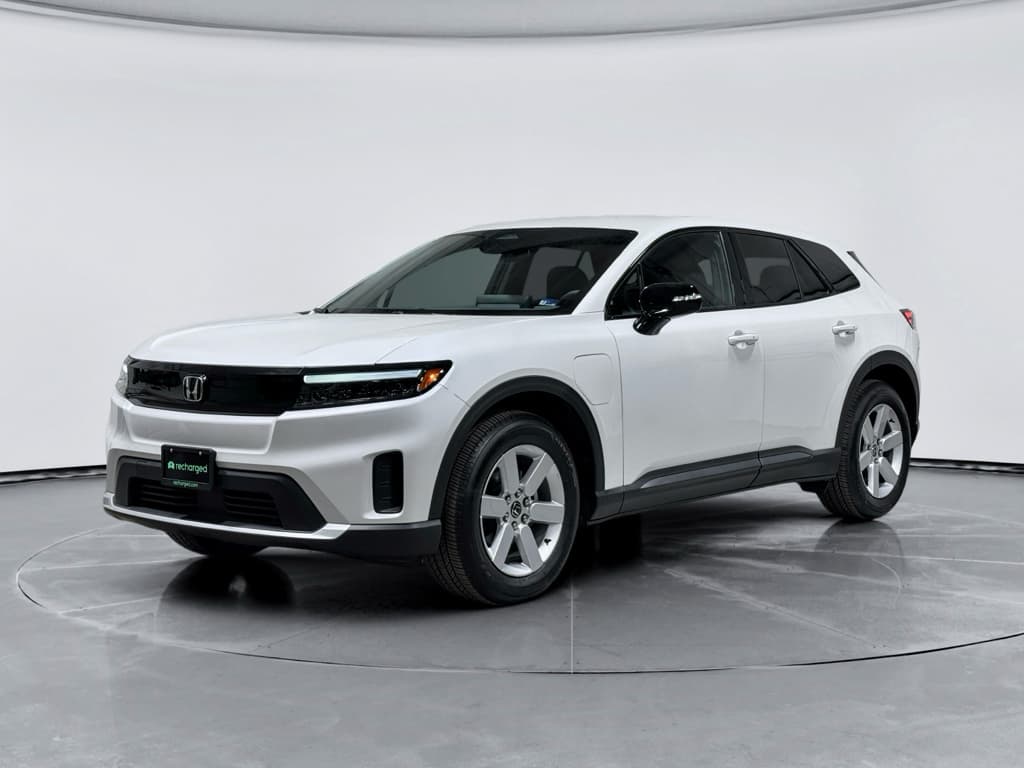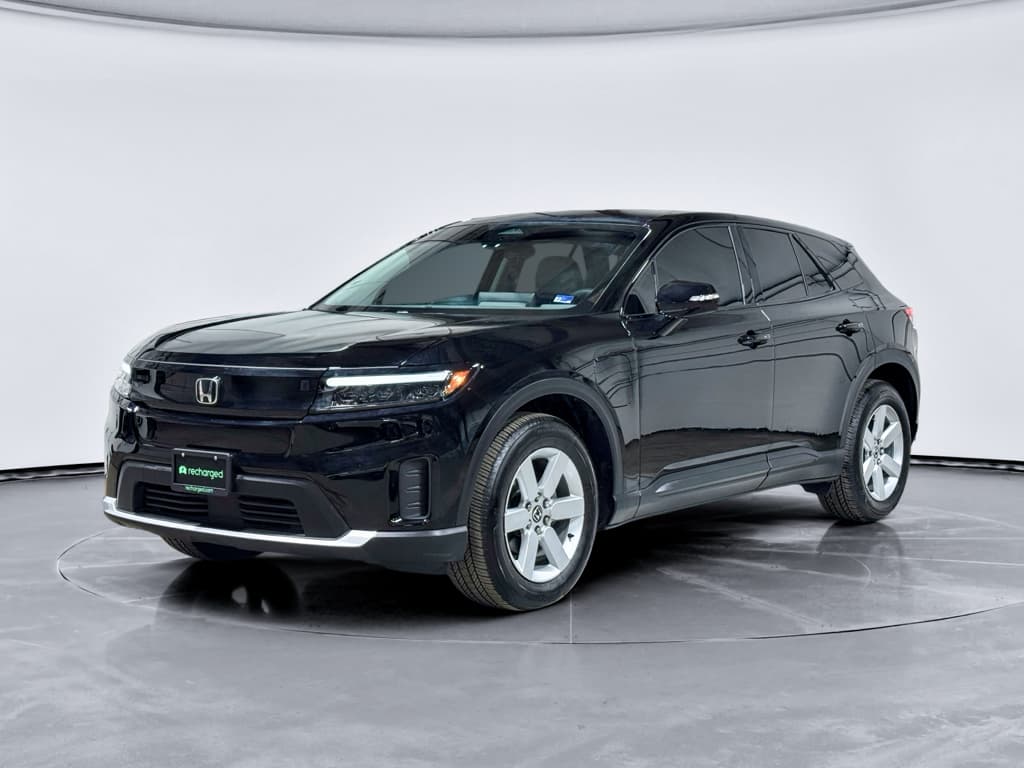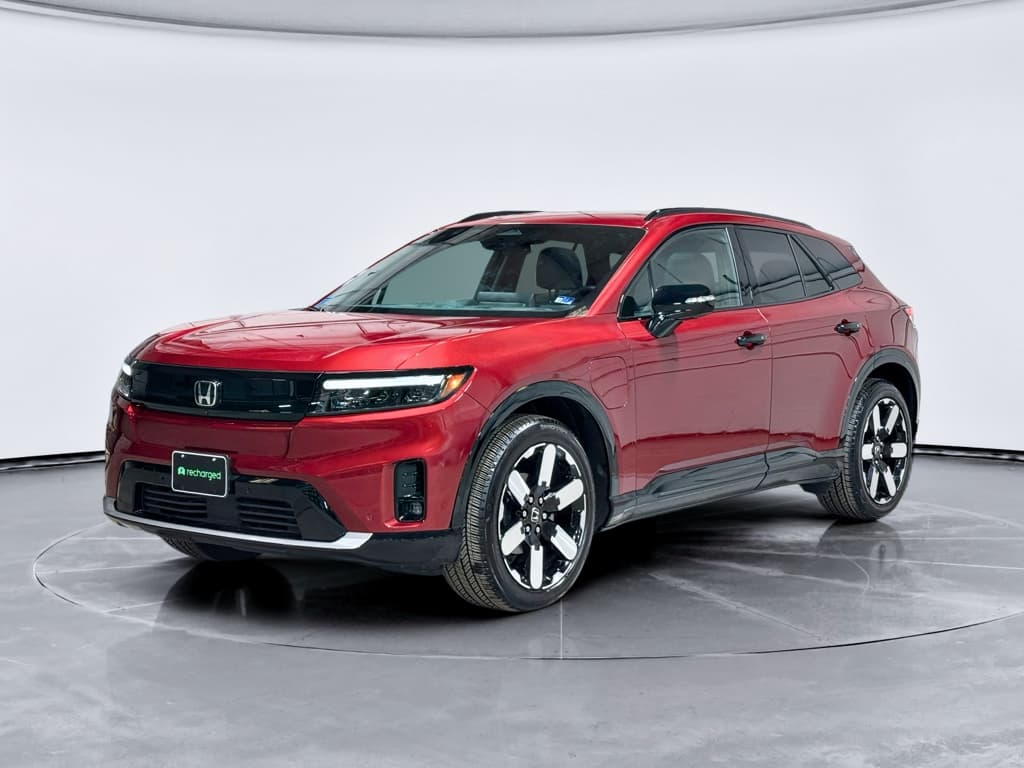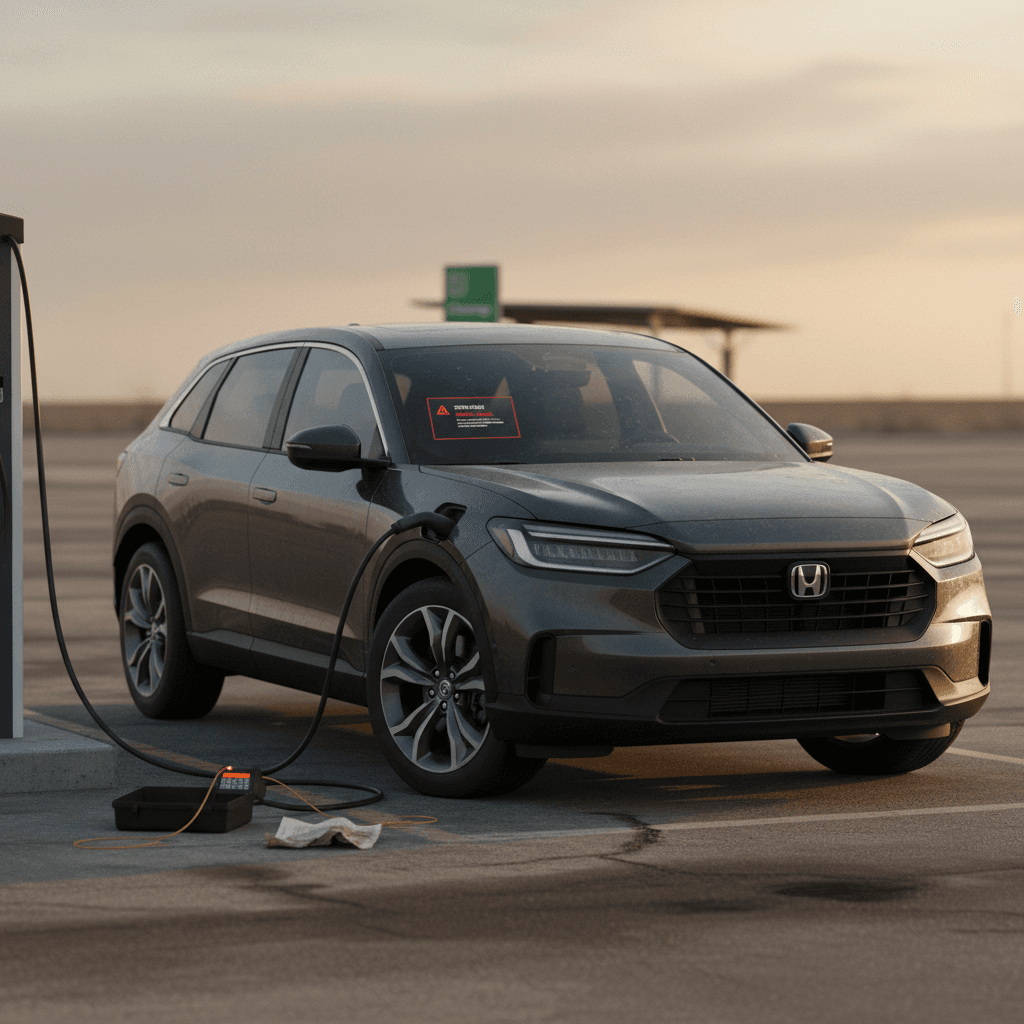
If you own, lease, or are considering a used Honda Prologue, you’re smart to ask about the **Honda Prologue recalls list**. Early-model EVs often see a few safety campaigns as real-world miles pile up, and the Prologue is no exception. This guide walks you through today’s confirmed recalls, emerging problem areas owners are reporting, and how to protect yourself, whether you already drive one or you’re shopping the used market.
Model years covered in this guide
Honda Prologue recalls list: quick overview
Honda Prologue safety snapshot (as of early 2026)
The good news is that, so far, the Prologue hasn’t been hit with a long list of major safety recalls. The **one confirmed U.S. NHTSA recall** targets a specific batch of 2024 models for a potentially defective front suspension part. Beyond that, you’re mostly looking at software behavior and component issues being handled through warranty repairs and service bulletins rather than formal recalls.
Start with your own VIN
Current confirmed Honda Prologue recall campaigns
Here’s the **up‑to‑date Honda Prologue recalls list** for the U.S. as of February 26, 2026. This section focuses on recalls that have reached the National Highway Traffic Safety Administration (NHTSA) and are active safety campaigns, not just isolated service actions.
Honda Prologue recalls list (U.S., through February 2026)
Known federal safety recall campaigns for the 2024–2025 Honda Prologue. Always verify against your VIN, as the affected population is usually smaller than the total number of vehicles built.
| Recall ID (Honda / NHTSA) | Model year(s) | Build dates (approx.) | Component / system | Issue summary | Remedy |
|---|---|---|---|---|---|
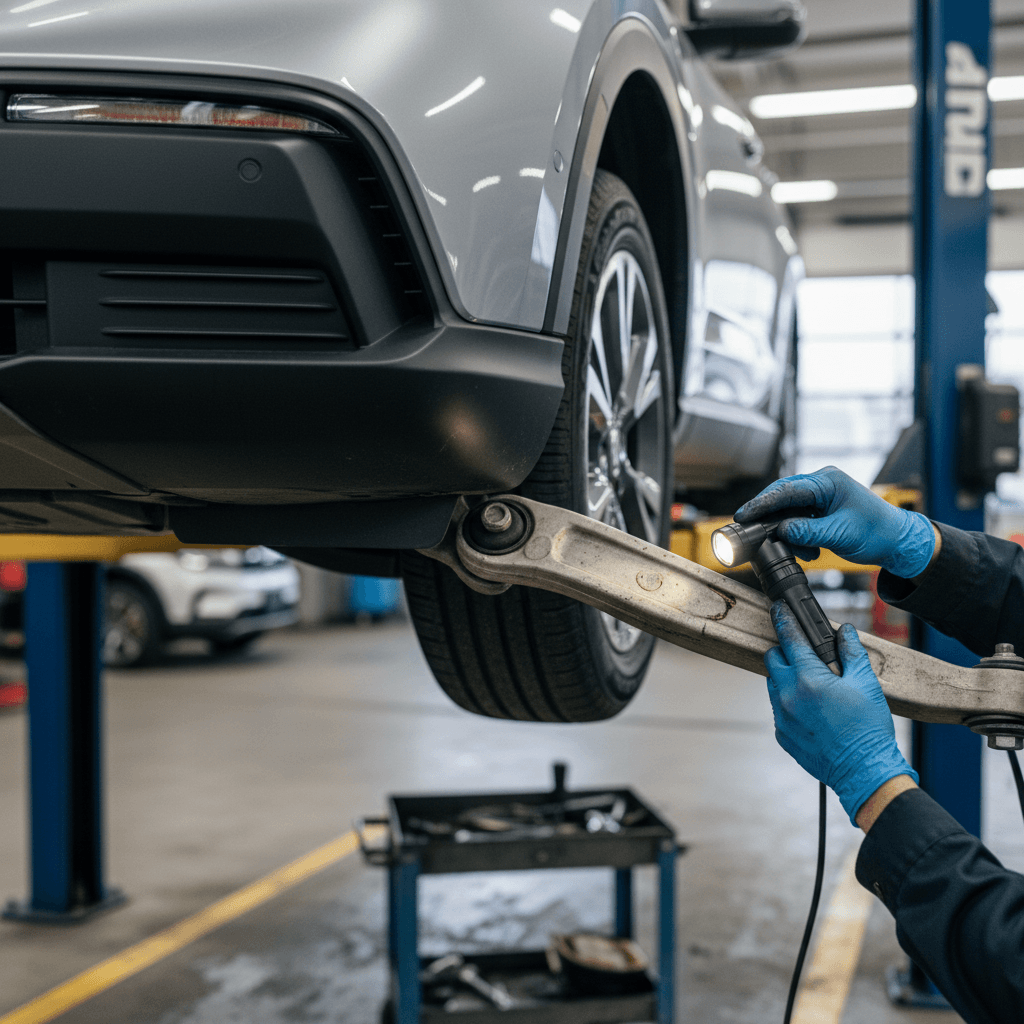
| PIY / 24V-XXX* | 2024 | April 10–14, 2024 | Front suspension: right lower control arm | Certain right front lower control arms may have been manufactured with weakened aluminum, increasing the risk of **fracture**. A fracture can affect steering control and increase crash risk. | Dealers inspect the right lower control arm and replace it if it’s from the suspect batch. Inspection and replacement are free. |
| , | 2025 | , | No additional safety recalls on record yet | As of February 26, 2026, no separate NHTSA recall campaigns have been published specifically for the 2025 Prologue. | Continue to monitor NHTSA.gov and Honda’s recall site for updates; campaigns can be added later. |
This table covers confirmed NHTSA safety recalls. Additional campaigns may be added over time, so recheck periodically.
About recall IDs in this article
The **front lower control arm recall** is narrowly targeted, roughly a few dozen 2024 Prologues built in mid‑April 2024. That’s why some owners and even dealers haven’t seen it in their systems; it simply doesn’t apply to most Prologues on the road. But if your SUV was built during that window, you want that inspection done as soon as possible.
How to check if your Honda Prologue has an open recall
Because the current **Honda Prologue recalls list** is short and highly VIN-specific, the only way to know if your SUV is affected is to run a quick recall check. It takes less than a minute and can be done from your phone.
Step‑by‑step: check your Honda Prologue for open recalls
1. Locate your 17‑digit VIN
You’ll find the VIN on the driver’s side dashboard (visible through the windshield), on the driver’s door jamb label, on your registration, or on your insurance card.
2. Check the NHTSA recall database
Go to the federal recall lookup at NHTSA.gov and enter your VIN. This shows all open **federal safety recalls** that still need to be performed on your specific vehicle.
3. Cross‑check Honda’s own recall site
Honda also offers a brand‑specific recall lookup on its owner website. It sometimes lists campaigns or service actions that haven’t yet hit third‑party databases.
4. Call a Honda dealer’s service department
If you’re unsure what a result means, or you see a campaign code but no description, call your local Honda dealer’s service desk. They can decode internal campaign numbers and tell you what needs to be done.
5. Keep screenshots or printouts
If you’re shopping a **used Honda Prologue**, grab screenshots of the VIN recall results and keep them with your purchase documentation. It’s helpful proof that the vehicle was clear, or that a known recall had been addressed.
All recall repairs are free
Common Honda Prologue issues that aren’t (yet) recalls
Formal recalls are only one part of the safety story. Early in any model’s life, especially an all‑new EV like the Prologue, you’ll also see patterns emerge in owner complaints, online forums, and service records. These may or may not ever rise to the level of a recall, but they’re important to understand if you own or are considering a Prologue.
Owner‑reported Honda Prologue trouble spots to watch
Not official recalls as of early 2026, but worth asking about on any test drive or pre‑purchase inspection.
High‑voltage system warnings
Some owners report “Service High Voltage System” messages or drivability issues linked to A/C or coolant valves. In many cases, dealers have replaced A/C check valves or related components under warranty.
Not yet a recall, but mention any warning lights to the service advisor and have the repair history documented.
A/C and HVAC performance
There are cases where the Prologue’s A/C system fails to blow cold air, or requires repeated repair attempts (valves, actuators, or even evaporator and blower housing replacements).
On a test drive, run the climate control on max cold and max hot in multiple drive modes to confirm consistent operation.
Driver-assistance & phantom braking
Owners have described unexpected braking or abrupt ACC behavior, sudden slowdowns without obstacles, or the system struggling to maintain consistent distance.
These issues typically lead to software updates or sensor checks, but haven’t yet triggered a Prologue‑specific recall.
Infotainment & screen glitches
A smaller group of owners report both the main infotainment and driver display screens going blank or rebooting unexpectedly.
This is more nuisance than safety in most cases, but still something to test thoroughly before buying.
Noise from front suspension/axles
Separate from the formal control‑arm recall, some drivers report popping or clunking noises during tight turns or over bumps.
Noises can stem from several causes, ask a technician to investigate, especially if you’re hearing consistent, repeatable sounds.
Software maturity & updates
The Prologue rides on GM’s Ultium platform with Honda‑tuned software. As with many new EVs, early owners are effectively beta‑testing some features.
Before buying a used Prologue, ask the dealer to apply all available software updates and confirm they’re current.
Complaints don’t equal recalls
Recalls vs. service bulletins vs. warranty repairs
When you talk to a Honda dealer about your Prologue, you’ll hear a mix of terms, **recall**, **service bulletin**, sometimes called a TSB, and **warranty repair**. Knowing the difference will help you understand what’s serious, what’s optional, and who pays.
1. Safety recalls
- Issued when there’s a confirmed safety defect or regulatory non‑compliance.
- Registered with NHTSA, searchable by VIN.
- Repairs are free for all owners, regardless of age or mileage.
- Usually come with mailed notices and specific remedies.
2. Service bulletins (TSBs)
- Technical instructions to dealers about known issues or improved procedures.
- May cover things like software updates, revised parts, or diagnostic tips.
- Not always visible in public databases.
- Often covered under warranty if the vehicle is within its coverage period.
3. Ordinary warranty repairs
- Individual repairs for problems that aren’t part of a widespread campaign.
- Coverage depends on time and mileage, and on the specific component.
- For a used Prologue, ask the selling dealer to share the warranty history printout.
- Patterns here can hint at emerging issues even before a TSB or recall appears.
Why this matters for a used Prologue
Safety steps if you already own a Honda Prologue
If you’re currently driving a Prologue, you don’t need to panic. But you should treat safety‑related warnings and unusual behavior seriously, log everything, and give Honda and your dealer a chance to fix issues quickly and completely.
Practical safety checklist for current Prologue owners
Document any warning lights or odd behavior
Snap photos or short videos of dashboard messages (like “Service High Voltage System”) and note date, mileage, and conditions. This record is invaluable if problems become recurring.
Schedule inspections for noises or handling changes
If you hear pops, clunks, or feel vague steering, book a visit. With the known suspension recall on early 2024 models, any front‑end noise is worth a professional look.
Keep ADAS settings conservative
Until Honda fully dials in driver‑assist tuning, consider using longer following distances in adaptive cruise and keeping hands firmly on the wheel even when lane‑keeping is active.
Ask about software updates at every service
Make it a habit: each time you’re at the dealer, ask them to check for <strong>software updates</strong> to drive units, driver‑assist systems, and infotainment.
Report serious incidents to NHTSA
If you experience unexpected hard braking, loss of drive power, or anything that feels unsafe, file a complaint with NHTSA and notify Honda corporate. Regulators rely on owner reports to spot trends.
When to stop driving and tow it
Buying a used Honda Prologue? Safety & recall checklist
The Prologue’s combination of Honda branding and GM Ultium hardware makes it an interesting used‑EV play: plenty of range and modern tech, but also the growing pains of a first‑generation model. If you’re looking at a used one, whether from a private seller, a Honda store, or an independent lot, build **recalls and safety history** into your decision, not just price and color.
Pre‑purchase safety checklist for a used Honda Prologue
1. Run a full VIN recall check
Before you even go see the SUV, run the VIN through NHTSA and Honda’s recall lookup. Confirm whether the suspension recall (or any future campaigns) have been completed.
2. Ask for a dealer service history printout
A franchised Honda dealer can usually pull a history of recall, TSB, and warranty work done at authorized shops. Look for repeated visits for the same concern, especially high‑voltage, A/C, or driver‑assist complaints.
3. Do a long, varied test drive
Test the Prologue on surface streets and highway. Use adaptive cruise, lane‑keeping, and collision mitigation. Try tight turns in a parking lot. Listen for pops or clunks up front and feel for any odd braking or acceleration behavior.
4. Check the HVAC and charging thoroughly
Run the climate control in all modes and plug into at least one Level 2 charger. Confirm that A/C blows cold, heat works as expected, and the vehicle charges without errors or disconnects.
5. Get an independent EV‑savvy inspection
If you’re not buying from an EV specialist, consider an independent inspection. At Recharged, every vehicle gets a <strong>Recharged Score</strong> battery health report and safety review so you can see how its pack and key systems are holding up.
6. Compare price to risk
If the Prologue you’re considering has a heavier‑than‑average repair history or unresolved concerns, make sure the price reflects that. A rock‑bottom deal might be reasonable, but only if you’re prepared for extra service visits.
How Recharged approaches used Prologues
What Honda Prologue recall repairs cost (and how long they take)
From a consumer standpoint, the best thing about safety recalls is that **they don’t come out of your pocket**. But there is still a time cost and some logistics to think through, especially if you rely on your Prologue for daily commuting.
Typical Honda Prologue recall experience
What you can generally expect when having recall work completed on your Prologue at a Honda dealer.
| Aspect | What to expect | Tips |
|---|---|---|
| Out-of-pocket cost | $0 for recall parts and labor. Safety recalls are fully covered by Honda. | If anyone tries to charge you for recall work, escalate to Honda customer service immediately. |
| Time in the shop | Simple inspections can be under an hour; parts replacements may require leaving the car for a day. | Ask when you schedule whether parts are in stock so you can avoid a wasted trip. |
| Loaner or rental | Policies vary by dealer and state. Some provide loaners for safety‑critical work; others don’t. | Ask up front about loaners or shuttle service. If the vehicle must stay for days, request assistance. |
| Paperwork | You’ll sign a repair order and receive a finalized invoice showing recall codes and completed work. | Keep copies with your records; they help when selling or trading the vehicle later. |
| Impact on resale value | An open safety recall can make a used Prologue harder to sell or finance; a completed recall usually has no negative effect. | When you’re selling or trading, highlight that all recalls are complete and provide documentation. |
Actual times vary by dealer workload and parts availability, but this gives you a realistic starting point.
Honda Prologue recalls FAQ
Frequently asked questions about Honda Prologue recalls
The Honda Prologue doesn’t yet have a long rap sheet of recalls, but its early years on the road have revealed a mix of **targeted safety campaigns, software growing pains, and real‑world owner complaints**. If you already own one, stay on top of recall checks, document anything unusual, and insist on clear answers from your dealer. If you’re considering a used Prologue, make recall history, repair records, and an independent EV‑savvy inspection part of your buying process, not an afterthought. With the right homework and the right partner, you can enjoy the Prologue’s strengths while minimizing surprises along the way.