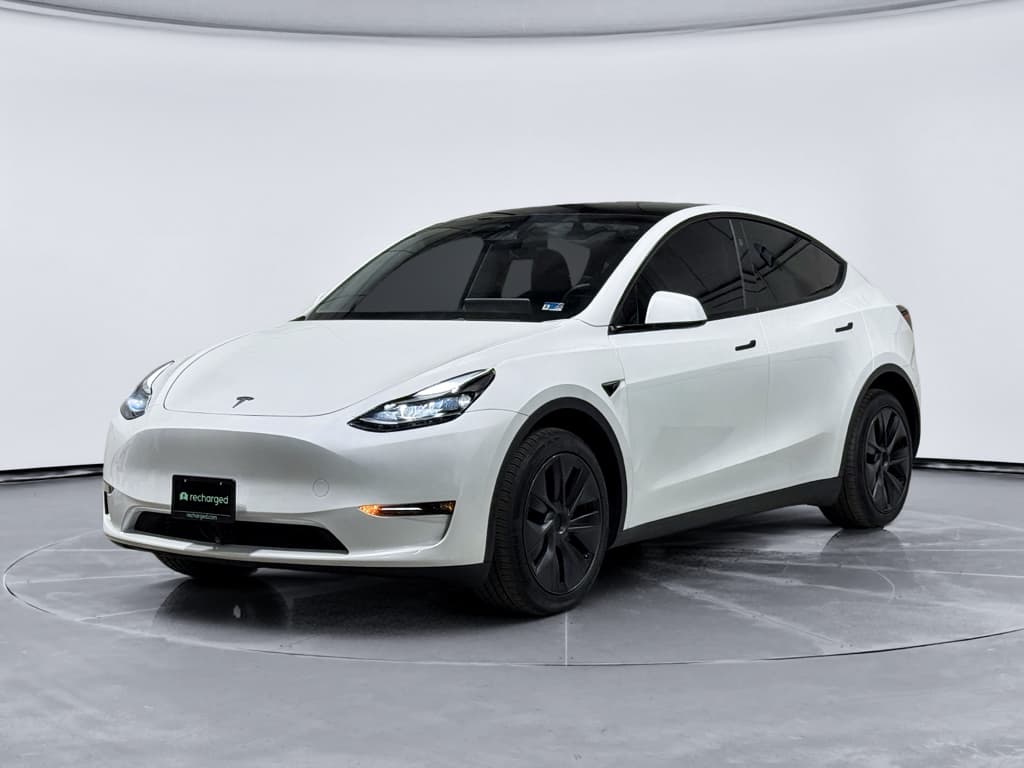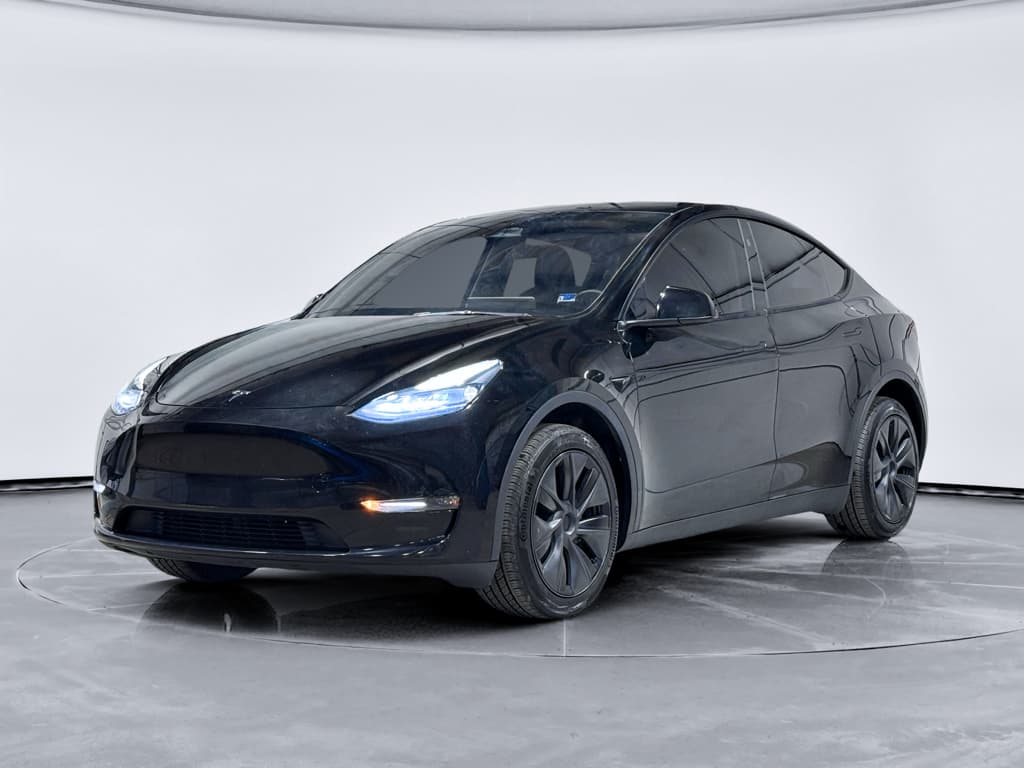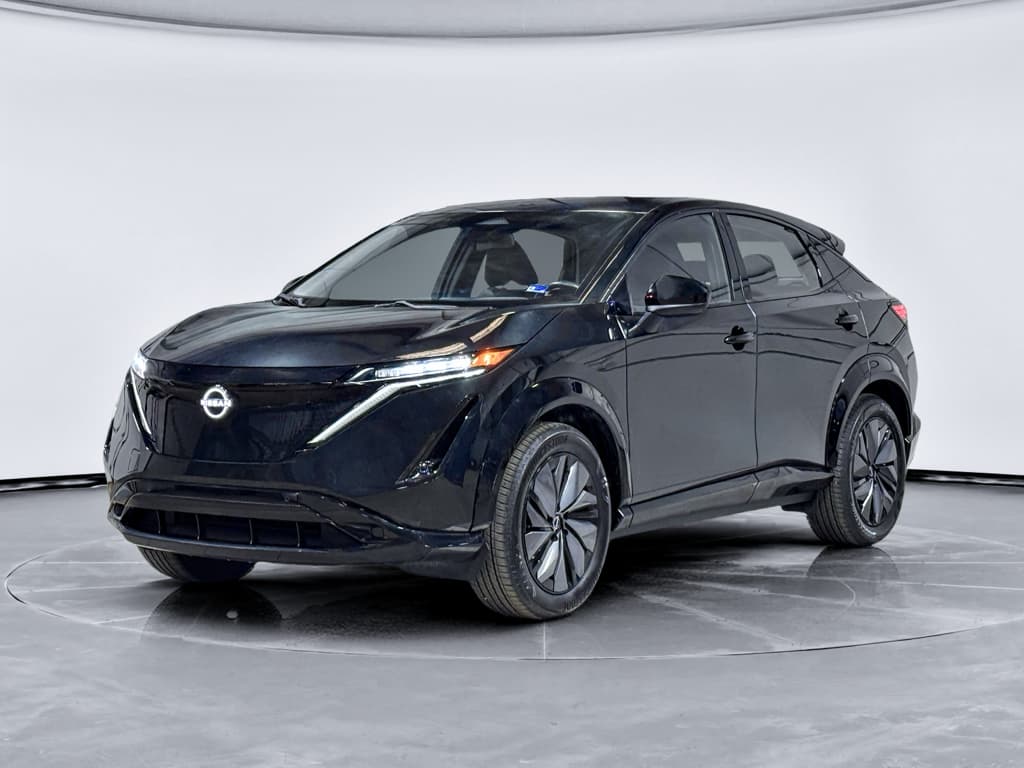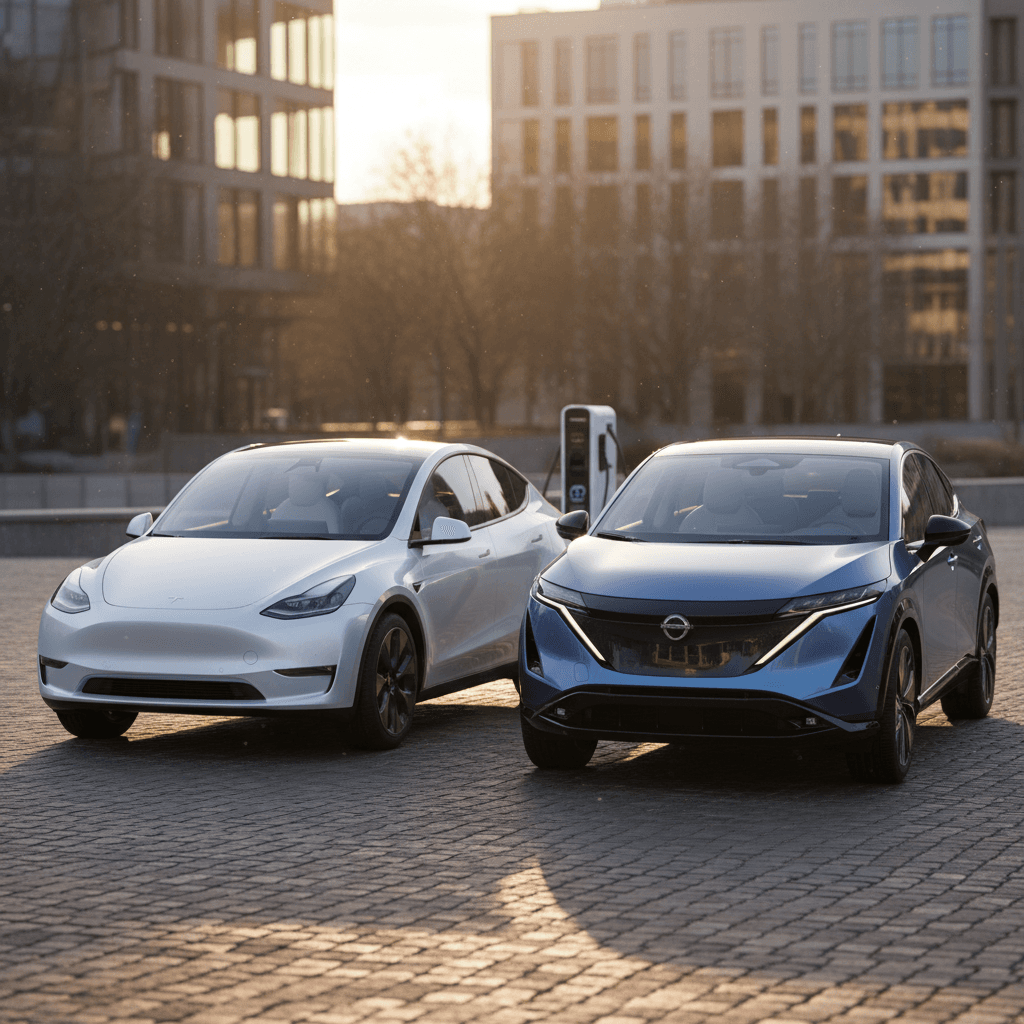
If you’re shopping for a used electric SUV, you’ll probably end up cross‑shopping a used Tesla Model Y vs Nissan Ariya. They’re similar in size, both promise practical range, and both feel more stylish than a traditional family hauler. But they deliver very different ownership experiences once you look past the spec sheets.
Two strong choices, different personalities
Who should compare a used Tesla Model Y vs Nissan Ariya?
You’re in the right place if you’re looking at a used compact or midsize electric SUV and care about real‑world usability more than badge prestige. The used Tesla Model Y and Nissan Ariya both offer 200+ miles of range, seating for five, and hatchback practicality. Where they diverge is in charging access, cabin feel, and long‑term ownership costs.
- You want an electric SUV with enough range for weekend trips without constant charging stops.
- You’re weighing Tesla’s Supercharger network against the Ariya’s more traditional, comfy interior.
- You’re hunting for value in the used market and wondering where depreciation has been kinder.
- You’re nervous about EV battery health and want to know which is safer to buy used.
Used Tesla Model Y vs Nissan Ariya: the quick take
Model Y vs Ariya: high‑level verdict
Both are good, but they suit different owners
Why choose a used Tesla Model Y
- Best for road‑trippers and heavy drivers who rely on fast, convenient charging.
- Generally longer EPA ranges and better efficiency than Ariya trims.
- Access to the Supercharger network, plus over‑the‑air software updates.
- Stronger brand recognition and usually better resale value.
Why choose a used Nissan Ariya
- Best for comfort‑first commuters who mostly charge at home.
- Quieter cabin, softer ride, and a more conventional, upscale interior.
- Competitive range on 91‑kWh versions and good cold‑weather manners.
- Heavier depreciation, which can mean excellent used‑car deals.
Important 2026 context for Ariya shoppers
Key specs at a glance
Exact specs vary by trim and year, but this comparison table gives you a realistic snapshot of the versions you’re most likely to see in the used market in the U.S.
Used Tesla Model Y vs Nissan Ariya: core specs
Typical U.S. trims you’ll commonly see used (2022–2024 model years). Always verify exact specs for the VIN you’re considering.
| Used Tesla Model Y Long Range | Used Tesla Model Y Performance | Used Nissan Ariya 66 kWh (Engage FWD) | Used Nissan Ariya 91 kWh (Venture+/Evolve+) | |
|---|---|---|---|---|
| EPA range (mi) | ~310 mi | ~279–303 mi | ~205–216 mi | up to ~289–304 mi |
| Battery capacity (approx.) | 79–82 kWh | 79–82 kWh | 66 kWh | 91 kWh |
| Drivetrain | AWD | AWD | FWD or AWD | FWD or AWD |
| 0–60 mph (sec) | about 4.8 s | as quick as 3.5 s | around 7.0–7.5 s | around 4.8–5.3 s (e‑4ORCE quicker) |
| Max DC fast‑charge rate | up to 250 kW | up to 250 kW | up to ~130 kW | up to ~130 kW |
| Onboard AC charger | 11.5 kW | 11.5 kW | up to 7.2 kW | up to 7.2 kW |
| Cargo volume (rear seats up) | about 30 cu ft + frunk | about 30 cu ft + frunk | around 23–27 cu ft | around 23–27 cu ft |
| Towing capacity | up to 3,500 lb (when equipped) | up to 3,500 lb (when equipped) | not rated for high towing in U.S., check manual | not rated for high towing in U.S., check manual |
Specs will vary by trim, wheel size, and software updates. Use this as a starting point, not gospel.
How to use these numbers
Range and efficiency: how far will they really go?
On paper, both the Model Y and Ariya can comfortably clear 200 miles of real‑world driving, which is where most shoppers start to relax about range. The difference is how efficiently they use their battery, and how much that range shrinks in cold weather or at highway speeds.
Tesla Model Y (used)
- Most common trims (Long Range and Performance) deliver 260–310 miles of usable real‑world range when new.
- Excellent efficiency thanks to aerodynamics and software; you often see 3.5–4+ miles per kWh in mixed driving when driven reasonably.
- Battery management is very mature, so degradation on well‑cared‑for cars is often modest, many owners still see 90%+ of original range after several years.
- Frequent software updates can tweak efficiency and estimated range, even on older cars.
Nissan Ariya (used)
- The 66‑kWh versions typically land in the 180–210 mile real‑world range band, depending on wheel size and weather.
- The 91‑kWh versions stretch that into the 240–280 mile zone for many drivers, close to a Long Range Model Y.
- Heavier than the Tesla, so efficiency tends to run slightly worse (fewer miles per kWh), especially at highway speeds.
- As a newer model line, there’s less long‑term public data on degradation, but early results are generally reassuring.
Range reality check
Charging and road‑trip ability
This is where the used Tesla Model Y really flexes. Tesla’s Supercharger network is still the gold standard in the U.S. for reliability, density, and ease of use. The Ariya, on the other hand, lives in the more chaotic world of mixed fast‑charging networks.
Daily charging vs long‑distance charging
Think about how many road trips you actually take each year.
Home charging
- Both cars are happiest on a Level 2 home charger.
- Model Y: 11.5 kW onboard charger, so a 240V/48A setup can add roughly 30–40 miles of range per hour.
- Ariya: AC charging usually tops out around 7.2 kW, so a 240V/32A circuit will add roughly 20–30 miles per hour.
Public DC fast charging
- Model Y: Access to Tesla Superchargers with simple plug‑and‑charge experience, plus many third‑party stations using an adapter where needed.
- Ariya: Uses the CCS standard; you’ll rely on Electrify America, EVgo, and others. Great when it works, frustrating when a site is down or throttled.
Road‑trip confidence
- Model Y: Built‑in trip planner automatically routes you through Superchargers and factors in weather, elevation, and your driving.
- Ariya: Navigation can show chargers, but you’ll likely lean on apps like PlugShare and A Better Routeplanner for the same confidence.
Watch the fine print on charging speed
Interior comfort, space, and practicality
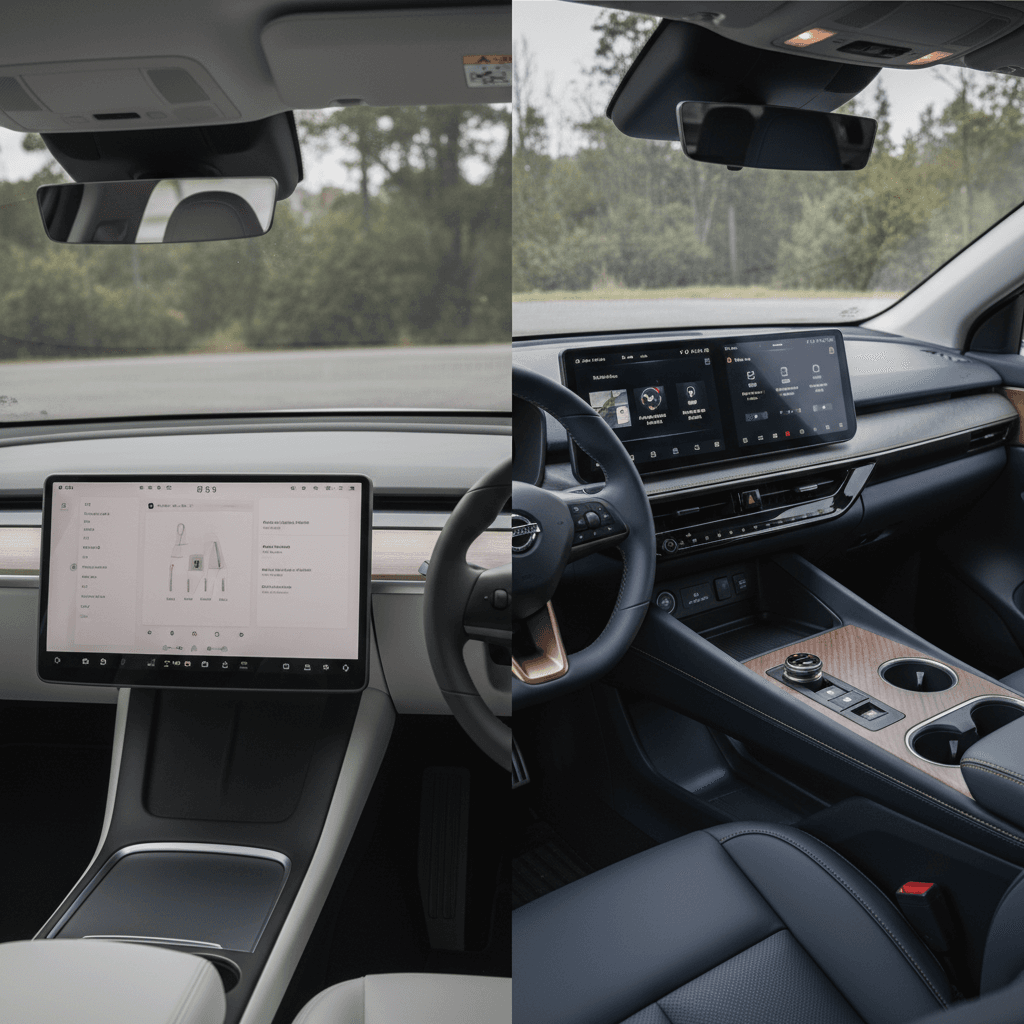
Sit in both back‑to‑back and the difference hits you immediately. The Tesla feels like a minimalist tech product; the Ariya feels like a warm, upscale lounge. Neither approach is wrong, it just depends on what kind of car you want to live with every day.
Tesla Model Y: airy and functional
- Minimalist cabin with a single center touchscreen; almost all controls run through it.
- Huge glass roof and large windows make the cabin feel bright and open.
- Excellent cargo space with a deep rear well and usable frunk; families love how much stuff it swallows.
- Seats are firm and supportive, but some shoppers find them a little flat for long‑distance comfort.
Nissan Ariya: quiet, premium, more traditional
- More conventional layout with separate digital cluster and center screen, plus tactile climate controls on many trims.
- Cabin materials often feel richer than the Tesla’s, especially on higher trims.
- Softer ride tuning and better sound insulation make it a quieter, more relaxed cruiser.
- Rear seat and cargo space are good, though not quite as cavernous as the Model Y.
Kid‑and‑dog duty
Tech, driving feel, and safety
Both of these SUVs feel quick compared with gas crossovers, but the Tesla skews more playful, while the Ariya leans into calm, predictable manners. The same split shows up in their tech: Tesla is software‑first; Nissan is more conventional but less demanding of your attention.
How they feel from behind the wheel
Performance & handling
- Model Y: Even non‑Performance trims feel brisk, and the low center of gravity makes it corner like a tall hatchback.
- Ariya: Quicker than it looks, especially with e‑4ORCE AWD, but tuned more for smoothness than outright fun.
Infotainment & interface
- Model Y: Massive touchscreen, frequent over‑the‑air updates, clean graphics. But nearly everything, from wipers to glovebox, lives in software.
- Ariya: Split screens, more physical controls, and an easier learning curve for drivers coming from gas cars.
Driver assistance & safety
- Both offer adaptive cruise and lane‑keeping systems.
- Model Y: Autopilot and optional enhanced systems are powerful but require you to buy into Tesla’s philosophy.
- Ariya: Nissan’s ProPILOT Assist aims for confidence without drama, especially in stop‑and‑go traffic.
The Model Y is like a smartphone on wheels; the Ariya is more like a really nice living room that happens to be electric.
Reliability, battery health, and remaining warranty
When you’re buying used, the real question isn’t just how the car drove when new, it’s how much of that performance and range it still has left. That comes down to battery health, service support, and warranty coverage.
Typical remaining warranty on 3–5‑year‑old examples
Battery health and degradation
- Tesla has a long track record of robust battery management, and many used Model Y packs show relatively modest degradation when charged sensibly.
- The Ariya is newer, but early owner data suggests competitive battery durability, especially on the larger 91‑kWh pack.
- Extreme fast‑charging habits, repeated 100% charges, and hot climates can accelerate degradation on any EV, used or new.
Why independent battery checks matter
On a used EV, battery health is the new "engine condition." At Recharged, every car gets a Recharged Score Report that includes:
- Verified battery health using specialized diagnostics, not just a dash estimate.
- Real‑world range projections based on pack condition and model history.
- Charging history patterns where available, so you know how the car was used.
That’s the kind of context you simply don’t get from a generic used‑car listing.
Mind the discontinued factor on Ariya
Ownership costs and resale value
Used EVs don’t follow traditional depreciation rules. Incentives, shifting new‑car prices, and changing demand can swing values fast. Broadly, the Tesla Model Y has held its value better than most EVs, while the Ariya has dropped more quickly, creating some very attractive used pricing if you’re willing to be the second owner.
Costs beyond the purchase price
Depreciation & resale
- Model Y: Strong brand pull and Supercharger access support values. You’ll likely pay more up front, but recoup more later.
- Ariya: Steeper early depreciation and the looming discontinuation mean you can often buy more car for the money, but resale is an open question.
Running costs
- Both save you money on fuel and maintenance versus a gas SUV.
- Insurance can be higher than a comparable gas crossover, especially for the Tesla; always get quotes before you buy.
- Tesla’s direct‑to‑consumer parts model can make some repairs pricier and slower; Nissan’s dealer network is more traditional.
Cost questions to answer before you pick a side
Compare real used pricing, not just original MSRPs
A used Ariya that stickered higher when new may now cost less than a comparable Model Y. Look at actual asking prices in your area.
Estimate your annual miles and charging mix
If you mostly charge at home on off‑peak electricity, both will be cheap to run. Lots of fast‑charging and road trips give the Model Y an advantage.
Get insurance quotes for both VINs
Premiums can vary wildly by ZIP code, trim, and safety systems. Don’t assume the cheaper car to buy is cheaper to insure.
Understand remaining incentives and taxes
Some states still offer rebates or reduced registration fees for EVs, and those can tilt the math in favor of one model or the other.
Which one fits your life? Scenario‑based picks
Specs are useful, but most buyers make a decision when they picture the car in their actual life. Here’s how a used Tesla Model Y vs Nissan Ariya shakes out in common real‑world scenarios.
Model Y vs Ariya: best fit by scenario
Daily commuter with occasional trips
Drive under 60 miles most weekdays, mostly highway or suburban traffic.
Have a driveway or garage for Level 2 home charging.
Take a few 200–300 mile trips per year.
<strong>Either car works well.</strong> Choose Model Y if you value tech and charging speed; Ariya if you prefer comfort and a calmer cabin.
Road‑trip family or frequent long‑distance driver
Do multiple 300+ mile trips per year or regular interstate drives.
Care a lot about reliable DC fast charging and short stops.
Pack heavy with kids, pets, or outdoor gear.
<strong>Used Tesla Model Y is the safer bet</strong> thanks to the Supercharger network, strong range, and excellent cargo space.
Value‑hunter upgrading from an aging SUV
Want a nicer, quiet ride without paying new‑EV prices.
Mostly drive locally, with rare long‑distance trips.
Are open to a model that may depreciate faster if the purchase price is right.
A <strong>used Nissan Ariya can be a steal</strong>, especially larger‑battery trims that undercut comparable Model Ys.
Tech enthusiast or early adopter
Love software updates, new features, and app‑first ownership.
Comfortable with a minimalist interior and learning a new interface.
Want strong community support, online how‑tos, and aftermarket options.
The <strong>used Model Y is your playground</strong>. The Ariya is a better fit if you like your technology more subtle.
Test‑drive them differently
How Recharged can simplify your choice
Comparing a used Tesla Model Y vs Nissan Ariya gets much easier when you can see real cars, real battery data, and real pricing side by side. That’s exactly what Recharged is built for.
Why shop your used EV SUV through Recharged
Verified battery health
Expert, EV‑only guidance
Modern, flexible buying experience
Ready to find your next EV?
Browse VehiclesFAQ: Used Tesla Model Y vs Nissan Ariya
Common questions from used EV SUV shoppers
Bottom line: should you buy a used Model Y or Ariya?
If you live for road trips, want the most mature EV ecosystem today, and care about long‑term resale, a used Tesla Model Y is hard to argue against. Its blend of range, efficiency, and Supercharger access still sets the standard in this class. If your life is built around a predictable commute, you charge mostly at home, and you value a calm, premium cabin over cutting‑edge software, a used Nissan Ariya can be a smart, comfort‑first choice, especially at the right price.
The good news is you don’t have to figure this out alone. At Recharged, you can compare used Model Y and Ariya inventory side by side, see verified battery health and fair‑market pricing, and lean on EV‑specialist guidance from your first question to the day the car shows up in your driveway. That’s how used‑EV shopping is supposed to feel: clear, confident, and even a little bit fun.