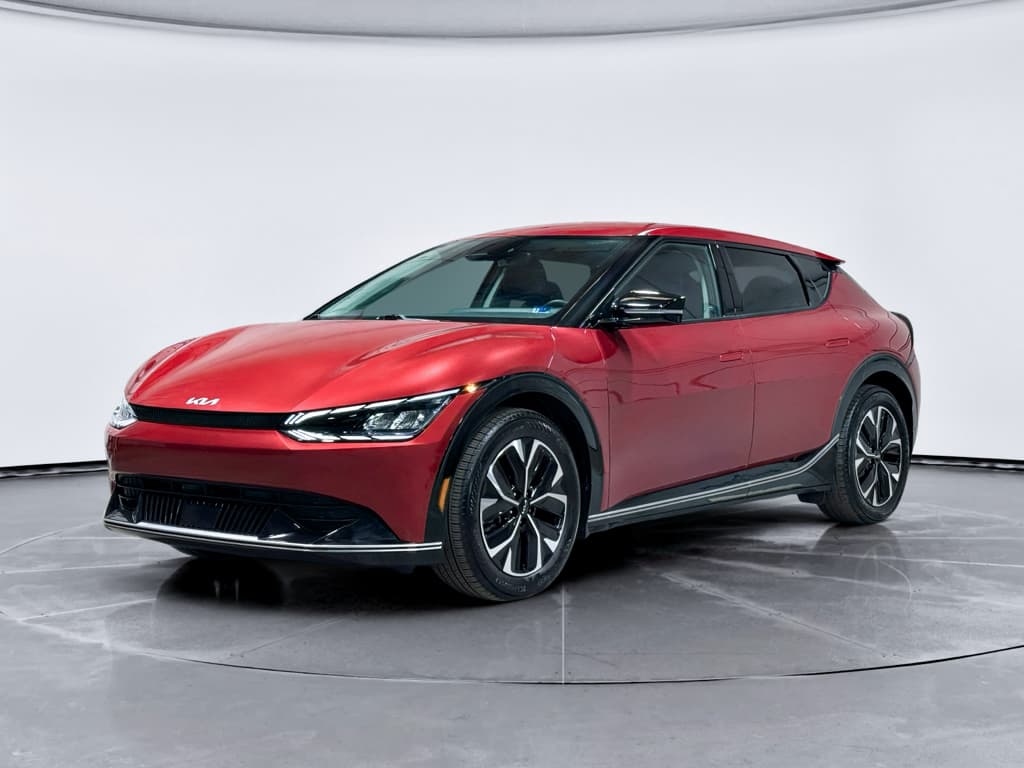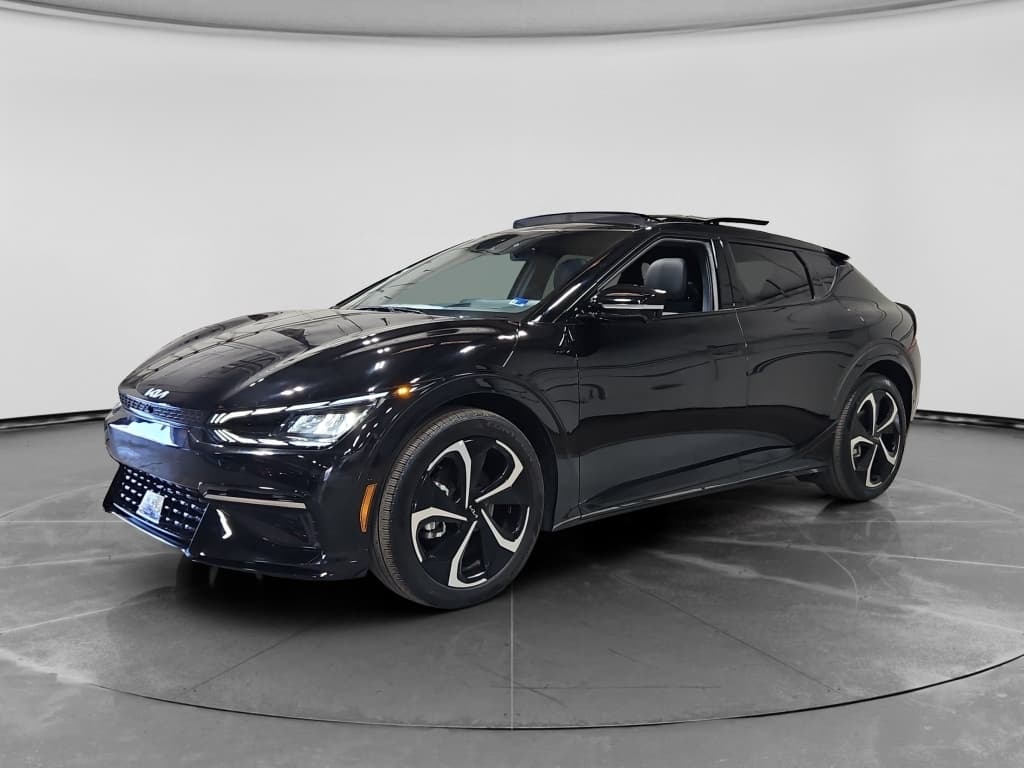
You’re choosing between a used Tesla Model Y and a used Kia EV6, which is a bit like choosing between an iPhone and a very slick Android flagship. Both are excellent compact electric SUVs. They just go about the job differently, and on the used market in 2026, those differences really start to matter.
The short version
Overview: Used Model Y vs. Kia EV6 in 2026
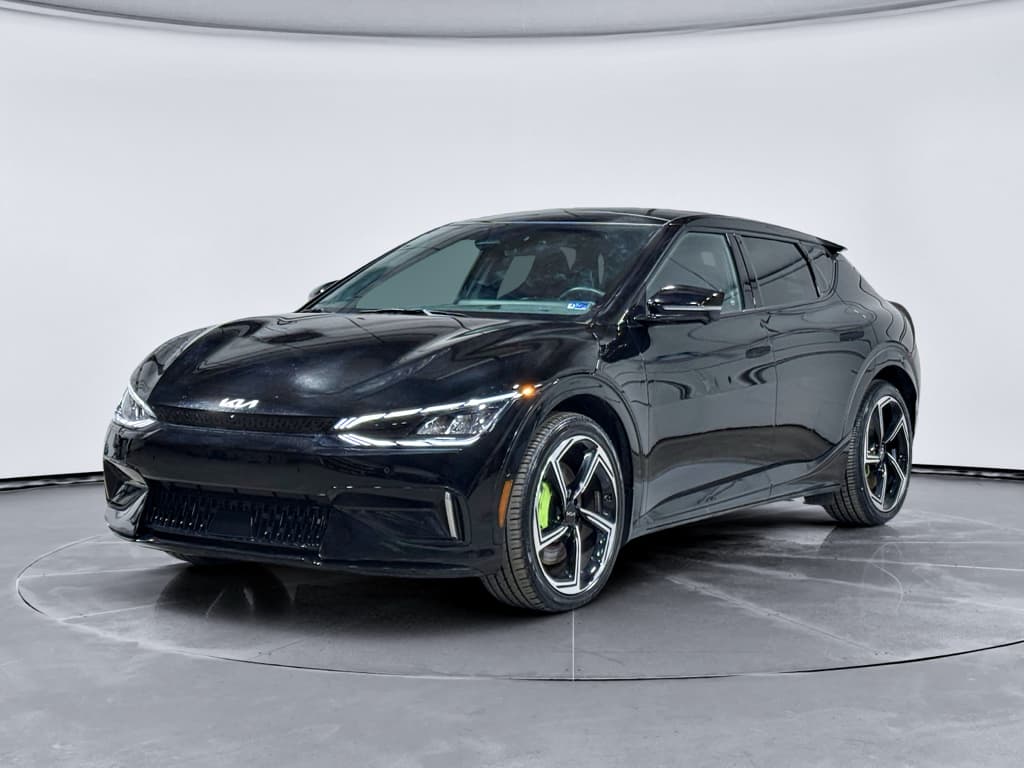
On the U.S. used market right now, you’ll mostly be cross-shopping 2021–2024 Tesla Model Y (Standard Range, Long Range, and Performance) against 2022–2024 Kia EV6 (Light, Wind, GT-Line, and the wild GT). Newer 2025–2026 EV6s are just starting to show up, usually as lightly used lease returns.
How these two EVs are positioned
Same size class, very different personalities
Tesla Model Y (used)
- Role: The default family EV in America.
- Strengths: Range, Supercharger network, software, resale value.
- Weaknesses: Cabin quality, ride comfort, service experience can be hit-or-miss.
Kia EV6 (used)
- Role: Design‑forward, long‑legged GT-ish crossover.
- Strengths: Ultra‑fast DC charging, interior quality, feature content, warranty.
- Weaknesses: Less cargo space, smaller dealer charging ecosystem, steeper early depreciation.
Think used, not brochure
Key Specs & What Matters Most in the Used Market
Used Tesla Model Y vs. Kia EV6: Core Numbers
Typical specs you’ll see on 2022–2024 used examples in the U.S. (exact figures vary by trim and wheel size).
| Spec | Used Tesla Model Y (LR/Perf) | Used Kia EV6 (Wind/GT-Line) | What it means for you |
|---|---|---|---|
| EPA range (mi) | ~303–330 miles | ~252–310 miles | Both can road‑trip; Model Y generally goes a bit farther per charge. |
| Battery size (usable, approx.) | ~75–82 kWh | 77.4 kWh (84 kWh on 2025+) | Very similar energy on board; you’ll feel it more in efficiency and aero than raw kWh. |
| DC fast‑charge peak | ~250 kW | Up to ~240–250 kW on 800V system | Both are quick, but the EV6 holds high power longer on modern 800V hardware. |
| 0–60 mph (popular trims) | ~4.8s (Long Range), ~3.5s (Performance) | ~6.9s (RWD), ~5.1s (AWD), ~3.5s (GT) | All are quick. Only the GT and Performance feel genuinely outrageous. |
| Drivetrain options | RWD or dual‑motor AWD | RWD or dual‑motor AWD | Snow‑belt buyers usually want AWD; RWD trims save money and add range. |
| Cargo volume (rear seats up) | ~30 ft³ (68 ft³ max) | ~24 ft³ (50 ft³ max) | Model Y is the pack mule; EV6 is more coupe‑like and stylish. |
| Home charging | NACS (Tesla plug) | CCS (some newer EV6 getting NACS) | Home Level 2 works great for both; connector mostly matters for public DC charging. |
| Warranty (original) | 4yr/50k basic, 8yr/120k battery | 5yr/60k basic, 10yr/100k battery | On a 2–3‑year‑old used car, Kia’s basic warranty often still has more runway. |
Don’t get lost in the weeds: range, charging, space, and warranty are what matter most for daily life.
Spec sheet trap
Range & Charging: Tesla Network vs. Kia Speed
Range anxiety is the original EV neurosis, and the used Model Y and EV6 both exist to cure it. In most trims, they’re 250–330‑mile SUVs. The real split is in charging experience: Tesla’s network versus Kia’s blisteringly fast 800‑volt hardware.
Real‑world range on a used Model Y
- Long Range AWD: Common used choice, originally EPA‑rated around 318–330 miles. Expect a healthy used pack to deliver something in the high‑200s in mixed driving.
- Performance: Same battery, stickier tires and more power. Figure on 10–15% less real‑world range than the Long Range.
- Standard Range / RWD: Less common and lower range, but still fine for urban commuters and short‑hop families.
Owners who charge mostly at home and keep highway speeds reasonable routinely see 250+ miles between charges, even on older cars with some degradation.
Real‑world range on a used Kia EV6
- Wind / GT‑Line RWD: Originally rated up to about 310 miles; in practice, 250–270 miles is very achievable if you’re not driving like you stole it.
- AWD trims: More traction, lower range, roughly in Model Y Long Range territory in mixed driving.
- EV6 GT: The hooligan special: huge power, notably lower range if you actually use that power.
The EV6 tends to be a bit more efficient at highway speeds than its stance would suggest, thanks to good aero, but wheel choice and tires matter a lot.
Charging and road‑trip reality check
Superchargers and non‑Tesla EVs
If you road‑trip in the American interior, Wyoming, the Dakotas, long stretches of I‑10, the used Model Y’s Supercharger access is still the trump card. In dense coastal corridors with plenty of high‑power CCS stations, the EV6’s faster DC curve can make it the better long‑distance companion, especially if you’re okay using multiple charging apps.
Space, Comfort & Practicality for Real Life
The Tesla Model Y is a tall glass box on wheels; the Kia EV6 is the coupe‑roofed sneaker. You feel that immediately in the back seat and the trunk.
Practicality: where the space actually is
Same footprint, different priorities
Cargo & family duty
- Model Y: Big hatch, deep under‑floor storage, useful frunk. You can genuinely do Costco + strollers + a dog.
- EV6: Adequate but smaller cargo hold with a higher floor. Fine for a small family; tight for serial over‑packers.
Seating & comfort
- Model Y: High, upright seating, huge glass roof, but firmer seats and a sometimes choppy ride, especially on bigger wheels.
- EV6: More traditional crossover seating, slightly lower roofline, cushier seats, and generally better ride compliance.
NVH & long‑haul comfort
- Model Y: Wind and tire noise can be noticeable at highway speeds on some years and wheel combos.
- EV6: Feels more insulated and “grown‑up” inside, closer to a quiet German wagon than a tech demo.
Family hauler pick
Driving Experience: Minimalist Rocket vs. Grand Touring EV
Both of these SUVs are quicker than most of the performance cars I grew up idolizing. But they deliver that speed with different philosophies: the Model Y is clinical and brutally effective; the EV6 is more about feel and flow.
Behind the wheel of a used Model Y
- Steering & handling: Quick steering, lots of instant torque, and a chassis tuned on the firm side. Great turn‑in, not much road feel.
- Ride quality: Earlier years especially can feel busy over broken pavement. Bigger wheels worsen this; a test drive on your worst local roads is mandatory.
- Character: Very fast and very efficient, but a bit clinical. It’s the smartphone of cars: brilliant, but not exactly soulful.
Behind the wheel of a used Kia EV6
- Steering & handling: Heavier steering and a more relaxed, GT‑like balance. Still quick on its feet, especially in AWD trims.
- Ride quality: Better body control over rough surfaces, less head toss. It feels developed on real roads, not just test tracks.
- Character: More personality. The GT‑Line and GT especially have a playful streak; they invite you to drive for the pleasure of it, not just to arrive.
Performance outliers
Tech, Software & Safety Features
Tesla still leads the industry on over‑the‑air software and seamless in‑car tech. Kia has closed the gap with the EV6, but this is one of the clearest philosophical splits between these two used EVs.
Tech and driver‑assist: different approaches
Both are advanced; one is more polished
Infotainment & UX
- Model Y: One big central touchscreen, minimalist interior, nearly all controls buried in software. It’s elegant until you want to adjust something by feel.
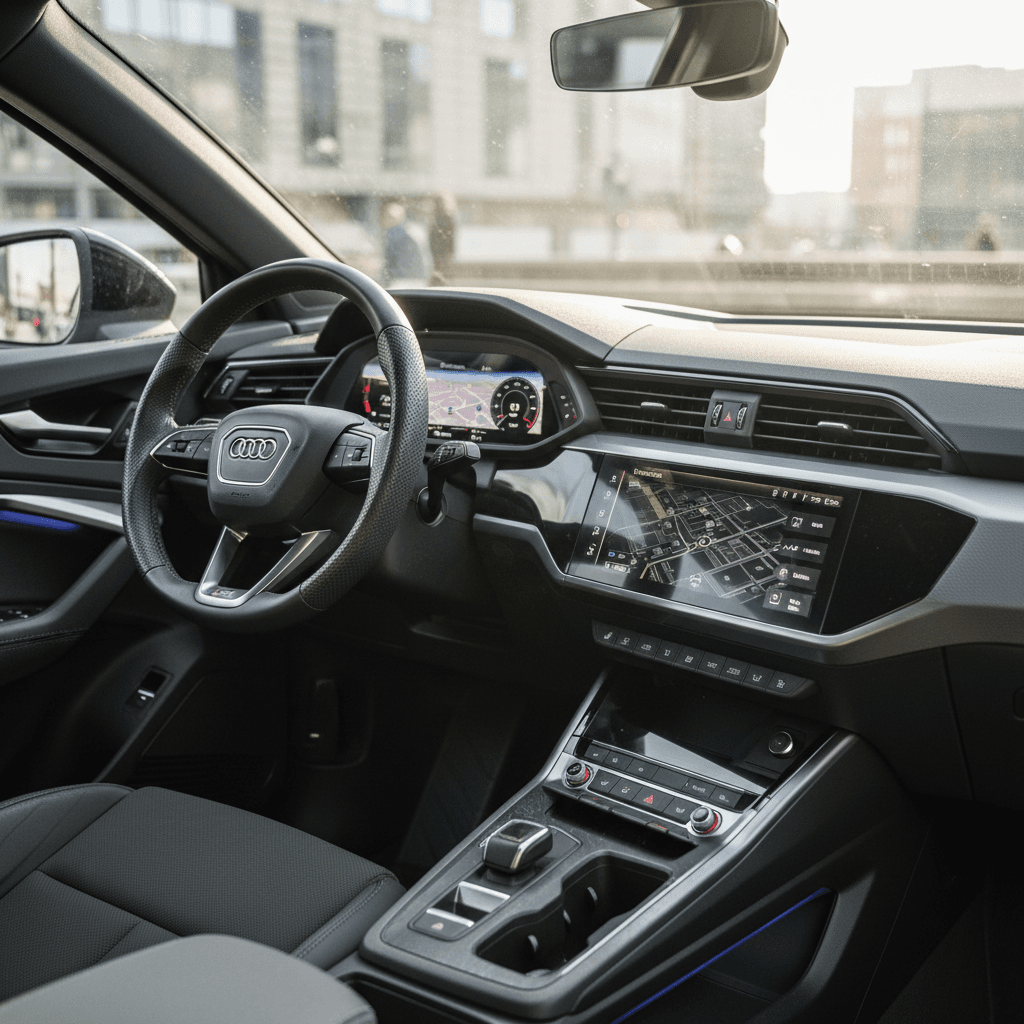
- EV6: Dual screens with a mix of touch and real buttons/knobs. Less futuristic, more familiar and easier to live with for most drivers.
Driver assistance & safety
- Model Y: Standard Autopilot (adaptive cruise + lane keeping) is very good; optional Full Self‑Driving is still a science project for most people.
- EV6: Kia’s Highway Driving Assist is excellent on the freeway, with good lane centering and lane‑change assist on higher trims.
Both carry strong crash‑test credentials and plenty of airbags; the debate is mostly about lane‑keeping flavor and interface design.
Connectivity on a used EV
Costs, Depreciation & Warranty on the Used Market
You don’t drive a spec sheet; you drive a payment. On the used market, the Model Y and EV6 tell two very different stories about value, depreciation, and warranty coverage.
Used ownership snapshot: Model Y vs. EV6
Typical patterns we see on the used market, your exact numbers will vary by year, trim, mileage, incentives, and interest rates.
| Factor | Used Tesla Model Y | Used Kia EV6 | Takeaway |
|---|---|---|---|
| Purchase price | Generally higher for similar age/miles | Lower upfront; steeper early depreciation | EV6 often looks cheaper on the lot for a comparable year & mileage. |
| Depreciation | Holds value relatively well | Drops faster from new, then levels out | Good for buyers of used EV6; less great for the first owner. |
| Warranty left (typical 2–3‑yr‑old car) | Basic warranty may be close to expiring; battery coverage still strong | Often more basic warranty left + 10‑yr/100k battery coverage | Kia’s longer basic warranty is a real asset for second owners. |
| Maintenance & service | Few moving parts; Tesla service network is improving but can be stretched in some regions | Traditional dealer network; service experience varies but there are many more physical locations | Ask yourself: do you want to deal with an app‑based service model or a local dealer? Neither is perfect. |
| Financing & insurance | Strong brand perception helps residuals; insurance can be higher in some markets | Lower sticker may mean lower tax and insurance; but rates vary | Get quotes for both before deciding, especially insurance on Performance/GT trims. |
Budget for charging gear
Battery Health & Reducing Risk on a Used EV
Battery health is the beating heart of any used‑EV decision. Unlike a gasoline car, you can’t just listen for a knock and pull the dipstick. You need data.
How to judge battery health on a used Model Y or EV6
1. Look at real‑world range, not just the EPA number
On a test drive, note the car’s projected range at 80–90% charge. Compare that to what that trim was rated for when new. A bit of loss is normal; large gaps or inconsistent readings need more investigation.
2. Ask about fast‑charging habits
A car that lived on DC fast chargers 5 days a week has had a harder life than one that mostly sipped power at home overnight. It’s not an automatic deal‑breaker, but it should affect price and expectations.
3. Use a proper battery health report
Generic OBD scanners can’t tell you what you need to know. Recharged’s <strong>Recharged Score</strong> uses EV‑specific diagnostics to measure battery health and pack behavior, so you’re not guessing.
4. Check for software or recall history
Both Tesla and Kia have issued software updates and, in some cases, recalls related to battery management and charging. Verify that the car you’re buying is up to date.
5. Factor battery warranty into your risk tolerance
A used EV6 with years of battery warranty remaining might be more appealing if you’re nervous about long‑term pack replacement costs. A Model Y with a clean health report and high Recharged Score can be just as reassuring.
Red flags to walk away from
Which Should You Buy? Clear Recommendations by Buyer Type
Both the used Tesla Model Y and Kia EV6 are excellent. The right choice is less about which is “better” in the abstract and more about which is better for you. Here’s how it breaks down when we look at real‑world shoppers.
Who should pick which EV?
Match the SUV to your actual life, not the ad copy
Pick a used Model Y if…
- You road‑trip often in areas where Tesla’s Supercharger map looks like a berry patch and everyone else’s looks like a desert.
- You need maximum cargo space and a big hatch for kids, dogs, hardware‑store runs, or weekend projects.
- You care a lot about software polish, in‑car navigation, and a seamless charging/payment experience.
- You’re planning to keep the car for years and want the strongest possible resale value.
Pick a used Kia EV6 if…
- You live where CCS fast charging is plentiful and reliable, especially along major interstates and in urban areas.
- You value interior quality, ride comfort, and a more traditional control layout.
- You plan to buy 2–3 years used and want a long remaining factory warranty.
- You like the idea of a slightly less common, more design‑forward EV that still does family duty.
If you’re still torn
Ready to find your next EV?
Browse VehiclesChecklist: How to Shop a Used Model Y or EV6 Smartly
Here’s a practical, no‑nonsense checklist you can use whether you’re buying from a dealer, private seller, or an online marketplace like Recharged.
Used Tesla Model Y vs. Kia EV6 buying checklist
1. Decide your non‑negotiables first
Range, AWD vs. RWD, budget, and home charging situation should be clear before you ever fall in love with a specific car. Write them down.
2. Map your real routes
Look at where you actually drive, commute, kids’ activities, regular trips, and map charging options along those paths. Superchargers tilt you toward the Model Y; strong CCS coverage makes the EV6 just as compelling.
3. Compare total ownership cost, not just price
Include estimated insurance, financing, home charging installation, and realistic energy costs. A slightly more expensive car with lower energy and depreciation costs can be the better deal.
4. Get a professional battery and vehicle health report
Ask for a recent, EV‑specific inspection. On Recharged, every car comes with a <strong>Recharged Score Report</strong> that includes verified battery health, charging history indicators, and fair market pricing.
5. Test‑drive on bad roads
Find the worst pavement in your area and drive it. Ride comfort, noise, and seat support reveal themselves in 10 minutes. This alone has sold many people one way or the other.
6. Plan your exit strategy
Are you keeping the car for 3, 5, or 10 years? Model Y’s brand power usually helps resale; EV6’s steeper initial depreciation can make it a fantastic value today if you’re buying used and plan to keep it.
FAQ: Used Tesla Model Y vs. Kia EV6
Frequently Asked Questions
In the end, a used Tesla Model Y and a used Kia EV6 are two correct answers to the same question: "What if my next family car didn’t burn gasoline?" One leans into software, network, and efficiency; the other leans into comfort, design, and traditional car virtues. Decide how you’ll really use the car, verify battery health with objective data, and the right choice becomes obvious. If you want help finding that car, with a transparent Recharged Score, fair pricing, and EV‑savvy support from start to finish, Recharged exists for exactly this moment in the EV story.