You’ve probably typed “automotive tune up near me” after your car started idling rough, guzzling more gas, or flashing a warning light. The problem: “tune-up” means very different things depending on which shop you call, and modern cars don’t need the same old-school timing and carburetor work your parents’ cars did. This guide walks you through what a tune-up should include in 2025, how to know if you actually need one, what it should cost, and how to pick a trustworthy shop instead of just clicking the first ad.
Old term, new reality
Why everyone searches “automotive tune up near me”
Search data shows that queries like “automotive tune up near me” spike when people notice drivability issues: rough idle, hard starts, worse fuel economy, or new noises. Shops still market around the word “tune-up” because it’s familiar, even though your owner’s manual rarely uses that term. What you’re really looking for is a thorough inspection and catch‑up maintenance service so your car feels “like new” again and doesn’t strand you.
- Restore smooth performance and fuel economy
- Catch small problems before they become expensive repairs
- Reset the maintenance clock if you just bought a used car
- Get peace of mind before a long road trip
Watch for vague coupons
What a car tune-up actually is today
Historically, a tune-up meant adjusting a carburetor, setting ignition timing, and replacing distributor parts. Modern vehicles use computer‑controlled fuel injection and electronic ignition, so there’s almost nothing to “adjust” in the traditional sense. Instead, today’s tune-up is a package of checks, cleanings, and part replacements based on mileage, age, and any symptoms you’re experiencing.
Why preventive maintenance still matters
Use your maintenance schedule as your guide
What’s included in a modern automotive tune-up
Shops don’t all offer the exact same checklist, but a solid tune-up service near you will cover the systems that most commonly cause drivability issues. Think of it as an audit of air, fuel, spark, and basic safety items rather than a single magic repair.
Typical tune-up checklist at a quality shop
Use this as a baseline when you call around about an automotive tune up near you. Ask which of these items are included and which are extra.
| System / Part | What a tech should do | Why it matters |
|---|---|---|
| Spark plugs & ignition | Inspect and replace worn plugs; check coils and wires | Restores smooth idle, easier starts, and full power |
| Engine air filter | Inspect and replace if dirty or clogged | Protects engine and helps maintain acceleration |
| Cabin air filter | Inspect and replace as needed | Improves HVAC performance and air quality |
| Fuel system | Check fuel pressure, clean injectors, inspect fuel filter (if serviceable) | Prevents hesitation, misfires, and power loss |
| Fluids | Change engine oil & filter; check coolant, brake, power steering, transmission fluids | Lubrication and cooling keep the engine and brakes healthy |
| Belts and hoses | Inspect for cracks, glazing, bulges, or leaks | Avoids roadside breakdowns and costly overheating damage |
| Battery & charging | Load‑test battery; check alternator output and terminals | Prevents no‑start situations, especially in hot or cold weather |
| Tires & brakes | Check tread depth, pressures, and brake pad wear; rotate tires if due | Directly affects safety, stopping distance, and ride quality |
| Computer diagnostics | Scan for stored trouble codes, reset maintenance reminders | Catches hidden issues before they turn into breakdowns |
Not every car will need all of these parts replaced at once, but they should at least be inspected.
What a great shop will add
Top signs your car really needs a tune-up
You don’t need to wait for a catastrophic failure. Most cars telegraph the need for a tune-up well in advance. If you notice two or more of these symptoms, it’s time to search for an automotive tune up near me and book an inspection.
- Noticeably worse fuel economy compared with what you used to get
- Rough idle, shaking at stoplights, or frequent stalling
- Sluggish acceleration or loss of power, especially on hills
- Hard starting, especially in cold or damp weather
- Check Engine light or other warning lights staying on
- New knocking, pinging, or rattling sounds from the engine
- Car pulls to one side or vibrates at highway speeds
- Soft brake pedal, longer stopping distances, or squealing brakes
Don’t ignore warning lights
How often do you actually need a tune-up?
Here’s the uncomfortable truth: there is no universal “every 30,000 miles” rule anymore. Modern cars use long‑life fluids and components, so the right interval depends on your engine, mileage, and how you drive. That’s why your owner’s manual breaks maintenance up into items rather than a single catch‑all tune-up.
General tune-up timing guidelines
Use these as a starting point, then confirm with your owner’s manual.
Check the maintenance schedule
Your manual lists specific services at 15k, 30k, 60k, 90k miles and so on. A good shop will build their tune-up around those mileage-based items.
Consider “severe use”
Lots of stop‑and‑go driving, short trips, extreme temps, towing, or dusty roads all count as severe use. You may need some items earlier than the manual’s “normal” schedule.
Watch symptoms, not just miles
If the car runs perfectly and you’re current on oil and filters, you may not need an extra tune-up at some arbitrary mileage. If it’s running poorly, don’t wait for a number.
Good rule of thumb
“Tune up cost near me”: what to expect
Pricing is all over the map because shops use “tune-up” to describe very different bundles of work. Instead of chasing the lowest headline price, compare what’s actually included when you call local shops or dealerships.
Typical tune-up cost ranges in the U.S.
These are ballpark ranges for gasoline passenger cars and small SUVs as of 2025. Luxury, performance, and large trucks can cost more.
| Service level | What’s usually included | Approximate price range |
|---|---|---|
| Basic inspection | Oil & filter, visual check of fluids, belts, brakes, quick code scan | $80–$150 |
| Mid-level tune-up | Basic inspection plus engine air filter, cabin filter, and spark plug replacement on 4‑cyl engines | $250–$500 |
| Major tune-up | All of the above plus more expensive plugs (V6/V8), deeper fuel-system cleaning, possibly coolant or transmission service | $500–$900+ |
Always ask for an estimate specific to your car’s year, make, model, and engine before authorizing work.
Beware the extremes
How to choose a reliable tune-up shop near you
When you search “automotive tune up near me”, you’ll see independent shops, dealer service departments, and chain stores. What matters more than the logo on the building is how they communicate, how they diagnose, and whether they stand behind their work.
Checklist for picking a good tune-up shop
1. Verify certifications and experience
Look for ASE‑certified technicians and experience with your specific brand. For European or performance cars, a specialist shop is often worth it.
2. Ask for a written, itemized estimate
You should see parts, labor hours, shop fees, and taxes separated. If a shop won’t itemize, that’s a red flag.
3. Understand diagnostic fees
A reasonable diagnostic fee is normal when you have warning lights or complex drivability issues. Ask whether that fee is credited toward approved repairs.
4. Check reviews for patterns, not one-offs
Look for consistent comments about honesty, communication, and whether cars are fixed right the first time, not just the star rating.
5. Ask about warranties
Good shops back labor and parts with at least 12 months/12,000 miles; some nationwide networks offer longer warranties on certain repairs.
6. Evaluate how they explain things
A trustworthy advisor will happily walk you through what they found and show you worn parts or photos, not pressure you with technical jargon.
What to say when you call
DIY vs professional tune-up: what makes sense
If you’re handy and have basic tools, you can handle some tune-up tasks yourself and leave the rest to a professional. The key is knowing where DIY saves money, and where guessing can get expensive fast.
Smart DIY items
- Replacing engine and cabin air filters
- Checking and topping off washer fluid and coolant (when the engine is cold)
- Inspecting tire tread depth and air pressure
- Swapping wiper blades
- Cleaning battery terminals
These jobs are low‑risk and can save you a decent markup on parts.
Best left to a shop
- Spark plug replacement on modern engines (especially turbo or V6/V8)
- Brake inspections and fluid flushes
- Coolant and transmission fluid services
- Diagnosing Check Engine lights and drivability issues
- Anything requiring a lift or specialized scan tools
Mistakes here can quickly wipe out any savings, or create new problems.
Parts quality matters
Tune-ups for used vehicles and EVs
If you’ve just bought a used vehicle, whether it’s a traditional gas car or a used electric vehicle, the first “tune-up” is really about establishing a baseline. You want to understand the car’s true condition so you’re not gambling on unknown maintenance history.
Different kinds of “tune-ups” for different drivetrains
Gas, hybrid, and EVs all need preventive care, just not the same care.
Gasoline vehicles
Focus on classic tune-up items: spark plugs, filters, fluids, belts, hoses, tires, and brakes. If you don’t know what’s been done, a comprehensive inspection is cheap insurance.
Hybrids
Hybrids still have spark plugs and engine oil, but also electric cooling systems and high‑voltage components. Choose a shop with hybrid experience.
EVs
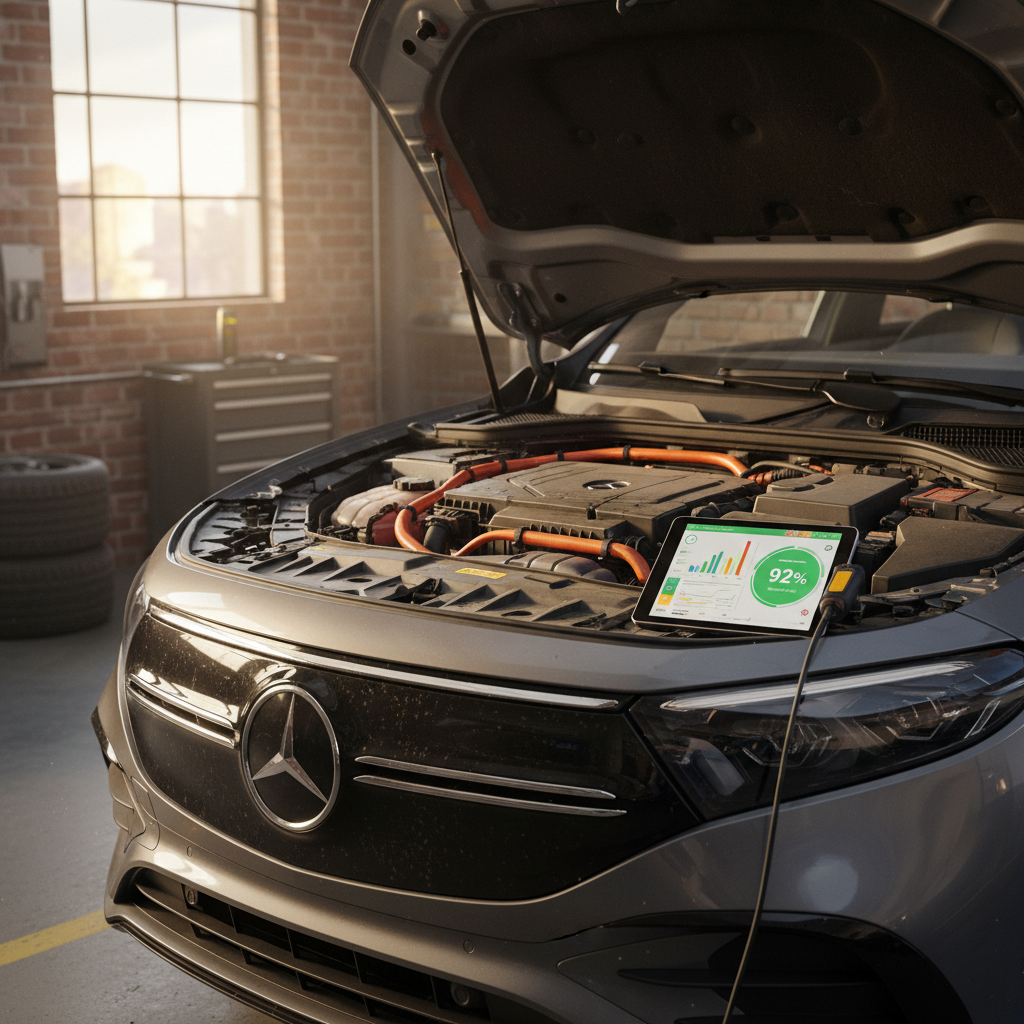
EVs don’t need spark plugs or oil changes, but they still need tire rotations, brake inspections, cabin filters, and, critically, battery health checks.
Where Recharged fits in
Ready to find your next EV?
Browse VehiclesEven if you’re shopping locally and not through Recharged’s digital storefront, you can apply the same mindset: get data, not just opinions. Ask the seller for service records, consider a pre‑purchase inspection, and then use a trusted shop to build a maintenance plan for the first year of ownership.
FAQ: automotive tune up near me
Frequently asked questions about tune-ups
Key takeaways before you book that tune-up
Before you click “schedule” on an automotive tune up near you
Clarify your goal
Do you want to solve a specific problem, catch up on overdue maintenance, or get peace of mind before a trip? Tell the shop that upfront.
Gather your info
Have your car’s year, make, model, mileage, and any warning lights or symptoms ready when you call or book online.
Ask for a checklist
Request a written list of what the tune-up includes, and compare it to the table in this article so you’re not paying for fluff.
Prioritize safety first
Give the shop permission to fix safety‑critical items (brakes, tires, steering) first and talk through everything else before you approve it.
Think long‑term
A well‑planned tune-up is less about a single visit and more about mapping out the next 12–24 months of maintenance based on how and what you drive.
Searching for an “automotive tune up near me” is a smart move, so long as you understand what you’re buying. Modern tune-ups are really structured maintenance visits designed to keep your car safe, efficient, and predictable, not mysterious one‑time fixes. Use the checklists and questions in this guide to have a more informed conversation with your chosen shop, and if your next vehicle is an EV, remember that Recharged can take the guesswork out of battery health and long‑term ownership with every used electric car we sell.