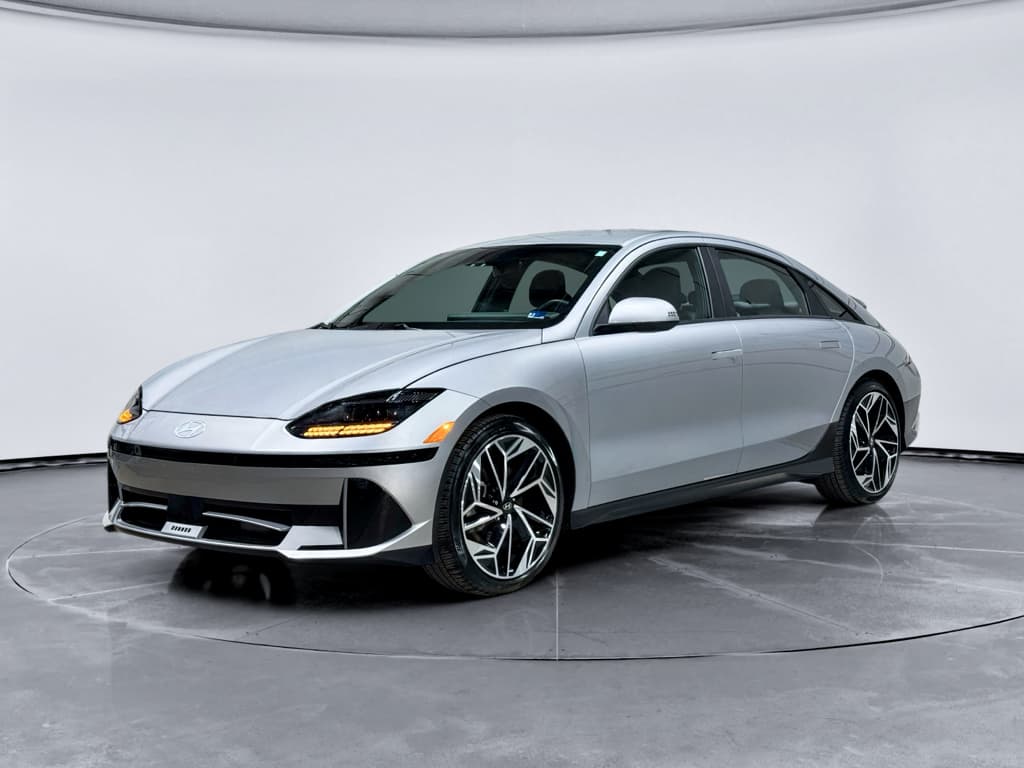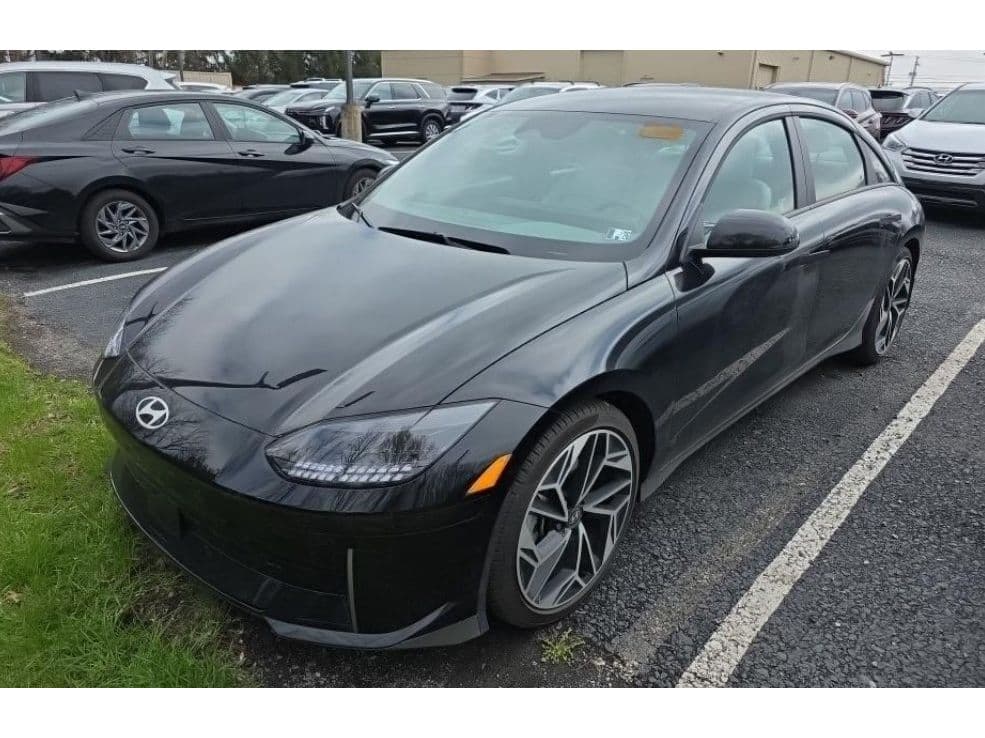
If you’re searching “Hyundai IONIQ 6 KBB value,” you’re likely trying to answer a simple question with a surprisingly complicated backstory: what is this sleek electric sedan actually worth, today, in the real world? Whether you’re trading in, selling privately, or shopping for a used IONIQ 6, understanding how blue‑book style values work for EVs is the key to not leaving money on the table.
Quick takeaway
What “Hyundai IONIQ 6 KBB value” Really Means
When people talk about Hyundai IONIQ 6 KBB value, they’re usually referring to a price estimate from a pricing guide like Kelley Blue Book. Those guides crunch masses of transaction data and adjust for mileage, condition, options, and region to estimate what a particular car should be worth today, either as a trade‑in value, private‑party value, or suggested retail price from a dealer.
- Trade‑in value: What a dealer may offer you when you trade your IONIQ 6 toward another car.
- Private‑party value: What you might reasonably expect to get if you sell your IONIQ 6 yourself.
- Retail value: What a dealer might list a similar IONIQ 6 for on the lot.
For gasoline vehicles, those guide prices usually line up reasonably well with the market. For EVs like the IONIQ 6, there’s an extra layer of complexity: battery health, fast‑changing incentives, and rapidly evolving tech can shift real‑world prices faster than most traditional pricing algorithms can keep up with.
Don’t treat guide values as gospel
7 Factors That Drive Hyundai IONIQ 6 KBB Value
If you’re trying to understand why your Hyundai IONIQ 6’s KBB value looks the way it does, or why two similar‑looking cars are priced thousands of dollars apart, start with these core factors.
Key Drivers of IONIQ 6 Value
Why no two used IONIQ 6s are worth exactly the same
1. Model year & mileage
2. Battery health
3. Trim & performance
4. Location & demand
5. Incentives & financing
6. History & condition
7. Current EV price trends
Why battery health matters so much
How Trim, Battery & Options Change IONIQ 6 Value
The Hyundai IONIQ 6 launched with multiple trims, battery sizes, and drivetrain configurations. Two of the biggest value levers are range and features. Buyers will generally pay more for the combination that best fits their daily use.
Typical Value Differences by IONIQ 6 Configuration
How common Hyundai IONIQ 6 setups stack up relative to a mid‑spec rear‑drive model of the same year and mileage, based on typical buyer preferences.
| Configuration | Relative Value vs. Mid‑spec RWD | Why It Matters |
|---|---|---|
| SE Standard Range RWD | Slightly Lower | Shorter range keeps pricing sharp, attractive to budget‑focused buyers but limits appeal for road‑trippers. |
| SE / SEL / Limited Long Range RWD | Baseline | Longer range hits the sweet spot for many shoppers balancing usability and cost. |
| Long Range AWD | Higher | Extra traction and stronger performance are desirable in colder climates and for enthusiasts. |
| Limited w/ Tech & Driver‑assist Packages | Higher | More safety and convenience tech supports a higher price if systems are functioning correctly. |
These are directional relationships, not dollar‑precise KBB values.
Software & feature updates
Hyundai IONIQ 6 KBB Value vs. Real Used-Market Prices
So how closely does a published Hyundai IONIQ 6 KBB value match what you’ll actually see on a dealer listing or private‑party ad? Sometimes it’s very close. Other times, especially when the EV market is shifting quickly, the gap can be thousands of dollars either way.
Where KBB-style values shine
- Giving you a ballpark so you don’t wildly under‑ or over‑price your IONIQ 6.
- Helping you compare trade‑in vs. private‑party scenarios.
- Showing how mileage and options move value up or down.
Where they fall short for EVs
- They rarely account precisely for battery health.
- They can lag behind sudden new‑EV price cuts or incentive changes.
- They may not fully reflect regional EV demand or charging access.
How Recharged bridges the gap
Ready to find your next EV?
Browse VehiclesHyundai IONIQ 6 Depreciation: What To Expect
Depreciation is where the IONIQ 6 starts to look especially interesting. Like most new EVs, it takes a notable hit in the first couple of years, but that also creates opportunity for used buyers. The important thing is to understand the pattern so you don’t misread a low asking price as a red flag if it’s just normal market behavior.
IONIQ 6 Depreciation Patterns (Big Picture)
Beware of “deal” cars with weak batteries
How To Check Your Hyundai IONIQ 6’s Value Step by Step
Whether you’re setting a listing price or trying to decide if a dealer offer is fair, you’ll get the best result by combining guidebook values with real‑market data and a clear look at battery health. Here’s a simple process you can follow.
Step-by-Step: Finding a Fair Value for a Hyundai IONIQ 6
1. Gather your IONIQ 6’s details
Have the VIN, exact trim, battery configuration, key options, mileage, and ZIP code handy. These details drive most pricing‑guide calculations.
2. Check a guidebook estimate
Use a reputable pricing guide to pull <strong>trade‑in</strong>, <strong>private‑party</strong>, and <strong>retail</strong> values. Print or save the results so you can compare later.
3. Scan real listings in your area
Search for similar IONIQ 6s, same or close year, mileage, trim, in your region. Pay attention to what’s actually selling, not just ambitious asking prices that sit for months.
4. Factor in battery health
If you already own the car, get a <strong>battery‑health report</strong>. On Recharged, the Recharged Score gives you a clear read on pack health and remaining life, which can justify pricing above or below generic guide values.
5. Adjust for incentives & financing
If buyers in your area can stack used‑EV incentives or special financing, that can support a slightly higher real‑world price than the guidebook suggests.
6. Set a realistic target range
After you’ve blended guidebook numbers, local listings, and battery health, set a <strong>target range</strong> instead of a single number. That gives you room to negotiate without feeling boxed in.
Getting the Best Price for a Used Hyundai IONIQ 6
Once you have a handle on your Hyundai IONIQ 6’s KBB-style value and realistic market range, the next step is choosing how to sell, or how to negotiate if you’re buying. Each route has its own trade‑offs between convenience, time, and money.
If you’re selling or trading in
- Trade‑in at a dealer: Fast and simple, but usually at the low end of value. The dealer is pricing in risk and their own margin.
- Instant offer services: Online offers based on your VIN and photos can give you a solid baseline and sometimes beat traditional dealers.
- Consignment or marketplace: Listing through an EV‑focused marketplace like Recharged can combine wider exposure with support on pricing, photos, and paperwork.
If you’re buying used
- Compare the asking price to both guide values and battery health. A strong pack can justify a number above KBB.
- Use IONIQ 6 KBB values as a negotiation anchor, but bring local comps and a battery report to support your counteroffer.
- Consider total ownership cost, insurance, energy, and maintenance, rather than price alone. A slightly higher‑priced car with a healthier battery can be cheaper to own long‑term.
How Recharged can help you sell or buy
Is a Used Hyundai IONIQ 6 a Good Buy?
If you like the IONIQ 6’s styling and driving dynamics, the used market can be a smart way to get into one. Early depreciation often makes a two‑ or three‑year‑old Hyundai IONIQ 6 feel like a bargain compared with new, especially if you’re buying from a seller who didn’t do their homework on current EV values.
Pros and Cons of Buying a Used IONIQ 6
How KBB value and real‑world pricing play into the decision
Pros
- Let someone else absorb the steepest early depreciation.
- Potentially buy well below KBB retail if you move quickly when prices shift.
- Enjoy a modern EV with strong range, efficiency, and safety features at a lower monthly payment.
Cons
- Need to pay close attention to battery health and charging history.
- Resale value will continue to track broader EV market trends, which can be volatile.
- Pricing guides may not capture the nuance of your exact trim or option mix.
If you’re comfortable doing a little homework, checking KBB‑style values, reading a battery‑health report, and scanning a few comparable listings, a used Hyundai IONIQ 6 can be a very compelling buy. Combine that with transparent reporting, fair‑market pricing, and EV‑specialist support from a marketplace like Recharged, and you can step into one of the most distinctive electric sedans on the road with confidence that you paid, or accepted, a price that truly reflects its value.