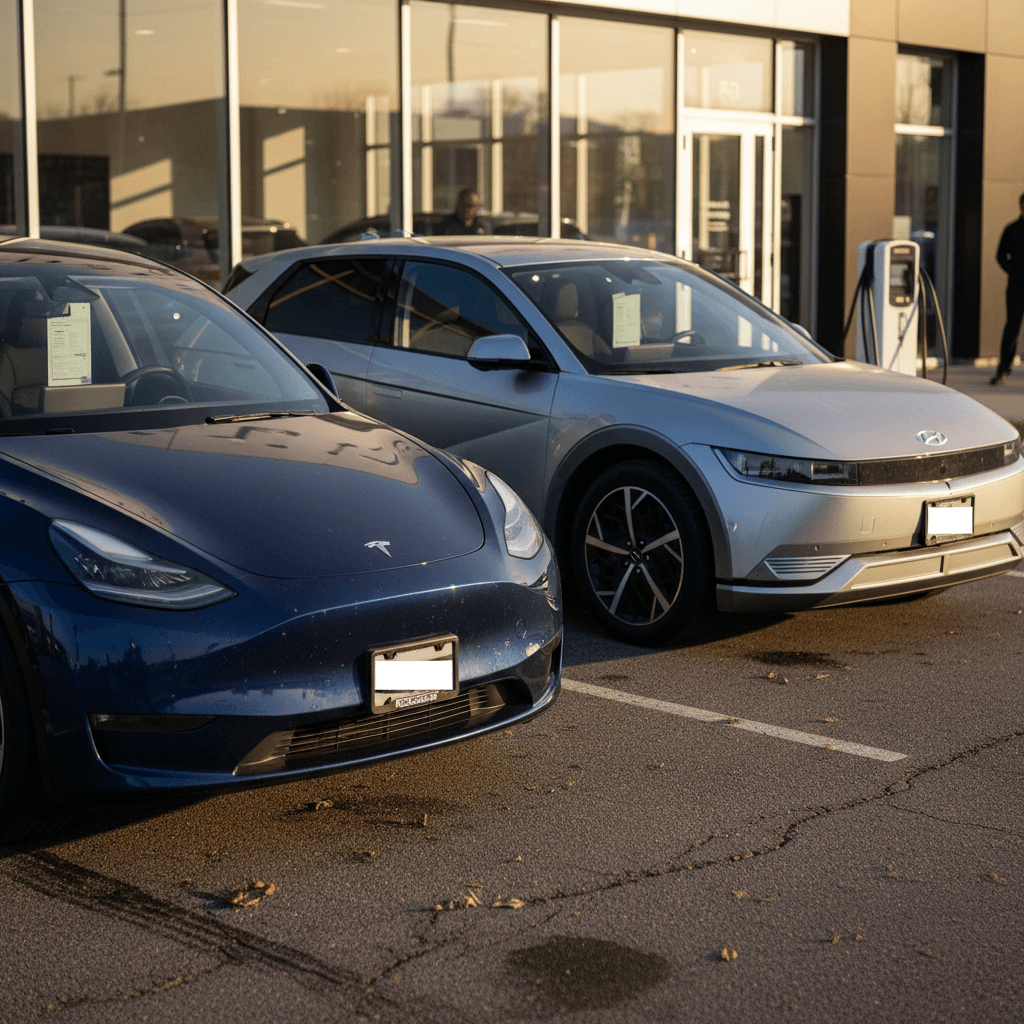
If you’re shopping for a used electric SUV in 2026, the showdown you’re probably considering is used Tesla Model Y vs Hyundai Ioniq 5. Both are practical, quick, family‑friendly EVs, but they deliver very different ownership experiences when you buy them used.
Who this guide is for
Why this 2026 used EV comparison matters
A lot has changed since these EVs launched. By 2026, used prices, charging standards, and incentives look very different than they did even in 2022. The Tesla Model Y is everywhere on U.S. roads, which means massive used inventory, and heavy depreciation. The Hyundai Ioniq 5, meanwhile, has matured with bigger batteries and, on newer U.S. models, access to the Tesla Supercharger network via a Tesla‑style NACS port.
This guide focuses on what you’re actually likely to see on the used market in 2026: mostly 2022–2025 Model Y and 2022–2025 Ioniq 5 in the U.S. We’ll compare them on price, range, charging, comfort, tech, and long‑term ownership, then help you match each SUV to the kind of driver who benefits most.
How Recharged fits in
Quick take: Model Y vs Ioniq 5 in 2026
Used Tesla Model Y vs Hyundai Ioniq 5: 2026 verdict at a glance
Both are excellent; the right choice depends on how you drive and charge.
Used Tesla Model Y: best for network and efficiency
- Strengths: Excellent range for the size, strong efficiency, huge Supercharger access, software features, over‑the‑air updates, lots of used supply.
- Best for: Drivers who road‑trip frequently, don’t want to think about charging networks, and value tech over traditional cabin controls.
- Typical trims used: Long Range AWD, Performance; 2022–2024 builds are common at good prices.
Used Hyundai Ioniq 5: best for comfort and value
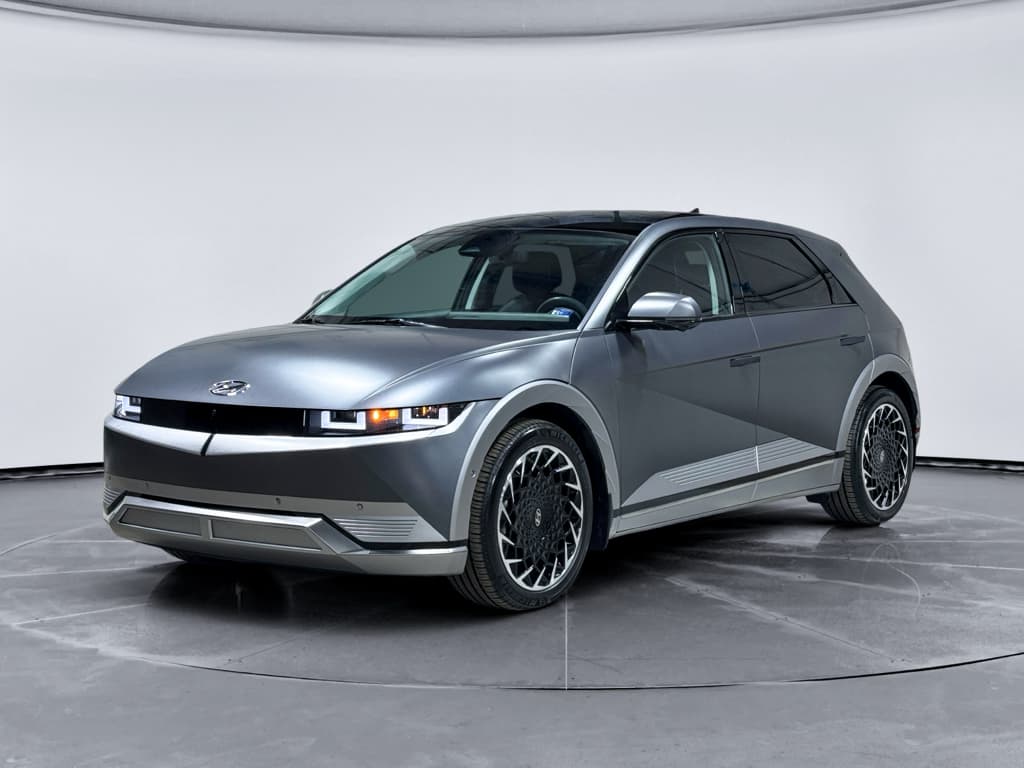
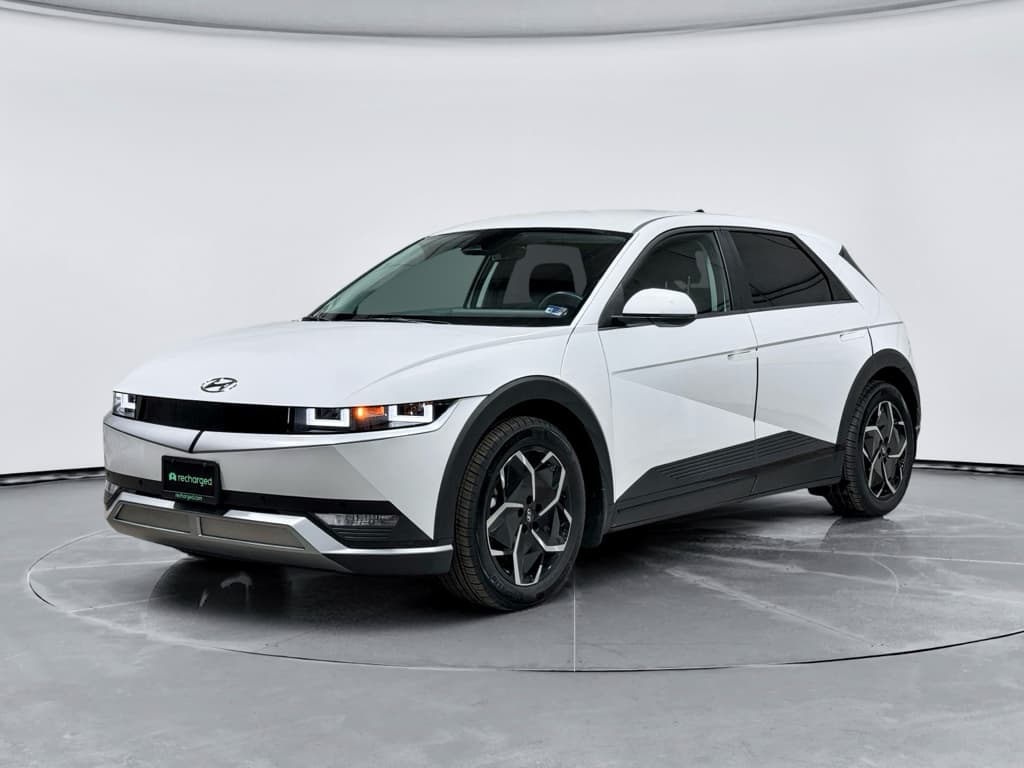
- Strengths: Lounge‑like interior, ultra‑fast DC charging, standard driver controls, strong warranty, and in 2025+ U.S. models, NACS port for Tesla Superchargers.
- Best for: Families who prioritize comfort, style, and charging speed over maximum range, plus buyers looking for strong feature content per dollar.
- Typical trims used: SE/SEL/Limited with 77.4–84 kWh pack; more 2023–2025 examples arriving off lease.
Key specs: used Model Y vs Ioniq 5
Exact specs vary by year and trim, but here’s the ballpark for the used configurations most U.S. shoppers will see in 2026. Think of these as typical rather than absolute numbers.
Approximate specs for common used trims (U.S., 2022–2025)
Representative trims you’re likely to find used; always verify exact specs for a specific VIN.
| Model | Typical used trims | Battery (usable est.) | EPA range (approx.) | 0–60 mph (approx.) | Max DC fast charge | On‑board AC charger |
|---|---|---|---|---|---|---|
| Tesla Model Y | Long Range AWD / Performance | ≈75–82 kWh | ≈279–330 miles (LR), ≈303–320 (AWD LR newer) | 4.4–3.5 sec | ≈250 kW peak | 11.5 kW (48A, 240V) |
| Hyundai Ioniq 5 | SE/SEL/Limited RWD & AWD (77.4–84 kWh) | ≈72–77+ kWh usable | ≈260–320 miles depending on battery/drive | 7.0–5.1 sec | ≈235–257 kW peak (800V) | 10.9–11 kW (240V) |
Model Y tends to win on range efficiency; Ioniq 5 counters with faster peak DC charging and a more comfortable cabin.
Spec sheet trap
Pricing, depreciation, and value
By 2026, both of these EVs have been on the market long enough to establish clear depreciation patterns, and they’re not identical. The Tesla Model Y sold in huge volume and saw meaningful price cuts on new cars, which accelerated used‑market depreciation. The Ioniq 5 sold in smaller numbers and had bigger price adjustments in some trims later in its life, particularly around the 2025–2026 model‑year update.
Used Tesla Model Y pricing patterns
- Plenty of supply: Fleet sales, leases, and rapid new‑car price moves have pushed lots of Model Ys into the used channel.
- Heavy early‑year drops: A new Model Y can lose a big chunk of value in the first 2–3 years, which is painful for first owners but a gift to used buyers.
- Trim compression: Price gaps between Long Range and Performance can shrink on the used market; older Performance cars sometimes sit close to newer LR prices.
- Price floor supported by demand: High name recognition and charging confidence keep resale from falling off a cliff.
In 2026, a well‑equipped 2022–2023 Model Y Long Range can often be priced very competitively versus a newer compact gas SUV, especially when you factor fuel savings.
Used Hyundai Ioniq 5 pricing patterns
- Lower starting MSRPs, big incentive swings: Hyundai has used aggressive leasing and incentives, which sometimes undercut Tesla on monthly payment but complicate used pricing.
- Off‑lease wave: Many 2023–2024 Ioniq 5s are returning from leases in 2026, swelling supply and improving used‑buyer choice.
- Feature value: You often get ventilated seats, head‑up display, and high‑end driver‑assist tech at a price where the Tesla may be more basic.
- Future value hinge: Later U.S. Ioniq 5s with the NACS port and larger 84‑kWh pack may hold value better than early CCS‑only models.
If you’re purely value‑driven, a well‑optioned Ioniq 5 Limited can look like a bargain versus an equivalently comfortable Model Y.
How to compare apples to apples on price
Range, efficiency, and battery health
Range is still the first number most shoppers look at, but on the used market the real story is a combination of original range, efficiency, and actual battery health today. Here’s how the contenders stack up.
Real‑world range expectations (typical used trims, mixed driving)
In independent testing and owner data, the Model Y usually ekes out better highway efficiency, aerodynamics plus Tesla’s mature drivetrain software help here. That can translate into 10–20 more real‑world highway miles from a similarly sized battery. The Ioniq 5 counters with a very efficient 800‑volt system and improved battery sizes (up to 84 kWh on newer models), bringing its range close enough that, for many drivers, the difference won’t be a deal‑breaker.
Battery health is more important than brochure range
Charging access: home, public, and Superchargers
In 2026, both of these EVs can tap into a rapidly converging charging world, but they don’t do it the same way, and small differences matter if you road‑trip.
Tesla Model Y: native Supercharger access
- Network access: Every used Model Y in the U.S. can plug directly into the Tesla Supercharger network using its native NACS charge port.
- Third‑party DC fast charging: With the right adapter, you can also use CCS stations (Electrify America, EVgo, etc.), though many owners live happily on Superchargers alone.
- Home charging: Simple with a 240‑volt circuit and Tesla Wall Connector or Mobile Connector; 11.5 kW onboard AC charger means ~35–40 miles of range per hour on a 48‑amp circuit.
For many first‑time EV shoppers, the promise of "just find a Supercharger and go" is a huge reason they gravitate toward the Model Y.
Hyundai Ioniq 5: ultra‑fast and now connected
- 800‑volt architecture: Allows very high peak DC fast‑charge rates (over 230 kW on appropriate hardware) and quick 10–80% sessions on compatible stations.
- CCS to NACS transition: Earlier U.S. Ioniq 5s use CCS and rely on third‑party networks; newer 2025+ U.S. models add the Tesla‑style NACS port, enabling direct access to many Superchargers.
- Vehicle‑to‑load (V2L): Built‑in ability to power tools, camping gear, or even small household loads from the main traction battery, something the Model Y doesn’t offer natively.
If you choose a CCS‑only Ioniq 5, your road‑trip experience will depend more on the strength of non‑Tesla networks along your routes. Newer NACS‑equipped Ioniq 5s narrow that gap significantly.
Home vs road‑trip charging priorities
Space, comfort, and driving experience
On paper, both are compact crossovers. In real use, they feel quite different. The Model Y leans toward a taller hatchback with a panoramic glass roof and firm, sport‑oriented ride. The Ioniq 5 feels more like a futuristic living room on wheels with generous legroom, a long wheelbase, and softer suspension tuning.
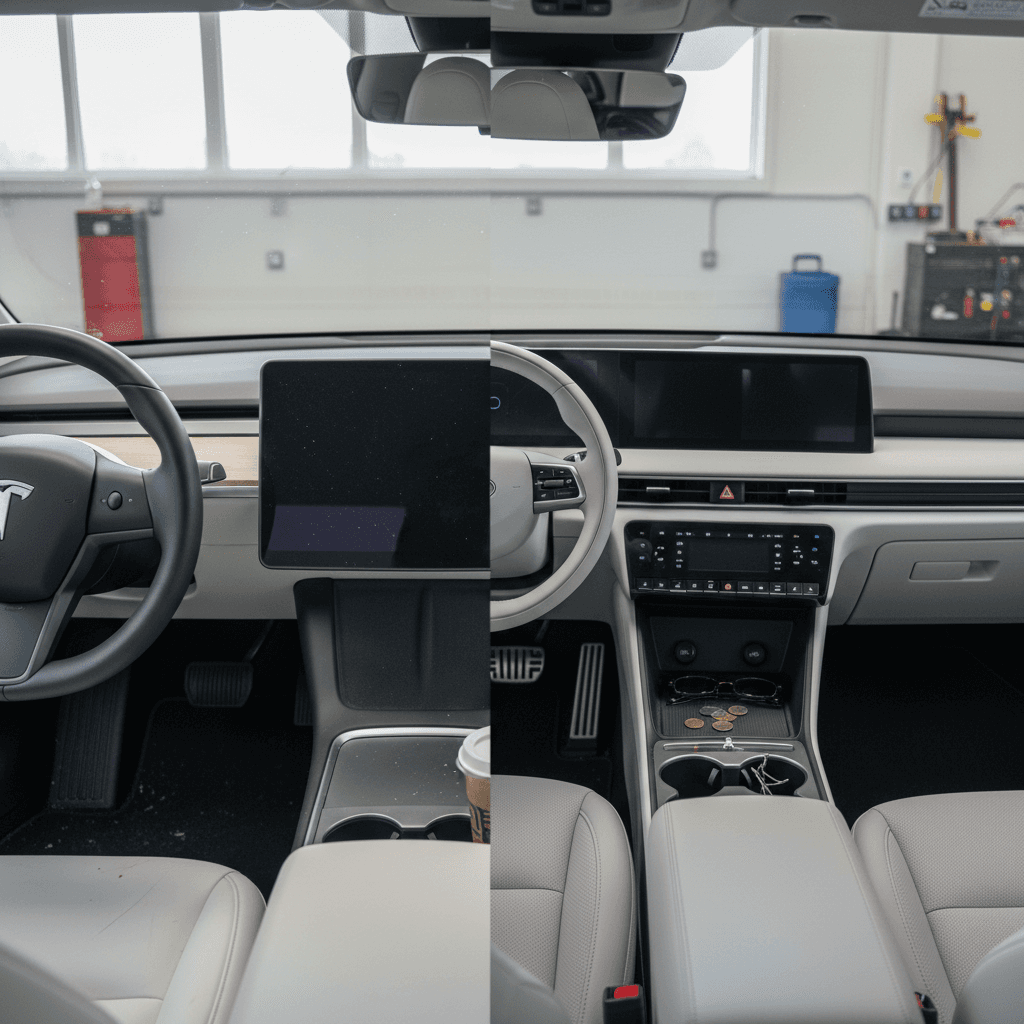
Cabin and driving experience: side‑by‑side
Both carry families comfortably; they just express that mission differently.
Interior layout
- Model Y: Minimalist, nearly all functions on a central touchscreen; optional third row in some years, but tight.
- Ioniq 5: Open, airy cabin with a flat floor and more conventional controls, plus sliding rear seats for flexible legroom vs cargo trade‑offs.
Cargo and practicality
- Model Y: Excellent cargo space with a deep rear well and usable front trunk; great if you haul strollers, sports gear, or luggage.
- Ioniq 5: Plenty of room for most families, but the front trunk is token‑sized and overall cargo volume trails the Tesla.
Ride and handling
- Model Y: Quick steering and strong acceleration, especially in Performance trim; ride can feel firm or busy on rough pavement.
- Ioniq 5: Still quick but tuned more for comfort; quiet, relaxed highway manners make it a superb commuter and family road‑trip car.
If your passengers vote…
Tech, safety, and ownership experience
Both SUVs score well on safety and technology, but they serve it up in different ways, software‑centric in the Tesla, feature‑rich but more traditional in the Hyundai.
Tesla Model Y: software‑first approach
- Interface: A single large center screen runs nearly everything, from wipers to navigation. Over‑the‑air updates can add features and refine driving behavior years after purchase.
- Driver assistance: Autopilot and optional enhanced systems can handle a lot of highway driving when used properly, though you must remain attentive.
- Apps and extras: Built‑in streaming, games, and advanced energy trip planning make the Model Y feel more like a rolling gadget than a conventional car.
Many owners love this; others miss physical buttons. It’s a good idea to spend real seat time in a Tesla interface before committing.
Hyundai Ioniq 5: balanced tech and familiarity
- Dual screens + buttons: A wide digital display setup is paired with physical climate and key function controls, which some drivers find less distracting.
- Advanced assists: Highway Driving Assist and related features deliver smooth lane‑centering and adaptive cruise when used correctly.
- Warranty and dealer network: Hyundai’s long EV component warranties and widespread dealer network can be reassuring if you like local service support.
If you want a modern EV without relearning every control, the Ioniq 5 walks that line nicely.
Service and repair expectations
Which used EV SUV fits you best?
You can’t make a bad choice between a healthy used Model Y and a healthy used Ioniq 5, but one will fit your life better. Here’s how to think about it at a high level.
Model Y vs Ioniq 5: best match by buyer type
Use cases where one clearly edges out the other.
Choose a used Tesla Model Y if…
- You road‑trip several times per year and want the simplest possible DC fast‑charging experience.
- You care more about range and efficiency than ultra‑plush ride quality.
- You like the idea of a software‑forward car that gains features over time.
- You want maximum cargo space in a relatively compact footprint.
Choose a used Hyundai Ioniq 5 if…
- You mainly commute, haul kids, and run errands and take a few trips a year.
- You prioritize comfort, quiet, and a lounge‑like cabin over razor‑sharp handling.
- You like physical buttons and a more familiar driving interface.
- You see good local availability of Ioniq 5 service and, ideally, NACS‑equipped 2025+ models.
In short: Model Y is the default choice if long‑distance charging convenience and software are your top priorities. Ioniq 5 is the connoisseur’s pick if you value comfort, design, feature value, and ultra‑fast charging, and you choose the right build year for your charging needs.
Checklist: how to choose between Model Y and Ioniq 5 used
Step‑by‑step checklist for a confident 2026 used‑EV choice
1. Map your real driving pattern
Log a few typical weeks of driving. How many miles per day? How often do you road‑trip? If you rarely exceed 150 miles in a day, both SUVs offer more than enough range; the priority becomes comfort and charging access along your occasional routes.
2. Decide how you’ll charge most of the time
If you’ll install a Level 2 charger at home, either works great. If you’ll rely on public fast charging, check which networks are dense along your routes and whether you prefer Tesla’s Supercharger ecosystem (Model Y, or newer NACS‑equipped Ioniq 5).
3. Check battery health, not just mileage
Use a marketplace that can show measured battery health, not estimates. A Recharged Score battery assessment will tell you how much usable capacity remains and whether charging patterns suggest abnormal wear.
4. Compare total ownership costs
Factor insurance quotes, expected maintenance (tires, brakes, suspension), and any subscription features you care about. Don’t forget that Hyundai’s remaining factory warranty may be longer than Tesla’s on some used examples.
5. Sit in both cabins and drive them
Screens and spec sheets can’t tell you how the seats feel or how easy the interface is to live with. Spend real time in both, a 20‑minute drive in traffic often reveals whether you love or hate the Tesla’s screen‑centric controls or the Hyundai’s softer ride.
6. Prioritize the right build years
For the Model Y, target trims with the range, wheels, and options you want at a price that reflects recent depreciation. For the Ioniq 5, consider whether access to NACS Superchargers (on newer models) is worth paying more than for an earlier CCS‑only car.
7. Use third‑party inspection and history
Even with fewer moving parts than gas SUVs, EVs benefit from a pre‑purchase inspection and a clean history report. Look for collision repair, wheel damage, and unusual tire wear that might signal alignment or suspension issues.
Let Recharged do the homework
FAQ: used Tesla Model Y vs Hyundai Ioniq 5 in 2026
Frequently asked questions about used Model Y vs Ioniq 5
In the 2026 used market, the Tesla Model Y and Hyundai Ioniq 5 are the two pillars of the electric‑SUV world. The Model Y rides on a powerhouse charging network, strong efficiency, and constant software evolution. The Ioniq 5 brings standout design, comfort, and ultra‑fast DC charging, especially in newer, NACS‑equipped trims. If you focus on battery health, charging fit for your lifestyle, and a fair used price rather than the badge alone, you’ll end up with an EV that makes every mile feel like the right decision.