If you’re considering a Chevy Equinox EV, the number that really matters isn’t just the EPA rating, it’s the real‑world highway range you’ll see at 70–75 mph, with luggage, family, and weather that doesn’t care what the brochure says. This guide breaks down what Equinox EV owners can realistically expect on the highway, how conditions change your range, and how to shop and road‑trip with confidence.
Quick take
Why real‑world Equinox EV range matters more than the brochure
EPA range tests are helpful for comparing EVs, but they’re not a promise. They blend city and highway driving, use moderate speeds, and assume mild weather. If your reality is 75 mph interstate runs, winter temps, or a roof box, you’re living in a different world than the test cycle. That’s why understanding real‑world Chevy Equinox EV highway range is so important, especially if you’re cross‑shopping SUVs like the Tesla Model Y, Hyundai Ioniq 5, or VW ID.4.
Highway range drives three big decisions: whether the Equinox EV fits your commute, how relaxing a road trip will feel, and what kind of used Equinox EV you’re comfortable buying a few years from now when battery health starts to matter more than MSRP.
Chevy Equinox EV range at a glance (estimates)
Equinox EV battery sizes and official EPA range ratings
The Equinox EV rides on GM’s Ultium platform, with a single battery architecture offered in different trims and drive configurations. Exact EPA numbers vary by model year and wheel/tire choice, but you can think of the lineup in three main buckets:
Chevy Equinox EV: simplified EPA range picture
Approximate EPA combined range figures to frame our highway estimates. Always check the specific window sticker for the exact vehicle you’re considering.
| Configuration | Drive | Wheels | Approx. EPA range (combined) |
|---|---|---|---|
| LT / 1LT–2LT | FWD | Standard aero wheels | ~300 mi |
| RS trims | FWD | Sportier wheels/tires | ~280–290 mi |
| AWD (most trims) | AWD | Standard wheels | ~260–280 mi |
| AWD + larger wheels | AWD | Upsized / performance tire | ~250–265 mi |
These are rounded, representative EPA ratings; your specific Equinox EV’s label may differ slightly by model year and equipment.
EPA range is not your cruising range
Real‑world Chevy Equinox EV highway range estimates
Let’s translate those lab numbers into realistic highway expectations. Below are ballpark estimates for steady 70–75 mph driving in mild conditions (around 65–75°F), relatively flat terrain, and no roof rack. Think of these as best‑case, but believable numbers for a healthy battery and sensible driving.
Estimated real‑world Equinox EV highway range
Approximate usable highway range at 70–75 mph in good conditions, starting from 100% charge and planning to arrive with about 10% remaining.
| Configuration | EPA combined | Estimated highway range (usable) | Notes |
|---|---|---|---|
| FWD, aero wheels | ~300 mi | 210–240 mi | Most efficient long‑range setup |
| FWD, sport wheel/tire | ~280–290 mi | 200–225 mi | Slightly less efficient at speed |
| AWD, standard wheels | ~260–280 mi | 185–215 mi | Extra motor, more drag |
| AWD, larger wheels | ~250–265 mi | 175–205 mi | Heaviest + most rolling resistance |
Usable highway range assumes you don’t run the pack to 0%, most drivers and trip planners keep 10–15% as a buffer.
How to read these numbers
How trims, wheels, and AWD change your highway range
FWD vs AWD
All‑wheel drive gives you extra traction and more confident launches, but it costs you in range. You’re carrying another motor, more drivetrain mass, and a bit more internal drag.
- FWD Equinox EV: Best for maximizing range and efficiency.
- AWD Equinox EV: Expect roughly a 10–15% hit to highway range versus a comparable FWD trim.
Wheels and tires
Those sharp‑looking big wheels and sticky tires are great for curb appeal, not for your watt‑hours.
- Smaller aero wheels cut turbulence and rolling resistance, which helps at 70–75 mph.
- Larger wheels or aggressive tires can easily cost 10–20 miles of real‑world highway range.
If long‑distance driving matters, always check wheel size and tire type on any new or used Equinox EV.
Highway range vs city driving: why the numbers change
If you mostly drive around town at 30–45 mph, you may see range that’s equal to or better than the EPA rating. On the highway, the story flips. Here’s why your Chevy Equinox EV’s real‑world highway range often looks worse than its city range:
Why highway range is usually lower than city in an Equinox EV
It’s not your imagination, physics really does hate high speed.
Aerodynamic drag skyrockets
Less regen opportunity
Climate loads constant
A quick mental rule for range
7 real‑world factors that cut Equinox EV highway range
Think of your Equinox EV’s EPA number as the top of the range bell curve. Everyday life nudges you down that curve. Here are the biggest culprits, and roughly how much they can matter on a long highway drive:
Real‑world range killers to watch for
1. Speed above 70 mph
Pushing from 70 to 80 mph can easily cost you <strong>10–20% of your range</strong>. If you’re stretching the pack to make the next charger, slowing down is your most powerful tool.
2. Cold weather and cabin heat
Around freezing and below, using resistive heat can shave <strong>20–30%</strong> off your range. Pre‑condition while plugged in, use seat and wheel heaters, and dial back cabin temps to stretch miles.
3. Strong headwinds or crosswinds
A direct headwind is like driving up a constant invisible hill. On a windy day, don’t be surprised to see energy use spike even if your speed and route stay the same.
4. Elevation gain
Climbing long grades on the interstate burns energy fast. You’ll recover some on the way down via regen, but not all of it. West‑coast mountain passes and Appalachian grades can steal dozens of miles.
5. Roof racks, boxes, and bikes
Bolt anything bulky to the roof and your SUV becomes a parachute. Expect roof boxes and upright bikes to chop <strong>10–25%</strong> off highway range at typical US speeds.
6. Heavy loads
Passengers, cargo, trailers, weight adds up. The heavier the Equinox EV, the harder it has to work, especially on hills and during acceleration.
7. Aggressive driving style
Hard accelerations, constant lane‑changing, and surging up to slower traffic all waste energy. A smooth, steady right foot is worth real miles between charges.
Don’t trust best‑case range in winter
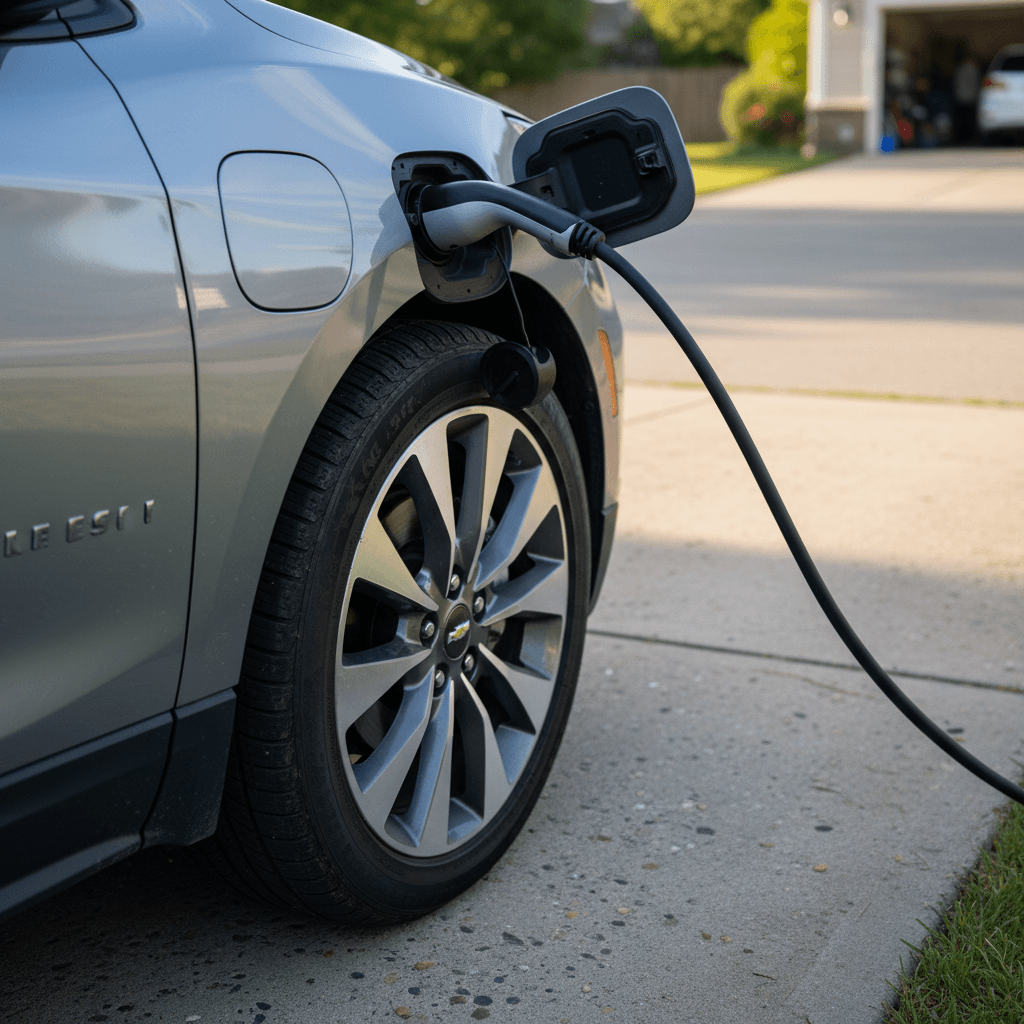
Planning a road trip in a Chevy Equinox EV
The Equinox EV was designed with American‑style highway travel in mind. Its Ultium pack, decent aerodynamics, and respectable DC fast‑charging speeds mean you can absolutely take it across states, it just asks you to think differently than you would in a gas crossover.
Equinox EV highway planning: key moves
A few smart habits turn range anxiety into range awareness.
Use an EV‑aware planner
Aim for shorter hops
Drive the charger, not the car
Sync stops with meals
Range comfort tip
Buying a used Equinox EV? How to judge remaining range
Highway range matters even more when you’re shopping used. The odometer tells part of the story, but battery health is what decides how far you’ll really go at 70 mph a few years down the road.
What to ask and check
- EPA rating vs. current behavior: Ask the seller what they actually see on their regular highway drives.
- Charging history: Occasional DC fast charging is fine; constant 0–100% DC blasts over years can accelerate degradation.
- Service records: Look for software updates and any high‑voltage system checks or warranty work.
How Recharged helps with range reality
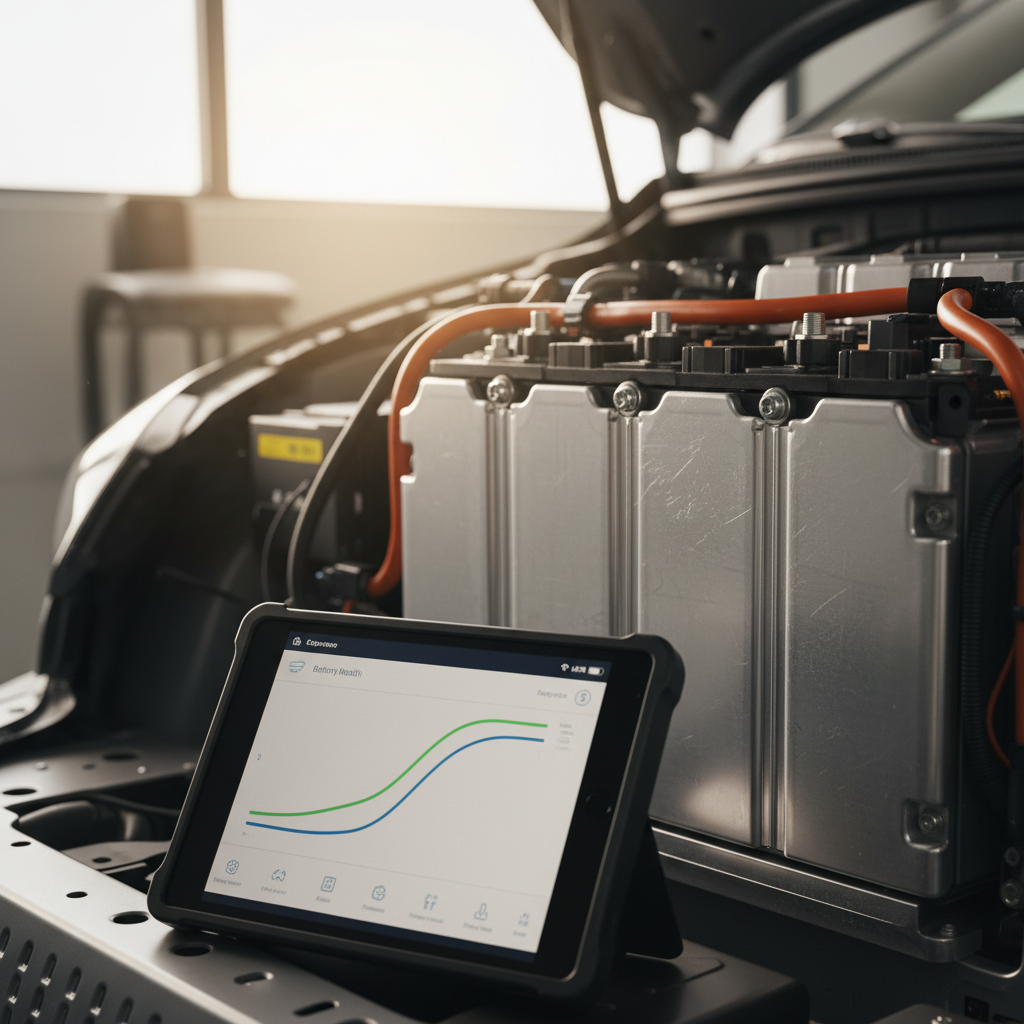
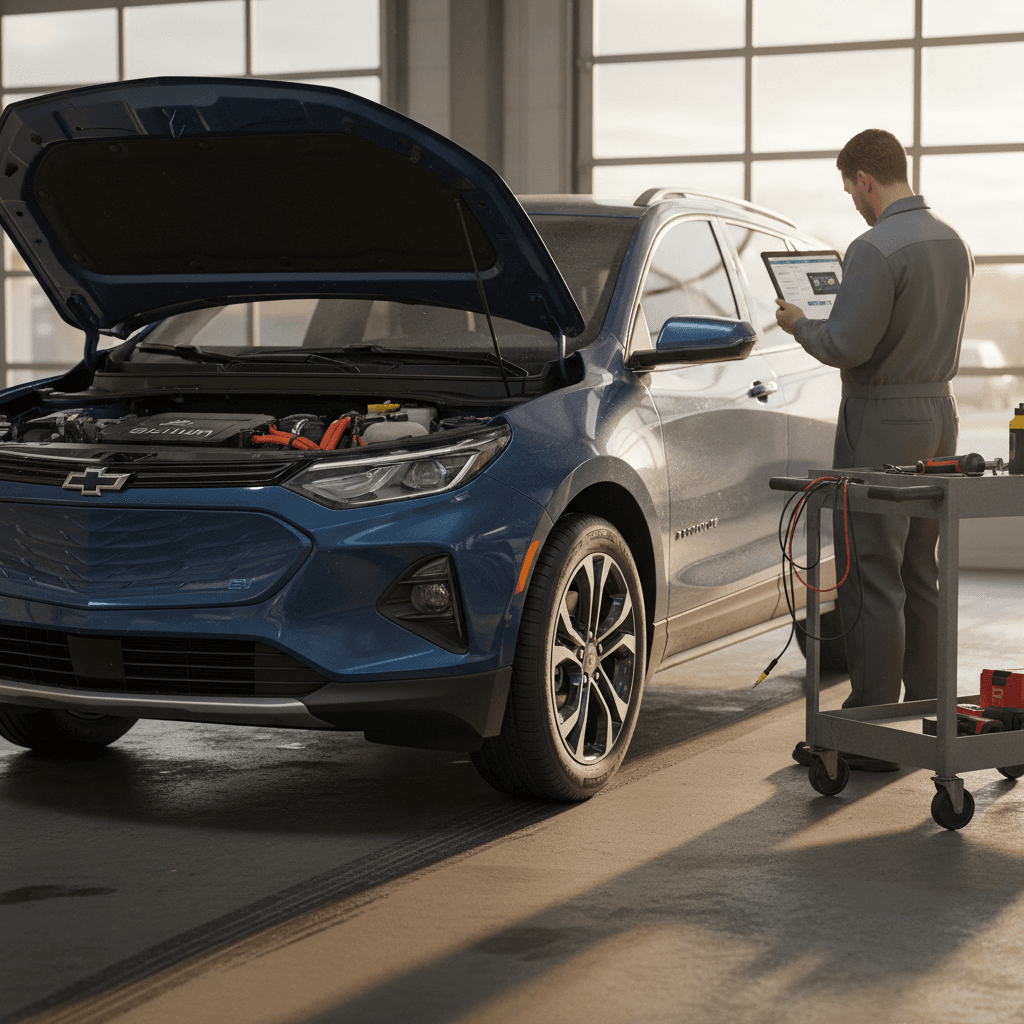
Every EV on Recharged comes with a Recharged Score Report that includes a battery health diagnostic, so you’re not guessing how much range has quietly slipped away.
Our EV specialists can also talk through your actual use case, weekly commute, annual road trips, climate, and help you compare real‑world range across models, not just Equinox EVs.
Test drive like you drive
FAQ: Chevy Equinox EV real‑world highway range
Frequently asked questions about Equinox EV highway range
Bottom line: Is the Equinox EV’s highway range enough?
If you come from a gas crossover, the Equinox EV asks you to think differently, but not to sacrifice your life on the highway. In most trims, its real‑world highway range is more than enough for typical American commutes and weekend getaways, and perfectly workable for road trips once you accept a new rhythm of shorter, smarter stops.
The key is to match the configuration to your reality. Highway‑heavy drivers in flatter, warmer regions will be happiest in an efficient FWD trim; snow‑belt drivers who want AWD should plan for slightly shorter legs and more conservative winter expectations. And if you’re looking at a used Chevy Equinox EV, lean on objective battery‑health data, like the Recharged Score Report, so you know how much of that original range is still on the table.
When you’re ready to shop, Recharged can help you compare real‑world range across multiple EVs, understand battery health at a glance, secure financing, and even arrange nationwide delivery. That way, the only surprise on your next highway run is the view, not the range estimate.